Author: ksenija

  • Lynx capture at Bukovikj locality

    Lynx capture at Bukovikj locality

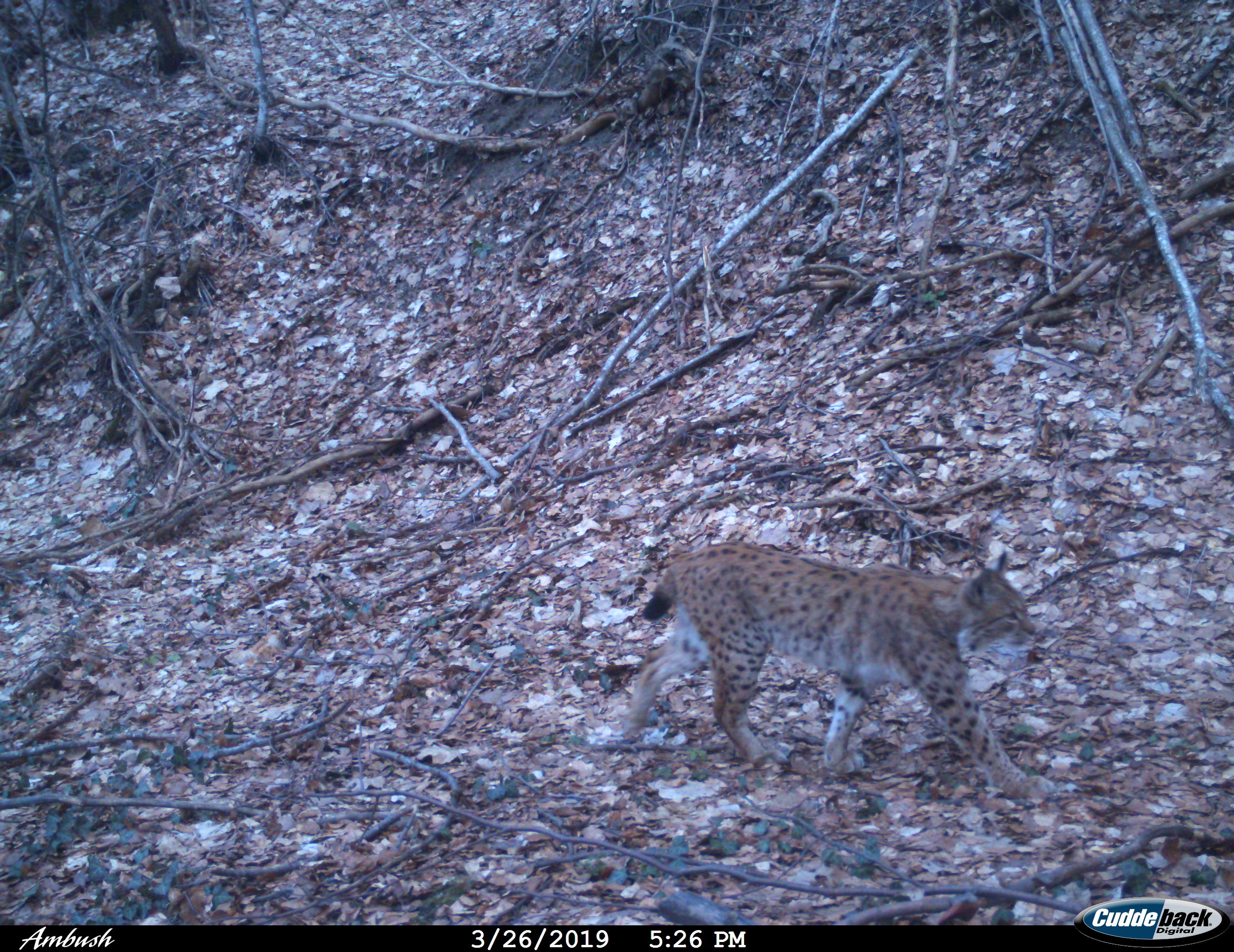
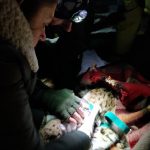
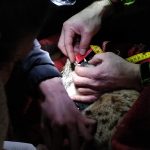
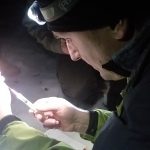
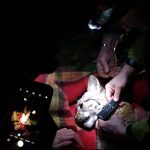
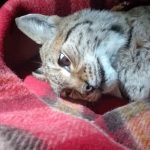
    New lynx is here! 12 February 2020 the lynx team of the Macedonian Ecological Society (MES) box-trapped a new individual of the rare Balkan lynx in Bukovikj, near the town of Kichevo. Representatives from the Faculty of Veterinary Medicine in Skopje and Sokol-Z Hunting Society from Zajas village assisted during lynx sedation and taking of measurements and samples of hair and blood. The procedure established that the lynx is a healthy female aged 2–3 years, weighing 15 kg.

    This is the second radio-collared female (after Maja) to be monitored by radio-telemetry and GPS-tracking. It is crucial to broadening our knowledge about lynx distribution, and food and habitat needs. The lynx was camera-trapped last year on the same site. For the time being, the lynx is in good health, as seen from the locations using GPS-tracking, which revealed its first prey after the capture – roebuck kill from 4–5 days ago.

    Our friends from Sokol-Z HS were given the honour of naming the lynx. They opted to name this beauty Narcisa. Narcisa, we wish you abundant prey and many offspring!

    Ever since 2010, MES has captured and radio-collared a total of eight lynx individuals, providing valuable data about the behaviour of this secretive animal.

  • Third national meeting with the Anti-poison working group

    Third national meeting with the Anti-poison working group

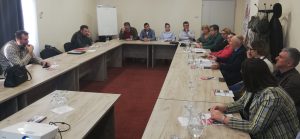
    On 19 th of November 2019, The Macedonian Ecological Society in collaboration with the Ministry of Environment and Physical Planning organized the third meeting of the National Anti-Poison working group in Skopje. The aim of the meeting was the formalization of the Action Plan for combating wildlife poisoning under the national legislation. Implemented activities since the last meeting were presented to the working group and it was discussed about the measures that are a priority in regards to the problem with wildlife poisoning. Also key gaps and overlaps were identified.

    A diverse group of representatives from public institution attended the meeting such as: State Environment Inspectorate, professors from the Faculty of Natural Sciences and Mathematics, University Goce Delcev – Shtip, Faculty of Security, Faculty of Veterinary Medicine, Ministry of Environment and Physical Planning, Ministry of Interior and Agency of Food and Veterinary. The implementation of the national Action plan is a component under the Balkan Anti-Poisoning project. The project is financed by the Vulture Conservation Foundation and is being implemented in Albany, Bosnia and Herzegovina, Croatia, Greece and Serbia. The Macedonian Ecological Society has a role as a partner organization from North Macedonia.
  • Balkan Lynx Partner Meeting in Peja, Kosovo

    Balkan Lynx Partner Meeting in Peja, Kosovo

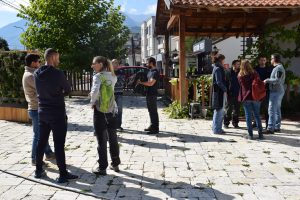
    A kick-off meeting for the fifth phase of the Balkan Lynx Recovery Programme took place in Pejа, Kosovo in the beginning of October this year. The meeting was attended by the partners from MES, PPNEA, KORA, EuroNatur and was hosted by the NGO ERA Group from Kosovo. The partners discussed the achievements accomplished in the last three months since phase onset and the activities that need more attention to be carried out on time. The fifth phase represents a continuation of the fourth phase where many activates commenced and are being implemented. In this stage, MES will continue working on the education of schoolchildren in primary schools in the Mavrovo region and its surroundings, and also continue the work with the pilot hunting grounds from the western part of the country. The remaining strategies are focusing on research and monitoring of the Balkan lynx population, proclamation of Suvi Dol as a protected area, implementation of the Conservation Action Plan in Mavrovo National Park and working towards the improvement of the policy regarding the hunting and nature protection in Macedonia. During the visit, an excursion was organised to Rugova Gorge, Prokleitije Mts, where the team was introduced to the field activities of the colleagues from ERA.

  • Educational research camp for biodiversity of National Park Pelister

    Educational research camp for biodiversity of National Park Pelister

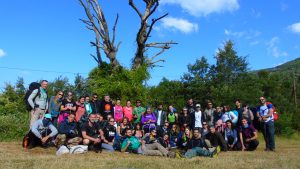
    The transboundary nature of Prespa and Baba Mt. implores transboundary cooperation and coordination in order to achieve the efficient conservation of the region that PrespaNet strives for. Consequently, when MES was invited to join the Biology Students’ Research Society in their biological and ecological investigations of Baba Mt. (particularly national park “Pelister”) from July 8th-13th, we used PrespaNet to reach out and invite student volunteers from the three countries where the Prespa basin stretches.
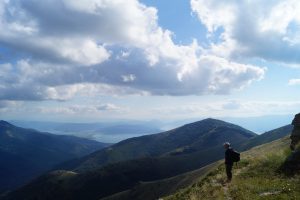
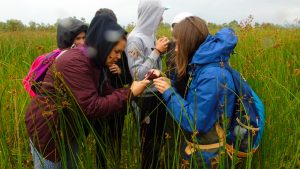
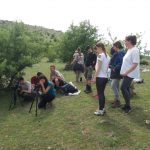
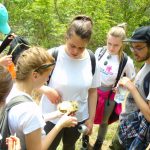
    During the intense field research, we explored the biological diversity of the mountain, generously shared knowledge and experience with over thirty students, and noted any new biological and ecological data for the national park, as well as what has sadly gone missing and is possibly now extinct. These data did not only prove to have a research but also educational purpose. In scope of the project, in 2020 it is expected similar camp to be organized by SPP in Greece.


  • Cycling and birding around Prespa Lake

    Cycling and birding around Prespa Lake

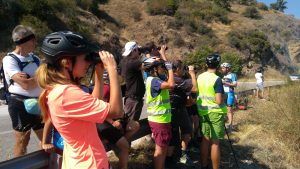
    In mid-September, MES in cooperation with the Bicycle club Milton Manaki and Bicycling-mountaineering club PrepsaBike organized a join event on birdwatching during a cycling tour around the Prespa Lake. The event was aiming at introducing the birds of Prespa Lake to a different demographic group, all the while marking the European Birdwatch Day for 2019 and to promote MES’s local office. Via dseveral observation points on Pretor, Gorno Perovo, Sirhan and Stenje the participants were instructed to the proper use of binoculars and spotting scope for the purpose of birdwatching, they learned about the birds occurring around Prespa Lake throughout the year and discovered why the reedbed in Nature Park Ezerani is important for birds and everyone and everything else.
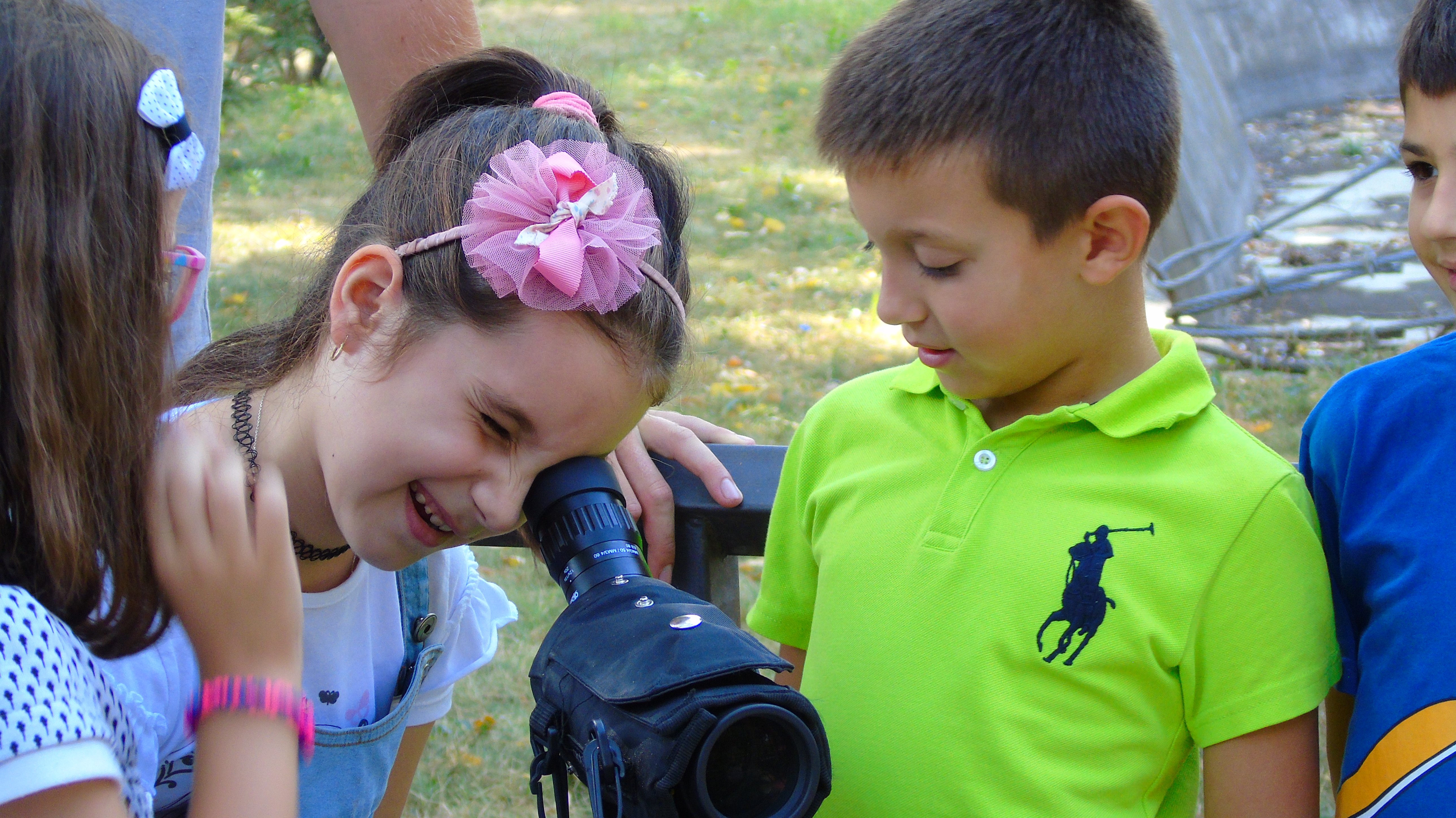
    We stopped at MES’s local office, and the participants had the opportunity to learn about the conservation and promotion activities for the Prespa biodiversity and MES’s efforts in its protection. With interesting facts about birds, new birdwatching skills and few gifts from MES, the participants were asking for the next such event.

  • International Vulture Awareness Day in the Skopje ZOO

    International Vulture Awareness Day in the Skopje ZOO

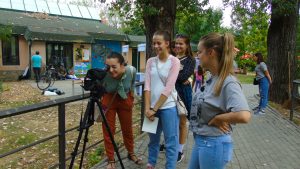
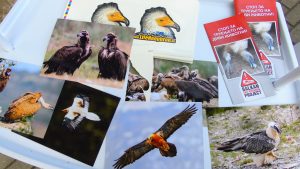
    On September 7th the Macedonian Ecological Society in collaboration with the Biology Students’ Research Society held a celebration for the International Vulture Awareness Day in the Skopje ZOO. The event was held under the “Egyptian Vulture New Life” project. The purpose of the event was to raise awareness and educate the public about the European Vultures and the efforts made to protect them.

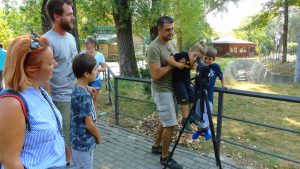
    The visitors had an opportunity, through participatory activities meant for all ages, to learn play games and test their knowledge about vultures. Our youngest guests expressed the most enthusiasm. The event went with lots of games and laughter, and most important, with new friendships made.

    (LIFE16 NAT/BG/000874)

  • Balkan lynx education in primary schools complete

    Balkan lynx education in primary schools complete

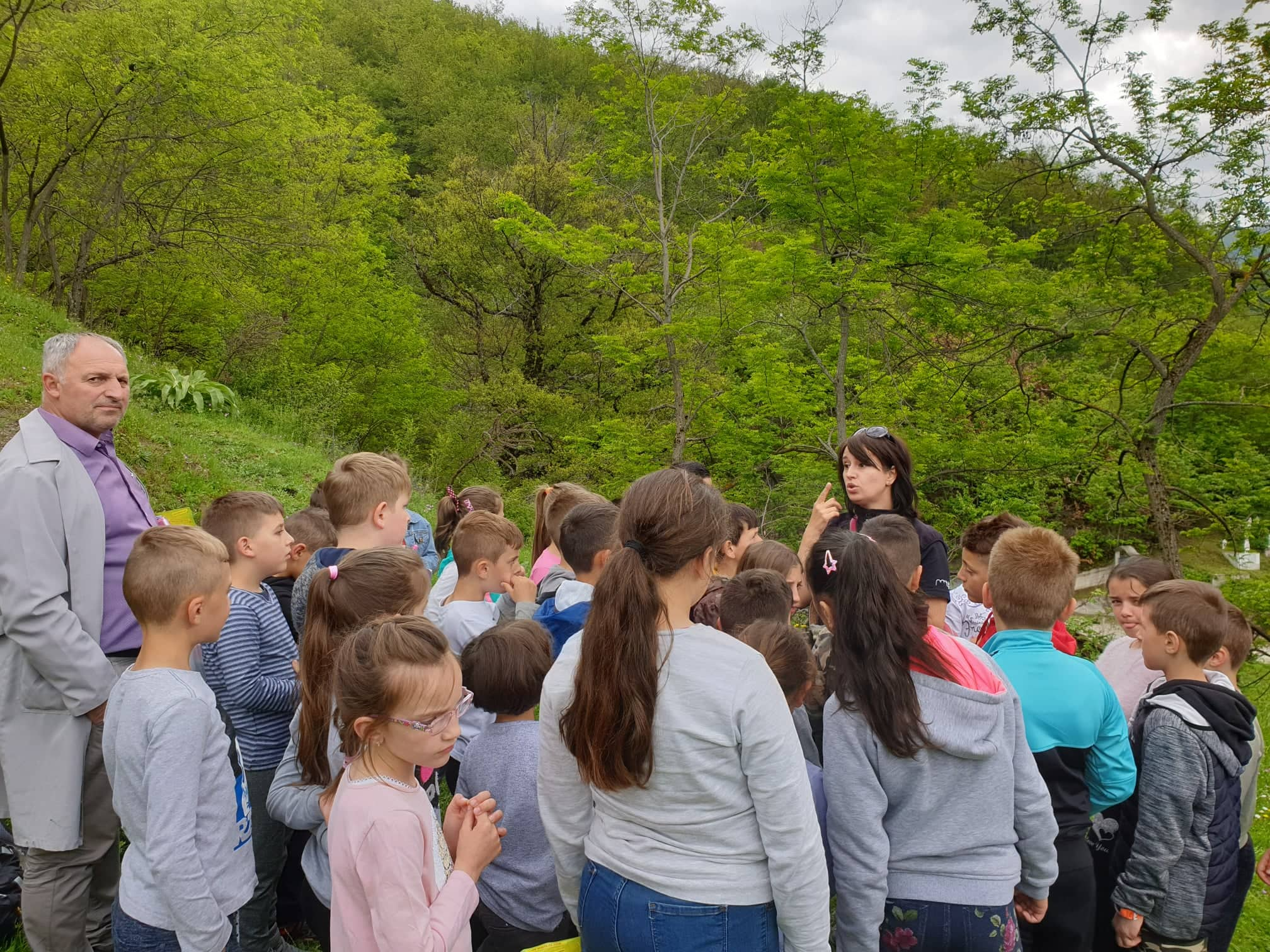
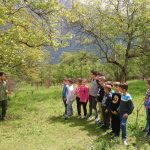
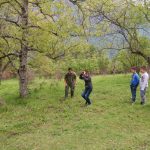
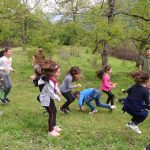
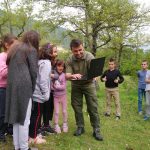
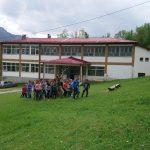
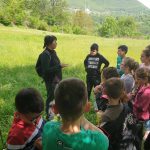
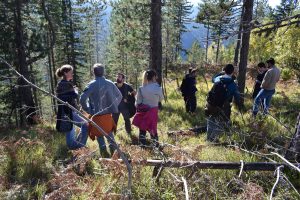
    Last week, 30 and 31 May 2019, we rounded off the educational activities for the schoolchildren of the primary schools in the Municipality of Mavrovo and Rostushe. Educational activities, implemented by representatives from the Macedonian Ecological Society (MES) and Mavrovo National Park, began in March, with a series of lectures about the Balkan lynx. The third, final part of education included field activities, as part of their outdoor education. This presented an unusual opportunity for schoolchildren from the villages of Zhirovnica, Rostushe, Trebishte and Velebrdo to get familiar with the methodology and means of conducting research about the Balkan lynx. In that respect, together with first-to-fifth-grade schoolchildren we visited the local forest, followed wildlife trails, imitated wild animals to see the use of camera traps, and also used radio-telemetry to search for the “lynx” schoolchildren.

    Lynx education represents part of the Education Strategy of the Balkan Lynx Recovery Programme. The education package in primary schools had its inception ever since 2015, whereas so far a total of 1,500 schoolchildren have been included.


  • World Migratory Bird Day in the Land of the Egyptian Vultures

    World Migratory Bird Day in the Land of the Egyptian Vultures

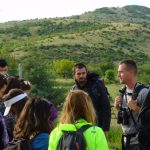
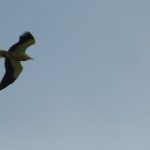
    On 12 May (Sunday), the Macedonian Ecological Society together with the Biology Students’ Research Society celebrated the World Migratory Bird Day under the Egyptian Vulture New Life Project. Around 40 participants, mainly biology students and bird enthusiasts, had a unique opportunity to visit the land of the Egyptian vulture in the central part of North Macedonia, near the city of Veles. During this field trip, the participants visited an Egyptian vulture territory and were able to see the pair of this long distant migrant flying around the nest as well as incubating.


    The field trip served both scientific and educational purposes as students and experts worked together in gathering data on all aspects of biodiversity.


    The Egyptian vulture team from the Macedonian Ecological Society had a short presentation on the ecology, threats and distribution of the species in the country. Besides the Egyptian vulture, the students had the chance of seeing many other attractive migratory bird species such as: imperial eagles, black storks, honey buzzards, short-toed eagles, etc.

    We hope that during this excursion we succeeded in raising awareness about the Egyptian vultures and maybe even gained people who will help us in our quest of protecting this magnificent bird.

    (LIFE16 NAT/BG/000874)

  • The Wild Side of Prespa – plants

    The Wild Side of Prespa – plants

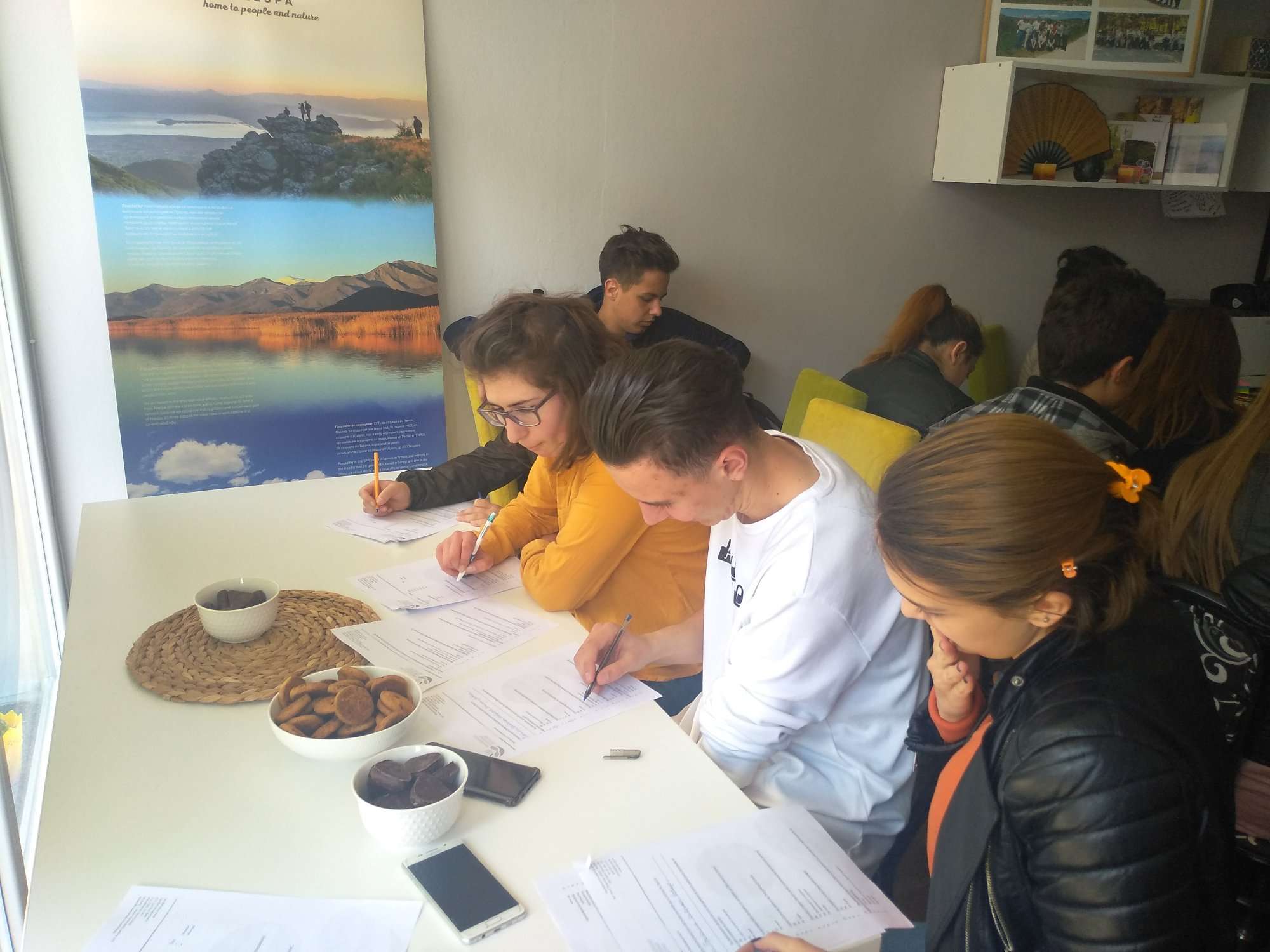
    The series of lectures “The Wild Side of Prespa” continued with a presentation about the plants. The MES office in Resen on April 4 was again filled with a group of high school students from the Car Samoil high school. The plants as a theme is actually part of an entire component of the common ongoing project for preservation of Prespa region that MES conducts together with partners from PrespaNet. It’s about the section titled “Plants, people, Prespa”, through which we will try to popularize the plants, especially the more important ones for this region. The lecture was introductory and informative, and high school students expressed interest in joining us on future activities related to the monitoring of key plant species found in Prespa.


    This was the fifth consecutive lecture on the biodiversity of the Prespa region and from April to June MES will continue with lectures in nature.

  • Workshops on the process related to the disposal of the deposited lindane from the OHIS plant in Skopje

    Workshops on the process related to the disposal of the deposited lindane from the OHIS plant in Skopje

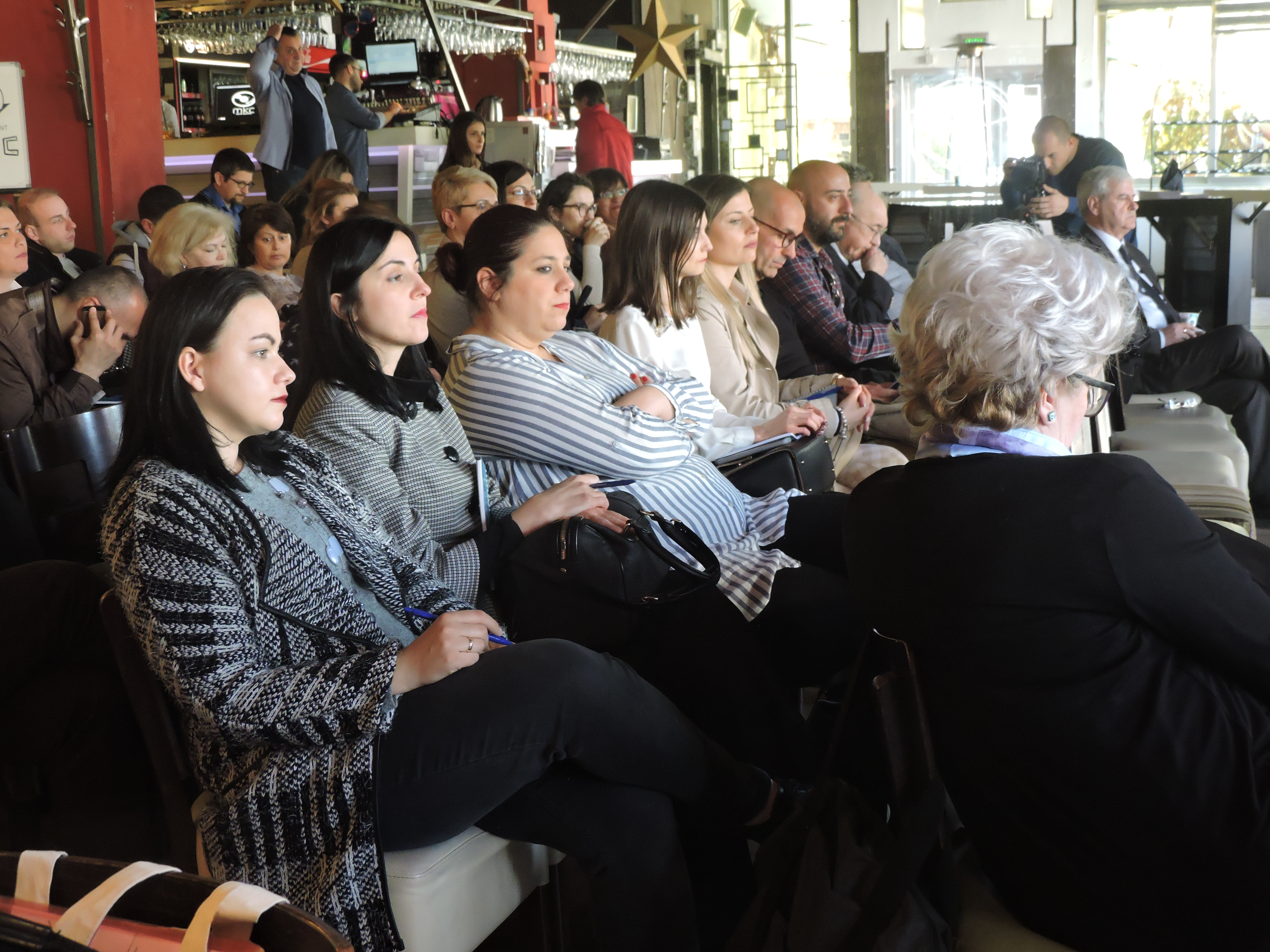
    On 22 and 28 March in Skopje, two workshops were held in order to raise public awareness about the importance of removing the lindane from the small landfill in the OHIS plant, organized by the Macedonian Ecological Society and in coordination with the Office for Persistent Organic Pollutants (POPs) as part of the Ministry of Environment and Spatial Planning (MoEPP).

    The purpose of the workshops was to inform all stakeholders and the public about the next steps regarding the procedure for the disposal of the deposited lindane within the plant. It was also one of the objectives to define competencies and joint coordination and communication among stakeholders regarding this long process. According to the Planning Office (MoEPP), the tender documentation for the persistent organic pollutants (POPs) of the Ministry of Environment and Physical Planning will be finalized by the end of April, announcing an international tender for the selection of a company and technology for disposal of the deposited lindane by the United Nations Industrial Development Organization (UNIDO) the small dump in the circle of OHIS. It is expected that by autumn it will be known which firm would be involved in the process of landfill removal.

    According to the Office for Persistent Organic Pollutants (POPs), in the Ministry of Environment and Physical Planning (MEPP), by the end of April the tender documentation will be finalized, after which an international tender for the selection of a company and technology for the disposal of the deposited lindane from the small landfill in the circle of OHIS will be announced. This Autumn is expected to be known and which firm would be involved in the process of landfill removal.

    Raising the public awareness of the Skopje population about the significance and impact of the lindane on human health and the state of the environment is one of the activities that is being implemented within the framework of the multi-annual project Removal of technical and economic barriers to initiating the clean-up activities for alpha-HCH, beta-HCH and lindane contaminated sites at OHIS financed by the Global Environment Facility (GEF) and implemented through UNIDO. The main goal of this long-term project is to carry out the removal of the deposited lindane from one of the two existing landfills located in the OHIS plant in the next period.

    The Macedonian Ecological Society (MES) is the carrier of public awareness activities, in coordination with POPs Office within MoEPP.