Author: ksenija

  • Diversity and distribution of beetles on Shar Mountain II – Aleksej Anovski

    Diversity and distribution of beetles on Shar Mountain II – Aleksej Anovski

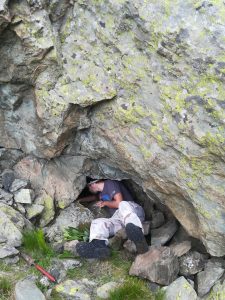
    During July, August and September our team had more than 15 field activities. It was especially important that we managed to visit Crno Ezero and Rudoka. We collected new materials on the species Lathrobium sp. (at Rudoka) and that will probably be a new species for science. We also collected materials at Leshnica twice because there are indication that our team may have discovered two new species for science (Pygoxyon sp. and Dicentrius sp.)

    Crzo Ezero
    Crno Ezero – Rudoka


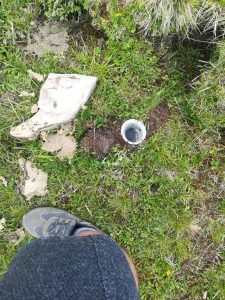
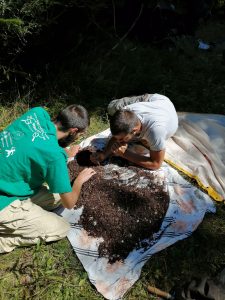
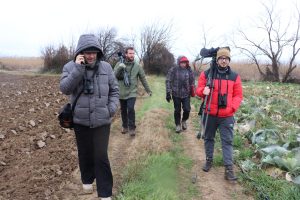
    Our biggest challenge was the intensive field work at Leshnica, Karanikola, Sakaklica and Crno Ezero. In just 5 days we passed 70km and researched 5 different habitats (limestone, riparian rocks, silica rocks, beech forests and spruce forests). We regularly monitored the composition (through sifting the forest undergrowth), the dynamic and the structure of the beetles. We expect exciting results from the field research as well as the laboratory work. It is very likely that Shara is the home to a lot more endemic species of beetles and our work has already proven that.

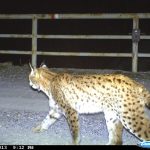
    Camera-traps
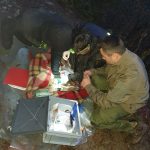
    Sifting


  • Learning about “wetland management and monitoring” – the transboundary virtual summer school has come to a close, but the spirit of co-operation lives on

    With the endeavour to deliver the Prespa region’s first transboundary virtual summer school for students from the three countries sharing the Prespa lakes having come to an end, we cannot help being delighted with the results and grateful for the co-operative spirit in which this summer school on wetland management and monitoring was organised and delivered. The decision to carry out the event completely within an online web environment was imperative, owing to the global health crisis, however, the positive, warmly received outcome for participants and organisers alike can be attributed to the joint efforts and enthusiastic participation of all.
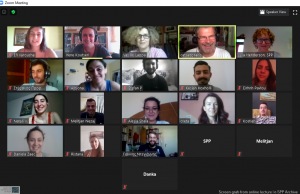
    The main objective for the summer school has been to share and explore ways in which to approach wetland management issues, using activities carried out under the Society for the Protection of Prespa’s (SPP) LIFE Prespa Waterbirds project at Lesser Prespa Lake in Greece as a case study, as well as transboundary experience from the work carried out by the PrespaNet environmental NGO network in the “Strengthening NGO-led Collaboration in the Transboundary Prespa Basin” project. In order to achieve this goal, the virtual summer school programme was structured around four types of educational activities: online lectures and discussions, short videos from the field, supplementary reading material and group work.

    The summer school was attended by 14 young scientists from a range of environmental fields, such as forestry, biology and ecology amongst others, studying at universities in Greece, Albania and North Macedonia. In addition, observers from the three PrespaNet NGOs – the SPP, MES and PPNEA – were invited to join the online lectures, giving valuable contributions to the discussions on management and monitoring issues of transboundary importance. 
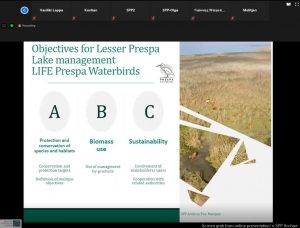
    The summer school enabled the main hosts at the SPP to learn a great deal about the ins and outs of putting together such an event in a virtual environment, while also presenting our work on waterbirds, fish, transboundary water collaboration, governance and wetland management. The LIFE project partners Tour du Valat, from France, and the National Observatory of Athens, both contributed highly interesting lectures on their respective work on climate change and wetland vegetation under the project, whilst transboundary wetland habitat mapping carried out through the Agricultural University of Athens for the PrespaNet project was also shared in a stimulating session. Additional lectures were also provided on water quality and management issues by the Hellenic Centre for Marine Research and the Greek Biotope/ Wetlands Centre (EKBY).

    In their evaluation of the summer school the students said it was “super interesting”, “productive”, “a fantastic experience where I learned a lot in two weeks”. They particularly highlighted the “diversity” and “many different kinds of views” of the lectures, while they felt that “the extra material made this summer school more direct” and “liked that the information was delivered gradually, so I could understand all the concepts”. They roundly enjoyed the “feeling of international collaboration” and “teamwork”, with more than one declaring the experience “exceeded their expectations”. A particularly interesting comment noted that the “opportunities for the development of ideas to a higher level” offered by the summer school “could be a source of solving problems” in the future, an inspiring remark that particularly highlighted the value of the summer school – not only to disseminate and examine the complex issues of wetland management and monitoring in Prespa, but also to host an environment in which creative solutions for the future were synthesised and shared amongst tomorrow’s generation of conservationists!
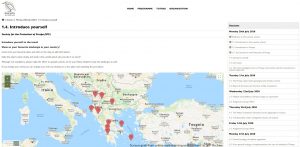
    The whole experience – new for so many of us – only serves to underline the importance of the interdisciplinary approach in wetland management and monitoring issues, as well as the irreplaceable value of strong transboundary collaboration, and it has taught us that a willingness to learn combined with new technologies can happily overcome our current difficulties, encouraging a new generation in tackling the appropriate conservation and restoration practices for wetlands.



    The PrespaNet project, “Strengthening NGO-led Conservation in the Transboundary Prespa Basin” (2018-2021), is supported by the Prespa Ohrid Nature Trust Fund (PONT) and the Aage V. Jensen Charity Foundation (AVJCF), with facilitation from the German NGO EuroNatur. The three-year project aims to support nature conservation in the Prespa basin through a series of communications and environmental education actions, including this summer school as one in a series of three, as well as scientific research programmes and concrete conservation activities, together with local volunteers. In addition, the project has supported MES and PPNEA to establish local offices in the Prespa region, bringing both organisations closer to the local community and conservation stakeholders, and allowing them to better support the managers of protected areas in the basin in their work.



  • Atidzhe joins Narcisa and Lisa as the third radio-collared female lynx

    Atidzhe joins Narcisa and Lisa as the third radio-collared female lynx

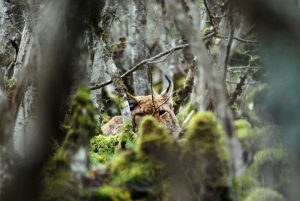
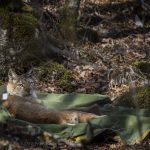
    Wednesday is Lynx Day, so we bring you another good news! The Macedonian Ecological Society radio-collared another Balkan lynx individual captured near the village of Nichpur in Mavrovo National Park. The lynx is a 14-kg female aged around 10 years. Atidzhe is her name. As all other lynx individuals, she too will carry a collar to send information about her whereabouts. We confirmed successful kill and now we know that she is well and ready to face the challenges nature’s throwing at her.

    What do Atidzhe and Marko (our first captured lynx) have in common? The play of circumstances made an unusual match of dates and events. And it is no April Fool’s Day joke when we say that Atidzhe’s capture, taking place just before the cessation of all fieldwork activities, matches the date when we first captured our first lynx Marko! The tenth lynx in ten years! What a way to round off lynx-related fieldwork activities. Our long-term field research suggests that the Balkan hosts about 40 adult Balkan lynx individuals, which, according to the International Union for Conservation of Nature (IUCN), makes it a critically endangered animal.

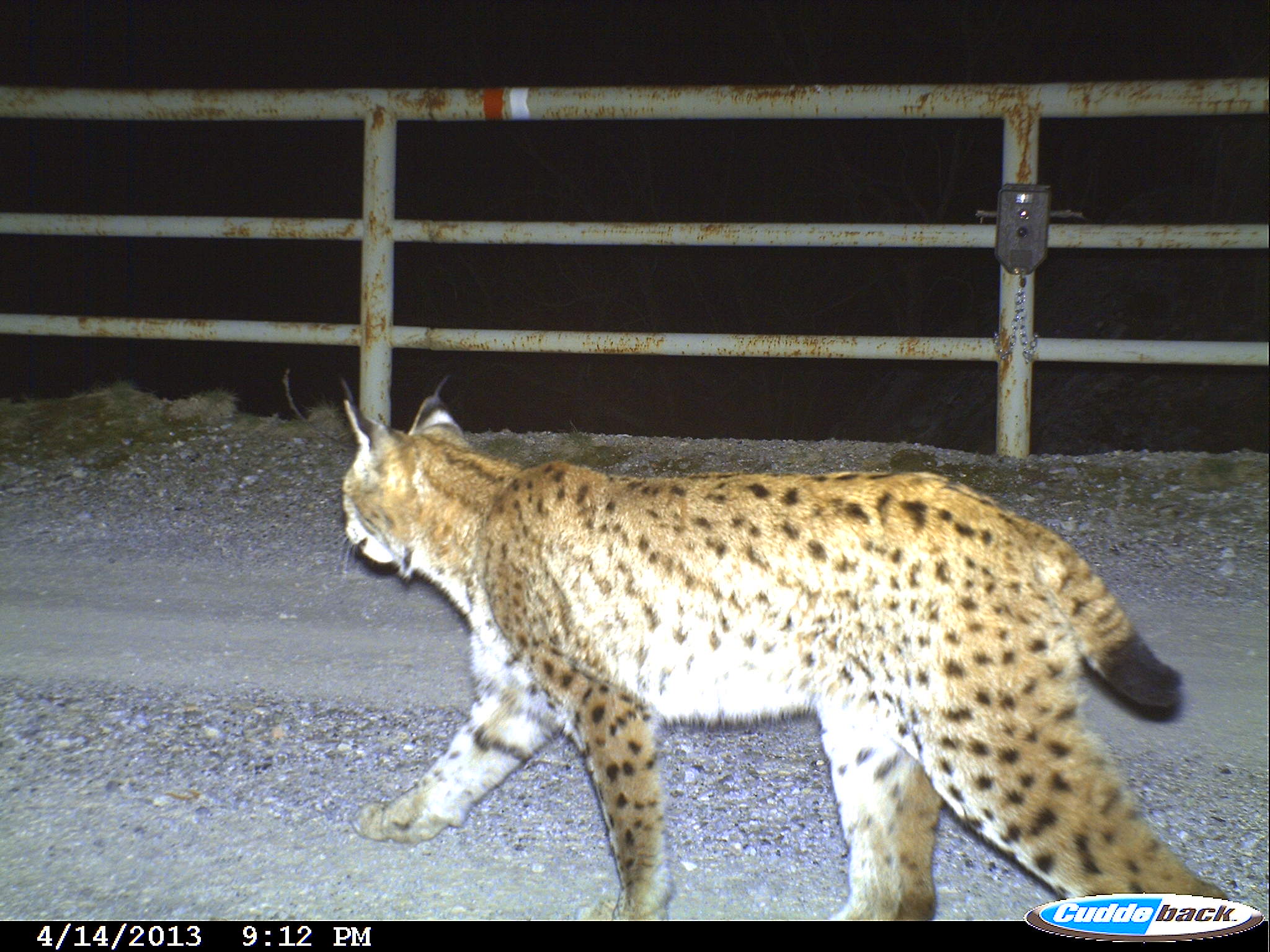
    Our first sighting of Atidzhe dates back to 2013, when we first captured her on camera-trap. We then had her entered into the base under the code B11. We think that Atidzhe suits her better. We are proud of our team and happy about the fruitful cooperation with our friends from Mavrovo National Park. Even though we want more fieldwork, especially in the April snow, we will stay home and closely monitor the situation. Stay home as well and follow us for more news!

  • 10 years ago, on this day we captured the first Balkan lynx

    10 years ago, on this day we captured the first Balkan lynx

     Ten years ago, on this day, we captured the first Balkan lynx for scientific purposes! His name was Marko. He has become a pioneer in the telemetry research in the south-west Balkans and an icon for the conservation programme. People know him, and kids often mention him when we meet them. Films were made about him, while his pictures made the cover of many popular articles, leaflets, brochures and posters.

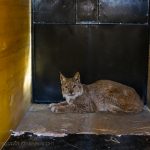
    We will never forget that day. A join team composed of members from Macedonian Ecological Society, Protection and Preservation of the Natural Environment in Albania and Mavrovo National Park managed to overcome their nervousness and put the theory into practice. Marko was captured close to village Sence in Mavrvo NP, Macedonia. He was followed for almost a year, but in early 2011 he became a target of poaching! Poaching still represents one of the greatest threats to this small population (30-45 adults). We believe that at least one Balkan lynx a year falls victim to poaching. Dealing with this threat is still our main priority.

    Marko will not be forgotten. His contribution to the ecological knowledge was very valuable. Not only did he provid ecological insights, but he also helped us train the methods of capturing, GPS and VHF tracking, in finding kills and in awareness rasing. He opened the door for further studies on this critically endangered taxon.

  • Working together for conservation of national endemic plants in Macedonia

    Working together for conservation of national endemic plants in Macedonia

    [vc_row][vc_column][vc_column_text]

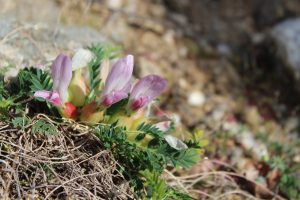
    [/vc_column_text][/vc_column][/vc_row][vc_row][vc_column][vc_column_text css=”.vc_custom_1584020474385{margin-bottom: 0px !important;}”]Since April 2019, MES has started implementing a three-year project related to monitoring of certain rare plants within the boundaries of the identified national Important Plant Areas (IPAs). A total of five plants (Campanula debarensis, Aesculus hippocastanum, Centaurea rufidula, Crocus jablanicensis and Astragalus physocalyx) and four significant plant areas (Jablanica, the gorge of Crn Drim, Bogdanci and Dojran Lake) will be covered by the monitoring.

    The goal of the project is to renew the past outdated data on the distribution of the selected plants, which will give insight to their population and will update the status information on some of the important vegetation areas in Macedonia. At the same time we will also work on the popularization of the IPAs with a special emphasis on the rare plants.

    The monitoring will be carried out under the guidance of two botanists based on prescribed protocols, but students who are interested in botany will also be included. In addition, part of the activities will be implemented in cooperation with active environmental local organizations, such as “Polimath13” from Bogdanci.

    In Macedonia, 42 IPAs have been identified that are not legally designated. They are located on the official International database of PlantLife http://www.plantlifeipa.org/home. Floristic researches in Macedonia are minimized due to lack of staff and funds for scientific and research work in the field of botany. This project will provide a significant share in obtaining information on the populations of several rare national plants.


    The project is financially supported by the CEPF (Critical Ecosystem Partnership Fund) and is implemented within one of the CEPF’s strategic objectives of ‘plant protection’, which is part of the long-term program for the preservation of certain Mediterranean hot spots.

    www.cepf.net.

    “The Critical Ecosystem Partnership Fund is a joint initiative of l’Agence Française de

    Développement, Conservation International, the European Union, the Global Environment Facility,

    the Government of Japan, and the World Bank. A fundamental goal is to ensure civil society is

    engaged in biodiversity conservation.”


    During the implementation of the project, Polymat 13 as a local focal point operating in the distribution area of ​​Astragalus physocalyx will mediate the submission of possible complaints and grievances from the local population to MES as a national project coordinator.
    All news, event announcements and meetings will be published in a timely manner, on existing media, websites or social networks (Facebook) of the partner organization and MES web site.
    For any possible conflict, the complainant will be able to contact the project’s local point or the project coordinator or the financier on the following contacts:

    • Nadica Madzirova, Polimat 13, St.Marshal Tito No.64, 1484 Bogdanci, phone: 075 393 306 nadicamadzirova@gmail.com.
    • Natalija Melovska, Macedonian Ecological Society, Blvd. Boris Trajkovski, St. 7, No 9a, 1000 Skopje, phone: 078 371 175, angelova@mes.org.mk
    • Borut Rubinic, Programme coordinator for Balkan, Critical Ecosystem Partnership Fund (CEPF)|Regional Implementation Team (RIT) +386 (1)426 5875, borut.rubinic@dopps.si
    • Pierre Carret, CEPF Grant Director, Critical Ecosystem Partnership Fund (CEPF), 2011 Crystal Dr. Ste. 500, Arlington, Virginia, United States, (703 ) 341 2400, pcarret@cepf.net


    We will share all grievances – and a proposed response – with the Regional Implementation Team and the CEPF Grant Director within 15 days. If the claimant is not satisfied following the response, they may submit the grievance directly to the CEPF Executive Director at epfexecutive@conservation.org or by mail. If the claimant is not satisfied with the response from the CEPF Executive Director, they may submit the grievance to the World Bank at the local World Bank office.[/vc_column_text][mk_divider style=”shadow_line” margin_bottom=”30″][mk_fancy_title tag_name=”h3″ size=”30″ force_font_size=”true” size_smallscreen=”30″ size_tablet=”25″ size_phone=”22″ font_family=”none”]MES News[/mk_fancy_title][mk_blog style=”thumbnail” grid_image_height=”300″ cat=”374″][/vc_column][/vc_row][vc_row][vc_column][vc_column_text]

    [/vc_column_text][/vc_column][/vc_row]

  • Another female lynx in Mavrovo National Park

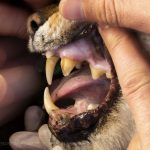
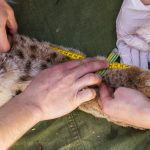
    Meet Lisa, the latest radio-collared female lynx! On 24 February 2020 the lynx team of the Macedonian Ecological Society (MES), together with Mavrovo National Park representatives, successfully box-trapped another individual of the elusive Balkan lynx on Mount Bistra, opposite of the village of Rostushe in Mavrovo.

    All went well during animal sedation and taking of measurements and samples, in which a representative from the Faculty of Veterinary Medicine – Skopje and an associate from Harz National Park also provided assistance. We established that the individual is a 15-kg female aged 6–7 years. This lady lynx is in great health, as seen from the roe deer kill found just three days after capture.

    Hence, Lisa is the third radio-collared female lynx and the ninth different lynx individual captured within the research activities that MES has been systematically implementing since 2010.

    The radio-collar will provide means to monitor the animal through radio-telemetry and GPS-tracking, updating our knowledge about the ecology and biology of the critically endangered Balkan lynx.

    Such success is a result of the fruitful cooperation with Mavrovo NP, and the help of our associates and volunteers during lynx monitoring activities. We hope for more good news from the field!

  • International Waterbird Census 2020 (IWC)

    International Waterbird Census 2020 (IWC)

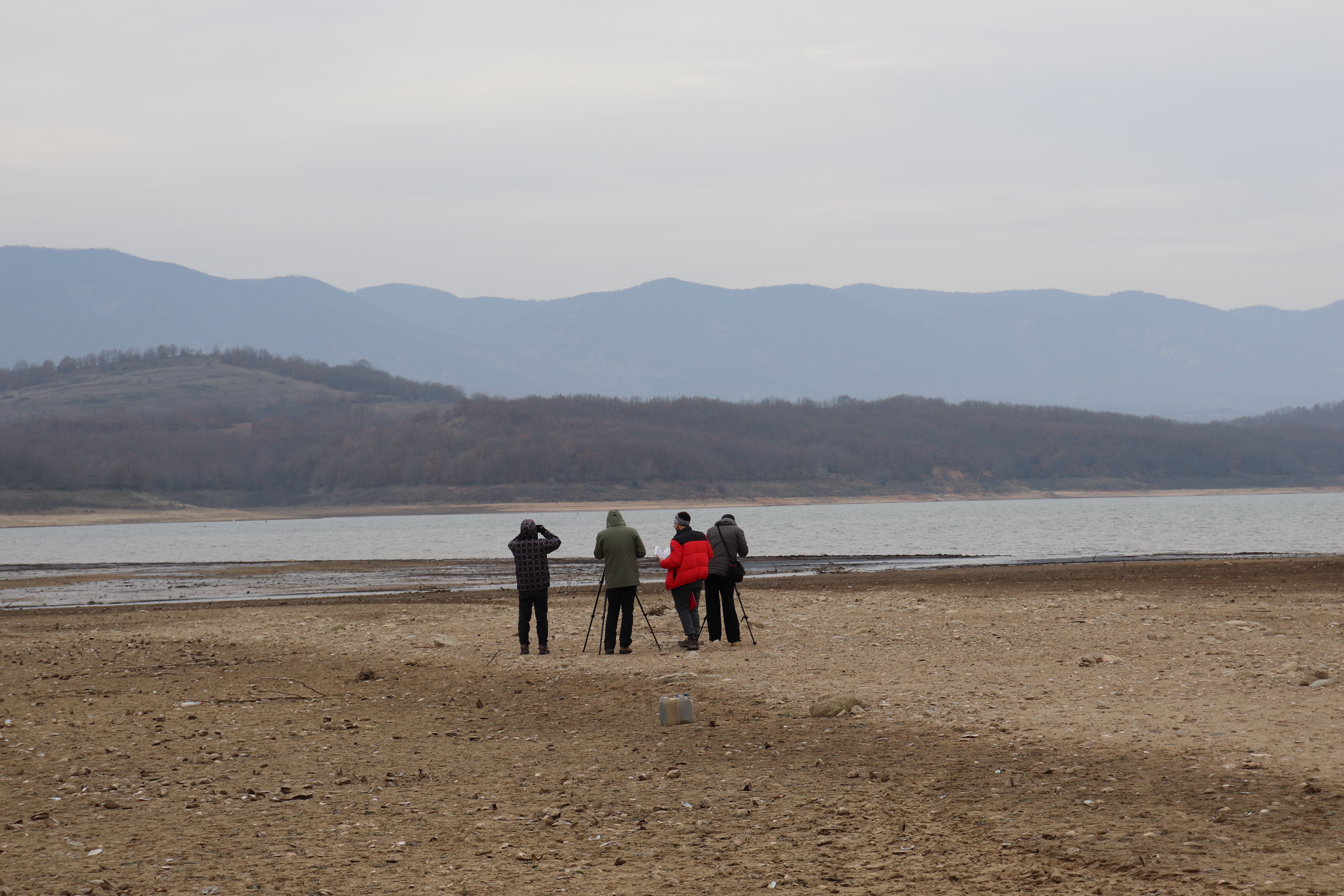
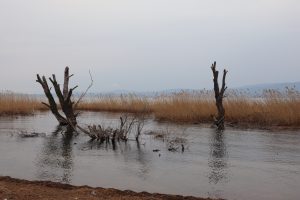
    For eleven years now, on the weekend of 11th and 12th January 2020, MES employees and volunteers conducted bird counting on Macedonia’s three natural lakes, also including adjacent water reservoirs and wetlands. Despite the biting cold, the teams’ weather-defying spirit and enthusiasm made an enjoyable endeavour out of the International Waterfowl Census (IWC) in Macedonia, resulting in a total count of as much as 25.000 birds on Ohrid Lake and Prespa Lake, and round 4.000 birds on Dojran Lake. These small numbers can be a reflection to the rather warm winter weather conditions in the abovementioned locations, in comparison to the previous years. Apart from the rather small numbers, the usual winetring species were present on these waterbodies.


    The International Waterfowl Census is the largest volunteer waterbird census with a long-standing tradition ever since 1967. Led by the Wetlands International and in cooperation with numerous local organizations, this event has become the much needed source of information, pivotal to creating policies on wetland management and protection.


  • Workshop in the scope of the project “Working together for conservation of national endemic plants in Macedonia”

    Workshop in the scope of the project “Working together for conservation of national endemic plants in Macedonia”

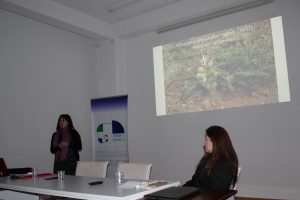
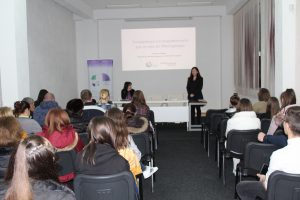
    An informative workshop was held on February 25 at “Dom na kultura” in Bogdanci to inform the general public of the Municipality of Bogdanci about the importance of conservation of the endemic plant Astragalus physocalyx found only in the vicinity of Bogdanci. This meeting was а part of the project “Working together for conservation of national endemic plants in Macedonia” implemented by MES with the financial support of the Critical Ecosystem Partnership Fund (CEPF) and it was organized by MES’s local partner, the POLIMAT 13 from Bogdanci.
    The meeting was attended by representatives of the Municipality of Bogdanci, representatives of the business sector, professors and students from the local schools, student’s representatives of the Biology Students Research Society of and interested locals.
    During the meeting all stakeholders present at the meeting had the opportunity to share ideas, suggestions and possibilities for joining the project and future promotion activities and steps to preserve the plant and the area as an important community value for its development and progress.

  • MES created new Strategic plan up till 2024

    MES created new Strategic plan up till 2024


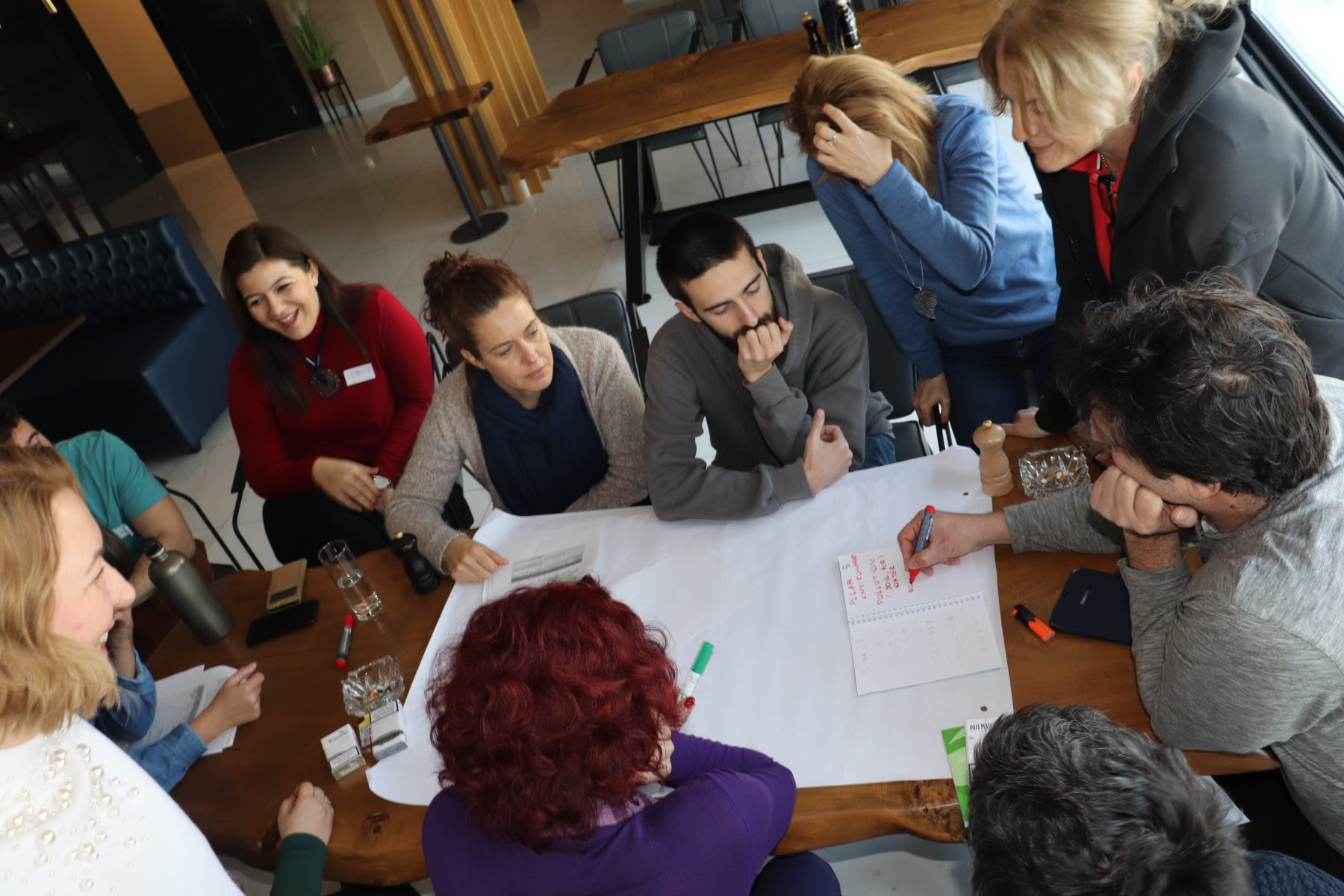
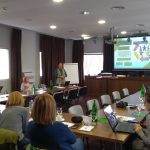
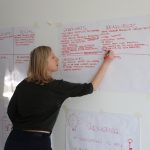
    From 23-24th January in Gevgelija a total of 25 participants from all structure levels of MES took part in the development of MES’s new Strategic plan, aimed to span for 5 years 2020-2024.

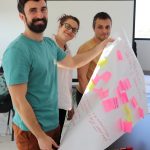
    The workshop was led by facilitators from Birdlife international – Lenke Balint, Head of Department for Partnerships, Communities and Development, and Marija Jurcevic, BirdLife Balkan Partnership Development Officer. The participants were contributing towards the development the new structure of the new Strategic plan, and in broadening the scope of the organization’s work.

    They defined the basic structure and planned activities for the new strategic document and presented to the rest of the group with any potential news in their respective work fields.

    As first phase of the preparation of the new Strategic Plan for MES 2020-2024, MES underwent the process of self-assessment, 11-12 December 2019 in Veles.

    The aim of the self-assessment was representatives from different structure levels of the organization to present their views into how the organization has improved and how it can improve its functioning for the future. Topics ranged from conservation and protection of species, proclamation and management of protected areas to improved organizational culture and overall organizational development.

    The new strategic plan will be presented on the annual Assembly of MES in March when is expected it’s official adoption.


  • MES celebrated World Wetlands Day at Prespa Lake

    MES celebrated World Wetlands Day at Prespa Lake

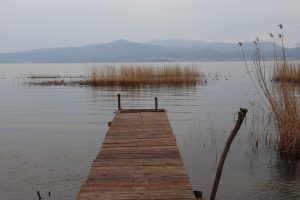
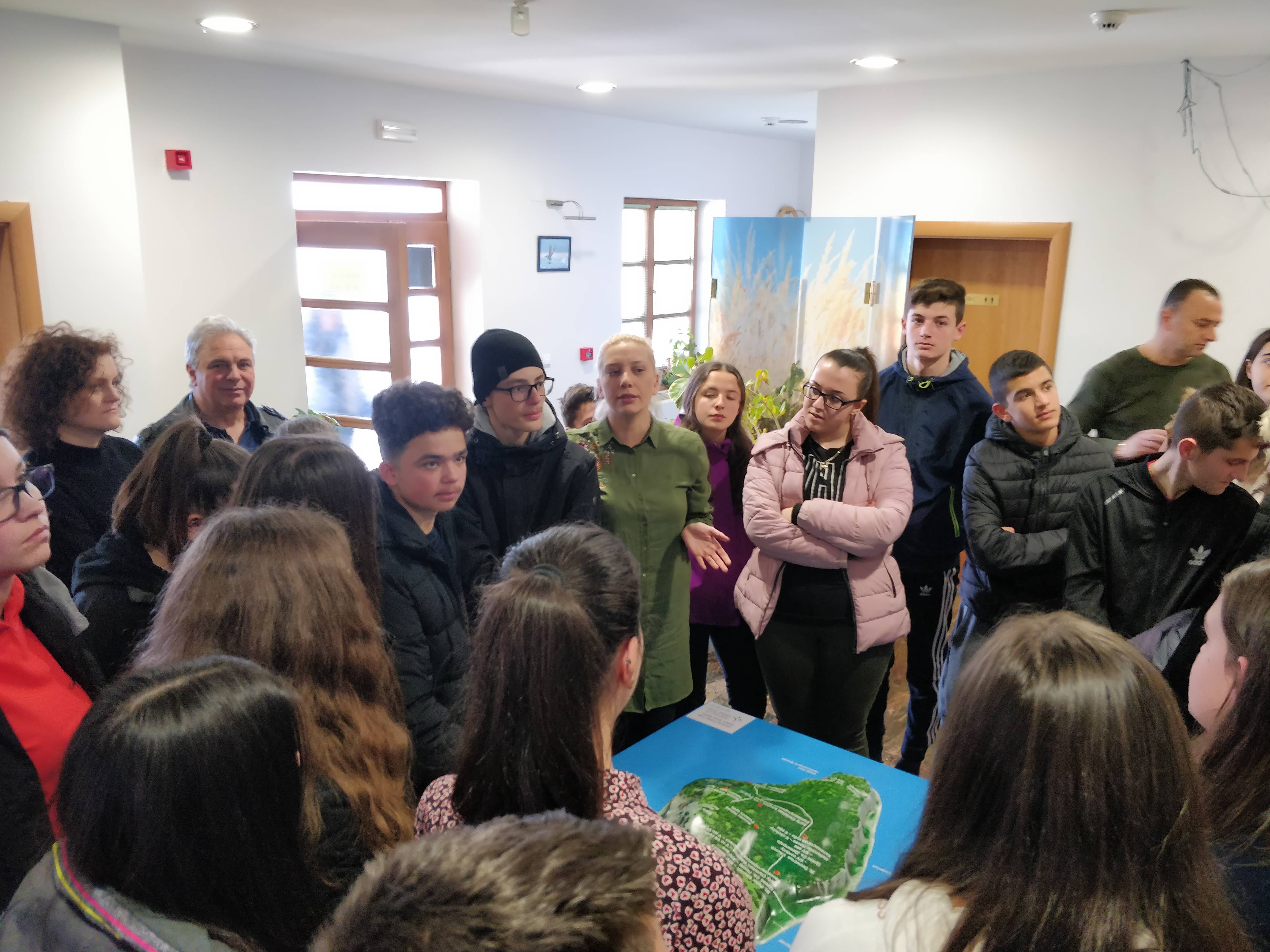
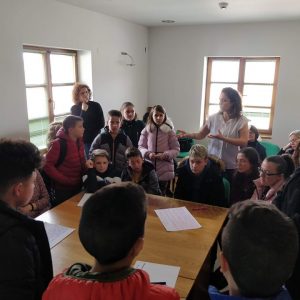
    MES staff split into two teams in order to properly celebrate World Wetlands Day (February 2nd). One team trained rangers from NP Ezerani and National Park Galicica in water bird counts, whereas the others collaborated with NP Galicica and the environment department of Resen Municipality in order to encourage pupils from all local schools to practice critical thinking in a role playing game – kids imagined to be rich investors with an eye on Prespa, environmental protection officers, researchers, farmers and local people in order to find a creative compromise that will stimulate both nature conservation and sustainable development. The activities were prepared by the PrespaNet “Strengthening NGO-led Conservation in the Transboundary Prespa Basin” project team, together with student volunteers, and are being implemented across the transboundary basin.