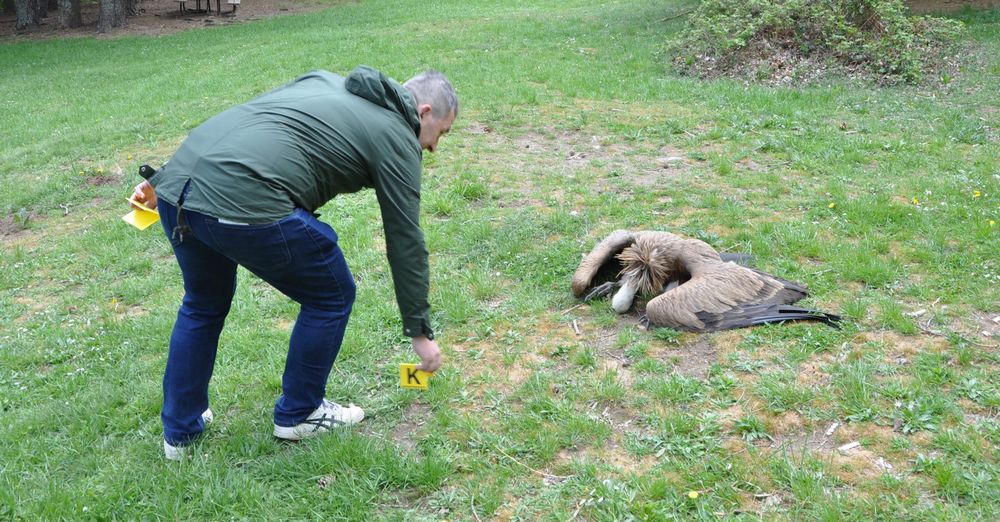
In Andalusia, Spain, they even use helicopters to investigate suspicious bird mortality. An action that might seem unreal for other countries, but it’s actually just a tool and not the most important aspect in solving wildlife crime. What really matters in criminal investigations are the human resources, capacities and real engagement from the competent authorities.
Spain is leading the way when it comes to fighting wildlife crime. In the Balkans, it’s a different story, but there is hope. First of all, there has been some progress made over the past few years, especially in Bulgaria and Greece. Secondly, in exactly one week, the first Wildlife Crime Academy (WCA) course will commence in the hope to transfer Spanish expertise and raise capacities to the Balkans and beyond.
The problem of wildlife crime in the Balkans
Currently, capacities and law enforcement related to wildlife crime hold very low priority in most Balkan countries, so there are almost no convictions or minimal sentences executed. This means that wildlife criminals, such as people who place poison baits targeting animals, go unpunished, and continue their illegal activities with no consequences. The BalkanDetox LIFE project aims to make a change. For the past three years, the Vulture Conservation Foundation (VCF) has worked intensively alongside local NGOs and government authorities in Balkans on this issue through the Balkan Anti-Poisoning Project. Through this project, we identified the relevant representatives, prepared national road maps and established national working groups for anti-poison actions. This experience allows the BalkanDetox LIFE project to carry out the necessary awareness activities to position wildlife crime as a priority, and also organise the Wildlife Crime Academy, which is just around the corner!
First course of the Wildlife Crime Academy
Next Tuesday on 29 June 2021, conservation, police, toxicology and veterinary professionals from nine countries will come together in Cazorla, Spain, to attend the Wildlife Crime Academy’s BASIC level training. Wildlife crime specialists who amassed over 15 years of experience in the field across Europe developed the courses with the overarching goal to convert participants into experts of wildlife crime forensic and police investigation. When participants complete all three levels of the WCA over the coming years, they will be able to investigate wildlife crime from the early action and CSI to the final procedure at the Court. Overall, the Academy will reinforce operational capacities and coordinate institutional actions to increase detection and improve management of poisoning incidents, facilitate an immediate and effective response to such incidents as well as strengthen enforcement to deter criminal activities. Furthermore, WCA graduates will also become ambassadors, spreading awareness about the importance of tackling wildlife crime and implementing national courses for their courses to enhance impact.
The BalkanDetox LIFE Project Team Finally Met in Person: 1st NEEMO Monitor Visit and 2nd Partnership Meeting
The Project Team of the BalkanDetox LIFE project welcomed the opportunity to meet in person for the first time since the project officially started back in October 2020. During the meeting, the partners discussed and evaluated the overall implementation progress, analyzed the achievements and milestones reached so far and set a course of action for the next six months of the project. Additionally, we used this opportunity to carry out the 1st official NEEMO monitoring visit to our project.
First face-to-face event since COVID-19
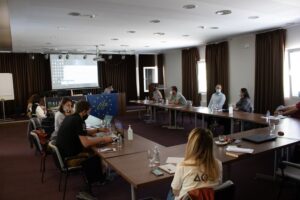
The Vulture Conservation Foundation (VCF) organized the meeting in Veles, North Macedonia, between 17-19 May, where members from AOS, PPNEA, BIOM, FWFF, MES and BPSSS attended in person. The VCF invested a lot of effort in the implementation of all COVID-19 precautionary measures, according to the official safety recommendations issued by the authorities in the Republic of North Macedonia, which were well respected by all meeting participants. This being the first face-to-face meeting that we were organizing, and participating in, since the pandemic started, we thought it would be best to limit the participation to only the crucial technical and financial staff from the project team. For non-attending members of the team, a virtual connection was provided, giving them the opportunity to actively follow the course of the meeting and take part in the discussions.
“Being able to meet the team and our monitor in person for the first time since the project started gave us the opportunity to catch up and talk into detail about the progress on each action we started implanting so far. I believe that we all saw how these face-to-face meetings were much more useful and productive, especially when planning for the future.”
Project progress and upcoming actions
The meeting focused on three main aspects of the project: technical, financial and management implementation and communication work. During the technical sessions, our NEEMO monitor and all the participants had the opportunity to get informed in detail about the progress that each project partner had made during the first six months of implementing the project in their respective country, as well as all the difficulties and ongoing issues associated with the implementation of current actions. Additionally, the project team has set implementation priorities for the next six months to come and has discussed all the potential difficulties that might occur in the different countries of the project.
The financial session focused on conducting the financial checks by the external monitoring team of NEEMO and presenting the financial progress report from the first six months of the project. We had the opportunity to discuss and sort out all financial issues with our monitor and the financial team of the Coordinating beneficiary.
The communication session provided an overview of the progress made so far, which included key deliverables, including the project website and visual identity. It further provided an outline for actions foreseen in the coming months, which include a digital campaign to raise awareness about the project and the problem of illegal poisoning in the Balkans. All participants were happy with the results.
“It was necessary to see all these motivated people in person and realise one more time how great the BalkanDetox LIFE team is. With this meeting we proved two things: safe meetings during the pandemic are feasible and meetings in person are crucial for the good implementation of this project.”
On 17th July at the Info-center on Ponikva we organized an event which was part of the European Green Belt initiative in order to award the Municipality of Kochani. This Municipality was awarded with the prestigious status of Green Belt Model Municipality among all municipalities in the Balkan Green Belt. The award was well deserved as this Municipality was exceptionally dedicated to nature and biodiversity conservation by supporting the establishment of a new protected area on the Osogovo Mountains.
The award was handed to Mayor Nikolcho Ilijev by the German Ambassador, HE Anike Holstein. Upon receiving the award Mayor Ilijev briefly mentioned nature conservation actions taken by the Municipality as part of the protected area proclamation process. “The process of establishing a protected area in the Osogovo Mountains and the scientific research related to it enabled us to acknowledge and fully appreciate just how many natural values and rarities our region holds.” The mayor listed some of the next steps the municipality plans in support of rural and bicycle tourism – the construction of a mountain hut and an educational center, to name a couple. Mr. Ilijev stated that “future management and developed of the protected area depends on everyone and on the public awareness for sustainable use of resources.”
The Chairman of the European Green Belt and the Director of the German Foundation EuroNatur, Mr. Gabriel Schwaderer, explained the importance of the Municipality of Kochani “It is exceptionallty rich in nature as well as in good people that is why it is a model municipality for nature conservation, sustainable development and cross-border cooperation. Osogovo Mountain, as part of the European Green Belt is a home to outstanding landscapes and harmony between people and nature.” Schwaderer also added that all municipalities that work on the implementation of this initiative have an important role in European integration.
The European Green Belt stretches along the former “iron curtain” between the east and the west and covers areas that were well preserved because of minimal or complete lack of human activities. This border that once divided countries now symbolizes global efforts for joint cross-border activities for nature conservation and sustainable development. The initiative has the goal to align human actives and nature and increase opportunities for socio-economic development of local communities. In all 24 countries we nominate one municipality that has contributed the most to nature conservation.
We organized this event together with EuroNatur and it was attended by the German Embassy in Skopje, the Ministry of Environment and Physical Planning, PE National Forests, Farmahem and the Center for East Planning Region.
We are excited to inform you all that the far-travelling Sunchica is back in the Balkans after flying around the Middle East for the past 5 months!
Sunchica’s journey
Back in 2019 the Fund for Wild Fauna and Flora (FWFF) tagged Sunchica as well as several other Griffon Vultures, with GPS tags in Greece and North Macedonia. The Macedonian Ecological Society was part of this effort in tagging with hopes to track poisoning incidents in the Balkans which continues to bring vulture population counts to devastating lows. Sunchica’s travels have been exciting to monitor with the vulture embarking on an impressive trip which brought her all the way to the Middle East. Although she’s had a successful journey, things weren’t always optimistic for the young vulture.
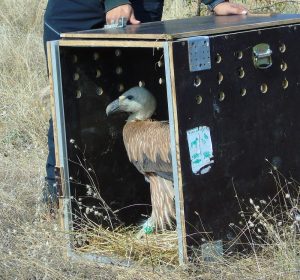
In the beginning of October 2019, Sunchica was found in Berovo hungry, exhausted, and unable to fly. Animal protection association Pro-Anima Berovo called us to help with the vultures’ rescue. Sunchica was then taken to the Skopje Zoo where she was looked after and rehabilitated. By the end of October, the vulture was released by us in Vitachevo from where she began to fly east. Unfortunately, by mid-November she was detected to be in trouble and was captured near Lake Vistonida in Greece. Once again, she was found in an exhausted s
Sunchica, seconds before being released
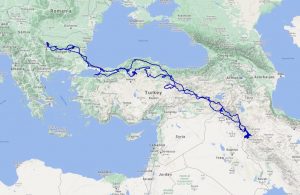
tate due to her inability to find food. After being transported to a vet center in Thessaloniki, she made a recovery and was released again at Dadia in December 2019! Up until October 2020 she had been circling around the Eastern Rhodopes and Central Balkan. Sunchica then began to fly east towards the Black Sea and following the coast. Crossing Turkey and Iraq, she reached Iran by late November. Now, after 6 months, Sunchica has returned to the Balkans and can be seen flying through the skies of western Bulgaria!
Since October 2020 Sunchica has been recorded to have flown 18,732 km! Her starting position and the area where she spent most of winter-time extends to a distance of 2,800 km. This trip is even more impressive considering that it is the young vulture’s first long-distance journey!
This tracking is made possible thanks to the ongoing monitoring of tagged vultures within the new EU-funded BalkanDetox LIFE project which we are a part of. The project aims to raise awareness and strengthen national capacities in an e
ffort to fight the problem of illegal wildlife poisoning in the Balkans, which is responsible for the population declines of numerous threatened and endangered species. The project also has a new logo which attempts to illustrate the severity of illegal wildlife poisoning using the poisoned skull while providing hope since the poison is draining — therefore, signifying our goal to detox the Balkans from this severe threat.
1. Microbial biofungicides as an alternative for biological protection of plants (MICROBIOFUN)
Coordinator: Sofija Kostandinovska
Context
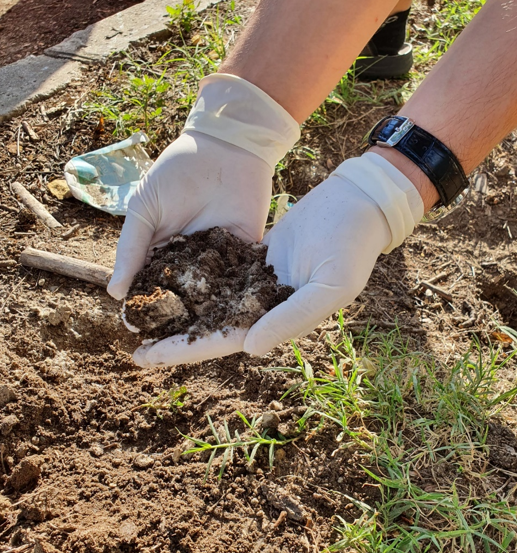
Macedonia, as a developing country, relies on agricultural crops production and to increase yield promotes use of, pesticides and organic fertilizers that cause irreversible damage to agricultural lands and surrounding ecosystems. In addition, Macedonia has a large portion of contaminated soils from the heavy, chemical and mining industries (Dimovska et al., 2017). These soils are known sources of antimicrobial strains, because they are adapted to an environment with a low percentage of nutrients, and a high rate of competition between microbial members (Ivanova et al., 2015). Accordingly, Macedonia is an excellent potential source of biofungicides, but since oir knowledge on biofungicides is limited, so is their use in the creation of biopreparations (Kungulovski et al., 2017).
General methodology
Во текот на реализацијата на проектот се користи стандардна методологија која веќе се спроведува во Микробиолошката лабораторија (Yilmaz et al., 2005; Gebreel et al., 2008), како определување на влага и рН, бројност со користење на pour plate методата, изолација со метод на потег и скрининг со дифузионен метод.
The implementation of the project will use standard methodology already used in the microbiology laboratory (Yilmaz et al., 2005; Gebreel et al., 2008), such as moisture content and pH determination, enumeration using the pour plate method, isolation using the streak method, and screening using the diffusion method.
Aims and research questions and accompanying results
The aim of the project is to investigate the potential of indigenous microorganisms in the control of phytopathogens.
Contaminated soils have more antimicrobial strains.
80% of the total number of isolates were from contaminated soils.
The prevalence of antimicrobial isolates is highest in autumn.
Contrary to the expected results, we obtained the lowest number of antimicrobial isolates from the soils in autumn (30), while the highest number was observed in winter (82 isolates).
The total number of bacteria is higher in contaminated soils.
The highest number was found in REK (1567000 CFU/g) in the summer season and the lowest number in Bucim (2310 CFU/g) in spring.
Antimicrobial strains inhibit the growth of test phytopathogens.
Antagonists 85, 86, 87 and 88 stand out by forming the largest zones of inhibition against phytopathogens.
Contribution to science
The microbial ecology of the contaminated ecosystems of North Macedonia is an under-researched topic outside of human safety regulations. Few data are available, and there is a great opportunity to obtain breakthrough results that would influence the ecological and biotechnological perception of North Macedonia. Such findings would serve to initiate and conduct future scientific research projects.
Conservation importance
The conservation value and scientific contribution are closely linked. Through data of this nature, insight into the potential of the marker for Macedonian biofungicides is possible. The market entry of such products and the displacement of classical pesticides would be of inestimable importance for the protection of the environment and for the progress towards a more sustainable agriculture.
2. Evolution or phenotype plasticity in Cyclotella cavitata – the answer to ecological changes in the Ohrid Lake during the Quaternary period
Coordinator: Dushica Zaova
Context
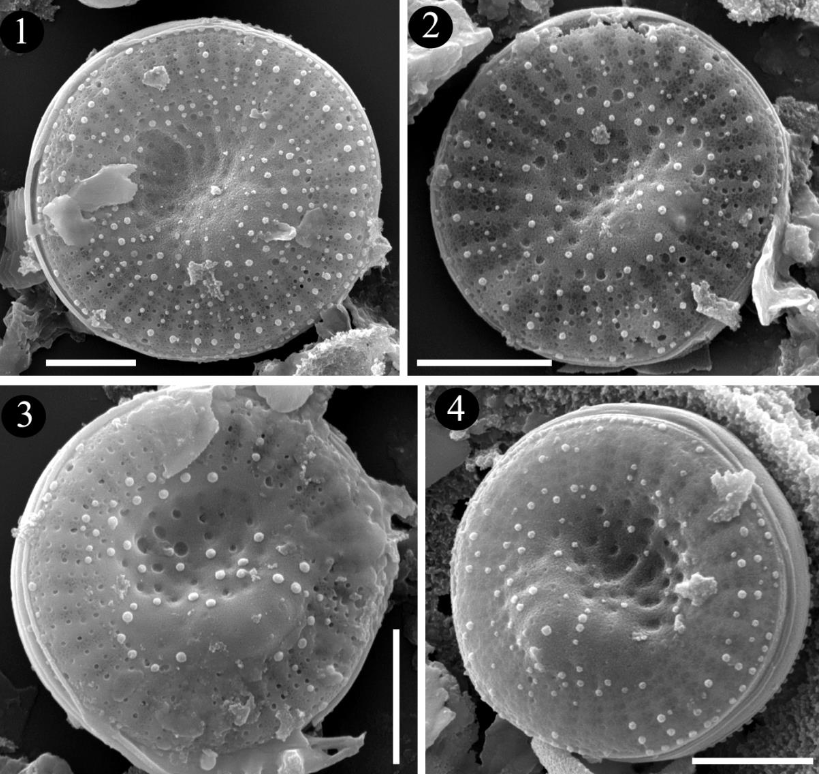
The endemic diatom species Cyclotella cavitata has persisted in Lake Ohrid during the Quaternary period, known for numerous dynamic and intensive climate changes (Pellans & Gibbard, 2012). During the same period, the lake experienced other significant environmental changes driven by ontogenic processes such as subsequent deepening, leading to alterations in mixing processes, trophic state, and nutrient availability (Wilke et al., 2020). However, the extent to which these combined changes influence the species C. cavitata and its response remains unknown. Has the species developed mechanisms for survival to this day, and can these mechanisms help us predict its reaction to similar scenarios in the future?
Aims and research questions
*Determining the origin of Cyclotella cavitata?
* Does Cyclotella cavitata found a mechanism for survival during the
Quaternary?
* How Cyclotella cavitata responded to the climate changes?
* Can we recognize evolutionary events from the species morphological
variability or were the responses only ecophenotypic?
*Does climate influence the temporal existence of morphologies?
Methodology
Permanent slides from Lake Ohrid sediments up to 1300 кa were used for studying the species C. cavitata. Statistical analyses were performed in R to determine the morphological variability of the species. Statistical analyses in Canocco 5, C2, and Tlia were used to track possible morphotype-environment relationships.
Results
А continuous existence of the species C. cavitata during the period 1100-150 ka has been found. Detailed morphometric analyses reveal significant and permanent phenotypic variations with an irreversible character, suggesting evolutionary processes within the species. These processes were driven by local ontogenetic changes within the lake as well as global climate shifts. Generally, less intense climate cycles contributed to diversification of new morphologies without causing the disappearance of previously established ones. However, intense climatic changes resulted in morphological diversification of new taxa but in addition a extinction of previously formed morphologies was observed.
Contribution to science
The scientific contribution is recognized in the uniqueness for studying continuous and long-term evolutionary trends in endemic diatom species. This is possible because of the 1300 ка long and undisturbed sedimentary record of Lake Ohrid and the continuity of the existence of the living world in it.
Conservation importance
One of the basic requirements for adequate protection of an ecosystem is understanding its uniqueness. Therefore, knowledge about the origin and evolution of endemic species can further highlight the value of Lake Ohrid as a habitat with greatest endemic diversity. This can contribute to more adequate protection of this unique ecosystem.
1. Assessment of the state of blueberry populations (Vaccinium myrtillus and Vaccinium uliginosum) and their resource and economic potential on Kozhuf Mountain
COORDINATOR: Filip Todorov
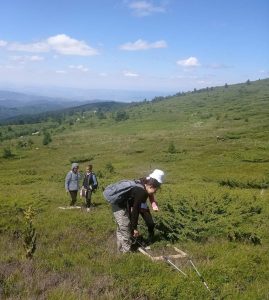
Summary: Blueberries in Macedonia represent significant natural resource that provides additional income for number of people. However, the systems for collection, licensing, control and monitoring are still not well developed in most of the Republic of North Macedonia which puts pressure on natural habitats and wild species and leads to unsustainable use. The aim of this project is to assess the economic potential based on sustainable usage of bilberries (Vaccinium myrtillus – European bilberry and Vaccinium uliginosum – Bog bilberry) on Kozuf Mtn., by intensive field assessment of annual production of fruits and leaves along with chemical characterization and analysis of the importance of bilberries for local population.
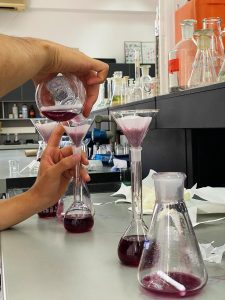
First report: In the summer period of 2022 we conducted field studies on Kozhuf mountain for evaluation of the resource potential of blueberry, and phytochemical analyses in laboratory on fruit. Samples of leaves and fruits were collected with line transect method from various localities and altitudes. Phytochemical analysis of fruits resulted in 0.52% of anthocyanins in fresh fruit complying to quality requirements (min 0.3% – Ph.Eur. 10.8). The average mass of fresh berries is 0.22g. The average production of dry leaves and fresh fruits is 12.8g/m2 and 36.29g/ m2, respectively.
2. Unveiling the wild cannabis in the territory of Macedonia
COORDINATOR: Jovana Gjorgjievska
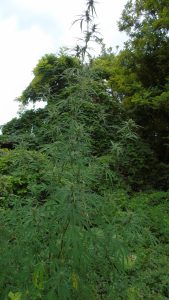
Summary: Scientific interest in cannabis (Cannabis sativa L.) has grown exponentially in the last 30 years due to the discovery of beneficial phytochemicals along with the study of the human endocannabinoid system. Accordingly, changes in legislation were initiated to legalize the use of cannabis for medical purposes. Cannabis is a plant that was previously cultivated as an important industrial plant but can also be found as an autochtonous plant in North Macedonia. The purpose of the study is to investigate whether there is autochtonous cannabis in Macedonia and whether it is of commercial value, through localization of the areas where it grows, collection of plant material, and its morphological and phytochemical characterization. The obtained results will be properly disseminated and will contribute to the valorization of this plant and the development of awareness of the existence of indigenous cannabis in N. Macedonia, its importance and how to change the practice of its intentional destruction to its preservation.
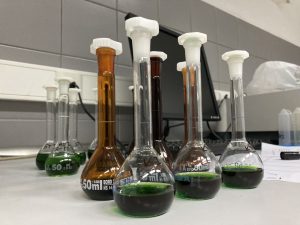
First report: During the spring and summer of 2022, field activities were carried out in all planned localities, and in 3 regions wild cannabis samples were found and identified (Pelagon region, Strumica/Gevgelija and Kočani/Probishtip/Shtip). Photo-documentation was made, plant material was collected, samples were herbarized, morphological and phytochemical characterization has started (determination of drying loss, extraction of cannabinoids and HPLC analysis to determine the content of the most important cannabinoids).
3. Diversity, taxonomy and distribution of the genus Dryopteris Adans.on Mount Kozhuf – 37 years after Micevski’s “Flora“
COORDINATOR: Ana Varelova
Summary: Dryopteris is a cosmopolitan genus of ferns, which includes species with diverse habitat ranges and morphologies. Hybridization and apomixis are the main reasons for the origin of some species, morphologically separated by fine discrete characters (Fraser-Jenkins, 2007), which make the identification process particularly difficult. The project will provide data on the distribution and diversity of the genus Dryopteris on Kozhuf Mountain, through analysis of the morphological characteristics of the species and through analysis of the ornamentation and dimensions of the spores. This research is a continuation of two decades of efforts to confirm the presence of species and the published data on the genus on а national level (Melovski, 2016), where data on Drypoteris on Kozhuf were not included. This project is also a continuation of the taxonomic research of one of the most complex genera of ferns in Europe.
First report: Conducted 36 field visits to 27 localities, during a total of 19 days. Collected 32 specimens from Dryopteris populations, now undergoing microscopic analysis. The first impressions are that there are 3 species. Estimated state of the populations and the habitats of the populations, which for now do not have significant threats, but it requires monitoring in the coming years. Plant diversity of Kozhuf Mountain has been identified, with about 700 species identified and/or registered so far, of which about 130 are species found in 1-2 localities in Macedonia.
4. Wet meadows in Prespa – a natural filter from pollution of Lake Prespa from artificial fertilizers
COORDINATOR: Dragana Pelikudovska
Summary: Wet meadows in Prespa are important ecosystems with specific biogeochemical processes that provide numerous ecosystem services: water purification, nutrient and mineral retention, carbon sequestration, rich biodiversity, etc. The main threats to these habitats come from agricultural activities, mainly through the transformation of wet meadows into arable land. The project will carry out experimental research in which the main focus will be the role of wet meadows in retaining nutrients and heavy metals from fertilizers used in agricultural production. In this way, the role of these habitats to serve as a filter for these substances that reach Lake Prespa will be emphasized, and thus the need for their appropriate management and protection in the protected area Nature Park “Ezerani”.
First report: We surveyed 39 local inhabitants from 10 Prespa villages. The analysis of the survey provided information on the type of fertilizer that is most often used, as well as the method and amount of application. In addition, a presentation was organized for students from the Faculty of Natural Sciences and Mathematics who participated in setting up the experimental plots in the wet meadow. The fertilizing of the plots was done once in June, and before that, soil and vegetation material was collected. The second collection of soil material was done at the end of August. Some of the chemical analyzes have started, but the laboratory work will continue in the next two months.
6. Microbial abundance in glacial lakes of Pelister National Park: Response to environmental conditions (MICRO ECO ICE)
COORDINATOR: Nikola Radmanovic
Summary: National parks represent particular sanctuaries for natural wonders which must be protected from the pernicious effects of humankind. This is achieved by constant monitoring of all described and valorized bio-geological resources. Thus, evaluations are required of all the macro-microscopic elements of these ecosystems. The “eyes of Pelister” are glacial lakes with little to no data regarding their microbial ecology. Microorganisms, members of these glacial ecosystems, hold key positions in the numerous biological and ecological processes (Liu et al., 2017; Liu et al., 2019). Glacial lakes are the most vulnerable elements of the biosphere, under constant erosion due to global climate changes (Jiang et al., 2019). The proposed project aims towards evaluating the heterotrophic microflora of these natural wonders, including potential anthropogenic contaminants, as functions of the physical parameters of the water and the seasonal variance in ecotope. The analysis of these unique lakes is of imperative magnitude in order to evaluate the vulnerability of these invaluable ecosystems.
First report: The completed project activities of the period thus-far allowed an initial glimpse into the microbial ecology of the Great Lake of Pelister. Planned field activities were achieved only partially, due to impassable terrain on route to the Small Lake. Consecutive analyses showed below-average numbers of actinobacteria, unexpected dominance of mesophiles over psychrophiles, and significant numbers of coliforms. These findings represent the first of their kind, and promise an impactful conclusion when compared to the results from the second analyses planned in this project.
7. Microorganisms as indicators for contamination of mineral water from thermal springs in Republic of North Macedonia
COORDINATOR: Ognen Boshkovski
Summary: Natural mineral and thermal springs are an underexplored wonder of invaluable eco-cultural value (Gorgieva and Popovski, 2007). These spring are often subject to extensive anthropogenic exploitation. Meanwhile, insignificant attention is allotted to the biodiversity of these natural treasures. Additionally, the degree of anthropogenic damage inflicted is seldom discussed outside the legislative limits of allowed contaminants. The goal of this project is to enact a thorough microbiological analysis of the mineral springs at Negorci, Proevce, Katlanovo, Stip and Debar. These particular geothermal-mineral springs represent notable cultural objects under intensive local usage. Ecologically there is currently great interest in the study of microorganisms that are able to live in extreme environmental conditions such as high temperatures and mineral concentrations. In addition, very little information about autochthonous microorganisms inhabiting such thermal waters presently exists in N. Macedonia (Sagova-Mareckova et al., 2021; Hui et al., 2021). The results may serve as specific pioneers for the category as well as cause for future conservation attempts.
First report: All fields research was conducted and all necessary samples were collected. The previous interpretations of results indicate that certain factors such as temperature and conductivity have a great influence on the number and composition of the microflora found in geothermal springs. It can be clearly seen that the springs in Katlanovo and the two springs in Negorci have a significantly more diverse and numerous population of microorganisms, which may indicate a greater anthropogenic presence in these springs. A significant difference is also observed in the two springing points in Negorci, where in Negorci 2 there is also the presence of contaminants
8. Conservation of endemic plant species from the locality Alschar
COORDINATOR: Lina Gegoska
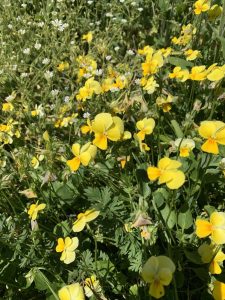
Viola allchariensisViola arsenica
Summary: The project “Conservation of endemic plant species from the locality Alschar” represents a significant contribution towards evaluating the status of two very rare endemic violets Viola arsenica and Viola allschariensis. By determining the population sizes, the threats, as well as establishing the monitoring areas, it will become possible to adopt conservation measures. Until now, there haven’t been any researches for determining the sizes of the population, but this project will provide data that is necessary for assessment of the species in accordance with the IUCN methodology. Students and concerned parties will be involved in the project and will have the opportunity to attend the field work and training. A truly important part of the project is ex – situ conservation of plants within the Botanical garden of the Faculty in Skopje, through the maintenance of viable populations and by collecting seeds.
First report: With this project, the population sizes of the endemic violas of Alchar were estimated for the very first time, and monitoring areas were placed for future monitoring. It was noted that the population size of Viola allchariensis, with approximately 33600 fertile individuals, is significantly larger than the population size of Viola arsenica, which was spotted only on one location with approximately 250 individuals. Distribution area and abundance were also calculated. Threats were identified for the habitat that seems to be under low anthropogenic influence, but the biggest threat is the potential renewal of the mining activities. As for conservation measures, ex-situ preservation was accomplished and seed material was collected
According to the European Environmental Agency (EEA) report, the effect of air pollution is the biggest environmental health risk in our country i.e. there are 120 deaths per 100.000 citizens as a result of pollution, or 2.500 a year https://www.eea.europa.eu/publications/healthy-environment-healthy-lives)
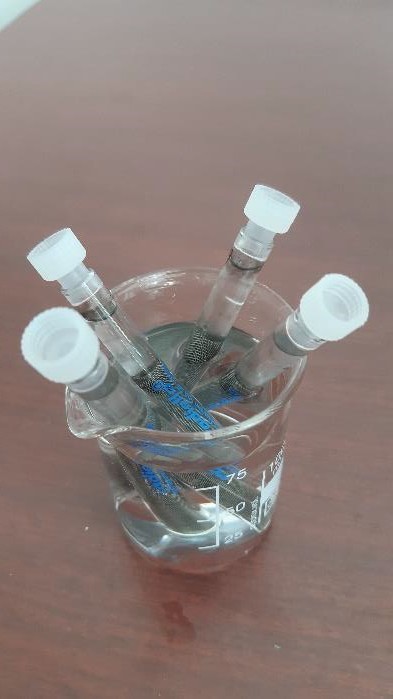
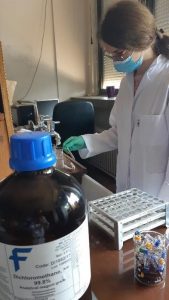
Thus, our team faces a great challenge in finding a solution on how to handle this serious environmental issue. The emphasis in the second stage of this research project is on development of suitable sample collection methods using filters for passive sampling in order to optimize the time interval required for VOCs collection as well as the sample preparation methods using solvent extraction.
Extracting VOCs from filters using dichloromethane
The results showed that four weeks exposure of filters to ambient air is most suitable for detection of VOCs including some of the very hazardous ones. These compounds, such as benzene, come from anthropogenic sources.
These results have shown that we are on the right track on to the next phase where filters would be placed on various locations over different time periods in order to monitor the presence and concentration of VOCs.
The abundance of freshwater habitats in the region of DemirHisar results with the desire to make inquiries about nature and looking for answers to questions obtained through scientific research in this region.From the microscopic analyzes until now, over 150 species of diatoms have been identified in the various freshwater habitats in DemirHisar. Of course, in the upcoming period, this number will increase, considering that the microscopic analysis refers only to 30% of the previously collected material during the field activities.
Collecting material from Strugovsko Lake
A specie that has not been registered for the flora of RNM so far is Achnanthidium catenatum, now find out in Suvodol Lake.Pinnularia, Craticula,Asterionella, Microcostatus, Sellaphora,and Fragilariaare selected as special genera whose species require additional analyzes to identify them.
The huge biodiversity of diatoms makes us believe that the most beautiful things are always hidden deep in nature and we just need to look closely to see them.
During this phase, phytocoenological relevés were made at the Asan Cheshma site, in order to determine the type of Ophioglossum vulgatum’s habitat. The identification of previously collected plants and the field research took place simultaneously. The identified plants belong to the Cyperaceae, Juncaceae, Orchidaceae, Poaceae, Saxifragaceae, Crassulaceae and Boraginaceae families. So far, we faced some challenges, which required a lot of studying and field work, but with excellent teamwork, we achieved the intended results. It is important to emphasize that the plant is registered on another site – Alchak.
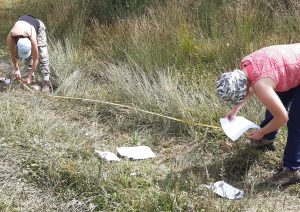
Measuring the surface for phytocenological survey
Considering that the type of habitats inhabited by this plant are strongly affected by anthropogenic activities, but also by the conspicuous climate change, it can be concluded that this relic species could easily disappear from our country’s flora. Given the information about the increasingly intense anthropogenic activities on Kozhuf Mountain, taking the needed measures to protect the fern becomes imperative.
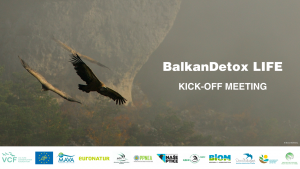
Even though partners and stakeholders could not meet in person for the BalkanDetox LIFE Kick-off Meeting due to the COVID-19 restrictions, we are glad to report that the meeting was a success nonetheless, and received a lot of interest and engagement by multiple relevant stakeholders!
Overview of Kick-off Meeting
On Monday, 30 November 2020, the BalkanDetox LIFE Kick-off Meeting brought together the nine project partners with many important stakeholders spread across the Balkans and other corners of the world to discuss the project scope, objectives, timeline, and everything in between. During the meeting, we started the initial discussions towards the establishment of the official working groups in each of the relevant Balkan countries, which is crucial to secure institutional cooperation and support for combating this illegal practice, as NGOs cannot fight this problem alone.
The meeting had over 110 registrations and the highest number of participants present at a time was 80, although people joined and left depending on the sessions. Overall, the meeting was a success, making new connections, exchanging expertise and experiences, and reinforcing collaboration among key stakeholders to combat the most severe threat to vultures in the region — illegal wildlife poisoning!
Project actions planned for 2021
The Kick-off Meeting laid the foundations for a successful project — now what’s next for BalkanDetox LIFE? The project team has many ambitious plans for 2021, but these are continually adjusted and modified due to the ongoing pandemic.
One of the most significant actions for next year are the meetings with relevant institutions in Albania, Bosnia and Herzegovina, Croatia, Greece, Republic of North Macedonia and Serbia to start the development of national standard operational protocols in the investigation of poisoning incidents.
Furthermore, other meetings will be held relating to the development and adoption of National Anti-Poisoning Road Maps and the investigation of the scope of misuse and origin of legal and illegal toxic substances used for wildlife poisoning. Partners will host tailored educational workshops in local communities, where wildlife poisoning remains a prominent issue, to address the drivers behind poison use in each project country and also promote the use of preventive measures that are safe for animals and the environment.
Last but not least, the first Wildlife Crime Academy training in Spain with staff from NGOs and governmental authorities from the Balkans is foreseen to take place next spring. The training aims to reinforce institutional capacities and prosecution efficacy towards better management of poisoning incidents through the adoption of Spanish best practice experience.
 The problem of wildlife crime in the Balkans

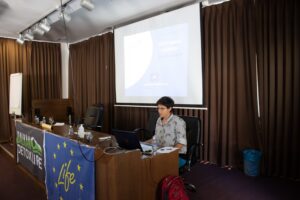
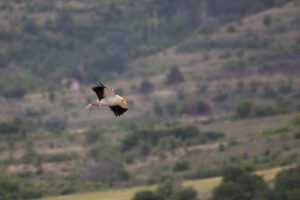

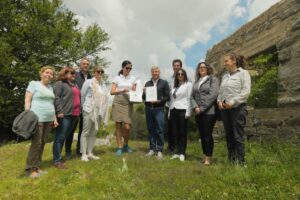 On 17th July at the Info-center on Ponikva we organized an event which was part of the European Green Belt initiative in order to award the Municipality of Kochani. This Municipality was awarded with the prestigious status of Green Belt Model Municipality among all municipalities in the Balkan Green Belt. The award was well deserved as this Municipality was exceptionally dedicated to nature and biodiversity conservation by supporting the establishment of a new protected area on the Osogovo Mountains.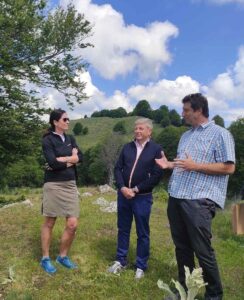




 Summary: Blueberries in Macedonia represent significant natural resource that provides additional income for number of people. However, the systems for collection, licensing, control and monitoring are still not well developed in most of the Republic of North Macedonia which puts pressure on natural habitats and wild species and leads to unsustainable use. The aim of this project is to assess the economic potential based on sustainable usage of bilberries (Vaccinium myrtillus – European bilberry and Vaccinium uliginosum – Bog bilberry) on Kozuf Mtn., by intensive field assessment of annual production of fruits and leaves along with chemical characterization and analysis of the importance of bilberries for local population.
 Summary: Scientific interest in cannabis (Cannabis sativa L.) has grown exponentially in the last 30 years due to the discovery of beneficial phytochemicals along with the study of the human endocannabinoid system. Accordingly, changes in legislation were initiated to legalize the use of cannabis for medical purposes. Cannabis is a plant that was previously cultivated as an important industrial plant but can also be found as an autochtonous plant in North Macedonia. The purpose of the study is to investigate whether there is autochtonous cannabis in Macedonia and whether it is of commercial value, through localization of the areas where it grows, collection of
  plant material, and its morphological and phytochemical characterization. The obtained results will be properly disseminated and will contribute to the valorization of this plant and the development of awareness of the existence of indigenous cannabis in N. Macedonia, its importance and how to change the practice of its intentional destruction to its preservation.
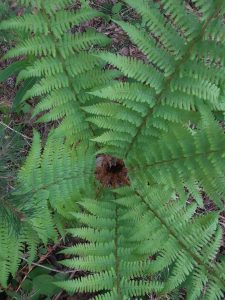 Summary: Dryopteris is a cosmopolitan genus of ferns, which includes species with diverse habitat ranges and morphologies. Hybridization and apomixis are the main reasons for the origin of some species, morphologically separated by fine discrete characters (Fraser-Jenkins, 2007), which make the identification process particularly difficult. The project will provide data on the distribution and diversity of the genus Dryopteris on Kozhuf Mountain, through analysis of the morphological characteristics of the species and through analysis of the ornamentation and dimensions of the spores. This research is a continuation of two decades of efforts to confirm the presence of species and the published data on the genus on а national level (Melovski, 2016), where data on Drypoteris on Kozhuf were not included. This project is also a continuation of the taxonomic research of one of the most complex genera of ferns in Europe.
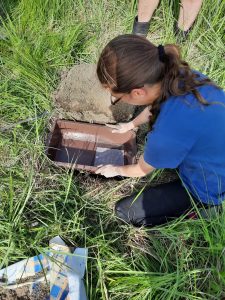 Summary: Wet meadows in Prespa are important ecosystems with specific biogeochemical processes that provide numerous ecosystem services: water purification, nutrient and mineral retention, carbon sequestration, rich biodiversity, etc. The main threats to these habitats come from agricultural activities, mainly through the transformation of wet meadows into arable land. The project will carry out experimental research in which the main focus will be the role of
 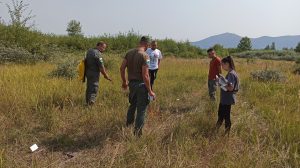 wet meadows in retaining nutrients and heavy metals from fertilizers used in agricultural production. In this way, the role of these habitats to serve as a filter for these substances that reach Lake Prespa will be emphasized, and thus the need for their appropriate management and protection in the protected area Nature Park “Ezerani”.
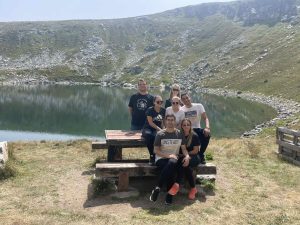 Summary: National parks represent particular sanctuaries for natural wonders which must be protected from the pernicious effects of humankind. This is achieved by constant monitoring of all described and valorized bio-geological resources. Thus, evaluations are required of all the macro-microscopic elements of these ecosystems. The “eyes of Pelister” are glacial lakes with little to no data regarding their microbial ecology.
 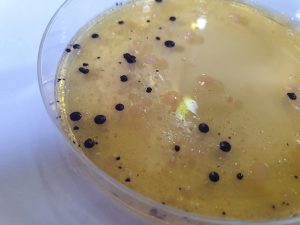 Microorganisms, members of these glacial ecosystems, hold key positions in the numerous biological and ecological processes (Liu et al., 2017; Liu et al., 2019). Glacial lakes are the most vulnerable elements of the biosphere, under constant erosion due to global climate changes (Jiang et al., 2019). The proposed project aims towards evaluating the heterotrophic microflora of these natural wonders, including potential anthropogenic contaminants, as functions of the physical parameters of the water and the seasonal variance in ecotope. The analysis of these unique lakes is of imperative magnitude in order to evaluate the vulnerability of these invaluable ecosystems.
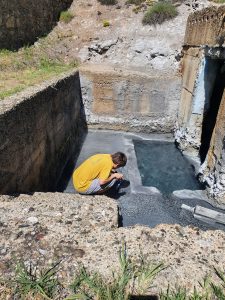 Summary: Natural mineral and thermal springs are an underexplored wonder of invaluable eco-cultural value (Gorgieva and Popovski, 2007). These spring are often subject to extensive anthropogenic exploitation. Meanwhile, insignificant attention is allotted to the biodiversity of these natural treasures. Additionally, the degree of anthropogenic damage inflicted is seldom discussed outside the legislative limits of allowed contaminants. The goal of this project is to enact a thorough microbiological analysis of the mineral springs at Negorci, Proevce, Katlanovo, Stip and Debar. These particular geothermal-mineral springs represent
 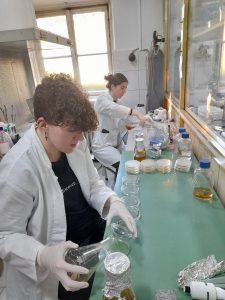 notable cultural objects under intensive local usage. Ecologically there is currently great interest in the study of microorganisms that are able to live in extreme environmental conditions such as high temperatures and mineral concentrations. In addition, very little information about autochthonous microorganisms inhabiting such thermal waters presently exists in N. Macedonia (Sagova-Mareckova et al., 2021; Hui et al., 2021). The results may serve as specific pioneers for the category as well as cause for future conservation attempts.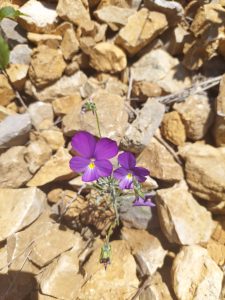
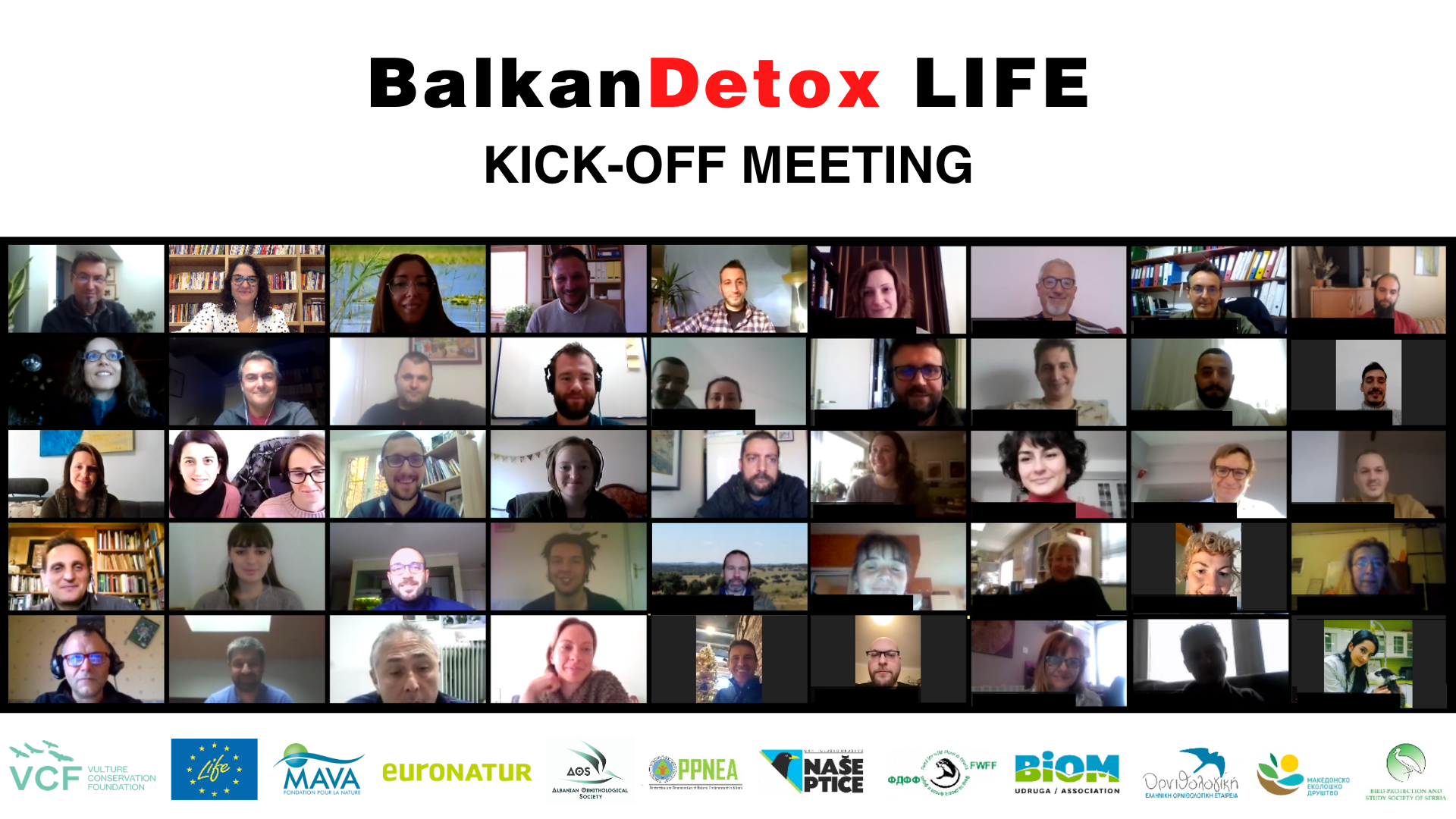
 On Monday, 30 November 2020, the BalkanDetox LIFE Kick-off Meeting brought together the nine project partners with many important stakeholders spread across the Balkans and other corners of the world to discuss the project scope, objectives, timeline, and everything in between. During the meeting, we started the initial discussions towards the establishment of the official working groups in each of the relevant Balkan countries, which is crucial to secure institutional cooperation and support for combating this illegal practice, as NGOs cannot fight this problem alone.
 One of the most significant actions for next year are the meetings with relevant institutions in Albania, Bosnia and Herzegovina, Croatia, Greece, Republic of North Macedonia and Serbia to start the development of national standard operational protocols in the investigation of poisoning incidents.