[vc_row][vc_column][vc_column_text css=”.vc_custom_1528985181163{margin-bottom: 0px !important;}”]Time frame: April 2021 – September 2023
Funding: The German Federal Environmental Foundation (DBU) and the Aage V. Jensen Charity Foundation
Partners: EuroNatur Foundation (Germany), Protection and Preservation of Natural Environment in Albania (PPNEA), Connecting Natural Values and People (CNVP, Kosovo)
Project goal: The local community is the main driver towards sustainable regional development, as well as reducing the threats to biodiversity in the Shara/Korab-Koritnik region.
The SHAPE project “Local Action for Better Environmental Policies” enabled us to reach out to young people and help them become future leaders in environmental protection.
The educational and promotional materials we made in cooperation with the Institute for Communication Studies, with the financial support of the European Instrument for Democracy and Human Rights (EIDHR), serve to raise public awareness of the need for environmental activism, with a special focus on youth.
As part of the project, we supported non-governmental organizations from six regions in Macedonia that in cooperation with high schools conducted their own projects to solve certain local environmental problems. The documentary “Youth for Nature” follows this process and shows how young people are activated, organized and find creative ways to approach environmental problems that affect us all.
We also created short animations that are educational and cover topics of environmental protection. These topics are current in our country and are broadly related to the topics of grantee projects and have proven to be important to young people. The first video shows how agricultural practices affect the entire ecosystem and how many benefits we can have when working with nature. The second video highlights the problem we still have with waste management. The third video shows the biodiversity of Prespa and the need to protect the entire ecosystem.
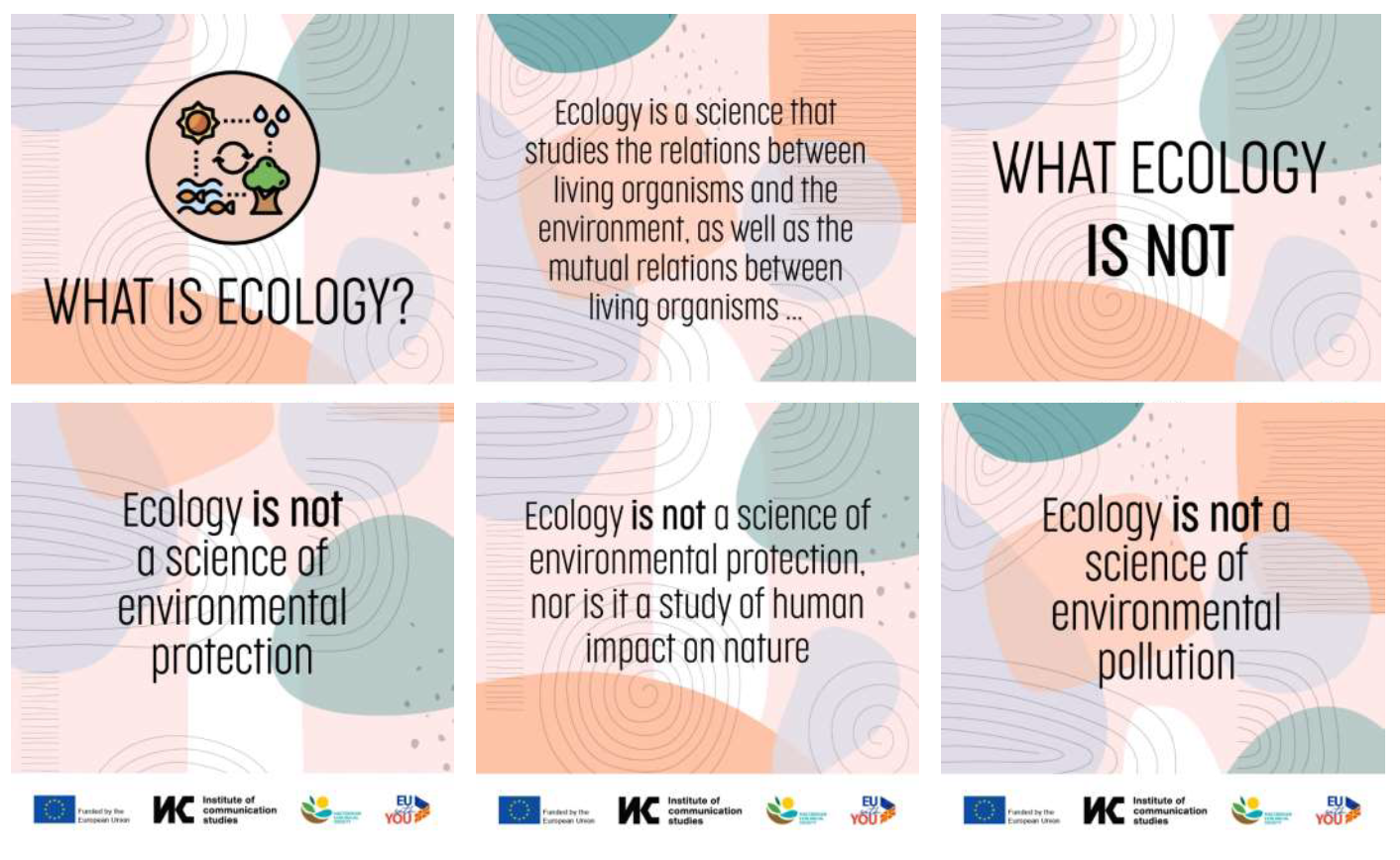
The Eco-cards contain messages about the environment. In them we cover basic topics related to the environment such as ecology and global warming, but there is also data on Macedonia, as facts about the biodiversity in Macedonia or the state of waste management. We hope that these educational materials will serve as a resource in further education of young people. You can download them with this link.
Goal of the project: Improving the spatial planning procedures and the harmonisation with EU legislation as well as the incorporation of Green Infrastructure into spatial planning legislation
The Macedonian Ecological Society, as a part of the project “Enhancing the Connectivity of the Balkan Green Belt” is launching a Call for engagement of a Spatial Planning expert to be involved in the process of development of a new Law on Spatial Planning of the Republic of North Macedonia. The main objective of this engagement is to provide expert support during the process of development of a new Law, in particular, the requirements for incorporating the green infrastructure. The Spatial Planning expert shall work in close cooperation with the Department of Spatial Planning within the Ministry of Environment and Physical Planning and the project team. More details about the call, the conditions and the criteria cab be found here.
All interested experts should send their offers latest until 10th April 2022 to the following e-mail address: stojanov@mes.org.mk
From the 14th to the 16th of March 2022, MES participated in a workshop for the monitoring and supervision of the lindane and HCH remediation at OHIS, organized by the Ministry of Environment and Physical Planning/POPs Unit, in collaboration with the United Nations Industrial Development Organization (UNIDO), and the international company TAUW from the Netherlands.
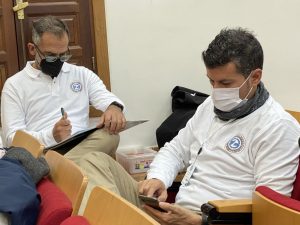
The workshop consisted of two days of theoretical training for the sustainable management, monitoring, and supervision of the remediation activities in OHIS, and one day practical training on location in OHIS.
The training was conducted by TAUW, a Dutch company with expertise on dealing with POPs (persistent organic pollutants) which, as an external company, is in charge of overseeing the whole process of the removal of lindane from the small landfill in OHIS. The main topics of the workshop were an introduction to the Stockholm convention, contaminated site management, remediation management, health and safety management and monitoring, and monitoring and supervision of a remediation.
TAUW started with a brief history of OHIS, as well as the main objectives of the project and the specific work plan. As background knowledge, TAUW also covered the history of POPs around the world, showcasing that dealing with toxic waste of this type is still a major problem. They introduced the Stockholm convention – an international agreement aimed at eliminating or reducing the production and use of POPs.
The training was detailed, and throughout the two days it took the participants step by step through the major topics regarding the management of a project of this type and the management of a contaminated location, from researching the site through available information and through direct on-site research, to possible contracts, necessary safety equipment and machinery, budget planning, correct zoning and manner of moving between zones, to monitoring of safety, analysis of soil and groundwater, etc.
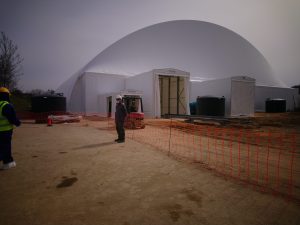
On the second day, a representative of the contractor POLYECO gave a presentation on their operative plan and the current state in OHIS. POLYECO showed that the safety tent has been set up, complete with three tunnels – one for employees, one for the necessary machinery, and one with rails that will be used for the containers with lindane and contaminated soil to go in and out. They showed how the space in the factory is divided by zones and how the activities will be conducted in accordance with the zoning, which safety equipment the employees will use, and which safety measures will be followed. They showed the already set up systems for the monitoring of air, and the water filters which will be used in the process itself, as well as the containers that will be used for the transportation of the lindane and the contaminated soil.
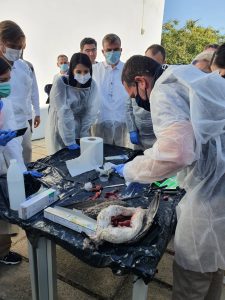
The third day was dedicated to conducting direct field activities in OHIS – the participants were provided with safety equipment and trained to excavate soil and conduct soil and contamination analysis. With instruction and equipment from TAUW, the participants learned how to excavate and analyse soil. Using an X-ray device on the spot, they determined how much mercury and other elements were present in the excavated soil, and documented all of this in work forms. After this training, POLYECO conducted an informative tour through OHIS, in the part where the preparation activities, packing and removal of lindane (from the small landfill) will be performed. The participants entered the yellow zone, where the containers for the transportation of lindane, HCH, and contaminated soil were located. The yellow zone came up to the tent (which was set up in the red zone) where the three tunnels could be seen, but the participants did not enter in the tent itself. In the yellow zone there was also a decontamination unit – a special part with two chambers where employees can shower and leave their contaminated equipment in the first chamber, and then change into clean clothes in the second chamber.
As a part of the workshop, the trainers shared useful materials from the field. At the end of the workshop MES, together with the other participants, received a certificate for monitoring and supervision of the remediation at OHIS.
The metal construction and safety tent in which the digging of the lindane and its isomers will occur have been set up in the small landfill in OHIS
07.03.2020 Skopje – In the period January-February 2022, within the frame of the project “Removal of Technical and Economic Barriers to Initiating the Clean-up Activities for Alpha-HCH, Beta-HCH and Lindane Contaminated Sites at OHIS, 100122”, regarding the small landfill in OHIS, all of the planned activities for the preparatory phase were completed.
The metal construction, which is the basis for the protective PVC cover and the tent cover itself, was set up at the end of February. The next step is to connect and stabilize the tent cover to the metal construction, as well as to set up additional covers, especially in places with the largest worker turnover. These reinforcements of the tent cover will be set up precisely on the planned tunnels (a total of 3) where there will be an entry of equipment and personnel which will work on the excavation, and an exit of the excavated and packed quantities of HCH, lindane, and contaminated soil.
In the next phase, the impenetrability of the tent material will be tested, which is necessary for achieving the conditions needed for negative pressure, which in turn is needed for the minimization of the emission of dust and contaminated material during the implementation of the operational activities.
So far, as part of the preparatory phase of the excavation of HCH and lindane, staff was provided for fieldwork, as well as mechanical equipment and machines for setting up and reinforcing the metal construction.
These activities have been completed, and their implementation took a period of around 60 days, given the changing weather conditions and the inability to work under conditions of strong wind and rain.
At the beginning of the operational phase, the contractor POLIECO will conduct trainings with the personnel on the excavation and handling of HCH waste, on the process of digging, storing, as well as restoration of the location. The dynamics of the excavation activities will depend on the available capacity of the contractor.
The excavation and packing of about 650 tonnes of contaminated soil and lindane/HCH is expected to be completed by mid-May.
The work of the contractor POLIEKO will continue to be monitored by both the State Inspectorate for Environment and the supervisory company TAUW.
The final phase of the whole process is the transportation of the waste to the facilities for final disposal, leaving from North Macedonia, through the neighbouring Republic of Grece, to France and The Netherlands/Germany, where the incineration or remediation of the waste materials and soil will take place.
In all phases of the cleaning process, independently of the performance of the employees and contractors of the contracting firm POLIECO, there will be active monitoring of the state of the environment, through the monitoring of the quality of the performance, of the air, and of the underground waters and the generated wastewater.
All data will be made public after the completion of the measurements during the removal of lindane, and the details of the research will also be shared in public debates. The Macedonian Ecological Society (MES) is also preparing a documentary video on the whole process of the removal of lindane from the small landfill in OHIS.
Within the multi-year project “Removal of Technical and Economic Barriers to Initiating the Clean-up Activities for Alpha-HCH, Beta-HCH and Lindane Contaminated Sites at OHIS, 100122”, MES is implementing awareness raising activities regarding the significance and the impact of lindane on human health and the state of the environment. The project is financially supported by the Global Environmental Facility (GEF), implemented through UNIDO (United Nations Industrial Development Organization) and implemented in coordination with the Office for Non-Degradable Organic Pollutants (POPs) of the Ministry of Environment and Physical Planning.
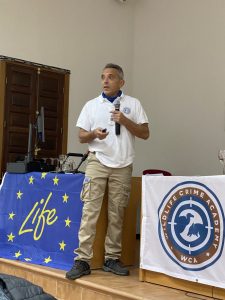
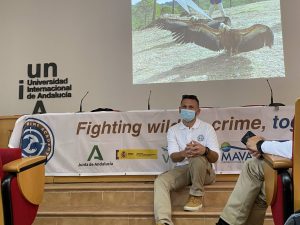
In today’s conservation work, combating wildlife crime is essential to effectively protect and preserve certain species. The sad reality is that people behind serious wildlife crimes like poisoning and poaching usually go unpunished. And impunity facilitates these illegal activities to continue, exploiting and killing wildlife in the meantime. The Wildlife Crime Academy (WCA), organised by the Vulture Conservation Foundation (VCF) and the Junta de Andalucía, aims to change that.
The Advanced Course of the Wildlife Crime Academy
After years of preparation, the first Wildlife Crime Academy course took place this summer in Spain. Ultimately, the WCA strives to provide the opportunity to as many people as possible across Europe and eventually the world to receive the training necessary to combat wildlife crime. Subsequently, participants will implement the practices learned in their respective countries to help deter people from committing these crimes so that less wildlife suffers.
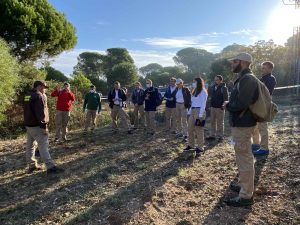
A few months ago, the Basic Course hosted key stakeholders working in conservation, law enforcement and forensic science from eight countries in the Balkans and elsewhere to train them on how to detect, manage and investigate wildlife crime, and in particular poisoning incidents. The participants reunited last week for the Advanced Course, where they were able to enhance their specialisation in their corresponding areas of expertise.
Specialisation in forensic and police investigation of wildlife crime
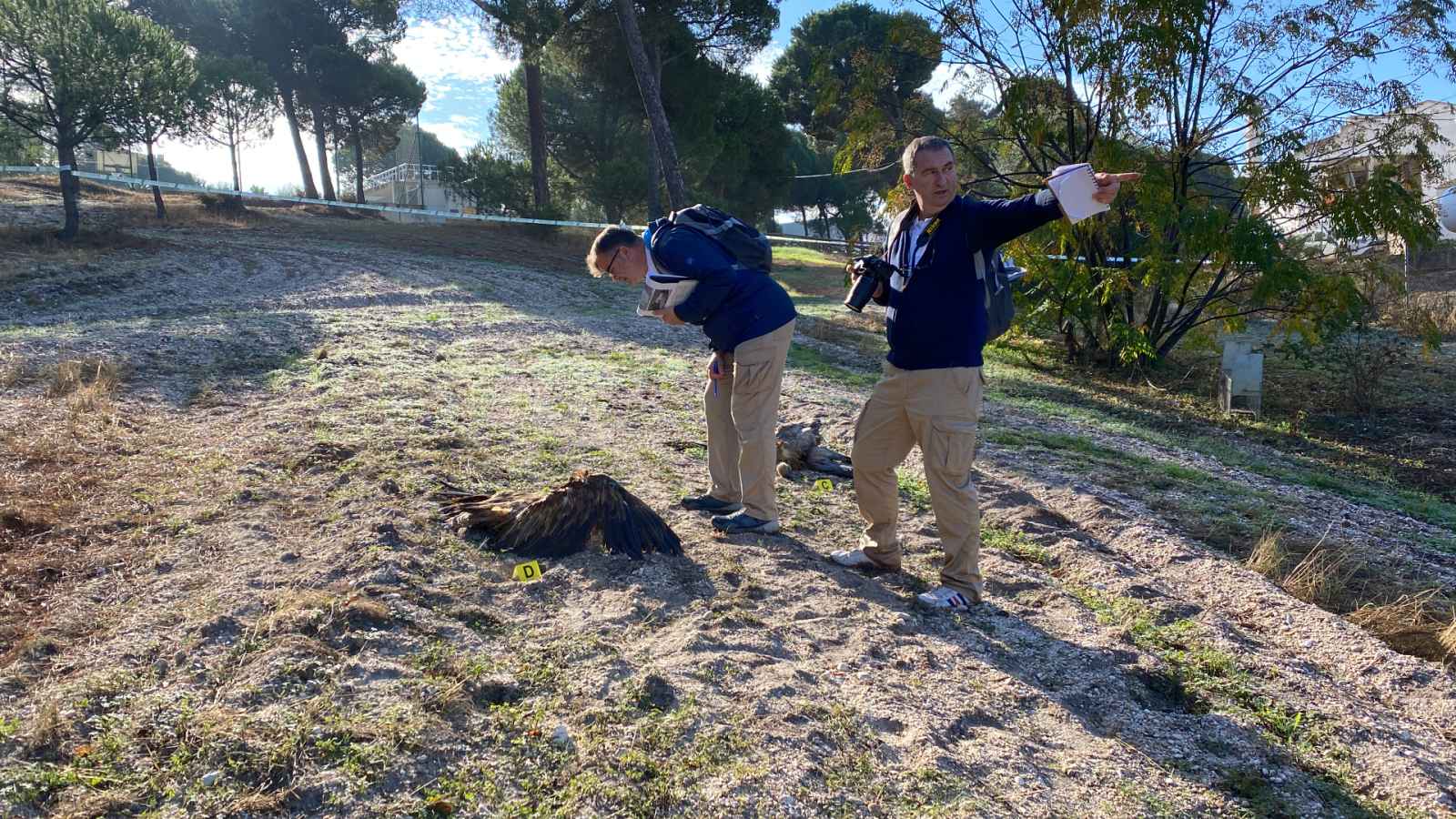
Based on over 15 years of experience, training specialists from the Junta de Andalucía and EUROPOL devised the syllabus for the latest course. The concept is straightforward – take the necessary procedures to treat wildlife crime with the severity it deserves. So, if a GPS-tagged vulture disappears or if the carcass of a bear emerges in the middle of a forest, the key stakeholders should be able to act swiftly and take the appropriate steps to investigate these potential wildlife crimes. The Wildlife Crime Academy’s Advanced Course demonstrated how to do just that.
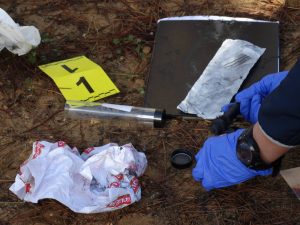
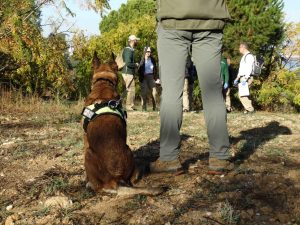
Participants got the chance to learn all about Crime Scene Investigation (CSI) – how to conduct systematic examinations, collect and secure evidence while using deductive and inductive reasoning to help determine the facts of the case. WCA covered various associated topics, from collecting fingerprints to utilising canine units and identifying deception through body language.
Let’s not forget forensics – a crucial part of the investigation where forensic scientists analyse evidence to develop objective findings that can reveal causes of death and even assist in the prosecution of perpetrators. The WCA delved into key areas, including forensic entomology, non-conventional sampling and interpretation of toxicology results, among others.
We can only fight wildlife crime if we work together and learn from one another. The WCA team will continue to work diligently and dedicatedly to keep growing the teams of wildlife crime experts across Europe and elsewhere, achieving convictions and justice for wildlife!
Next year, the WCA will host a second cohort of enforcement agencies, pathologists, forensic veterinarians and toxicologists, and the VCF is stringing to find the funding to continue this initiative and programme beyond as results so far have been very promising, and there is defiantly interest from many countries to join.
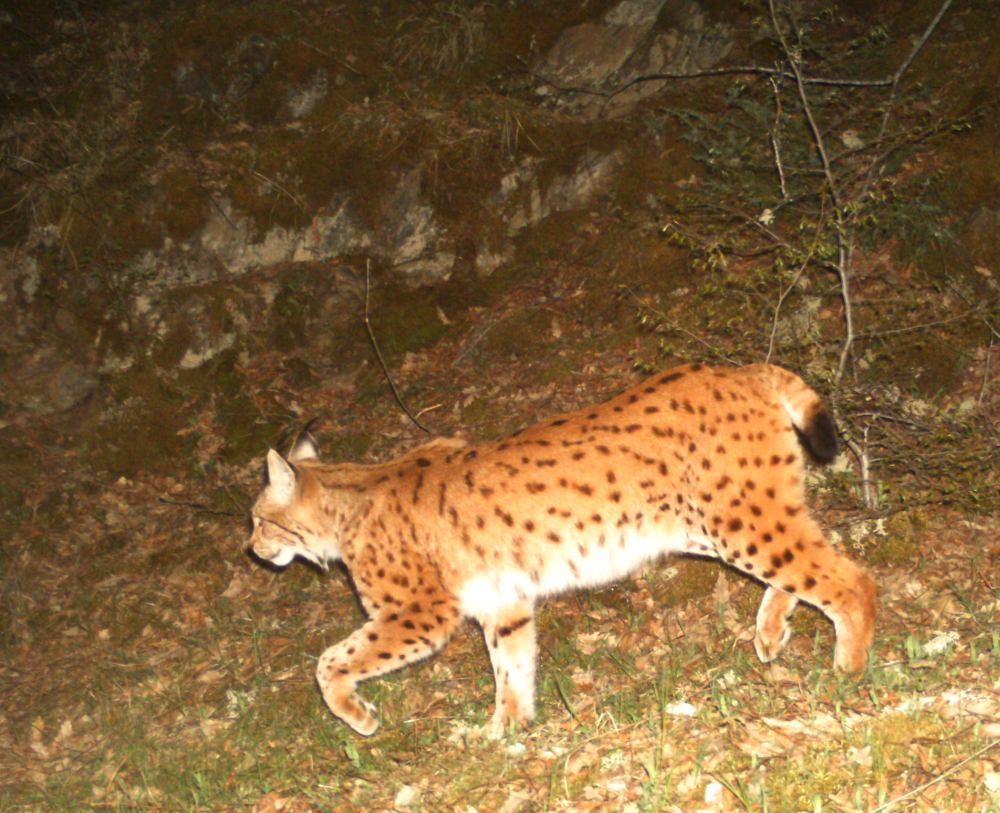
A joint multidisciplinary effort by scientists from Europe recently produced a scientific paper on the Balkan (Lynx lynx balcanicus Bureš, 1941) and the Caucasian (Lynx lynx dinniki, Satunin, 1915) lynx, which gives fresh perspective of the genetic status of the Balkan’s critically endangered cat and provides a direction for future conservation measures.
According to the paper, Asian and European lynx populations started to diverge around 100 thousand years ago, after which followed a decline in population size, which intensified during the last 750 years. Analysis was performed on the mitogenome, i.e. mitochondrial DNA, which is passed on through the maternal line, revealing in the Balkan lynx two haplotypes, whereas, in Caucasian lynx, defined were six haplotypes. A haplotype constitutes a group of alles (versions of a gene) inherited from a single parent – the mother in this case. Seeing the relatedness of these haplotypes, it was concluded that the Balkan and Caucasian lynx populations separated genetically around 46 thousand years, compared to the separation from rest of the Eurasian lynx almost 93 thousand years.
On the other hand, analysis of the nuclear genome (DNA found in cell’s nucleus) suggests that the Balkan lynx is closely related with the Carpathian population, even though they represent two different sets of haplotypes (haplogroups) that separated around 100 thousand years ago. This closeness is owing to the regular and most recent interaction of these two neighbouring populations. Moreover, such gene flow is thought to be male-biased.
Another important consideration ensuing from this paper is the yet-another confirmation of the genetic erosion in the Balkan lynx population, due to the long-term inbreeding caused by the small and fragmented populations. Such low level of genetic diversity in this subspecies calls for immediate conservation action.
The Balkan lynx is now considered the most threatened native subspecies of the Eurasian lynx. It is classified as critically endangered by the International Union for the Conservation of Nature (IUCN) and numbers estimated to be a mere 50 or less mature individuals. As its distribution restricted to the southwestern Balkan Peninsula, the animal’s core areas are along the Macedonian-Albanian border, with Mavrovo National Park being its stronghold. Major conservation efforts started in 2006 with the initiation of the Balkan Lynx Recovery Programme, now in its sixth phase. The Macedonian Ecological Society has been the project partner since the very beginning.
All these findings are crucial to designing a better-suited conservation approach that could avert the imminent extinction of our beloved cat! Read the full paper at the following link.
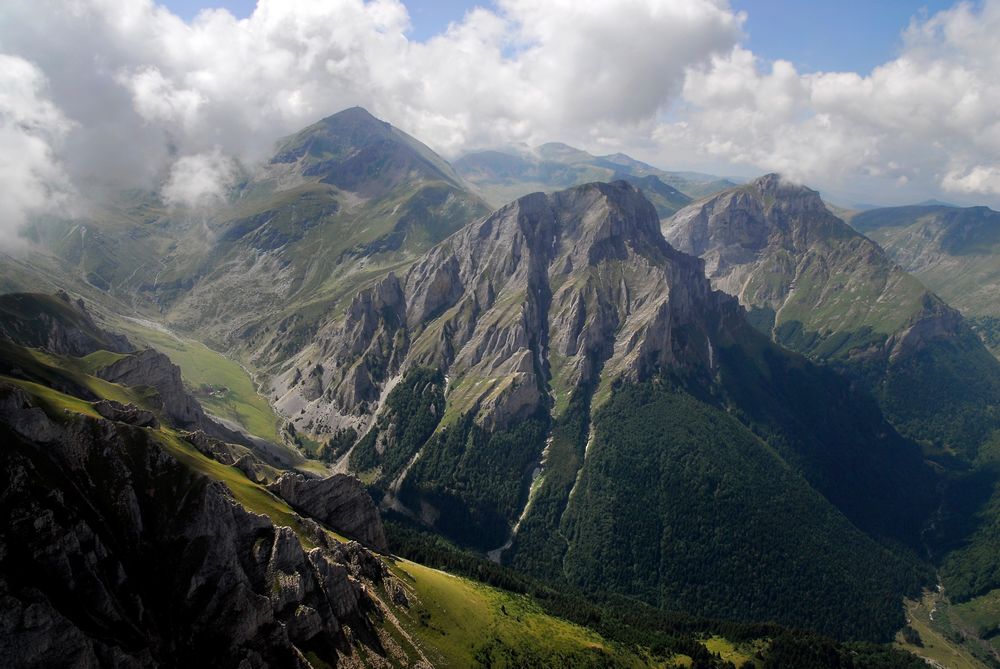
MES and Friends of Shara greet the passing of the Law on the Proclamation of Shar Mountain as National Park
The Macedonian Ecological Society and the Friends of Shara Platform greet the passing of the Law on the Proclamation of Shar Mountain as National Park at Assembly’s 43rd session on 30 June 2021, with 66 votes in favour.
@JovanBozinoski
As supporters of this long-term process, we would like to express our great satisfaction and give recognition to all stakeholders involved in the proclamation of Shar Mountain a national park – a rather long and painstaking process concluded through the faith and hard work of the institutions, donors, NGOs, and the locals, who gave their support over the years.
Among the initiative’s most ardent supporters was professor Ljupcho Melovski, Ph.D., the former President of MES, who best knew Shar Mountain in terms of natural values, and also continuously engaged in all activities relevant to the proclamation of Shar Mountain a national park and its protection ever since 1997/98.
I wished I would hear the good news about Shar Mountain’s proclamation as national park on 30 June, the day of prof. Melovski’s birthday, who dedicated his whole life exploring Shara – and it happened. Shara holds tremendous values in terms of biodiversity, but also significant are its cultural values and the traditional resource use practices. In fact, this is what makes Shara a unique mountain. Its legal protection presents great success and a step forward to overcoming the pressures it is facing, but there still remains a bigger task – undertaking efficient measures to conserve and manage this important area, states Robertina Brajanoska, executive director of MES.
According to MES’s President, Slavcho Hristovski, Shara’s proclamation is a historic step, because it’s been 63 years since the last proclamation of a national park in the country, following the Galichica National Park.
I feel obliged to express my gratitude to the Assembly, the Government, the Ministry of Environment and Physical Planning, in particular to the Minister Naser Nuredini, for the effort and the ultimate success. I would also like to congratulate to the citizens of the Shara region and to the citizens’ associations, wishing that all of us jointly protect and promote Shar Mountain’s nature, take good care of the cultural and traditional values, which will provide manifold benefits through regional development and improved livelihood of the locals. I wish that very soon we witness how the Shar Mountain National Park brings progress and facilitates transboundary cooperation, and I am also confident that this proclamation further demonstrates the civilizational values of our society, even though we tend to doubt them, states Slavcho Hristovski, the President of MES.
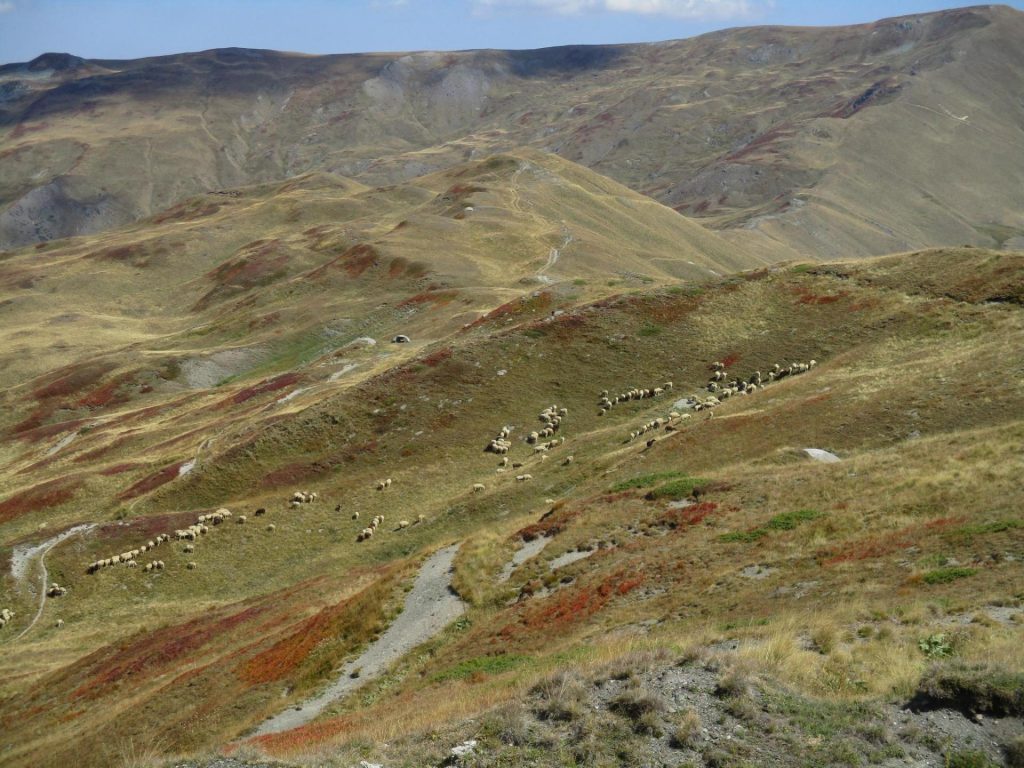
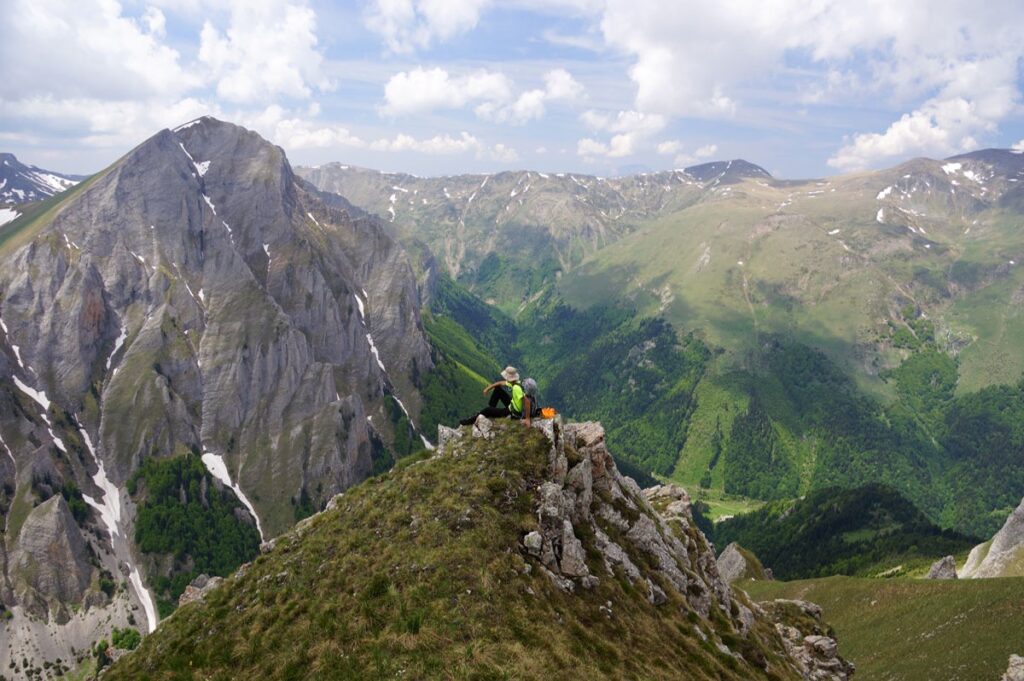
The proclamation of Shar Mountain as the country’s fourth national park is the missing piece in the regional jigsaw, which results in a transboundary protected area with total land area of 244,617 hectares. There is a national park in Kosovo since 1986, and in Albania, there is the Korab-Koritnik Nature Park, established in 2011. These areas naturally connect with the Macedonian Mavrovo National Park, ensuring integral protection for the entire land area, which carries extraordinary biological and aesthetic values.
The President of the Friends of Shara Platform, Metin Muaremi, extended congratulations to the Government and the Ministry of Environment and Physical Planning, as institutions providing firm support during this long, but much needed process for all citizens of the Shar Mountain region, but also for all those who appreciated the values this region holds.
The Friends of Shara Platform, for more than five years, went through many hardships and challenges, facing both supporters and opponents, but not only once have we considered giving up on our cause, because we strongly believe in the values it holds for the locals and the wider region. We believe in good cooperation with the administration of the future Shar Mountain National Park and the support for a modern park taking care of both nature and people, states Metin Muaremi, President of the Friends of Shara Platform.
It is expected that the national park, housing more than 26,000 citizens, will provide many benefits, not only in terms of nature protection, but also in terms of socio-economic and demographic aspects. We are convinced that the Shar Mountain, protected as such, can attract tourists like the famous national parks throughout the world and the region, since in terms of natural values, it has all that is needed. Protection will not only hinge on its administration, but also on changing awareness in all who have been using the mountain’s natural resources, starting from the business sector, public enterprises, but also including the locals.
@JovanBozinoski
MES, Friends of Shara and the initiative to proclaim Shar Mountain a national park
MES has been part of the initiative for the proclamation of Shar Mountain since the beginning, mainly in the capacity of studying Shara’s biodiversity, while in the last 10 years it also organized numerous events, workshops and conferences at local and regional levels, attended by representatives of institutions, local citizens and all 6 municipalities of the Polog Region.
We dedicated our work in this topic ever since our mission was recognized by the Centre for Education and Development, from Tearce, the Ljuboten Mounteneering Club, from Tetovo, and the Initiative for Civic Integrations, from Gostivar, with whom we became active through the informal Friends of Shara Platform, which in the last 6 years dedicated selflessly to this initiative, making the issue of Shara’s becoming a national park a constant hot topic in the public.
Through the work of the Friends of Shara Platform, awareness is raised in the region about the natural values of Shar Mountain at national and regional level, lobbying constantly and making sure that the proclamation process does not come to a halt.
@AleksandarDonev
Expectations:
MES and Friends of Shara believe that in the initial years of national park establishment, proper managing authority will be key to proper nature protection, with role both to protect nature and maintain mountain’s traditional resource use.
After the establishment of Shar Mountain NP, the responsible the public enterprise will have to prepare a management plan to be presented to the locals and the relevant stakeholders. The future managing authority will have the obligation to mark the special protection zones in the park, inform the locals about their role, conduct monitoring of the flora and fauna, and also implement other activities on nature protection.
MES and Friends of Shara will continue their activities in the region. The members of the Friends of Shara Platform are involved in all projects promoting region’s natural values and tourism and supporting local initiatives and stakeholders both in Shar Mountain and the region.
Threats to nature still remain present. In addition to the “small” hydro power plants, there is also illegal logging, poaching, and ongoing urbanization through illegal construction of buildings, new roads and land conversion. The law proclaiming the national park and the management plan should ideally put an end to these issues, but this does not mean that all the problems will be gone. The future management authority will have a lot of work controlling such events, educating the locals and ensuring activities that will provide benefits from this protection.
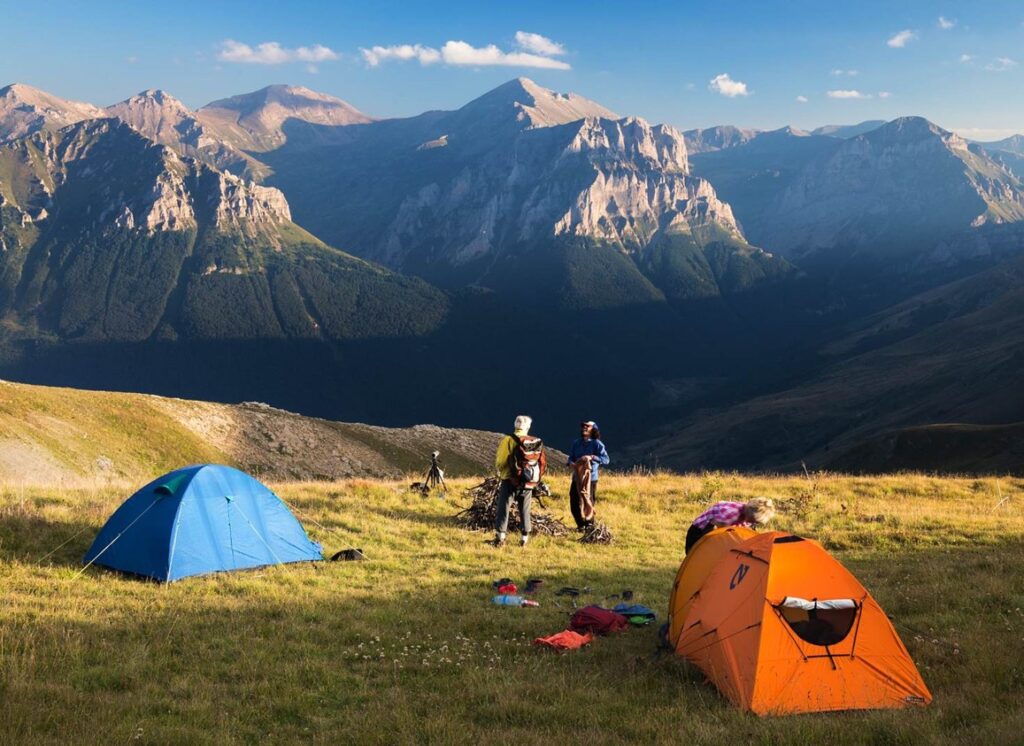
Events and projects that the Macedonian Ecological Society and the platform “Friends of Shar” implemented in order to aid the proclamation of Shar Mountain National Park 2011-2021


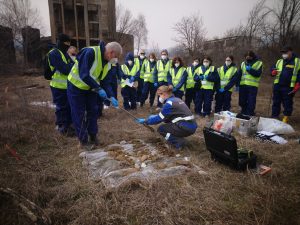 From the 14th to the 16th of March 2022, MES participated in a workshop for the monitoring and supervision of the lindane and HCH remediation at OHIS, organized by the Ministry of Environment and Physical Planning/POPs Unit, in collaboration with the United Nations Industrial Development Organization (UNIDO), and the international company TAUW from the Netherlands.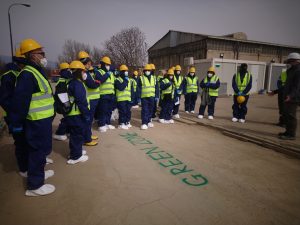
 The third day was dedicated to conducting direct field activities in OHIS – the participants were provided with safety equipment and trained to excavate soil and conduct soil and contamination analysis. With instruction and equipment from TAUW, the participants learned how to excavate and analyse soil. Using an X-ray device on the spot, they determined how much mercury and other elements were present in the excavated soil, and documented all of this in work forms. After this training, POLYECO conducted an informative tour through OHIS, in the part where the preparation activities, packing and removal of lindane (from the small landfill) will be performed. The participants entered the yellow zone, where the containers for the transportation of lindane, HCH, and contaminated soil were located. The yellow zone came up to the tent (which was set up in the red zone) where the three tunnels could be seen, but the participants did not enter in the tent itself. In the yellow zone there was also a decontamination unit – a special part with two chambers where employees can shower and leave their contaminated equipment in the first chamber, and then change into clean clothes in the second chamber.
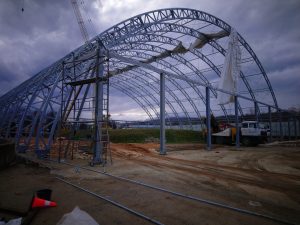 In the next phase, the impenetrability of the tent material will be tested, which is necessary for achieving the conditions needed for negative pressure, which in turn is needed for the minimization of the emission of dust and contaminated material during the implementation of the operational activities.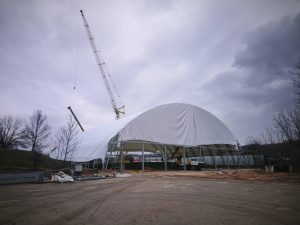
 In today’s conservation work, combating wildlife crime is essential to effectively protect and preserve certain species. The sad reality is that people behind serious wildlife crimes like poisoning and poaching usually go unpunished. And impunity facilitates these illegal activities to continue, exploiting and killing wildlife in the meantime. The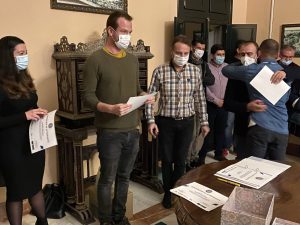

 I wished I would hear the good news about Shar Mountain’s proclamation as national park on 30 June, the day of prof. Melovski’s birthday, who dedicated his whole life exploring Shara – and it happened. Shara holds tremendous values in terms of biodiversity, but also significant are its cultural values and the traditional resource use practices. In fact, this is what makes Shara a unique mountain. Its legal protection presents great success and a step forward to overcoming the pressures it is facing, but there still remains a bigger task – undertaking efficient measures to conserve and manage this important area, states Robertina Brajanoska, executive director of MES.
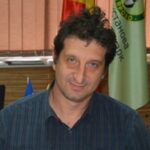 I feel obliged to express my gratitude to the Assembly, the Government, the Ministry of Environment and Physical Planning, in particular to the Minister Naser Nuredini, for the effort and the ultimate success. I would also like to congratulate to the citizens of the Shara region and to the citizens’ associations, wishing that all of us jointly protect and promote Shar Mountain’s nature, take good care of the cultural and traditional values, which will provide manifold benefits through regional development and improved livelihood of the locals. I wish that very soon we witness how the Shar Mountain National Park brings progress and facilitates transboundary cooperation, and I am also confident that this proclamation further demonstrates the civilizational values of our society, even though we tend to doubt them, states Slavcho Hristovski, the President of MES.
 The Friends of Shara Platform, for more than five years, went through many hardships and challenges, facing both supporters and opponents, but not only once have we considered giving up on our cause, because we strongly believe in the values it holds for the locals and the wider region. We believe in good cooperation with the administration of the future Shar Mountain National Park and the support for a modern park taking care of both nature and people, states Metin Muaremi, President of the Friends of Shara Platform.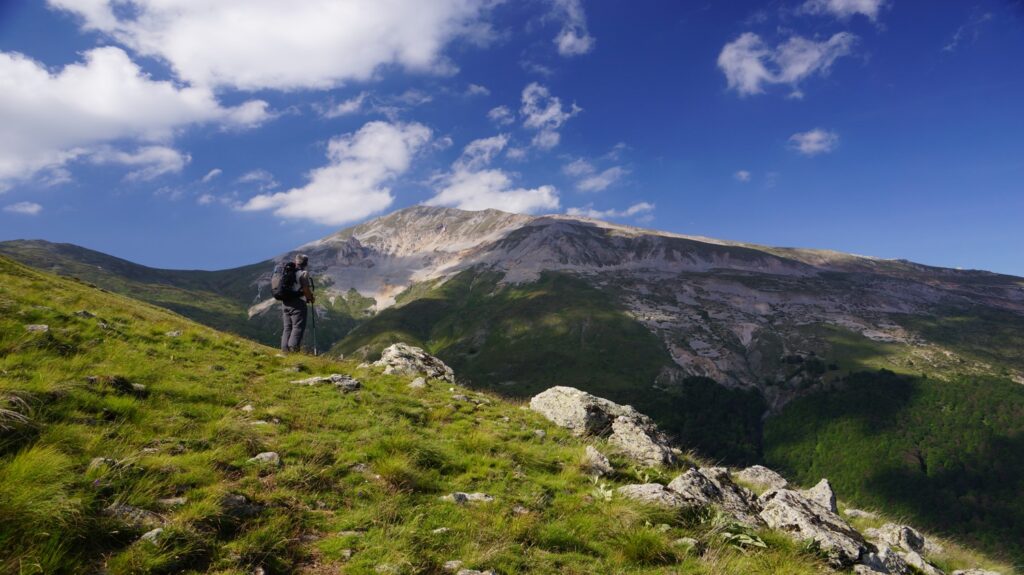
 2017
2017