Author: ksenija

  • Lynx education week

    Lynx education week

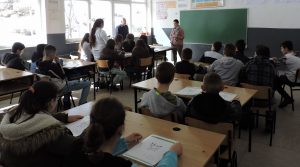
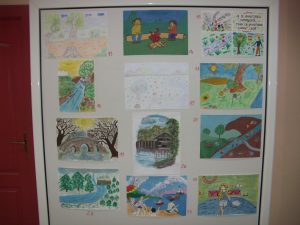
    MES initiated its educational caravan in Western Macedonia as part of the Balkan Lynx Recovery Programme. The educational caravan visited the villages of Vejce and Shipkovica, on Shar Mountain, and the village of Vrbjani, in Mavrovo. The challenge of teaching in Albanian and Macedonian was overcome by including PPNEA, our partner organisation from Albania.

    The MES team cooperated with more than 20 teachers and around 400 children. Through the educational package, children had the chance to learn something more about the lynx ecology and biology, and also about the method of conducting field work, so that later on they may reproduce what they had learnt through game and problem solving.

    The team is especially grateful for the generous support provided by schools, teachers and the locals.

  • 3rd Congress of Ecologists of Macedonia with International Participation, Struga 2007

    3rd Congress of Ecologists of Macedonia with International Participation, Struga 2007

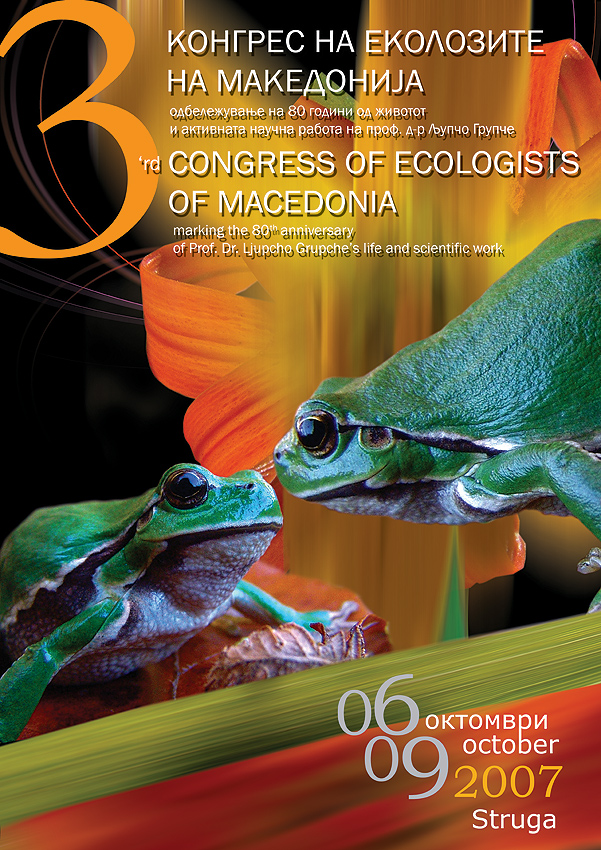
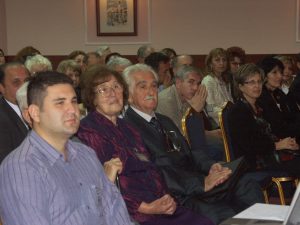
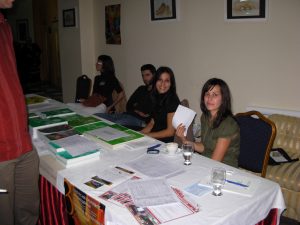
    The 3rd Congress of Ecologists of Macedonia with International Participation took place in Struga, in the period 6–9 October 2007. The Congress, at the same time, marked the 80th birthday and 60th anniversary of active scientific work of Prof. Ljupcho Grupche, PhD.

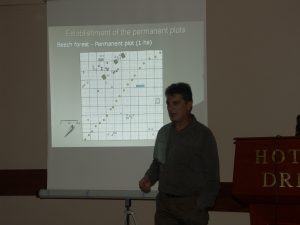
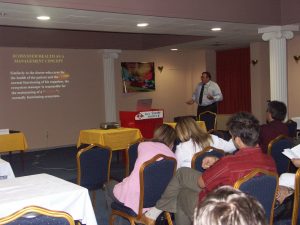
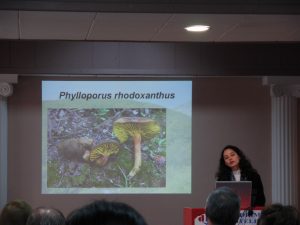
    Congress participants were given three plenary lectures, whereas more than 180 of them presented their scientific research work. Out of these, a total of 80 papers were printed in the Proceedings of the 3rd Congress of Ecologists of Macedonia with International Participation.

    The large number of papers presented points both to the deep interest of the scientific community in Macedonia and the region as regards ecological research, but also to the lack of other scientific gatherings in the country from related scientific disciplines.

    According to the number of presented papers, session attendance and discussion length, the greatest interest in Macedonia and the region alike, was shown for research activities in biodiversity and conservation ecology, environmental protection and pollution, ecosystem ecology, population and community ecology, etc. In that respect, one may conclude that there is big interest to address issues pertaining to environmental protection and biological diversity, and this is likely owing to the applicability of such research. Another point worth making is that this Congress was also attended by scientific workers in the field of urban ecology and landscape ecology – a novelty to the previous congresses. These two applicative disciplines in environmental management seem to be on the rise in the country.

  • 2018 International Waterfowl Census in Macedonia complete

    2018 International Waterfowl Census in Macedonia complete

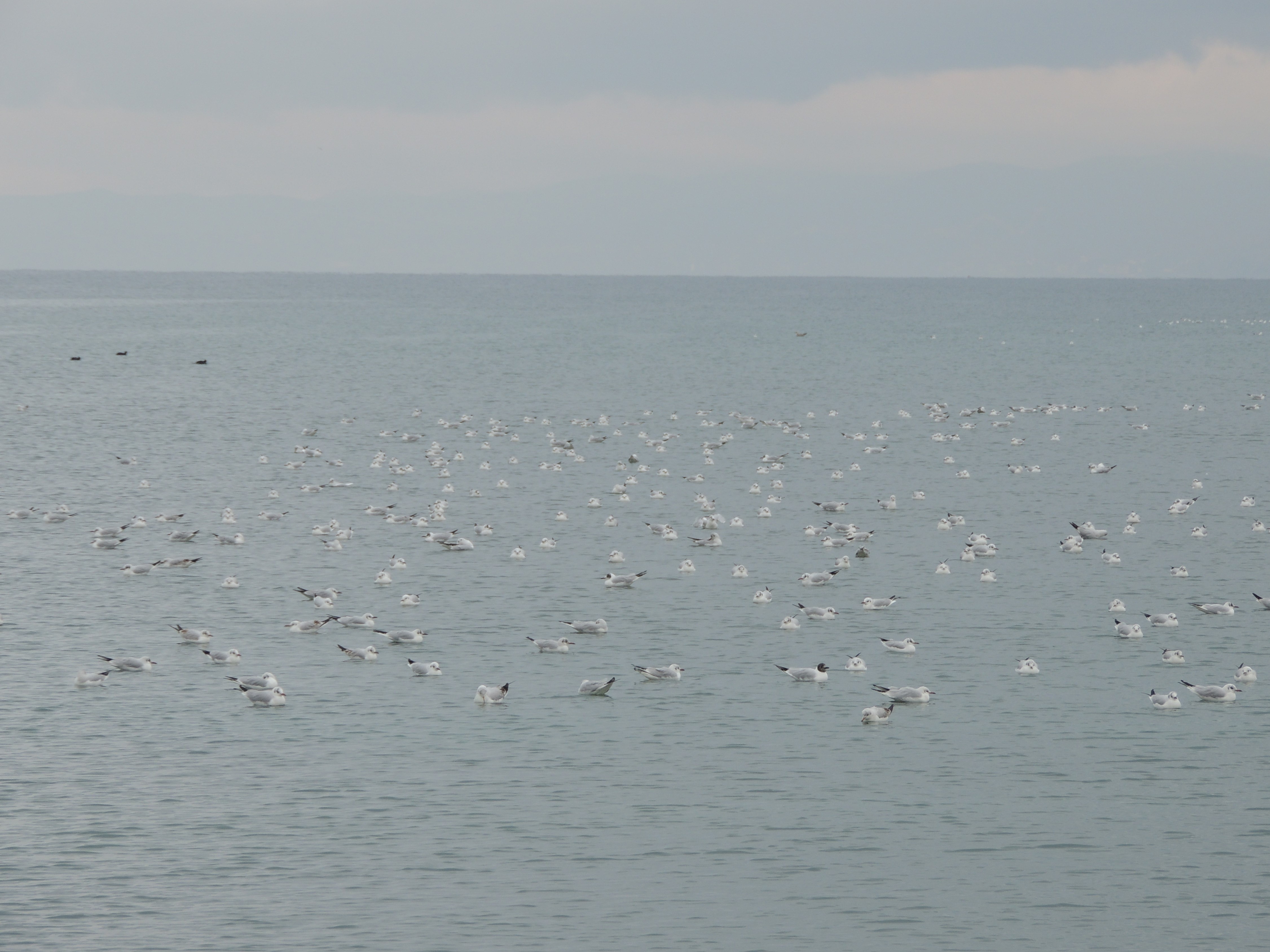
    For the ninth consecutive year, on the weekend of 13 and 14 January 2018, MES employees and volunteers conducted bird counting on Macedonia’s three natural lakes, also including adjacent water reservoirs and wetlands. Despite the biting cold, the teams’ weather-defying spirit and enthusiasm made an enjoyable endeavour out of the International Waterfowl Census (IWC) in Macedonia, resulting in a total count of as much as 11,000 birds on Ohrid Lake and Prespa Lake, and 5,500 birds on Dojran Lake.

    The International Waterfowl Census is the largest volunteer waterbird count with a long-standing tradition ever since 1967. Led by the Wetlands International and in cooperation with numerous local organisations, this event has become the much needed source of information pivotal to creating policies on wetland management and protection.

  • 2nd Congress of Ecologists of Macedonia with International Participation, Ohrid 2003

    2nd Congress of Ecologists of Macedonia with International Participation, Ohrid 2003

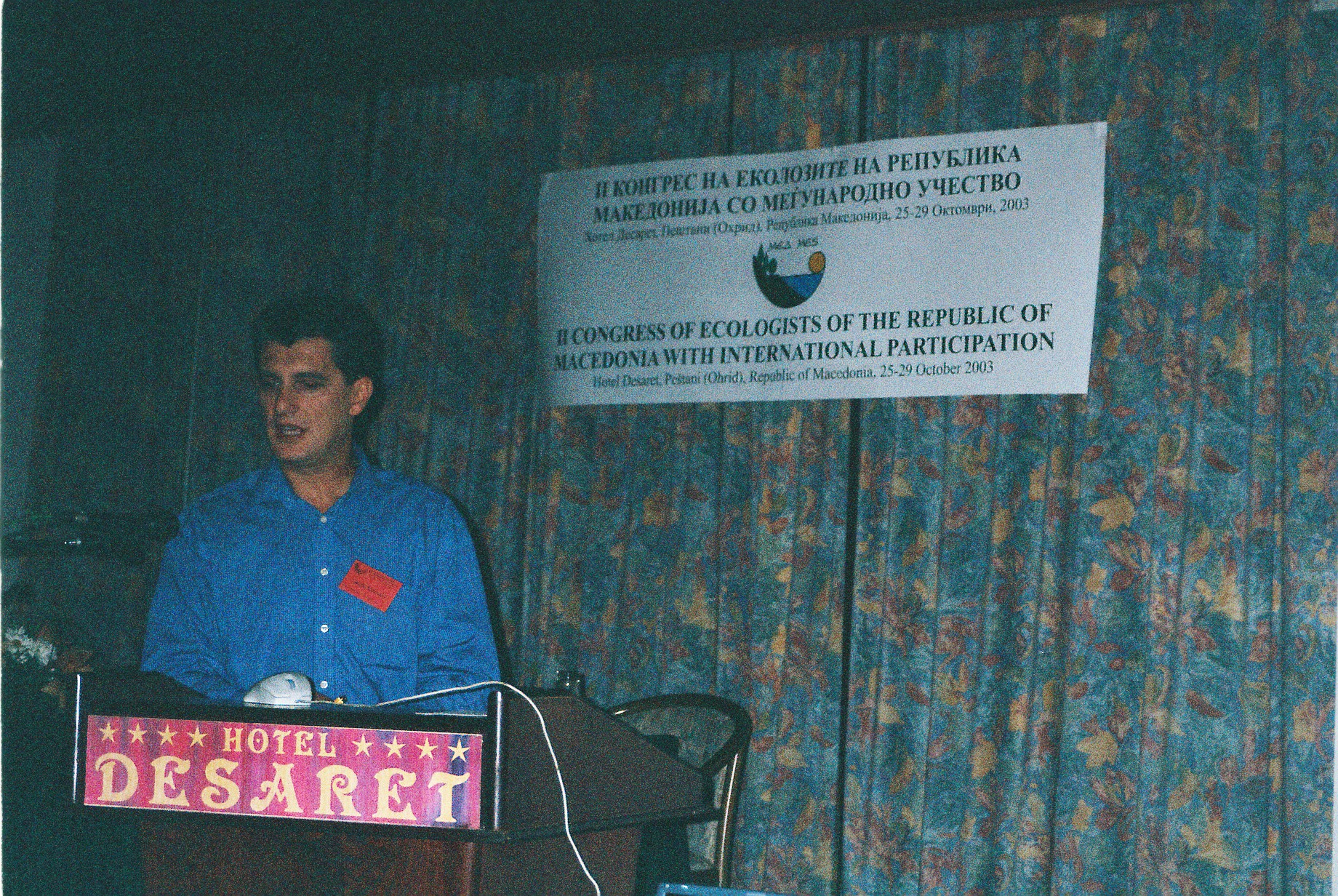
    The 2nd Congress of Ecologists of Macedonia with International Participation was held in Ohrid in the period 25–29 October 2003.

    Participants presented results and scientific achievements within nine ecological sections, as follows:

    1. Terrestrial ecosystems;
    2. Aquatic ecosystems;
    3. Conservation of biodiversity and geodiversity;
    4. Agroecology;
    5. Ecology of populations and biocenology;
    6. Ecological monitoring;
    7. Pollution and protection of the environment;
    8. Ecological education; and
    9. Public participation and NGOs.

    The presented papers (a total of 101 papers) and plenary lectures were printed in the Proceedings of the 2nd Congress of Ecologists of Macedonia with International Participation, organised into six summary sections:

    1. Terrestrial ecosystems: ecology, ecophysiology and biocenology;
    2. Aquatic ecosystems and hydrobiology;
    3. Biodiversity: research and protection, geodiversity;
    4. Agroecology;
    5. Environmental protection and monitoring; and
    6. Ecological education.

    Scientists both from Macedonia and the neighbouring countries, like Serbia and Montenegro, Bulgaria, Slovenia, and Romania, showed interest and took part. Papers presented during the Congress hint to the obvious attention and interest of scientists in studying terrestrial and aquatic ecosystems, especially in the field of biodiversity and geodiversity conservation.

    Despite the efforts made by MES to encourage and inspire ecological NGOs from Macedonia and the region to partake in such congress, no application and participation took place for the section relevant to their work NGOs and the involvement of the public.

  • 1st Congress of Ecologists of Macedonia with International Participation, Ohrid 1998

    1st Congress of Ecologists of Macedonia with International Participation, Ohrid 1998

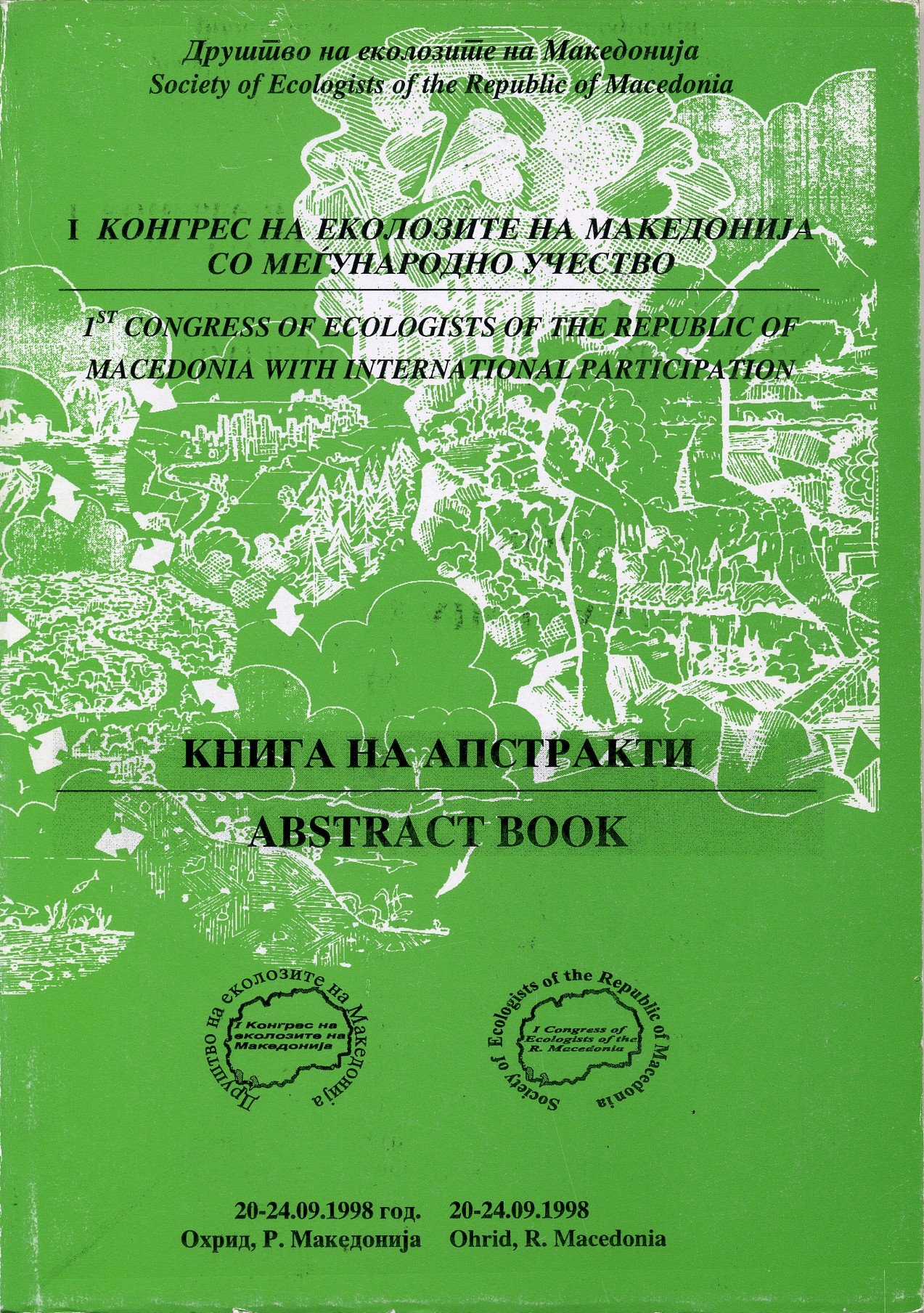
    Ohrid, 20-24 September 1998, hosted the 1st Congress of Ecologists of Macedonia with International Participation. Plenary lectures were published and printed in the Book of Plenary Lectures. According to the topic and the field of research, participants through their papers presented their findings and scientific achievements within 10 ecological working sections, as follows:

    1. Terrestrial ecosystems;
    2. Aquatic ecosystems;
    3. Biodiversity, its protection, promotion and sustainable use;
    4. Agroecology;
    5. Ecological monitoring;
    6. Pollution of the environment and ecotoxicology;
    7. Urban ecology;
    8. Systems and measures for environmental protection;
    9. Ecology and society: the role of institutions and NGOs in the system;
    10. Ecological education and training.

    The congress was attended by over 200 participants from Yugoslavia, Croatia, Bulgaria and Macedonia. A total of 177 papers were presented, out of which only 97 complete papers were published and printed in the two-volume Proceedings of the 1st Congress of Ecologists of Macedonia with International Participation.

    Presented findings and interest shown by participants indicate that intense ecological research at ecosystem level had been conducted in the preceding period in Macedonia and the region, with growing interest in the causes of environmental pollution..


  • Подготовки за нови едукативни материјали за птиците преселници

    Подготовки за нови едукативни материјали за птиците преселници

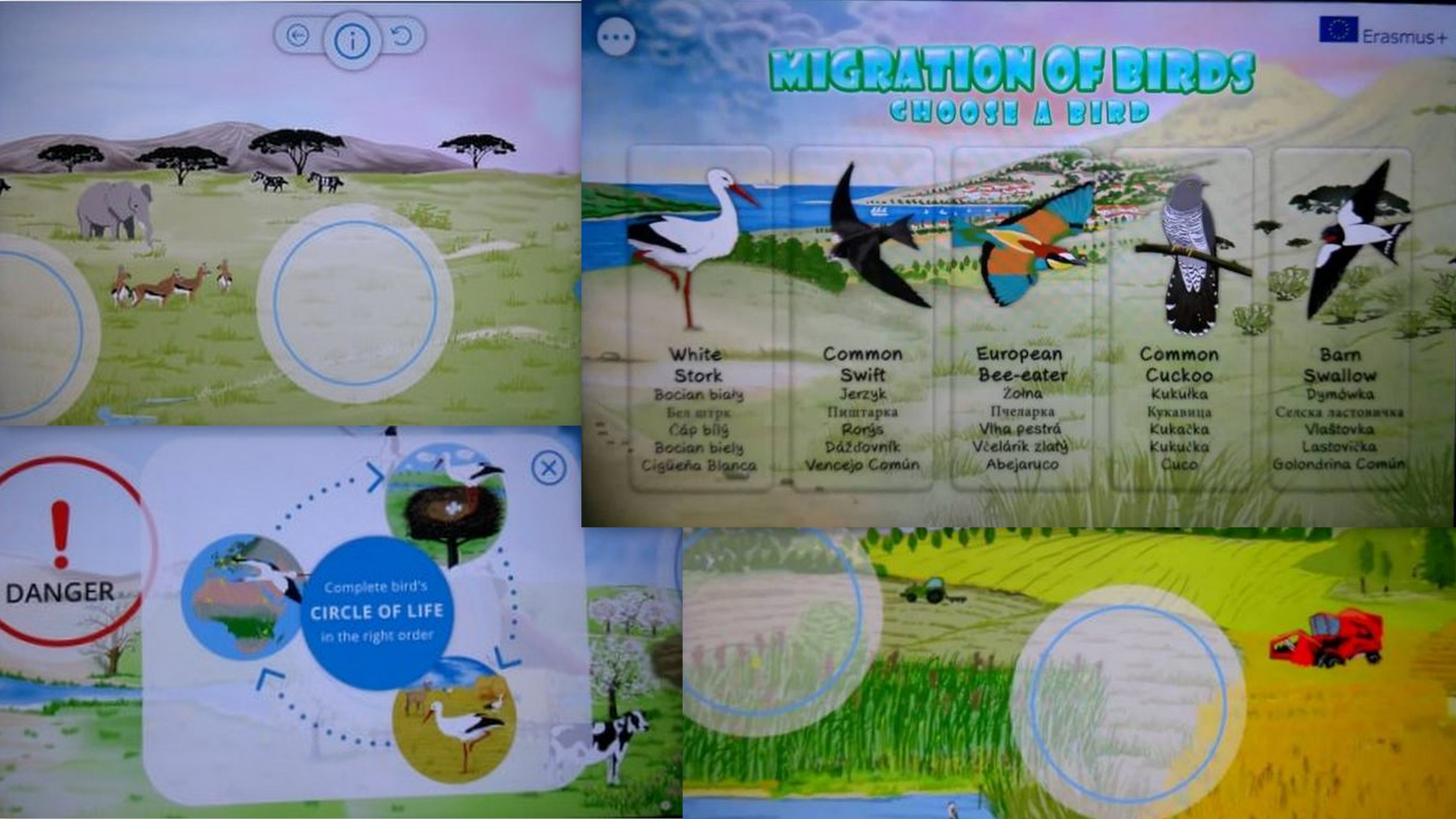
    Како што наближува работилницата на која 10 македонски едукатори ќе се обучуваат да користат современи интерактивни образовни материјали сакаме да ви ја најавиме и мобилната апликација преку која најмладите ќе можат да научат повеќе за миграцијата на птиците.

    Преку проектот „Природата овозможува подобар живот“ финансиран од Полската агенција за Еразмус+ во кој ние сме партнери ќе се организира обука за 5 наставници од основи училишта и 5 воспитувачи градинка кои ќе бидат првите едукатори од Македонија кои ќе ги добијат новите материјали. Образовните материјали се подготвени од страна на Универзитетот во Гдањск и тие претставуваат можност за дополнување на наставата. Материјалите се направени така да им го олеснат на едукаторите приближувањето на природата до учениците. Од игри кои се играат до природа, до натпревари за собирање на податоци за природата, преку задачи и мобилна апликација, овие материјали ги претставуваат најсовремените пристапи за едукација во природа или преку природа.

  • Green Belt Day

    Green Belt Day

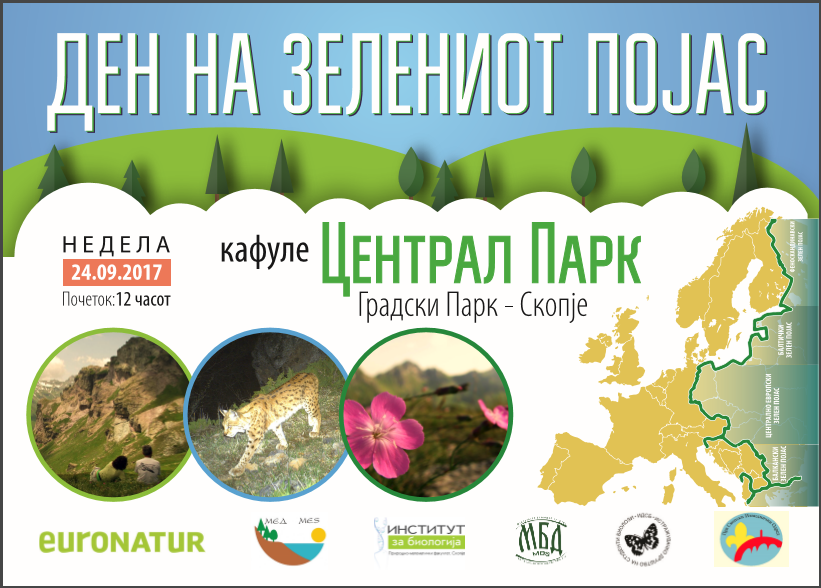
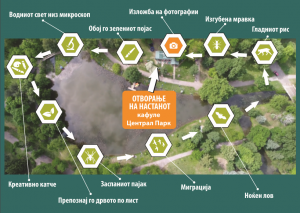
    The Macedonian Ecological Society in cooperation with the Euronatur Foundation from Germany, is organising their second Green Belt Day in a row to be held on the 24 September (Sunday) 2017 in the Skopje City Park. The event will begin at 12 p.m. and it will last until 15 p.m. We will celebrate the day with a series of different activities around the lake, and in the Central Park Cafe.

    The purpose of this event is to promote the valuable and rich wildlife found along the Green Belt, which extends through 24 countries in Europe, uniting important landscapes and habitats. The Macedonian part of the Green Belt encompasses the transboundary region with Albania, Greece and Bulgaria.

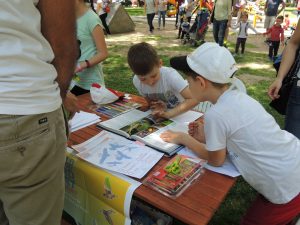
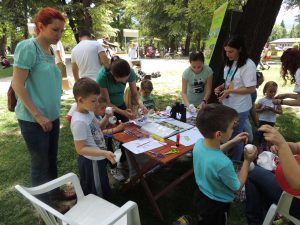
    During the event, participants will be informed about the values of the Green Belt through a photo exhibition. The youngest participants will witness a migratory simulation and through different interactive games about animals they will have the opportunity to learn about the biology of these species.

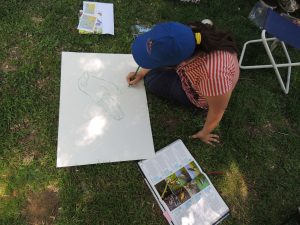
    The creative corner will encourage children to make interesting and creative works from natural materials. In addition, the chance to observe through a microscope will allow them a closer look into the wildlife found in water.

    This day is also celebrated in nine different Balkan counties, each having their own different activities.

    The Green Belt in Europe was formed along the former “Iron Curtain” which functioning as a barrier between Eastern and Western Europe for almost 40 years. Along this barrier, an incredible ecological network was formed and developed. Human activities were banned in these areas and thus the wildlife was able to develop and move freely. As a result, this network includes some of the most important areas for biodiversity conservation in Europe.

    Within the event, prizes will be awarded for the best photographs from this year’s photo competition on the Green Belt, as organised by the Macedonian Ecological Society.

    Partners and supporters of the event are the Macedonian Biological Society, Institute for Biology, Biology Students’ Research Society, First Scout Unit of Skopje and Anhoch.
     

  • Резултати од фото конкурсот за Балканскиот зелен појас 2017

    Резултати од фото конкурсот за Балканскиот зелен појас 2017

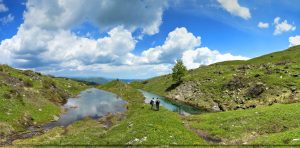
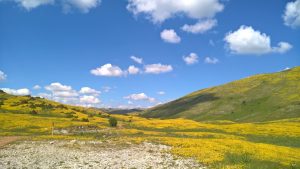
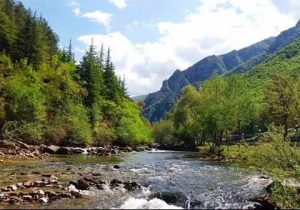
    Различноста на зелениот појас низ очите на фотографите, ова се овогодинешните победнички фотографии на фото конкурсот за Балканскиот зелен појас .
    Наградата за прво место од категоријата професионални фотографи му припадна на Хелмер Ахмеди за неговата фотографија од глацијалните езера на Крчин.

    Фотографијата од Галичица на Дејан Димиџиевски го освои првото место во категоријата на аматери.

    Во категорија млади првото место го освои Марина Балоски со нејзината фотографија од р. Радика.

  • Skopje Loves Birds on the 2017 World Migratory Bird Day

    Skopje Loves Birds on the 2017 World Migratory Bird Day

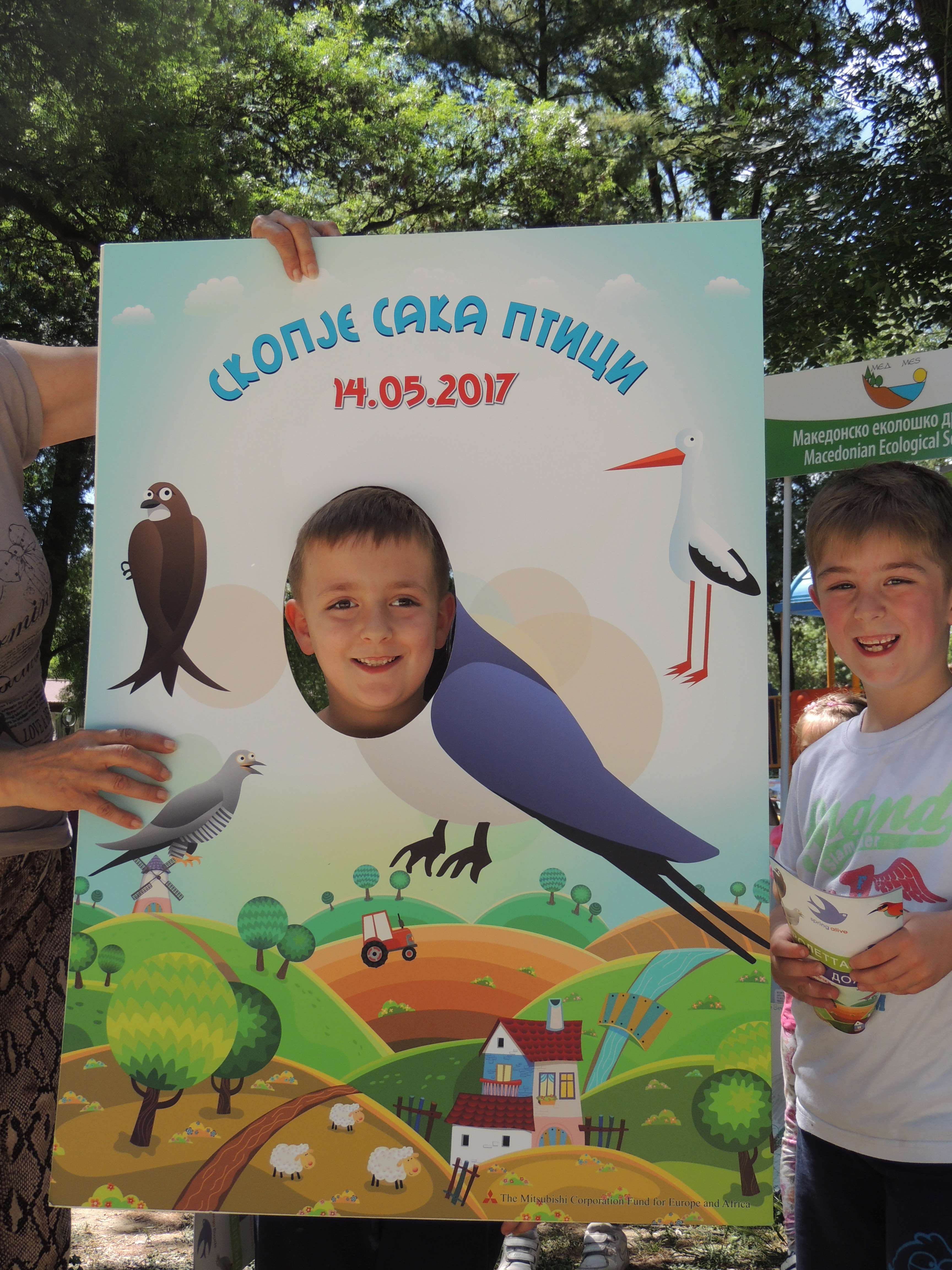
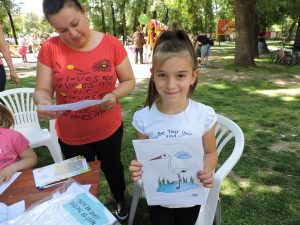
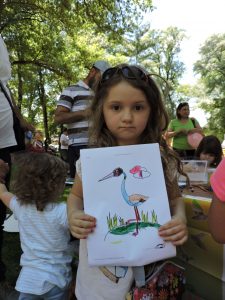
    The 2017 World Migratory Bird day in Macedonia was celebrated under the motto “Skopje Loves Birds” on the 14 May. The event started at 12 p.m. in the Skopje City Park. Together with the citizens from Skopje we celebrated the arrival of migratory birds and hoped for a successful nesting season. Through quizzes, games, creative assignments and birdwatching, we were reminded that the birds were a crucial part of the city.

    Migratory birds and people share the same planet, which also includes the same limited resources. That is why this year’s theme was “The future is our future – A healthy planet for migratory birds and people”. Sustainable management of the natural resources is needed, every tree and body of water is important – Skopje needs nature!

    Migratory birds are indicators of a healthy planet and functional ecosystems, since their migration bridges continents. The biggest threats that are faced by these migratory birds – water resources drying out, environmental degradation and unsustainable hunting – are also threats for us as they reduce the benefits provided by the connected ecosystems.

    Migratory birds are able to travel 14,000 kilometres across the globe for the purpose of nesting. The disappearance of their resting habitats is among the biggest reasons for the abrupt decrease in population. Since the year 2000, the decrease can measure as much as 80% in some cases.

    World Migratory Bird Day is a campaign that celebrates migratory birds and calls attention for better conservation efforts. Every year the Macedonian Ecological Society organises events to remind the public of the threats that migratory birds face and what our role is in protecting them.

  • Европски денови за набљудување птици, октомври 2016

    Европски денови за набљудување птици, октомври 2016

    Македонското еколошко друштво и европското семејство на амбасадори учествуваше во настанот кој обедини 20.000 учесници низ Европа – 5.8 милиони птици видени на миграција за време на Европските денови за набљудување птици.

    24.115 луѓе учествуваа на годинешните Европски денови за набљудување птици, најголемиот „птичарски“ настан кој го организираа 40 национални партнери на BirdLife во Европа и Централна Азија. Македонското еколошко друштво беше домаќин на еден од организираните 1000 настани низ Европа со цел следење на неверојатната есенска миграција на птици.  

    Секоја година на почетокот на октомври, МЕД го одбележува овој настан за да ја покрене националната свест за птиците преселници. Оваа година настанот се одржа на бреговите на Дојранското езеро и на него учествуваа претставници на европското семејство на амбасади во Македонија, имено амбасадорите и претставници на Холандија, Полска и Германија, шефот на Делегацијата на Европската унија и постојаниот претставник на Обединетите нации.

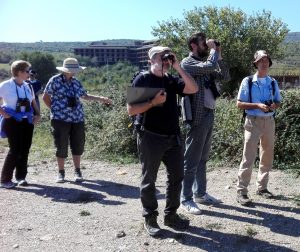
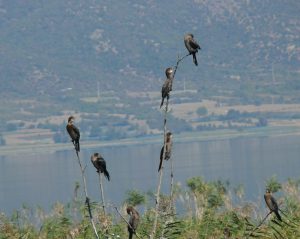
    Европскиот ден за набљудување на птици беше одлична прилика сите учесници да се запознаат со важноста на Дојранското Езеро за миграцијата на птиците како и за неговата важност како Значајно растително подрачје и Клучно подрачје за биолошката разновидност. За време на прошетката, тимот на МЕД заедно со гостите забележа над 300 птици – од патки, корморани и пеликани до лиски и чапји. Овие податоци беа предадени на обработка на BirdLife Швајцарија каде сите европски држави ги испратија своите податоци.

    Милиони птици сега ја започнуваат миграцијата кон јужните предели на Европа каде ќе ја поминат зимата а Македонија ќе биде една од дестинациите за птиците од Северна и Западна Европа. Македонското еколошко друштво ги охрабрува сите заинтересирани граѓани да излезат во природа и да уживаат во неверојатните птици преселници кои надминуваат големи закани за да презимат кај нас.

    За повеќе информации можете да се обратите на: www.eurobirdwatch.eu