Author: ksenija

  • Transboundary Summer School “Nature interpretation and Environmental Education” in Prespa, Albania

    Transboundary Summer School “Nature interpretation and Environmental Education” in Prespa, Albania

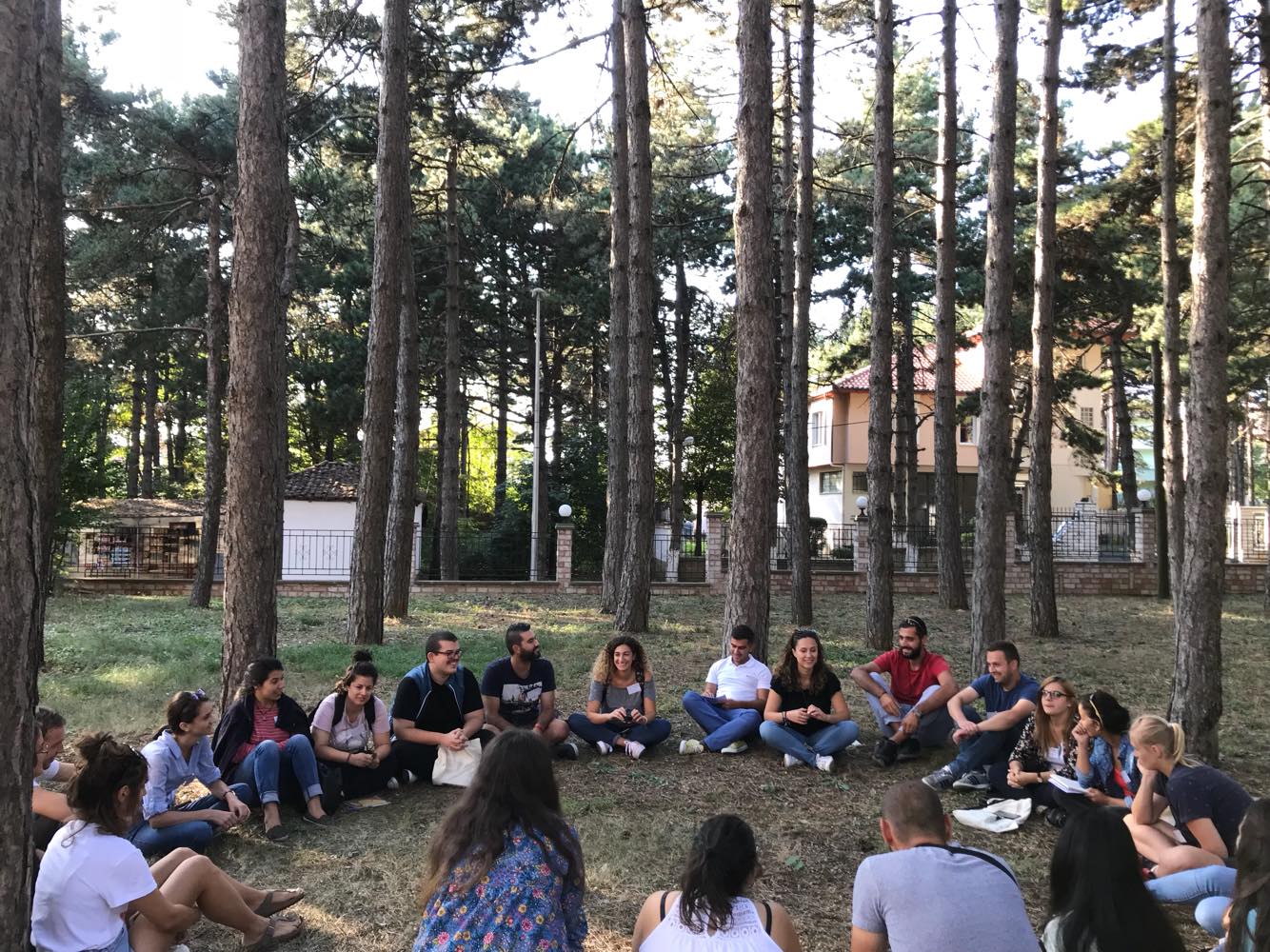
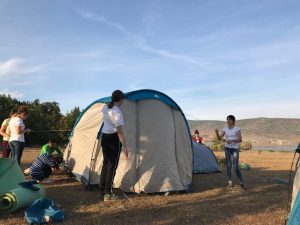
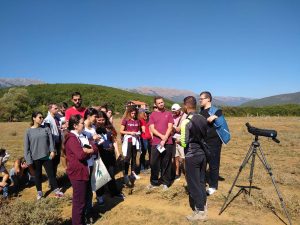
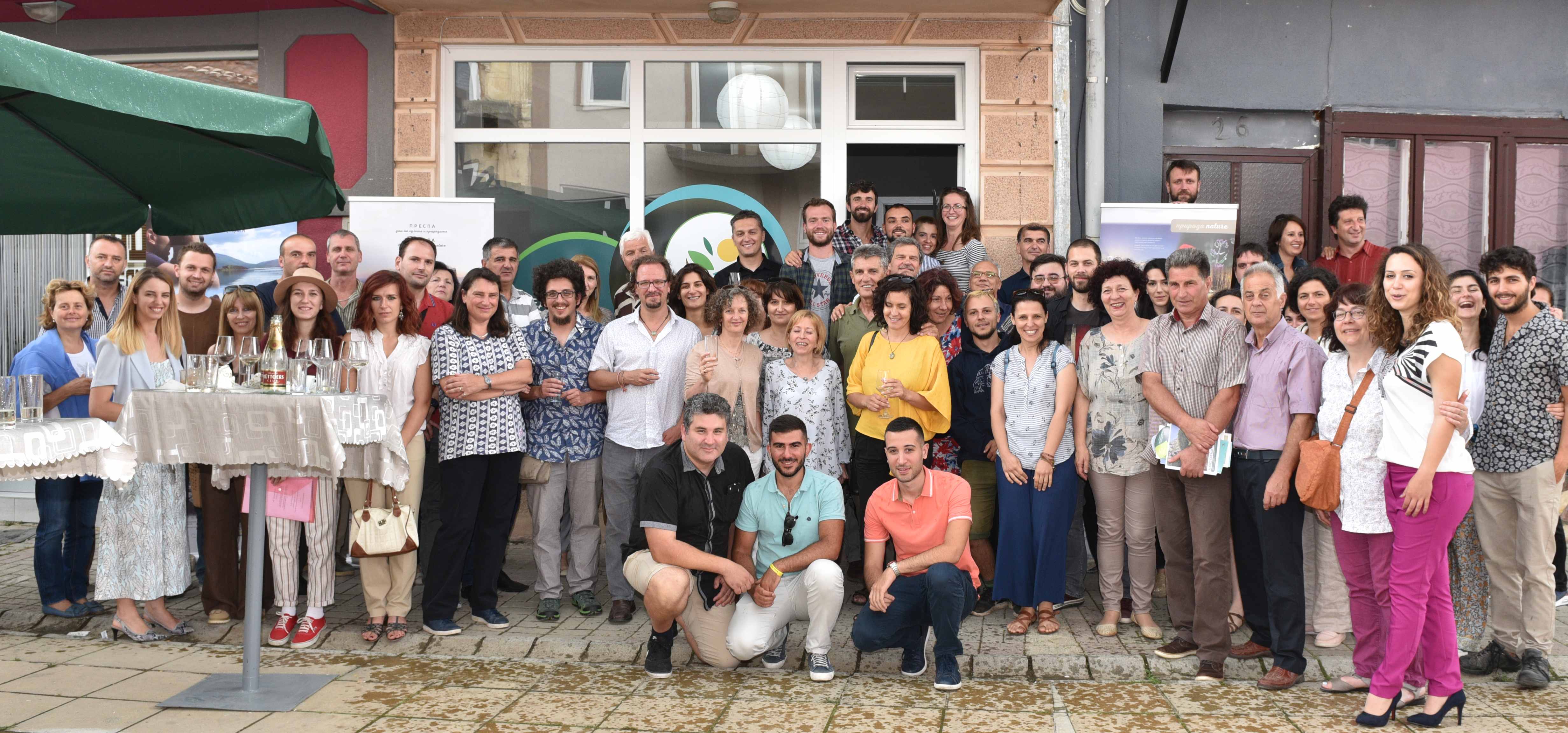
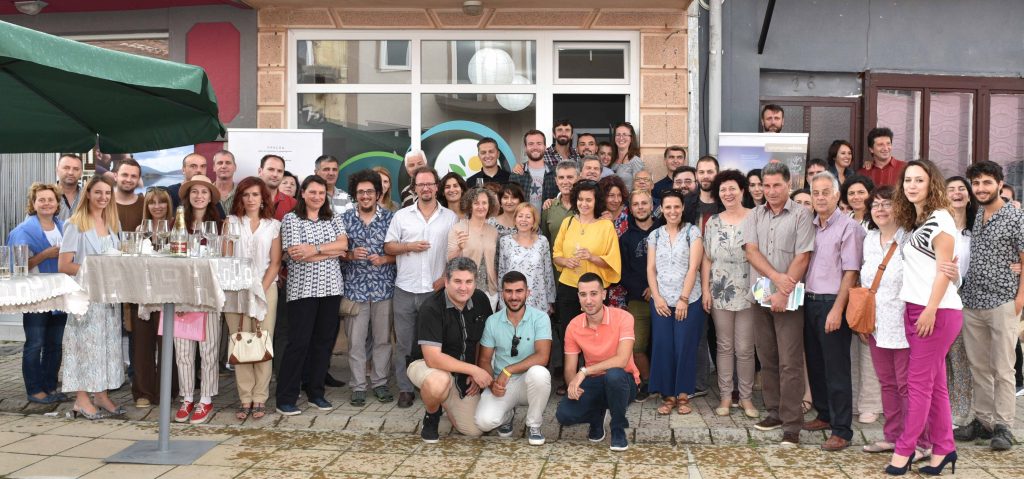
    From 17th – 21st September, students from the three countries sharing the Prespa region came together in Albanian Prespa to learn about “Nature Interpretation and Environmental Education in Prespa”. The Transboundary Summer School organized by PrespaNet members – Macedonian Ecological Society (MES), Protection and Preservation of Natural Environment in Albania (PPNEA) and the Society for the Protection of Prespa (SPP), took the students through series of outdoor and indoor sessions that helped them gain knowledge in a variety of areas, working together to discover the wide range of benefits from environmental education and to gain professional experience in various fields through different ways of interpreting nature. In addition to the interactive group sessions, presentations and discussions, the participants had the opportunity to get to know from first hand the natural values of Prespa Region.


  • Egyptian Vultures numbers still dropping in Macedonia

    Egyptian Vultures numbers still dropping in Macedonia

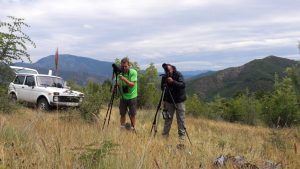
    The intensive monitoring activities of the known Egyptian Vulture’s territories were restarted this year by the Macedonian Ecological society within the project “Egyptian Vulture new LIFE” financed by the LIFE program from the European Union (LIFE16 NAT/BG/000874).

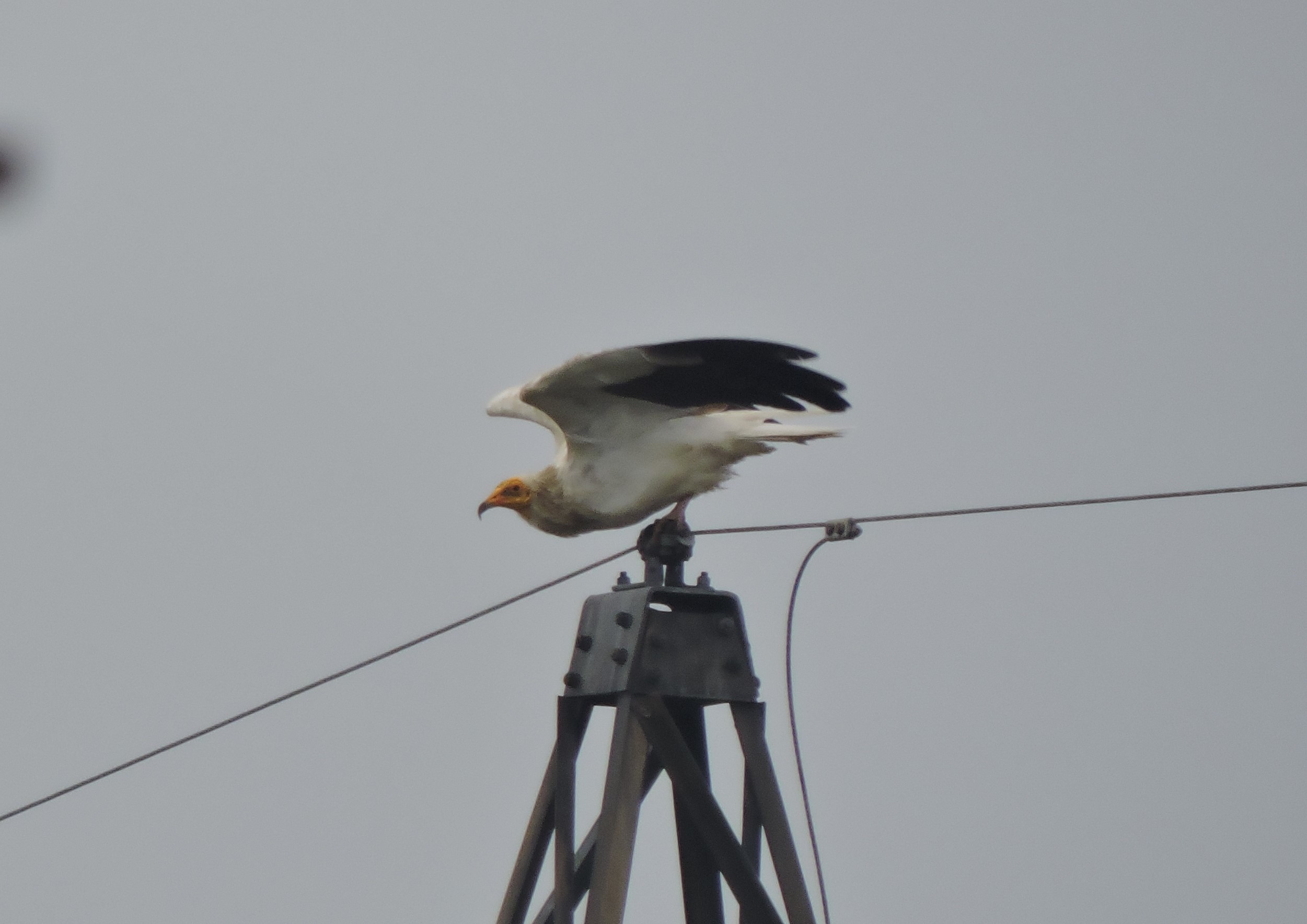
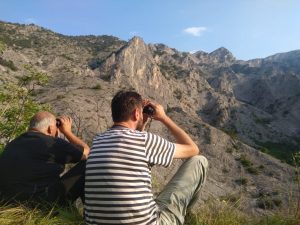
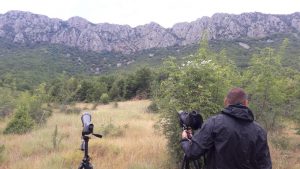
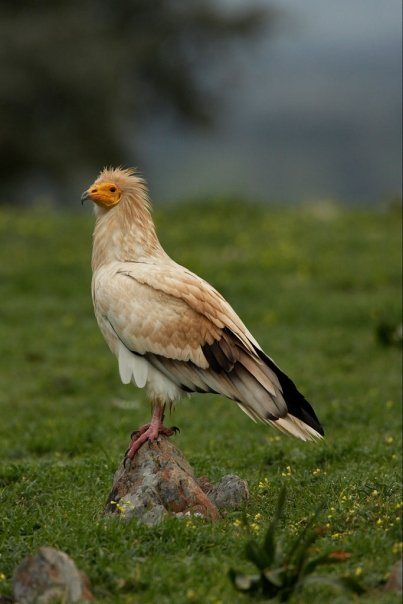
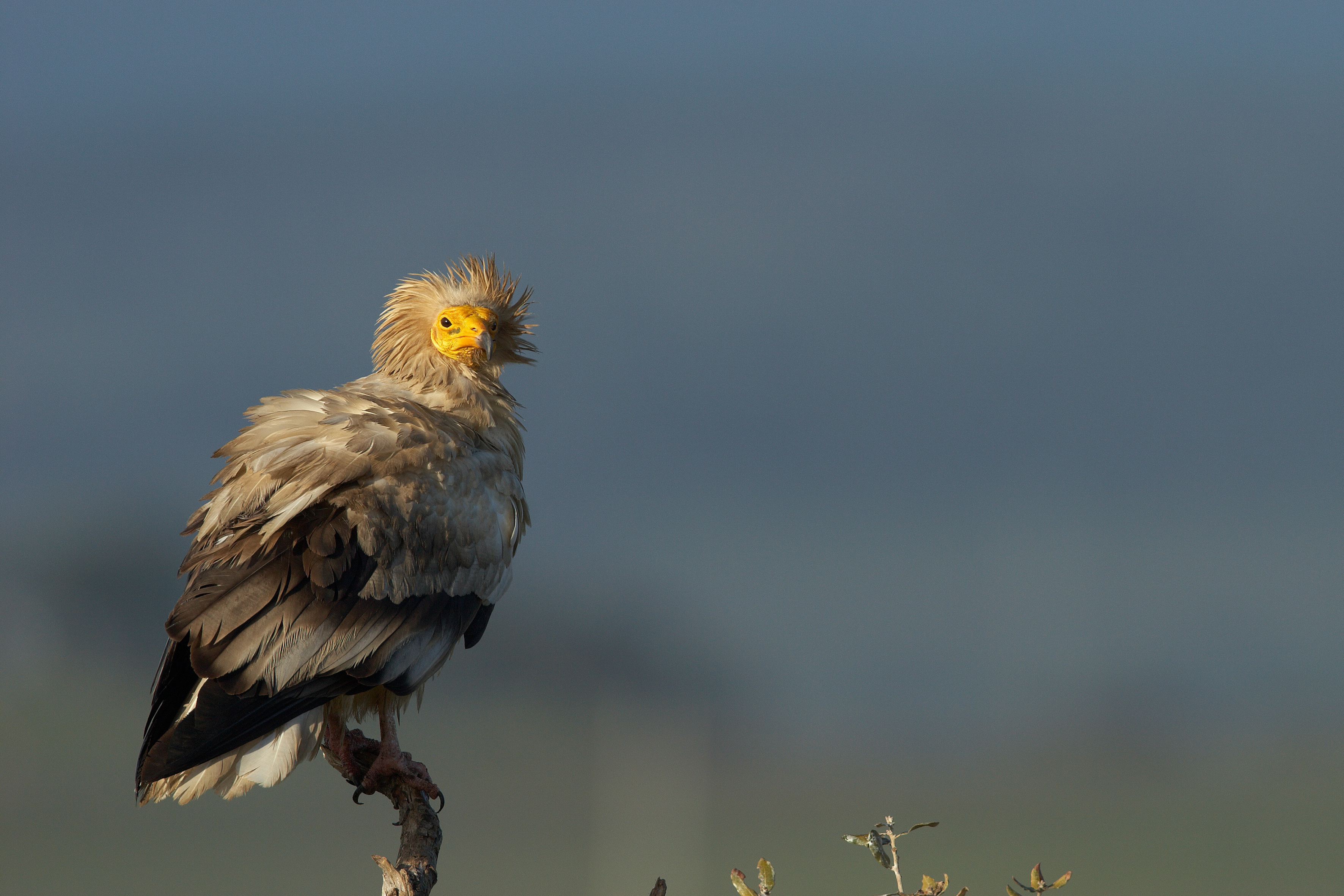
    Sadly, our expectation was confirmed. The results from this year’s monitoring suggest that the population of the Egyptian Vulture in Macedonia is still in decline. This year marks the all-time low, with 13-14 pairs recorded throughout the whole country. This result clearly states that the numbers are constantly dropping having in mind that only in 2014 we counted 18-20 pairs while in 2013 there were 20-21 pairs.


    The Egyptian Vulture is a globally endangered species according to the International Union for Conservation of Nature (IUCN). It is strictly protected by the Bern and Bonn International Conventions, as well as by the Convention on International Trade in Endangered Species (CITES). In our legislation it is on the list of strictly protected species. The Republic of Macedonia is one of the last countries in the Balkan where the species can still be observed. In the past it’s presence was a common sight, but now their numbers are estimated to be less than 90 pairs in the Balkan. The reason for the vulture population decline is mainly the anthropogenic influence like illegal use of poison, poaching, disturbance, habitat loss, electrocution, wind-farm generator collision and lack of food due to abandonment of traditional farming practices. Having this in mind, the Macedonian Ecological Society will put efforts in the following period in mitigating these threats within the “Egyptian Vulture New LIFE” and the Balkan Anti Poison Project.

  • Teacher’s educational material “Birds and Nature” available in Macedonian for all teachers and educators

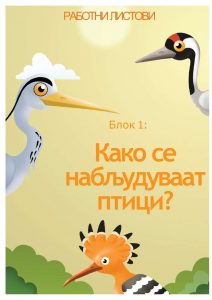
    Macedonian Ecological Society within the project ” Empowering Teachers and Pupils for a Better Life through Nature “, implemented in cooperation with five environmental NGOs from Europe, and financed by the Erasmus + program of the European Union on September 24 in the Municipality of Tearce and September 26 in the Municipality of Resen will hold two one-day workshops for kinder garden teachers and teachers from the first to the fifth grade in order to get acquainted with the educational materials for nature and birds that the teachers can use in their educational programs as well as the mobile app Migration of birds.

    The project encourages educators working with children of the earliest age in rural or smaller urban areas to spend more time in nature and to study it closely. The team of six environmental organizations from Poland, Slovakia, the Czech Republic, Spain, Ireland and Macedonia, with the support of the University of Gdansk, developed a mobile application, as well as innovative educational materials in six languages ​​and a plan for research in nature in addition to regular classes in primary schools and kindergartens.

    Teachers and kinder garden educators from more than 10 municipalities from regions Polog, SouthWest and Pelagonia will take part in the workshops.

    The materials for educators and teachers are available in Macedonian language on the following link and the YouTube channel of MES.


  • Fighting illegal wildlife poisoning with the Balkan Anti-Poisoning Project

    Fighting illegal wildlife poisoning with the Balkan Anti-Poisoning Project

    Working across five states in the Balkans, the Balkan Anti-Poisoning Project brings together governments, wildlife conservation groups,  hunting associations, farmers and scientists in an ambitious conservation project to tackle the single biggest threat to vultures, illegal poisoning.

    Vultures in the Balkans

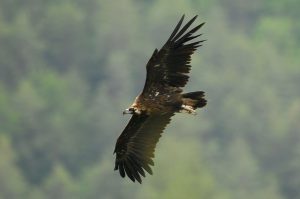
    Cinereous vulture (This species no longer breeds in Macedonia)

    Once a common sight over the Balkan states the populations of the four European species of vultures, drastically declined over the course of the 20th Century. This led to the almost regional extinction of the bearded vulture and reduced the population of cinereous vultures to a small colony in Greece of 30 breeding pairs, while about 60 pairs of Egyptian vultures are left on the peninsula. Griffon vultures have become extinct from several countries including Albania, Bosnia & Herzegovina and Montenegro and the 600 pairs are found in isolated populations across the region, larger populations of 100 pairs can be only found in Croatia, Bulgaria and Serbia.

    Illegal poisoning in the Balkans

    Wildlife poisoning is the single biggest threat to vultures in the Balkans today, and is the cause of the dramatic decline and regional extinction seen over the last 30 years. It is affecting the wild populations remaining in the Balkans and the conservation efforts to recover the populations across the whole of the region. Poisoning has been recognised as the single most important threat that vulture populations are facing worldwide within the  Vulture  Multi-species Action Plan (Vulture MsAP),  a global plan for the conservation of 15 species of vultures, co-developed by the Vulture Conservation Foundation.

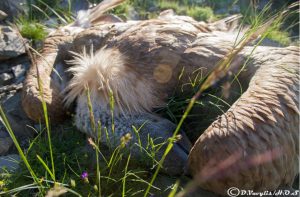
    Griffon vulture – poison victim in Greece (2018)

    The practice of using poisoned baits by farmers and hunters is seen as a quick and affordable ‘solution’ to control predators such as wolves, jackals, foxes and feral dogs to protect livestock and in commercial hunting areas.  Despite being illegal throughout the Balkans, the practice is widespread partly due to poor enforcement of the law protecting wildlife and the free availability of poisons in markets and online.


    The Balkan Anti-Poisoning Project 

    Funded by the Mava Foundation the Balkan Anti-Poisoning Project is led by the Vulture Conservation Foundation and aims to secure real and continued engagement of the relevant national governmental authorities in the Balkan region against illegal wildlife poisoning and increase their capacity to counteract it and working together to take positive steps to protect vultures.  The Balkan Anti-Poisoning Project is a partnership between us here at the Macedonian Ecological Society guided by the Vulture Conservation Foundation and the Albanian Ornithological Society-AOSProtection and Preservation of Natural Environment in Albania-PPNEAOrnithological Society “Naše ptice”,Association BIOMHellenic Ornithological Society-HOS. The Balkan Anti-Poisoning Project directly contributing into the implementation of the Vulture MsAP by implementing anti-poisoning actions in Albania, Bosnia and Herzegovina, Croatia, Greece and Macedonia and is building on the work of the Vulture Conservation Foundation implementing the Balkan Vulture Action Plan.

    Next steps

    To achieve the aim of the Balkan Anti-Poisoning Project the project team will work with partners in each of the five Balkan states to establish national anti-poison working groups, comprised of representatives from relevant governmental institutions and conservation organisations. Each working group will be tasked with developing national anti-poison road maps which will set a baseline for future work combating wildlife poisoning. As well as developing of road maps the project will also launch a large scale awareness raising campaign to inform public audiences in the five states about the impacts of illegal poisoning on wildlife.

    The Balkan Anti-Poisoning Project builds on many other projects in the area that have worked to protect vultures in the area from the threat of illegal poisoning working with anti-poisoning canine units, many funded by the European Union’s LIFE programme such as our own LIFE Re-Vultures and Vultures Back to LIFE and others including Return of the Neophron, Egyptian Vultures New LIFE and the work of numerous  conservation organisations, such as the Fund for Wildlife and Flora and the Hellenic Ornithological Society, BIOM, Bulgarian Society for the Protection of Birds WWF Greece and many others.

    Follow our work on social media #BalkansAgainstPoisoning

  • List of Selected Endemic Terrestrial Plant and Animal Taxa of South-East Europe

    List of Selected Endemic Terrestrial Plant and Animal Taxa of South-East Europe

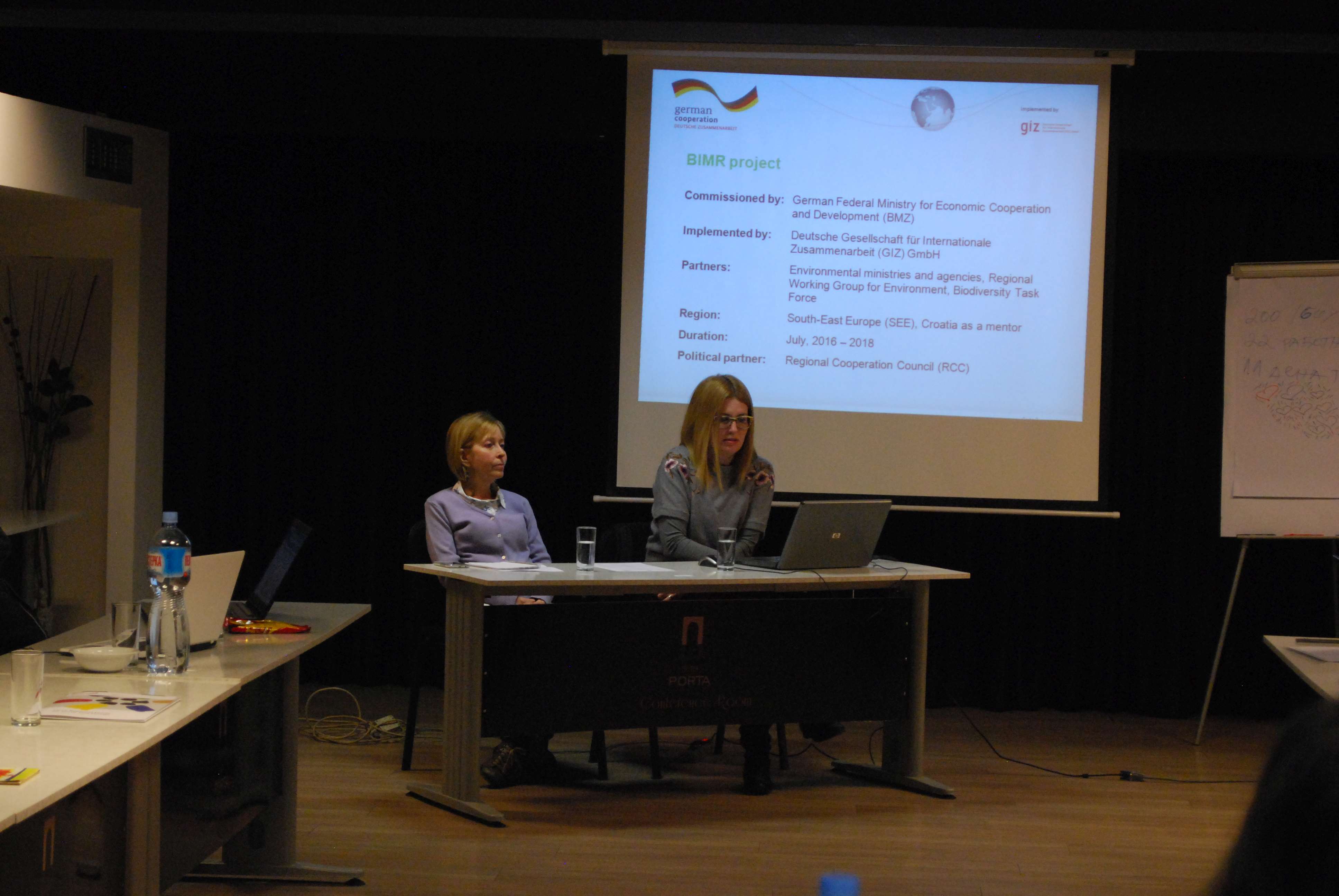
    [vc_row][vc_column][vc_column_text css=”.vc_custom_1533561992605{margin-bottom: 0px !important;}”]Support for developing the List of Selected Endemic Terrestrial Plant and Animal Taxa of South-East Europe (hereinafter: List of Endemic Taxa of SEE) was provided by the Open Regional Fund for South-East Europe – Biodiversity (GIZ/ORF-BD), as part of its sub-project „Regional Network for Biodiversity Information Management and Reporting (BIMR)“ funded by the German Federal Ministry for Economic Cooperation and Development (BMZ) and implemented by Deutsche Gesellschaft für Internationale Zusammenarbeit (GIZ) GmbH.

    The South-East Europe (SEE) is exceptionally rich in biodiversity and hosts a variety of species and ecosystems. A number of animal and plant species occur only in the SEE. These endemic taxa (species and subspecies) are among the most attractive living organisms of the region; they are unique to a limited geographic location and highly vulnerable.

    The main goal of developing the List of Endemic Taxa of SEE is to record all taxa (species and subspecies) described on the territory of SEE economies (or in their immediate vicinity) whose present distributions are restricted to the Western Balkan region. Data was compiled on the basis of direct review of a large number of published monographs and articles containing a scientific description of a particular taxon. From the compiled literature, the original (verbatim) scientific name (under which it is described) and localities where it was first found (classic locality) were extracted. Compiled data were inserted into Excel templates (one for taxons and one for occurrences), with columns compatible with Darwin Core.

    The current List of Endemic Taxa of SEE includes vascular plants, mammals, amphibians, reptiles and beetles. The Regional Expert Team which developed the list of Balkans endemics consists of 14 taxonomists (5 botanists, 1 mammologist, 2 herpetologists and 5 coleopterologists) and 1 GIS analyst. A number of taxonomists, experts for Balkan flora and fauna, were also consulted.

    As a result, there are nearly 2.200 endemic taxa (from selected groups) described from the SEE region; 1.598 species and 576 subspecies. Almost 2.500 classic localities were spatially determined, of which 2.430 were georeferenced (i.e. have exact coordinates) with accuracy ranging from 50 to 10.000 m.

    The intention is to make the List of Endemic Taxa of SEE freely available at any time, with actual and updated information. In accordance with the anticipated needs, the raw data and data subsets underlying the List of Endemic Taxa of SEE were distributed to different stakeholders at the national, regional and international level:
    • Cumulative and national lists of taxa (with only taxon names and general distributions) were provided to the appropriate national governmental authorities (ministries in charge of environment) in SEE economies.
    • Complete raw data ready to be imported into the developed Biodiversity/Nature Conservation Information System (BIS) were provided to the appropriate national institutions in charge of BIS maintenance in the region, IT companies/experts from 3 economies (Macedonia, Montenegro and Bosnia and Herzegovina) that are engaged in establishment of BIS and to all regional/international organisations interested in a regional overview of biodiversity (i.e. IUCN – ECARO).

    The data were collected and structured according to internationally accepted standards (Darwin Core) which makes it eligible for publishing on the GBIF network. Hence, the implementing partner of this activity, Macedonian Ecological Society (MES), possesses appropriate access rights and technical capabilities for publishing data directly to the GBIF database.

    https://www.gbif.org/publisher/856529fb-02f1-4539-80c1-174f7231ef0f

    It is expected that the list and the data prepared and provided in the framework of this activity will need some corrections in meantime. The completed inventory of living forms of the SEE region is far from sufficiently explored. Discovery of new species of beetles and plants is very likely. Also it is expected that further field work will enable better insight into the distribution of taxa from the current list. Adding newly discovered species, completing distributions of taxa, eventual data correction are some of the activities foreseen in the maintenance of the database. All these activities will be performed by IT experts from MES, according to the instructions and with consent of Regional Expert Team that compiled the data. The data will be corrected on a local database (within MES) using web services automatically synchronized with the GBIF database. GIZ ORF-BD together with MES will also communicate this information via email to all national institutions (in charge of BIS maintenance) from the SEE region which received the original data. The List of Endemic Taxa of SEE will have to be updated by locally engaged people in the national institutions.

    [/vc_column_text][/vc_column][/vc_row]
  • Macedonian Ecological Society opens local office in Resen

    Macedonian Ecological Society opens local office in Resen

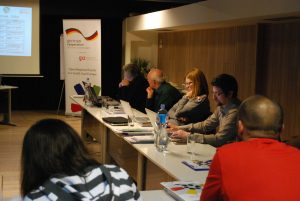
    For the first time since the establishment in 1972, the Macedonian Ecological Society (MES) on 09 of July has officially expanded its line of work to the Prespa Region by opening its very first local office, in Resen.

    The opening of the Prespa local office for us is an important step forward, having in mind that we are an active member and founder of the trans boundary PrespaNet network, formed in 2013 and implementing conservation activities in the Prespa Region in Macedonia, Albania and Greece ever since. The local office was officially opened by the executive director of MES, Robertina Brajanoska, who stressed the importance of trans boundary cooperation towards protection of nature in Prespa region.

    “It is a great feeling to see nature unite so many people, knowing no borders. Prespa Lake and the Prespa Region are a biodiversity hotspot, which needs protection for the generations to come. I do hope that the opening of this office will ensure intensified work and commitment towards conservation and study of Prespa and will cater effective cooperation among all important stakeholders at regional and national levels, states MES Executive Director”, Brajanoska.

    MES in Prespa initiated monitoring of large mammals, plants and wetlands at transboundary level within the project dubbed “Working towards transboundary conservation of Prespa region by common actions raised by PrespaNet partners”, funded by the Prespa Ohrid Nature Trust (PONT) and Aage V.Jensen Charity Foundation. The opening of the regional office of MES in Prespa was greeted by the Executive Director of of the Prespa Ohrid Nature Trust (PONT), Mirjam de Koning.

    “Nature protection in the Prespa Region presents a priority, and as financiers we like to be present in the long run and to support the work of local NGOs, the protected areas in the three countries, as well as the local population through activities related to ecotourism and sustainable use of natural resources”, states the Executive Director of the Prespa Ohrid Nature Trust (PONT),  de Koning.

    Besides biodiversity monitoring and protection in Prespa, in the recent years MES has also developed educational programmes for the schools in the regions, whereas we also foster cooperation with the administrations of Galichica and Pelister National Parks, and the Municipality of Resen, as the managing body of the Ezerani Nature Park and the Prespa Lake Natural Monument.

    The local office representative of MES in Resen is Daniela Zaec, MES project manager, zaec@mes.org.mk


  • Egyptian Vulture New LIFE

    Egyptian Vulture New LIFE

    [vc_row][vc_column][vc_column_text css=”.vc_custom_1534241209987{margin-bottom: 0px !important;}”]Time frame: 2018-2022

    Funding: The European Union LIFE programme (LIFE16 NAT/BG/000874)

    Coordinating beneficiary: Bulgarian Society for the Protection of Birds / BirdLife Bulgaria (BSPB)

    Associated beneficiariesHellenic Ornithological Society / Birdlife Greece (HOS), WWF Greece, Royal Society for the Protection of Birds / BirdLife UK (RSPB), Doğa Derneği / BirdLife Turkey (DD), BirdLife Middle East, BirdLife Africa, A.P. Leventis, Ornithological and Research Institute (APLORI), CMS Raptors, MoU, Green Balkans. For more about the team please click here

    Project goal: Reinforcement the easternmost population of the Egyptian vulture (Neophron percnopterus) in Europe by delivering urgent conservation measures towards eliminating major known threats in the breeding grounds and along the flyway. For more detailed information and project news please follow https://www.lifeneophron.eu/

    Contact person: Nenad Petrovski petrovski@mes.org.mk[/vc_column_text][mk_divider style=”shadow_line” margin_bottom=”30″][mk_fancy_title tag_name=”h3″ size=”30″ force_font_size=”true” size_smallscreen=”30″ size_tablet=”25″ size_phone=”22″ font_family=”none”]Project News[/mk_fancy_title][mk_blog style=”thumbnail” grid_image_height=”300″ cat=”373″ exclude_post_format=””][/vc_column][/vc_row]

  • Kick-off meeting for the preparation of an action plan against wildlife poisoning

    Kick-off meeting for the preparation of an action plan against wildlife poisoning

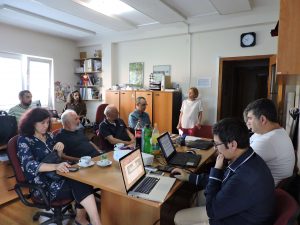
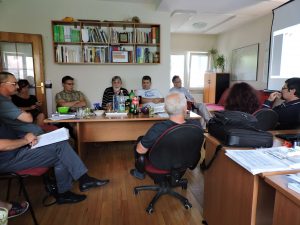
    On the 17 May in Skopje, the Macedonian Ecological Society (MES) in cooperation with the Vulture Conservation Foundation (VCF) organised an international workshop to initiate the development of an action plan against wildlife poisoning.

    The aim of the meeting was to prepare a national scheme to address wildlife poisoning incidents in line with the domestic legislation by involving competent institutions. The meeting provided the opportunity to exchange experience with experts from Spain, thereby discussing priorities and drawbacks. Meeting’s remaining part defined recommendations for the upcoming development of an action plan against wildlife poisoning.

    The preparation of an action plan against wildlife poisoning is a component of the Balkan Anti-Poisoning Project (BAPP) implemented in Macedonia, Albania, Bosnia and Herzegovina, Croatia and Greece. MES’s project involvement is in the capacity of a partner organisation from Macedonia.

    The workshop was attended by domestic experts from the State Environmental Inspectorate, Faculty of Security, MoI’s Forensic Department, Faculty of Veterinary Medicine, Food and Veterinary Agency, Veterinary Centre, and also by international experts from Bulgaria, Serbia and Spain.

  • Balkan Anti-Poisoning Project

    Balkan Anti-Poisoning Project

    [vc_row][vc_column][vc_column_text css=”.vc_custom_1529390765036{margin-bottom: 0px !important;}”]Time frame: 2018-2020

    Funding: MAVA Foundation, Vulture Conservation Foundation 

    Project goal: Preparation of a national strategy addressing wildlife poisoning incidents by involving competent institutions, extending institutional capacity and raising public awareness.

    Contact person: Nenad Petrovski petrovski@mes.org.mk[/vc_column_text][mk_divider style=”shadow_line” margin_bottom=”30″][mk_fancy_title tag_name=”h3″ size=”30″ force_font_size=”true” size_smallscreen=”30″ size_tablet=”25″ size_phone=”22″ font_family=”none”]Проектни Активности[/mk_fancy_title][mk_blog style=”thumbnail” grid_image_height=”300″ cat=”368″][/vc_column][/vc_row]