Category: Новости

  • Final conference for the project “Biodiversity Conservation through Sustainable Management of Resources in Shar Mountain”

    Final conference for the project “Biodiversity Conservation through Sustainable Management of Resources in Shar Mountain”

    On 11 May, more than 80 participants from Macedonia and the Shar Mountain region took part in the final conference as part of the project of preserving the biodiversity on Shar Mountain. This project is led by the Macedonia Ecological Society since 2015 in collaboration with local organizations that are united under the name “Friends of Shara”

    The conference, named “Challenges facing the management of Shara’s environment in the future protected cross-boundary area Shara, Korab, Shari”, was able to unite the national and international organizations that work with resource management on the mountain. This also served as an opportunity for experts to bring up the threats that continue to exist in Shar Mountain.

    We are aware of the unsupervised and illegal hunting and the easy accessibility of illegal building projects on Shara (as well as on its higher landscape). This is why we urgently request that this area be protected. We hope that with stricter management there will be higher levels of regulation over the mountain range which, as reported by Prof. Ljupcho Melovski, PhD, from the Macedonian Ecological Society, is currently “degrading”.

    During the conference, the topic of forest fruit harvesting by the local population was discussed as well as future plans for its management once the area is proclaimed as a national park.

    “There are various fruits here such as blueberries and mountain tea. Nobody manages their harvesting thus they are not protected. In the case of a national park, this would be very different,” comments university professor Goshe Stefkov.

    Participating in the conference was Bashkim Ameti, the minister of environment, who remarked that the conference had advanced the process of officially proclaiming Shar Mountain a national park.

    “The official proclamation of Shar Mountain as a national park has existed in Macedonia’s urban planning for years and the Ministry has expressed its commitment on various occasions. With the project being funded by the UNEP and GEF, there have been preparations for future resource value studies concentrated on the natural resources found on Shar Mountain as well as additional documents in completing the process which would ultimately be finalised in two to three years,” reported Ameti.

    The project “Biodiversity Conservation through Sustainable Management of Resources in Shar Mountain” is financed by the German Federal Environmental Foundation (DBU) and implemented by MES together with the EuroNatur Foundation from Germany.


  • Фото конкурс „Балкански зелен појас“

    Фото конкурс „Балкански зелен појас“

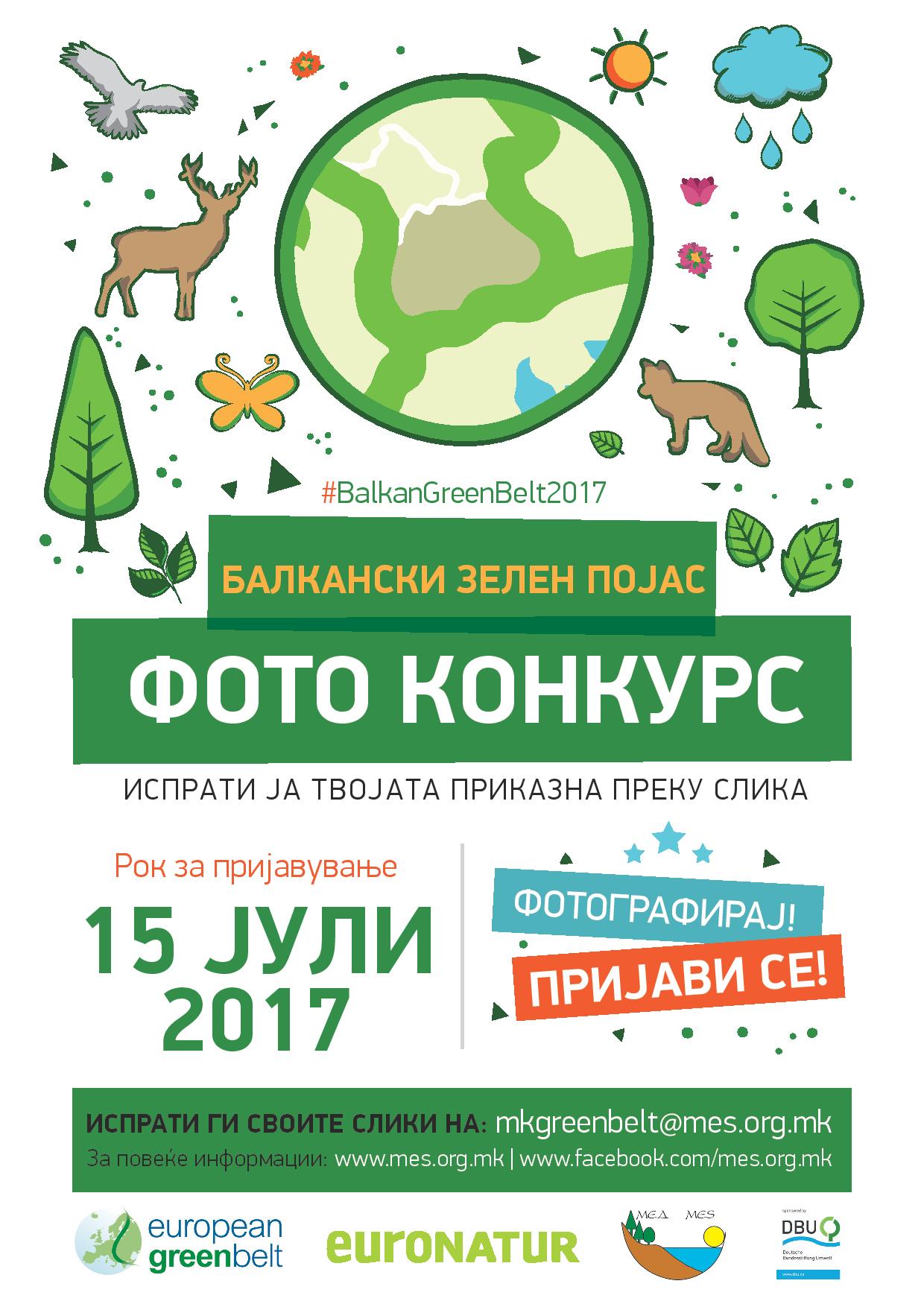
    Македонското еколошко друштво во соработка со Еуронатур од Германија втора година по ред го организира фото конкурсот на тема “Балкански зелен појас”.
    Балканскиот зелен појас е дом на многу различни предели и див свет.
    Затоа ги покануваме сите посетители и жители на Балканскиот зелен појас да
    истражуваат и ди ни ги испратат своите приказни преку фотографија.
    Повеќе информации за начинот и правилата на учество на фото конкурсот може да се најдат тука.

    objava5-page-001The Macedonian Ecological Society, as part of the European Green Belt, together with Euronatur, Germany, is announcing the second Balkan Green Belt photo contest in Macedonia.
    The Balkan Green Belt is home to many different landscapes and animals.
    We welcome all visitors and residents of the Balkan green belt to explore it and send us their stories through pictures.
    More details about the Contest entry and participation rules can be found in the leaflet. Please download the leaflet here.

    Poster A2_BGB Photo Contest 2017-page-001

  • Модровраните добија бесплатни домови!

    Модровраните добија бесплатни домови!

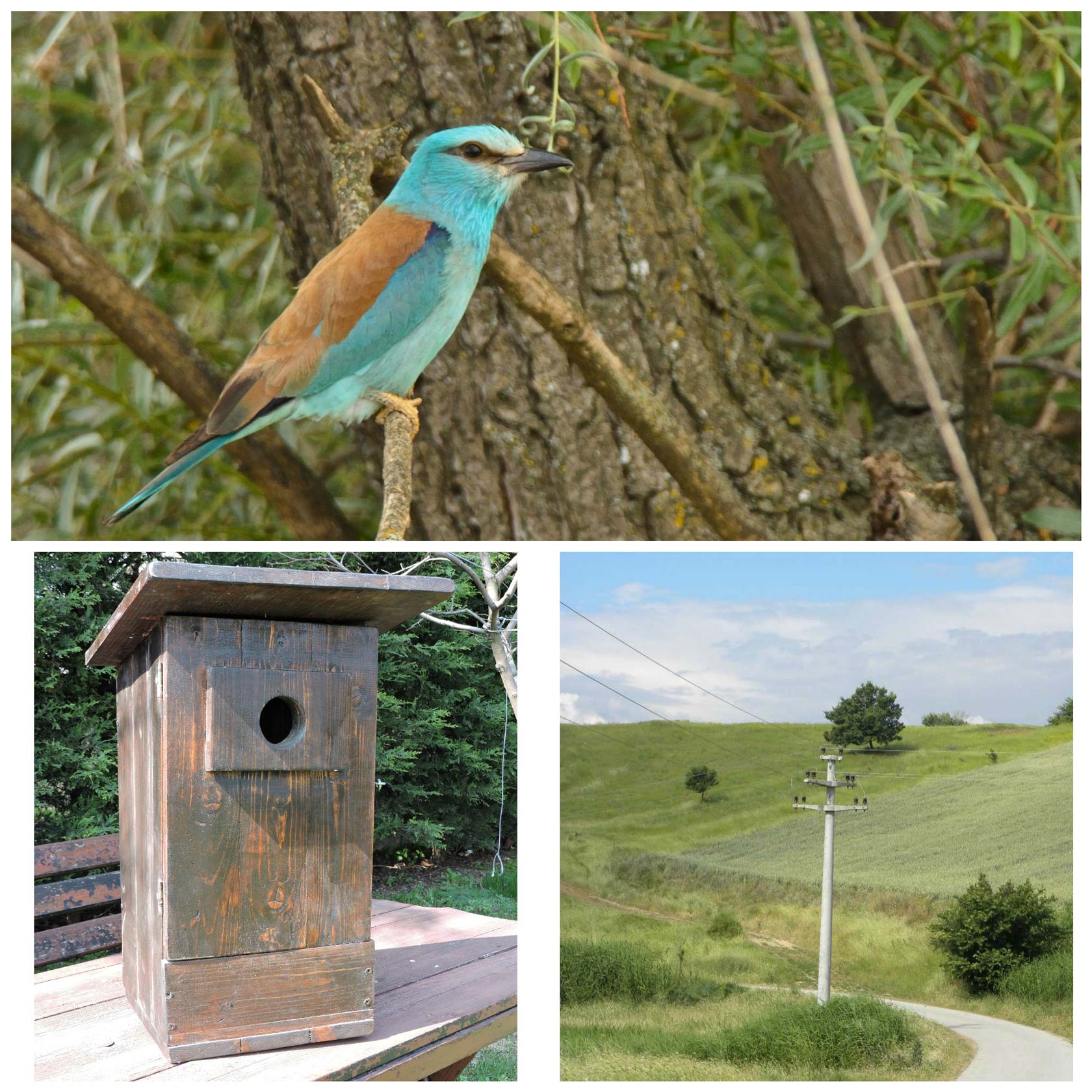
    МЕД и ЕВН Македонија поставија куќарки за гнездење за модроврани, пилот активност со цел да се зголемат можностите за гнездење на овој егзотичен вид.

    Модровраните имаат ограничен ареал на распространување во Македонија – најчесто се среќаваат во централните, источните и североисточните делови од земјата. Специфични се бидејќи гнездат во дупки во дрвја, но лесно прифаќаат гнездечки структури кои се безбедни и поставени во нивното типишно живеалиште.

    Овој вид гнезди покасно во гнездечката сезона и ги очекуваме да се појават во нивните живеалишта до крајот на април.

    А ние нестрпливо ќе чекаме нивото доаѓање!

    rollers and nestboxes

  • Еразмус+ и птиците нè поврзуваат

    Еразмус+ и птиците нè поврзуваат

    grupnologoa

    Македонското еколошко друштво заедно до пет Европски еколошки организации и Универзитетот од Гданск, Полска го започна проектот „Зголемување на можностите на наставниците и учениците за подобар живот преку природа“ под програмата Еразмус+. Наставници од градинки и основни училишта од Македонија, Полска, Ирска, Чешка, Шпанија и Словачка ќе добијат на располагањесовремени, креативни и релевантни ресурси за настава како и поддршка и обука за да може да спроведат тематска едукативна програма за птиците и природата како дел од нивната постојна програма.

    Материјалите кои ќе бидат подготвени во рамките на проектот содржат методологија за предавање, практични насоки и планови за час, истовремено обезбедувајќи им на наставниците интерактивни дигитални технологии за едукација на деца. Меѓународната обука за наставници ќе биде одржана во Ирска во 2018 година и ќе собере на едно место 60 наставници од сите земји партнери на проектот. Едукативните материјали ќе бидат бесплатно достапни за сите заинтересирани наставници заедно со видео обука.

    Преку подобрувањето на квалитетот на раната едукација за природа се надеваме дека проектот ќе влијае на идните способности за учење. Исто така, ќе придонесе и за развивањето на свеста на младите ученици за нивното влијание врз животната средина, ќе поттикне почит за природата и луѓето, и ќе ги зајакне нивните способности за критичко размислување. Ваквите способноста учениците ќе можат да ги искористат за решавање на локални и глобални проблеми.

    Проектот ќе биде спроведен во партнерство на искусни еколошки организации од мрежата на BirdLife, кои промовираат едукација за животната средина. Покрај Македонското еколошко друштво проектот ги обединува и Полското друштво за заштита на птици, BirdWatch од Ирска, Чешкото, Шпанското и Словачкото орнитолошко друштво, а експертска поддршка обезбедува Универзитетот на Гданск, кој е одговорен за создавање на едукативните материјали.

    slika za erazmus

    LogosBeneficairesErasmus+RIGHT_MK

    Контакт:

    Ксенија Путилин

    putilin@mes.org.mkgrupnologoa

    The Macedonian Ecological Society together with five European, environmental organizations and the University of Gdańsk has just launched a project “Empowering Teachers and Pupils for a Better Life through Nature” under Erasmus+ program. As a result, teachers of preschools and primary schools from Poland, Ireland, Czechia, Spain, Slovakia and Macedonia will be provided with innovative, relevant teaching resources, support and training to enable them to deliver an effective bird and nature themed programme of learning.

    Not only will the materials prepared in the framework of the project offer educators the teaching methodology, practical guidelines and lessons/activities scenarios but also support teachers’ use of interactive, digital technologies in children’s education by providing a mobile application for primary school pupils. The international training, that will be convened in 2018 in Ireland, will host 60 teachers from all partner countries. The educational materials will be available for all interested educators as open source resources as well as a video tutorial aggregating the content of teachers’ training in a user-friendly way.

    By improving the quality of early education the project will impact future learning abilities. Additionally, it will contribute to developing young pupils’ self-awareness of their impact on the environment, respect for nature and people, skills of inquiry and critical thinking, and the ability to apply these to local and global issues.

    The project will be conducted in a partnership of experienced BirdLife Partners’ organizations, very well established in the environmental education area. Apart from the Macedonian Ecological Society the project involves the Polish Society for the Protection of Birds, BirdWatch Ireland, the Czech Society for Ornithology, SEO/BirdLife, and the Slovak Ornithological Society. This consortium will be supported by experts from University of Gdańsk, responsible for the creation of the educational materials.

    slika za erazmus

    Print

    Contact:

    Ksenija Putilin

    putilin@mes.org.mk

  • Spring Alive – The Arrival of Baby Chicks

    Spring Alive – The Arrival of Baby Chicks

    Lonely, helpless, small, clumsy and fluffy – whenever we see a baby chick on the ground, many of us begin to think: How did it end up here? Where are its parents? Did it fall from its nest? Is it hurt? Does it need help? I have to save it! I have to do something…

    Our instinct is to take them and “rescue” them, but unfortunately this is often a wrong decision.

    More advice can be found in the infographic:

    Најдов пиле!

  • Initial BLRP 4 partner meeting

    Initial BLRP 4 partner meeting

    Balkan Lynx Recovery Programme representatives held their initial partner meeting on from 4-11 March in Prizren, Kosovo. The meeting was attended by all partner organisations from the region working on Balkan lynx protection. During the meeting, discussed were the strategies to be addressed within the project, as well as the results from the latest project activities.


  • 14 февруари 2017: историски ден за прекугранична Преспа

    Рибари и пеликани на Преспанско ЕзероНевладините организации од областа на животната средина ги повикуваат трите земји и Европската Унија да побрзаат со воспоставувањето на прекуграничниот Преспа парк.

    Минатиот вторник, 14 февруари 2017, беше историски ден за грчката политика во областа на животната средина и одржливиот развој. Парламентот со огромно мнозинство го ратификуваше Меѓународниот договор за заштита и одржлив развој на паркот Преспа. Договорот беше потпишан на 2 февруари 2010 година од страна на министрите за животна средина на трите земји и комесарот за животната средина на ЕУ, но Грција го одложуваше ратификувањето во последниве 7 години. Носега договорот е подготвен да стапи во сила и да се спроведе.

    Овој развој е клучен момент за Грција бидејќи оваа земја за прв пат оди напред кон официјално воспоставување систем за постојана соработка во прекуграничната област, која има статус на заштита поради својата извонредна биолошка разновидност. Овој случај со Преспа претставува надминување на економската слабост и целокупната несигурност на Грција, и смело градење на иднината на регионот, кој е мал по обем и население, но особено битен. Учеството на ЕУ како одговорна страна за Договорот за Преспа потврдува колку е важен регионот од аспект на заштита на животната средина, од геополитичка и културна гледна точка.

    Покрај нејзиното значење за Преспа и Грција, спроведувањето на Спогодбата од 2010 година дефинитивно ќе биде пресвртница и за Југоисточна Европа. Во 2000, Декларацијата за воспоставување на прекуграничен Преспа Парк пренесе порака за мир и соработка меѓу народите во регионот, набргу по периодот на големи немири и војни во 90-тите години. Во денешниот свет на несигурност, интровертност и нови национализми, спроведувањето на Меѓународниот договор за паркот Преспа повторно добива една оптимистичка симболика, негување пријателство и мирен соживот за одржлив просперитет на локалните општества, врз основа на заштитата на животната средина. Уште еднаш се потврдува деказаштитата на животната средина не претставува ограничување, туку можност и начин за одржлив развој; исто така, потврдува дека патот кон напред не е изолација и непријателство, туку премостување на разликите и меѓусебна соработка за доброто на сите.

    Овие се зацртаните идеи, исто такана Европскиот зелен појас, во кој се вклучува и Преспа. Фондацијата Еуронатур – како претседател на Европската асоцијација за зелениот појас,му честита на грчкиот Парламент за донесувањето на оваа важна одлука и ги повикува трите крајбрежни земји што го делат Преспа паркот на навремено спроведување на договорот.

    Ние, долупотпишаните 5 еколошки организации – МЕД, Еуронатур, КОРА, ППНЕА и СПП, со радост го признаваме овој ден, којшто означува почеток на една нова, позрела фаза во прекуграничната соработка во Преспанскиот басен, чија главна карактеристика се надеваме дека ќе биде воспоставувањето нови официјални, заеднички институции што ќе работат заедно со државните органи, органите на локалната самоуправа, заштитените подрачја и еколошките невладини организации, односно сите значајни чинители што веруваат во ефикасноста на овој модел на локално и прекугранично управување. Ние несомнено се заложуваме за потполна поддршка на овој процес.

    За повеќе информации:

    Даниела Заец, МЕД (e-mail: zaec@mes.org.mk)

    logoFisherman and pelicans at Prespa LakeThe environmental NGOs urge the three littoral countries and the European Union to quickly move ahead with the operation of the transboundary Prespa Park.

    Last Tuesday, 14th February 2017, was a historic day for Greece’s policy record in the field of nature conservation and sustainable development. The Parliament of the country ratified with an overwhelming majority the international Agreement for the Protection and Sustainable Development of the Prespa Park Area. The Agreement was signed on 2nd February 2010 by the Ministers of Environment of the 3 littoral countries and the EU Commissioner for the Environment but Greece had not ratified it for the 7 ensuing years. Nonetheless it now has done so and the Agreement is free to enter into force and be implemented.

    This development is pivotal for Greece as it is the first time that this country goes ahead with the official establishment of a system of permanent collaboration in a border area that is protected for its outstanding biodiversity. The case of Prespa provides an instance of Greece overcoming its economic malaise and overall insecurity and boldly visualizing and building the future of an area small in size and population but intensely symbolic. The participation of the EU as a contracting party in the Prespa Agreement reconfirms exactly how important the region is from the environmental, geopolitical and symbolic viewpoint.

    Besides its importance for Prespa and Greece, the implementation of the 2010 Agreement will definitely be a milestone for SE Europe too. In 2000 the Declaration on the establishment of the transboundary Prespa Park relayed a message of peace and cooperation among the peoples of the region, right after the years of great upheavals and wars of the ‘90s. In today’s world of insecurity, introversion and new nationalisms, implementation of the international Agreement for the Prespa Park acquires again an optimistic symbolism as it will cultivate friendship and peaceful coexistence for the sustainable prosperity of local societies on the basis of nature conservation. It is thus reconfirmed that environmental protection is not a restriction but an opportunity and a means for sustainable development; it is also reiterated that the way forward is not isolationism and hostility but bridging differences and building synergies for the benefit of all.

    These are the underlying ideas also of the European Green Belt, where the Prespa basin lies. The EuroNatur Foundation – as a chair of the European Green Belt Association – congratulates the Greek Parliament for this important decision and calls on the three littoral countries sharing the Prespa Park to promptly implement the agreement.

    The undersigned 5 environmental organizations – EuroNatur, KORA, MES, PPNEA and SPP – we acknowledge with joy this day that marks the beginning of a new more mature phase in transboundary cooperation in the Prespa basin. Its main feature will hopefully be the operation of new permanent and official joint institutions with the participation alongside state authorities of local authorities, protected area authorities and environmental NGOs, i.e. all significant stakeholders who believe in the effectiveness of this model of local and transboundary governance. We surely pledge to support this process with all our means.

    For more information:

    Daniela Zaec, MES (e-mail: zaec@mes.org.mk)

    Vivi Roumeliotou, SPP (e-mail: v.roumeliotou@spp.gr)

    Klaudja Koci, PPNEA (e-mail:k.koci@ppnea.org

    Katharina Grund, EuroNatur (e-mail: katharina.grund@euronatur.org)

    Manuela von Arx, KORA (e-mail: m.vonarx@kora.ch)

    logo

  • Annual meeting of members involved in Osogovo wildlife monitoring

    Annual meeting of members involved in Osogovo wildlife monitoring

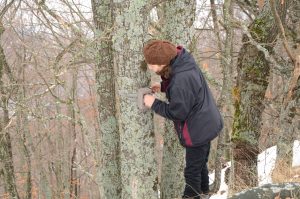
    Results of the current monitoring in Osogovo were presented in the meeting. Additionally, the Strategy for the Monitoring Network of Osogovo Mountains was reviewed. Cooperation between MES and local partners involved in the monitoring has yielded positive results, such as: increased collection of information for the current state of predator and prey, training for the use of appropriate methods for monitoring and exchange of information, and expert advice. These results enhanced the mutual cooperation and trust which initiated the establishment of a monitoring network. MES prepared a draft document of the Strategy for the Monitoring Network of Osogovo Mountains, which was presented, collectively reviewed and adopted at the meeting.

  • Пребројувањето на птици презимувачки за 2017 во Македонија заврши

    Пребројувањето на птици презимувачки за 2017 во Македонија заврши

    Меѓународното пребројување птици во Македонија се спроведе во два викенда.
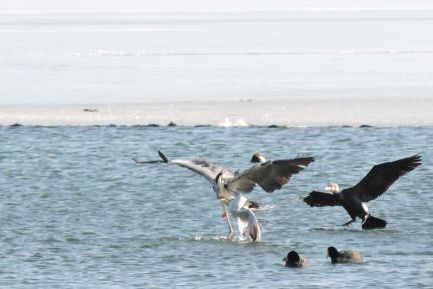
    На 14-15 јануари се избројаа птиците на Преспанско и Охридско езеро, во вкупен број од 27000 и 9500 единки птици соодветно.
    Наредниот викенд 21-22 јануари се избројаа птиците на Дојранско езеро (избројани околу 6100 единки) и неколку стотини на други влажни станишта и акумулации во регионот.
    Временските услови беа предизвик, особено на Дојранско езеро кое беше потполно заледено, со десетина отвори во мразот.
    Новинарски прилози за броењето на птиците на Дојранското езеро кој се снимаше за време на броењето може да погледнете тука
    https://www.youtube.com/watch?v=KS7ysR4iCDo&feature=youtu.be
    и тука
    http://sitel.com.mk/na-smrznatoto-dojransko-ezero-ovaa-zima…

    Меѓународното пребројување птицие мониториинг програма која се спроведува во 143 земји низ светот (од 4 различни регионални шеми кои ги претставуваат најголемите светски прелетни патишта за птици) при што се собираат податоци за бројките на водни птици на различни водни тела. Сите монитроинг активноссти ги координира Wetlands International.

    IMG_20170114_142057 IMG_20170114_130554 DSCN4476 DSCN4629

  • GIS training of BLRP partner organisations

    An intensive training course for the project partners within the Balkan Lynx Recovery Programme on basics of geographical information systems and cartography took place from 14-16 December 2016. The training, held in the premises of PPNEA, in Tirana, was implemented by the Macedonian Ecological Society, and attended by three PPNEA members and two members of ERA from Peć, Kosovo.

    Four presentations were given at the beginning of the training, with the major section consisting of demonstration and practical work by participants on numerous selected GIS aspects deemed crucial for the Programme (georeferencing, transformation of geographical projections, digitalisation, data display and labelling, map preparation, etc.). In addition, participants were acquainted with the use of several applications intended for mobile devices and their application in the field. In that respect, participants were trained on advanced use of GPS, database setting for mobile devices depending on individual needs during field research, adaptation of “external” data into GIS format, etc.

    In the course of the training ArcGIS, QGIS, Microsoft Excel, and Google Earth and other Windows software packages were used, as well as the Android mobile applications Oruxmaps, MEMENTO Database, ES File Explorer, and Mapfactor Navigator.