Category: Events

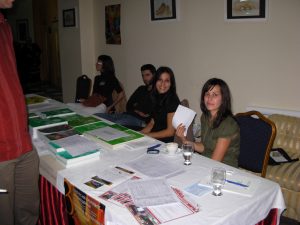
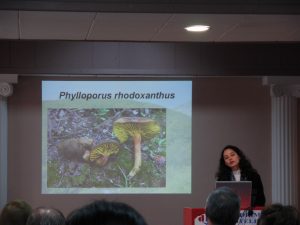
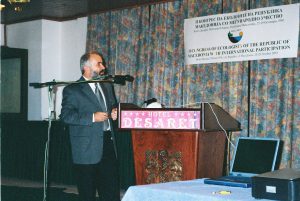
  • 4th Congress of Ecologists of Macedonia with International Participation, Ohrid 2012

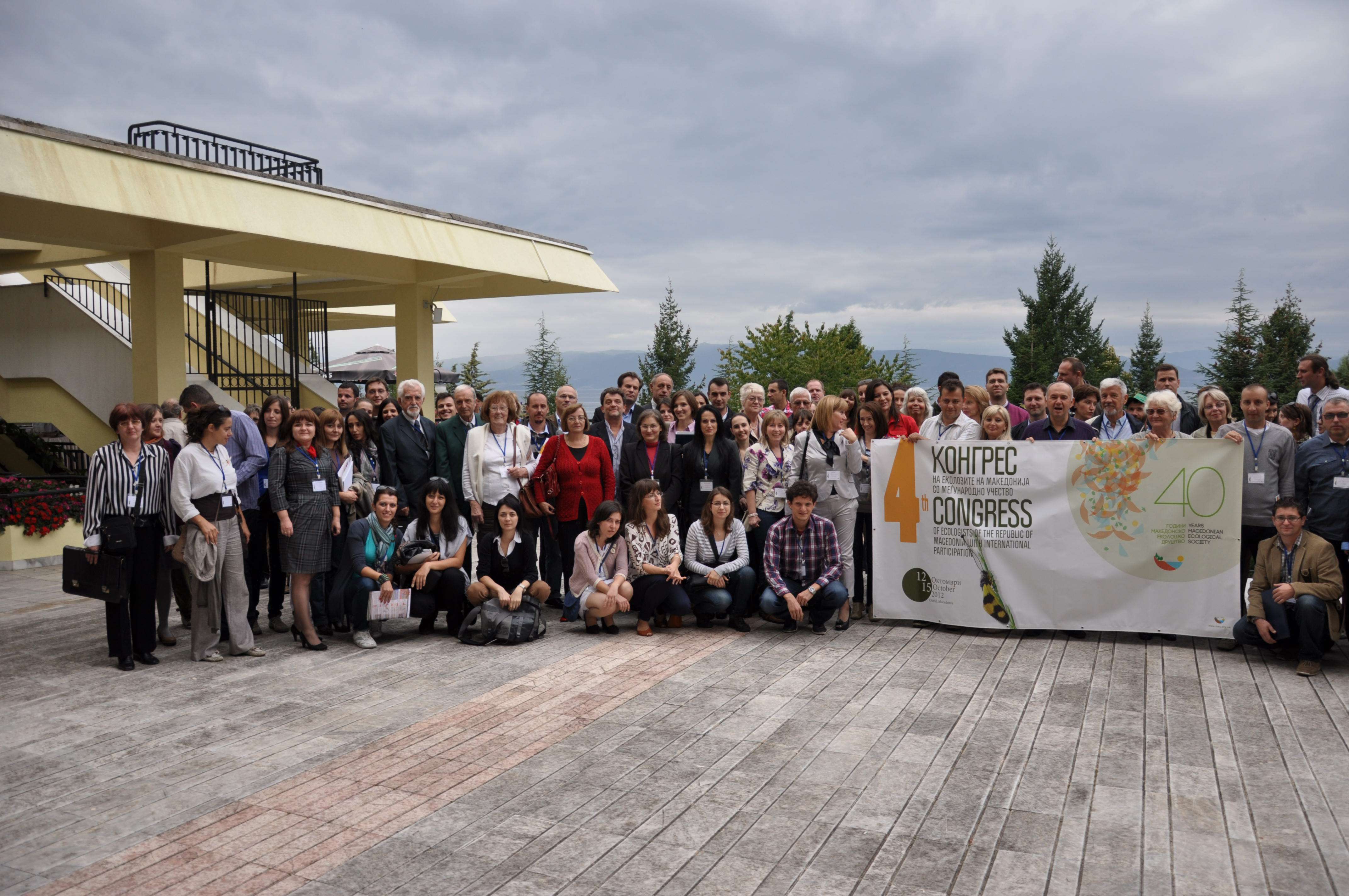
    4th Congress of Ecologists of Macedonia with International Participation, Ohrid 2012

    The Macedonian Ecological Society, together with the Macedonian Limnological Society, organised the 4th Congress of Ecologists of Macedonia with International Participation, aiming at discerning the ecological accomplishments in Macedonia and the other countries in the region, as well as exchanging experiences and knowledge, according to the working conditions of the scientists and experts of the region, as well as the public interest for a better, cleaner and healthier environment.

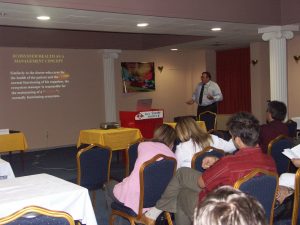
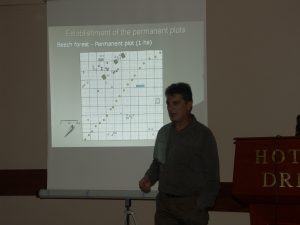
    The Congress presented the knowledge of the modern basic ecology and environmental science accumulated recently. The papers at the Congress were therefore presented through different thematic sessions. Each session started by presenting case studies chosen by the Scientific Committee among the proposed papers. Moreover, achievements in modern ecology were presented on the plenary sessions prepared by eminent ecologists from Macedonia and other countries.

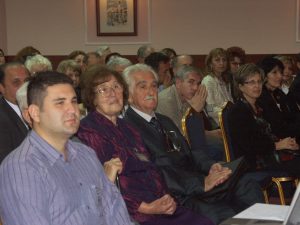
    The Congress had more than 300 scientific workers and guests from the country and from abroad (Turkey, Norway, Switzerland, Germany, Greece, Albania, Bulgaria, Slovenia, Croatia, Bosnia and Herzegovina, Serbia, Montenegro, Kosovo), presenting their papers in the field of ecology and environmental protection. Altogether, 183 abstracts were presented, 82 of which were oral presentations and 73 posters, with three plenary sessions being held:

    1. Afforestation during climate change, research and adaptation measures, by Prof. Ivan Raev, PhD, Bulgaria;
    2. Diversity of calcareous grasslands in the central and southern parts of the Balkan Peninsula, by Academician Vlado Matevski, PhD, Macedonia; and
    3. A century of diatomaceous research in Ohrid and Prespa Lakes, by Prof. Zlatko Levkov, PhD, Faculty of Natural Sciences and Mathematics – Skopje, Macedonia.

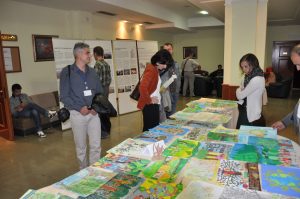
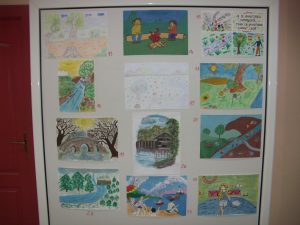
    A Symposium of the Biology Students’ Research Society was also held within the Congress, as well as an exhibition and competition for child drawings, photos, collection materials, promotional material on the topic “Forests – Guardians of Nature”, by Macedonian pupils. A presentation was also organised by the ecological section “Univerzum” from the Dimitar Vlahov High School in Strumica.

    Moreover, two documentary films were projected: “In the Heart of the Balkans – In Search of the Lynx” and “In the Heart of the Balkans – The Pelicans of the Prespa Park.”

    An important part of the Congress was the Adriatic Flyway Workshop supported by the German organization EuroNatur, attended by ornithologists from Macedonia, Germany, Croatia, Serbia, Montenegro, Bosnia and Herzegovina, Slovenia and Kosovo.

     

    Given below are the announcements about the 4th Congress of Ecologists of Macedonia with International Participation:

    First Announcement/Прво соопштение

    Second Announcement/Второ соопштение

    Third Announcement/Трето соопштение

    A total of 33 from the 155 papers presented at the Congress were published in the Proceeding of the 4th Congress of Ecologists of Macedonia with International Participation. The Proceedings was issued in December 2013.
  • 3rd Congress of Ecologists of Macedonia with International Participation, Struga 2007

    3rd Congress of Ecologists of Macedonia with International Participation, Struga 2007

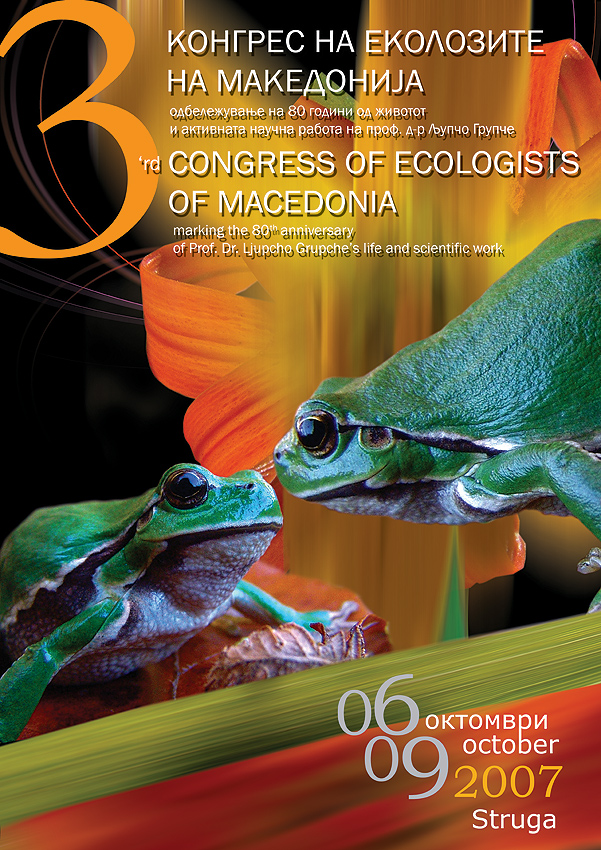
    The 3rd Congress of Ecologists of Macedonia with International Participation took place in Struga, in the period 6–9 October 2007. The Congress, at the same time, marked the 80th birthday and 60th anniversary of active scientific work of Prof. Ljupcho Grupche, PhD.

    Congress participants were given three plenary lectures, whereas more than 180 of them presented their scientific research work. Out of these, a total of 80 papers were printed in the Proceedings of the 3rd Congress of Ecologists of Macedonia with International Participation.

    The large number of papers presented points both to the deep interest of the scientific community in Macedonia and the region as regards ecological research, but also to the lack of other scientific gatherings in the country from related scientific disciplines.

    According to the number of presented papers, session attendance and discussion length, the greatest interest in Macedonia and the region alike, was shown for research activities in biodiversity and conservation ecology, environmental protection and pollution, ecosystem ecology, population and community ecology, etc. In that respect, one may conclude that there is big interest to address issues pertaining to environmental protection and biological diversity, and this is likely owing to the applicability of such research. Another point worth making is that this Congress was also attended by scientific workers in the field of urban ecology and landscape ecology – a novelty to the previous congresses. These two applicative disciplines in environmental management seem to be on the rise in the country.

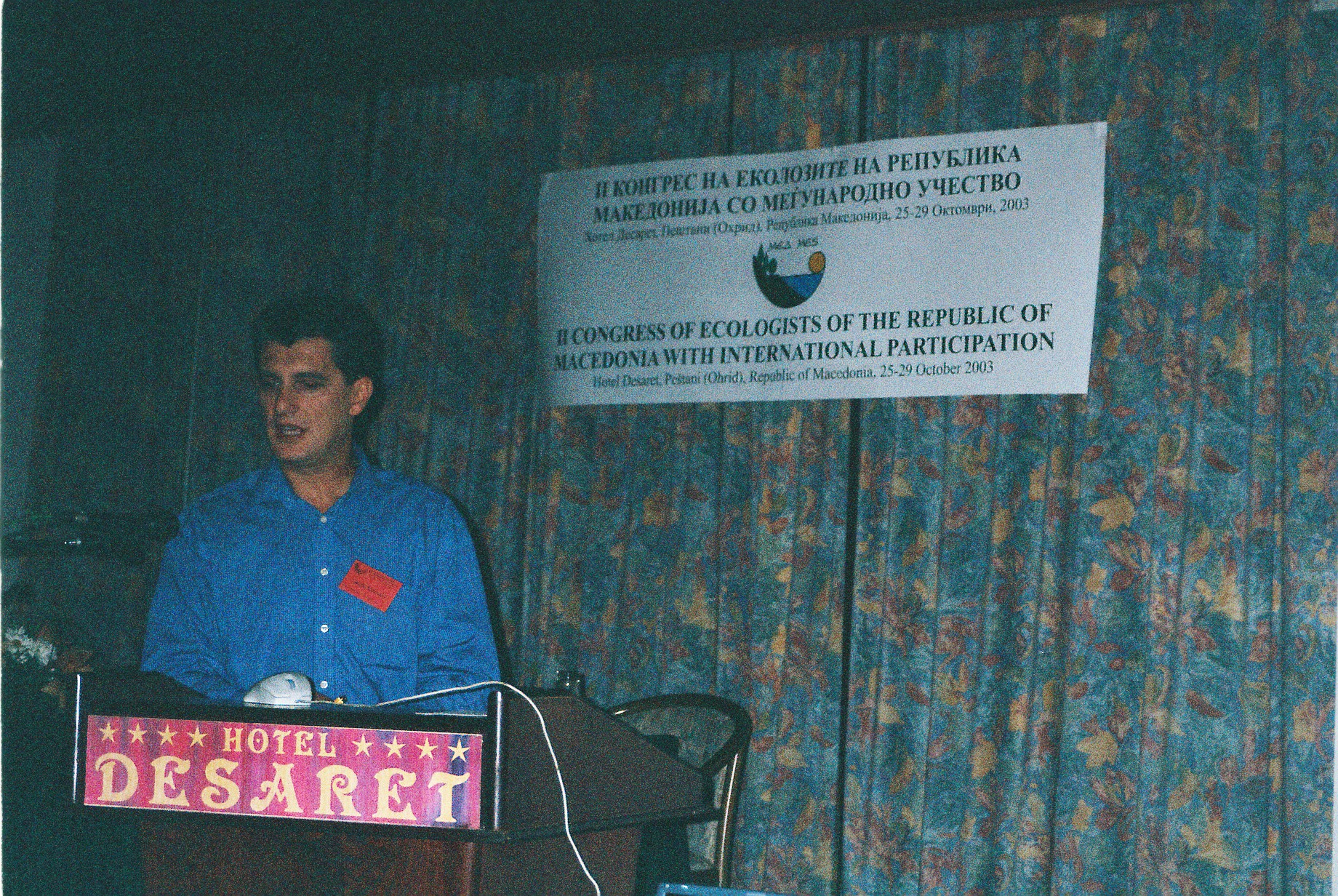
  • 2nd Congress of Ecologists of Macedonia with International Participation, Ohrid 2003

    2nd Congress of Ecologists of Macedonia with International Participation, Ohrid 2003

    The 2nd Congress of Ecologists of Macedonia with International Participation was held in Ohrid in the period 25–29 October 2003.

    Participants presented results and scientific achievements within nine ecological sections, as follows:

    1. Terrestrial ecosystems;
    2. Aquatic ecosystems;
    3. Conservation of biodiversity and geodiversity;
    4. Agroecology;
    5. Ecology of populations and biocenology;
    6. Ecological monitoring;
    7. Pollution and protection of the environment;
    8. Ecological education; and
    9. Public participation and NGOs.

    The presented papers (a total of 101 papers) and plenary lectures were printed in the Proceedings of the 2nd Congress of Ecologists of Macedonia with International Participation, organised into six summary sections:

    1. Terrestrial ecosystems: ecology, ecophysiology and biocenology;
    2. Aquatic ecosystems and hydrobiology;
    3. Biodiversity: research and protection, geodiversity;
    4. Agroecology;
    5. Environmental protection and monitoring; and
    6. Ecological education.

    Scientists both from Macedonia and the neighbouring countries, like Serbia and Montenegro, Bulgaria, Slovenia, and Romania, showed interest and took part. Papers presented during the Congress hint to the obvious attention and interest of scientists in studying terrestrial and aquatic ecosystems, especially in the field of biodiversity and geodiversity conservation.

    Despite the efforts made by MES to encourage and inspire ecological NGOs from Macedonia and the region to partake in such congress, no application and participation took place for the section relevant to their work NGOs and the involvement of the public.

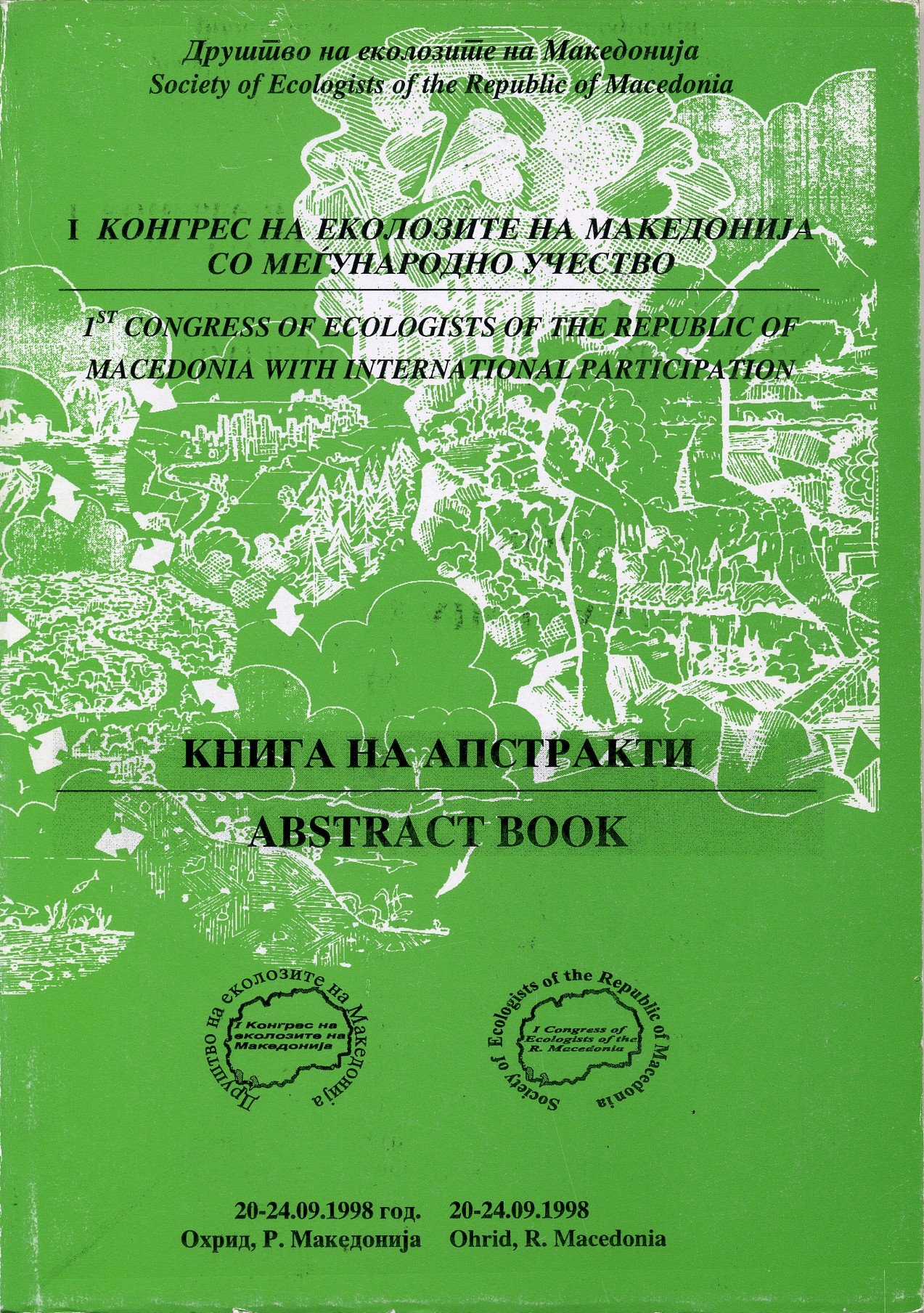
  • 1st Congress of Ecologists of Macedonia with International Participation, Ohrid 1998

    1st Congress of Ecologists of Macedonia with International Participation, Ohrid 1998

    Ohrid, 20-24 September 1998, hosted the 1st Congress of Ecologists of Macedonia with International Participation. Plenary lectures were published and printed in the Book of Plenary Lectures. According to the topic and the field of research, participants through their papers presented their findings and scientific achievements within 10 ecological working sections, as follows:

    1. Terrestrial ecosystems;
    2. Aquatic ecosystems;
    3. Biodiversity, its protection, promotion and sustainable use;
    4. Agroecology;
    5. Ecological monitoring;
    6. Pollution of the environment and ecotoxicology;
    7. Urban ecology;
    8. Systems and measures for environmental protection;
    9. Ecology and society: the role of institutions and NGOs in the system;
    10. Ecological education and training.

    The congress was attended by over 200 participants from Yugoslavia, Croatia, Bulgaria and Macedonia. A total of 177 papers were presented, out of which only 97 complete papers were published and printed in the two-volume Proceedings of the 1st Congress of Ecologists of Macedonia with International Participation.

    Presented findings and interest shown by participants indicate that intense ecological research at ecosystem level had been conducted in the preceding period in Macedonia and the region, with growing interest in the causes of environmental pollution..


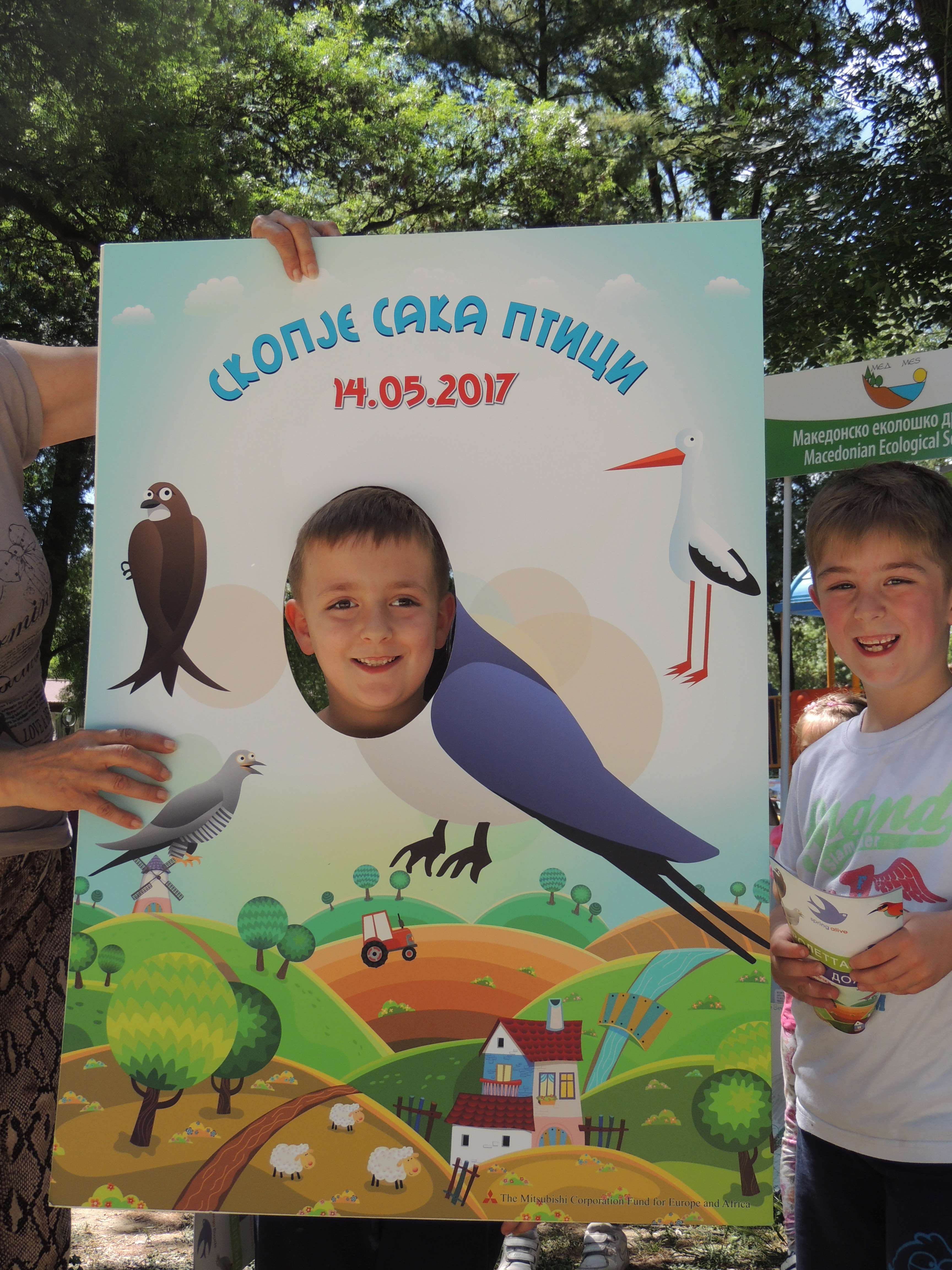
  • Skopje Loves Birds on the 2017 World Migratory Bird Day

    Skopje Loves Birds on the 2017 World Migratory Bird Day

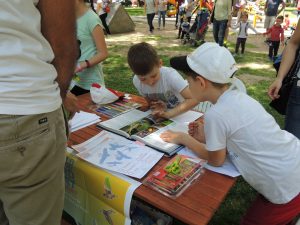
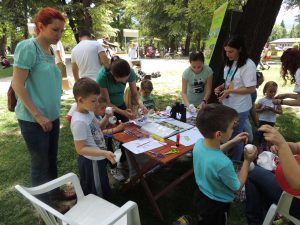
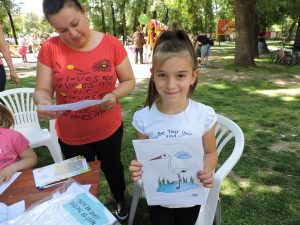
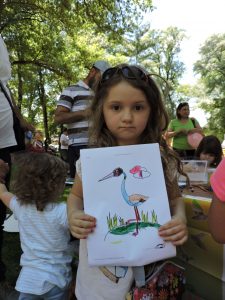
    The 2017 World Migratory Bird day in Macedonia was celebrated under the motto “Skopje Loves Birds” on the 14 May. The event started at 12 p.m. in the Skopje City Park. Together with the citizens from Skopje we celebrated the arrival of migratory birds and hoped for a successful nesting season. Through quizzes, games, creative assignments and birdwatching, we were reminded that the birds were a crucial part of the city.

    Migratory birds and people share the same planet, which also includes the same limited resources. That is why this year’s theme was “The future is our future – A healthy planet for migratory birds and people”. Sustainable management of the natural resources is needed, every tree and body of water is important – Skopje needs nature!

    Migratory birds are indicators of a healthy planet and functional ecosystems, since their migration bridges continents. The biggest threats that are faced by these migratory birds – water resources drying out, environmental degradation and unsustainable hunting – are also threats for us as they reduce the benefits provided by the connected ecosystems.

    Migratory birds are able to travel 14,000 kilometres across the globe for the purpose of nesting. The disappearance of their resting habitats is among the biggest reasons for the abrupt decrease in population. Since the year 2000, the decrease can measure as much as 80% in some cases.

    World Migratory Bird Day is a campaign that celebrates migratory birds and calls attention for better conservation efforts. Every year the Macedonian Ecological Society organises events to remind the public of the threats that migratory birds face and what our role is in protecting them.

  • Шар Планина заслужува да биде национален парк но локалното население треба соодветно да се информира за бенефитите од идно заштитено подрачје

    Шар Планина заслужува да биде национален парк но локалното население треба соодветно да се информира за бенефитите од идно заштитено подрачје

    Македонското еколошко друштво во соработка со Институтот за развој на заедницата од Тетово организираше трибина по повод повторно актуелната иницијатива за прогласување на Шар Планина за национален парк на тема „Зошто Шар Планина заслужува да биде национален парк?“. Оваа трибина беше одржана во рамки на компонентата за заштитени подрачја од тековниот проект Програма за закрепнување на балканскиот рис.

    –  Македонија, според препораките од меѓународните конвенции, се има обврзано дека процентот на заштитени подрачја во земјава ќе го зголеми. Иницијативата за прогласување на Шар Планина за национален парк постои долго време. Иако на политичко ниво има исчекор сепак процесот мора да се одвива паралелно и на локално ниво. Локалното население треба да се запознае со вистинските информации но и да разбере дека националниот парк може да донесе бенефит и развој во регионот, изјави Љубчо Меловски, универзитетски професор и член на МЕД.

    Според Тиз Гертц од Германската фондација Еуронатур, поддршката на невладините организации од регионот кои работат на полето на заштита на природата и промовирање на природните вредности на Шар Планина ќе продолжи и понатаму.

    На трибината присуствуваа педесетина учесници, главно членови на невладини организации и претставници од шесте општини кои гравитираат на Шар Планина. Трибината почна со презентации за бенефитите околу тоа што значи да постои заштитено подрачје во регионот, природните вредности кои ги поседува Шар Планина и сите реализирани активности на МЕД за заштита на овој планински масив. На трибината беше претставена и листа на вкупно 43 локални организации, планинарски друштва и индивидуалци коишто позитивно одговориле на анкетата дали во изминатите 15 години работеле на проекти и активности поврзани со промовирање на природните вредности на Шар Планина и заштитата на природата.

    На дебатата учесниците имаа шанса да постават прашања и да ги изнесат потенцијалните проблеми со кои се соочува природата на Шара. Заклучок од оваа средба е дека локалното население не е доволно информирано за предностите кои ги нуди едно заштитено подрачје. Учесниците се сложија дека вакви слични дебати треба да се организираат со присуство на жители од селата на Шара со цел да се запознаат со целиот процес на прогласување на национален парк, неговиот бенефит и евентуалните ограничувања.

  • Годишно собрание на МЕД 2013

    On 12th March 2013, in hotel Portal in Skopje, the Macedonian Ecological Society had its annual meeting. The society’s achievements in 2012 was presented at the meeting, with a special review of the IV Congress of Ecologists in Macedonia with international participation and the celebration of the society’s 40 the anniversary. In addition, the financial report for 2011 was presented and approved, and the program for the society’s 2013 activities was presented as well.

    На 12 март 2013 година, во просториите на салата за состаноци на хотел Порта во Скопје, се оддржа Годишното собрание на Македонското еколошко друштво. На Собранието беше презентирана работата на Друштвото за 2012 година со посебен осврт на IV Конгрес на еколозите на Македонија со меѓународно учество и одбележувањето на 40 години од постоењето на Друштвото. Исто така беше претставен и усвоен финансискиот извештај за минатата 2011 година, а беше презентирана и програмата за работа на Друштвото за 2013 година.

  • Едукативно предавање за крупните месојадни животни во Македонија

    Во Едукативниот центар на Зоолошката градина – Скопје, на 15.09.2012 година се одржа предавање на тема: „Крупните месојадни животни во Република Македонија“. Предавањето беше наменето за деца до 10 – годишна возраст. Децата имаа прилика да научат нешто повеќе за рисот, мечката и волкот.

  • Работилница за одржливо искористување на лековитите и ароматични растенија и шумските плодови во Западен Балкан

    The three days long workshop Enabling sustainable managing the forest fruits, focusing on the herbs and aromatic plants in Southeast Europe took place from 21st – 25th September at the island Vilm in northeast Germany. This workshop had several conclusions, such as preparation of the regional Red book, initiating cultivation of herbs and aromatic plants by the locals in the rural areas, as well as a better regional collaboration. The representatives from MES presented the unofficial data from the project The role of natural resources in sustainable rural livelihoods in the western Balkans. The distribution and flow of costs and benefits, according to which the people from the mountain villages from West Macedonia tend to gather herbs and forest fruits for home usage, but not for sale. According to the experts from the Food and Agriculture Organization (FAO), the region is probable to face the drastic decrease of the number of pluckers in the future due to the massive moving out of the rural environments.

    The representative from FAO said that the focus should be on preventing the rural exodus happening in the Western Balkans and initiating a continuation of the tradition by the people from the mountain villages.

    The countries from the Balkans and Southeast Europe are one of the main exporters in the field of raw materials for drugs, aromatic oils and products made of mushrooms and forest fruits, and that is the reason why immediate measures are needed for better sustainability of the resources and a stricter control by the suitable institutions. The workshop was organized by the German Federal Agency for Nature Conservation (BfN), the Food and Agriculture Organization (FAO) and the Wildlife trade monitoring network TRAFFIC.
    Подготовка на регионална Црвена книга, поттикнување на жителите во руралните области за да започнат со одгледување на лековити и ароматични растенија, како и подобра регионална соработка се дел од заклучоците на тридневната работилница „Овозможување на одржливо управување сошумските плодови со фокус на лековитите и ароматични растенија во Југоисточна Европа“, којашто од 21-25 септември се одржа на островот Вилм во Североисточна Германија. Претставниците од Македонското еколошко друштво ги претставија неофицијалните податоци од проектот „Улогата на природните ресурси во одржливото рурално живеење во Западен Балкан. Распределба и состојба на недостатоците и придобивките“ според кои во Западна Македонија луѓето од планинските села претежно собираат лековити растенија и шумски плодови за домашна употреба, но не и за продажба. Според експертите од Меѓународната организација за храна и земјоделство – ФАО, најверојатно регионот во иднина ќе се соочи со драстично намалување на бројот на собирачи поради масовното иселување од руралните средини.

    –          Треба да се размислува како да се спречи руралниот егзодус што се случува во Западен Балкан и да се поттикнат луѓето од планинските села да продолжат со традицијата, рече Пол Вантом од Меѓународната организација за храна и земјоделство – ФАО.

    Земјите од Балканот и Југоисточна Европа се едни од главните извозници во светот на суровина за лекови, ароматични масла и производи од печурки и шумски плодови, токму затоа потребни се итни мерки за поголема одржливост на ресурсите и построга контрола од соодветните институции. Работилницата беше организирана од Германската федерална агенција за заштита на природа, (BFN), Меѓународната организација за храна и земјоделство, ФАО и Светската Мониторинг мрежа на трговија со производи од растително и животинско потекло, ТРАФИК.