Category: News

  • Excursion to the Educational Children’s Trail “Bunec” on the Occasion of World Lynx Day

    Excursion to the Educational Children’s Trail “Bunec” on the Occasion of World Lynx Day


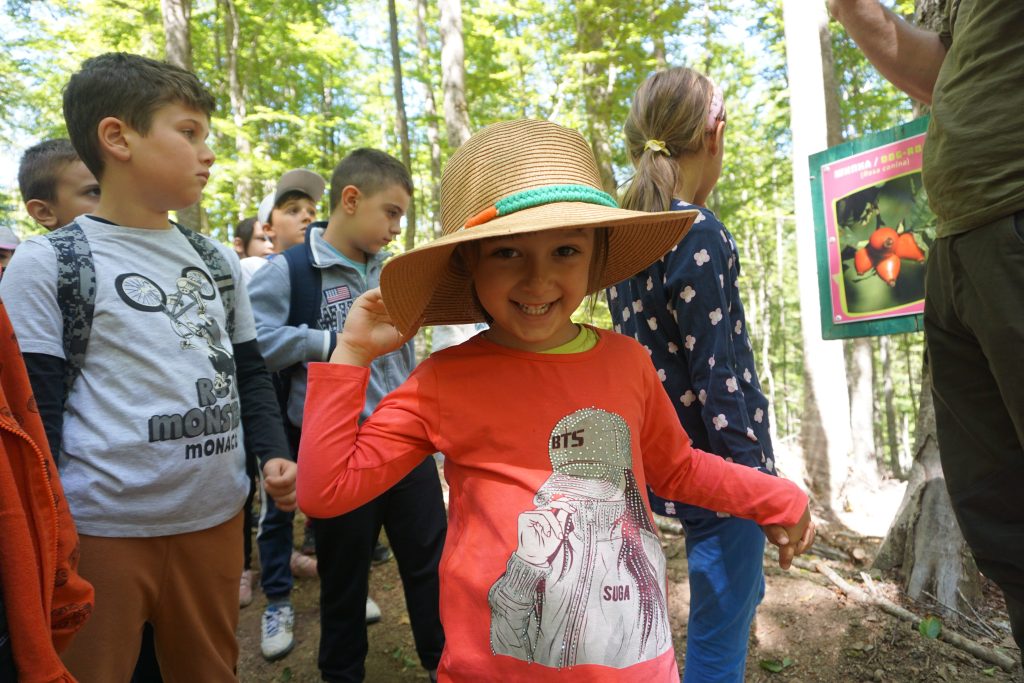
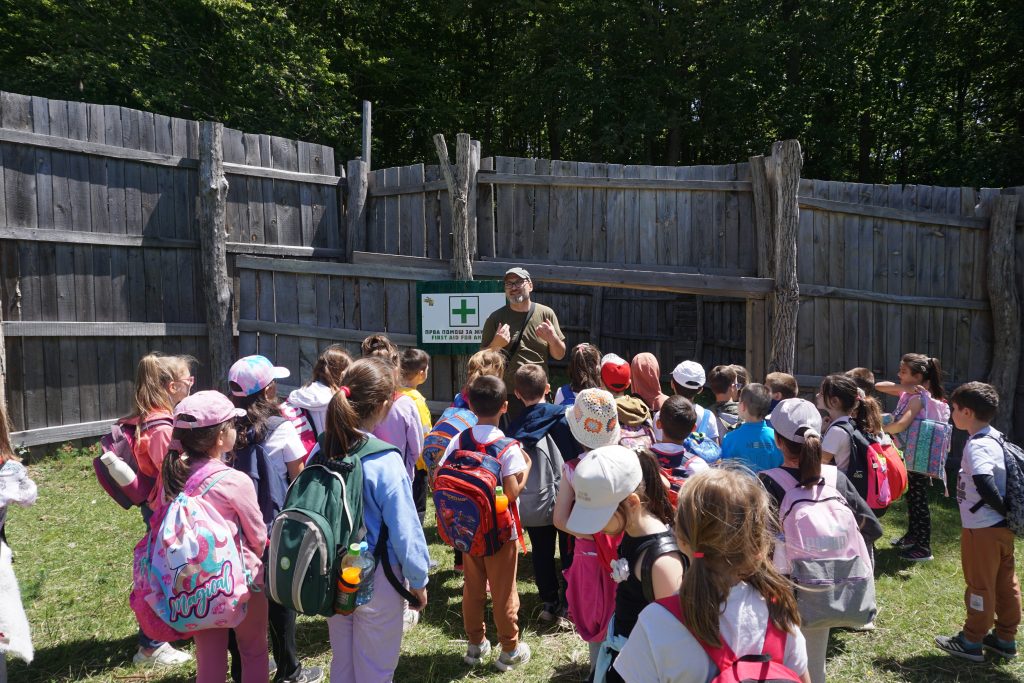
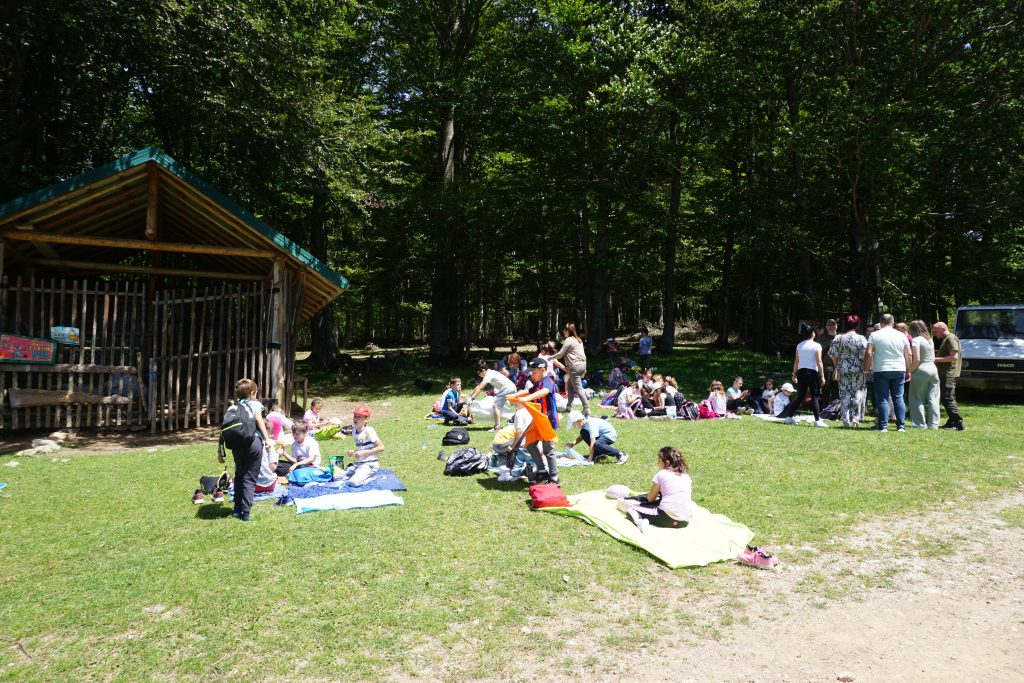
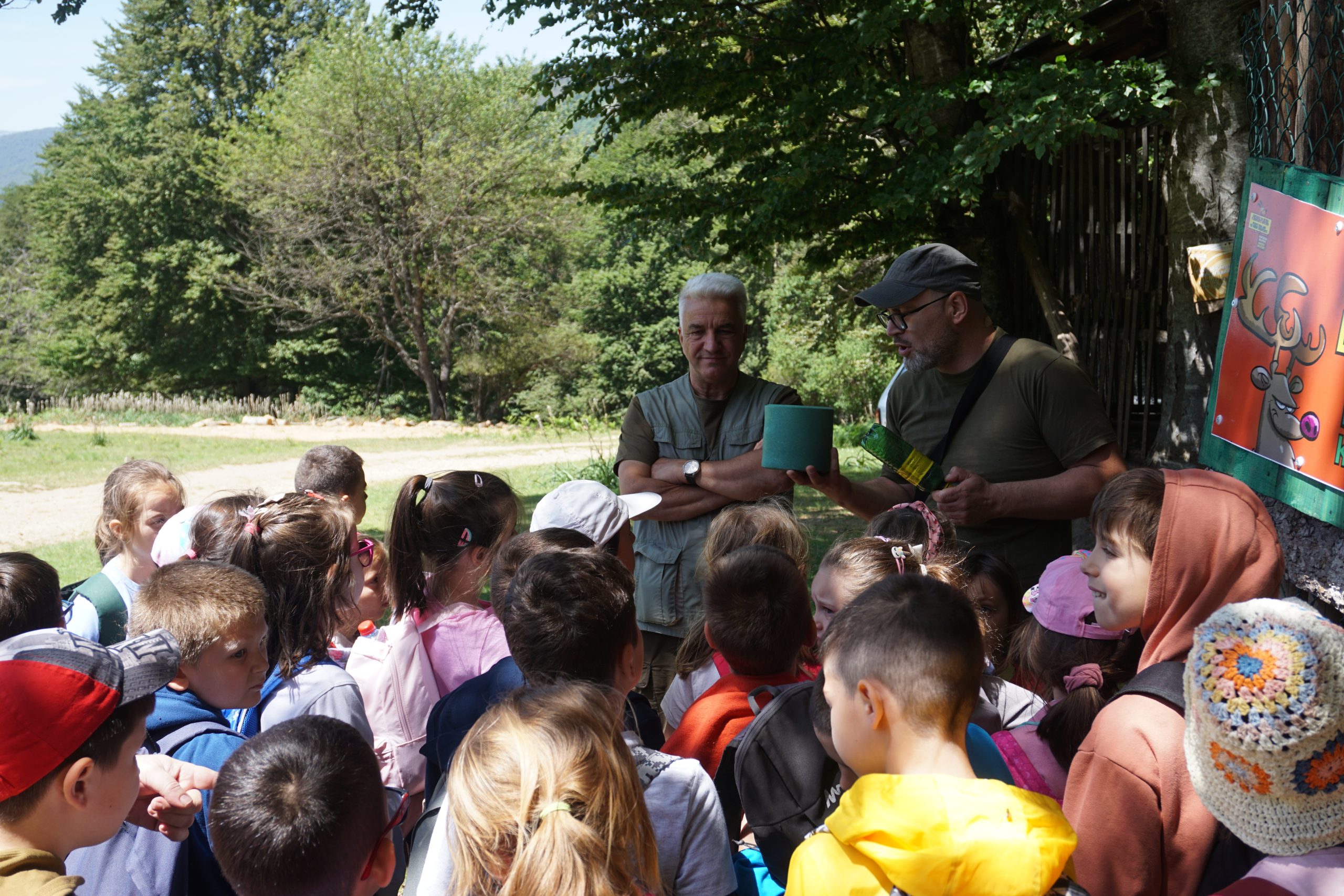
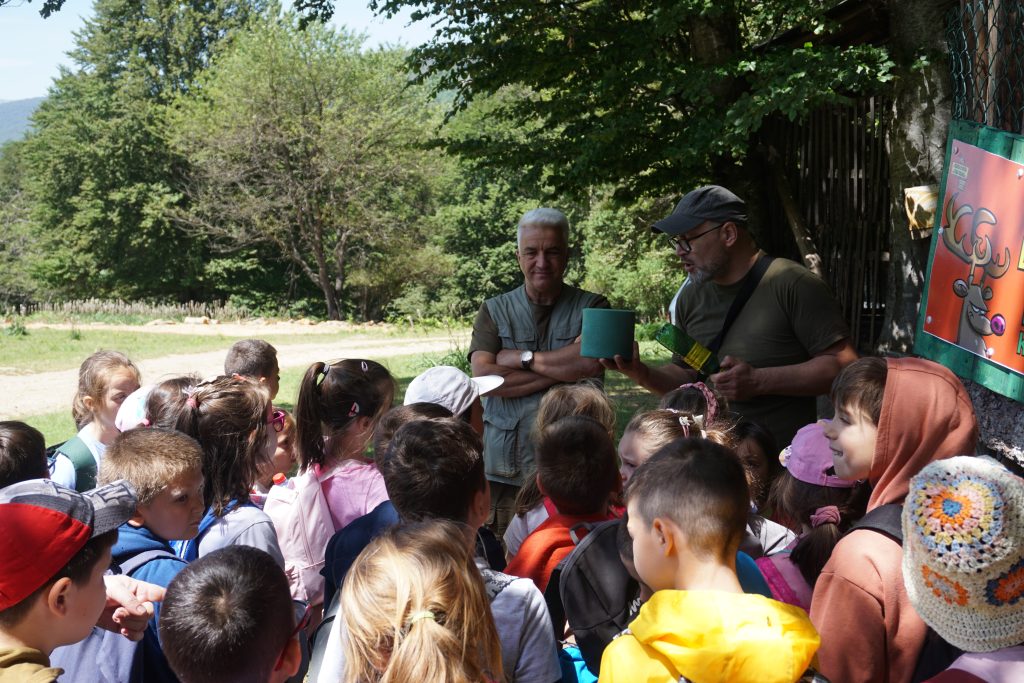
    The World Lynx Day was marked by the Macedonian Ecological Society this year with an organized visit of students from the “Lazo Angelovski” elementary school in Skopje to the educational center “Bunec” near Mavrovo.

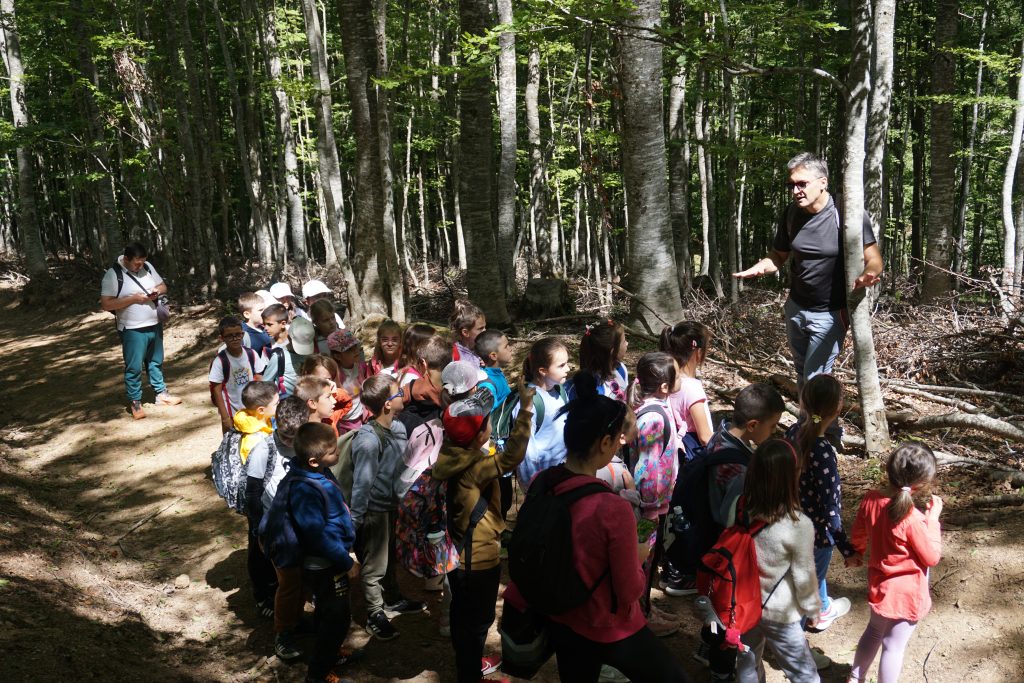
    The students had the opportunity to walk along an educational trail, which is specially designed for children of their age. Educators from NP Mavrovo carefully and dedicatedly explained what they were seeing at each step of the trail.

    The educational trail is mainly located in a beech forest, but there were also some fir trees and pastures, where they could see plants used to make teas.

    The students learned more about the Balkan lynx, which is most prevalent in Macedonia on a global level, and learned why it is important to protect its survival.

    Along the trail, composed of informative signposts, the students could also learn more about deer, snakes, hedgehogs, and the types of deciduous and evergreen trees that thrive in Macedonia.

  • Educational Field Research with the Membership of the Macedonian Ecological Society

    Educational Field Research with the Membership of the Macedonian Ecological Society

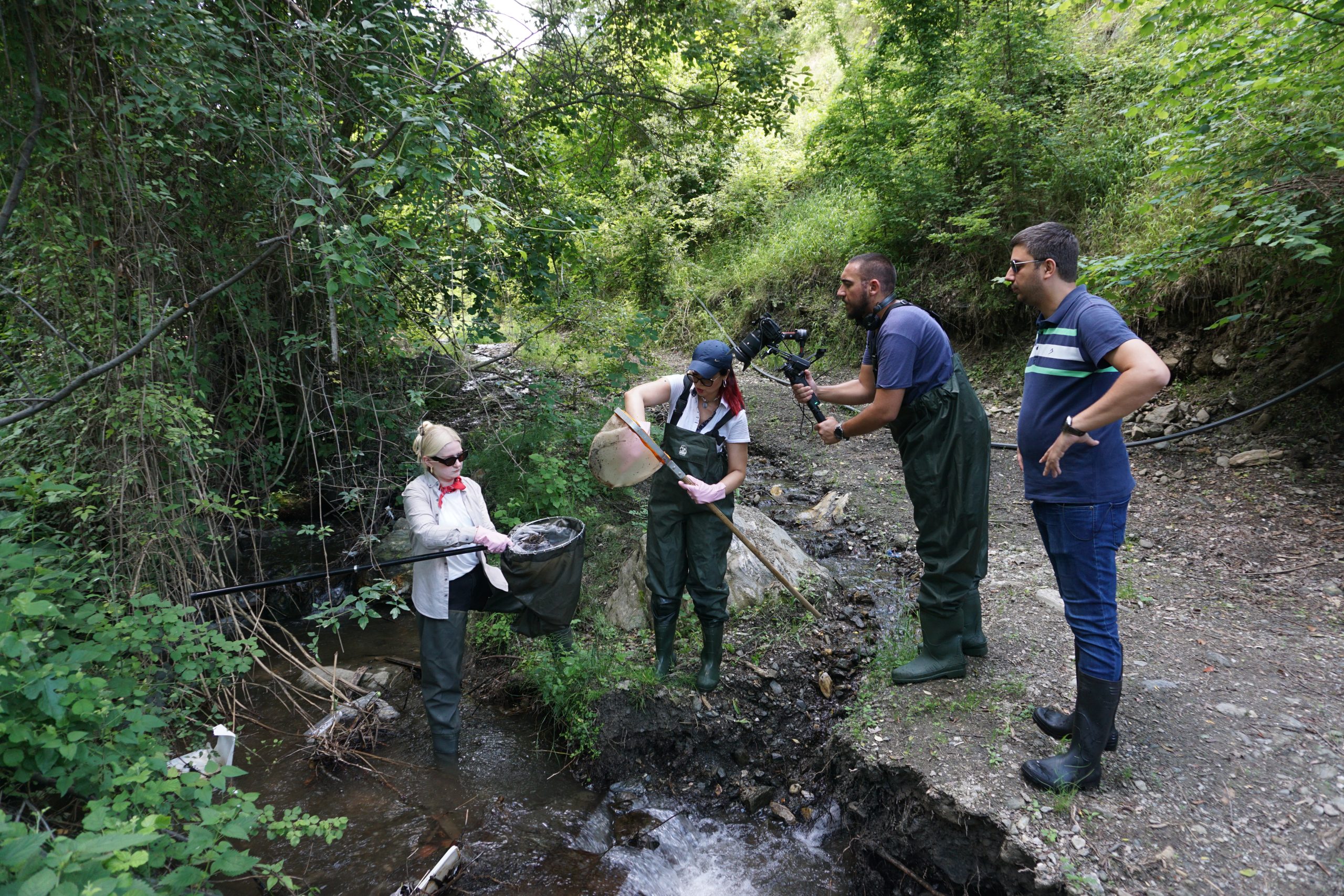
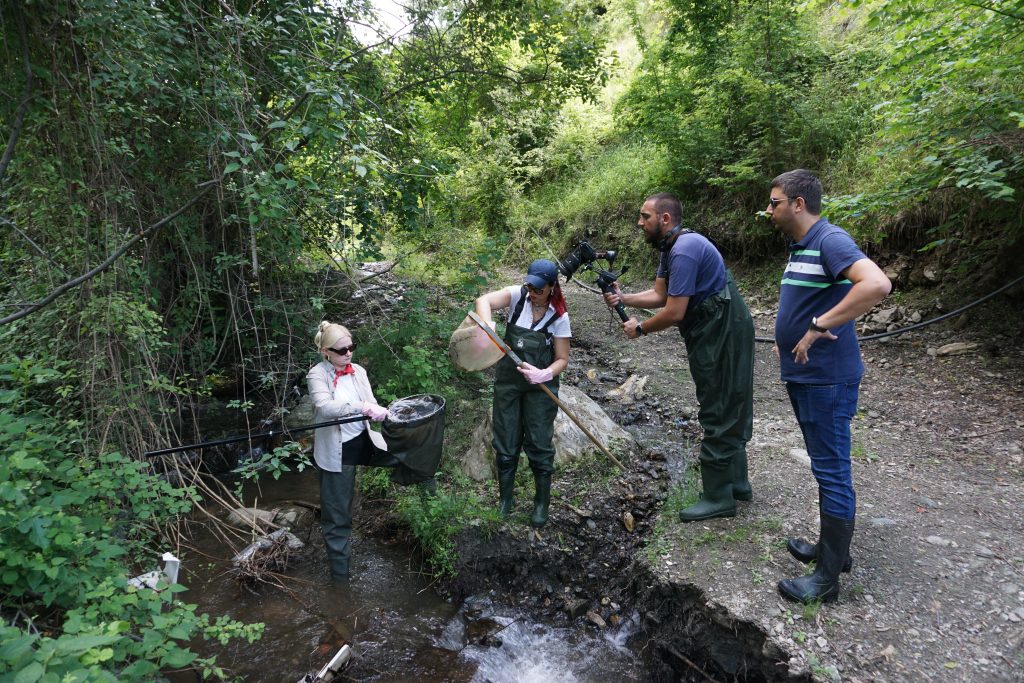
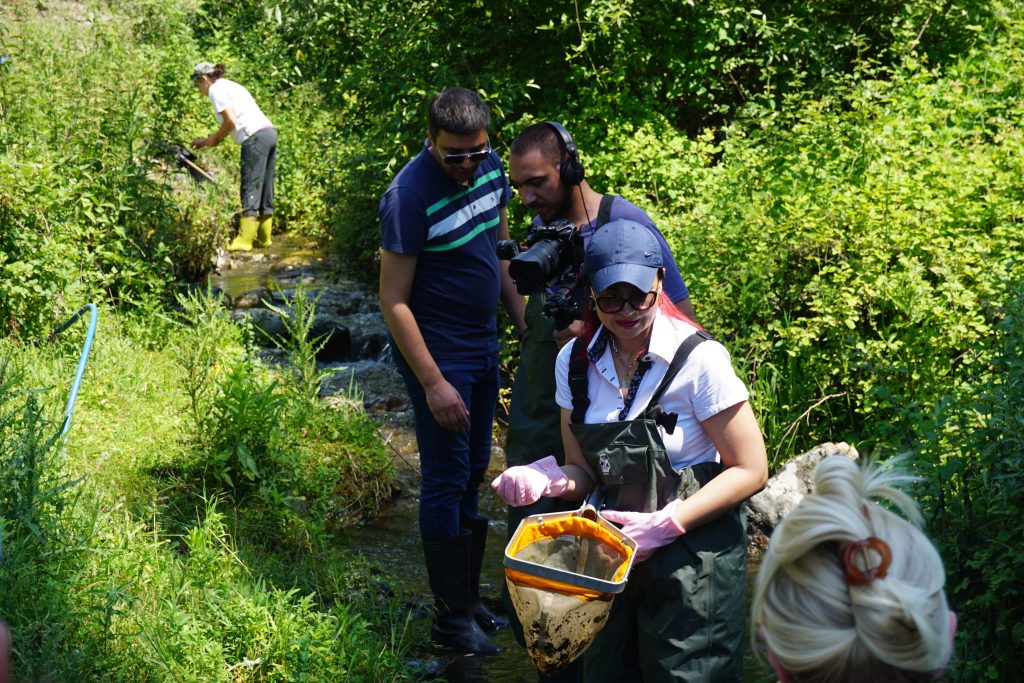
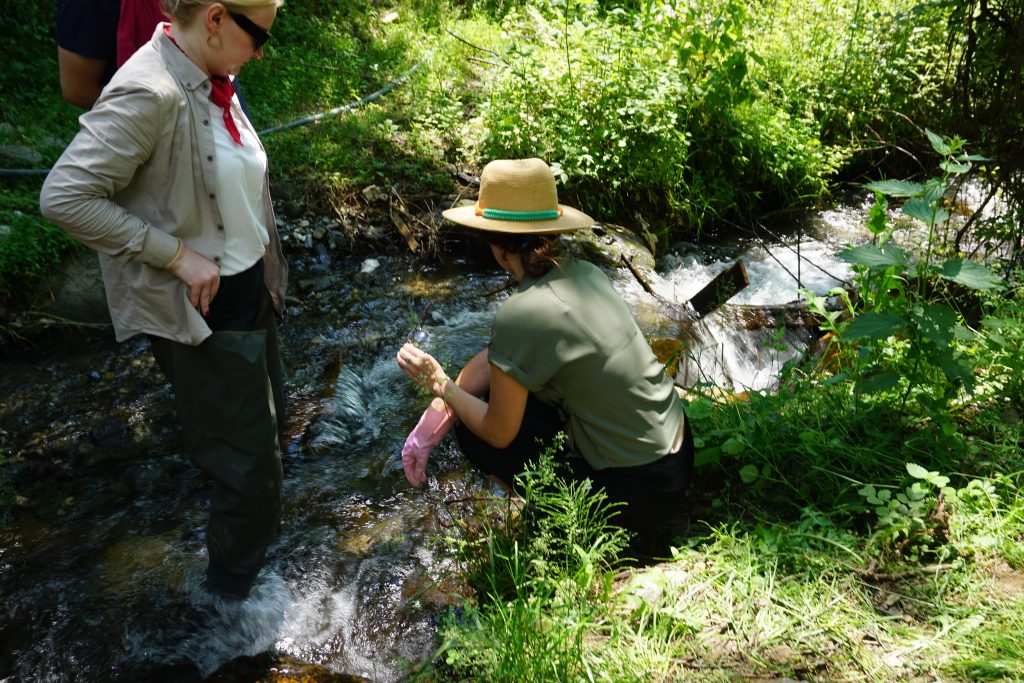
    On June 8, 2024, the Macedonian Ecological Society held an educational field research event for its members, led by the head of the “Biodiversity” section, Prof. Dr. Valentina Slavevska Stamenković.

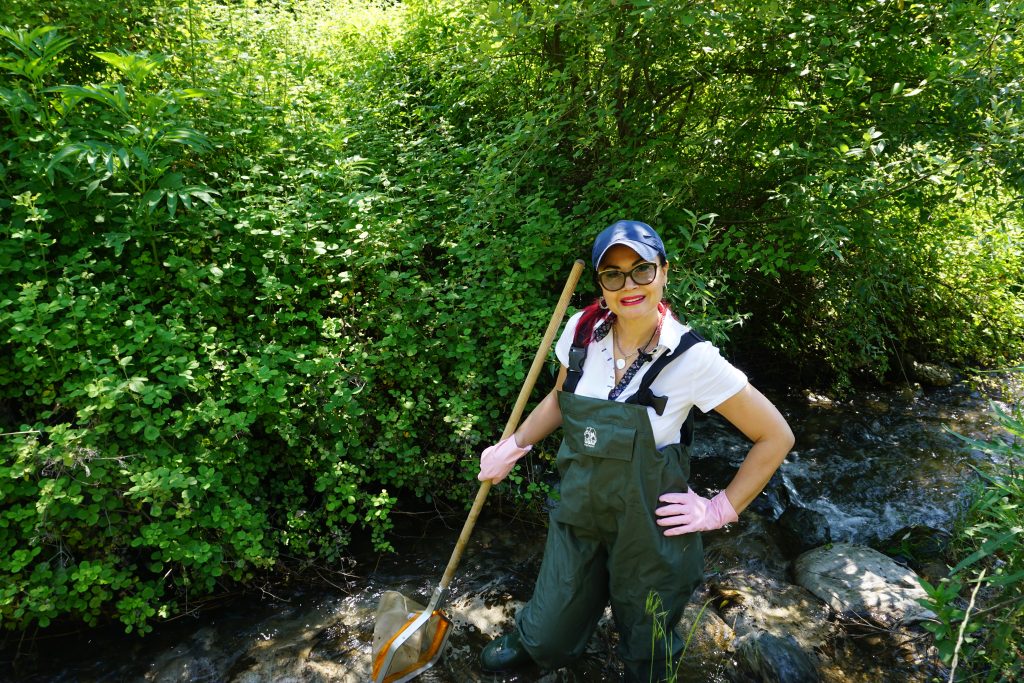
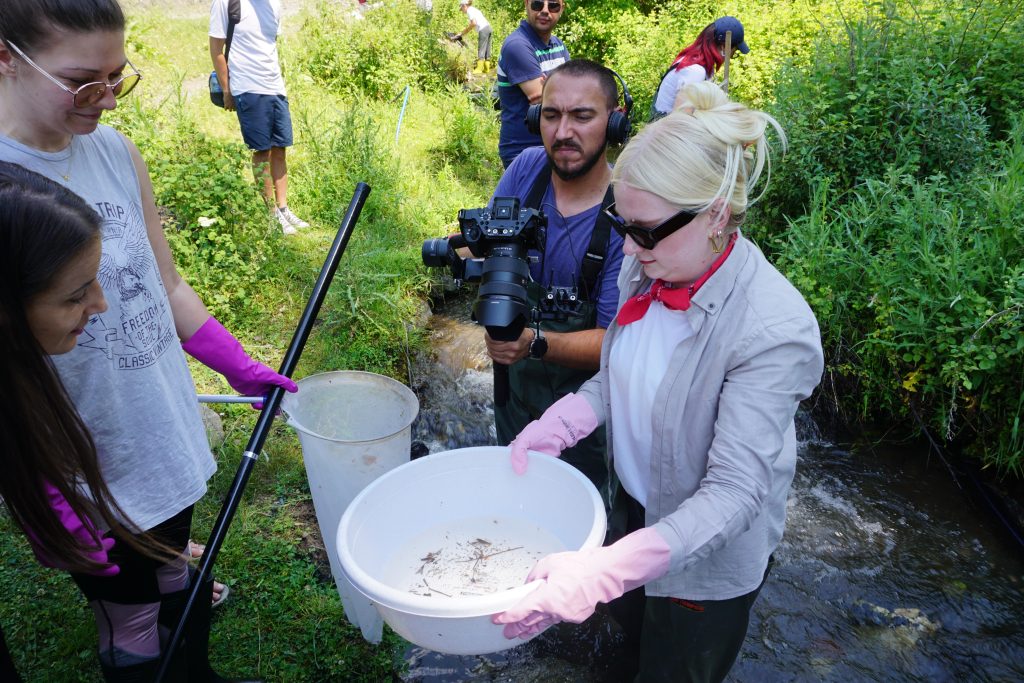
    Professor Slavevska Stamenković, together with assistant Jelena Hinić and our Despina Kitanova, educated the present MED members about the stone crayfish that lives in the waters of Ljubanska River and is a Natura 2000 species.

    The professor personally demonstrated how to take samples directly from the waters and explained why this species is so important. In addition to the members, the field research was also attended by the media team of TRT Balkan and journalist Hristijan Stanoević, who covered the event on a global level.

  • Overview of Challenges and Achievements: Highlights from the 2024 International Wildlife Crime Conference in Cyprus

    Overview of Challenges and Achievements: Highlights from the 2024 International Wildlife Crime Conference in Cyprus

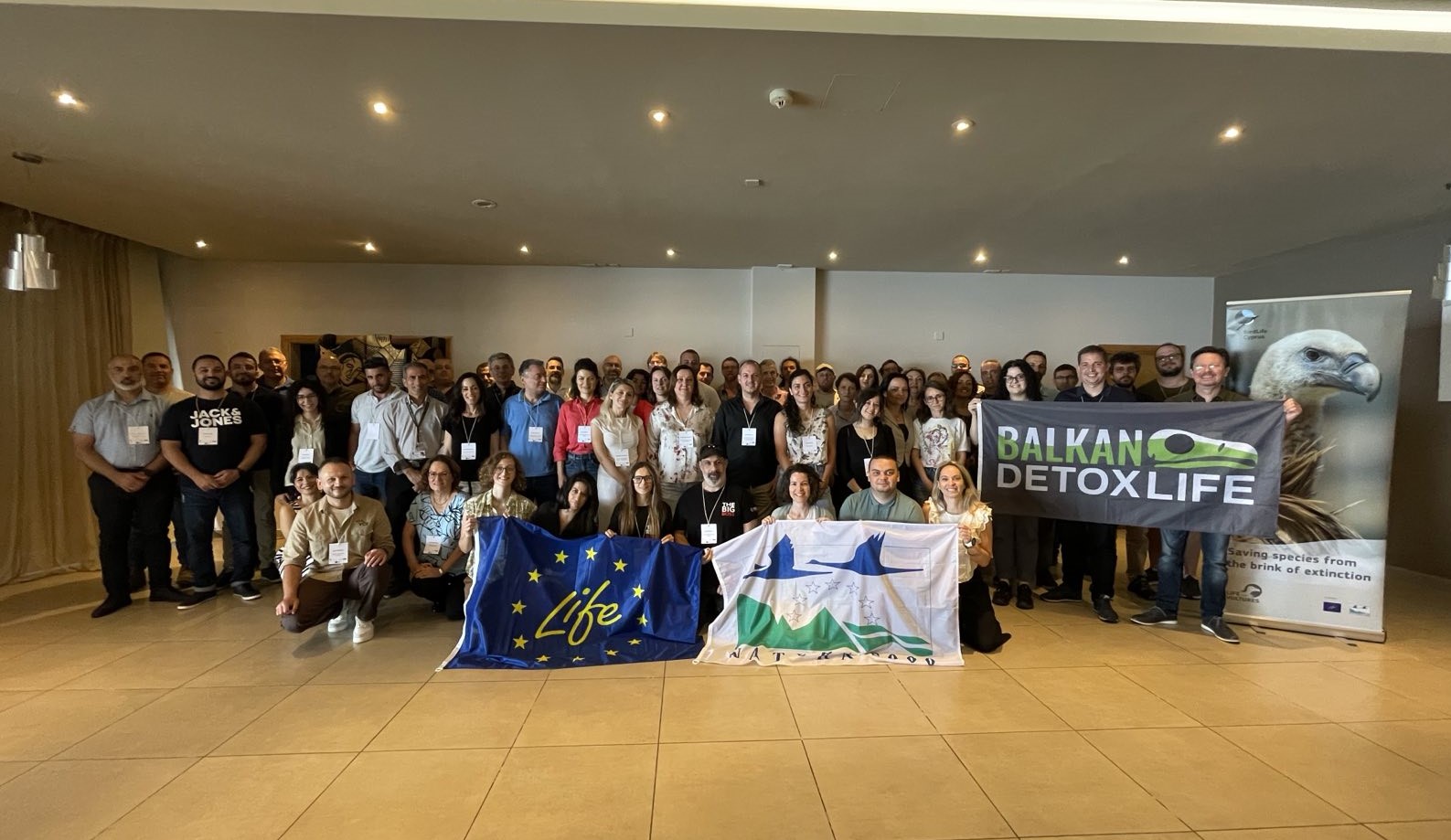
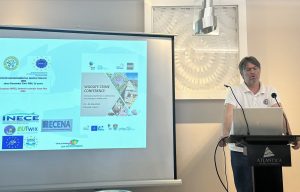
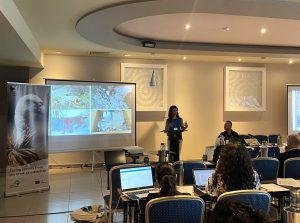
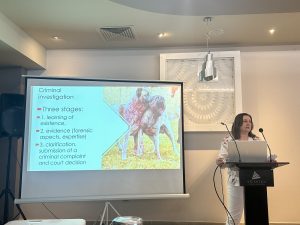
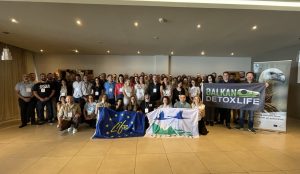
    What a week! From May 22-24, 2024, the International Wildlife Crime Conference took place in Limassol, Cyprus. Participants from various countries and organizations gathered for presentations, discussions on challenges and achievements, and setting priorities for combating wildlife crimes. The conference focused on issues like illegal wildlife poisoning, trapping, and electrocution in the Balkan and Mediterranean regions. Representing North Macedonia were Arta Starova and Aleksandra Todorovska from the Macedonian Ecological Society, both involved in the BalkanDetox LIFE project, along with General State Environmental Inspector Darko Blinkov and Professor Marina Malish Sazdovska, who teaches Environmental Crime at the Faculty of Security.


    Key takeaways included:

    • There is insufficient national coordination and resources for investigations;
    • There is a need for more education and public awareness raising in the judiciary system;
    • Electrical infrastructure causes wildlife mortality and species endangerment, which will worsen with population growth and increased energy demand. Retrofitting is not a long-term solution; future expansion should promote redesigned pylons and the use of XLPE or underground wires;
    • The strong international network working on these issues should continue to share information, support and create an open database on consistent reports and cases of wildlife crimes.


    The conference addressed the devastating consequences of illegal bird killing, such as the disappearance of Griffon vulture pairs in Cyprus in 2023.  Presentations emphasized the role of police, special K9 units, the use of GPS transmitters and ranger services in preventing these activities and collaborating with local communities.

    Jose-Antonio Alfaro from Europol highlighted the need for deeper investigations into wildlife trafficking, noting challenges like document fraud, legislative discrepancies, and corruption. On an international level, Clairie Papazoglou discussed priorities of the Convention on Migratory Species, emphasizing Resolution 11.16 and the importance of MIKT (The Intergovernmental Task Force on Illegal Killing, Taking and Trade of Migratory Birds in the Mediterranean) and IKB Action Plans. She also called for better understanding of motivations behind these illegal activities through detailed sociological research. Ruben Moreno-Opo, from the Spanish Ministry for Ecological Transition, discussed Spain’s best practices in combating bird electrocution, emphasizing legislation that is important in targeting hazardous powerlines whilst from an NGO perspective Carlota Viada Sauleda shared her work on the Aquila a-LIFE project, advocating for insulated cables and structural changes to pylons through the use of White papers.

    Representatives from various countries, including North Macedonia shared wildlife crime case studies, stressing the need for improved national capacities, law enforcement education, and inter-governmental collaboration.

    The event was hosted by Birdlife Cyprus and the Vulture Conservation Foundation as part of the BalkanDetox LIFE (LIFE19 GIE/NL/001016) and LIFE with Vultures (LIFE18 NAT/CY/001018) projects.

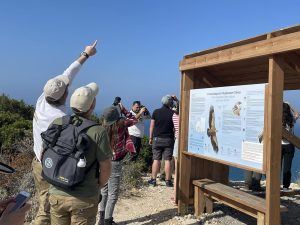
    On the final day, the group enjoyed an extraordinary field trip to the breathtaking Episkopi Cliffs, after which we visited a local goat farm, and a nearby feeding station where Griffon vultures soared above us as company along the hike through Cyprus’s picturesque landscapes.


  • Educational Visit to Pešna

    Educational Visit to Pešna

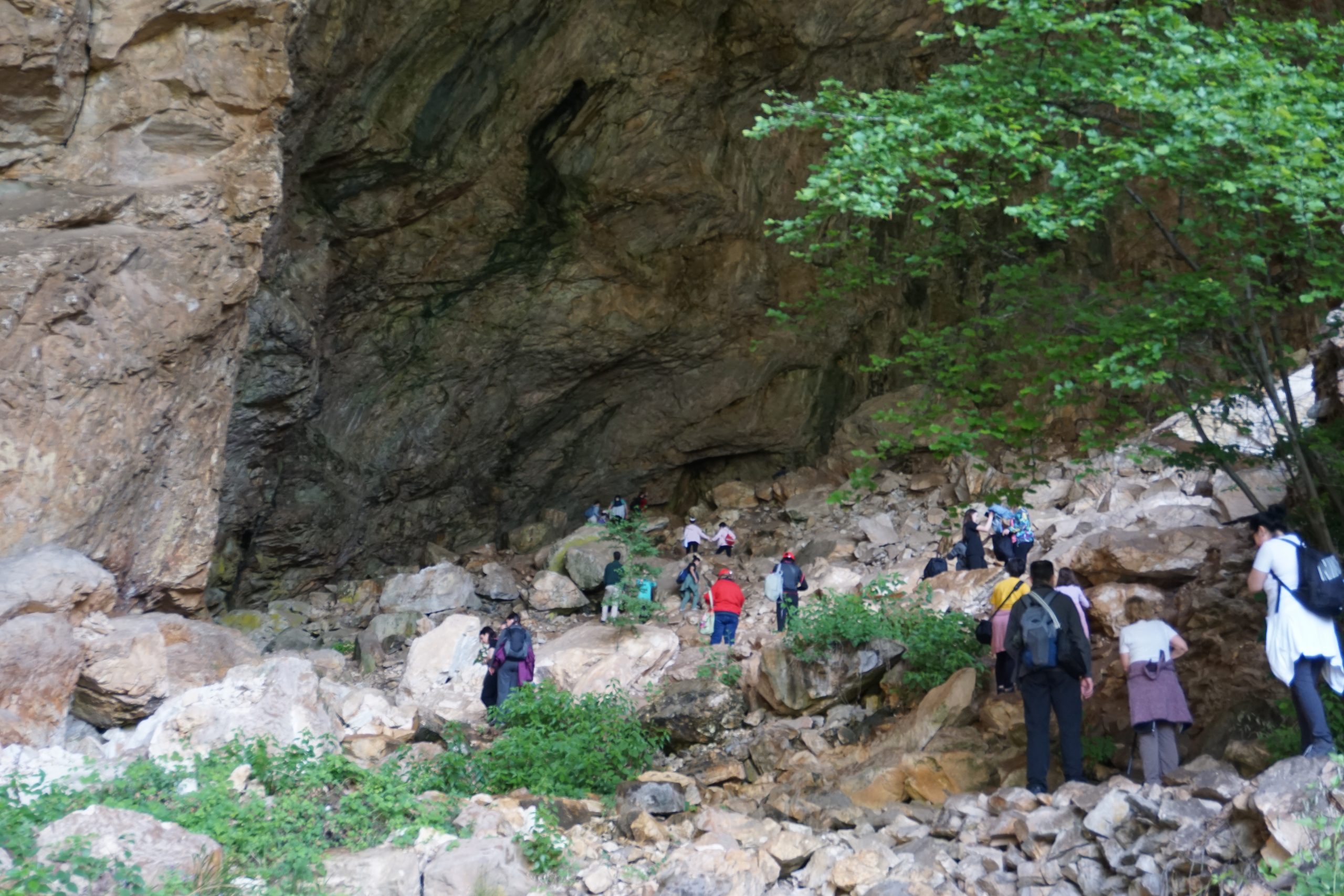
    We are infinitely grateful to Professor Biljana Gičevski, who led today’s educational visit to the Pešna Cave, organized by MES for its members. The attendees learned a lot about how the cave was formed and what the area looked like in past millennia.

    Besides scientific knowledge, Professor Gičevski also shared folk tales known about the Pešna Cave, King Marko, and his sisters. For the members of the Macedonian Ecological Society, transportation was organized by bus from Skopje. The journey lasted 3 hours, allowing participants to get acquainted and exchange experiences. The members were of various ages, from young enthusiasts to older nature lovers, which made this excursion even more diverse and rich with different perspectives. The Pešna Cave, located in the western part of Macedonia, is one of the most impressive natural beauties in the country. According to legends, this place was the hiding spot for King Marko’s gold, which only adds to its mystery and appeal.

    During the visit, participants had the opportunity to hear about the geological processes that formed the cave, as well as its rich history and myths associated with it. The Macedonian Ecological Society once again proved that it succeeds in uniting its wonderful, environmentally conscious members of various ages and educational backgrounds. These events not only educate the participants but also inspire them to respect and protect nature. Professor Gičevski, with her immense knowledge and enthusiasm, contributed to an unforgettable experience, leaving everyone with newfound knowledge and excitement for further explorations. The visit to Pešna was not only educational but also an emotional adventure.

    The beautiful nature, mysterious legends, and scientific facts created a unique experience for all participants. The Pešna Cave continues to fascinate everyone who has the chance to visit and explore it, revealing some of the secrets it holds in its depths. With activities like these, MES fosters love and respect for nature, inspiring future generations to appreciate and protect our natural and cultural heritage.

  • Celebrating the World Migratory Bird Day with birdwatching in the park

    Celebrating the World Migratory Bird Day with birdwatching in the park


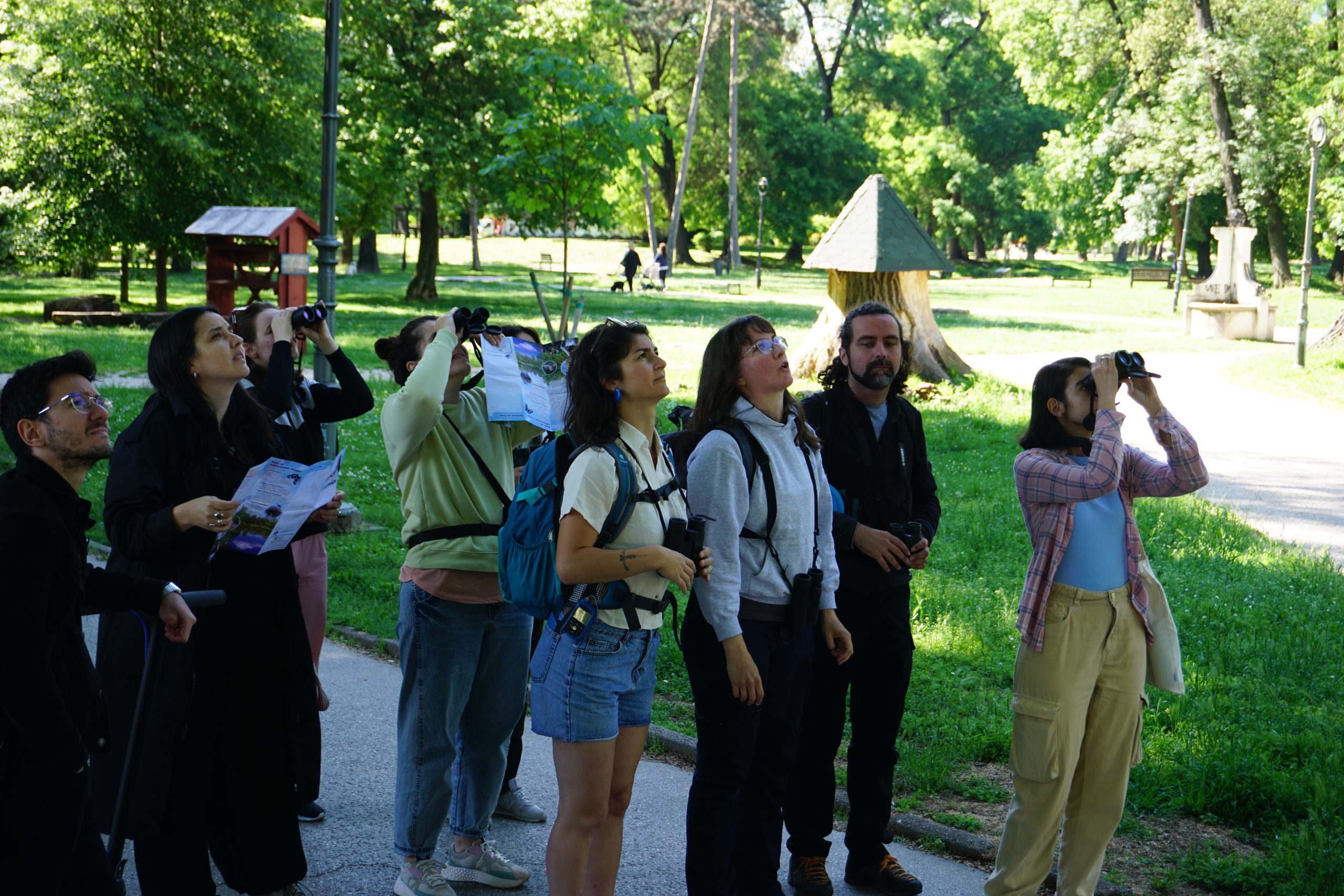
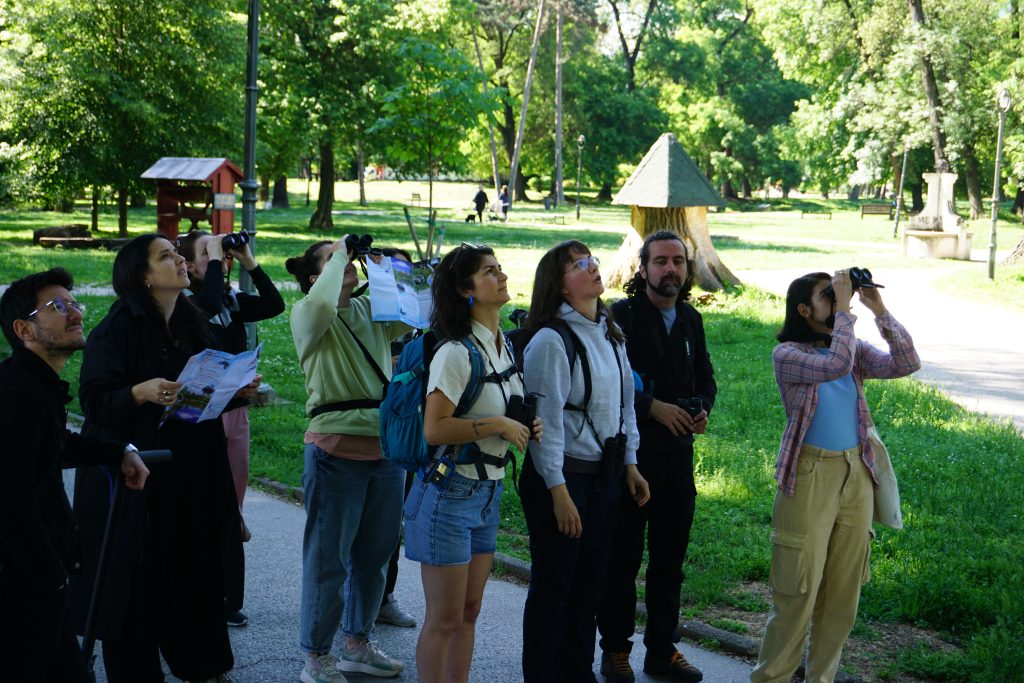
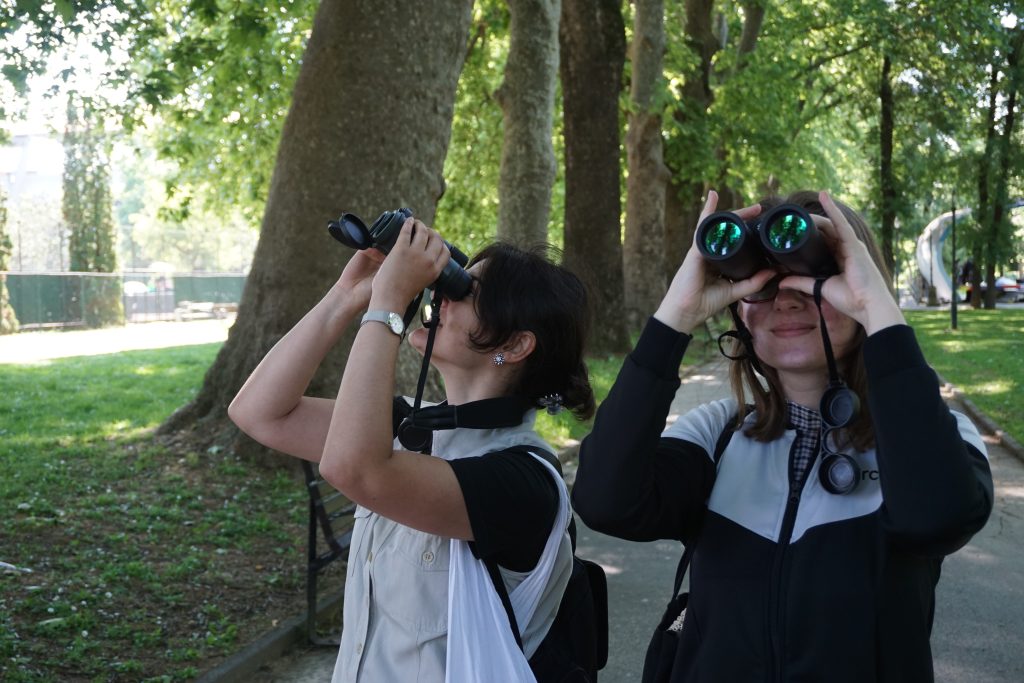
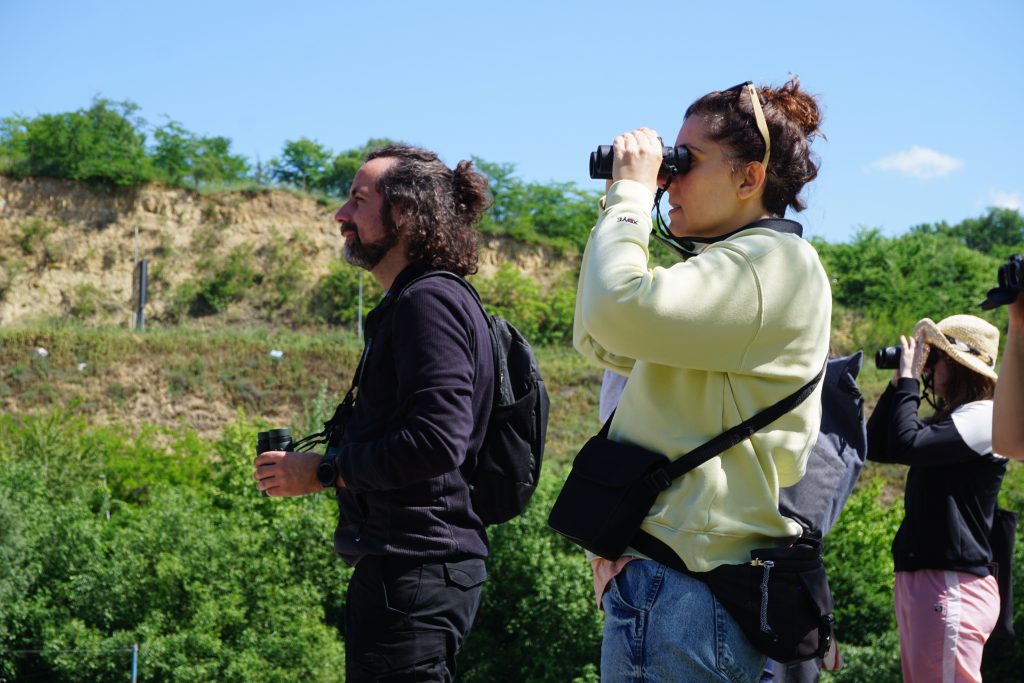
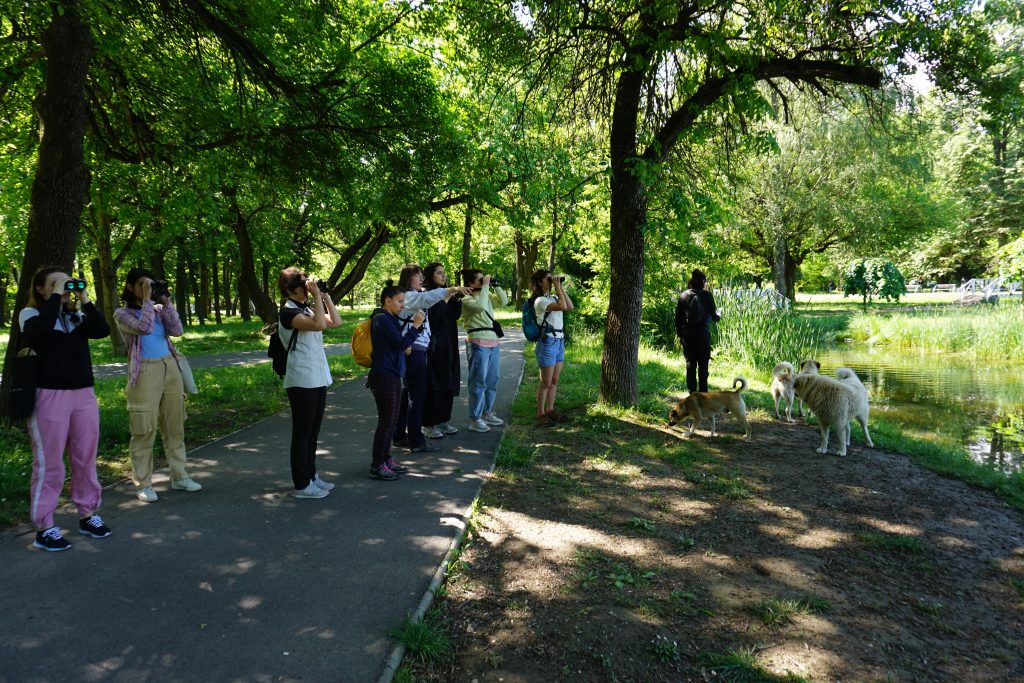
    The Macedonian Ecological Society marked World Migratory Bird Day this year with an activity for its members.

    We are delighted to have celebrated World Migratory Bird Day in such a wonderful way and to have made the day more enjoyable for our members who attended the “Birdwatching in the Park” event.

    Ornithologist Danka Uzunova once again demonstrated her excellent knowledge of birds and shared interesting facts and details about their lives, reproduction, and diet with the attendees.

    Our members who participated in “Birdwatching in the Park” for the first time had the opportunity to experience professional birdwatching. They showed great interest and potential to continue researching birds.

    We encourage them to continue observing birds and to send us their photographs.

    The next birdwatching event will be held in Ohrid before the winter waterfowl census.

  • To Kitka in memory of Ljupcho Melovski

    To Kitka in memory of Ljupcho Melovski


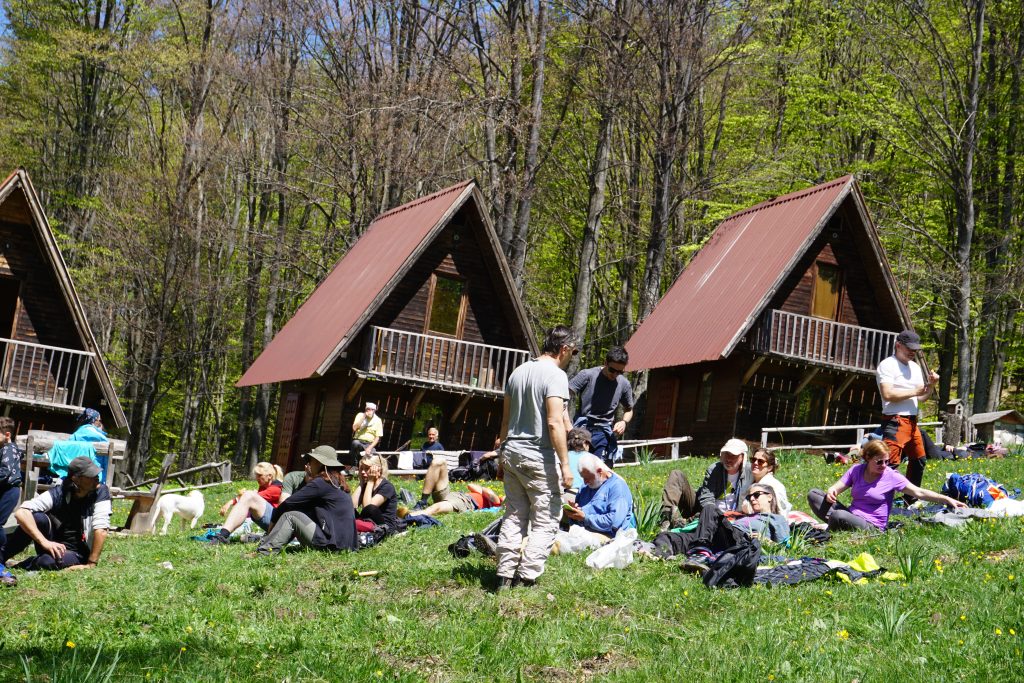
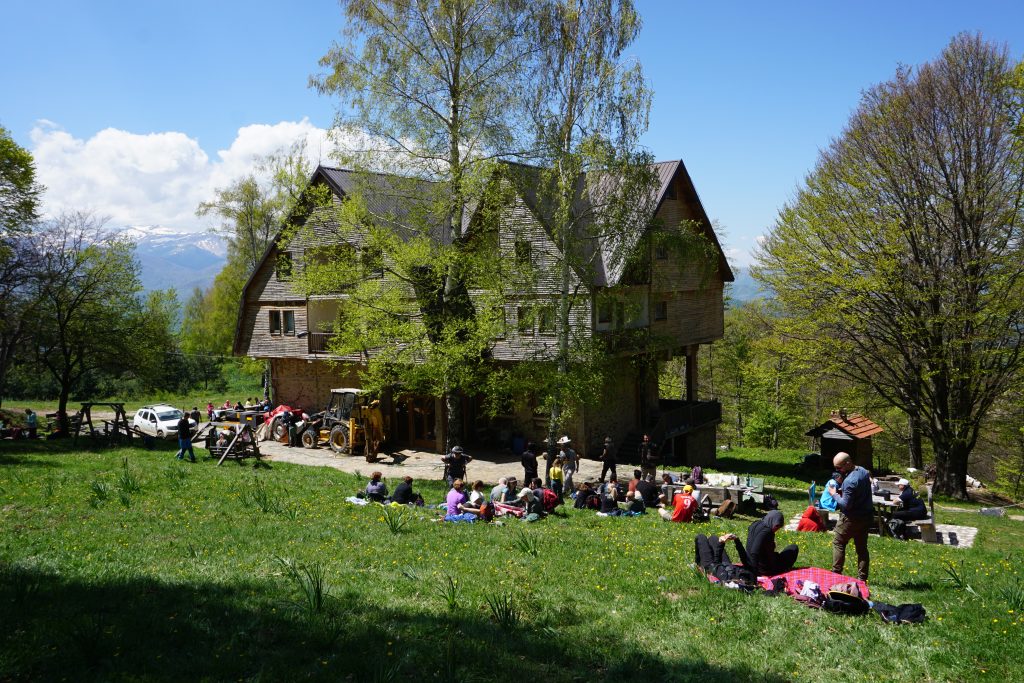
    The closest family, colleagues, friends, students, and admirers of Ljupcho Melovski, in his honor and memory, climbed Mount Kitka. The Macedonian Ecological Society, in collaboration with the Mountain Club “Ljuboten” – Tetovo, organized the memorial march in honor of Professor Melovski, who left a significant mark in the fight for the protection of nature in Macedonia. His vision was so strong that it continues to live on even after him!

    Those present reminisced about his life and work, recalling many moments they shared, his mission, and his activities in the Macedonian Ecological Society.

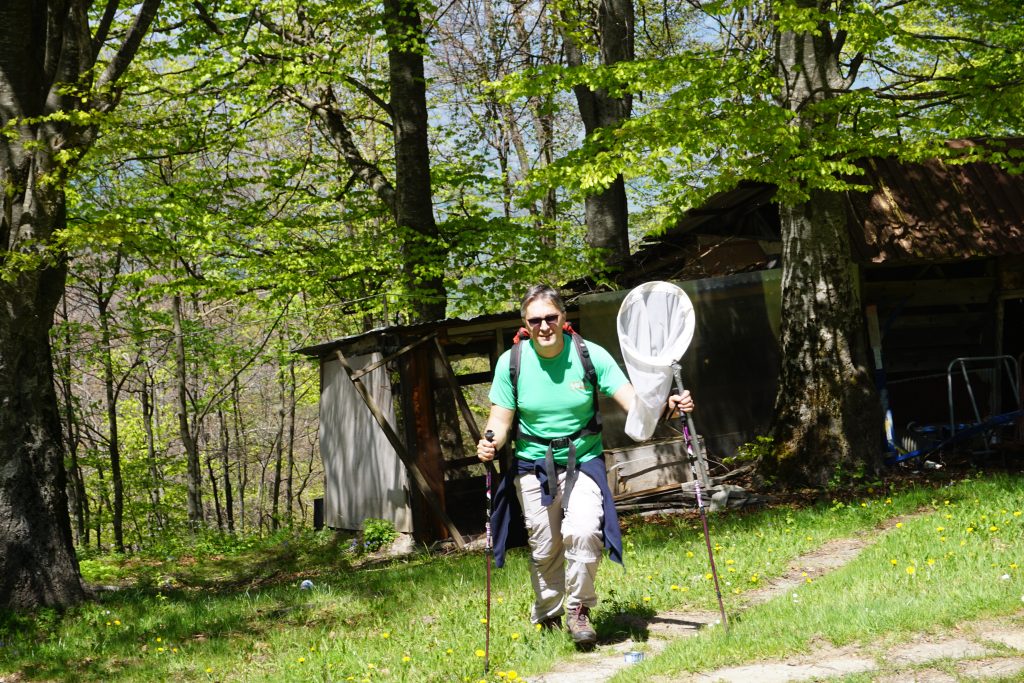
    Most of the participants climbed Kitka along mountain trails, while some arrived at the destination by off-road vehicle.

    Although Professor Melovski passed away in 2019, the memorial march as a tradition was established in 2021, as the pandemic and restrictions made it impossible in 2020.

    This year, the march took place on April 29th, marking the fourth consecutive year.

  • Small grants 2024

    Small grants 2024

    During 2024, seven research projects are expected to be implemented as part of the Support Program for Young Ecologists “Dr. Ljupcho Melovski”. Below are the brief summaries of the research projects.

    Empetrum nigrum – an unknown plant on Shar Mountain with great potential

    Coordinator: Aleks Jachovski

    In 2021, about 698 km2 of the area in Macedonia was declared a national park, following the development of a comprehensive valorization study. Empetrum (Latin: Empetrum nigrum, hereinafter EN) was found on the list of species found solely on Shar Mountain (SM). As one of the lesser-known representatives of the peaks of SM (as Empetro-Vaccinetum balcanicum Horvat 1935), it is a plant with a limited distribution area. EN is a low-growing plant with branches reaching up to 1m in length, green elliptical leaves, and black berries.

    While the properties of EN are known in medicine, folk medicine, food, and tradition in various parts of the world, there are no literature data on its significance in the territory of SM (Lorion et al., 2021).

    The aim of this project is to explore the distribution of EN, the state of the populations, the significance for the local population, and the chemical screening of some important bioactive chemical components.

    Silbioeco Biodiversity in silage – microorganisms as a potential for ecosystem protection

    Coordinator: Emira Zekiri

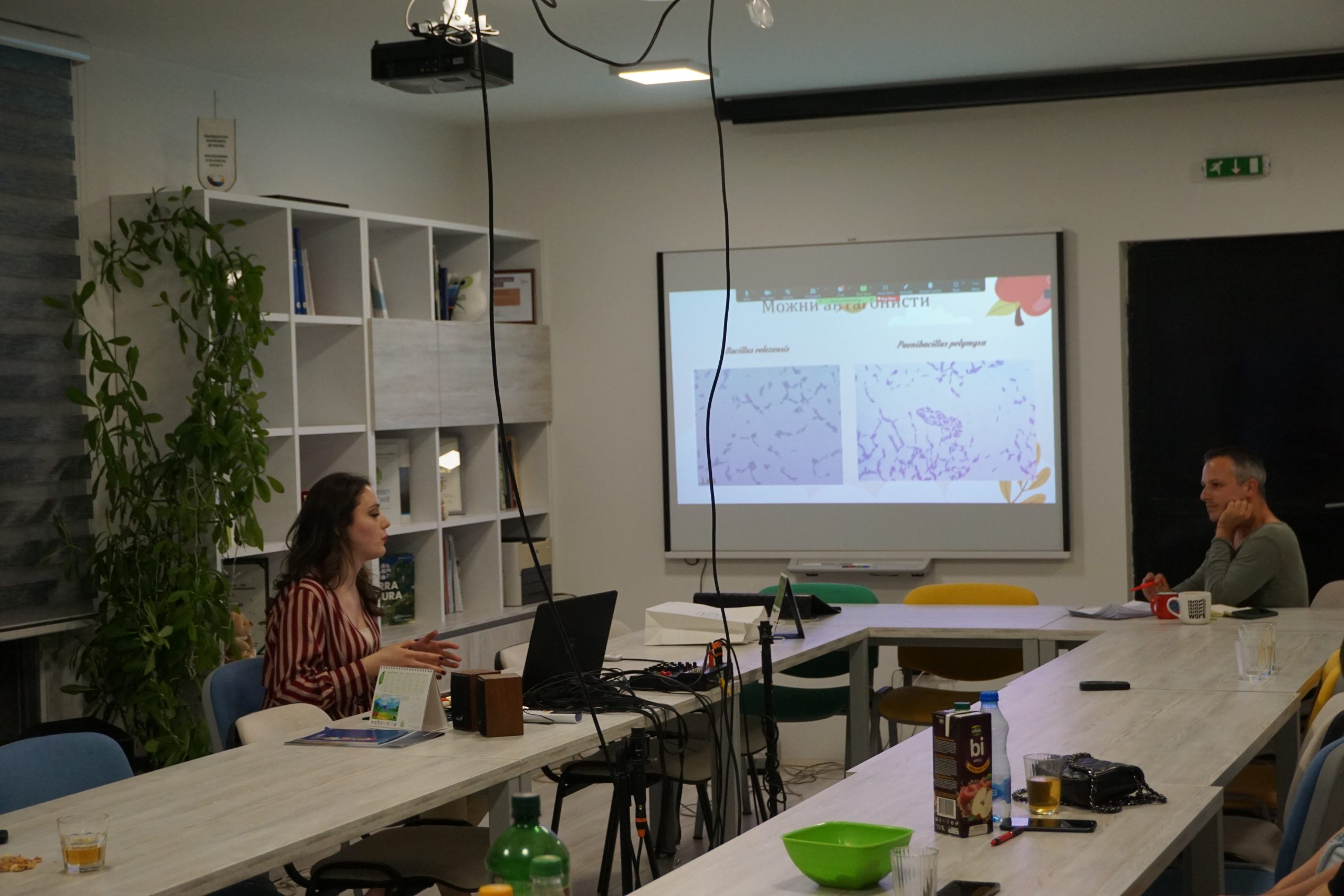
    Nature harbors many sources of microorganisms with different potentials, some of which may have antibacterial and antifungal properties. This project aims to find natural strains of microorganisms with potential as biopesticides or animal probiotics. It will thoroughly investigate and provide data on naturally occurring microorganisms with antimicrobial activity to address various types of ecological problems. It is also known that plants have specific microorganisms in their rhizosphere with which they live in symbiosis and which serve to make silage. Silage is fermented food for livestock, often made from natural ingredients such as vegetables, grains, or other plant materials. The project will isolate new microorganisms that will support the health and performance of livestock or protect plants from phytopathogens, thus affecting the vitality of ecosystems.

    Identification of possible presence of microplastics in Lake Ohrid

    Coordinator: Ivo Ilincev

    Lake Ohrid is the oldest and largest freshwater lake in Europe, housing 1200 species, more than 200 of which are endemic and relict, making it the richest lake in endemics per square meter globally. One of the main reasons for the possible loss of UNESCO protection is pollution from organic non-degradable waste, including plastic.

    Microplastic (MP) contamination in water (marine and freshwater), sediment, air, salt, and biota has become a major global threat to the environment and an economic issue. In recent years, a significant number of scientific studies have been published on the harmful effects of microplastics.

    FTIR and Raman techniques are vibrational spectroscopic methods (VSM) used to characterize various types of polymers, as well as in research on MP pollution.

    The main project goal is to determine the presence of MP in Lake Ohrid by introducing vibrational spectroscopic techniques for rapid MP screening.

    Biodiversity of Old-Growth Forests in Mavrovo National Park

    Coordinator: Kristijan Jakimovski

    The project aims to explore the species diversity of fungi in the old-growth forests within the area of Mavrovo National Park. Old-growth forests are forest communities that have not been exploited by humans, where old trees and fallen logs are preserved. Old trees provide suitable substrates and mycorrhizal partners for a large number of fungal species, with fallen logs being particularly significant, as they support various fungal species. The old-growth forests also include virgin beech forests found on Mount Korab – village of Žužnje, one of the planned sites for exploration. These forests are rare in our country and have not been sufficiently studied, with almost no data available on their mycodiversity. By researching these communities, we expect to contribute to understanding the diversity of fungi in this significant area, which is a national park. Therefore, old-growth forests represent an excellent challenge for research from a mycological perspective.

    Microcosm in Water – Defining Natural Resources in the Skopje Valley and on Shar Mountain (SHAR-SKO-ECO)

    Coordinator: Marija Karbeska

    The modern and fast-paced way of life, hyper-industrialization, water pollution, air pollution, soil pollution, and overall environmental pollution pose a threat to the extinction of native biodiversity in nature. Mountains and water sources are constantly struggling to maintain their pristine purity, threatened by human factors. There is a significant difference in biodiversity from every aspect in polluted parts of ecosystems and in completely untouched areas. The goal of the project is to compare the water quality in differently located water sources and then examine the biodiversity of microorganisms present. In order to make a comparison of naturally occurring microbiomes and to illustrate the role of human factors in water pollution in a clean mountain environment and in sources from the Skopje Valley, as well as to analyze in an accredited laboratory, educational workshops with discussions on water protection and the level of pollution will be conducted.

    YeastHarmony – Biodiversity of Wild Fruit and Grape Yeasts and Production of Unique Organic Wine

    Coordinator: Natali Angeleska

    Yeast is a part of the biomass of a large number of fruits, especially grapes. The wine-making process requires a fermentation process that occurs thanks to yeast. Wineries often use commercially available yeasts that give wine an identical taste and aroma. On the other hand, organic wine is a significant challenge and a current issue worldwide. The project’s goal is to isolate new yeasts from different types of wild and untreated fruits and grapevine plantations. The focus will be on the biodiversity of present yeasts from plants in the wild and untouched nature, and after isolation and characterization, a selection of isolates will be made. Then, wine will be made under laboratory conditions, which will be unique and organic, using organic farming to obtain organically produced grapes and naturally obtained yeast investigated in this study.

    (ECO-K2 – KEFIR CULTURES) – Analysis of Biodiversity of Different Kefir Cultures and Their Use in Ecosystems

    Coordinator: Stanimir Trpeski

    Kefir, as a forgotten source of natural microorganisms, represents an important ethnological and cultural element of our region. Assessing the biodiversity of microbial communities in kefir and defining the microbial diversity in kefir grains and kefir products is of particular importance. The project aims to conduct research on how different environmental factors affect the composition of microbial communities in kefir. Historically, fermented food has been part of every culture worldwide and is a treasure trove of natural microorganisms beneficial to humans and nature. By everyday production of homemade fermented products, the carbon footprint in nature is reduced, and organic waste can be used in making this beverage. With this research, we aim to prove the biological diversity of microorganisms responsible for kefir fermentation through their isolation and characterization. These cultures potentially can be used in bioremediation, as bio-fertilizers, or in reducing organic waste through fermentation.
  • Medium grants 2024

    Medium grants 2024

    During 2024 and 2025, five research projects are planned to be implemented as part of the Young Ecologists Support Program “Dr. Ljupcho Melovski”. Below are the brief summaries of the research projects.

    MORPHOLOGICAL AND GENOMIC DIVERSITY OF E. GLAREOSA AGG. IN MACEDONIA AND SOME REGIONS OF THE BALKAN PENINSULA

    Coordinator: Angela Ivanova

    In recent years, the species Euphorbia glareosa Pall. ex. Bieb. and related taxa have been the subject of research in Macedonia due to their polymorphism and problematic taxonomy. This species, listed in the Flora of Macedonia (Micevski (1998)), is referred to as Euphorbia nicaeensis All. var. trichocarpa Neilr. The aim of the project is to contribute to resolving the taxonomic status of the taxa from E. glareosa agg. through karyological and morphometric analyses of populations of this species in Macedonia and the region. Additionally, data on the distribution and habitat requirements of these taxa will be provided. The obtained data, besides assisting in resolving the taxonomic status of the taxa, should provide new information on the floristic diversity of Macedonia, as well as information with conservation significance for the ecological valorization of a certain area.

    MAC-ECO-PHYTO Conservation of ecosystems – the role of the national collection of phytopathogenic microorganisms: important data for conceptual ecological solutions for plant diseases

    Coordinator: Jansel Bukovets

    Phytopathogenic microorganisms are a current topic of discussion, especially in periods when organic production is increasingly encouraged and various microbiological fertilizers are being produced in large quantities instead of toxic pesticides. In our country, there are few institutions focused on this issue. Some of them are more focused on commercializing existing microbiological preparations, while only a few are engaged in the science and research of these specialized life forms. The aim of the project is the isolation, characterization, and identification of phytopathogenic bacteria and fungi attacking plants. The obtained isolates will be selected and stored in a national collection. This national collection will serve in the research of biodiversity in order to stimulate and obtain a better picture of all harmful plant diseases and their causative agents. Additionally, the national collection will provide permanent storage of cultures and availability for various tests and experiments in in vitro and in vivo conditions.

    MILK THISTLE (SILYBUM MARIANUM (L.) GAERTH) – Weed or useful medicinal plant with potential for phytoremediation of soils

    Coordinator: Jovana Gjorgievska

    Milk thistle, Silybum marianum (L.) Gaerth., Asteraceae, is a biennial nitrophilic weed plant that grows autochthonously in the Mediterranean region on degraded soils, and due to its medical significance and demand, it is cultivated. The flavanolignan complex-silymarin comprises several bioactive phytocomponents with strong hepatoprotective and antioxidative effects, mainly concentrated in the fruits.

    The need for the remediation of polluted soils through phytoremediation has become particularly significant in recent decades. The presence of metals in the soil enables plants to accumulate metal-phytoremediation, but it can also improve the production of secondary metabolites. It is known that different parts of plants collected from different geological regions possess different contents of phytocomponents (Papadimou et al., 2024).

    The research in this project aims to establish the connection between the content of bioactive flavonolignan components in fruits and herbs and the ability of this plant to absorb heavy metals from the soil, thus assessing the potential of milk thistle for phytoremediation of polluted soils.

    Study of the distribution and diversity of bioactive compounds in endemic plant species from the Prilep-Mariovo region

    Coordinator: Mr. Marinela Cvetanoska

    The territory of North Macedonia is one of the richest in Europe in terms of the diversity of endemic plant species. Many of them, although taxonomically proven, have not been sufficiently researched regarding their chemical composition and biological activity. By characterizing bioactive compounds, their belonging to a certain species can be confirmed, but also their medical significance can be emphasized.

    The main goal of this research is to analyze the chemical profile of lowland endemics, mainly located in the vicinity of Prilep and Mariovo, in order to establish a correlation between taxonomic characteristics, geographical location, nature, and content of bioactive compounds.

    The project is planned to be implemented in 5 phases, with a greater focus on the second and third phases. The results of the research will contribute to a better understanding of the application of these endemics and an assessment of the resources and economic potential of our country.

    B-Yeast – biodiversity of yeasts in different cereal species: understanding the ecology and function of yeasts in microbial ecosystems

    Coordinator: Nikola Radmanovic

    Microbial communities of the phyllosphere are rich habitats with numerous microorganisms that, through complex interactions, affect the growth and development of their plant hosts. Within these ecological communities, present members represent yeasts (Gouka et al. 2022). Their roles are diverse; however, their metabolic adaptability does not mean that these communities do not feel the destructive effects of harmful herbicides, pesticides, and insecticides (Ando et al. 2005; Giehl et al. 2023). Additionally, global trends in studying these communities are already underway, mostly with the aim of finding similar yeasts for industrial purposes. The goal of this proposal-project is to gain insight into the biodiversity of yeasts naturally inhabiting cereal crops and to show quantitative and qualitative differences between these communities. This palette of natural yeasts with diverse eco-metabolic functions can find future use as biofungicides or biopesticides or be found as an alternative to commercial industrial strains for greener and sustainable industrial and agricultural practices (Hernandez-Fernandez et al. 2021).

  • Northern Forests Initiative: Analysis of the Socio-Economic Situation in the Bukovik Region

    Northern Forests Initiative: Analysis of the Socio-Economic Situation in the Bukovik Region


    As part of the Northern Forests Initiative: “Forest Restoration in Albania and North Macedonia,” a research was conducted on the socio-economic situation in the Bukovik region.

    E.C.O, with the support of local experts from the Faculty of Forest Sciences, is conducting a ROAM assessment for the Bukovikj Mountain based on desk analysis and field data collection to identify suitable FLR options and priority sites for FLR restoration. The assessment is conducted in collaboration with national and local stakeholders. Our role is also to support FLR implementation work and capacity building activities in the restoration area.

    The Bukovik region comprises 19 villages, with a total population of 2,556 residents. The total area amounts to 14,504 hectares, with 776 hectares designated for afforestation. These lands are owned by the state and managed by the Public Enterprise National Forests – Gostivar and Kicevo.

    Interviews were conducted in 12 out of the 19 villages, using a proximity method to the afforestation area. These include Sretkovo, Padalishte, Papradishte, Berikovo, Jagol, Bukojchani, Midinci, Kolari, Tajmishte, Gorna Gjonovica, Dolna Gjonovica, and Srbinovo.

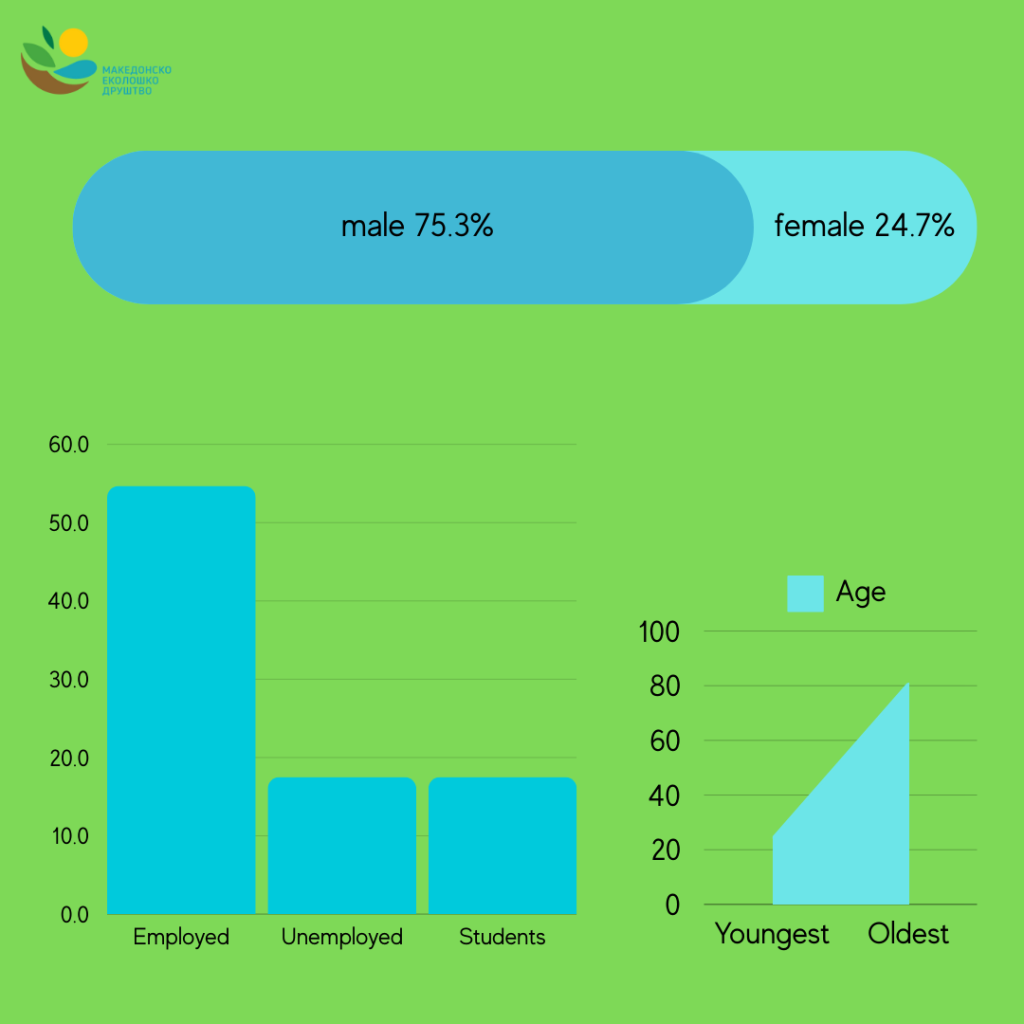
    The population in this region is predominantly male, with 75.3% being males and 24.7% females. The youngest resident is 24 years old, while the oldest is 81 years old, with an average age of 51.5 years.

    There are no students, 54.7% are employed, 17.5% are unemployed, and 17.5% are retirees.

    Regarding the education of the population, 11.7% have elementary education or less, 49.4% have secondary education, 2.4% have some education between secondary and higher education, 30.6% have higher education, while 5.8% have post-graduate education.

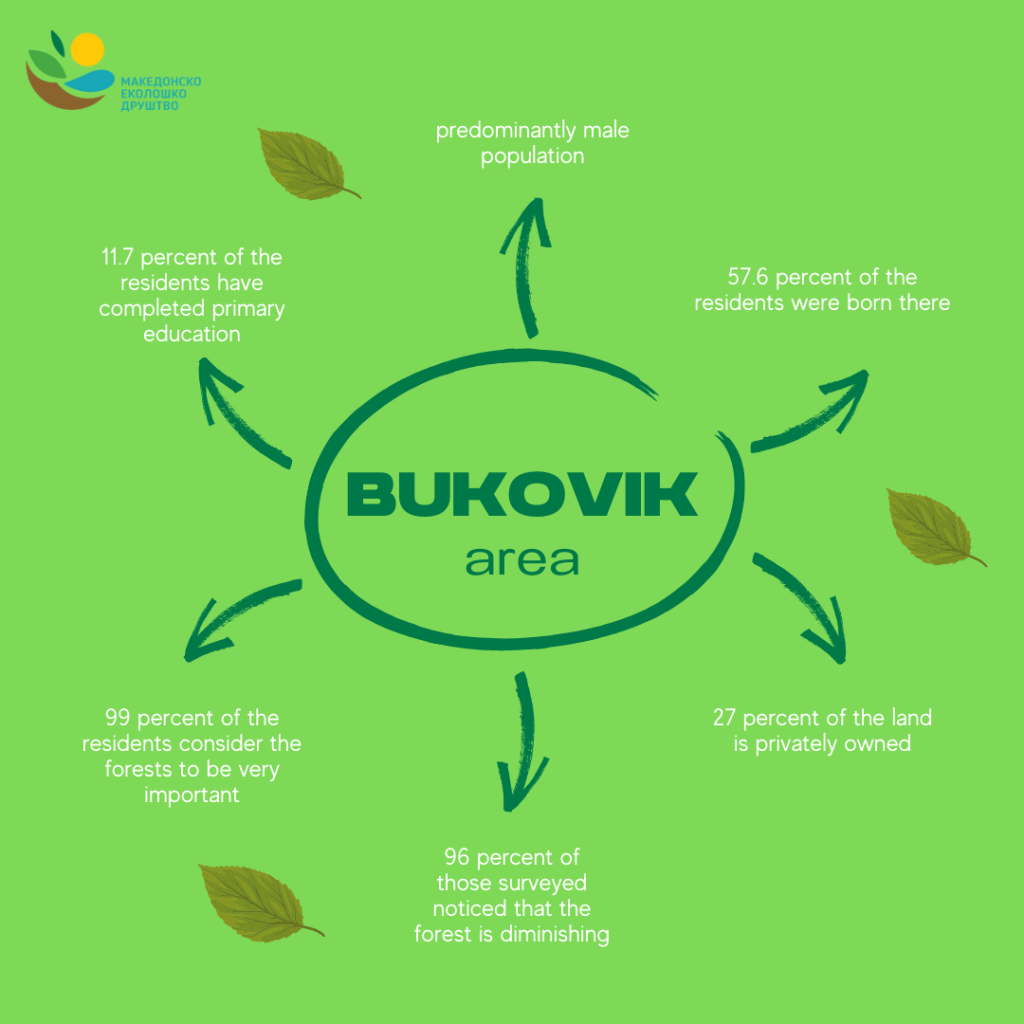
    57.6% of the people living there were born there, 14.1% have lived there for more than 30 years, 5.8% have lived there between 16 and 30 years, 3.5% have lived there between 6 and 15 years, and 18.8% of the residents have lived in the area for less than 5 years.

    The smallest household has only one resident, the largest has 13 residents, and the average household has five members.

    68.2% of the land in the Bukovik region is agricultural, 22.4% of the land is under concession, and 16.5% of the land is used for agricultural activities. 19% reported problems with land inaccessibility.

    In the region, there are 497 cows, 3,432 sheep, and no goats. There are 82 apiaries, with only 16 in Kolari.

    27% of the land is privately owned, with only 12 owners possessing 52% of the forests.


    None of the surveyed residents reported earning from logging and selling wood or other forest products.

    Among the identified problems for land accessibility, residents cite terrain overgrowth, unresolved property rights on parcels, cadastral issues, and infrastructure barriers.

    Of those surveyed, 95% reported being aware of the benefits of the forest. They use the forest for several purposes, including hiking, short nature walks for clean air, collecting other forest products such as mushrooms, chestnuts, herbs, raspberries, blackberries, rosehips, walnuts, firewood, and other forms of recreation.
    Forests are considered highly important by 99% of the surveyed residents of Bukovik. However, 96% perceive that the forest territory is decreasing.

    Macedonka Stojanovska proposes addressing land ownership issues by increasing awareness of land tenure rights through targeted awareness campaigns and capacity building initiatives.

    Encouraging sustainable forest management practices among private forest owners through training, technical support, and financial incentives.

    Supporting alternative livelihood options such as beekeeping and the collection of non-timber forest products to diversify income sources and reduce dependence on forest resources.

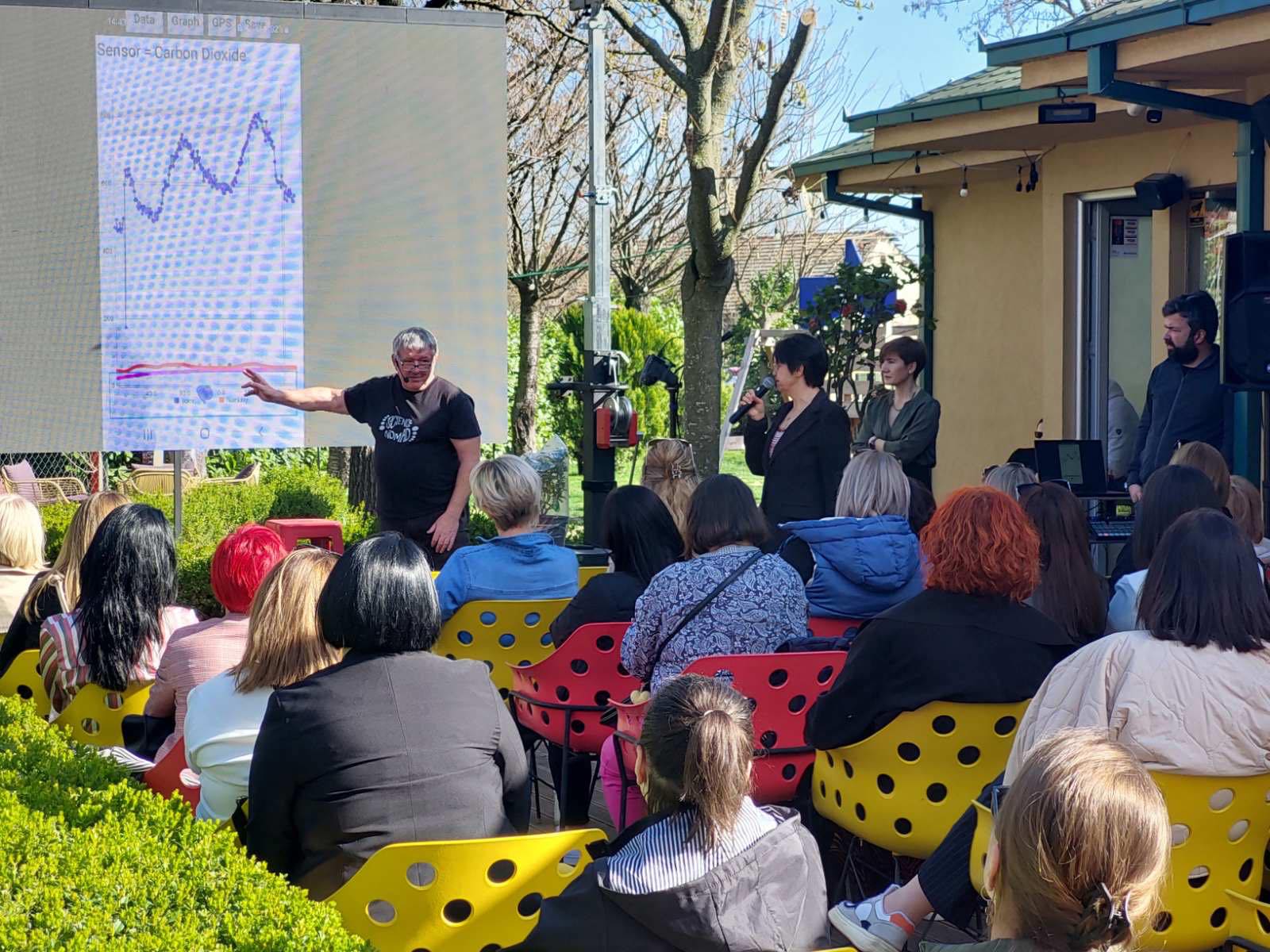
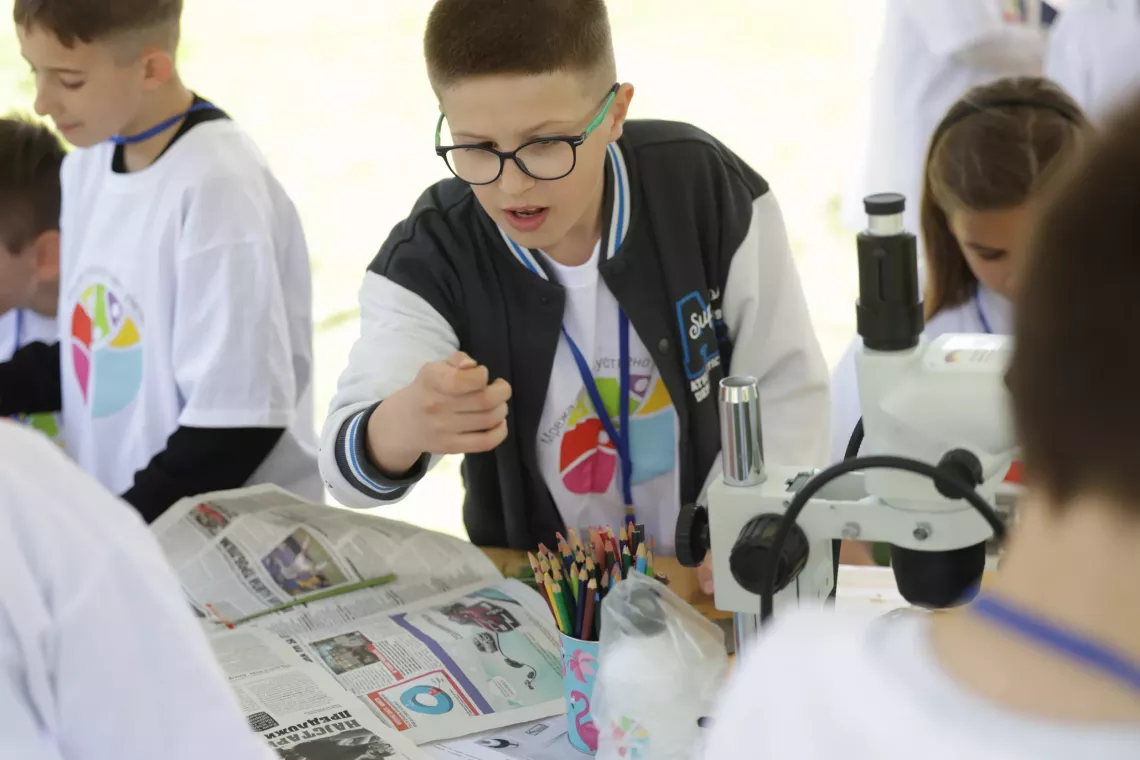
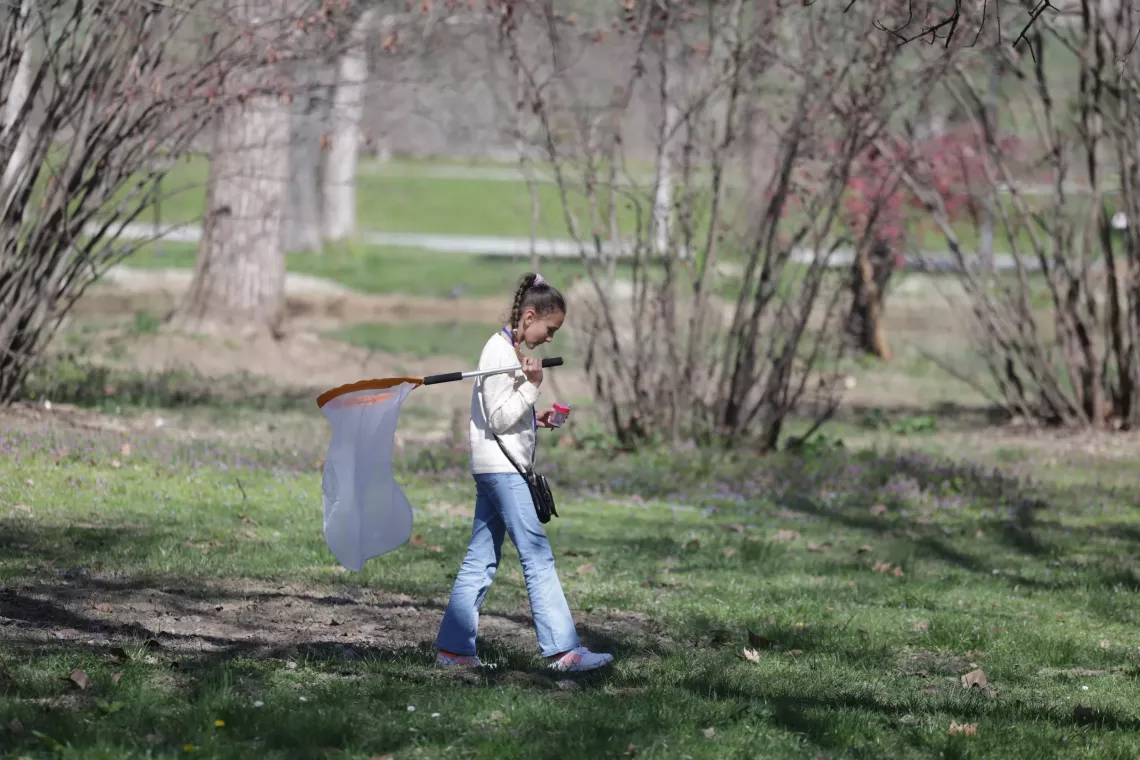
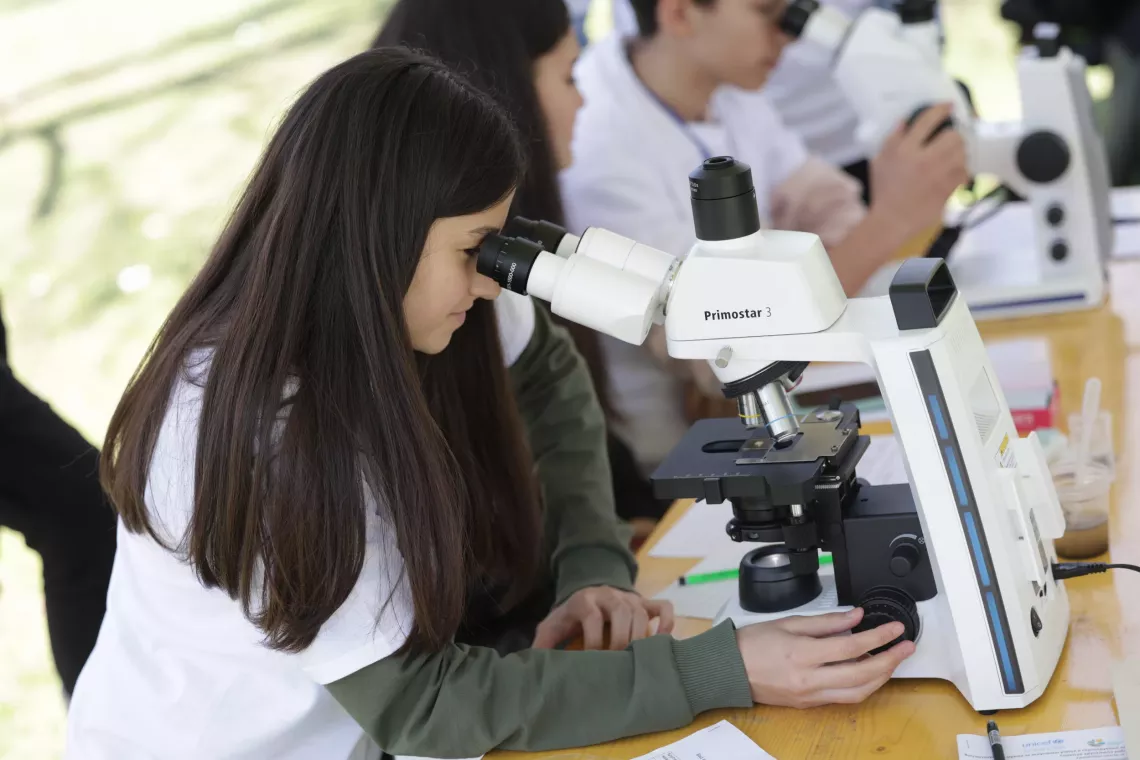
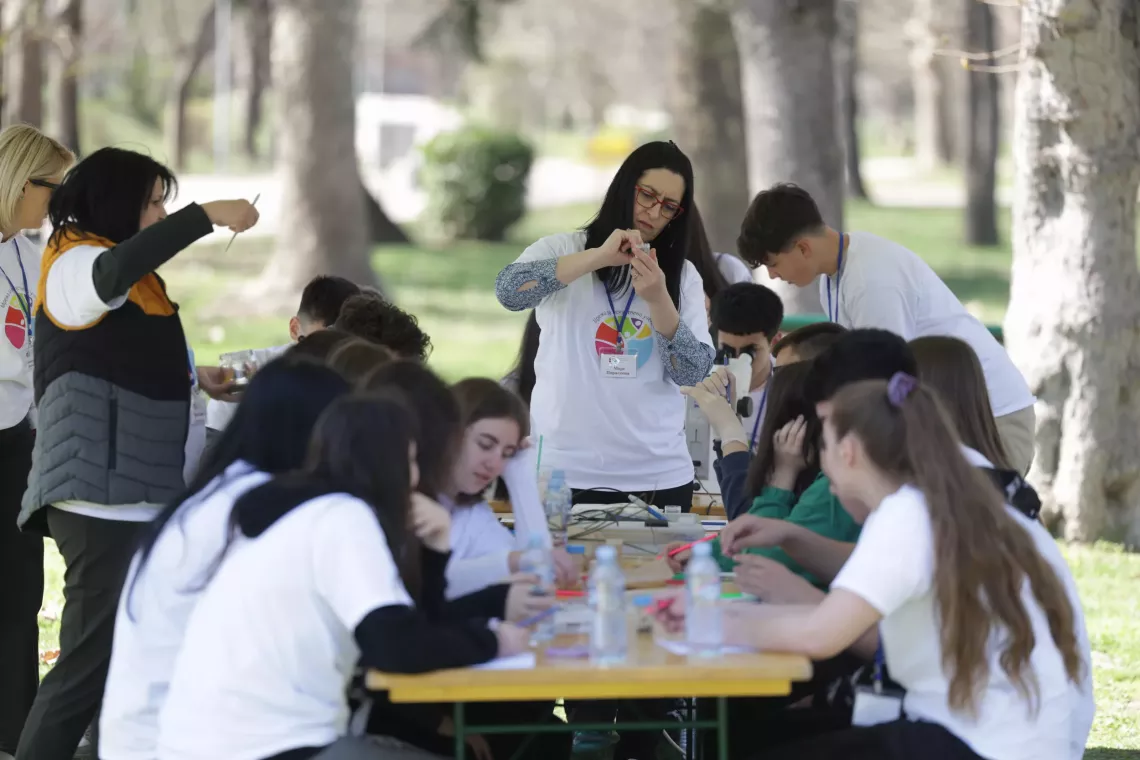
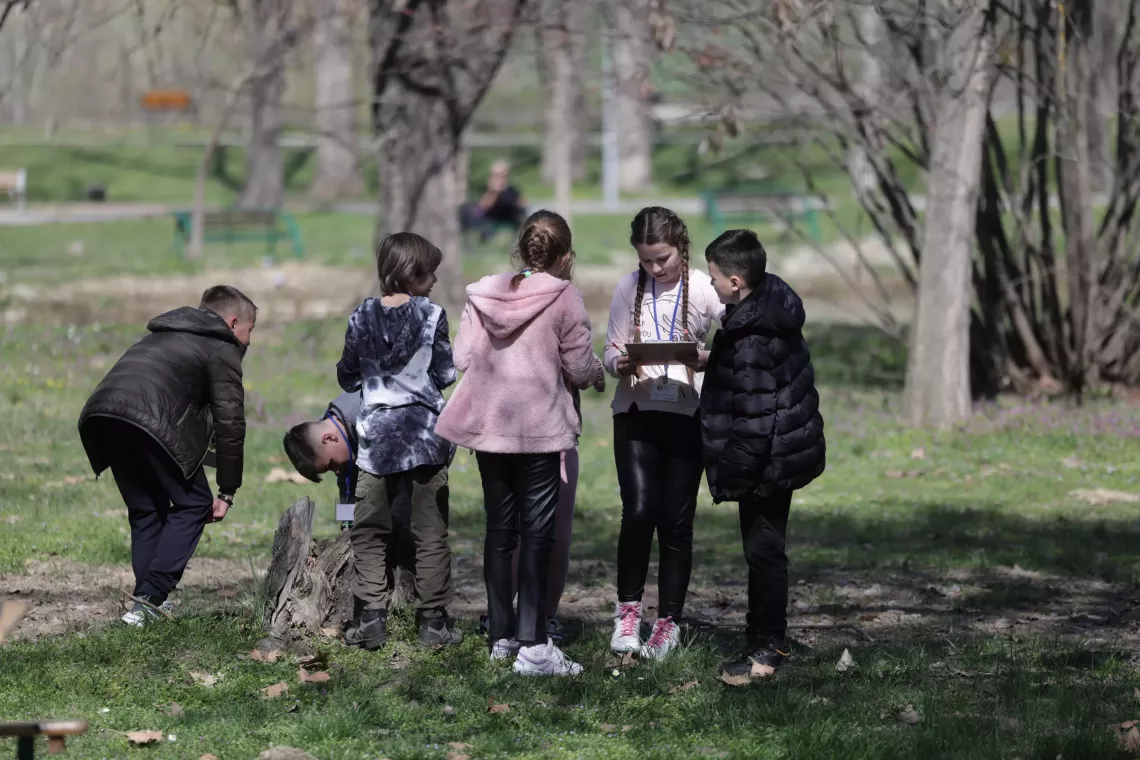
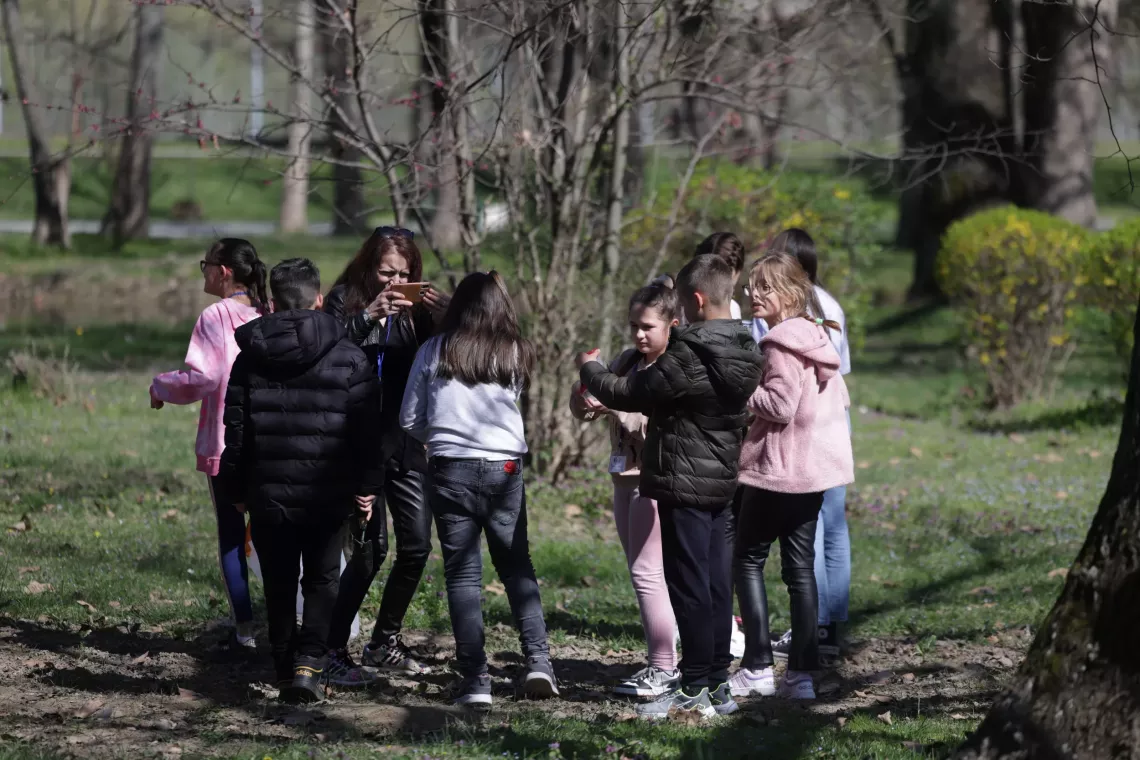
  • Experiential Learning Network brings science and hands-on learning activities closer to students and teachers

    Experiential Learning Network brings science and hands-on learning activities closer to students and teachers