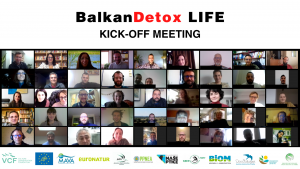
Even though partners and stakeholders could not meet in person for the BalkanDetox LIFE Kick-off Meeting due to the COVID-19 restrictions, we are glad to report that the meeting was a success nonetheless, and received a lot of interest and engagement by multiple relevant stakeholders!
Overview of Kick-off Meeting
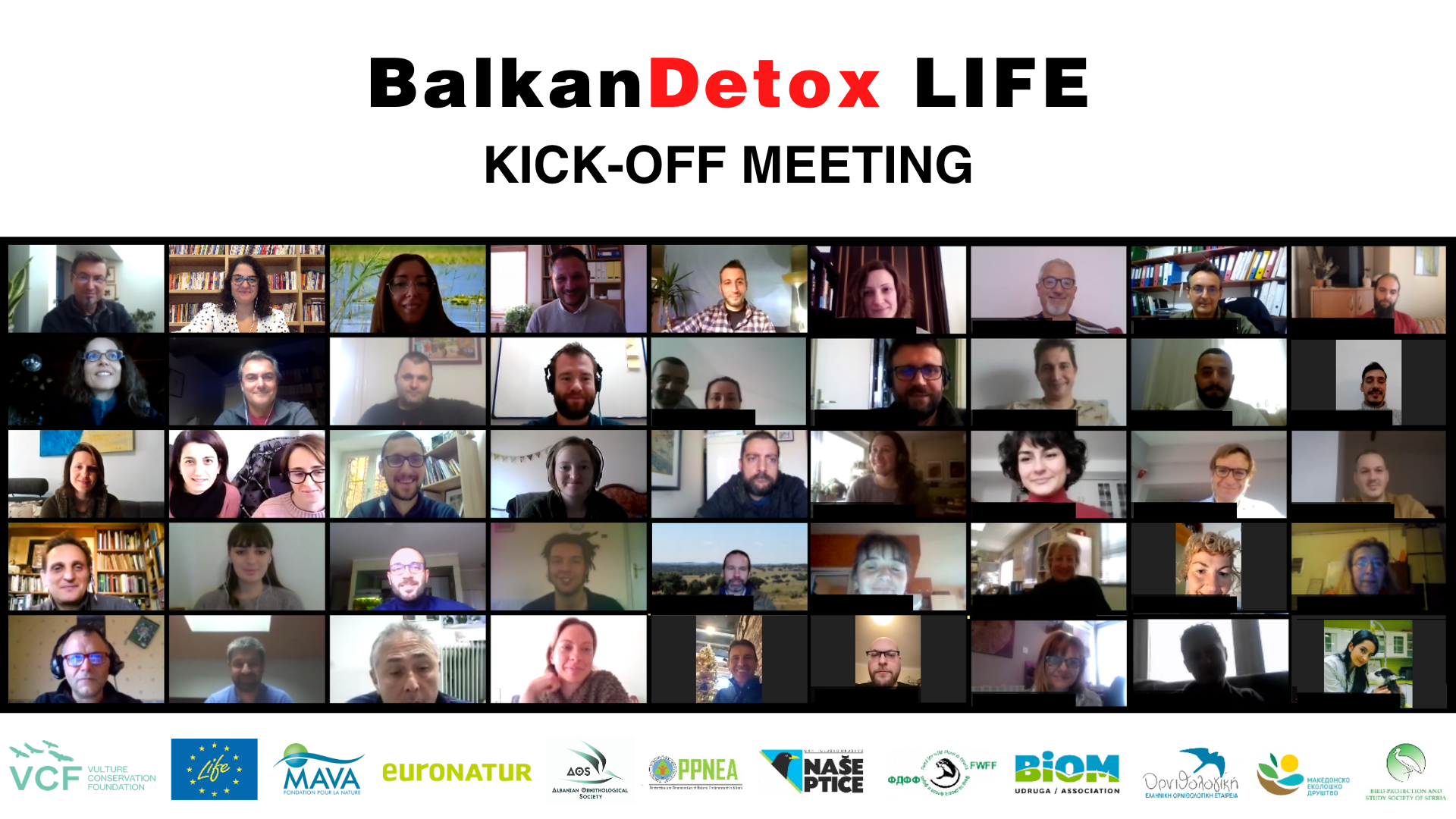
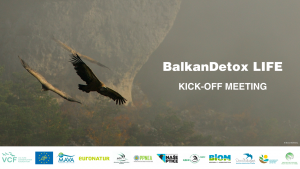
On Monday, 30 November 2020, the BalkanDetox LIFE Kick-off Meeting brought together the nine project partners with many important stakeholders spread across the Balkans and other corners of the world to discuss the project scope, objectives, timeline, and everything in between. During the meeting, we started the initial discussions towards the establishment of the official working groups in each of the relevant Balkan countries, which is crucial to secure institutional cooperation and support for combating this illegal practice, as NGOs cannot fight this problem alone.
The meeting had over 110 registrations and the highest number of participants present at a time was 80, although people joined and left depending on the sessions. Overall, the meeting was a success, making new connections, exchanging expertise and experiences, and reinforcing collaboration among key stakeholders to combat the most severe threat to vultures in the region — illegal wildlife poisoning!
Project actions planned for 2021
The Kick-off Meeting laid the foundations for a successful project — now what’s next for BalkanDetox LIFE? The project team has many ambitious plans for 2021, but these are continually adjusted and modified due to the ongoing pandemic.
One of the most significant actions for next year are the meetings with relevant institutions in Albania, Bosnia and Herzegovina, Croatia, Greece, Republic of North Macedonia and Serbia to start the development of national standard operational protocols in the investigation of poisoning incidents.
Furthermore, other meetings will be held relating to the development and adoption of National Anti-Poisoning Road Maps and the investigation of the scope of misuse and origin of legal and illegal toxic substances used for wildlife poisoning. Partners will host tailored educational workshops in local communities, where wildlife poisoning remains a prominent issue, to address the drivers behind poison use in each project country and also promote the use of preventive measures that are safe for animals and the environment.
Last but not least, the first Wildlife Crime Academy training in Spain with staff from NGOs and governmental authorities from the Balkans is foreseen to take place next spring. The training aims to reinforce institutional capacities and prosecution efficacy towards better management of poisoning incidents through the adoption of Spanish best practice experience.
The European Bird Census Council (EBCC)1) publishes the second European Breeding Bird Atlas EBBA22), a milestone for biodiversity knowledge in Europe
A tremendous collaborative effort by the EBCC and its partner organisations made it possible to collect bird data from across 11 million km2 in a systematic and standardised manner.
With around 120,000 volunteer fieldworkers from all countries in Europe, EBBA2 is one of the biggest citizen science projects on biodiversity ever.
The book will be launched on 3 December 2020 via live streaming at https://youtu.be/lme2TBqoIEw.
Selected results
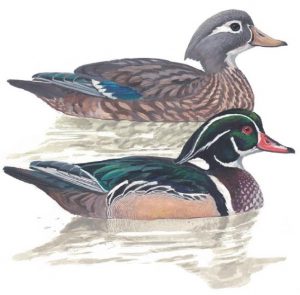
Wood duck, an introduced species
Almost 600 bird species currently breed in Europe; 539 are native species and 57 non-native (introduced from elsewhere in the world). Most of these species are not widespread but restricted to small areas of Europe.
35% of all native species have increased the area where they breed over the last 30 years, 25% have contracted their breeding range and the rest did not show a change or the trend is unknown.
‘Winners’, with increased ranges, include many species of forests and those protected by international legislation. ‘Losers’, with decreased ranges, include many species of farmland.
Land use change and climate change appear to be the main causes of changes in distribution.
The need for up-to-date information on the distribution and abundance of birds in Europe was evident a decade ago when the EBCC decided to start the project of the second European breeding bird atlas (EBBA2). EBBA2 builds on its predecessor, the ‘EBCC atlas of European breeding birds’, published in 1997 based on data from the 1980s. EBBA2 has combined high scientific standards with a citizen science approach to collect data on distribution and abundance of all bird species in Europe as well as to document changes since the first atlas.
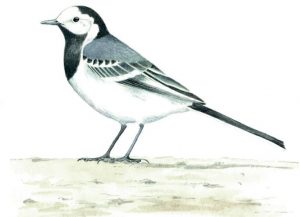
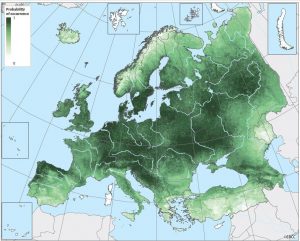
White WagtailDistribution of White Wagtail
During the fieldwork period 2013–2017 EBBA2 recorded 539 native bird species breeding in Europe, 59 of which are mainly concentrated in Europe (near-endemics) and 40 are species that can be found only in Europe (endemic). There are few species as widespread as White Wagtail Motacilla alba or Common Cuckoo Cuculus canorus, which were recorded in over 85% of all 50-km squares surveyed in EBBA2. More than 50% of the species occurred in less than 10% of all surveyed squares, so that all countries and regions have their own specific responsibility towards this common wealth.
EBBA2 data show that 57 non-native species breed in Europe, i.e. one in ten of European breeding bird species has been introduced from elsewhere; 39 of these species were documented for the first time in the last three decades.
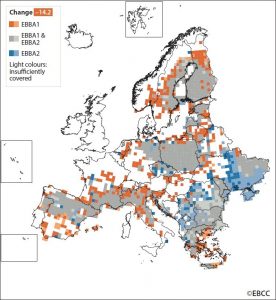
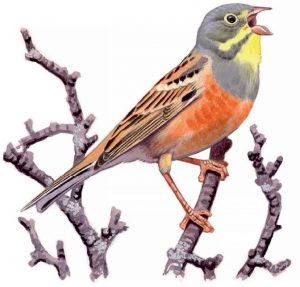
But despite pronounced changes in European landscapes and climate, very few native species disappeared completely, e.g. the Common Buttonquail Turnix sylvaticus, and the same applies to species naturally colonising the European continent, like the Little Swift Apus affinis. However, we observed marked changes in the European avifauna in the last 30 years. According to EBBA2 analyses, 35% of all native species increased the area where they breed, among them Cattle Egret Bubulcus ibis, Citrine Wagtail Motacilla citreola or Mediterranean Gull Larus melanocephalus. On the other hand, 25% of species have shown a decrease in area, e.g. Ruff Calidris pugnax, Great Bustard Otis tarda, European Roller Coracias garrulus or Ortolan Bunting Emberiza hortulana, the species shown on the book cover. Furthermore, the breeding ranges of European birds have shifted northwards by an average of 28 km (ca 1 km per year).
Distribution of Ortolan BuntingOrtolan Bunting
Sergi Herrando, from the EBBA2 coordination team at the Catalan Ornithological Institute says: “Regions in the north of the continent have gained species while the areas in the south have experienced losses. Losses have often been found in bird species characteristic for agricultural land and grassland, particularly in the Mediterranean region as well as in western and central Europe. Land use and climate change appear to be the main drivers of these changes and will have to be investigated further.”
This is in line with existing information about the decline of many farmland bird populations due to intensive agricultural practices. As many species shift their ranges northwards, species richness of forest birds is increasing, probably also as a result of land abandonment resulting in forest regrowth. Many other aspects are treated in the book. For instance, specialists of montane grasslands and tundra, mires and moorland are losing ground in substantial parts of their ranges.
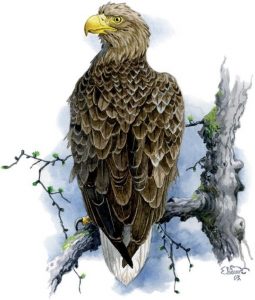
White-tailed Sea-eagle
Petr Voříšek, from the EBBA2 coordination team at the Czech Society for Ornithology explains that environmental policy may actually work: “Many species of European conservation concern suffered losses in distribution but there are also positive stories indicating that nature conservation works. Many species protected by international legislation such as the White-tailed Sea-eagle, Haliaeetus albicilla, have increased their distribution in Europe, visible also for instance in the increase in the breeding distribution of a number of species of inland wetlands that benefited from better protection of the species and their habitats (for instance Eurasian Bittern, Botaurus stellaris, or Pied Avocet, Recurvirostra avocetta).”
EBBA2 presents a new baseline on the European avifauna, with an unprecedented geographical coverage from the Azores to the Ural Mountains. EBBA2 is also one of the biggest-ever citizen science projects focusing on mapping biodiversity. In total, around 120,000 fieldworkers contributed data to the atlas, the great majority of them on a voluntary basis. Verena Keller from the Swiss Ornithological Institute, EBCC board member, EBBA2 project manager and the lead author of the book comments: “EBBA2 was only possible thanks to the EBCC network of organisations and individuals from all corners in Europe, all dedicated to a common goal, cooperating across all borders and barriers.”
The results of EBBA2 are published in a comprehensive book in partnership with Lynx Edicions. An on-line interactive version of the atlas maps is planned to be published at a later stage. Mark Eaton, EBCC chair, looks into the future: “This incredible new book, and the database that underpins it, will serve to enable further research and support conservation of birds and other biodiversity across Europe for decades to come.”
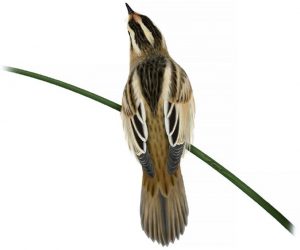
Аquatic WarblerDistribution of Aquatic Warbler
Iván Ramirez, Senior Head of Conservation at BirdLife Europe and Central Asia, comments: “This Atlas is a keystone publication that should guide future conservation work in our region. It helps practitioners to understand the changes of distribution of all species over the years and so it clearly highlights where species conservation and habitat restoration activities should happen in our region.”
The project would not have been possible without dedicated fieldworkers, national coordinators, experts contributing to analyses and presentation of the data, donors and other supporters.
EBBA2 in a nutshell
596 breeding bird species
10 years of work
120,000 fieldworkers
48 national partners
5 years of fieldwork
5,110 50-km squares with information on breeding birds
11,075,000 km2 covered
The book
556 full species accounts
69 species treated in the appendix
689 50-km maps showing abundance or breeding evidence
222 10-km modelled maps
446 maps showing change in distribution since the last atlas
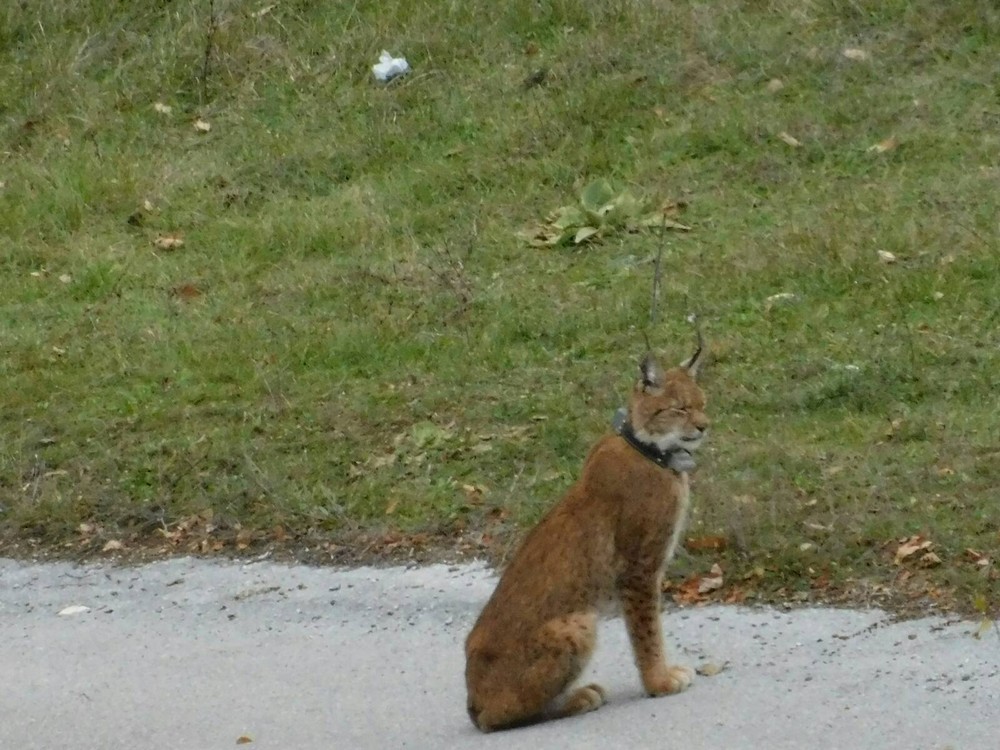
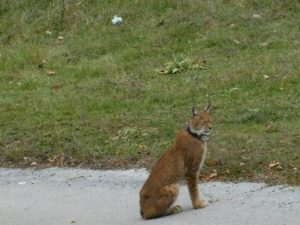
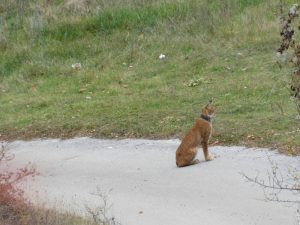
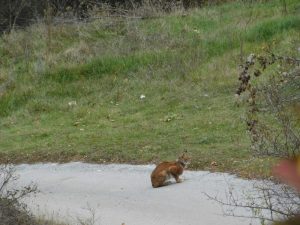
It is always thrilling to receive a call from Mavrovo’s inhabitants about lynx sighting, and even more so when they send pictures of a radio-collared individual.
“These days we received wonderful pictures from Lisa, the female lynx, the ninth individual captured within the research activities of the Balkan Lynx Recovery Programme that the Macedonian Ecological Society conducts ever since 2010. The lynx is a healthy individual, around 7 years of age,” states Dime Melovski from the Macedonian Ecological Society (MES).
The pictures of this beauty were taken by a local from the porch of his house in a Mavrovo village.
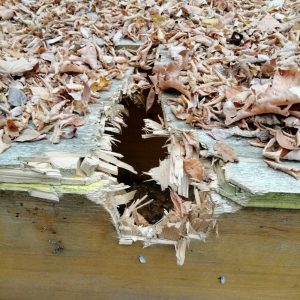
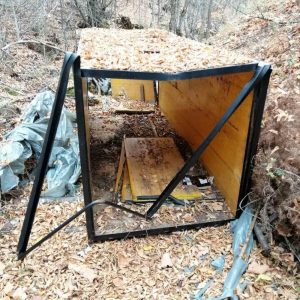
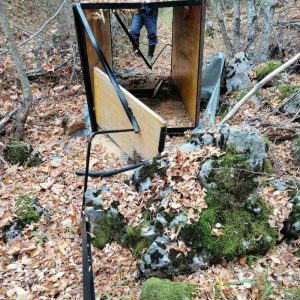
Besides the pleasant news, we also have some unpleasant news to share. In the Suvi Dol area, Kichevo, a box-trap was demolished beyond repair by unknown persons. Now the box-trap cannot be used for the upcoming lynx monitoring session. It was deployed to conduct scientific and research work.
“Nothing similar has ever happened to us. To all citizens hiking in the mountains, we would like to underline that such traps are used solely for scientific and research work and to conduct monitoring of population trends in the critically endangered Balkan lynx. The incident will be reported to the police hoping that perpetrators will be found,” adds Melovski.
Similar box-traps were set up on various locations within and beyond Mavrovo National Park and they are essential to obtaining novel findings about this rare animal, which MES studies and protects since 2006.
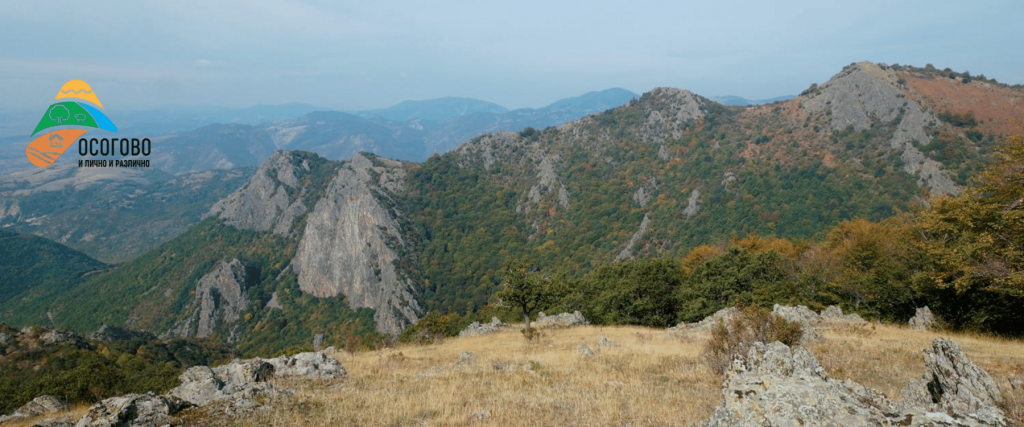
Part of Osogovo Mountain is proclaimed for protected area (category V protected area) with the decision by the Government of the Republic of North Macedonia from 17.11.2020. Osogovo Mountain as very first Protected Landscape (category V protected area) presents a crown jewel in MES’s 14-year work, owing to the support of many partners and donors, domestic and foreign experts, and the cooperation with the Nature Conservatopn Programme in North Macedonia and the Ministry of Environment and Physical Planning (MoEPP).
„Osogovo’s values have finally been recognised and become our national treasure. This is only an initial step towards the area’s actual protection. We would like to congratulate to the future managing entity, National Forests Public Enterprise, hoping that it will work hard to maintain and conserve the natural values of Osogovo Mountains. We believe that the local population will have something to take pride in and pass on to the future generations,“ states Despina Kitanova from MES, who has been involved in the process for Osogovo’s protection ever since 2006.
Namely, MES commenced the initiative to study Osogovo Mountains and place them on the map of protected areas in 2006, with the support of the Frankfurt Zoological Society from Germany. There followed projects supported by ProNatura (Switzerland), EuroNatur and the German Federal Environmental Foundation (DBU) (Germany), and implemented through transboundary cooperation with the Bulgarian Biodiversity Foundation (BBF). Osogovo’s unique landscapes were assessed by Professor Ljupcho Melovski, Ph.D., long-term President of MES, who defined the ‘protected landscape’ category of protection.
We are hopeful that this Government decision will spur the proclamation of other protected areas in the country waiting protection in the law and on the ground, while their values are under various pressure.
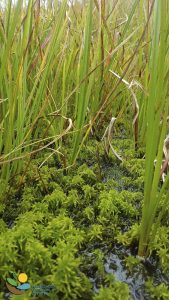
What kind of plant species live in high mountain mires? How do they breathe or feed when in wetlands there is a lot of water and very few oxygen? Are some plant species alive thanks to the specific soil characteristics in these habitats? Maybe answers are hidden where you cannot see – microorganisms? The basis of the answers for all of above questions and more, are the interactions in one ecosystem. Moreover, exactly interactions are in the center of ecosystem research, and of course, our attention!
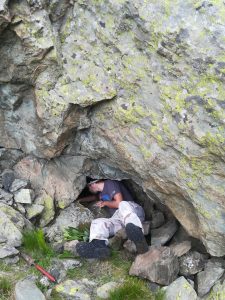
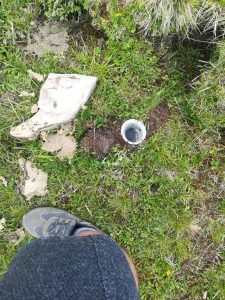
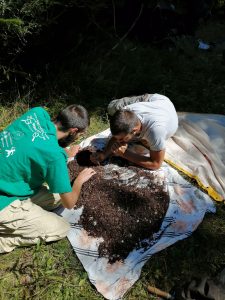
Collection of material during the field trips on the Babasanica locality
In order to understand ecosystem functionality, we have selected three different components in our wetlands on Shar Mt.
producers (the plants)
abiotic component (soil)
decomposers (microorganisms)
We have collected material from all of them by conducting field activities in order to proceed with analyses in laboratory. Ahead of us, there is a lot of time and effort that we will invest to do these analyses. As a result, we will get a sea of values and numbers. These are all symptoms that a patient tells their doctor. A good diagnostician should think logically, imagine all the processes and functions, be open to discussion of interesting hypotheses, but also try to find answers. Same as an ecologist for their ecosystems.
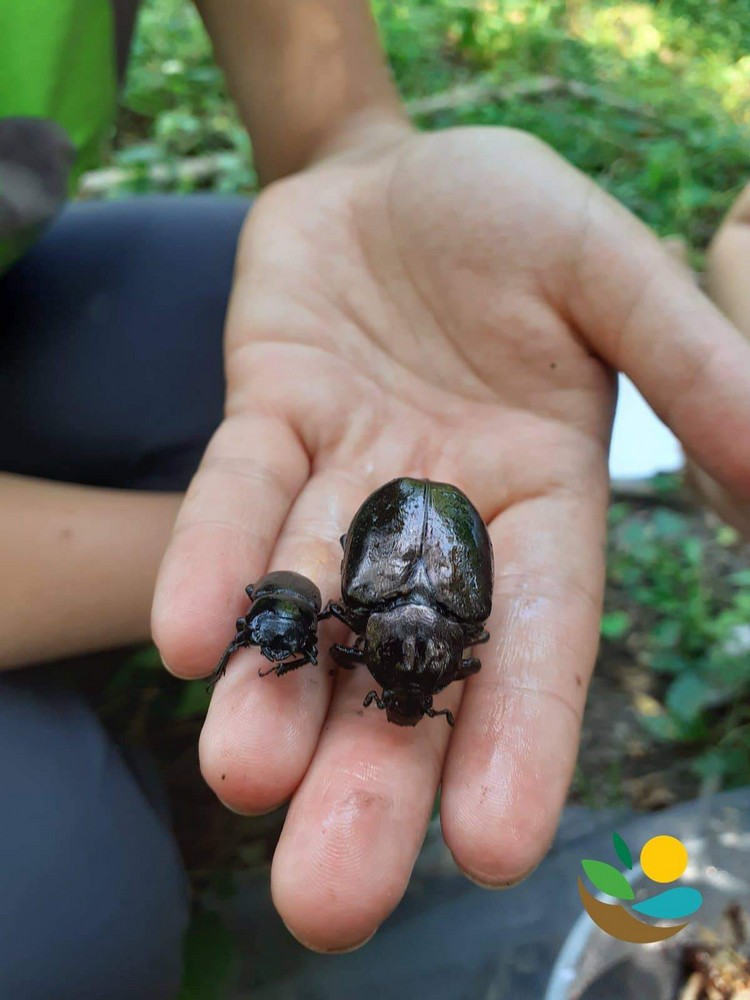
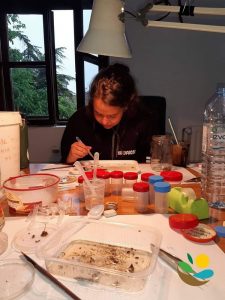
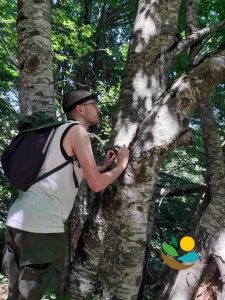
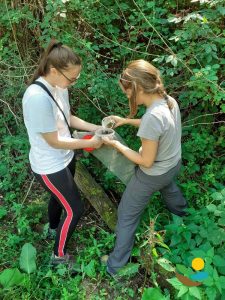
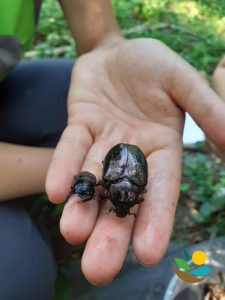
Every single one of our fieldwork activities is awaited with great eagerness to go out in the field in search of our favorite insects. The saproxylic beetles were rather active this time around, filling our entomological traps. With great pleasure and joy we share our success in finding the rare and elusive Osmoderma eremita, a European endemite with a priority conservation status. Other joyful finds included Herophila tristis, Dorcus parallelipipedus, Morimus asper, Cerambyx cerdo, Aegosoma cf. scabricorne, Rutpela maculata, and Hylotrupes bajulus, which sparked our enthusiastic spirit to identify their species. The end of our final fieldwork activities is nearing, and the cold rainy winter days will be filled with plenty of lab work as well as further knowledge building regarding this diverse group of beetles.
Cleaning samples from field workExamining beech trunks by handOrganizing the collected materialDorcus and Osmoderma species
From the beginning of May, the realization of the project “Determination of habitats according to the directive of habitats in the MN” Markovi Kuli “and assessment of the conservation status” started. Within the framework of this project, until the end of July, the entire territory of the Natural Monument “Markovi Kuli” was covered with field research. During these researches, vegetation releves were made, during which a complete floristic listing was made and plant material was collected.
The material is technically processed and prepared for the next phase – determination to the level of species or, if possible, a lower taxonomic category. After the determination, the list of species will be entered in the vegetation base TurboVeg and then with additional analysis with the program package JUICE, in the next phase of the project we will determine the syntax of the researched plant communities.
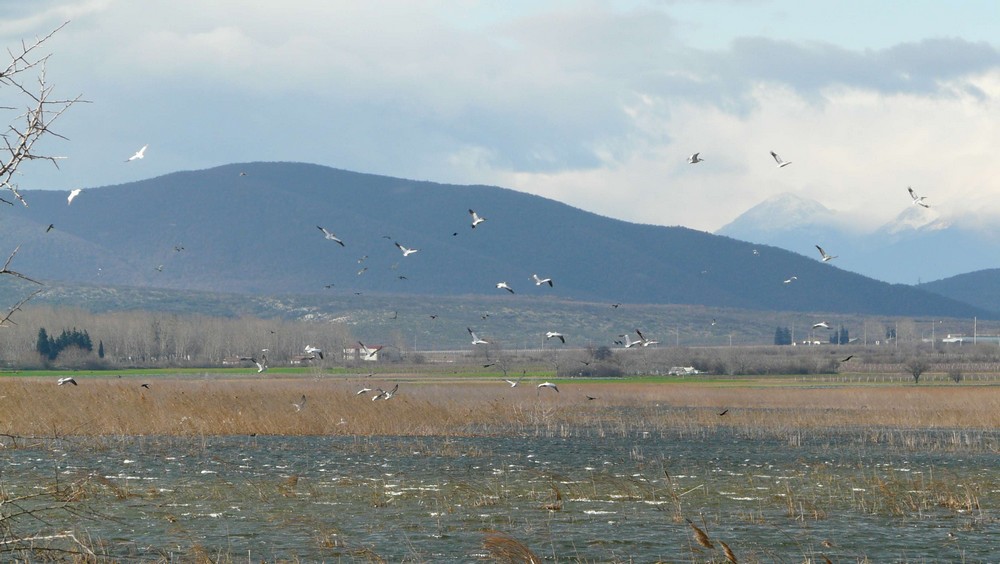
Climate change push species distribution areas towards north, but the spread of ranges is not self-evident, because of anthropogenic pressures such as habitat degradation and over-exploitation. New research investigated the role of protected areas for range shifts of wintering waterbirds in Europe and North Africa. Species communities were noted to be faster inside protected areas compared to outside areas.
Range shifts of waterbirds have been over 40% faster inside protected areas compared to outside areas. On average species communities have shifted in protected areas c. 90 kilometres in 25 years, says post-doc researcher Elie Gaget from University of Turku.
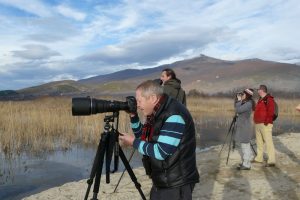
Waterbird census in DojranWaterbird census in Prespa
Protected areas not only aid the colonisation in the northern areas but also prevent local extinctions on the southern range of species compared to non-protected areas. Protected areas can thus expand the overall range of species. In addition to single protected areas, the protected network as a whole influenced the spread of waterbird species. Shifts in species communities were faster in areas which had dense protected area network compared to areas where the network was sparse.
Our findings highlight that protected areas networks, historically established to fight against habitat degradation and over-exploitation, are now also important to mitigate the negative effects of climate warming on biodiversity”, says professor Jon Brommer from University of Turku, who directed the study.
The research was based in international collaboration and it utilised tens of thousands of waterbird surveys covering 97 species from 39 countries during 25 years. We have contributed with data for over 10 years and continue to do so. The international coordination of surveys has been conducted by Wetlands International and the research was published in scientific journal of Conservation Biology.
Link to the publication: https://conbio.onlinelibrary.wiley.com/doi/abs/10.1111/cobi.13648
More information
Post-doctoral researcher Elie Gaget, Department of Biology, University of Turku, elie.gaget@gmail.com
Professor Jon Brommer, Department of Biology, University of Turku, jon.brommer@utu.fi
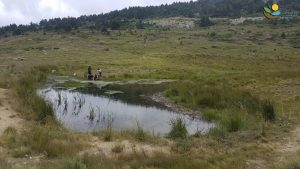
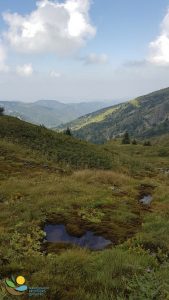
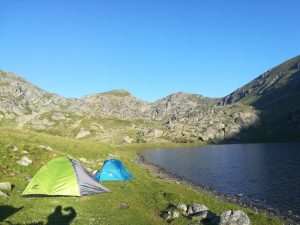
With the field work coming to a timely end, we become more infatuated with the beauties Mount Kozuf has to offer. Holding great еnthusiasm and ambition towards scientific exploration, we decided to delve into the well hidden water bodies of the mountainous region. A large number of microscopic slides were prepared for laboratory analyses which are due for microscopic identification. According to prior results from research at these locations, we expect this analysis to find new and/or rare species of diatoms for Macedonia. Undoubtedly, Mount Kozuf holds a high capacity of diversity and distribution of diatom flora which we had the unique opportunity to know, unravel and discover.
Alpine lakeHigh mountain peat bog
“When one tugs at a single thing in nature, he finds it attached to the rest of the world.” ― John Muir
During July, August and September our team had more than 15 field activities. It was especially important that we managed to visit Crno Ezero and Rudoka. We collected new materials on the species Lathrobium sp. (at Rudoka) and that will probably be a new species for science. We also collected materials at Leshnica twice because there are indication that our team may have discovered two new species for science (Pygoxyon sp. and Dicentrius sp.)
Crzo EzeroCrno Ezero – Rudoka
Our biggest challenge was the intensive field work at Leshnica, Karanikola, Sakaklica and Crno Ezero. In just 5 days we passed 70km and researched 5 different habitats (limestone, riparian rocks, silica rocks, beech forests and spruce forests). We regularly monitored the composition (through sifting the forest undergrowth), the dynamic and the structure of the beetles. We expect exciting results from the field research as well as the laboratory work. It is very likely that Shara is the home to a lot more endemic species of beetles and our work has already proven that.
 On Monday, 30 November 2020, the BalkanDetox LIFE Kick-off Meeting brought together the nine project partners with many important stakeholders spread across the Balkans and other corners of the world to discuss the project scope, objectives, timeline, and everything in between. During the meeting, we started the initial discussions towards the establishment of the official working groups in each of the relevant Balkan countries, which is crucial to secure institutional cooperation and support for combating this illegal practice, as NGOs cannot fight this problem alone.
 One of the most significant actions for next year are the meetings with relevant institutions in Albania, Bosnia and Herzegovina, Croatia, Greece, Republic of North Macedonia and Serbia to start the development of national standard operational protocols in the investigation of poisoning incidents.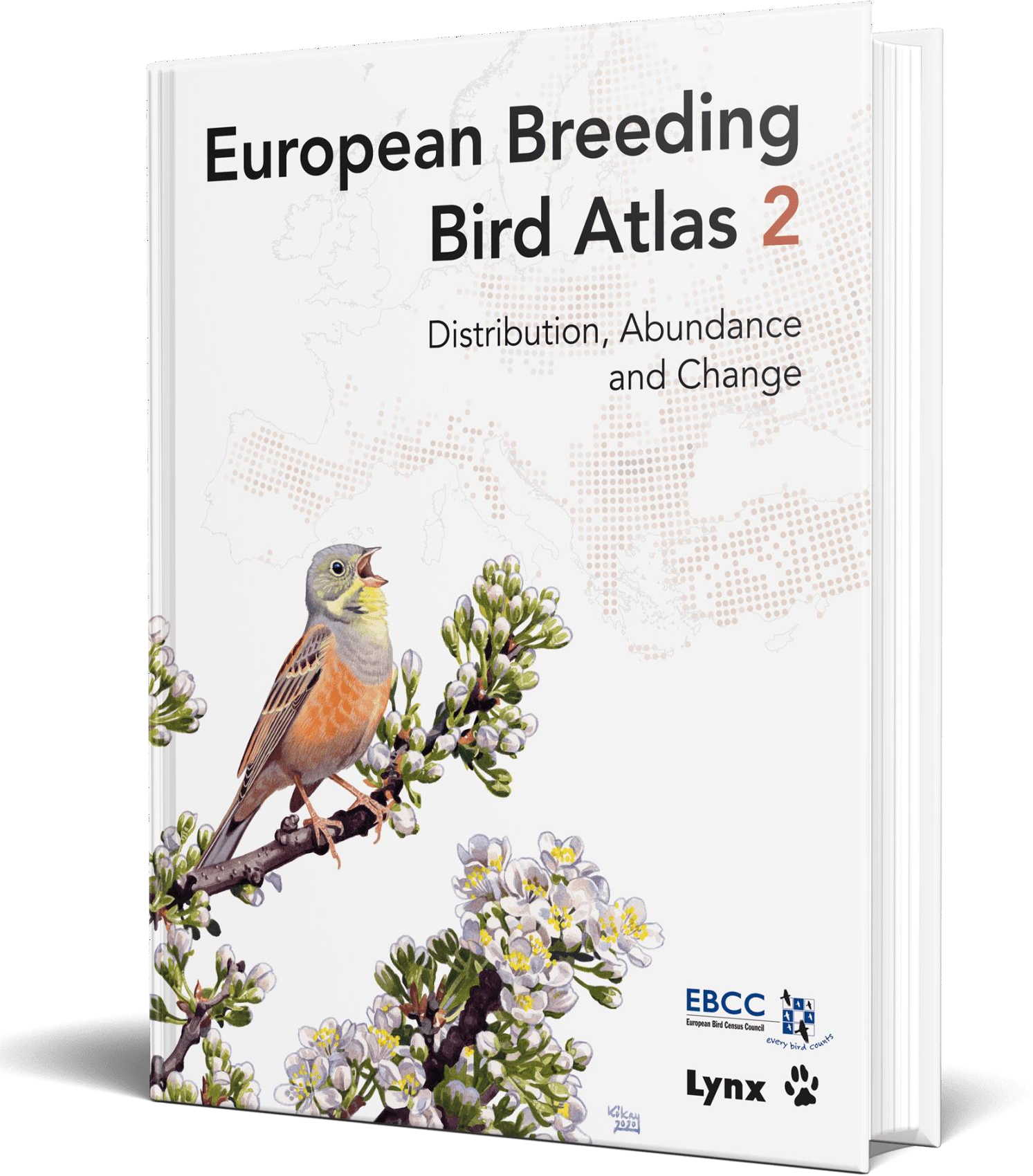
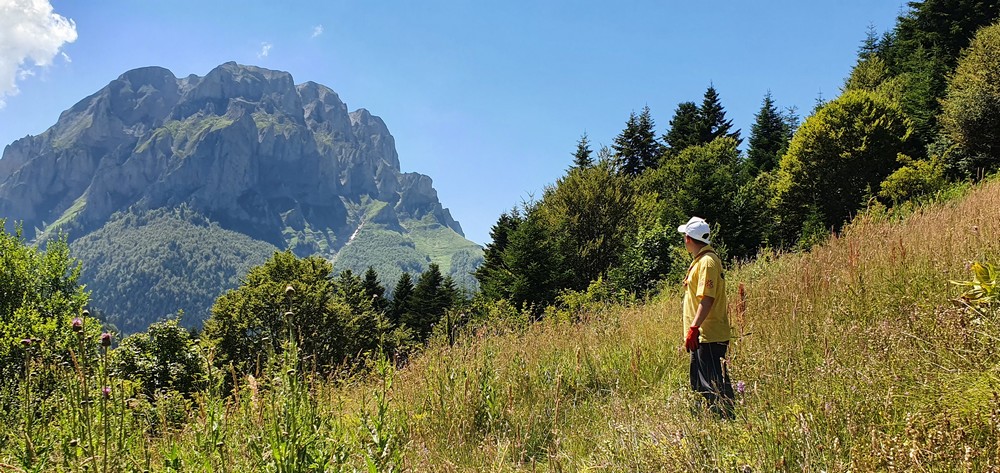
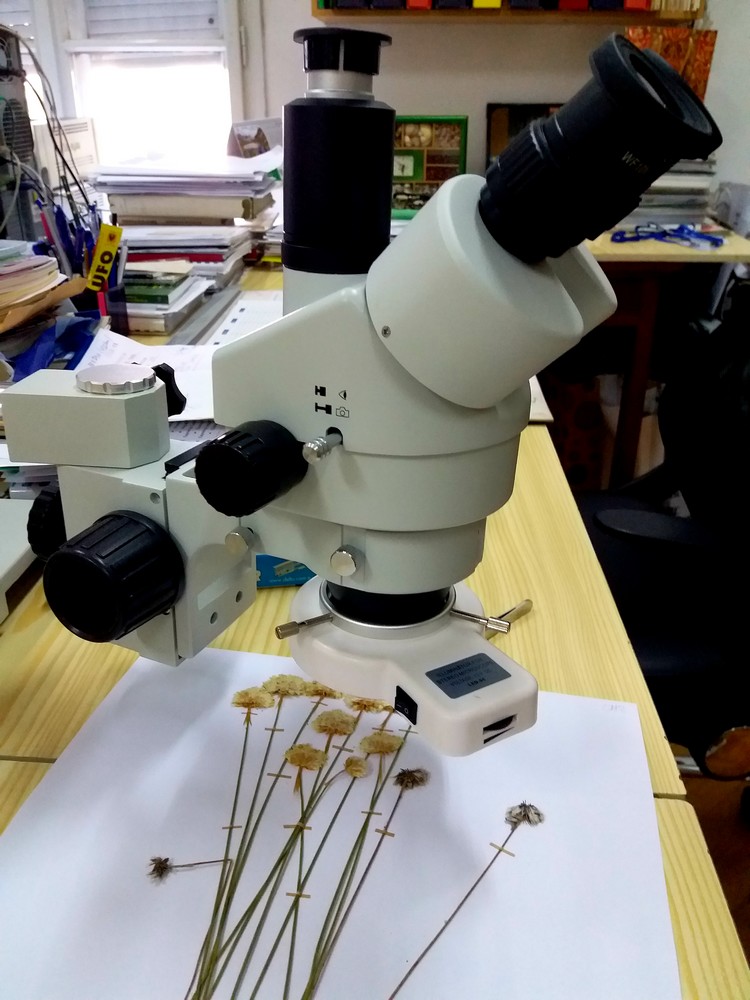
 From the beginning of May, the realization of the project “Determination of habitats according to the directive of habitats in the MN” Markovi Kuli “and assessment of the conservation status” started. Within the framework of this project, until the end of July, the entire territory of the Natural Monument “Markovi Kuli” was covered with field research. During these researches, vegetation releves were made, during which a complete floristic listing was made and plant material was collected.