Category: Plant and Ecosystem Protection

The Plant and Ecosystem Protection Programme has two approaches; the first focuses on the protection of wild plants, whereas the second aims at the study of given ecosystems. The programme yields results by raising the awareness about the importance of various wild plant species and by giving value to vital ecosystem benefits. For more than ten years, MES has been developing projects recording and protecting plant biodiversity and has established new conservation groups working on the protection mentioned. The concept of ecosystem conservation is somewhat new to MES. The concept focuses on research and study of entire ecosystems from various aspects – ecological, biological, social and economic. MES’s goal in implementing this programme also entails gaining knowledge about the condition of, reasons behind and threats causing ecosystem disruption. Therefore, such insight is instrumental to attaining sustainable use of ecosystem services, and promoting and raising the awareness about their values.

  • National Workshop on Sustainable Forest Management

    National Workshop on Sustainable Forest Management

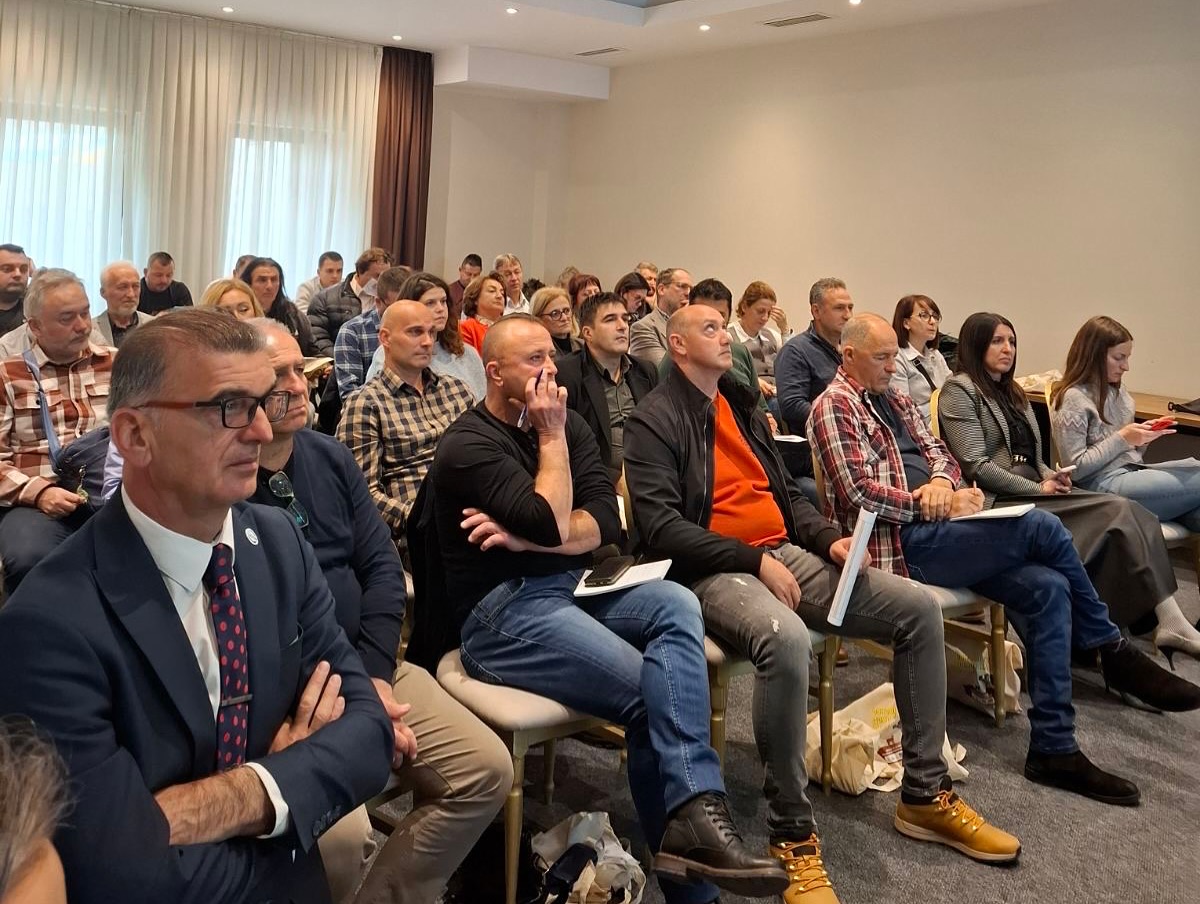
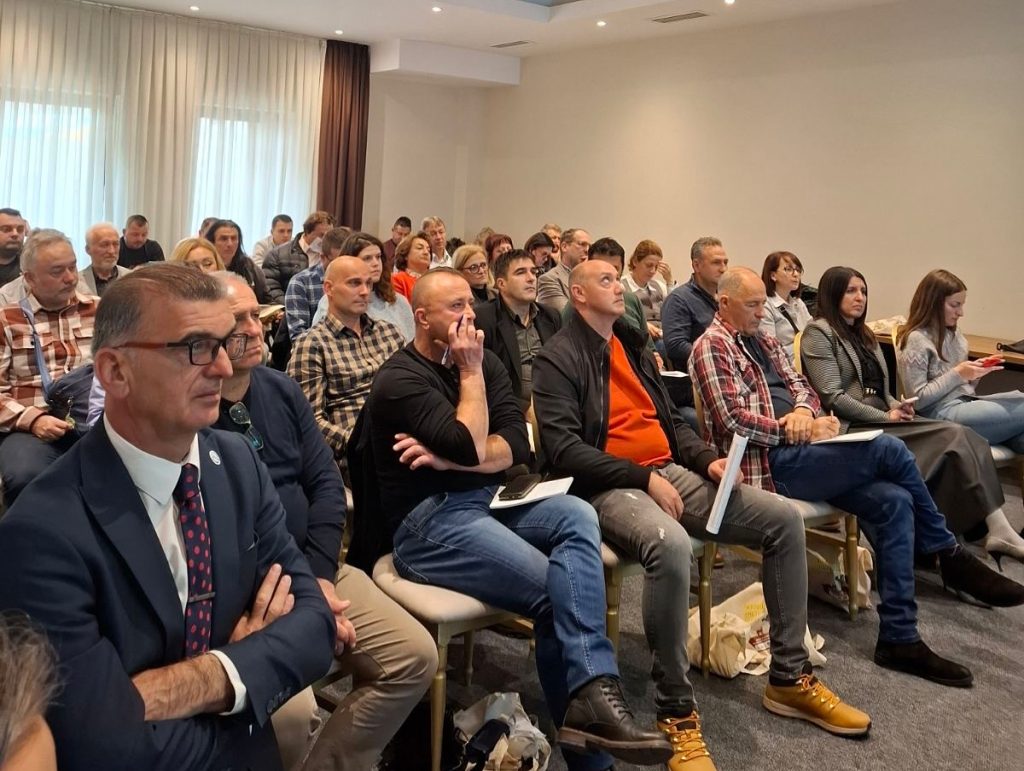
    The Macedonian Ecological Society, in collaboration with the International Union for Conservation of Nature (IUCN), organized a two-day national workshop on sustainable forest management.

    The workshop was attended by nearly 50 participants who had the opportunity to follow presentations from speakers and exchange their views on the topic.

    The Director of the IUCN Regional Office, Oliver Avramovski, highlighted the workshop as a chance to enhance communication and collaboration among stakeholders from various sectors. He referred to protected areas as the cornerstone of nature conservation. Avramovski emphasized that one of the goals of the global framework for biodiversity is to ensure that 30% of terrestrial and marine ecosystems are designated as protected areas and that Macedonia, as a signatory of the declaration, should strive toward achieving this goal.
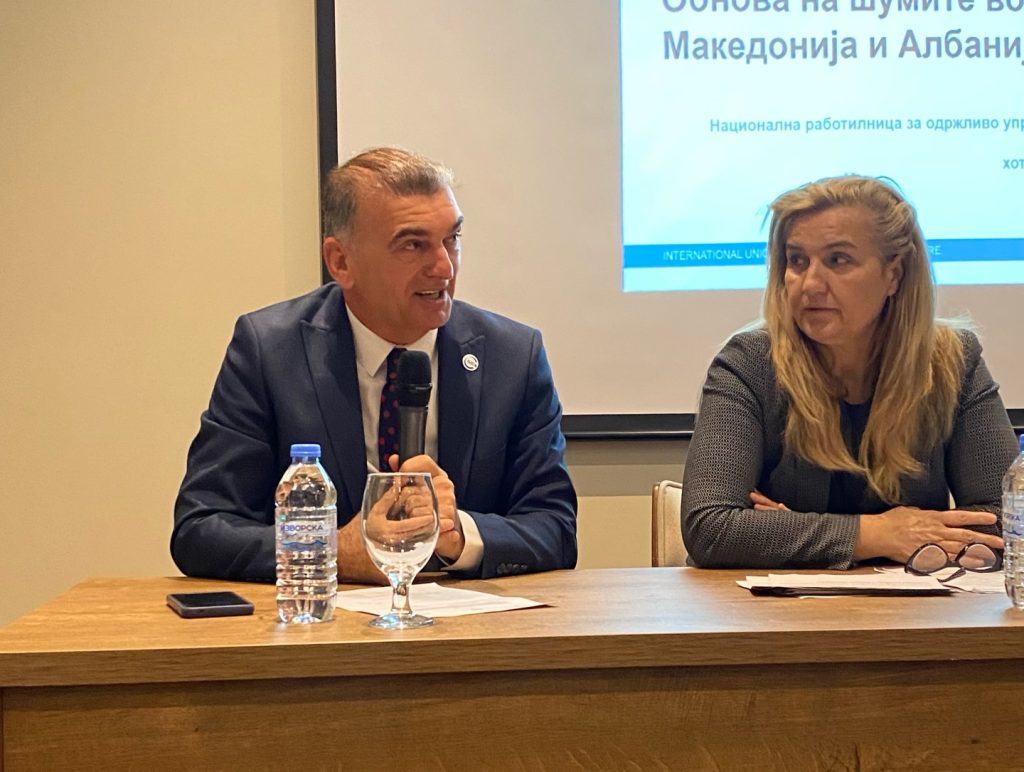
    The State Secretary from the Ministry of Agriculture, Forestry, and Water Economy, Daniela Irotova Lazareva, underscored the importance of sustainable forest management. She noted that the Ministry has signed several memorandums on sustainable forest management and is continuously working on devising new measures aimed at forest restoration and the rehabilitation of fire-damaged forests.

    Professor Nikolcho Velkovski from the Faculty of Forestry in Skopje presented the current state of forests in Macedonia. Most of the forests are deciduous, comprising 59%, with the remainder being mixed and coniferous forests. Coniferous forests are the most endangered, partly due to unfavorable climatic conditions. He stated that 40% of the country’s territory is covered by forests, a figure higher than in EU countries and even Switzerland. However, a significant portion of these forests are degraded or in a state of degradation. Only 30% of the country’s forests are high-stemmed, while 70% are low-stemmed and degraded, with low biological diversity and limited potential for regeneration.

    This event was organized as part of the project “Northern Forests Initiative – Restoring Forests in Macedonia and Albania,” which is being implemented in collaboration with PPNEA from Albania and the IUCN Regional Office for Eastern Europe and Central Asia. The project is fully supported by the Swedish Postal Foundation.
  • Educational Event: Let’s Restore the Forest for the Lynx

    Educational Event: Let’s Restore the Forest for the Lynx


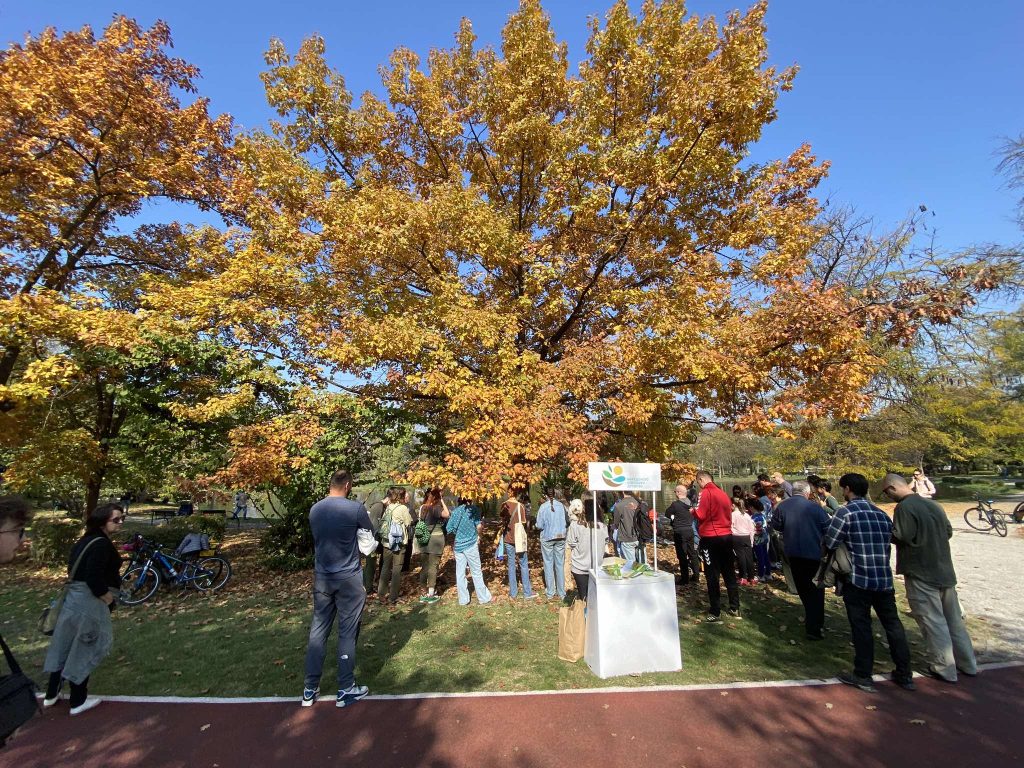
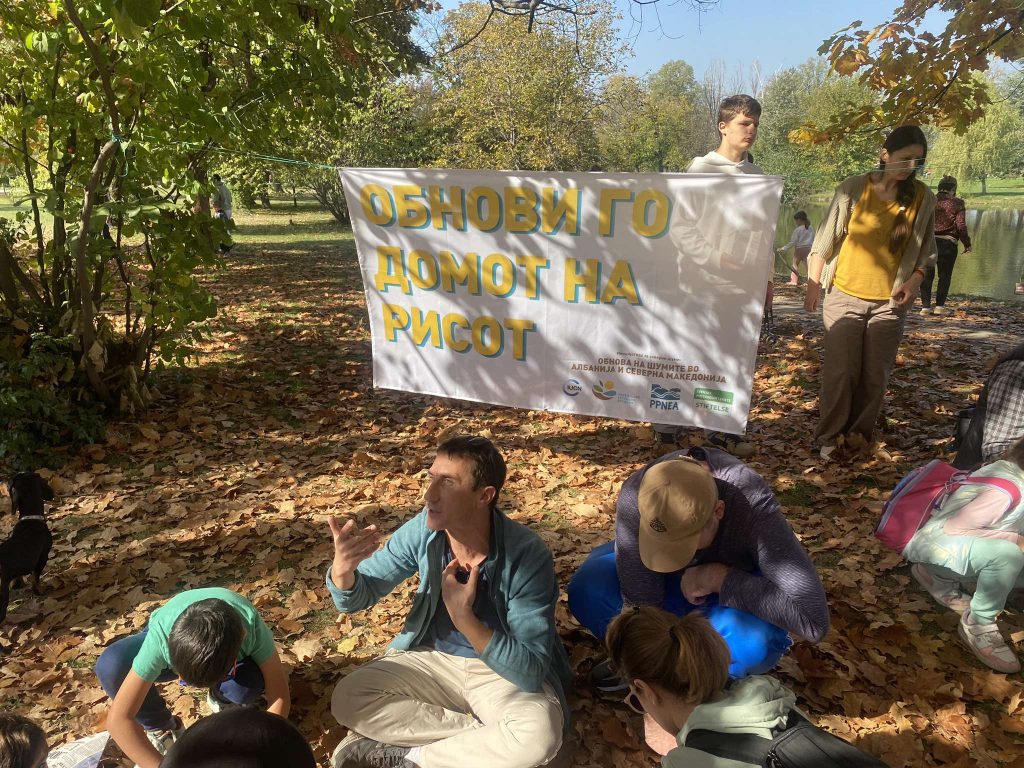
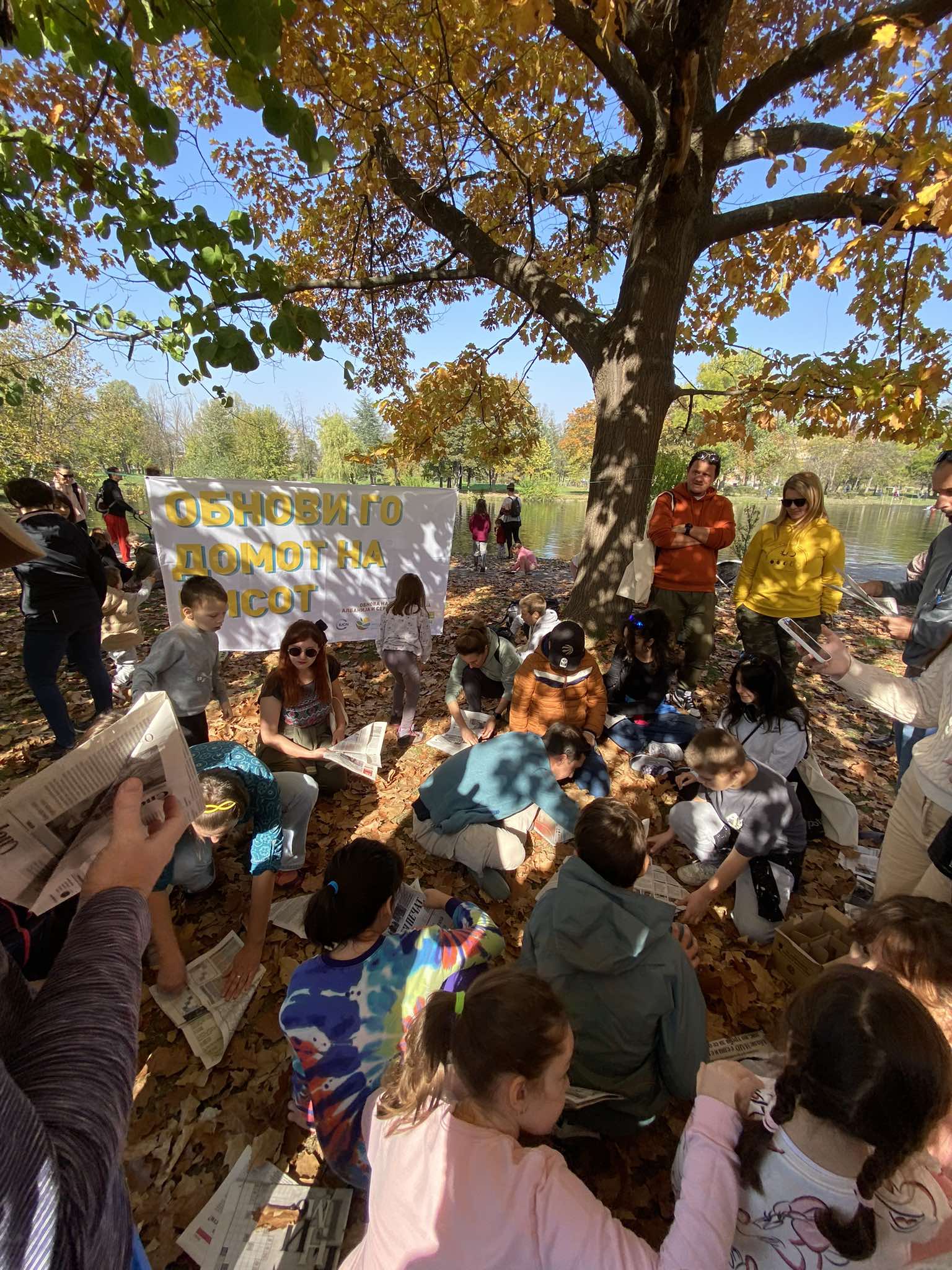
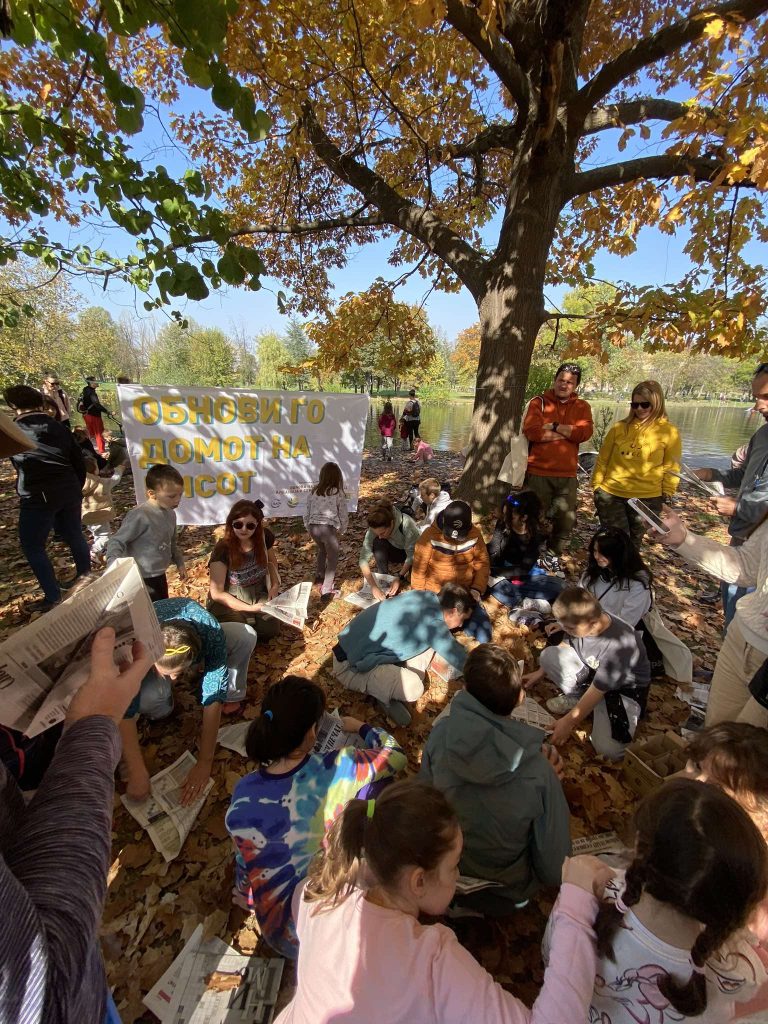
    Around a hundred people gathered today at the educational event organized by the Macedonian Ecological Society in Skopje’s City Park to learn how they can grow their own oak saplings.

    The event aimed to raise public awareness about the importance of biocorridors, and judging by the turnout, it’s clear that the public is eager to learn more about these topics.

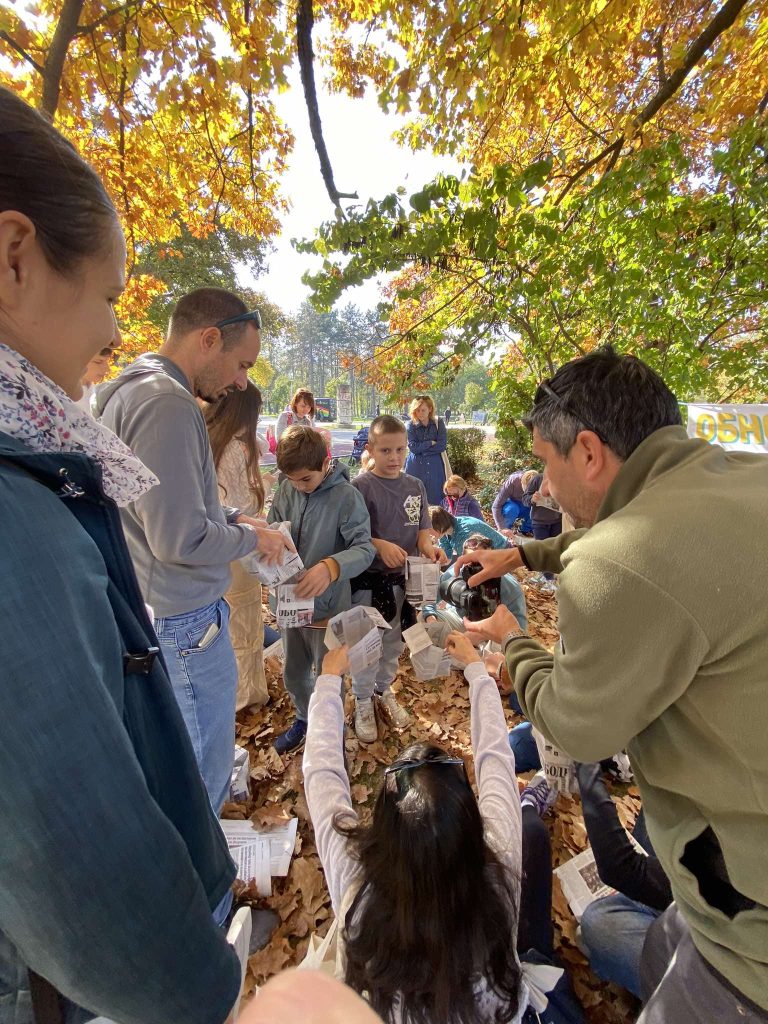
    Natalija Melovska, the project manager for the “Northern Forests Initiative: Forest Restoration in Albania and North Macedonia,” gave a brief overview of the initiative’s activities. Meanwhile, Jane Dimeski from “Forest in the City” offered a hands-on demonstration, showing participants how to plant oak saplings. In about a year, these saplings will be ready to be planted in the wild, helping to restore local forests.

    We’re especially grateful to Sloboden Pechat for donating old newspapers, which we used to make origami pots for planting the acorns. It was particularly heartening to see so many young people at the event, a strong sign that our mission and vision will carry on for generations to come.


    The event was supported by the “Northern Forests Initiative,” a project we’re implementing with PPNEA and the IUCN Regional Office for Eastern Europe and Central Asia, with full backing from the Swedish Postal Foundation.
    Click on this link to see the video.

  • Forest Restoration in North Macedonia and Albania

    Forest Restoration in North Macedonia and Albania


    As part of the global the Swedish Postcode Foundation’s Northern Forests Initiative, the new forest restoration project aims to contribute to the restoration and preservation of especially important forests in Albania and North Macedonia and strengthen the capacity and commitment of local, regional, and national actors for sustainable forest management.

    According to Global Forest Watch, North Macedonia lost 5,5% and Albania 6,5% of total tree cover in the last 20 years while recent local analysis confirmed this trend by showing concerning losses of 6.78% and 4.88% of non-degraded forests over the last 12 years. Similar negative trends are recognizable in high biodiversity value regions like core habitats of the Balkan Lynx, critically endangered according to the IUCN Red List of Threatened Species™, and other endemic species. Some of the direct and indirect degradation drivers include poor management of key biodiversity landscapes in protected areas that did not sufficiently prevent forest losses. Moreover, illegal logging has been a long-lasting problem in the Balkans, coupled with rapid urbanisation, land use changes and the climate change consequences.

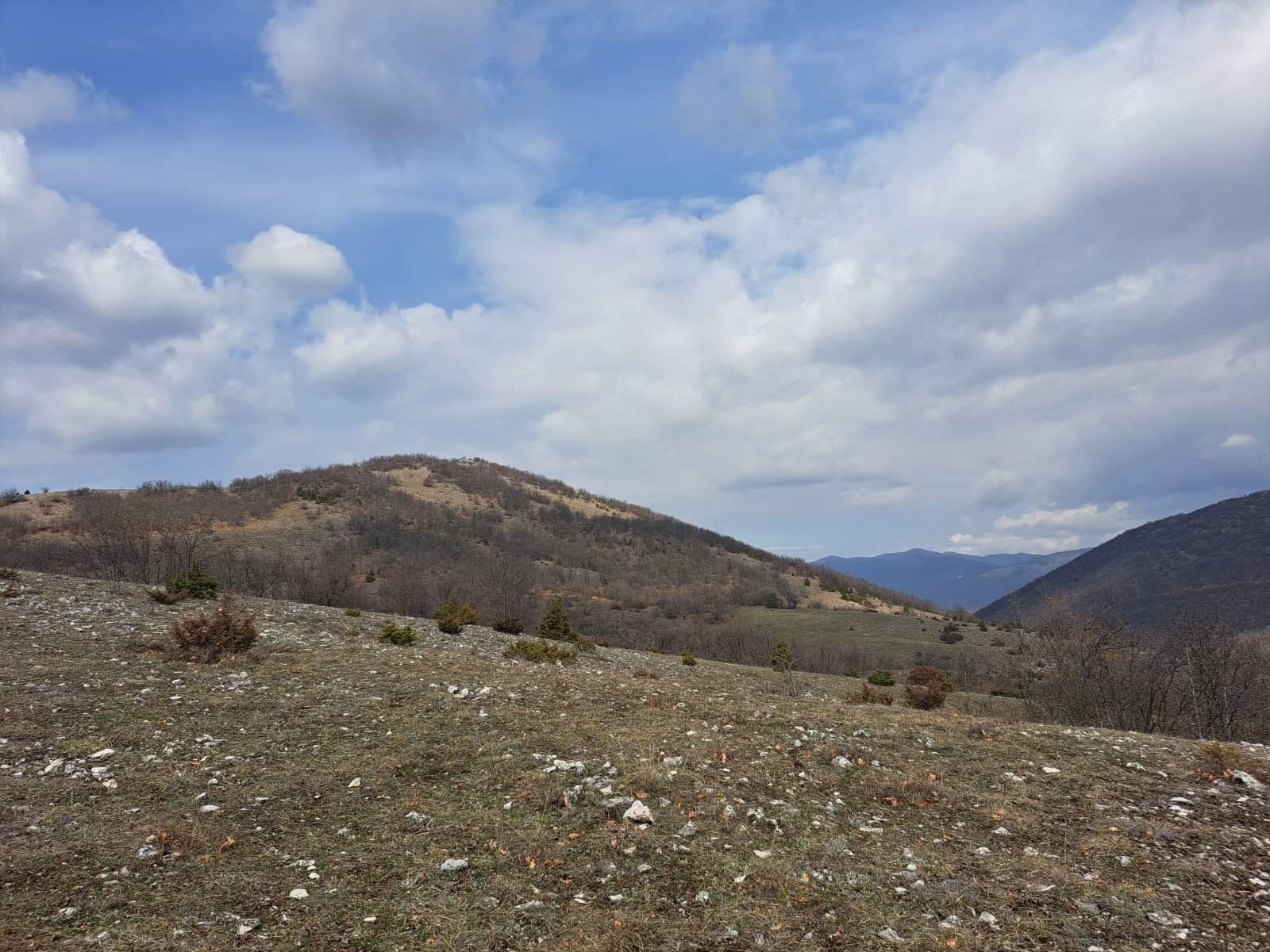
    The implementation of Nature-based Solutions, such as Forest Landscape Restoration (FLR) on around 40 hectares of degraded forest land in “Bukovikj” in North Macedonia and “Pashtrik-Morina” in Albania will largely contribute to biodiversity and connectivity, including in surrounding protected areas. These FLR interventions will have multiple benefits such as carbon sequestration and ecosystem resilience, while halting biodiversity loss by improving habitat conditions for the Balkan Lynx and other threatened endemic species. The project also aims to raise national capacities and commitments to future restoration efforts and sustainable management of forests by involving relevant stakeholders and decision-makers.

    Promoting sustainable forest management and forest landscape restoration in Albania and North Macedonia the project will initiate restoration work in key biodiversity landscapes to enable multiple long-term ecological and societal benefits. It will strengthen local, regional and national actors’ capacity and commitment in terms of forest management and restoration via training, workshops and advocacy work. Furthermore, the aim is to increase the exchange and bilateral dialogue towards raising commitments to FLR and sound management of forests in both countries.

    Contributing to restoration and sustainable management of terrestrial ecosystems will improve efforts for sustainable forest management in Albania and North Macedonia, and enhance capacities and commitments to restoration and sustainable forest management while reducing degradation.

    The project started in January 2023 and will end in July 2025. It is fully supported by the Swedish Postcode Foundation with 6, 900, 000 SEK.


    Source: IUCN.org.

  • Workshop for validating data on forest renewal in the Bukovik region

    Workshop for validating data on forest renewal in the Bukovik region

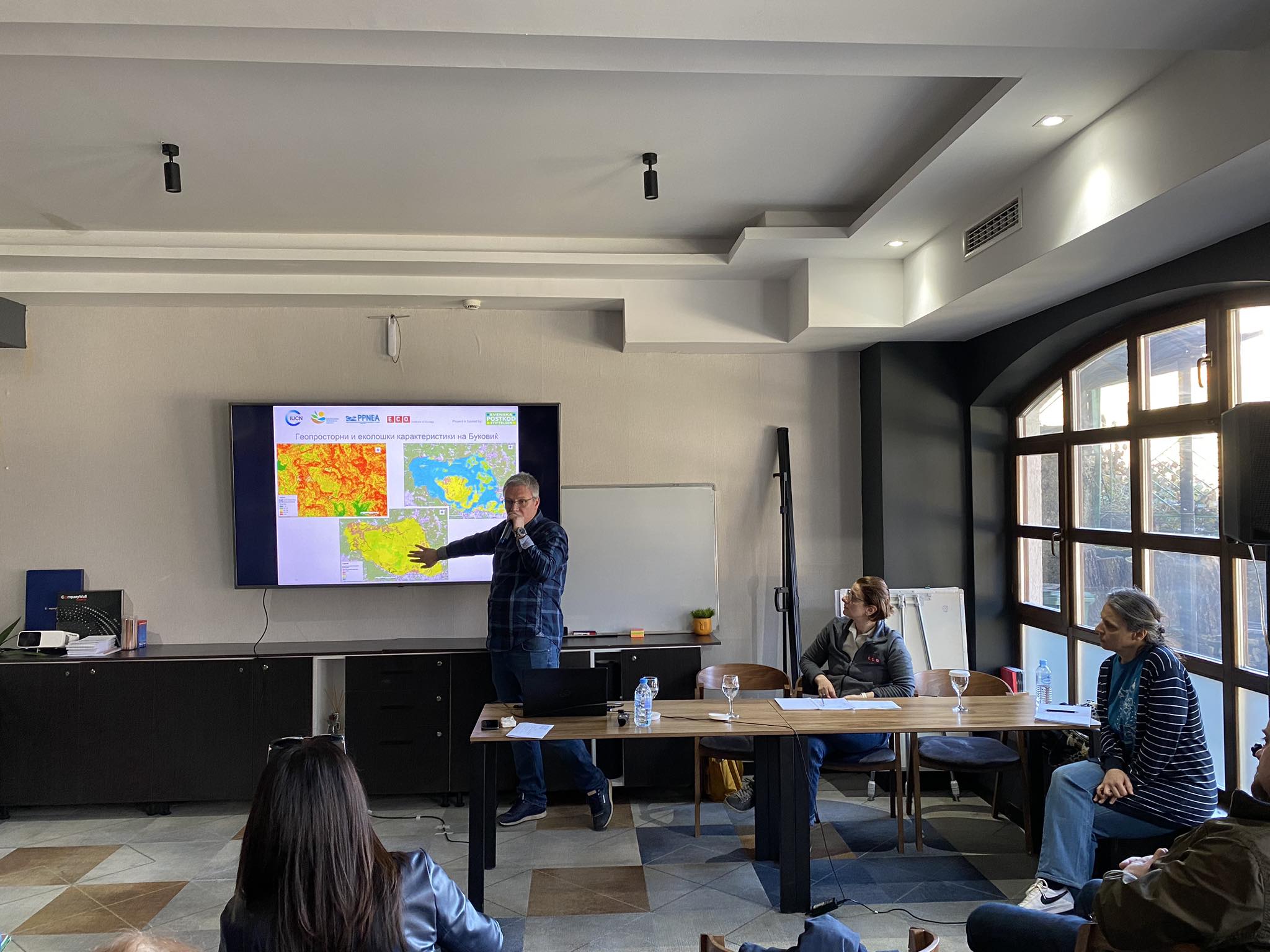
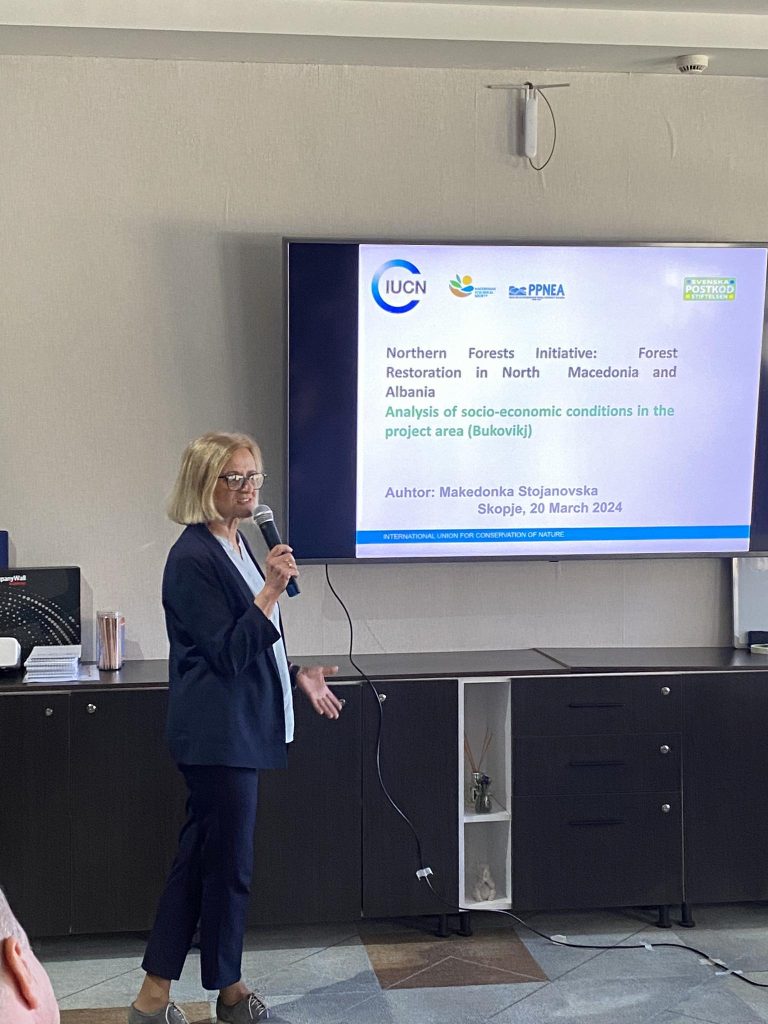
    The Macedonian Ecological Society, on March 20, 2024, in Mavrovo, held the second workshop of the project “Northern Forests Initiative: Revitalization of Forests in North Macedonia and Albania.”

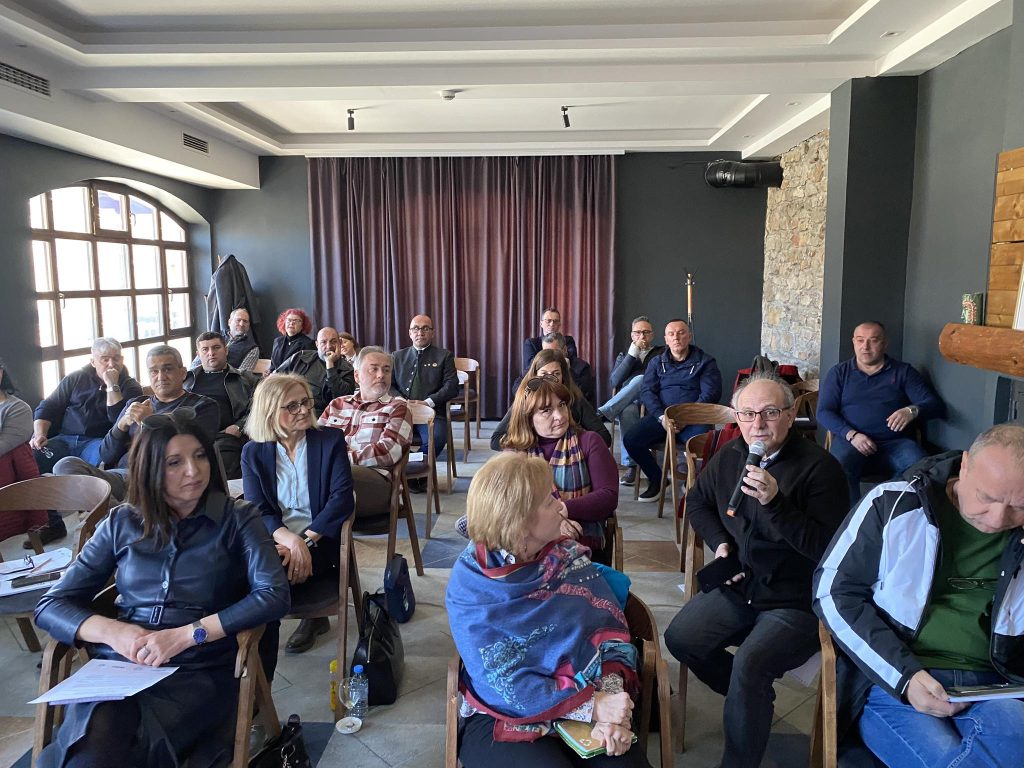
    At the Workshop for Validating Data on Forest Renewal in the Bukovik region, representatives from all stakeholders and key actors were present.

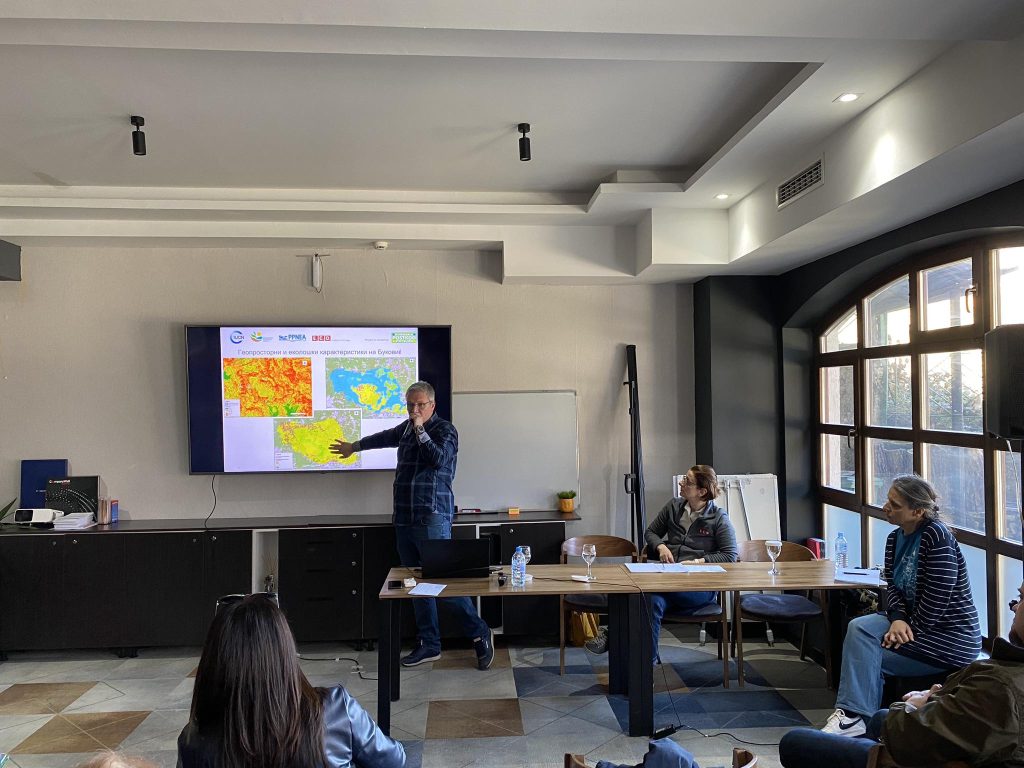
    In addition to the expert from Austria, Macedonian Professor Stojanovska from the Faculty of Forestry – Skopje, presented the socio-economic analysis conducted in the region.

    Professor Boris Najdovski from the Faculty of Forestry – Skopje, presented prioritization and outlined possible options for forest renewal.

    Throughout the workshop, there was an open discussion among all participants, who actively engaged with their presentations during the lectures, contributing to informed awareness.

    The Macedonian Ecological Society, in coordination with the IUCN Regional Office for Eastern Europe and Central Asia, organized this workshop within the framework of the project “Northern Forests Initiative: Revitalization of Forests in North Macedonia and Albania.” The project is funded by the Swedish Postcode Foundation and is implemented in close collaboration and with the support of relevant national and local institutions.

  • Northern Forests Initiative

    Northern Forests Initiative

    The Macedonian Ecological Society (MES), in coordination with the IUCN Regional Office for Eastern Europe and Central Asia (IUCN ECARO) and collaboration with the Protection and Preservation of Natural Environment in Albania (PPNEA), with the support of the Ministry of Environment and Physical Planning, Republic of North Macedonia, has launched a new project “Northern Forests Initiative: Forest Restoration in North Macedonia and Albania” on the 6th of September 2023 in the National Park Mavrovo

  • Nurturing biodiversity: Unveiling the impact of thoughtful afforestation practices

    Nurturing biodiversity: Unveiling the impact of thoughtful afforestation practices

    As stewards of nature, our interconnectedness with biodiversity is undeniable. It pains us that human actions often disrupt this delicate balance. Committed to the Bonn Challenge, we pledge to revive our ailing forests. Yet, can we not aspire to restore our woodlands with an even greater environmental conscience?

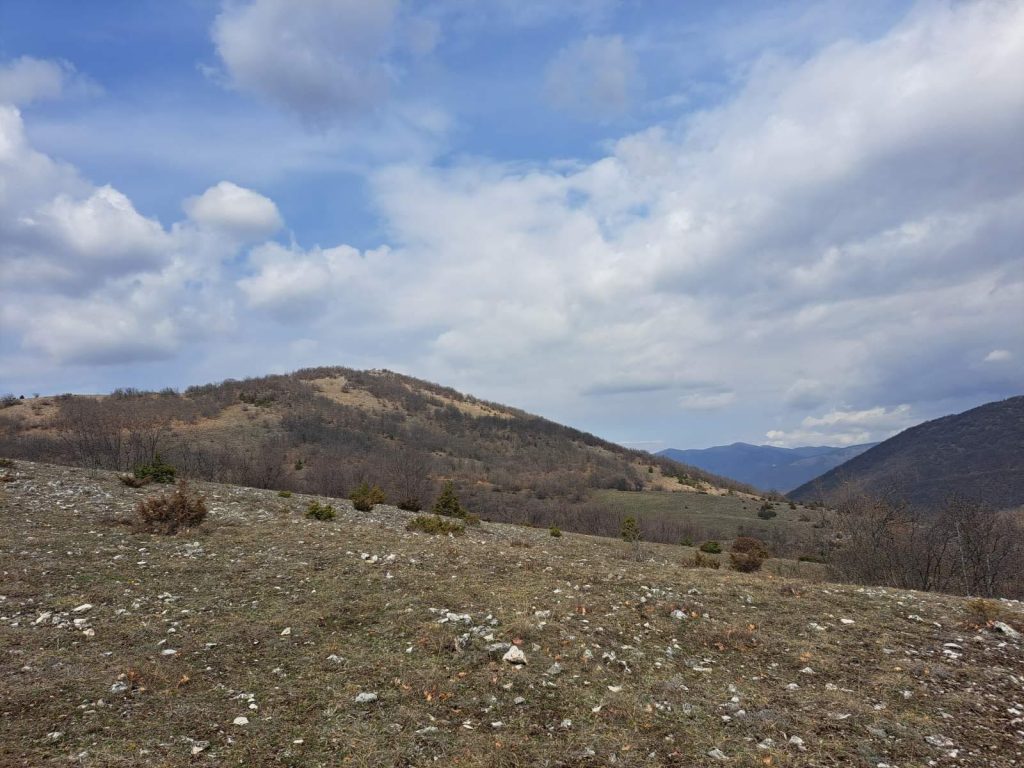
    The team of experts implementing the ROAM assessment and designing interventions for the restoration of forest landscapes in the Bukovik area is working on conducting the ROAM assessment for the area of interest, identifying suitable options for forest landscape restoration, and prioritizing locations for interventions, giving priority to those of particular importance for preserving the Balkan lynx. The idea is to revitalize and preserve important forest habitats in key areas for biodiversity outside protected areas. For this purpose, the ROAM method – Restoration Opportunities Assessment Methodology, in this case for forests, is used.

    The ROAM methodology, developed by IUCN and WRI, is a framework created for countries to assess opportunities for forest and landscape restoration and to identify specific priority areas at the national or local level. Assessment through ROAM can be carried out by a small team through collaboration with stakeholders and can deliver the following products:

    –  Identified priority areas for restoration

    –   A shortlist of the most relevant and feasible restoration intervention types across the assessment area

    –   Quantified costs and benefits of each intervention type

    –   Estimated values of additional carbon sequestered by these intervention types

    –   Analysis of the finance and investment options for restoration in the assessment area

    –   A diagnostic of ‘restoration readiness’ and strategies for addressing major policy and institutional bottlenecks

    Through these activities, contributions will be made to climate change mitigation, as forest restoration contributes to reducing carbon dioxide in the air.

    These forests are known to be home to numerous wildlife species, including the Balkan lynx, listed on the Red List of endangered species, enhancing their chances of survival and reproduction, thus maintaining the planet’s biodiversity.

    In all these activities, engaging the residents of nearby local communities is paramount, as they play a pivotal role in the collaborative effort.

    These activities are part of the Northern Forests Initiative: “Forest Restoration in Albania and North Macedonia” – a project implemented in collaboration with IUCN Eastern Europe and Central Asia, the Macedonian Ecological Society (MES), and Protection and Preservation of Natural Environment in Albania. The project is funded by the Swedish Postcode Foundation.

  • Working together for conservation of national endemic plants in Macedonia

    Working together for conservation of national endemic plants in Macedonia

    [vc_row][vc_column][vc_column_text]

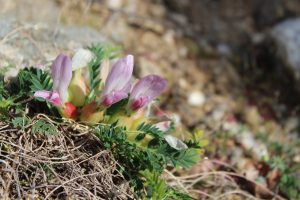
    [/vc_column_text][/vc_column][/vc_row][vc_row][vc_column][vc_column_text css=”.vc_custom_1584020474385{margin-bottom: 0px !important;}”]Since April 2019, MES has started implementing a three-year project related to monitoring of certain rare plants within the boundaries of the identified national Important Plant Areas (IPAs). A total of five plants (Campanula debarensis, Aesculus hippocastanum, Centaurea rufidula, Crocus jablanicensis and Astragalus physocalyx) and four significant plant areas (Jablanica, the gorge of Crn Drim, Bogdanci and Dojran Lake) will be covered by the monitoring.

    The goal of the project is to renew the past outdated data on the distribution of the selected plants, which will give insight to their population and will update the status information on some of the important vegetation areas in Macedonia. At the same time we will also work on the popularization of the IPAs with a special emphasis on the rare plants.

    The monitoring will be carried out under the guidance of two botanists based on prescribed protocols, but students who are interested in botany will also be included. In addition, part of the activities will be implemented in cooperation with active environmental local organizations, such as “Polimath13” from Bogdanci.

    In Macedonia, 42 IPAs have been identified that are not legally designated. They are located on the official International database of PlantLife http://www.plantlifeipa.org/home. Floristic researches in Macedonia are minimized due to lack of staff and funds for scientific and research work in the field of botany. This project will provide a significant share in obtaining information on the populations of several rare national plants.


    The project is financially supported by the CEPF (Critical Ecosystem Partnership Fund) and is implemented within one of the CEPF’s strategic objectives of ‘plant protection’, which is part of the long-term program for the preservation of certain Mediterranean hot spots.

    www.cepf.net.

    “The Critical Ecosystem Partnership Fund is a joint initiative of l’Agence Française de

    Développement, Conservation International, the European Union, the Global Environment Facility,

    the Government of Japan, and the World Bank. A fundamental goal is to ensure civil society is

    engaged in biodiversity conservation.”


    During the implementation of the project, Polymat 13 as a local focal point operating in the distribution area of ​​Astragalus physocalyx will mediate the submission of possible complaints and grievances from the local population to MES as a national project coordinator.
    All news, event announcements and meetings will be published in a timely manner, on existing media, websites or social networks (Facebook) of the partner organization and MES web site.
    For any possible conflict, the complainant will be able to contact the project’s local point or the project coordinator or the financier on the following contacts:

    • Nadica Madzirova, Polimat 13, St.Marshal Tito No.64, 1484 Bogdanci, phone: 075 393 306 nadicamadzirova@gmail.com.
    • Natalija Melovska, Macedonian Ecological Society, Blvd. Boris Trajkovski, St. 7, No 9a, 1000 Skopje, phone: 078 371 175, angelova@mes.org.mk
    • Borut Rubinic, Programme coordinator for Balkan, Critical Ecosystem Partnership Fund (CEPF)|Regional Implementation Team (RIT) +386 (1)426 5875, borut.rubinic@dopps.si
    • Pierre Carret, CEPF Grant Director, Critical Ecosystem Partnership Fund (CEPF), 2011 Crystal Dr. Ste. 500, Arlington, Virginia, United States, (703 ) 341 2400, pcarret@cepf.net


    We will share all grievances – and a proposed response – with the Regional Implementation Team and the CEPF Grant Director within 15 days. If the claimant is not satisfied following the response, they may submit the grievance directly to the CEPF Executive Director at epfexecutive@conservation.org or by mail. If the claimant is not satisfied with the response from the CEPF Executive Director, they may submit the grievance to the World Bank at the local World Bank office.[/vc_column_text][mk_divider style=”shadow_line” margin_bottom=”30″][mk_fancy_title tag_name=”h3″ size=”30″ force_font_size=”true” size_smallscreen=”30″ size_tablet=”25″ size_phone=”22″ font_family=”none”]MES News[/mk_fancy_title][mk_blog style=”thumbnail” grid_image_height=”300″ cat=”374″][/vc_column][/vc_row][vc_row][vc_column][vc_column_text]

    [/vc_column_text][/vc_column][/vc_row]

  • Workshop in the scope of the project “Working together for conservation of national endemic plants in Macedonia”

    Workshop in the scope of the project “Working together for conservation of national endemic plants in Macedonia”

    An informative workshop was held on February 25 at “Dom na kultura” in Bogdanci to inform the general public of the Municipality of Bogdanci about the importance of conservation of the endemic plant Astragalus physocalyx found only in the vicinity of Bogdanci. This meeting was а part of the project “Working together for conservation of national endemic plants in Macedonia” implemented by MES with the financial support of the Critical Ecosystem Partnership Fund (CEPF) and it was organized by MES’s local partner, the POLIMAT 13 from Bogdanci.
    The meeting was attended by representatives of the Municipality of Bogdanci, representatives of the business sector, professors and students from the local schools, student’s representatives of the Biology Students Research Society of and interested locals.
    During the meeting all stakeholders present at the meeting had the opportunity to share ideas, suggestions and possibilities for joining the project and future promotion activities and steps to preserve the plant and the area as an important community value for its development and progress.

  • Water for lakes, bogs, streams and people on Jablanica Mountain

    Water for lakes, bogs, streams and people on Jablanica Mountain

    [vc_row][vc_column][vc_column_text css=”.vc_custom_1528984953375{margin-bottom: 0px !important;}”]Time frame: April 2014 – December 2015

    Funding: Critical Ecosystem Partnership Fund (CEPF)

    Partners: Municipalities of Struga and Vevchani, and the Public Enterprise “Macedonian Forests”.

    Project goal: Raising public awareness, enhanced education and enabling NGOs to take part in the protection and conservation of the Drim River watershed.

    Additional information can be found on the following website: http://act4drin.net. 

    Project video: http://vimeo.com/102319260.

    Contact person: Natalija Melovska angelova@mes.org.mk[/vc_column_text][mk_divider style=”shadow_line” margin_bottom=”30″][mk_fancy_title tag_name=”h3″ size=”30″ force_font_size=”true” size_smallscreen=”30″ size_tablet=”25″ size_phone=”22″ font_family=”none”]Проектни активности[/mk_fancy_title][mk_blog style=”thumbnail” grid_image_height=”300″ cat=”133″][/vc_column][/vc_row]