Category: Новости

  • MES is ready for monitoring of the remediation process for lindane and HCH in Ohis

    MES is ready for monitoring of the remediation process for lindane and HCH in Ohis

    From the 14th to the 16th of March 2022, MES participated in a workshop for the monitoring and supervision of the lindane and HCH remediation at OHIS, organized by the Ministry of Environment and Physical Planning/POPs Unit, in collaboration with the United Nations Industrial Development Organization (UNIDO), and the international company TAUW from the Netherlands.

    The workshop consisted of two days of theoretical training for the sustainable management, monitoring, and supervision of the remediation activities in OHIS, and one day practical training on location in OHIS.

    The training was conducted by TAUW, a Dutch company with expertise on dealing with POPs (persistent organic pollutants) which, as an external company, is in charge of overseeing the whole process of the removal of lindane from the small landfill in OHIS. The main topics of the workshop were an introduction to the Stockholm convention, contaminated site management, remediation management, health and safety management and monitoring, and monitoring and supervision of a remediation.
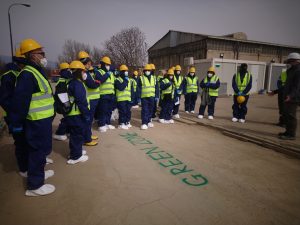
    TAUW started with a brief history of OHIS, as well as the main objectives of the project and the specific work plan. As background knowledge, TAUW also covered the history of POPs around the world, showcasing that dealing with toxic waste of this type is still a major problem. They introduced the Stockholm convention – an international agreement aimed at eliminating or reducing the production and use of POPs.

    The training was detailed, and throughout the two days it took the participants step by step through the major topics regarding the management of a project of this type and the management of a contaminated location, from researching the site through available information and through direct on-site research, to possible contracts, necessary safety equipment and machinery, budget planning, correct zoning and manner of moving between zones, to monitoring of safety, analysis of soil and groundwater, etc.

    On the second day, a representative of the contractor POLYECO gave a presentation on their operative plan and the current state in OHIS. POLYECO showed that the safety tent has been set up, complete with three tunnels – one for employees, one for the necessary machinery, and one with rails that will be used for the containers with lindane and contaminated soil to go in and out. They showed how the space in the factory is divided by zones and how the activities will be conducted in accordance with the zoning, which safety equipment the employees will use, and which safety measures will be followed. They showed the already set up systems for the monitoring of air, and the water filters which will be used in the process itself, as well as the containers that will be used for the transportation of the lindane and the contaminated soil.
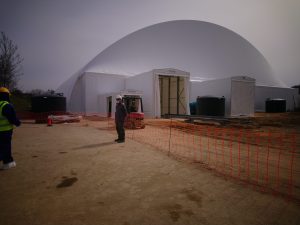
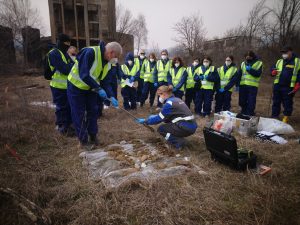
    The third day was dedicated to conducting direct field activities in OHIS – the participants were provided with safety equipment and trained to excavate soil and conduct soil and contamination analysis. With instruction and equipment from TAUW, the participants learned how to excavate and analyse soil. Using an X-ray device on the spot, they determined how much mercury and other elements were present in the excavated soil, and documented all of this in work forms. After this training, POLYECO conducted an informative tour through OHIS, in the part where the preparation activities, packing and removal of lindane (from the small landfill) will be performed. The participants entered the yellow zone, where the containers for the transportation of lindane, HCH, and contaminated soil were located. The yellow zone came up to the tent (which was set up in the red zone) where the three tunnels could be seen, but the participants did not enter in the tent itself. In the yellow zone there was also a decontamination unit – a special part with two chambers where employees can shower and leave their contaminated equipment in the first chamber, and then change into clean clothes in the second chamber.

    As a part of the workshop, the trainers shared useful materials from the field. At the end of the workshop MES, together with the other participants, received a certificate for monitoring and supervision of the remediation at OHIS.

  • Removal of Ohis lindane initiated

    Removal of Ohis lindane initiated

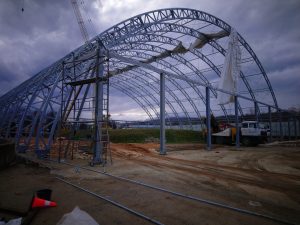
    The metal construction and safety tent in which the digging of the lindane and its isomers will occur have been set up in the small landfill in OHIS

    07.03.2020 Skopje – In the period January-February 2022, within the frame of the project “Removal of Technical and Economic Barriers to Initiating the Clean-up Activities for Alpha-HCH, Beta-HCH and Lindane Contaminated Sites at OHIS, 100122”, regarding the small landfill in OHIS, all of the planned activities for the preparatory phase were completed.

    The metal construction, which is the basis for the protective PVC cover and the tent cover itself, was set up at the end of February. The next step is to connect and stabilize the tent cover to the metal construction, as well as to set up additional covers, especially in places with the largest worker turnover. These reinforcements of the tent cover will be set up precisely on the planned tunnels (a total of 3) where there will be an entry of equipment and personnel which will work on the excavation, and an exit of the excavated and packed quantities of HCH, lindane, and contaminated soil.

    In the next phase, the impenetrability of the tent material will be tested, which is necessary for achieving the conditions needed for negative pressure, which in turn is needed for the minimization of the emission of dust and contaminated material during the implementation of the operational activities.
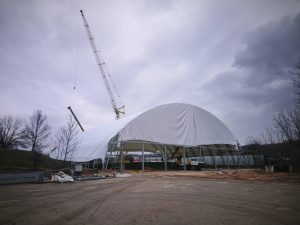
    So far, as part of the preparatory phase of the excavation of HCH and lindane, staff was provided for fieldwork, as well as mechanical equipment and machines for setting up and reinforcing the metal construction.

    These activities have been completed, and their implementation took a period of around 60 days, given the changing weather conditions and the inability to work under conditions of strong wind and rain.

    At the beginning of the operational phase, the contractor POLIECO will conduct trainings with the personnel on the excavation and handling of HCH waste, on the process of digging, storing, as well as restoration of the location. The dynamics of the excavation activities will depend on the available capacity of the contractor.

    The excavation and packing of about 650 tonnes of contaminated soil and lindane/HCH is expected to be completed by mid-May.

    The work of the contractor POLIEKO will continue to be monitored by both the State Inspectorate for Environment and the supervisory company TAUW.

    The final phase of the whole process is the transportation of the waste to the facilities for final disposal, leaving from North Macedonia, through the neighbouring Republic of Grece, to France and The Netherlands/Germany, where the incineration or remediation of the waste materials and soil will take place.

    In all phases of the cleaning process, independently of the performance of the employees and contractors of the contracting firm POLIECO, there will be active monitoring of the state of the environment, through the monitoring of the quality of the performance, of the air, and of the underground waters and the generated wastewater.

    All data will be made public after the completion of the measurements during the removal of lindane, and the details of the research will also be shared in public debates. The Macedonian Ecological Society (MES) is also preparing a documentary video on the whole process of the removal of lindane from the small landfill in OHIS.

    Within the multi-year project “Removal of Technical and Economic Barriers to Initiating the Clean-up Activities for Alpha-HCH, Beta-HCH and Lindane Contaminated Sites at OHIS, 100122”, MES is implementing awareness raising activities regarding the significance and the impact of lindane on human health and the state of the environment. The project is financially supported by the Global Environmental Facility (GEF), implemented through UNIDO (United Nations Industrial Development Organization) and implemented in coordination with the Office for Non-Degradable Organic Pollutants (POPs) of the Ministry of Environment and Physical Planning.


  • MES celebrated World Wetlands Day at Prespa Lake

    MES celebrated World Wetlands Day at Prespa Lake

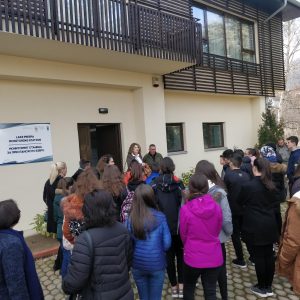
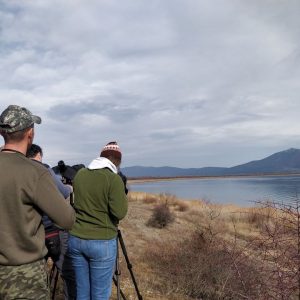
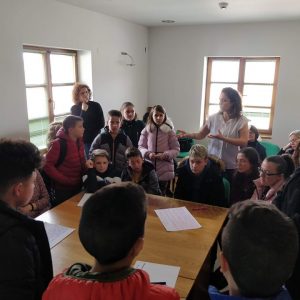
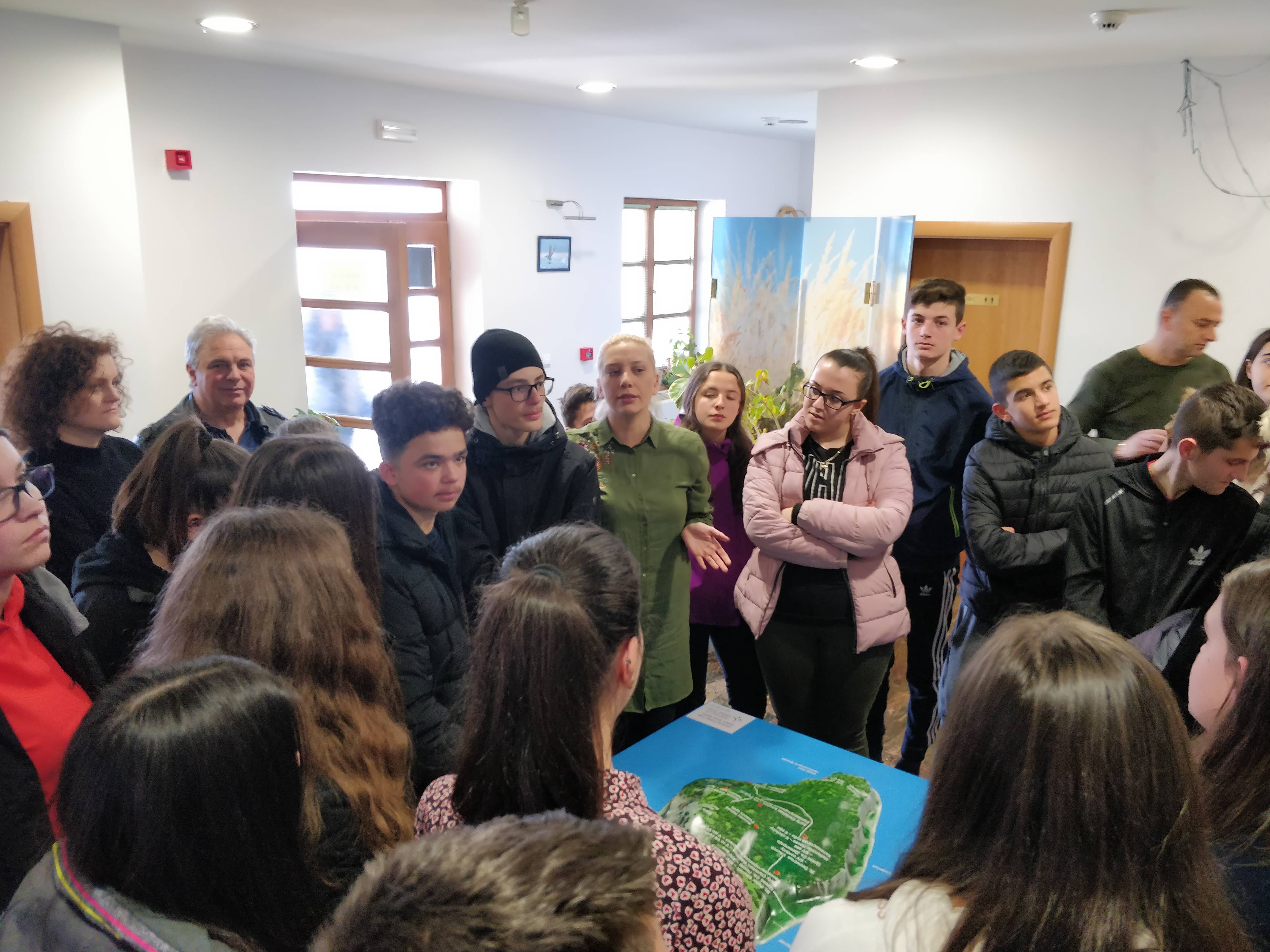
    MES staff split into two teams in order to properly celebrate World Wetlands Day (February 2nd). One team trained rangers from NP Ezerani and National Park Galicica in water bird counts, whereas the others collaborated with NP Galicica and the environment department of Resen Municipality in order to encourage pupils from all local schools to practice critical thinking in a role playing game – kids imagined to be rich investors with an eye on Prespa, environmental protection officers, researchers, farmers and local people in order to find a creative compromise that will stimulate both nature conservation and sustainable development. The activities were prepared by the PrespaNet “Strengthening NGO-led Conservation in the Transboundary Prespa Basin” project team, together with student volunteers, and are being implemented across the transboundary basin.


  • Lynx capture at Bukovikj locality

    Lynx capture at Bukovikj locality

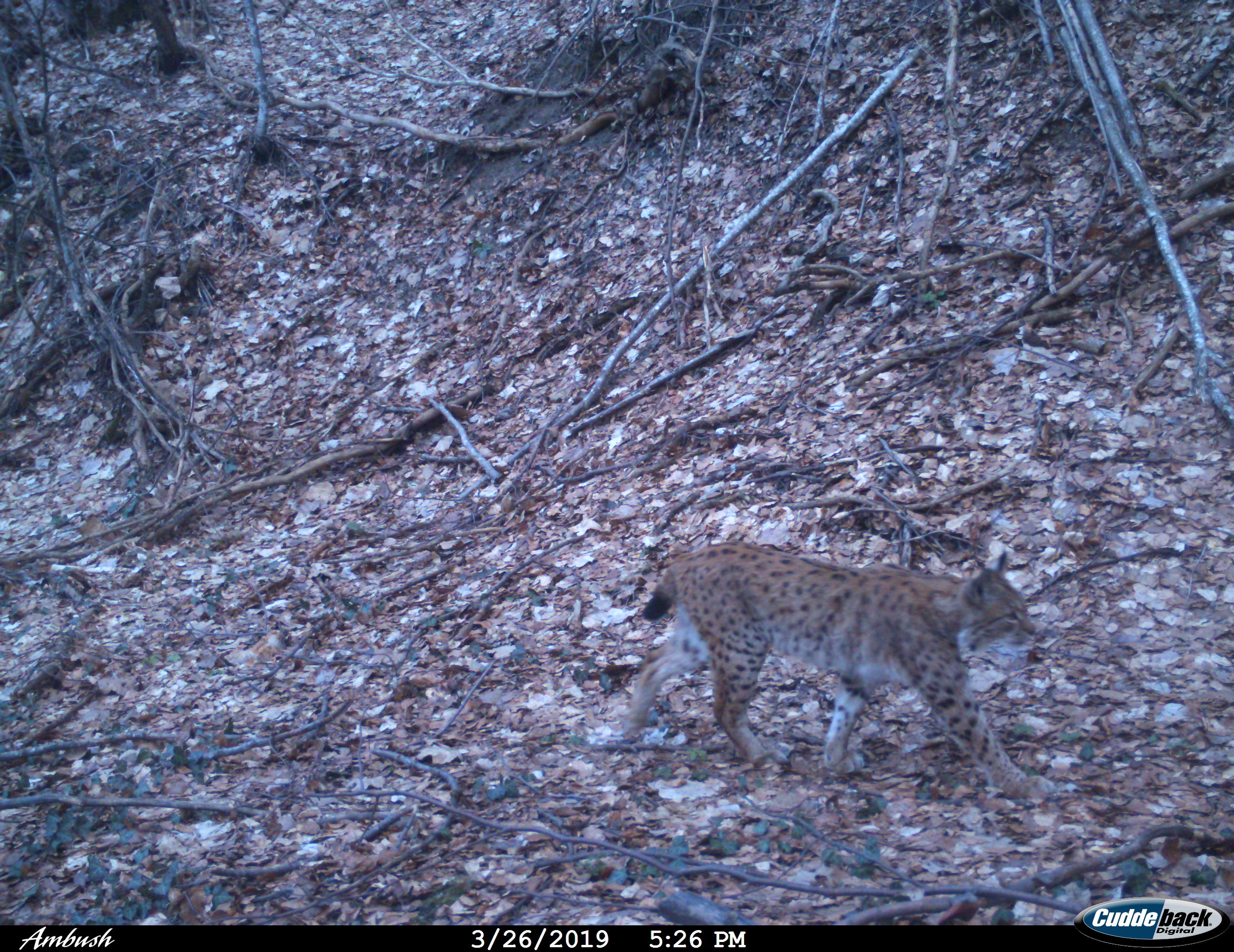
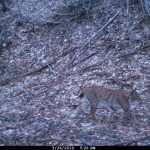
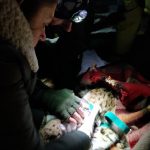
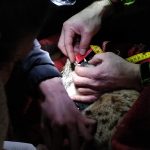
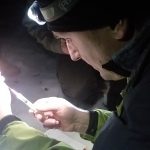
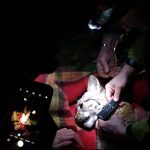
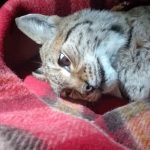
    New lynx is here! 12 February 2020 the lynx team of the Macedonian Ecological Society (MES) box-trapped a new individual of the rare Balkan lynx in Bukovikj, near the town of Kichevo. Representatives from the Faculty of Veterinary Medicine in Skopje and Sokol-Z Hunting Society from Zajas village assisted during lynx sedation and taking of measurements and samples of hair and blood. The procedure established that the lynx is a healthy female aged 2–3 years, weighing 15 kg.

    This is the second radio-collared female (after Maja) to be monitored by radio-telemetry and GPS-tracking. It is crucial to broadening our knowledge about lynx distribution, and food and habitat needs. The lynx was camera-trapped last year on the same site. For the time being, the lynx is in good health, as seen from the locations using GPS-tracking, which revealed its first prey after the capture – roebuck kill from 4–5 days ago.

    Our friends from Sokol-Z HS were given the honour of naming the lynx. They opted to name this beauty Narcisa. Narcisa, we wish you abundant prey and many offspring!

    Ever since 2010, MES has captured and radio-collared a total of eight lynx individuals, providing valuable data about the behaviour of this secretive animal.

  • Third national meeting with the Anti-poison working group

    Third national meeting with the Anti-poison working group

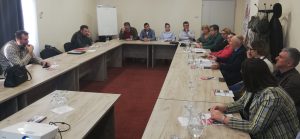
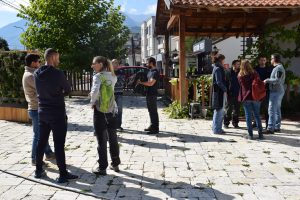
    On 19 th of November 2019, The Macedonian Ecological Society in collaboration with the Ministry of Environment and Physical Planning organized the third meeting of the National Anti-Poison working group in Skopje. The aim of the meeting was the formalization of the Action Plan for combating wildlife poisoning under the national legislation. Implemented activities since the last meeting were presented to the working group and it was discussed about the measures that are a priority in regards to the problem with wildlife poisoning. Also key gaps and overlaps were identified.

    A diverse group of representatives from public institution attended the meeting such as: State Environment Inspectorate, professors from the Faculty of Natural Sciences and Mathematics, University Goce Delcev – Shtip, Faculty of Security, Faculty of Veterinary Medicine, Ministry of Environment and Physical Planning, Ministry of Interior and Agency of Food and Veterinary. The implementation of the national Action plan is a component under the Balkan Anti-Poisoning project. The project is financed by the Vulture Conservation Foundation and is being implemented in Albany, Bosnia and Herzegovina, Croatia, Greece and Serbia. The Macedonian Ecological Society has a role as a partner organization from North Macedonia.
  • Balkan Lynx Partner Meeting in Peja, Kosovo

    Balkan Lynx Partner Meeting in Peja, Kosovo

    A kick-off meeting for the fifth phase of the Balkan Lynx Recovery Programme took place in Pejа, Kosovo in the beginning of October this year. The meeting was attended by the partners from MES, PPNEA, KORA, EuroNatur and was hosted by the NGO ERA Group from Kosovo. The partners discussed the achievements accomplished in the last three months since phase onset and the activities that need more attention to be carried out on time. The fifth phase represents a continuation of the fourth phase where many activates commenced and are being implemented. In this stage, MES will continue working on the education of schoolchildren in primary schools in the Mavrovo region and its surroundings, and also continue the work with the pilot hunting grounds from the western part of the country. The remaining strategies are focusing on research and monitoring of the Balkan lynx population, proclamation of Suvi Dol as a protected area, implementation of the Conservation Action Plan in Mavrovo National Park and working towards the improvement of the policy regarding the hunting and nature protection in Macedonia. During the visit, an excursion was organised to Rugova Gorge, Prokleitije Mts, where the team was introduced to the field activities of the colleagues from ERA.

  • Educational research camp for biodiversity of National Park Pelister

    Educational research camp for biodiversity of National Park Pelister

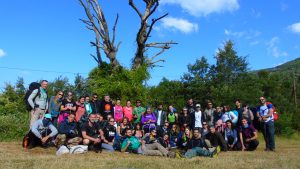
    The transboundary nature of Prespa and Baba Mt. implores transboundary cooperation and coordination in order to achieve the efficient conservation of the region that PrespaNet strives for. Consequently, when MES was invited to join the Biology Students’ Research Society in their biological and ecological investigations of Baba Mt. (particularly national park “Pelister”) from July 8th-13th, we used PrespaNet to reach out and invite student volunteers from the three countries where the Prespa basin stretches.
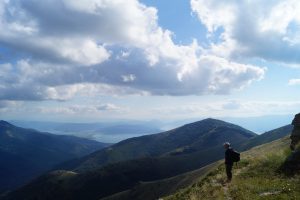
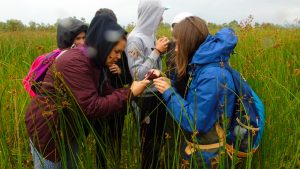
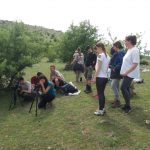
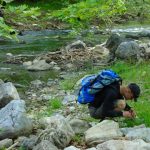
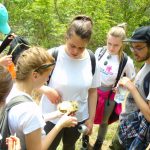
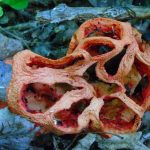
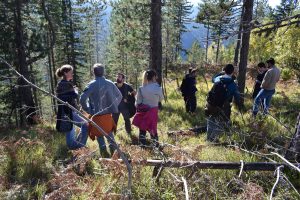
    During the intense field research, we explored the biological diversity of the mountain, generously shared knowledge and experience with over thirty students, and noted any new biological and ecological data for the national park, as well as what has sadly gone missing and is possibly now extinct. These data did not only prove to have a research but also educational purpose. In scope of the project, in 2020 it is expected similar camp to be organized by SPP in Greece.


  • International Vulture Awareness Day in the Skopje ZOO

    International Vulture Awareness Day in the Skopje ZOO

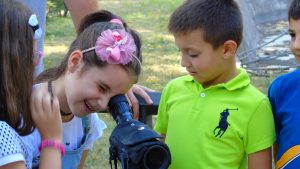
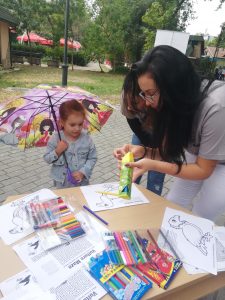
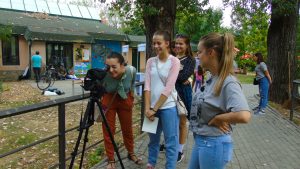
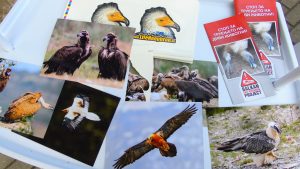
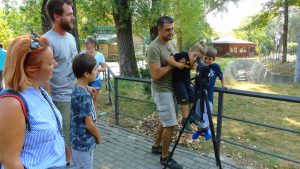
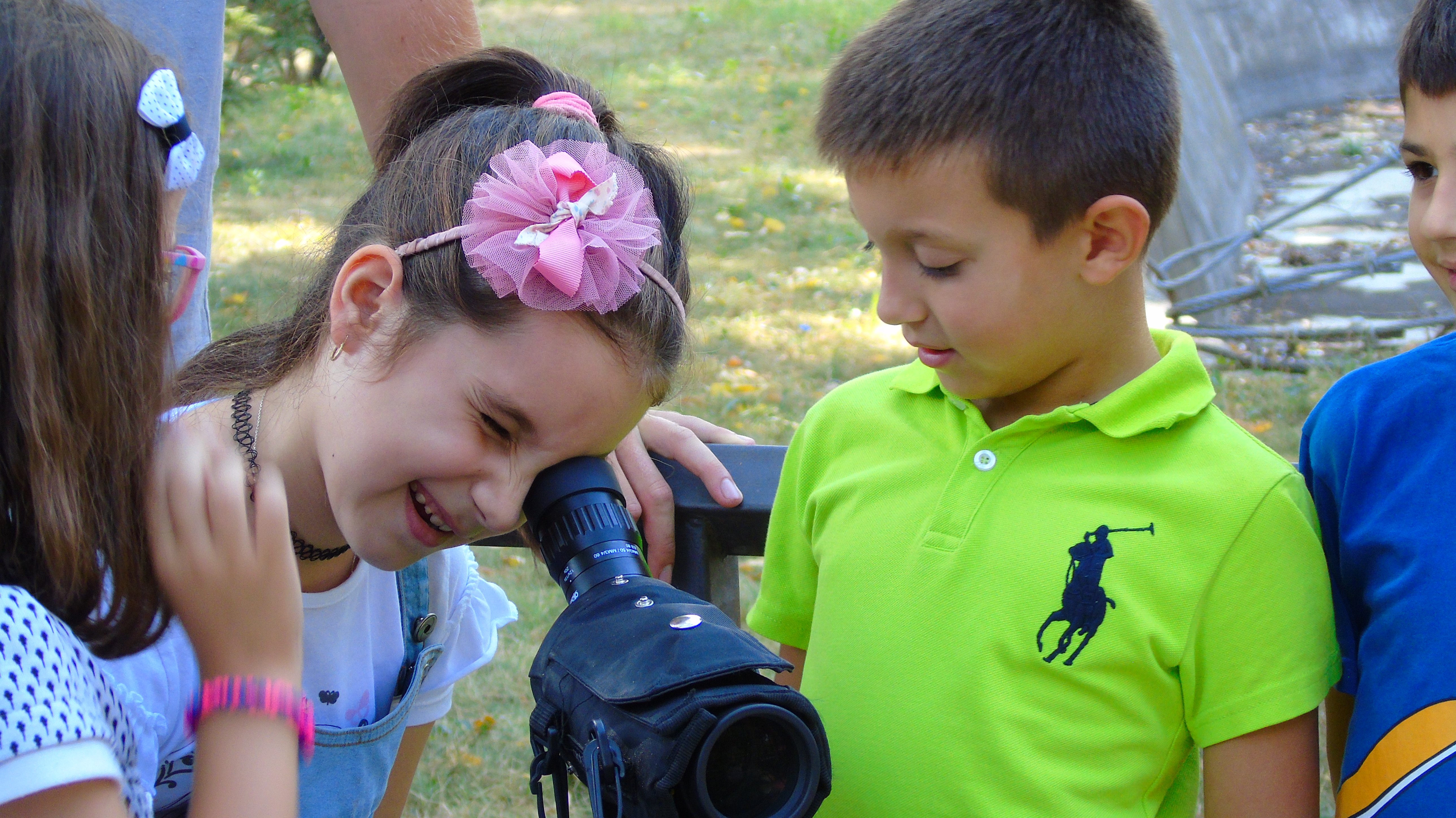
    On September 7th the Macedonian Ecological Society in collaboration with the Biology Students’ Research Society held a celebration for the International Vulture Awareness Day in the Skopje ZOO. The event was held under the “Egyptian Vulture New Life” project. The purpose of the event was to raise awareness and educate the public about the European Vultures and the efforts made to protect them.

    The visitors had an opportunity, through participatory activities meant for all ages, to learn play games and test their knowledge about vultures. Our youngest guests expressed the most enthusiasm. The event went with lots of games and laughter, and most important, with new friendships made.

    (LIFE16 NAT/BG/000874)

  • Balkan lynx education in primary schools complete

    Balkan lynx education in primary schools complete

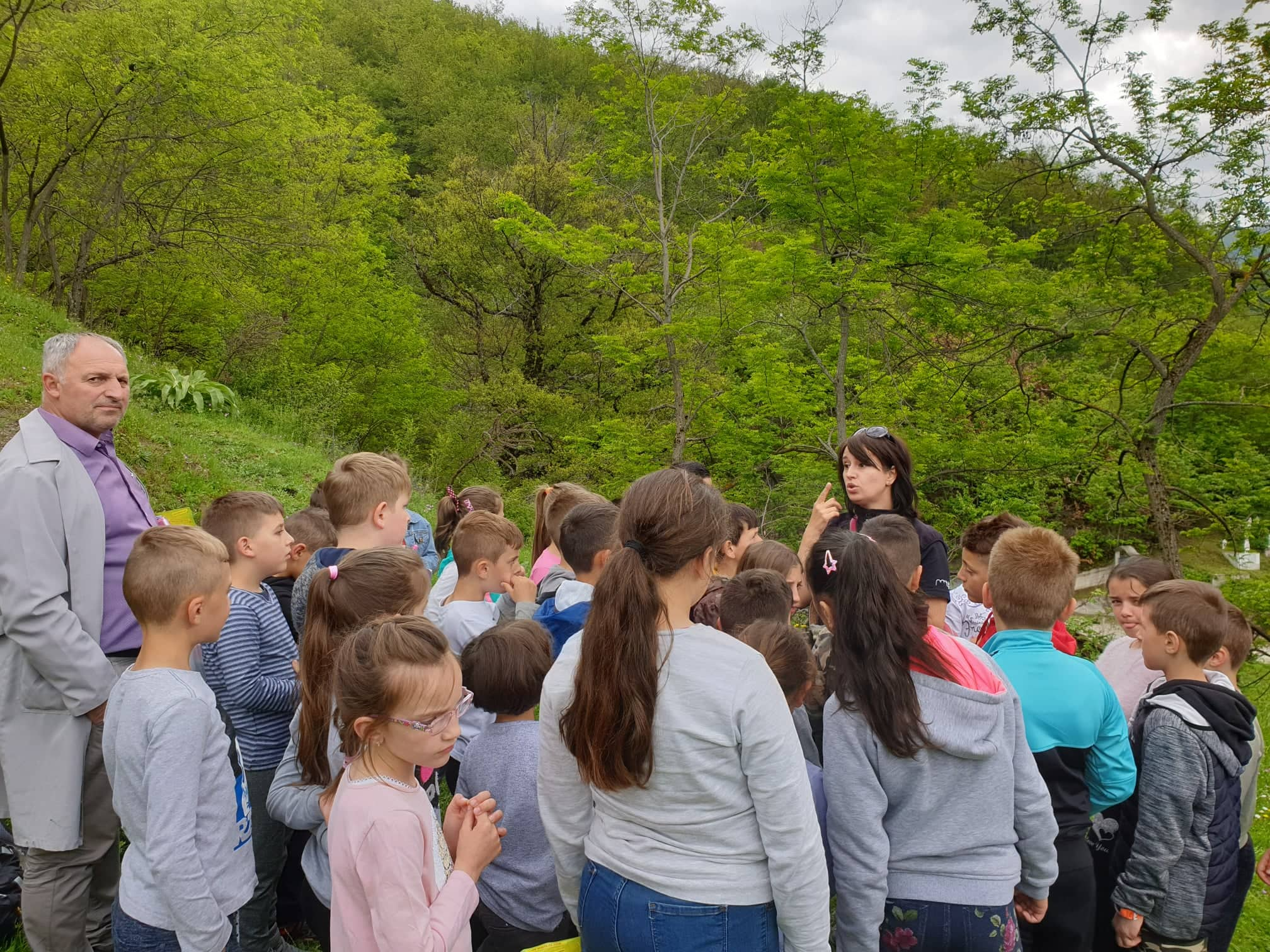
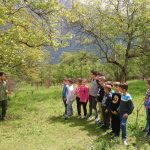
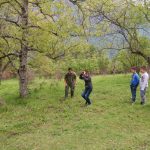
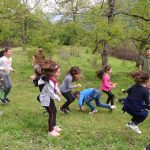
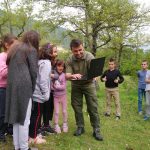
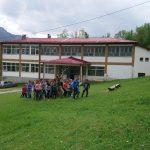
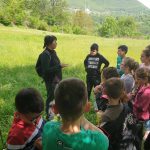
    Last week, 30 and 31 May 2019, we rounded off the educational activities for the schoolchildren of the primary schools in the Municipality of Mavrovo and Rostushe. Educational activities, implemented by representatives from the Macedonian Ecological Society (MES) and Mavrovo National Park, began in March, with a series of lectures about the Balkan lynx. The third, final part of education included field activities, as part of their outdoor education. This presented an unusual opportunity for schoolchildren from the villages of Zhirovnica, Rostushe, Trebishte and Velebrdo to get familiar with the methodology and means of conducting research about the Balkan lynx. In that respect, together with first-to-fifth-grade schoolchildren we visited the local forest, followed wildlife trails, imitated wild animals to see the use of camera traps, and also used radio-telemetry to search for the “lynx” schoolchildren.

    Lynx education represents part of the Education Strategy of the Balkan Lynx Recovery Programme. The education package in primary schools had its inception ever since 2015, whereas so far a total of 1,500 schoolchildren have been included.


  • World Migratory Bird Day in the Land of the Egyptian Vultures

    World Migratory Bird Day in the Land of the Egyptian Vultures

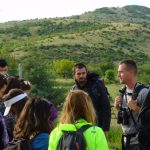
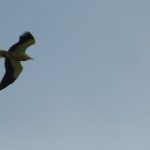
    On 12 May (Sunday), the Macedonian Ecological Society together with the Biology Students’ Research Society celebrated the World Migratory Bird Day under the Egyptian Vulture New Life Project. Around 40 participants, mainly biology students and bird enthusiasts, had a unique opportunity to visit the land of the Egyptian vulture in the central part of North Macedonia, near the city of Veles. During this field trip, the participants visited an Egyptian vulture territory and were able to see the pair of this long distant migrant flying around the nest as well as incubating.


    The field trip served both scientific and educational purposes as students and experts worked together in gathering data on all aspects of biodiversity.


    The Egyptian vulture team from the Macedonian Ecological Society had a short presentation on the ecology, threats and distribution of the species in the country. Besides the Egyptian vulture, the students had the chance of seeing many other attractive migratory bird species such as: imperial eagles, black storks, honey buzzards, short-toed eagles, etc.

    We hope that during this excursion we succeeded in raising awareness about the Egyptian vultures and maybe even gained people who will help us in our quest of protecting this magnificent bird.

    (LIFE16 NAT/BG/000874)