Category: Новости

  • Workshops on the process related to the disposal of the deposited lindane from the OHIS plant in Skopje

    Workshops on the process related to the disposal of the deposited lindane from the OHIS plant in Skopje

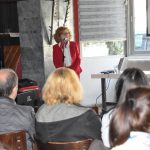
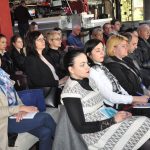
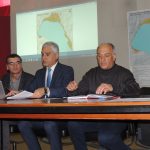
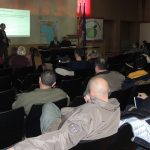
    On 22 and 28 March in Skopje, two workshops were held in order to raise public awareness about the importance of removing the lindane from the small landfill in the OHIS plant, organized by the Macedonian Ecological Society and in coordination with the Office for Persistent Organic Pollutants (POPs) as part of the Ministry of Environment and Spatial Planning (MoEPP).

    The purpose of the workshops was to inform all stakeholders and the public about the next steps regarding the procedure for the disposal of the deposited lindane within the plant. It was also one of the objectives to define competencies and joint coordination and communication among stakeholders regarding this long process. According to the Planning Office (MoEPP), the tender documentation for the persistent organic pollutants (POPs) of the Ministry of Environment and Physical Planning will be finalized by the end of April, announcing an international tender for the selection of a company and technology for disposal of the deposited lindane by the United Nations Industrial Development Organization (UNIDO) the small dump in the circle of OHIS. It is expected that by autumn it will be known which firm would be involved in the process of landfill removal.

    According to the Office for Persistent Organic Pollutants (POPs), in the Ministry of Environment and Physical Planning (MEPP), by the end of April the tender documentation will be finalized, after which an international tender for the selection of a company and technology for the disposal of the deposited lindane from the small landfill in the circle of OHIS will be announced. This Autumn is expected to be known and which firm would be involved in the process of landfill removal.

    Raising the public awareness of the Skopje population about the significance and impact of the lindane on human health and the state of the environment is one of the activities that is being implemented within the framework of the multi-annual project Removal of technical and economic barriers to initiating the clean-up activities for alpha-HCH, beta-HCH and lindane contaminated sites at OHIS financed by the Global Environment Facility (GEF) and implemented through UNIDO. The main goal of this long-term project is to carry out the removal of the deposited lindane from one of the two existing landfills located in the OHIS plant in the next period.

    The Macedonian Ecological Society (MES) is the carrier of public awareness activities, in coordination with POPs Office within MoEPP.
  • Teacher training on innovative nature education materials held in Gevgelija

    Teacher training on innovative nature education materials held in Gevgelija

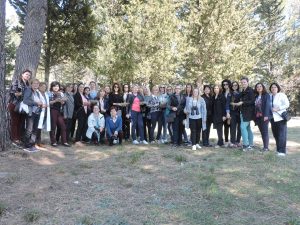
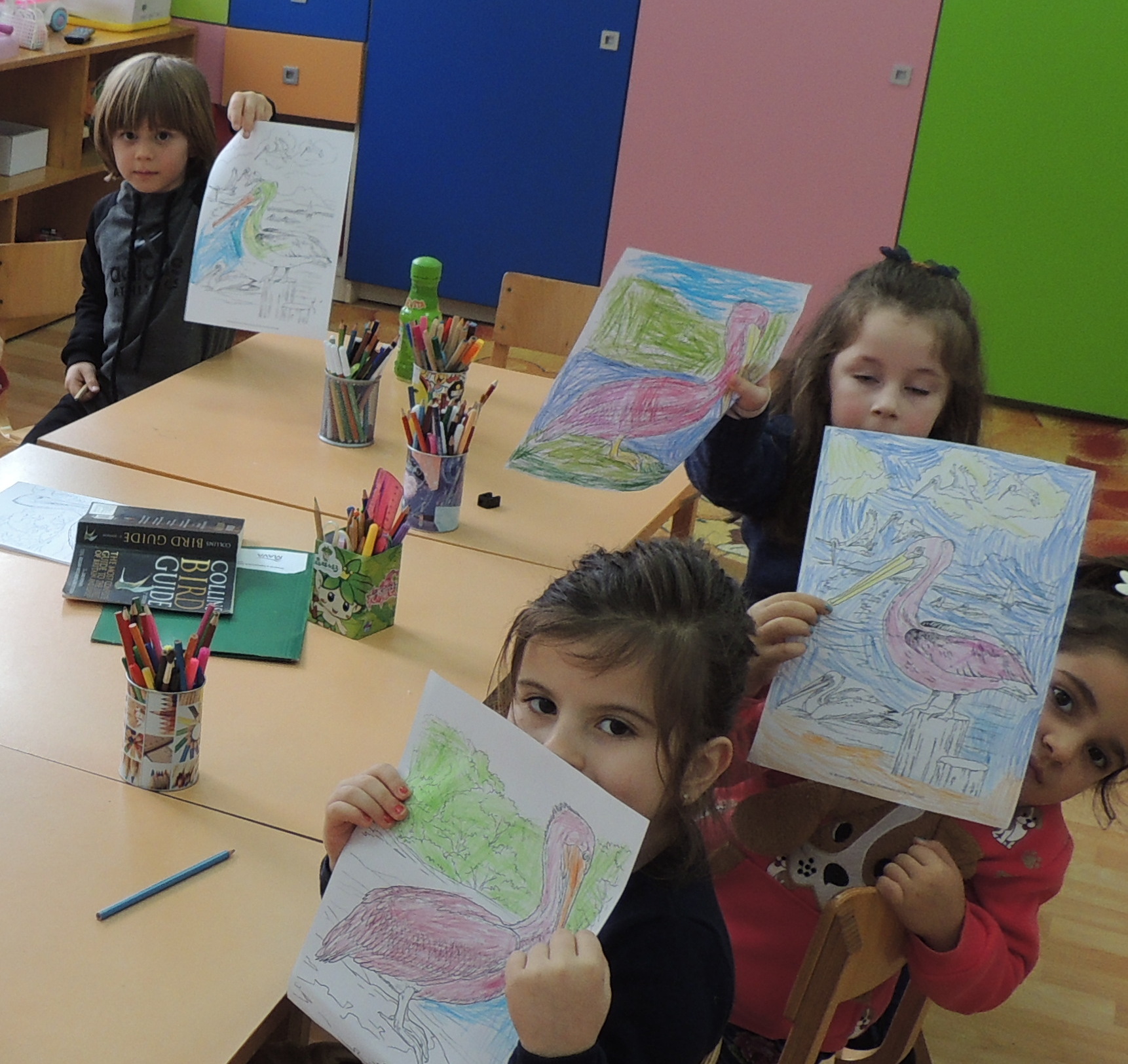
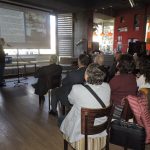
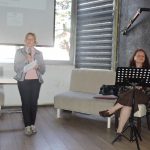
    Macedonian Ecological Society continued with teacher training which was initiated in the in the “Empowering Teachers and Pupils for a Better Life through Nature” project implemented in cooperation with five environmental NGOs from Europe, and financed by the Erasmus+ programme of the European Union. On 23 March, MES and a representative from Kindergarten “Majski Cvet” – Skopje held one-day training for the kindergarten teachers and caregivers from Kindergarten “Detska Radost” – Gevgelija.
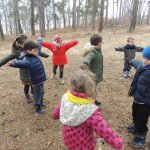
    The purpose of the training was to familiarize the kindergarten teachers and caregivers with the educational materials for nature and birds that they can use in their educational programs. The training also took part in nature in the recreational area Dinkjut, where the participants tested some of the activities from the material.

    The educational materials encourage educators working with children of the earliest age in rural or smaller urban areas to spend more time in nature and to study it closely, as well as to introduce interactive component in learning about birds.

  • The wild side of Prespa – the beginning of a series of events

    The wild side of Prespa – the beginning of a series of events

    MES-Resen is organizing a series of lectures titled “The wild side od Prespa”. The short presentations are meant to introduce all interested parties (especially locals) to biodiversity monitoring and organism-specific skills, and most importantly – to tell stories that will spark up excitement for the field studies to follow and make the wait for the spring and summer more bearable. With this in mind, we are going over examples and anecdotes derived from monitoring studies on different taxonomic groups (birds, reptiles, plants, etc.), most coming from Prespa. Those that will attend will learn that without proper monitoring we can have strong misconceptions regarding the state that our organisms of interest are in, and at the same time will learn that monitoring is not only meant for biologists and ecologists, but rather, its quality is strongly dependent on the initiatives of enthusiasts and nature lovers.

    In the biodiversity hotspot that is Prespa, monitoring can (and has) uncover(ed) biodiversity surprises around every corner, that can turn even the least of nature lovers into “nature addicts”. Inevitably, the attained monitoring skills will prepare all volunteers for potential careers as biologists, ecologists, field assistants, researchers, or simply for a lifetime of nature enthusiasm. At an age when a substantial proportion of the international ecological and conservation interests and resources are focused on Prespa, there is no better allocation of time and effort than that spent on local engagement by practicing biological/ecological skills! “The wild side of Prespa” is organized with financial and logistical support from PONT (Prespa Ohrid Nature Trust, https://www.pont.org) and the municipality of Resen, respectively.

  • New male lynx collared in Mavrovo National Park

    New male lynx collared in Mavrovo National Park

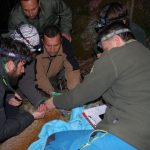
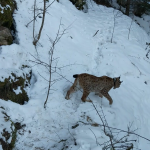
    Another lynx got a GPS collar in Mavrovo National Park to track its movement. On 27 February, together with Park staff, we managed to collar this individual and now we are successfully tracking its movement. The lynx is a two-year old male weighing 19 kilograms.

    –              After the Park’s employees called us about a chamois kill, we returned at the site and placed a foot snare. The lynx returned at the feeding site six hours later, whereas the whole procedure to take blood and measures lasted for about an hour, after which the lynx was released. On this occasion we had assistance from Miha Krofel, a lynx expert from Slovenia – stated Dime Melovski, managing MES Balkan Lynx Recovery Programme.

    It will be interesting to find out whether this lynx has not established its own territory yet. Such case will be helpful to determine which paths and corridors are used by lynx when establishing their home range. Hence, following the lynx’s whereabouts in the next few months will be of crucial importance.

  • Early spring surprises from IBA Lower Vardar

    Early spring surprises from IBA Lower Vardar

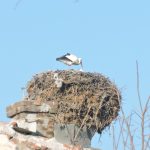
    During regular fieldwork activities in the scope of the “One Flew Over the Storks Nest” project we encountered two interesting bird sightings in the Lower Vardar river IBA.

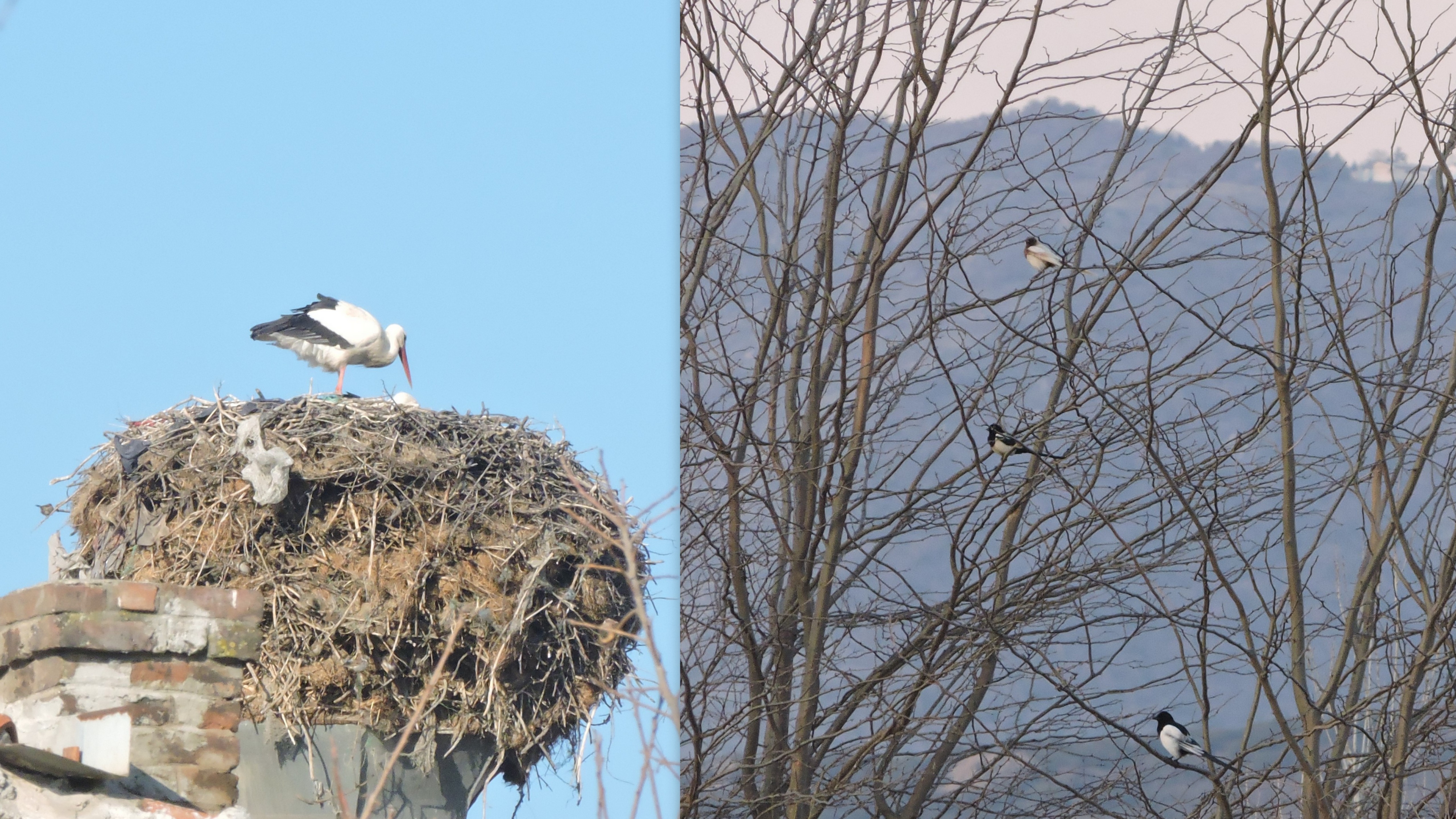
    The first surprise was the White Storks pair in the village Bogorodica. According to the locals the pair was first noted in January and has stayed in the village ever since. We suspect that the pair didn’t migrate and has survived feeding in the adjacent wetlands and dumpsites, or stayed in the warmer parts of Greece. Such phenomena of non-migrating Storks are noticed since the 1980s. The most frequent such cases in the last decade occur in Spain and Portugal. The scientists consider attribute this behavioral change as a combined result of the climate change and the easily accessible food source found in both legal and illegal dumpsites. If we confirm that the pair was overwintering, it will be the first such documented case for the country.


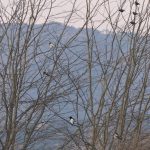
    The second surprise finding occurred in the adjacent village of Stojakovo. In a big flock of Magpies gathering around their roost, we noticed a partially leucistic Magpie individual. Instead of the trademark black-iridescent and white feathers pattern, it had dominantly white feathers on the flanks, the belly and the coverts and light brown feathers on its head and the vent. Such genetic changes in the expression of the melatonin (black pigment present in all animals) are rare occurrences, but not strange. More often than not, this type of different pigmentation in animals causes more negative than positive advantages (they can easily be spotted by predators; there are difficulties in thermoregulation and reduced probability to find a suitable nesting partner etc.). MES has knowledge of occurrences of several albino birds, but this is the first documented leucistic bird in the country. We hope this particular Magpie has a successful breeding season and continues to be part of this flock.

  • The largest Balkan lynx captured in Mavrovo National Park

    This weekend marked the capture of another Balkan lynx individual, near the village Sence, Mavrovo National Park, sixth in a row ever since the research inception in 2010 using radio-telemetry and GPS tracking by the Macedonian Ecological Society (MES). It should be underlined that the lynx, provisionally named B8, is the record-holder for the largest Balkan lynx individual ever to be captured for scientific study. Weighing twenty-seven kilograms, this individual is a real-life “beast”.

    –This weekend we received a signal that a box-trap had been activated and we, the MES team and Park employees, headed immediately to the site. We were pleasantly surprised to find a large, 27-kg male, which was identified as a resident of the Park, with a total of 12 appearances on camera-traps on various sites over the last six years, states Dime Melovski, managing MES Balkan Lynx Recovery Programme.

    Having been collared, B8 for three days in a row has been sending information about its whereabouts within the Park. Radio-telemetry data will help to better understand lynx’ food and habitat preferences, and its range.

    MES organised a poll to give a name to the new lynx. Proposals included: Bistri, Filip, Jovan, Mujo, Senko, and Vir. A total of 913 people placed a vote, with the majority choosing the name Bistri.

    Ever since 2010, MES has captured and collared six lynx individuals: Marko, Riste, Martin, Deki, Maja, and the latest – Bistri.

    It is estimated that the Balkans hosts less than 50 individuals of the Balkan lynx, a species which in 2015 earned the Critically Endangered status according to the International Union for Conservation of Nature (IUCN).

  • World Wetlands Day – Prespa Lake in focus

    World Wetlands Day – Prespa Lake in focus

    We celebrated the World Wetlands day on the 4th of February in Resen, jointly with the Municipality of Resen. This year we organized educational activities for the youngest students in the kindergarten in Jankovec. We conducted experiments which explain how feathers provide insulation and introduced the students to the most important wetland bird species from their region. These birds are indicators of climate change and they are in the focus of World Wetland Day. A connection to nature needs to be established at a young age and that is why we firmly support early education.


    On the same day the municipality held a workshop for the implementation of the METT tool which assesses the efficiency in management of protected areas. This time the tool was deployed with the Prespa region in mind. The Prespa Lake has been a Ramsar site since 1995 because of the great number of rare and endangered birds.

    – Prespa Lake hosts sixty one species of birds which are on the list of protected species on the Bern Conventions. Because of this, the Municipality of Resen, as the manager, has taken on a set of measures and activities for sustainable management of the “monument of nature” Prespa Lake and our future intent is jointly with the management of other protected areas to conserve the important plant and animal species of the Prespa region, stated Ajman Almala, Manager of the Environment Sector of the Municipality of Resen.

    The World Wetland day is actually the date when the Wetland Habitats Convention was adopted in 1971 in the Iranian city of Ramsar. This is the most important Convention that covers wetlands. The goal of the Ramsar sites is to preserve and sustainably use all water habitats through activities at local and national levels, as well as through international cooperation. Prespa Lake is the first Ramsar site in Macedonia. Macedonia nominated this lake and its surroundings having in the mind the importance of an ecosystem that is 2-3 million years old and provides goods and services for people as a result of the rich biodiversity and diversity of habitats.

  • Informative signboard installed in Mariovo

    Informative signboard installed in Mariovo

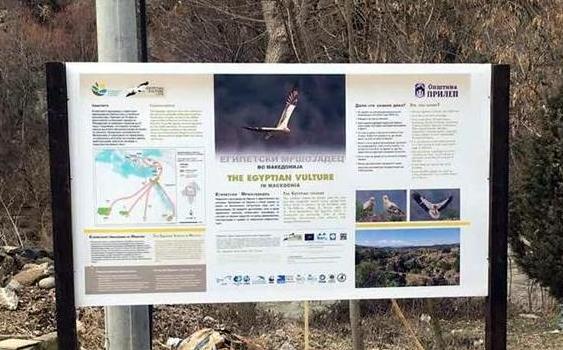
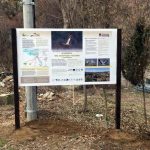
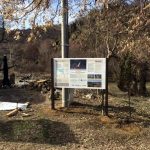
    The Macedonian Ecological Society today installed a signboard under the “Egyptian Vulture New LIFE” project (LIFE16 NAT/BG/000874). The content of the signboard is educational, and it contains information about the species ecology, distribution, interesting facts and the threats that the bird is experiencing.

    Mariovo with its unique geographic and climatic features has arguably the most suitable habitats for survival of this species in Macedonia, but at the same time this is where Vulture poisoning incidents are most frequent. Having this in mind, we think that it is of upmost importance that we invest in education and awareness raising of the local population.

    This signboard is just one of the activities that are going to be implemented in the regions that contain the last strongholds of this majestic and globally endangered species.

  • A new winter Balkan Lynx monitoring session has started

    A new winter Balkan Lynx monitoring session has started

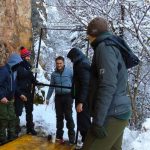
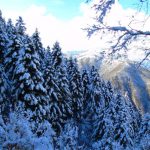
    Balkan lynx monitoring activities were initiated with the installing of the first box-traps in the National Park Mavrovo. The team of the Balkan Lynx Recovery Program along with the employees of the national park faced real challenges to set up the box-traps given the unfavorable weather conditions and the inaccessible terrain. However, persistence and enthusiasm won and we currently have six active box-traps and hope for a new lynx to be captured and tracked.


    The winter monitoring session will last until April and during that period we will also participate in monitoring of the Tajmiste hunting grounds in Kicevo, which border the National Park Mavrovo.

  • International Waterfowl Census (IWC) 2019

    International Waterfowl Census (IWC) 2019

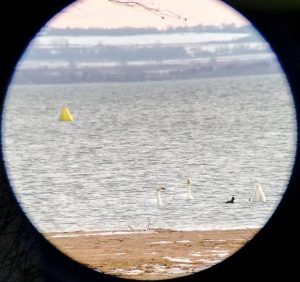
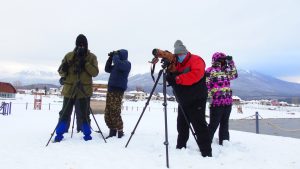
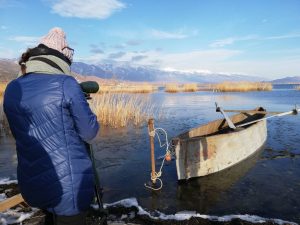
    For ten years now, on the weekend of 12 and 13 January 2019, MES employees and volunteers conducted bird counting on Macedonia’s three natural lakes, also including adjacent water reservoirs and wetlands. Despite the biting cold, the teams’ weather-defying spirit and enthusiasm made an enjoyable endeavour out of the International Waterfowl Census (IWC) in Macedonia, resulting in a total count of as much as 25.000 birds on Ohrid Lake and Prespa Lake, and round 6.000 birds on Dojran Lake. These small numbers can be a reflection to the rather mild winter weather conditions in the abovementioned locations, in comparison to the previous years. Apart from the rather small numbers, several rare, truly arctic species were spotted, like the Tundra Swan and the Red-breasted Goosander.

    The International Waterfowl Census is the largest volunteer waterbird census with a long-standing tradition ever since 1967. Led by the Wetlands International and in cooperation with numerous local organizations, this event has become the much needed source of information, pivotal to creating policies on wetland management and protection.