According to the European Environmental Agency (EEA) report, the effect of air pollution is the biggest environmental health risk in our country i.e. there are 120 deaths per 100.000 citizens as a result of pollution, or 2.500 a year https://www.eea.europa.eu/publications/healthy-environment-healthy-lives)
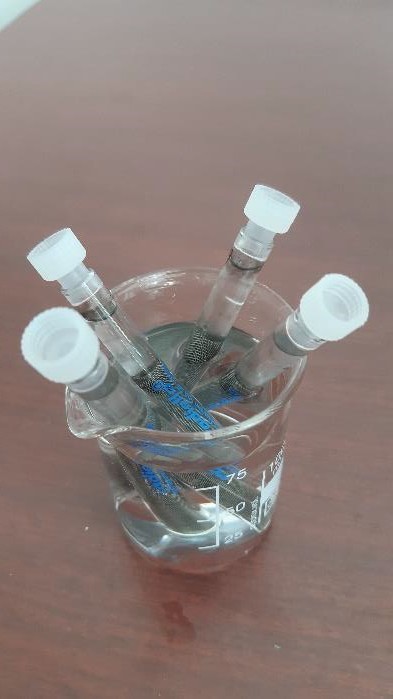
Thus, our team faces a great challenge in finding a solution on how to handle this serious environmental issue. The emphasis in the second stage of this research project is on development of suitable sample collection methods using filters for passive sampling in order to optimize the time interval required for VOCs collection as well as the sample preparation methods using solvent extraction.
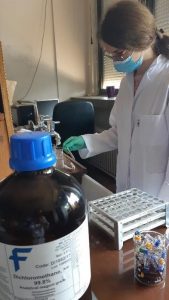
Extracting VOCs from filters using dichloromethane
The results showed that four weeks exposure of filters to ambient air is most suitable for detection of VOCs including some of the very hazardous ones. These compounds, such as benzene, come from anthropogenic sources.
These results have shown that we are on the right track on to the next phase where filters would be placed on various locations over different time periods in order to monitor the presence and concentration of VOCs.
The abundance of freshwater habitats in the region of DemirHisar results with the desire to make inquiries about nature and looking for answers to questions obtained through scientific research in this region.From the microscopic analyzes until now, over 150 species of diatoms have been identified in the various freshwater habitats in DemirHisar. Of course, in the upcoming period, this number will increase, considering that the microscopic analysis refers only to 30% of the previously collected material during the field activities.
Collecting material from Strugovsko Lake
A specie that has not been registered for the flora of RNM so far is Achnanthidium catenatum, now find out in Suvodol Lake.Pinnularia, Craticula,Asterionella, Microcostatus, Sellaphora,and Fragilariaare selected as special genera whose species require additional analyzes to identify them.
The huge biodiversity of diatoms makes us believe that the most beautiful things are always hidden deep in nature and we just need to look closely to see them.
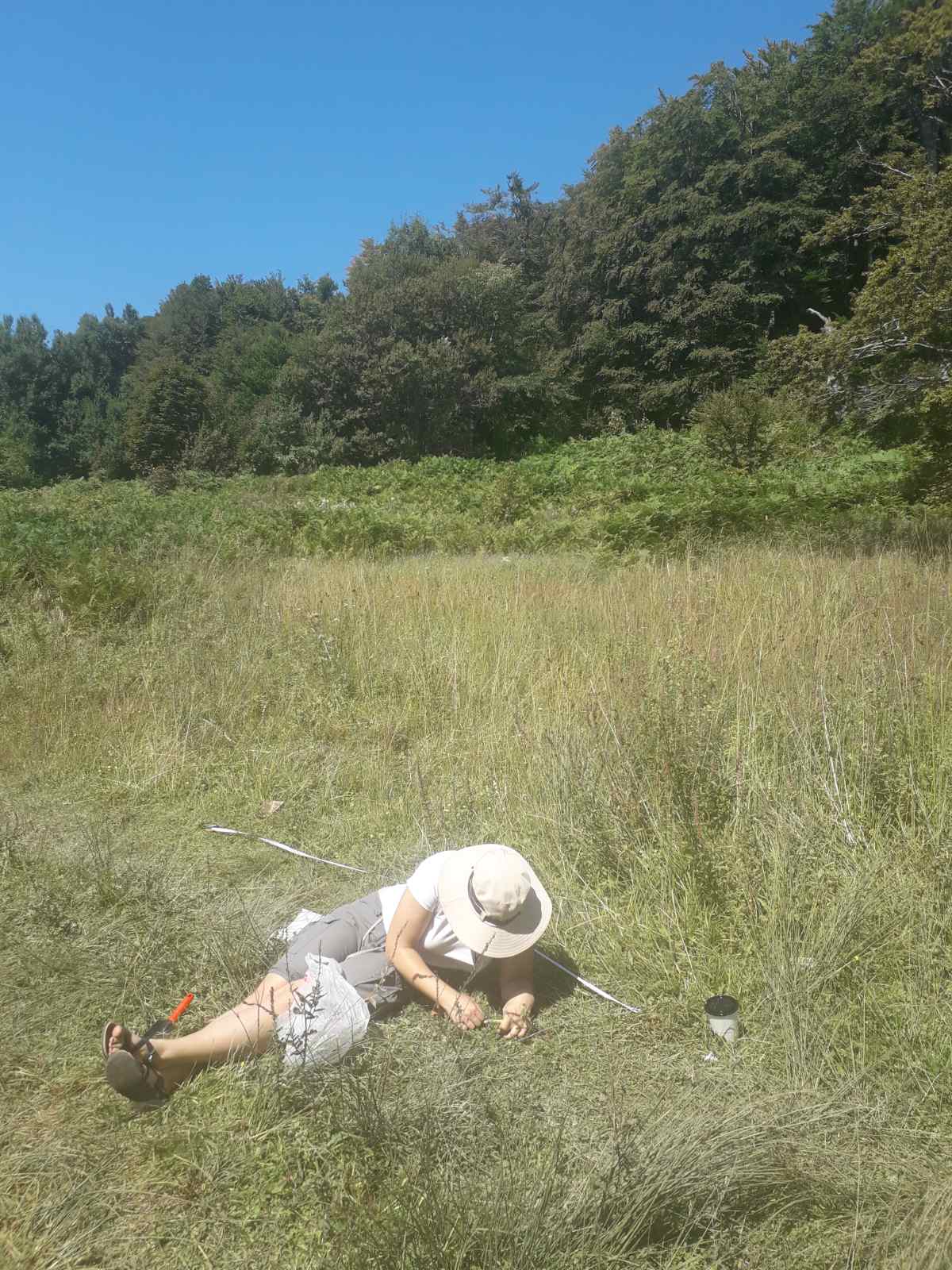
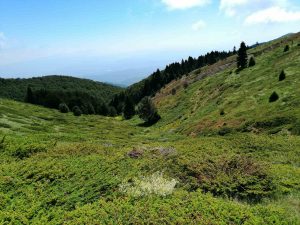
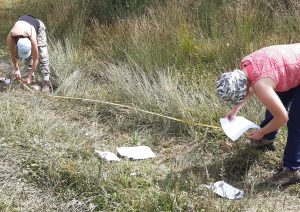
During this phase, phytocoenological relevés were made at the Asan Cheshma site, in order to determine the type of Ophioglossum vulgatum’s habitat. The identification of previously collected plants and the field research took place simultaneously. The identified plants belong to the Cyperaceae, Juncaceae, Orchidaceae, Poaceae, Saxifragaceae, Crassulaceae and Boraginaceae families. So far, we faced some challenges, which required a lot of studying and field work, but with excellent teamwork, we achieved the intended results. It is important to emphasize that the plant is registered on another site – Alchak.
Measuring the surface for phytocenological survey
Considering that the type of habitats inhabited by this plant are strongly affected by anthropogenic activities, but also by the conspicuous climate change, it can be concluded that this relic species could easily disappear from our country’s flora. Given the information about the increasingly intense anthropogenic activities on Kozhuf Mountain, taking the needed measures to protect the fern becomes imperative.
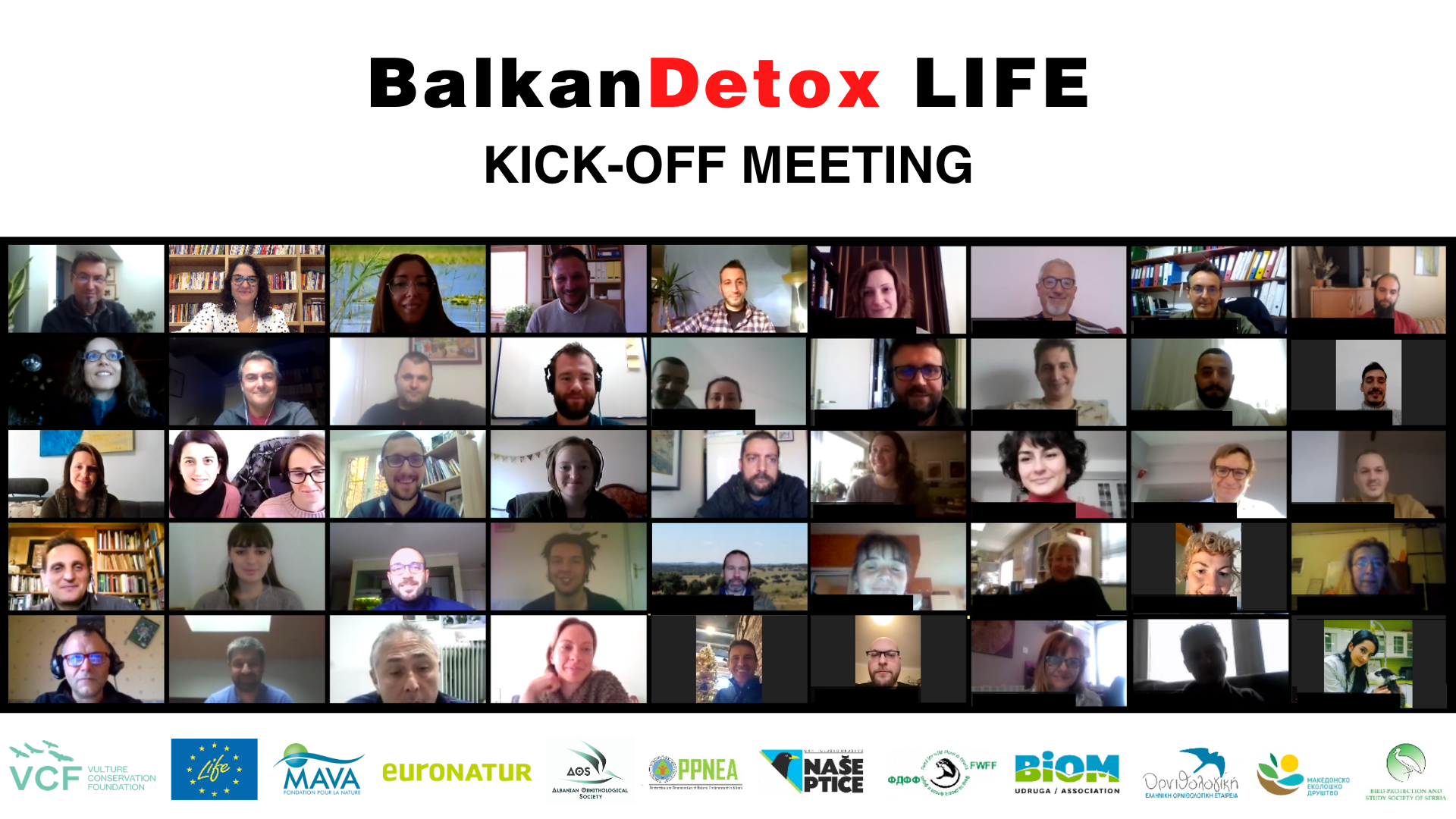
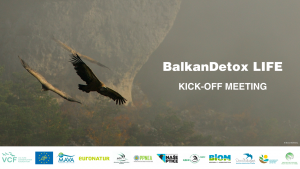
Even though partners and stakeholders could not meet in person for the BalkanDetox LIFE Kick-off Meeting due to the COVID-19 restrictions, we are glad to report that the meeting was a success nonetheless, and received a lot of interest and engagement by multiple relevant stakeholders!
Overview of Kick-off Meeting
On Monday, 30 November 2020, the BalkanDetox LIFE Kick-off Meeting brought together the nine project partners with many important stakeholders spread across the Balkans and other corners of the world to discuss the project scope, objectives, timeline, and everything in between. During the meeting, we started the initial discussions towards the establishment of the official working groups in each of the relevant Balkan countries, which is crucial to secure institutional cooperation and support for combating this illegal practice, as NGOs cannot fight this problem alone.
The meeting had over 110 registrations and the highest number of participants present at a time was 80, although people joined and left depending on the sessions. Overall, the meeting was a success, making new connections, exchanging expertise and experiences, and reinforcing collaboration among key stakeholders to combat the most severe threat to vultures in the region — illegal wildlife poisoning!
Project actions planned for 2021
The Kick-off Meeting laid the foundations for a successful project — now what’s next for BalkanDetox LIFE? The project team has many ambitious plans for 2021, but these are continually adjusted and modified due to the ongoing pandemic.
One of the most significant actions for next year are the meetings with relevant institutions in Albania, Bosnia and Herzegovina, Croatia, Greece, Republic of North Macedonia and Serbia to start the development of national standard operational protocols in the investigation of poisoning incidents.
Furthermore, other meetings will be held relating to the development and adoption of National Anti-Poisoning Road Maps and the investigation of the scope of misuse and origin of legal and illegal toxic substances used for wildlife poisoning. Partners will host tailored educational workshops in local communities, where wildlife poisoning remains a prominent issue, to address the drivers behind poison use in each project country and also promote the use of preventive measures that are safe for animals and the environment.
Last but not least, the first Wildlife Crime Academy training in Spain with staff from NGOs and governmental authorities from the Balkans is foreseen to take place next spring. The training aims to reinforce institutional capacities and prosecution efficacy towards better management of poisoning incidents through the adoption of Spanish best practice experience.
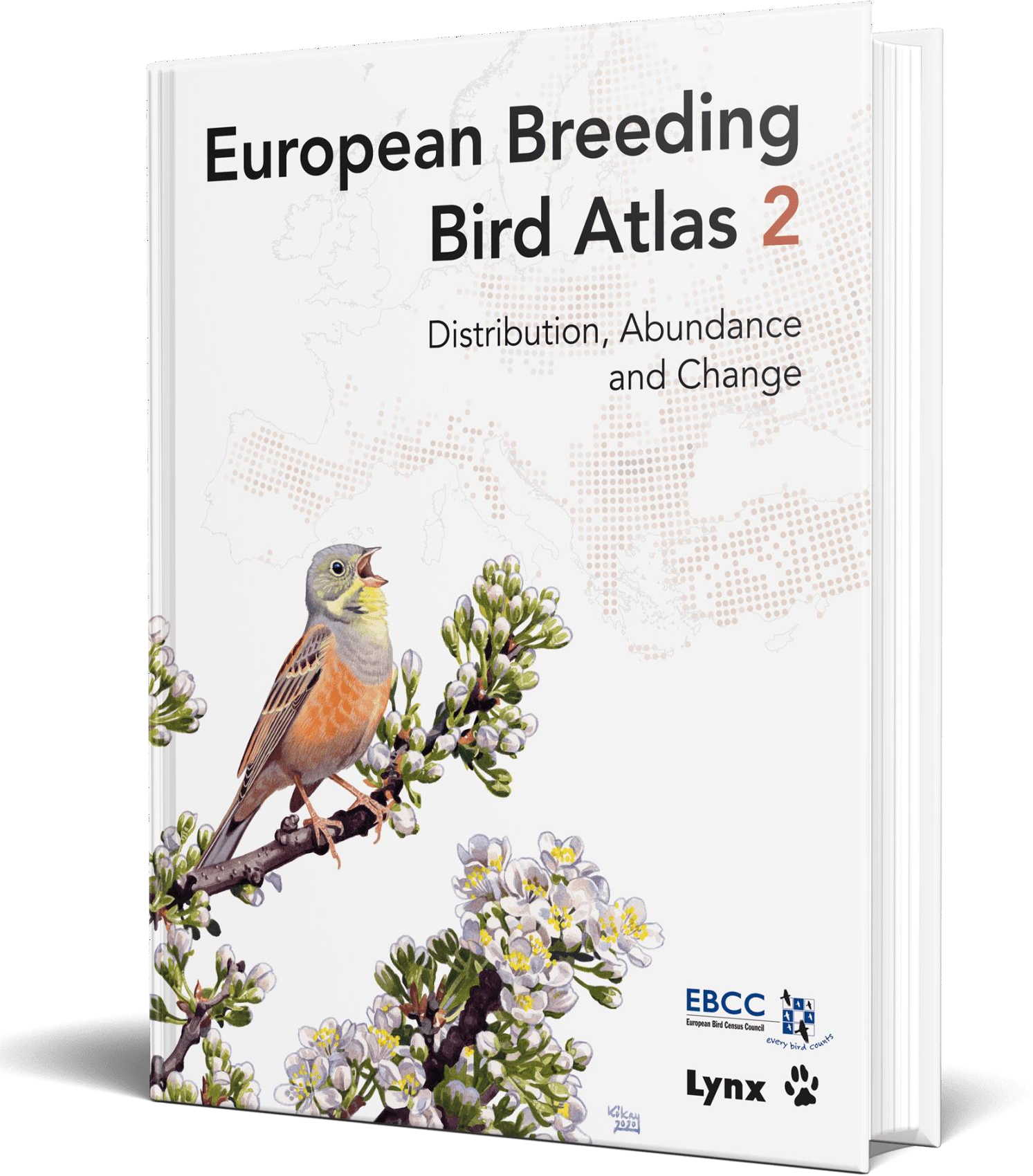
The European Bird Census Council (EBCC)1) publishes the second European Breeding Bird Atlas EBBA22), a milestone for biodiversity knowledge in Europe
A tremendous collaborative effort by the EBCC and its partner organisations made it possible to collect bird data from across 11 million km2 in a systematic and standardised manner.
With around 120,000 volunteer fieldworkers from all countries in Europe, EBBA2 is one of the biggest citizen science projects on biodiversity ever.
The book will be launched on 3 December 2020 via live streaming at https://youtu.be/lme2TBqoIEw.
Selected results
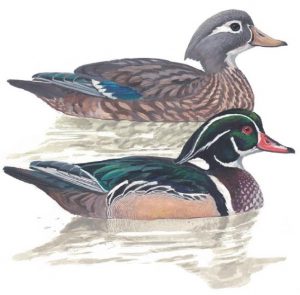
Wood duck, an introduced species
Almost 600 bird species currently breed in Europe; 539 are native species and 57 non-native (introduced from elsewhere in the world). Most of these species are not widespread but restricted to small areas of Europe.
35% of all native species have increased the area where they breed over the last 30 years, 25% have contracted their breeding range and the rest did not show a change or the trend is unknown.
‘Winners’, with increased ranges, include many species of forests and those protected by international legislation. ‘Losers’, with decreased ranges, include many species of farmland.
Land use change and climate change appear to be the main causes of changes in distribution.
The need for up-to-date information on the distribution and abundance of birds in Europe was evident a decade ago when the EBCC decided to start the project of the second European breeding bird atlas (EBBA2). EBBA2 builds on its predecessor, the ‘EBCC atlas of European breeding birds’, published in 1997 based on data from the 1980s. EBBA2 has combined high scientific standards with a citizen science approach to collect data on distribution and abundance of all bird species in Europe as well as to document changes since the first atlas.
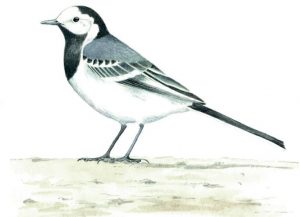
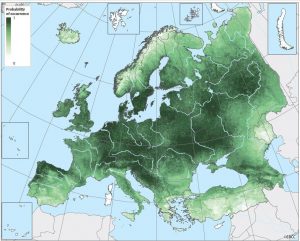
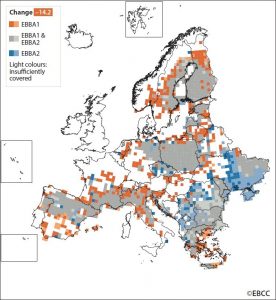
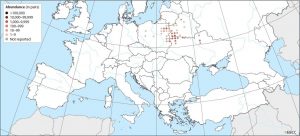
White WagtailDistribution of White Wagtail
During the fieldwork period 2013–2017 EBBA2 recorded 539 native bird species breeding in Europe, 59 of which are mainly concentrated in Europe (near-endemics) and 40 are species that can be found only in Europe (endemic). There are few species as widespread as White Wagtail Motacilla alba or Common Cuckoo Cuculus canorus, which were recorded in over 85% of all 50-km squares surveyed in EBBA2. More than 50% of the species occurred in less than 10% of all surveyed squares, so that all countries and regions have their own specific responsibility towards this common wealth.
EBBA2 data show that 57 non-native species breed in Europe, i.e. one in ten of European breeding bird species has been introduced from elsewhere; 39 of these species were documented for the first time in the last three decades.
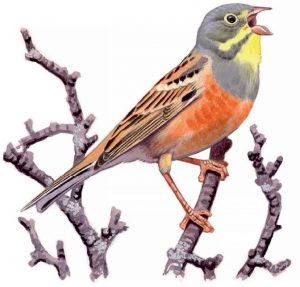
But despite pronounced changes in European landscapes and climate, very few native species disappeared completely, e.g. the Common Buttonquail Turnix sylvaticus, and the same applies to species naturally colonising the European continent, like the Little Swift Apus affinis. However, we observed marked changes in the European avifauna in the last 30 years. According to EBBA2 analyses, 35% of all native species increased the area where they breed, among them Cattle Egret Bubulcus ibis, Citrine Wagtail Motacilla citreola or Mediterranean Gull Larus melanocephalus. On the other hand, 25% of species have shown a decrease in area, e.g. Ruff Calidris pugnax, Great Bustard Otis tarda, European Roller Coracias garrulus or Ortolan Bunting Emberiza hortulana, the species shown on the book cover. Furthermore, the breeding ranges of European birds have shifted northwards by an average of 28 km (ca 1 km per year).
Distribution of Ortolan BuntingOrtolan Bunting
Sergi Herrando, from the EBBA2 coordination team at the Catalan Ornithological Institute says: “Regions in the north of the continent have gained species while the areas in the south have experienced losses. Losses have often been found in bird species characteristic for agricultural land and grassland, particularly in the Mediterranean region as well as in western and central Europe. Land use and climate change appear to be the main drivers of these changes and will have to be investigated further.”
This is in line with existing information about the decline of many farmland bird populations due to intensive agricultural practices. As many species shift their ranges northwards, species richness of forest birds is increasing, probably also as a result of land abandonment resulting in forest regrowth. Many other aspects are treated in the book. For instance, specialists of montane grasslands and tundra, mires and moorland are losing ground in substantial parts of their ranges.
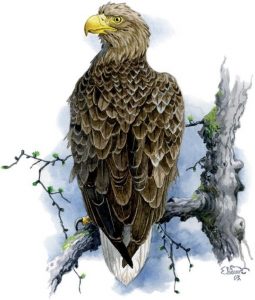
White-tailed Sea-eagle
Petr Voříšek, from the EBBA2 coordination team at the Czech Society for Ornithology explains that environmental policy may actually work: “Many species of European conservation concern suffered losses in distribution but there are also positive stories indicating that nature conservation works. Many species protected by international legislation such as the White-tailed Sea-eagle, Haliaeetus albicilla, have increased their distribution in Europe, visible also for instance in the increase in the breeding distribution of a number of species of inland wetlands that benefited from better protection of the species and their habitats (for instance Eurasian Bittern, Botaurus stellaris, or Pied Avocet, Recurvirostra avocetta).”
EBBA2 presents a new baseline on the European avifauna, with an unprecedented geographical coverage from the Azores to the Ural Mountains. EBBA2 is also one of the biggest-ever citizen science projects focusing on mapping biodiversity. In total, around 120,000 fieldworkers contributed data to the atlas, the great majority of them on a voluntary basis. Verena Keller from the Swiss Ornithological Institute, EBCC board member, EBBA2 project manager and the lead author of the book comments: “EBBA2 was only possible thanks to the EBCC network of organisations and individuals from all corners in Europe, all dedicated to a common goal, cooperating across all borders and barriers.”
The results of EBBA2 are published in a comprehensive book in partnership with Lynx Edicions. An on-line interactive version of the atlas maps is planned to be published at a later stage. Mark Eaton, EBCC chair, looks into the future: “This incredible new book, and the database that underpins it, will serve to enable further research and support conservation of birds and other biodiversity across Europe for decades to come.”
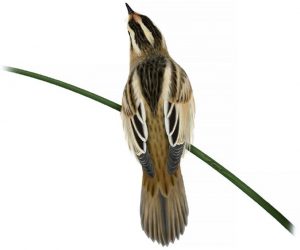
Аquatic WarblerDistribution of Aquatic Warbler
Iván Ramirez, Senior Head of Conservation at BirdLife Europe and Central Asia, comments: “This Atlas is a keystone publication that should guide future conservation work in our region. It helps practitioners to understand the changes of distribution of all species over the years and so it clearly highlights where species conservation and habitat restoration activities should happen in our region.”
The project would not have been possible without dedicated fieldworkers, national coordinators, experts contributing to analyses and presentation of the data, donors and other supporters.
EBBA2 in a nutshell
596 breeding bird species
10 years of work
120,000 fieldworkers
48 national partners
5 years of fieldwork
5,110 50-km squares with information on breeding birds
11,075,000 km2 covered
The book
556 full species accounts
69 species treated in the appendix
689 50-km maps showing abundance or breeding evidence
222 10-km modelled maps
446 maps showing change in distribution since the last atlas
 On Monday, 30 November 2020, the BalkanDetox LIFE Kick-off Meeting brought together the nine project partners with many important stakeholders spread across the Balkans and other corners of the world to discuss the project scope, objectives, timeline, and everything in between. During the meeting, we started the initial discussions towards the establishment of the official working groups in each of the relevant Balkan countries, which is crucial to secure institutional cooperation and support for combating this illegal practice, as NGOs cannot fight this problem alone.
 One of the most significant actions for next year are the meetings with relevant institutions in Albania, Bosnia and Herzegovina, Croatia, Greece, Republic of North Macedonia and Serbia to start the development of national standard operational protocols in the investigation of poisoning incidents.