Category: Balkan Detox

  • Standard Operational Protocol for wildlife poisoning cases officially adopted in North Macedonia

    Standard Operational Protocol for wildlife poisoning cases officially adopted in North Macedonia

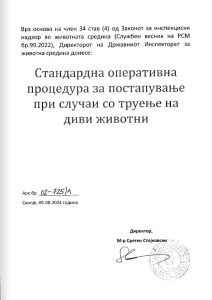
    On August 5th, the State Environmental Inspectorate officially adopted the Standard Operational Protocol (SOP) for handling wildlife poisoning cases, developed as part of the BalkanDetox LIFE initiative. This important document was proposed during a meeting of the National Anti-Poisoning Working Group, where members highlighted the need for clearly defined roles and responsibilities among national bodies, as well as effective cooperation in such cases. In accordance with the Law of Inspection on the Environment, article 34 allows the Director to officially adopt such SOPs, with provisions for annual revisions if necessary.

    As North Macedonia currently lacks a fully systematized response to wildlife poisoning cases, this SOP marks a significant step forward. It will primarily support state environmental inspectors, while also providing guidance for police forces, veterinary inspectors, and public prosecutors.

    “Proper management of wildlife poisoning cases is critical to ensuring a successful legal outcome. This includes the use of administrative tools such as preparing detailed reports from the inspection site, collecting evidence of identified violations, and maintaining formal communication with other relevant authorities. It also involves timely case reporting, thorough on-site investigations, transporting collected materials to appropriate laboratories for analysis, and initiating both criminal and misdemeanor proceedings against the perpetrators,” — Darko Blinkov, General Inspector of Environment, State Environmental Inspectorate
    The document was the result of a collaborative effort involving the Macedonian Ecological Society, the State Environmental Inspectorate, the Faculty of Security, and the Macedonian Young Lawyers Association.

    The document outlines the relevant national laws that establish the criminal framework for wildlife poisoning and the legal grounds on which national bodies must act in such cases. While it primarily serves environmental inspectors, it also details the responsibilities of various stakeholders, including the Food and Veterinary Agency, the police, relevant laboratories, the public prosecutor’s office, the State Hunting Inspectorate, as well as agencies managing protected areas and hunting ground concessionaires.

    The SOP provides a step-by-step guide for inspectors, complete with diagrams and flowcharts to clarify procedures. The annexes include photographs of poisoned wildlife and common poison baits as reference material for inspectors. Finally, the document features sample reports that inspectors can complete during their investigations.
    “We are incredibly happy that as a result of the hard work and cooperation of the National Anti-poisoning Working Group, we were able to not only create this document but have it legally adopted by a relevant national body. This action shows commitment, generates motivation, and can further stimulate cooperation in solving wildlife poisoning issues and further to combat such wildlife crimes,” – Arta Starova, North Macedonia project coordinator of BalkanDetox LIFE.
  • Overview of Challenges and Achievements: Highlights from the 2024 International Wildlife Crime Conference in Cyprus

    Overview of Challenges and Achievements: Highlights from the 2024 International Wildlife Crime Conference in Cyprus

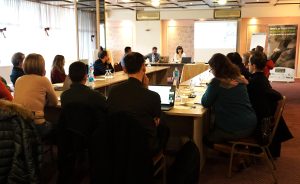
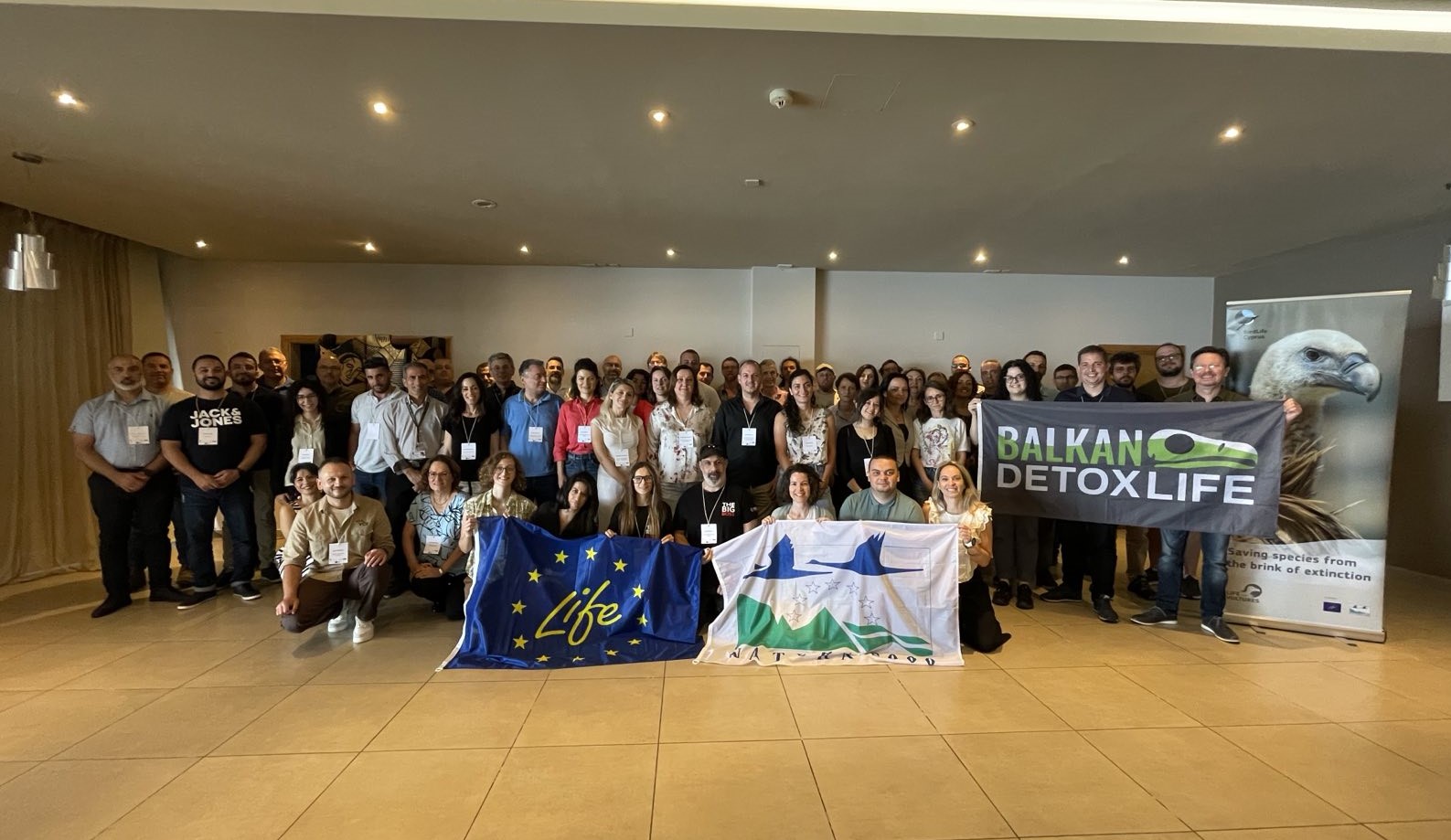
    What a week! From May 22-24, 2024, the International Wildlife Crime Conference took place in Limassol, Cyprus. Participants from various countries and organizations gathered for presentations, discussions on challenges and achievements, and setting priorities for combating wildlife crimes. The conference focused on issues like illegal wildlife poisoning, trapping, and electrocution in the Balkan and Mediterranean regions. Representing North Macedonia were Arta Starova and Aleksandra Todorovska from the Macedonian Ecological Society, both involved in the BalkanDetox LIFE project, along with General State Environmental Inspector Darko Blinkov and Professor Marina Malish Sazdovska, who teaches Environmental Crime at the Faculty of Security.
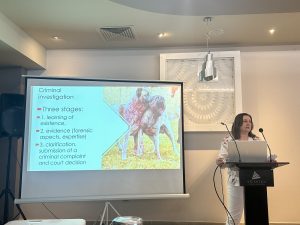
     

    Key takeaways included:

    • There is insufficient national coordination and resources for investigations;
    • There is a need for more education and public awareness raising in the judiciary system;
    • Electrical infrastructure causes wildlife mortality and species endangerment, which will worsen with population growth and increased energy demand. Retrofitting is not a long-term solution; future expansion should promote redesigned pylons and the use of XLPE or underground wires;
    • The strong international network working on these issues should continue to share information, support and create an open database on consistent reports and cases of wildlife crimes.


    The conference addressed the devastating consequences of illegal bird killing, such as the disappearance of Griffon vulture pairs in Cyprus in 2023.  Presentations emphasized the role of police, special K9 units, the use of GPS transmitters and ranger services in preventing these activities and collaborating with local communities.

    Jose-Antonio Alfaro from Europol highlighted the need for deeper investigations into wildlife trafficking, noting challenges like document fraud, legislative discrepancies, and corruption. On an international level, Clairie Papazoglou discussed priorities of the Convention on Migratory Species, emphasizing Resolution 11.16 and the importance of MIKT (The Intergovernmental Task Force on Illegal Killing, Taking and Trade of Migratory Birds in the Mediterranean) and IKB Action Plans. She also called for better understanding of motivations behind these illegal activities through detailed sociological research. Ruben Moreno-Opo, from the Spanish Ministry for Ecological Transition, discussed Spain’s best practices in combating bird electrocution, emphasizing legislation that is important in targeting hazardous powerlines whilst from an NGO perspective Carlota Viada Sauleda shared her work on the Aquila a-LIFE project, advocating for insulated cables and structural changes to pylons through the use of White papers.

    Representatives from various countries, including North Macedonia shared wildlife crime case studies, stressing the need for improved national capacities, law enforcement education, and inter-governmental collaboration.
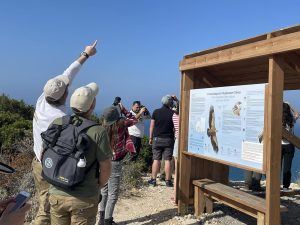
    The event was hosted by Birdlife Cyprus and the Vulture Conservation Foundation as part of the BalkanDetox LIFE (LIFE19 GIE/NL/001016) and LIFE with Vultures (LIFE18 NAT/CY/001018) projects.

    On the final day, the group enjoyed an extraordinary field trip to the breathtaking Episkopi Cliffs, after which we visited a local goat farm, and a nearby feeding station where Griffon vultures soared above us as company along the hike through Cyprus’s picturesque landscapes.


  • MES participates in the third “Supreme Level” training organized by the Wildlife Crime Academy in Malaga, Spain

    MES participates in the third “Supreme Level” training organized by the Wildlife Crime Academy in Malaga, Spain


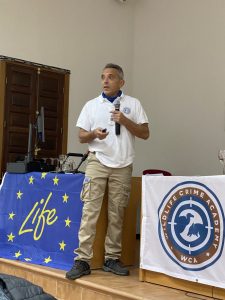
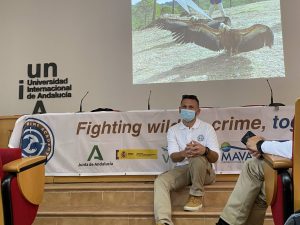
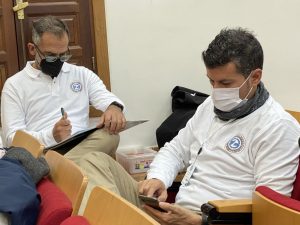
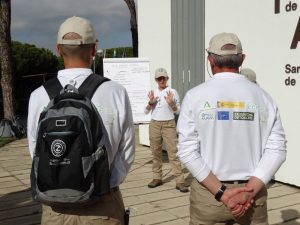
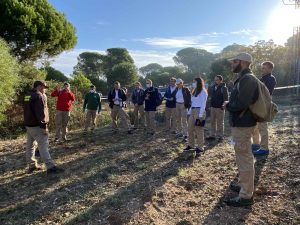
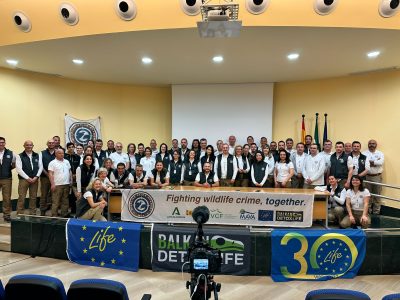
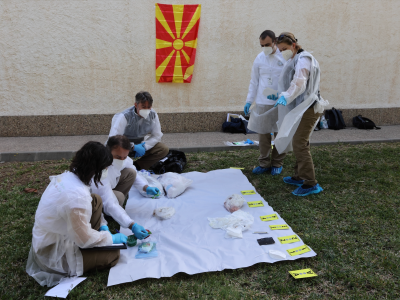
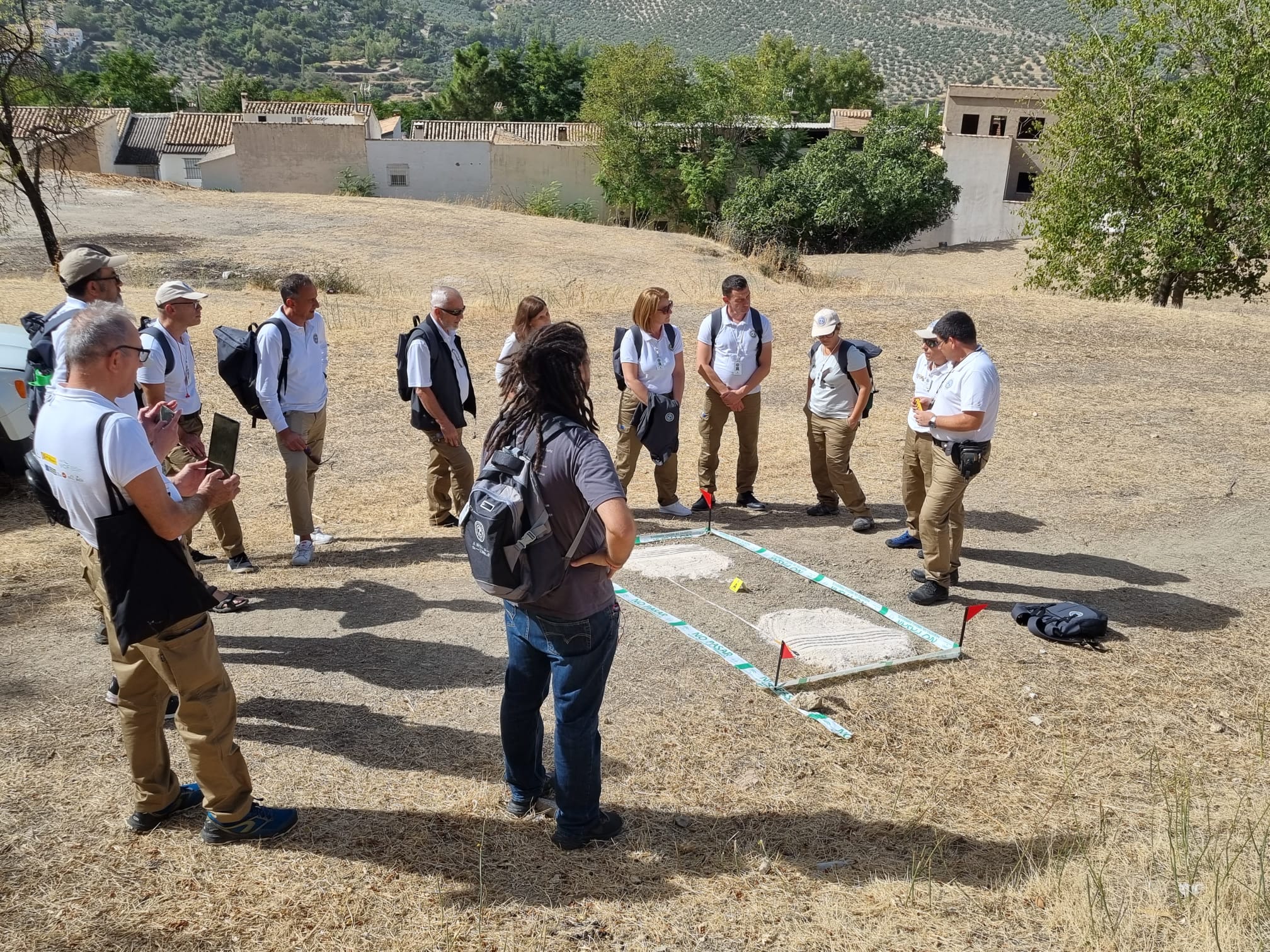
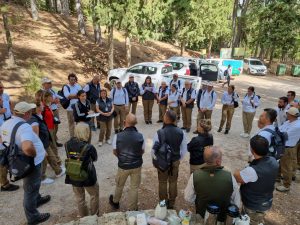
    A total of five participants from various relevant government institutions and organizations from the country took part in the third training organized by the Wildlife Crime Academy, which took place last week in Malaga (Spain). Participants from North Macedonia trained together with 39 other participants from nine European countries and gained qualifications in this highly advanced and specialized field. The training aims to assist representatives of relevant institutions in prosecuting and convicting individuals who harm wildlife, serve as a deterrent to potential offenders and ultimately minimize wildlife crimes, thereby saving the lives of endangered species.

    The training was organized by the Vulture Conservation Foundation and the Junta de Andalucía as part of the EU-funded “BalkanDetox LIFE” and “LIFE with Vultures” projects, as part of a series of three intensive trainings of the Wildlife Crime Academy. Not only has it filled knowledge gaps, but it has also transformed attitudes towards wildlife crime, elevating it as a serious crime among law enforcement.

    Tailored to professionals from various academic disciplines working in the field of protection, law enforcement and forensic science, the training helped participants acquire the necessary skills to conduct investigations, manage teams and increase the motivation of relevant stakeholders. Following internationally recognized procedures from the Junta de Andalucía and a program designed by specialists with over 15 years of experience, including contributions from Europol, the Wildlife Crime Academy courses are at the forefront of the most up-to-date knowledge and practices.

    “By combining crime scene investigation (CSI), forensic science and court processes, we have achieved an 80% reduction in illegal wildlife poisoning incidents in Andalusia over a 15-year period. With the right procedures, persistence and cooperation, we are confident that our participants can achieve similar results in their countries”, said Iñigo Fajardo, head of the Department of Protected Species in the Junta de Andalucia and professor at the Academy of Crime Against Wildlife.

    During the third training, participants honed their skills in profiling suspects and understanding criminal behavior through practical exercises on criminal signatures and case linking. The theory covered topics such as forensic psychology, crime analysis and criminal profiling. Participants were educated about evidence of criminal behavior and how intelligence services can prevent crime and assist in investigations, particularly when it comes to organized crime and international networks involved in wildlife poisoning and illegal trade.

    “Our country is faced with ongoing environmental crime for which, unfortunately, there is no effective and thorough investigations from the side of the appropriate authorities. This academy has provided us with a range of tools to strengthen our national capacities on this issue. However, this is just the beginning, as collective efforts and determination are going to be needed to eradicate wildlife crime in North Macedonia,” said Arta Starova, project assistant at the Macedonian Ecological Society and participant of the Wildlife Crime Academy.

    During the first and second training courses, participants were educated on how to conduct systematic check-ups, collect, and secure evidence. In addition, the use of canine units and the identification of fraud through body language were covered.

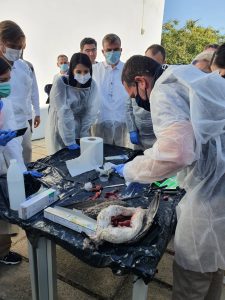
    Forensics was also included as a key part of the investigation and evidence was analyzed to develop objective findings that could reveal the causes of species deaths and even help prosecute the perpetrators. WCA researched in key areas including forensic entomology, unconventional sampling and interpretation of toxicology results.

    “Europe received 44 new experts from nine countries, for research and analysis of wildlife crime. We are impressed by their unwavering commitment to the fight against wildlife crime and believe their expertise will make a real difference in preventing illegal mortality and supporting conservation efforts for endangered species. Our Wildlife Crime Academy participants have already received the first conviction for illegal wildlife poisoning in Cyprus,” said Jovan Andevski, program manager at the Vulture Conservation Foundation and coordinator of the Wildlife Crime Academy.

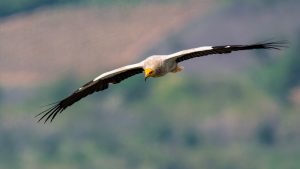
    According to MES data, in the last 20 years in North Macedonia, at least 80 individuals of 5 different species have been poisoned, with the most affected being the Griffon vulture (>70 birds), and the other species that are very susceptible to this threat are the Egyptian vulture , the Imperial eagle and the Golden eagle. The use of poisons in the past has already led to the extinction of two species (the Bearded vulture and the Black vulture), and now both the Griffon vulture and the Egyptian vulture are facing such a threat.

  • Education on the Threats Faced by the Egyptian Vulture

    Education on the Threats Faced by the Egyptian Vulture

    [vc_row][vc_column][vc_column_text]The students from the primary school “Dame Gruev” in Erdzelija have a strong connection to nature and are well informed on agricultural practices around them which is why it is important to additionally educate them on the link with biodiversity. The dedicated teachers from this school invited us once again to a workshop which provides the link between agriculture, rural life and endangered species. This time we were focused on the Egyptian Vulture whose biggest threat to survival is non-selective secondary poisoning in rural areas. The students already know many birds and understand the marvel of migration so they easily grasped how important and difficult it is to conserve the only migratory vulture in the country. For better understanding on how threats such as poisoning but also electrocution, food scarcity and loss of habitats endanger the life of Egyptian Vultures we played the game “Egyptian Vulture Odyssey”. After playing the game the students were keen to learn more on how they can be part of efforts to save these amazing birds.

    [/vc_column_text][/vc_column][/vc_row][vc_row][vc_column][vc_media_grid element_width=”3″ grid_id=”vc_gid:1681127793484-1b8df6b9-0b1d-3″ include=”8792,8791,8790,8789,8788,8787,8786,8785″][/vc_column][/vc_row]

  • Regional Workshop on Mobile Pastoralism and Vultures

    Regional Workshop on Mobile Pastoralism and Vultures

    At the end of October 2022 we provided logistical support and ensured that representatives from the relevant institutions participated on the Regional Workshop on Mobile Pastoralism and Vultures alongside relevant stakeholders. The workshop took place in Popova Kula, Demir Kapija. The 3-day event was collaboratively organized by Yolda Initiative, Vulture Conservation Foundation, EuroNatur and the Macedonian Ecological Society, with the funding provided by the MAVA Foundation and from the LIFE Programme of the European Union within the framework of the BalkanDetox LIFE project. In total, 32 individuals from 11 different countries participated.

    Meeting Goal:

    • Provide the base and beginning of a Balkan network between mobile pastoralists, vulture conservationists and conservation authorities.

    During the first day of the workshop, following the welcoming speeches given by the main organizers, the meeting began with presentations from Yolda Initiative describing the regional-level situation regarding mobile pastoralism in Europe as well at the responses by local associations and governments. Shortly after, livestock keepers and experts on the subject gave individual presentations on the current situation in the Balkans. The second half of the day comprised of two rotational working groups that identified the key issues with mobile pastoralism. Livestock keepers provided important insight on consistent problems that they face. These issues were then categorized from least to most urgent to solve, together with the conservationists.

    1. Policy issues
    2. The existing economic model
    3. Infrastructure issues
    4. Societal values

    The second day focused more on the relevant policy and legal frameworks that are applicable for traditional mobile pastoralists. Vyara Stefanova gave insight on international policies as well as the EU common agricultural policy (CAP), and discussions ensued on the pros and cons of this policy with various opinions stated. The implementation of EU sanitary regulations was also covered. Esmeralda Laci then gave a presentation concerning the ongoing process of Albania’s case of having traditional mobile shepherding be recognized and proclaimed as an intangible cultural heritage by UNESCO.
    Following these speeches, the focus shifted toward vultures and the species conservation in the region with an overview of the BalkanDETOX Life project. Vulture feeding sites were discussed and how these could be connected to incorporating the role of mobile pastoralists in vulture conservation. The topic of quality guard dogs as solutions to predator attacks to mitigate livestock keepers’ incentive to leave poisoned carcasses was covered with a real life project example in North Macedonia, presented by the professor Vladimir Dzabirski. Dimitrios Vavylis from the Hellenic Ornithological Society briefly introduced their work as a professional poison dog handler and the potential for investment in such activities. They also briefly spoke on the use of electric fences/fladry as a solution against predator attacks and the success of these methods.

    Policy issues were divided between legal, financial and operational topics of discussion and development. Concerning legal matters, specific legislations and regulations (such as forestry) should be adapted to benefit grasslands and small livestock breeders. There should also be a simplification of bureaucratic procedures and support regarding applying for subsidies, compensation measures, etc… Ministries of Agriculture, Culture and Environment would be mainly involved in this aspect. In regards to the financial aspect, sufficient subsidies in EU/non-EU countries should be provided as well as specific financial programmes that would support traditional pastoralist products should be more developed. Additionally, better branding and trade should be supported of traditionally produced products. In terms of operational issues, better organization of pastoralist cooperatives would be beneficial. Actions and solutions suggested were:

    • More research, data collection, and publications concerning the topic
    • Simplified protocols for applying for subsidies and financial support
    • Promotion of mobile pastoralism as a touristic offer
    • Defining certification and labelling system
    • FAO, UNESCO/International Policy lobbying for the benefit of small scale livestock breeders/traditional pastoralists
    • Identify ambassadors for transhumance
    • Protecting and conserving existing water points as well as maintaining existing routes
    • Access to basic services (heating, electricity, water)

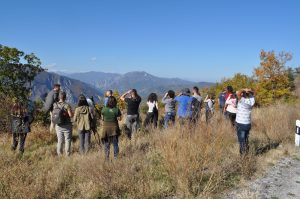
    The third day was a field-excursion to the vulture feeding station on Vitachevo. We were accompanied by Emmanuel Lisicanec, a local from the town Kavadarci that regularly works on projects concerning vulture and general bird protection in North Macedonia. Lisicanec also helps in maintaining the vulture feeding station on Vitachevo, by supplying food and monitoring of the station. After scanning the area for some time, a few sharp-eyed participants were able to catch a glimpse of a Griffon vulture flying nearby the station.

  • Improving national capacities against wildlife crime: Second cohort participates in Wildlife Crime Academy Level 2 Course

    Improving national capacities against wildlife crime: Second cohort participates in Wildlife Crime Academy Level 2 Course

    This past month, the second cohort from North Macedonia participated alongside other professionals from Europe, the Middle East and North Africa in the Wildlife Crime Academy. The Level 2 Advanced Course allowed for this cohort to further delve into the forensic and police investigation in wildlife crime.


    As the project continues, it is exciting to be able to provide these opportunities to individuals in North Macedonia who genuinely believe in the end-goal of the courses. By investing in these individuals, we ensure that national training programmes can soon be implemented to transfer the knowledge. Poisoning and poaching are still major threats to the Macedonian wildlife and in order to avoid jeopardizing ecosystems, endangered species as well as human livelihoods- it is dire to take these issues seriously on all levels.


    Success stories like the region of Andalusia provide evidence that by treating wildlife crime with equal urgency as any other crime will yield productive investigation, and effective prosecution processes. The multidisciplinarity of the Wildlife Crime Academy courses allow for professionals from all of the Balkans to grasp and be involved in impactful investigation procedures on all levels: starting from investigation to forensics and toxicology, to court procedures. The next and final step is the Level 3 Supreme Course in which participants from both cohorts will continue their training next year.


    The BalkanDetox LIFE project has received funding from the LIFE Programme of the European Union.

  • 1 Year After First In-person Meeting, the BalkanDetox LIFE Project Team Meet Again for 4th Partnership Meeting in Sremski Karlovci, Serbia

    1 Year After First In-person Meeting, the BalkanDetox LIFE Project Team Meet Again for 4th Partnership Meeting in Sremski Karlovci, Serbia

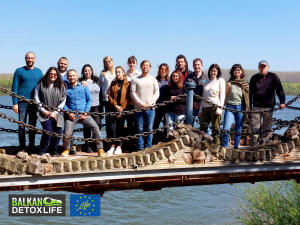
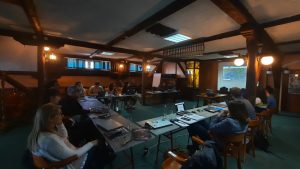
    Last week, the 4th partnership meeting of the BalkanDetox LIFE project was held in Sremski Karlovci, Serbia from the 4th -6th of April. The main aims of the meeting were to discuss the technical, financial, and communication management and reporting of the project as well as the necessary next actions that need to be taken. During the meeting, partners discussed and reflected on the overall project implementation since the last in-person partnership meeting that was held back in April, 2021.

    MES team members presented the achievements so far as well as the necessary next steps for the project in North Macedonia. All partner organizations exchanged similar obstacles and ongoing issues that they are facing with certain project activities in their respective countries. These discussions were especially helpful as they allowed space for brainstorming and problem-solving sessions to take place.
    An exciting point were the Wildlife Crime Academy courses that had taken place in the past year and will continue to be organized with a new cohort this upcoming summer in Spain. The new cohort from North Macedonia will be including representatives from the Veterinary Inspectorate, State Environmental Inspectorate, and the Faculty of Veterinary Medicine.

    An important note of discussion was the pressing need to officialize the National Working groups and adopt the National Anti-Poisoning Road Maps in each country. These activities would help in creating the national standard operational protocols in cases of wildlife poisoning. In North Macedonia this kind of protocol is urgently needed so as to ensure effective and efficient responses to such poisoning incidents.

    The organizations had the opportunity to work on the financial issues and ask the financial team of the Coordinating beneficiary questions. Concerning the communication session, a general overview of the projects online presence was presented as well as the new website. During the next month, the general public can expect the website to have translations in all the participating Balkan organization languages, including Macedonian! Exciting key deliverables are planned for the upcoming period which include project materials that can be handed out to the general public and key stakeholders, as well as educational videos concerning the detrimental affects of wildlife poisoning.

    Overall, participants of the meeting left in high spirits and motivation for the important work that still lays ahead!

    The BalkanDetox LIFE project has received funding from the LIFE Programme of the European Union.

  • Wildlife Crime Academy: Advanced Course equips participants to improve forensic and police investigation on poisoning incidents in the Balkans and beyond

    Wildlife Crime Academy: Advanced Course equips participants to improve forensic and police investigation on poisoning incidents in the Balkans and beyond

    In today’s conservation work, combating wildlife crime is essential to effectively protect and preserve certain species. The sad reality is that people behind serious wildlife crimes like poisoning and poaching usually go unpunished. And impunity facilitates these illegal activities to continue, exploiting and killing wildlife in the meantime. The Wildlife Crime Academy (WCA), organised by the Vulture Conservation Foundation (VCF) and the Junta de Andalucía, aims to change that.
    The Advanced Course of the Wildlife Crime Academy

    After years of preparation, the first Wildlife Crime Academy course took place this summer in Spain. Ultimately, the WCA strives to provide the opportunity to as many people as possible across Europe and eventually the world to receive the training necessary to combat wildlife crime. Subsequently, participants will implement the practices learned in their respective countries to help deter people from committing these crimes so that less wildlife suffers.

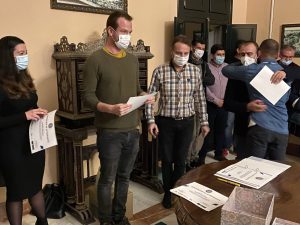
    A few months ago, the Basic Course hosted key stakeholders working in conservation, law enforcement and forensic science from eight countries in the Balkans and elsewhere to train them on how to detect, manage and investigate wildlife crime, and in particular poisoning incidents. The participants reunited last week for the Advanced Course, where they were able to enhance their specialisation in their corresponding areas of expertise.

    Specialisation in forensic and police investigation of wildlife crime

    Based on over 15 years of experience, training specialists from the Junta de Andalucía and EUROPOL devised the syllabus for the latest course. The concept is straightforward – take the necessary procedures to treat wildlife crime with the severity it deserves. So, if a GPS-tagged vulture disappears or if the carcass of a bear emerges in the middle of a forest, the key stakeholders should be able to act swiftly and take the appropriate steps to investigate these potential wildlife crimes. The Wildlife Crime Academy’s Advanced Course demonstrated how to do just that.

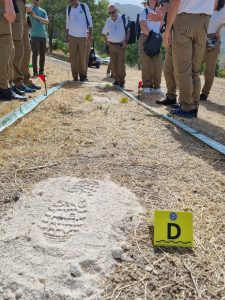
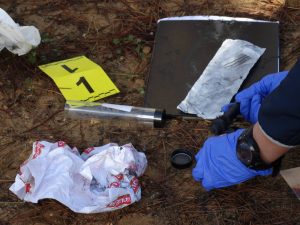
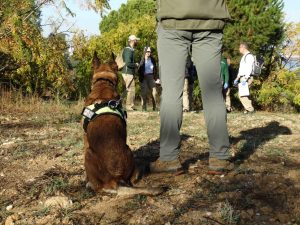
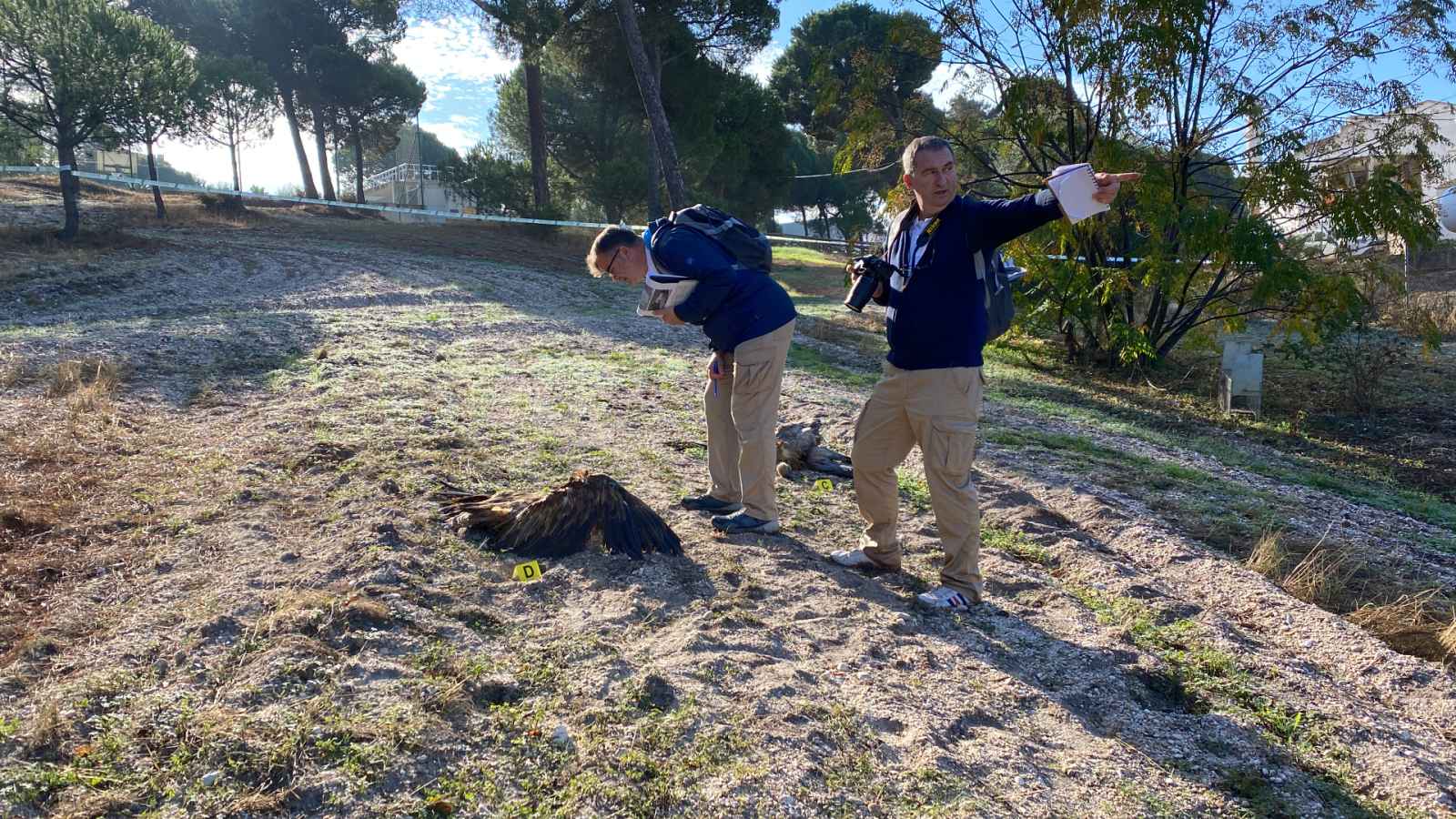
    Participants got the chance to learn all about Crime Scene Investigation (CSI) – how to conduct systematic examinations, collect and secure evidence while using deductive and inductive reasoning to help determine the facts of the case. WCA covered various associated topics, from collecting fingerprints to utilising canine units and identifying deception through body language.

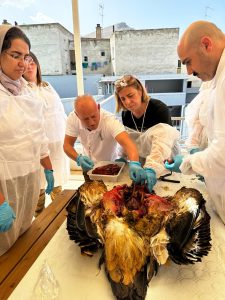
    Let’s not forget forensics – a crucial part of the investigation where forensic scientists analyse evidence to develop objective findings that can reveal causes of death and even assist in the prosecution of perpetrators. The WCA delved into key areas, including forensic entomology, non-conventional sampling and interpretation of toxicology results, among others.

    We can only fight wildlife crime if we work together and learn from one another. The WCA team will continue to work diligently and dedicatedly to keep growing the teams of wildlife crime experts across Europe and elsewhere, achieving convictions and justice for wildlife!


    Next year, the WCA will host a second cohort of enforcement agencies, pathologists, forensic veterinarians and toxicologists, and the VCF is stringing to find the funding to continue this initiative and programme beyond as results so far have been very promising, and there is defiantly interest from many countries to join.


  • 18 griffon vultures on the brink of being poisoned in Mariovo saved

    18 griffon vultures on the brink of being poisoned in Mariovo saved

    Last week, MES received a call concerning a massive poisoning of dogs in the village Vitolishte, located in the region Mariovo. With the possibility that the poison was still present and accessible, this presented a serious threat to the people of the village as well as the surrounding wildlife. Mariovo is exceptionally rich in biodiversity and these poisoning incidents not only affect domestic animals but also have big repercussions for wildlife which is why MES reacted quickly. After receiving the news, authorities were contacted and the coordination began for investigation into the event as well as the non-harmful removal of the poisoned dogs. In the meantime, the situation became much more serious as we learned that two griffon vultures tagged with GPS transmitters which are constantly monitored, were preparing to land in the area where the poison was said to be located. The two vultures are part of the ongoing BalkanDetox Life project which works on combatting the issue of wildlife poisoning in the Balkan Peninsula. Griffon vultures are considered to be social birds and often fly in flocks so the realistic number of vultures in the area was suspected to be higher. In the case that they were to reach the poisoned animals, we could have faced a complete eradication of these birds in our country.
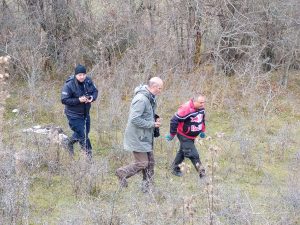
    Luckily, we were able to get in touch with the local border police who were informed of the potential catastrophe. They soon sent out a team to the location where the griffon vultures landed with the aim to drive them away before they could have the chance to feed on the poisoned animals. After one hour of waiting, we were finally informed by the police that the 18 vultures which were in the vicinity of the area were driven away and the dead bodies remained untouched.

    In the same day, a team from MES arrived in Vitolishte with the aim to ensure that there would be no further poisoning in the area. With support from the municipality of Prilep, the next day an inspection team from the Ministry of Interior Affairs and a communal inspector arrived in Vitolishte in order to conduct an investigation into the event and as well as ensure that appropriate measures were taken to clear up the case. A field inspection around the area was done and fortunately no poisoned wildlife was found. The public prosecutor was informed of the event and we hope for an adequate investigation to be led by the authorities.

    Illegal wildlife poisoning continues to be the biggest threat to the remaining vultures and their survival not only in North Macedonia but all throughout the Balkan Peninsula. It is estimated that within the last 20 years, 2,300 vultures have died as a result of poisoning in the Balkans. As a consequence of this illegal practice, both the cinereous and bearded vulture have been completely eradicated in North Macedonia. Additionally, the use of poison has led to the decline of the Egyptian and griffon vulture populations to just a couple of nesting pairs. According to our last census, only 24 griffon vultures were present in Macedonia. Essentially this means that if actions were not taken as fast as they were last week, their population could have been depleted beyond repair.

    The Macedonian Ecological Society continues to work on this issue within the BalkanDetox Life project, in cooperation with relevant national institutions towards strengthening the capacities of these institutions and raising public awareness about the problem, as well as educating the local population and suggesting measures to minimize wildlife conflicts in rural areas.

    The BalkanDetox LIFE project has received funding from the LIFE Programme of the European Union.

  • Educational workshops on vultures and poison as their biggest threat

    Educational workshops on vultures and poison as their biggest threat

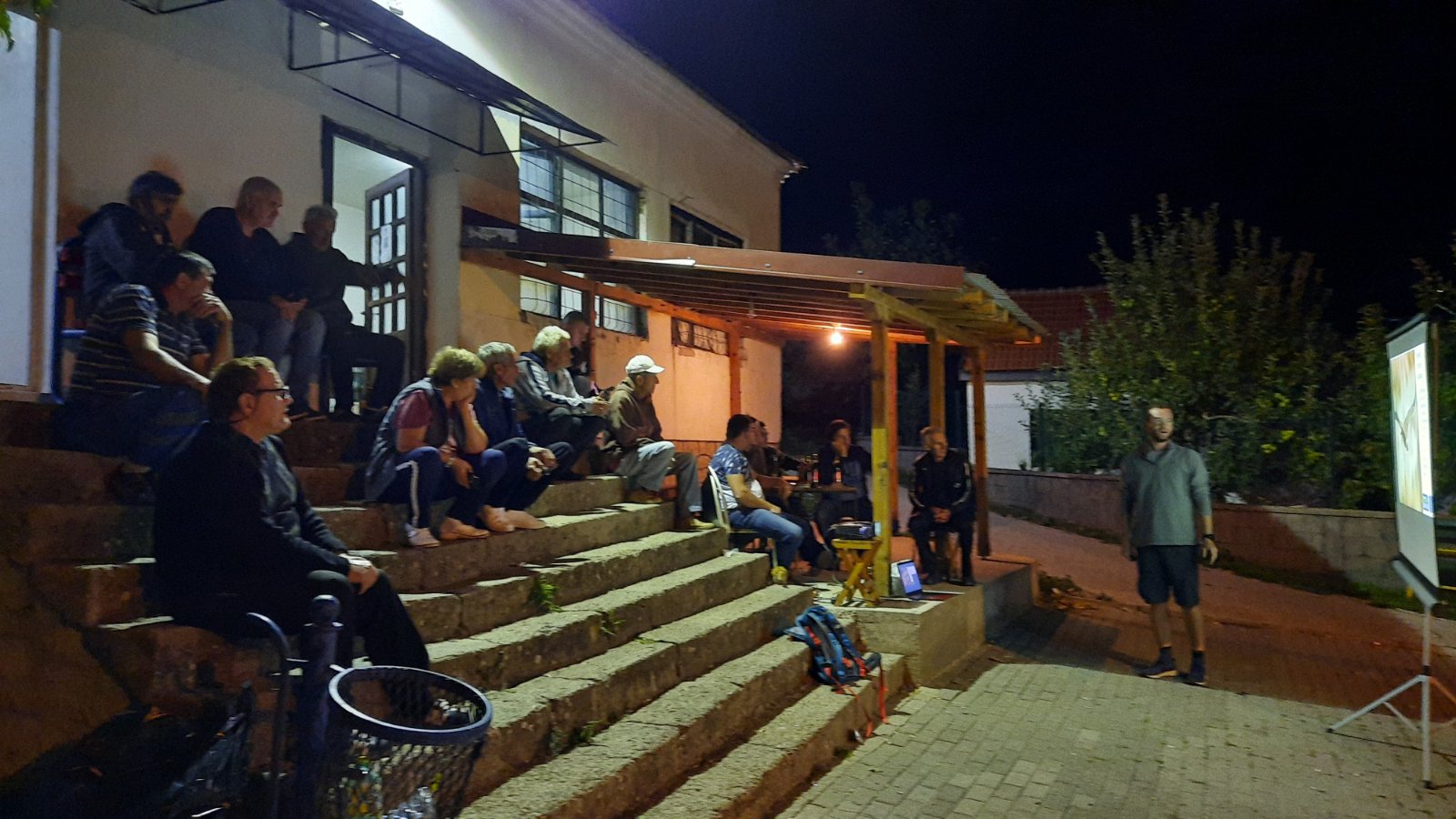
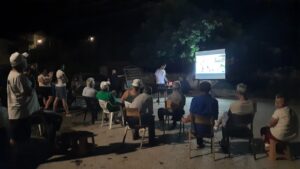
    Within the scope of the BalkanDetox LIFE project, this summer we organized educational workshops in Vitolishte and Gorna Boshava which focused on the remaining vulture population in the country and the issue of wildlife poisoning. Engaging with relevant stakeholders is one of the most important ways to help shift the behaviour of the general public when it comes to animal poisoning. The workshops intended to raise awareness about this issue in North Macedonia and we presented information concerning the motives and consequences of this harmful practice to the locals.

    Gorna Boshava

    The common motive for the use of poison baits often comes down to human-wildlife conflict. The main groups involved in these conflicts are livestock breeders and game managers and carnivorous predators such as the wolf and bear. A poison bait is generally made by lacing a carcass with a toxic substance, usually a phytosanitary product such as an insecticide, rodenticide, fungicide, herbicide or molluscicide. Poisoning can also occur accidentally by farmers that use pesticides in their crops. In this case, some bird species become exposed to poisoned seeds.

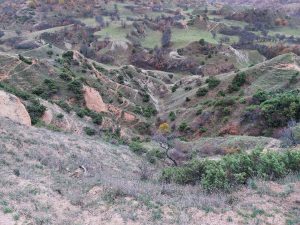
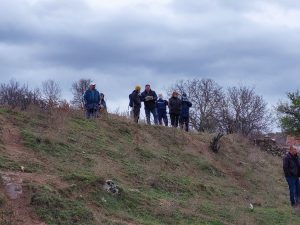
    The decision to organize the workshops in these locations was not coincidental. Based on MES data, these areas have witnessed the most damage of wildlife poisoning in the country. Most poisoning incidents have been recorded in the Mariovo region therefore marking it a wildlife poisoning hotspot. Additionally, vultures are often spotted and monitored in these areas. That is why it is crucial to communicate and work with the local communities in these locations.

    Vitolishte

    Following the presentations, questionnaires were conducted which concentrated on locals’ views on the remaining vulture populations in the country, as well as the issue of wildlife poisoning. These questionnaires were useful to gather as they give us an up-to-date perspective on this topic.

    For the next 4 years, educational activities and workshops of this nature will be frequent and crucial for the success of the project. The participation of locals in the issue of wildlife poisoning is necessary to help combat the problem.

    The BalkanDetox LIFE project has received funding from the LIFE Programme of the European Union.