Category: Wildlife Conservation

The Wildlife Conservation Programme ensures scientific basis for the integral conservation of wild animals, large mammals in particular. The programme’s ultimate goal is the conservation of Macedonian fauna through the implementation of various project activities encompassing direct and indirect protection of species and their habitats. We strive towards awareness raising, education of and cooperation with stakeholders. Part of the programme activities are associated with the remaining programmes, especially as regards education, promotion and awareness raising, as well as lobbying for the designation of new protected areas.

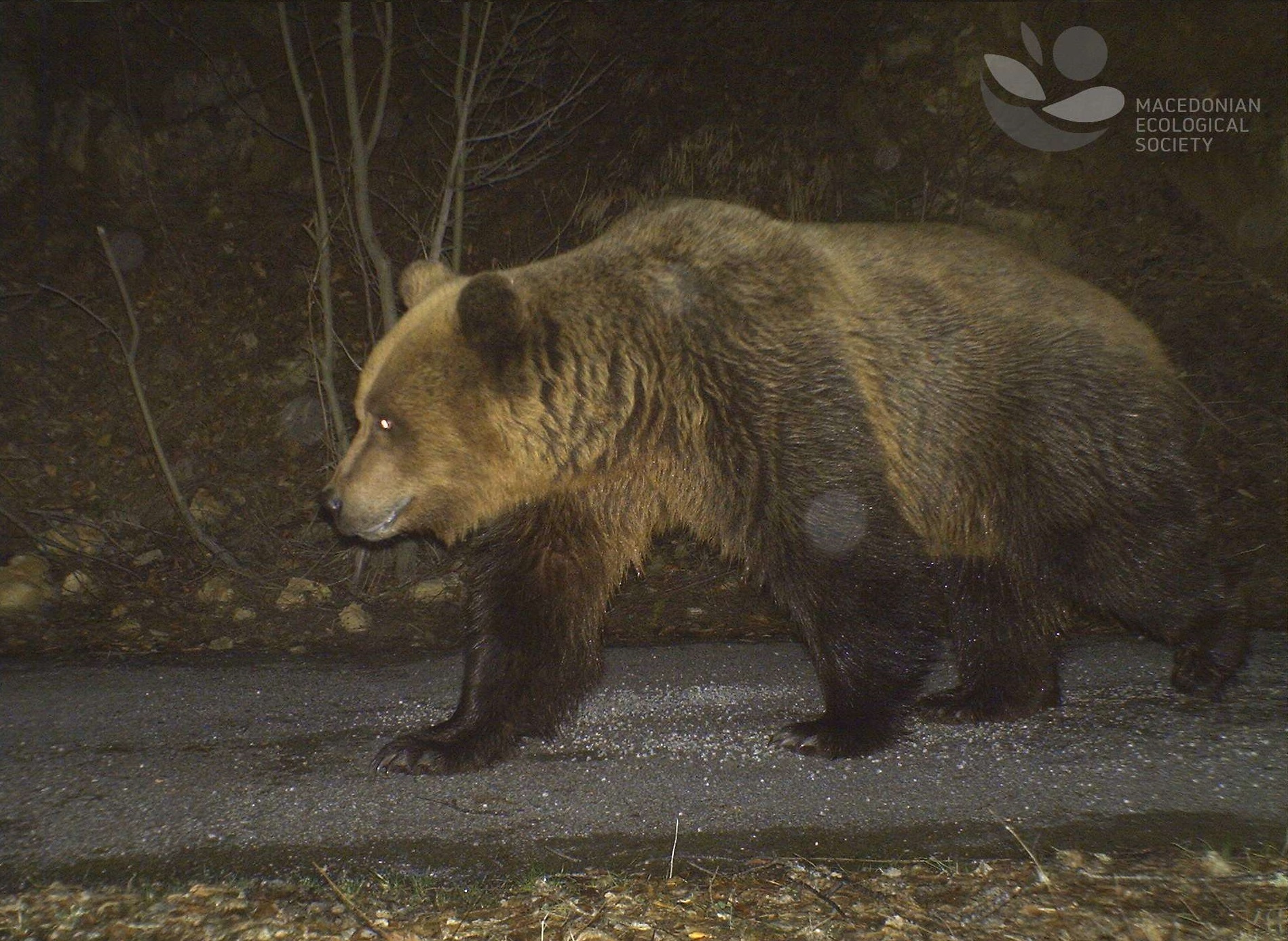
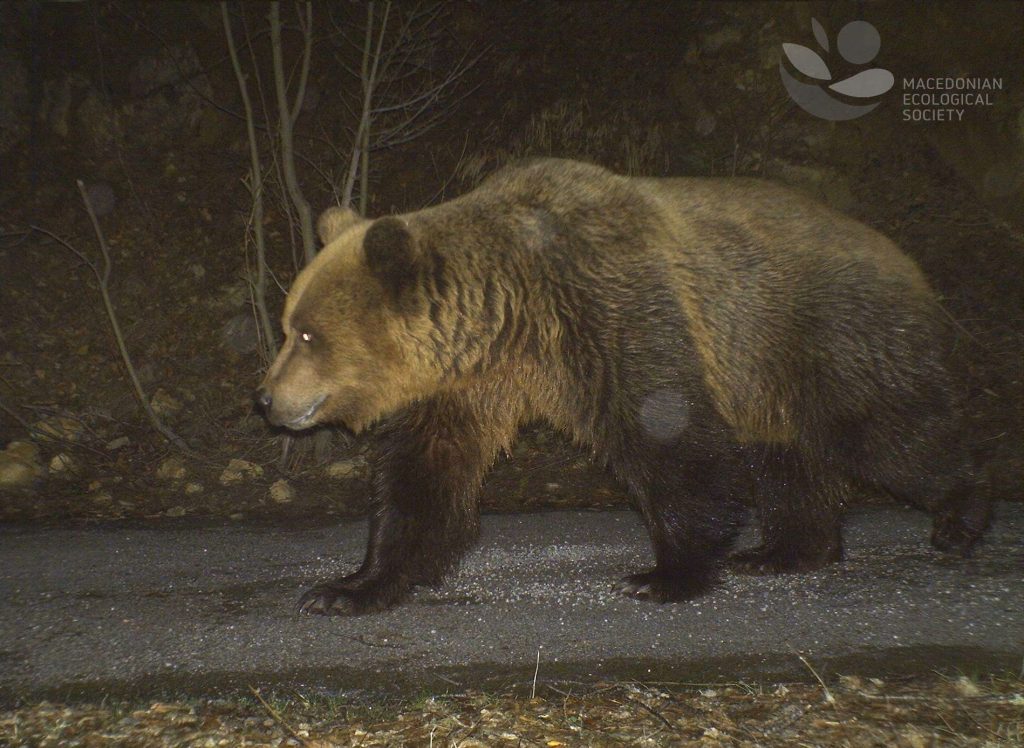
  • What do bears eat in Prespa?

    What do bears eat in Prespa?

    Proper conservation of large carnivores, like the brown bear, always entails a robust understanding of their ecology. The diet is one of the fundamental elements that needs to be well assessed before proposing management measures A recent scientific paper, published in the Macedonian Journal of Ecology and Environment, delves deep into this specific issue. This study stems from a two-year cross-border scientific research initiative conducted in the Prespa region in 2018 and 2019 by the large mammals’ team of the Macedonian Ecological Society (MES), in collaboration with the Society for the Protection and Preservation of Natural Environment in Albania (PPNEA) and the Society for the Protection of Prespa (SPP) from Greece.
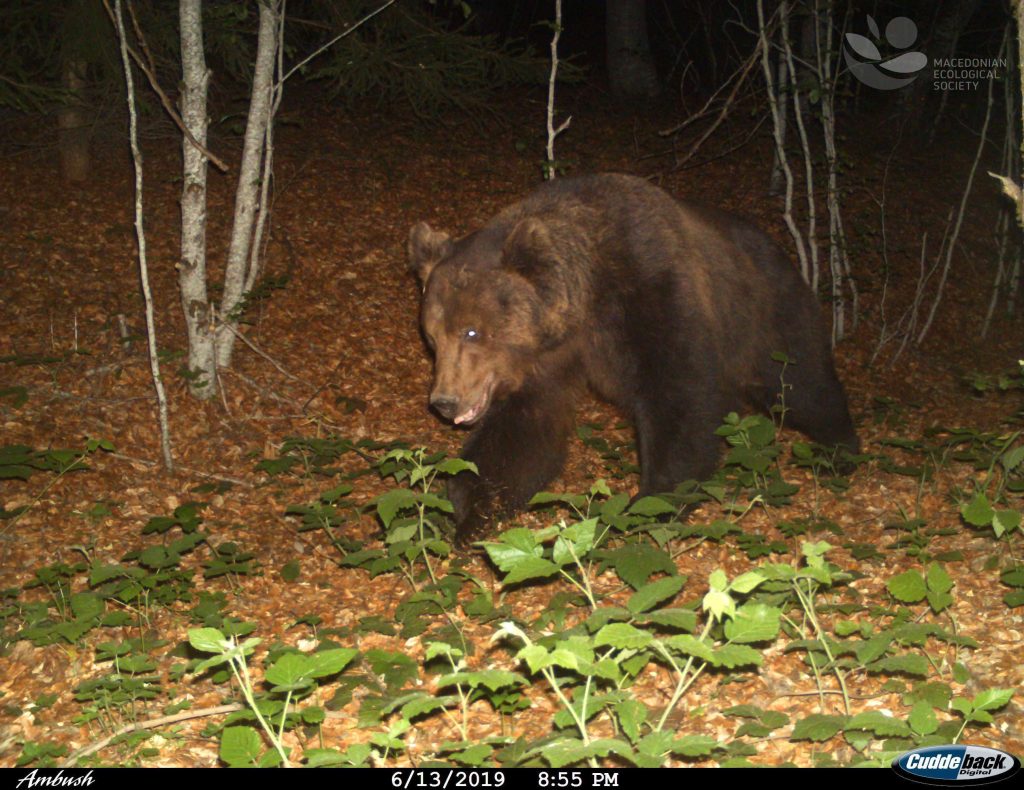
    The results of the study, derived from the analysis of over 550 bear scats, reveal that fruits make up the primary sustenance for bears in the Prespa region. Specifically, cherry plums were identified in nearly half of the analysed samples. The diet undergoes seasonal variation, aligning with the cyclical availability of plants. In spring, bears predominantly consume herbaceous plants and wild cherries, gradually shifting to cherry plums and cornelian cherries during the summer. Come autumn, acorns and other hardy masts, rich in fats and ideal for the pre-hibernation period, dominate their diet. On the Macedonian side, apples – which are found abundantly in the region – are principal for the bears’ autumn diet.

    Despite their seemingly omnivorous diet, the research unequivocally underscores that bears in the Prespa region cannot be described as avid carnivores. Remains of ungulates were found in less than 5% of the samples, with a mere 1.5% attributed to domestic livestock such as goats and sheep. One of the study’s main conclusions is that the brown bear poses no serious threat to farming activities in the region.

    Comprehensive research of this nature provides insight into the entire spectrum of a bear’s diet. When food is abundant, bears tend to lean towards a more specialized diet, primarily favouring the most readily available fruits. However, when natural food resources are scarce, they are compelled to broaden their diet, adopting more pronounced generalist omnivorous tendencies. This serves as a compelling argument for increased protection and reduced exploitation of the bears’ natural habitats, with the aim of reducing bear-human conflicts.

    Furthermore, the paper provides a more extensive elaboration about the dietary disparities across the three countries, as well as offering insight into habitat selection and quality, drawing connections to the trophic ecology of bears. For a more in-depth understanding, read the entire paper on the following link.
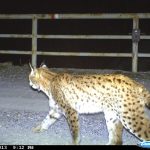
     

  • Atidzhe joins Narcisa and Lisa as the third radio-collared female lynx

    Atidzhe joins Narcisa and Lisa as the third radio-collared female lynx

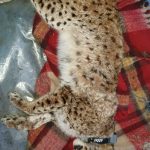
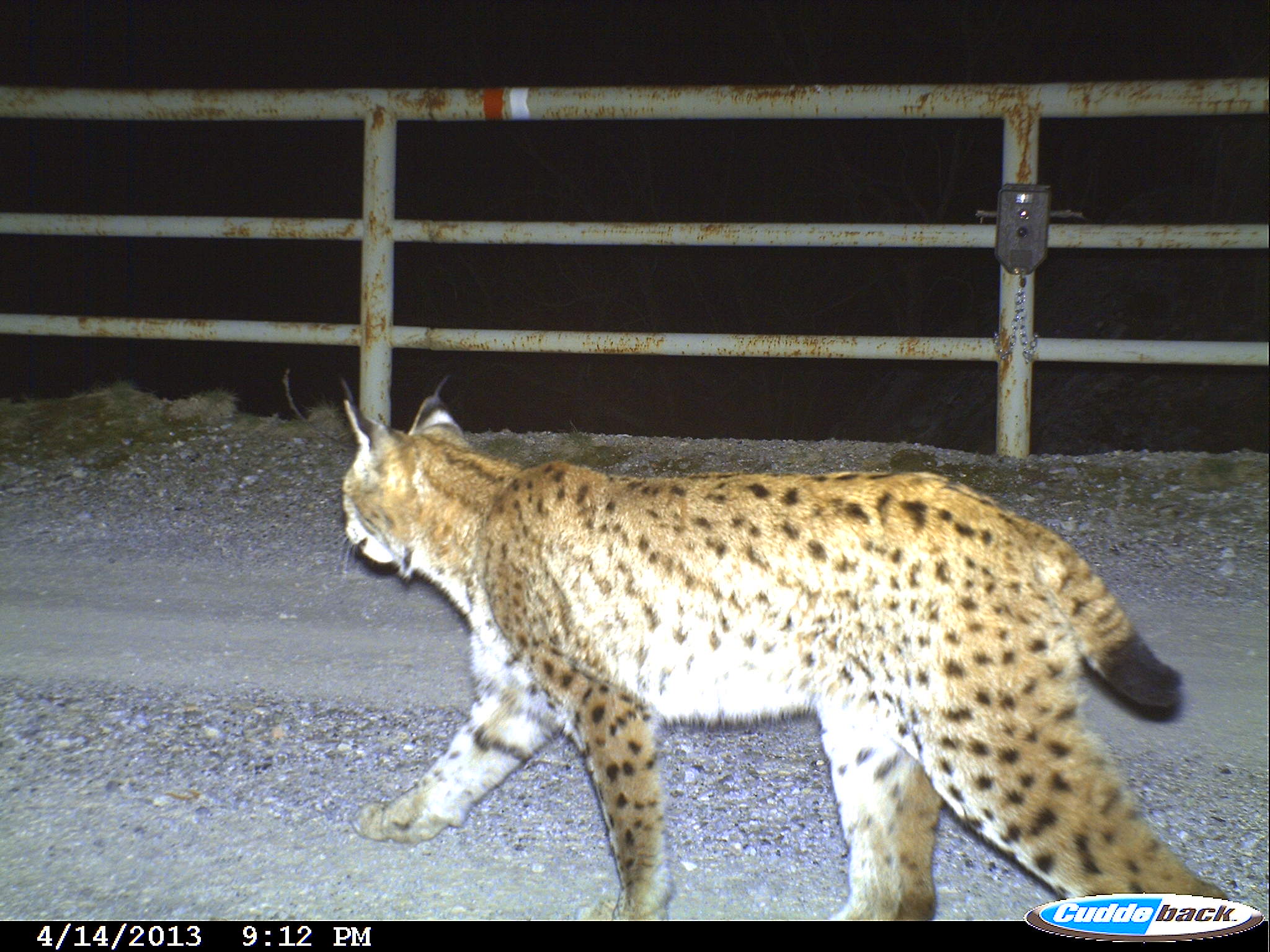
    Wednesday is Lynx Day, so we bring you another good news! The Macedonian Ecological Society radio-collared another Balkan lynx individual captured near the village of Nichpur in Mavrovo National Park. The lynx is a 14-kg female aged around 10 years. Atidzhe is her name. As all other lynx individuals, she too will carry a collar to send information about her whereabouts. We confirmed successful kill and now we know that she is well and ready to face the challenges nature’s throwing at her.

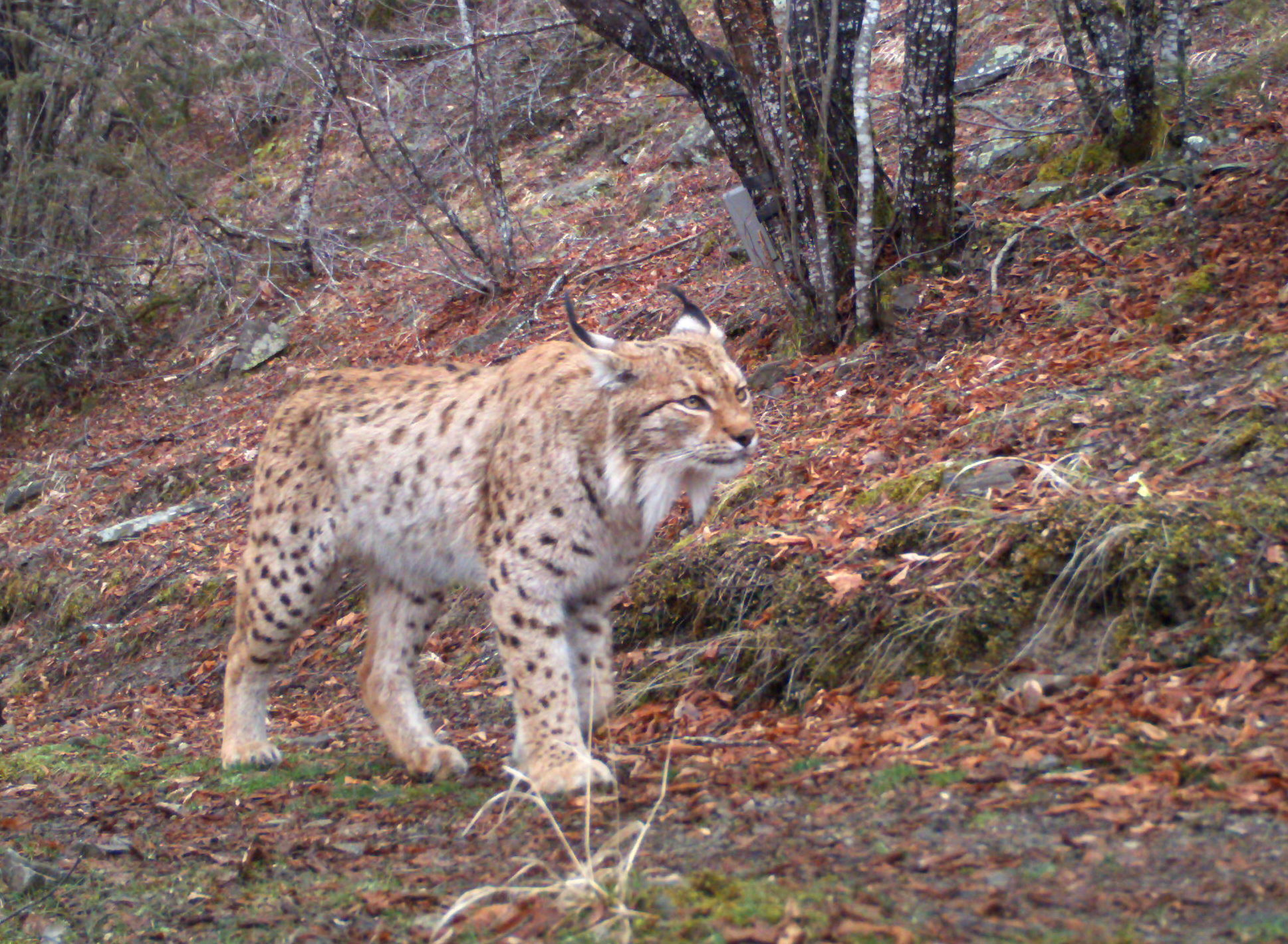
    What do Atidzhe and Marko (our first captured lynx) have in common? The play of circumstances made an unusual match of dates and events. And it is no April Fool’s Day joke when we say that Atidzhe’s capture, taking place just before the cessation of all fieldwork activities, matches the date when we first captured our first lynx Marko! The tenth lynx in ten years! What a way to round off lynx-related fieldwork activities. Our long-term field research suggests that the Balkan hosts about 40 adult Balkan lynx individuals, which, according to the International Union for Conservation of Nature (IUCN), makes it a critically endangered animal.

    Our first sighting of Atidzhe dates back to 2013, when we first captured her on camera-trap. We then had her entered into the base under the code B11. We think that Atidzhe suits her better. We are proud of our team and happy about the fruitful cooperation with our friends from Mavrovo National Park. Even though we want more fieldwork, especially in the April snow, we will stay home and closely monitor the situation. Stay home as well and follow us for more news!

  • 10 years ago, on this day we captured the first Balkan lynx

    10 years ago, on this day we captured the first Balkan lynx

     Ten years ago, on this day, we captured the first Balkan lynx for scientific purposes! His name was Marko. He has become a pioneer in the telemetry research in the south-west Balkans and an icon for the conservation programme. People know him, and kids often mention him when we meet them. Films were made about him, while his pictures made the cover of many popular articles, leaflets, brochures and posters.
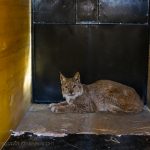
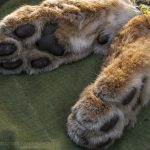
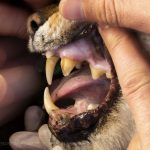
    We will never forget that day. A join team composed of members from Macedonian Ecological Society, Protection and Preservation of the Natural Environment in Albania and Mavrovo National Park managed to overcome their nervousness and put the theory into practice. Marko was captured close to village Sence in Mavrvo NP, Macedonia. He was followed for almost a year, but in early 2011 he became a target of poaching! Poaching still represents one of the greatest threats to this small population (30-45 adults). We believe that at least one Balkan lynx a year falls victim to poaching. Dealing with this threat is still our main priority.

    Marko will not be forgotten. His contribution to the ecological knowledge was very valuable. Not only did he provid ecological insights, but he also helped us train the methods of capturing, GPS and VHF tracking, in finding kills and in awareness rasing. He opened the door for further studies on this critically endangered taxon.

  • Another female lynx in Mavrovo National Park

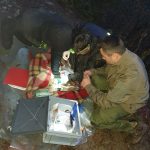
    Meet Lisa, the latest radio-collared female lynx! On 24 February 2020 the lynx team of the Macedonian Ecological Society (MES), together with Mavrovo National Park representatives, successfully box-trapped another individual of the elusive Balkan lynx on Mount Bistra, opposite of the village of Rostushe in Mavrovo.

    All went well during animal sedation and taking of measurements and samples, in which a representative from the Faculty of Veterinary Medicine – Skopje and an associate from Harz National Park also provided assistance. We established that the individual is a 15-kg female aged 6–7 years. This lady lynx is in great health, as seen from the roe deer kill found just three days after capture.

    Hence, Lisa is the third radio-collared female lynx and the ninth different lynx individual captured within the research activities that MES has been systematically implementing since 2010.

    The radio-collar will provide means to monitor the animal through radio-telemetry and GPS-tracking, updating our knowledge about the ecology and biology of the critically endangered Balkan lynx.

    Such success is a result of the fruitful cooperation with Mavrovo NP, and the help of our associates and volunteers during lynx monitoring activities. We hope for more good news from the field!

  • Balkan Lynx Recovery Programme

    Balkan Lynx Recovery Programme

    [vc_row][vc_column][vc_column_text css=”.vc_custom_1530097407240{margin-bottom: 0px !important;}”]Time frame: 2006–2018

    Funding: MAVA Foundation, Switzerland

    Partners: PPNEA – Albania; CZIP – Montenegro; ERA – Kosovo; FINCH – Kosovo; EuroNatur – Germany; KORA – Switzerland

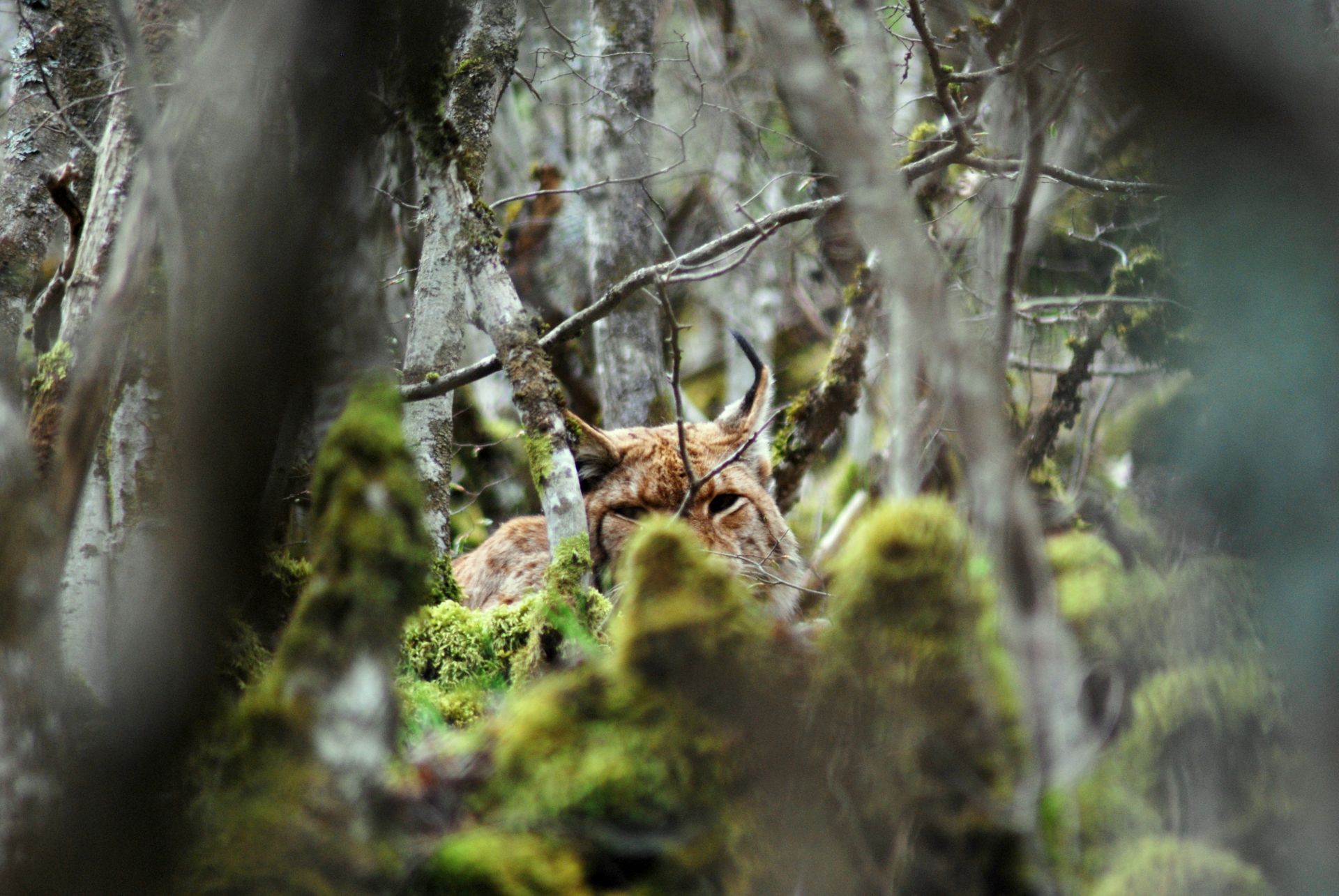
    Programme goal: For more than ten years now, the Balkan Lynx Recovery Programme has worked on the protection of the critically endangered Balkan lynx. Activities primarily focus on: lobbying for the declaration of new protected areas, involving locals in the protection, research, education and monitoring activities on Balkan lynx in the Southwest Balkans.

    Phase 4: 2016-2018

    As of 1 August 2016, the programme entered its fourth implementation phase. Unlike the previous three phases, the new project activities were designed using Open Standards for the Practice of Conservation.

    Phase 4 activities: Activities focus on six different strategies: declaration of new protected areas, efficiency of already established protected areas, legislation pertinent to the lynx, education of the locals, research and monitoring, sustainable hunt and fight against poaching.

    Contact persons: Dime Melovski melovskid@mes.org.mk, Aleksandar Stojanov stojanov@mes.org.mk, Gjorgje Ivanov ivanov@mes.org.mk[/vc_column_text][mk_divider style=”shadow_line” margin_bottom=”30″][mk_fancy_title tag_name=”h3″ size=”30″ force_font_size=”true” size_smallscreen=”30″ size_tablet=”25″ size_phone=”22″ font_family=”none”]Project News[/mk_fancy_title][mk_blog style=”thumbnail” grid_image_height=”300″ cat=”397″ exclude_post_format=””][/vc_column][/vc_row]

  • Survey of the Spatial and Feeding Ecology of the Critically Endangered Balkan Lynx

    Survey of the Spatial and Feeding Ecology of the Critically Endangered Balkan Lynx

    [vc_row][vc_column][vc_column_text css=”.vc_custom_1528983063607{margin-bottom: 0px !important;}”]Time frame: 2013–2014

    Funding: People’s Trust for Endangered Species

    Project goal: The project’s main goal is to gain greater knowledge about the ecology of the Balkan lynx and thereby set out effective measures for its protection.

    Contact person: Dime Melovski melovskid@mes.org.mk[/vc_column_text][mk_divider style=”shadow_line” margin_bottom=”30″][mk_fancy_title tag_name=”h3″ size=”30″ force_font_size=”true” size_smallscreen=”30″ size_tablet=”25″ size_phone=”22″ font_family=”none”]Новости од МЕД[/mk_fancy_title][mk_blog style=”thumbnail” grid_image_height=”300″ cat=”21″][/vc_column][/vc_row]