Category: News

  • What do bears eat in Prespa?

    What do bears eat in Prespa?

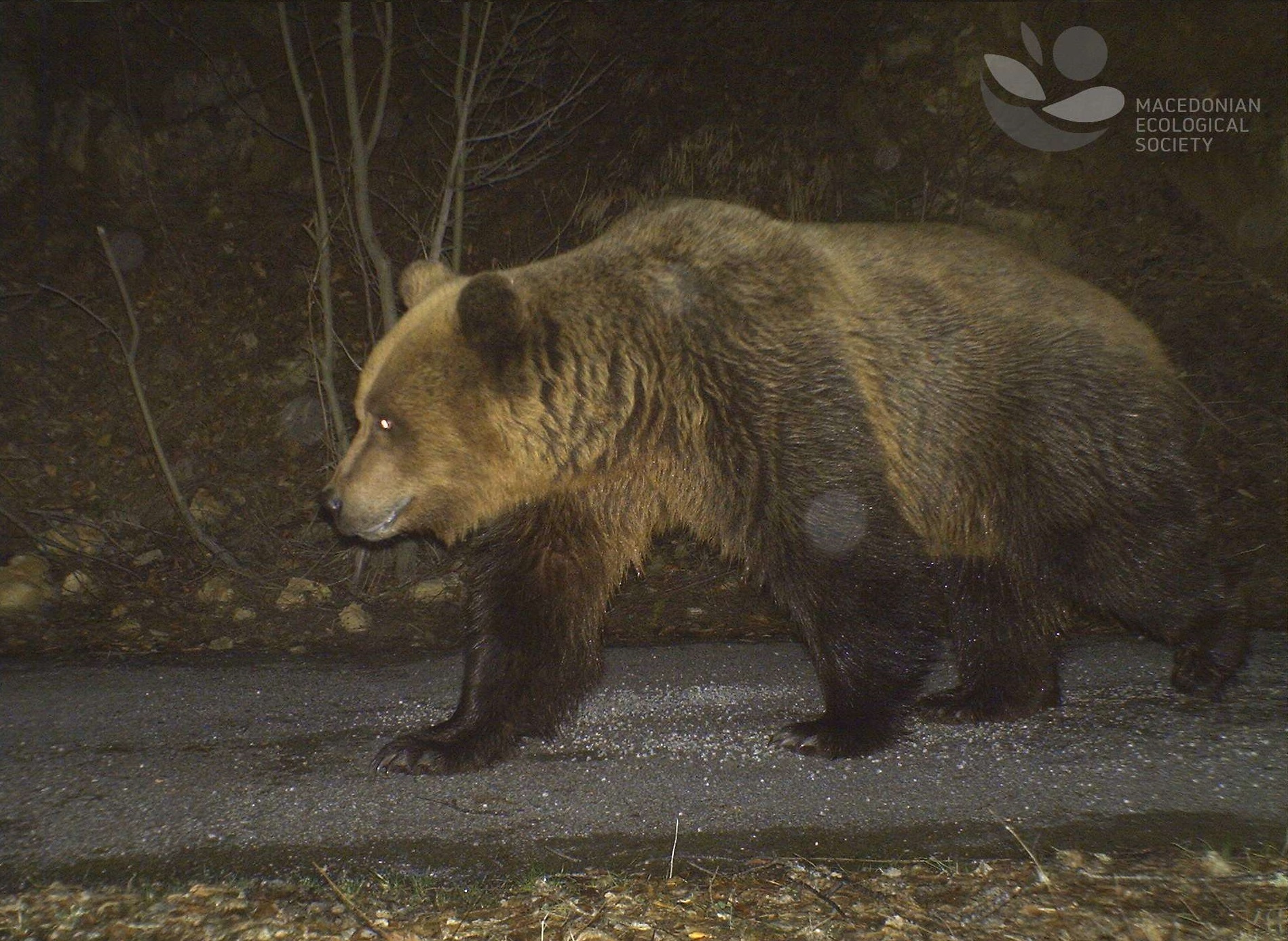
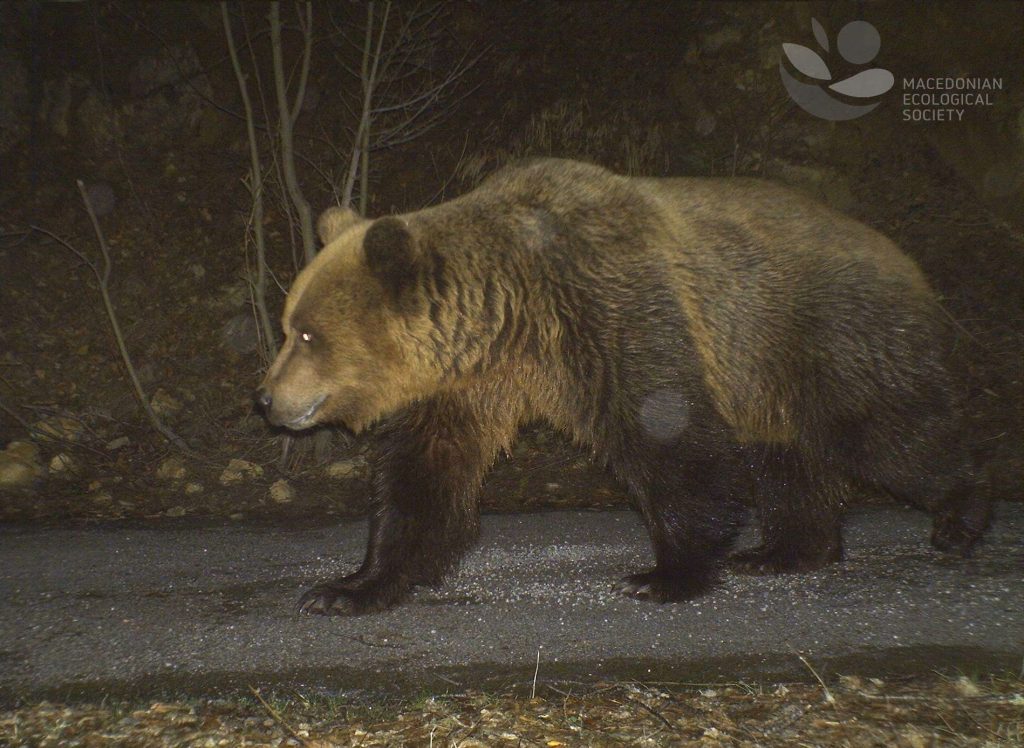
    Proper conservation of large carnivores, like the brown bear, always entails a robust understanding of their ecology. The diet is one of the fundamental elements that needs to be well assessed before proposing management measures A recent scientific paper, published in the Macedonian Journal of Ecology and Environment, delves deep into this specific issue. This study stems from a two-year cross-border scientific research initiative conducted in the Prespa region in 2018 and 2019 by the large mammals’ team of the Macedonian Ecological Society (MES), in collaboration with the Society for the Protection and Preservation of Natural Environment in Albania (PPNEA) and the Society for the Protection of Prespa (SPP) from Greece.
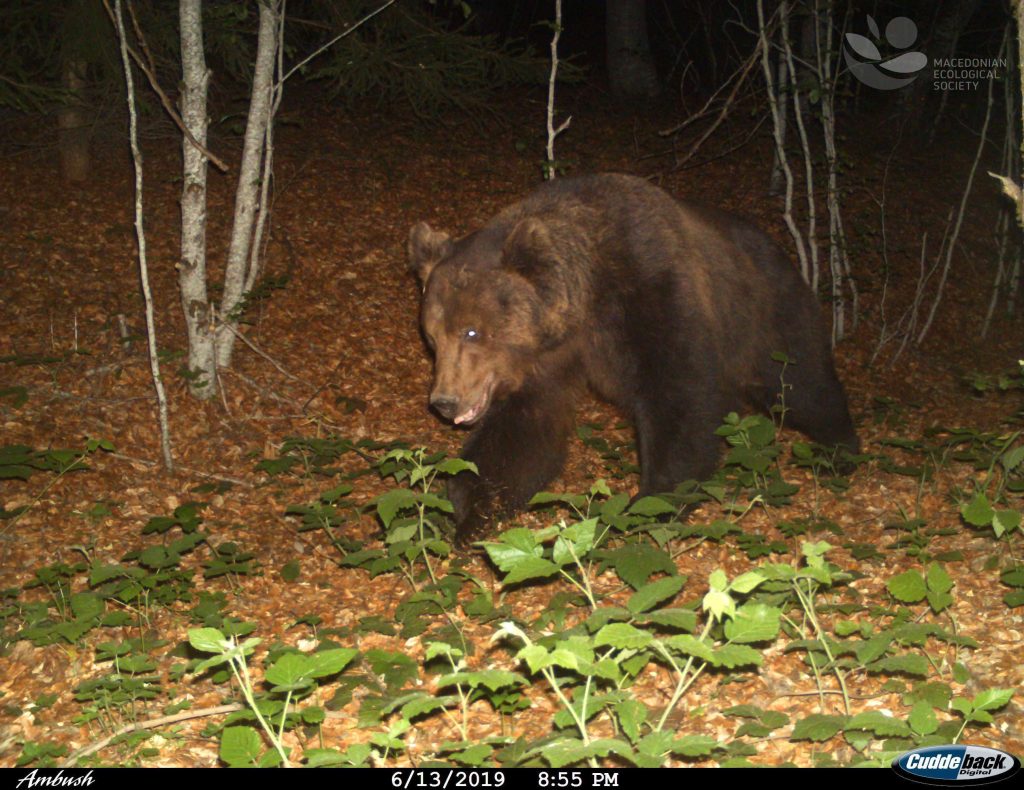
    The results of the study, derived from the analysis of over 550 bear scats, reveal that fruits make up the primary sustenance for bears in the Prespa region. Specifically, cherry plums were identified in nearly half of the analysed samples. The diet undergoes seasonal variation, aligning with the cyclical availability of plants. In spring, bears predominantly consume herbaceous plants and wild cherries, gradually shifting to cherry plums and cornelian cherries during the summer. Come autumn, acorns and other hardy masts, rich in fats and ideal for the pre-hibernation period, dominate their diet. On the Macedonian side, apples – which are found abundantly in the region – are principal for the bears’ autumn diet.

    Despite their seemingly omnivorous diet, the research unequivocally underscores that bears in the Prespa region cannot be described as avid carnivores. Remains of ungulates were found in less than 5% of the samples, with a mere 1.5% attributed to domestic livestock such as goats and sheep. One of the study’s main conclusions is that the brown bear poses no serious threat to farming activities in the region.

    Comprehensive research of this nature provides insight into the entire spectrum of a bear’s diet. When food is abundant, bears tend to lean towards a more specialized diet, primarily favouring the most readily available fruits. However, when natural food resources are scarce, they are compelled to broaden their diet, adopting more pronounced generalist omnivorous tendencies. This serves as a compelling argument for increased protection and reduced exploitation of the bears’ natural habitats, with the aim of reducing bear-human conflicts.

    Furthermore, the paper provides a more extensive elaboration about the dietary disparities across the three countries, as well as offering insight into habitat selection and quality, drawing connections to the trophic ecology of bears. For a more in-depth understanding, read the entire paper on the following link.

     

  • Nurturing biodiversity: Unveiling the impact of thoughtful afforestation practices

    Nurturing biodiversity: Unveiling the impact of thoughtful afforestation practices

    As stewards of nature, our interconnectedness with biodiversity is undeniable. It pains us that human actions often disrupt this delicate balance. Committed to the Bonn Challenge, we pledge to revive our ailing forests. Yet, can we not aspire to restore our woodlands with an even greater environmental conscience?

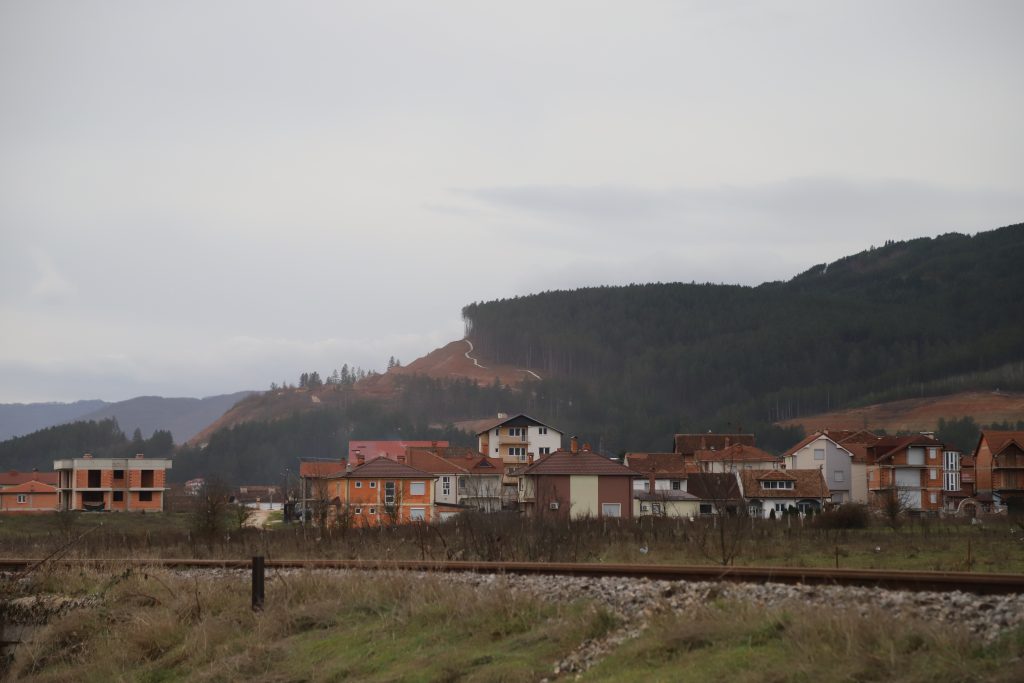
    The team of experts implementing the ROAM assessment and designing interventions for the restoration of forest landscapes in the Bukovik area is working on conducting the ROAM assessment for the area of interest, identifying suitable options for forest landscape restoration, and prioritizing locations for interventions, giving priority to those of particular importance for preserving the Balkan lynx. The idea is to revitalize and preserve important forest habitats in key areas for biodiversity outside protected areas. For this purpose, the ROAM method – Restoration Opportunities Assessment Methodology, in this case for forests, is used.

    The ROAM methodology, developed by IUCN and WRI, is a framework created for countries to assess opportunities for forest and landscape restoration and to identify specific priority areas at the national or local level. Assessment through ROAM can be carried out by a small team through collaboration with stakeholders and can deliver the following products:

    –  Identified priority areas for restoration

    –   A shortlist of the most relevant and feasible restoration intervention types across the assessment area

    –   Quantified costs and benefits of each intervention type

    –   Estimated values of additional carbon sequestered by these intervention types

    –   Analysis of the finance and investment options for restoration in the assessment area

    –   A diagnostic of ‘restoration readiness’ and strategies for addressing major policy and institutional bottlenecks

    Through these activities, contributions will be made to climate change mitigation, as forest restoration contributes to reducing carbon dioxide in the air.

    These forests are known to be home to numerous wildlife species, including the Balkan lynx, listed on the Red List of endangered species, enhancing their chances of survival and reproduction, thus maintaining the planet’s biodiversity.

    In all these activities, engaging the residents of nearby local communities is paramount, as they play a pivotal role in the collaborative effort.

    These activities are part of the Northern Forests Initiative: “Forest Restoration in Albania and North Macedonia” – a project implemented in collaboration with IUCN Eastern Europe and Central Asia, the Macedonian Ecological Society (MES), and Protection and Preservation of Natural Environment in Albania. The project is funded by the Swedish Postcode Foundation.

  • The Balkan Lynx Recovery Programme Newsletter (December, 2023)

    The Balkan Lynx Recovery Programme Newsletter (December, 2023)

    The Balkan Lynx Recovery Programme Newsletter is a publication which promotes the most important news and achievements of all partners involved in the Programme. This issue covers news surrounding the implementation of the Programme; the contribution that hunters make to the Programme; personal stories from our colleagues as well as the most important events and national changes to nature conservation.

    The Newsletter is available in three languages:

    Билтен на Програмата за закрепнување на балканскиот рис

    Balkan Lynx Recovery Programme Newsletter

    Programi për rimëkëmbjen e rrëqebullit të Ballkanit Newsletter

  • New video and study: The hidden dangers of pesticide misuse on health

    New video and study: The hidden dangers of pesticide misuse on health

    Pesticides, initially designed to rid us of pests, bring with them hidden dangers when misused, casting a shadow over our daily lives and overall health. The consequences of mishandling these toxic substances reach far beyond their intended purpose, posing a grave threat to human health, particularly among vulnerable groups such as children. 

    In reality, a single misstep with pesticides can lead to unexpected accidents, affecting not only us but also our loved ones in ways we never could have imagined. This pressing issue becomes even more evident in the new BalkanDetox LIFE project video, underscoring the urgent need for increased awareness and decisive action. 


    The overlooked threat 

    While traditionally associated with agriculture, pesticides have quietly infiltrated various aspects of our lives. They extend beyond the confines of farmland, seeping into public spaces and making their way into our households through everyday items like paint, carpets, and food packaging materials. Whether organic or synthetic, these chemicals employ distinct methods to combat pests. The intentional release of these poisonous substances raises concerns as unintended exposure becomes a dangerous reality for us all. 

    Routes and risks of exposure 

    Pesticide exposure manifests through various avenues: occupational, agricultural, household, and indirectly through our diets. Among these, dermal exposure stands out as one of the most prevalent and perilous, posing threats during pesticide handling stages such as mixing, loading, disposing, and cleaning. Accidental oral exposure, with its severe poisoning risk, can result from intentional harm or unintentional accidents, underlining the pervasive threat of pesticide ingestion from poorly stored containers or contaminated water sources. The risk of respiratory exposure heightens when volatile pesticide components are inhaled, particularly in enclosed spaces. The eyes, too, are vulnerable to chemical harm, especially when granular forms of pesticides are forcefully applied. These multifaceted dangers underscore the pressing need for protective measures in our interactions with these substances. 

     Health implications beyond immediate concerns 

    The intricate relationship between chemical exposure and our bodies becomes apparent when we delve into the link between pesticides and various diseases. Scientific studies consistently establish a connection between pesticide exposure and the development or worsening of serious conditions, including cancer, hormone disruption, asthma, diabetes, allergies, and neurological disorders such as Parkinson’s disease. The impact on health is not solely determined by the toxicity of the chemicals but also by the extent of exposure, with certain populations being more susceptible to their harmful effects. 

    Children and vulnerable groups bear the heaviest burden 

    In this intricate web of pesticides, children, pregnant women, and the elderly seem most susceptible to these harmful effects. Children emerge as the most vulnerable due to their developing bodies, behaviours and physiology. The repercussions extend to birth defects, reduced birth weight, and fetal death. Research also reveals a troubling connection between pesticide exposure and childhood leukaemia, especially when mothers are exposed during pregnancy. The added layer of concern comes from the genetic susceptibility of some individuals to pesticide-related diseases, suggesting that certain people may be more at risk than others.  

    Protecting our health and environment 

    The impact extends beyond individual health, affecting the well-being of our society, underscoring the need for stringent measures to reduce the risks associated with pesticide misuse, especially when it comes to safeguarding vulnerable groups. The misuse of pesticides is not just a local concern; it is a global crisis that calls for collective action.   

    The BalkanDetox LIFE project is dedicated to addressing illegal wildlife poisoning and pesticide misuse in Albania, Bosnia and Herzegovina, Bulgaria, Croatia, Greece, the Republic of North Macedonia and Serbia. Through comprehensive project study we aim to shed light on the far-reaching effects of pesticide misuse on human health across the Balkans. In confronting these challenges, our path forward is clear: we must foster greater awareness, reevaluate our choices, and commit to safeguarding not only our well-being but also that of our children and our environment. 


  • Northern Forests Initiative: Forest Restoration in North Macedonia and Albania

    Northern Forests Initiative: Forest Restoration in North Macedonia and Albania

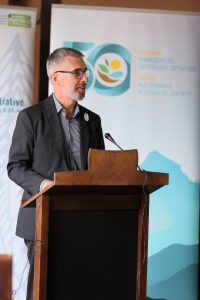
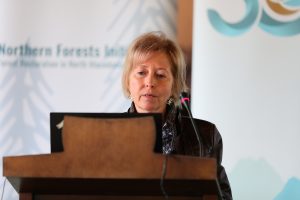
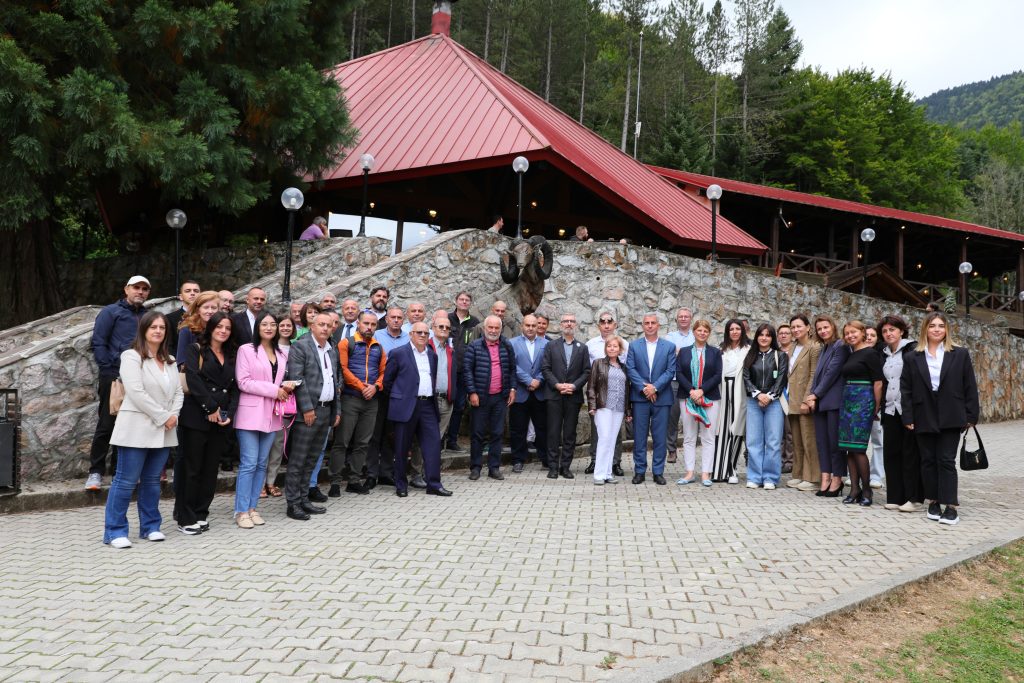
    The Macedonian Ecological Society (MES), in coordination with the IUCN Regional Office for Eastern Europe and Central Asia (IUCN ECARO) and collaboration with the Protection and Preservation of Natural Environment in Albania (PPNEA), with the support of the Ministry of Environment and Physical Planning, Republic of North Macedonia, has launched a new project “Northern Forests Initiative: Forest Restoration in North Macedonia and Albania” on the 6th of September 2023 in the National Park Mavrovo

    More than 60 representatives from the relevant ministries, local governments, scientific community, managers of protected areas, representatives of non-governmental organizations and media from North Macedonia and Albania attended the event.

    As part of the global “Northern Forest Initiative” funded by the Swedish Postcode Foundation, the project aims to contribute to the restoration and preservation of especially important forests in Albania and North Macedonia and strengthen the capacity and commitment of local, regional, and national actors for sustainable forest management.
    The implementation of Nature-based solutions will support the restoration of the forest landscape in important areas for the conservation of the Balkan lynx, especially Buković in North Macedonia and Pashtrik-Morina in Albania, which will result in minimizing further forest loss, through the revitalization of key biodiversity hotspots outside of the existing protected areas. It is expected that with the implementation of the project activities, the restoration of 40 hectares of forest area will be carried out in the both countries.


  • MES participates in the third “Supreme Level” training organized by the Wildlife Crime Academy in Malaga, Spain

    MES participates in the third “Supreme Level” training organized by the Wildlife Crime Academy in Malaga, Spain


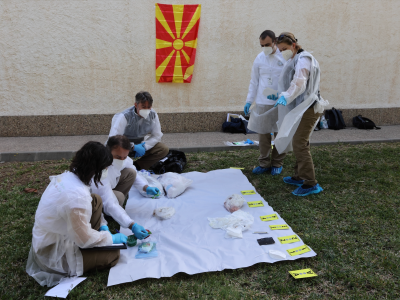
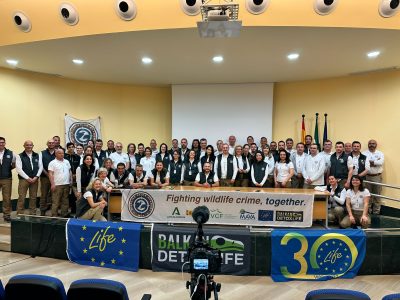
    A total of five participants from various relevant government institutions and organizations from the country took part in the third training organized by the Wildlife Crime Academy, which took place last week in Malaga (Spain). Participants from North Macedonia trained together with 39 other participants from nine European countries and gained qualifications in this highly advanced and specialized field. The training aims to assist representatives of relevant institutions in prosecuting and convicting individuals who harm wildlife, serve as a deterrent to potential offenders and ultimately minimize wildlife crimes, thereby saving the lives of endangered species.

    The training was organized by the Vulture Conservation Foundation and the Junta de Andalucía as part of the EU-funded “BalkanDetox LIFE” and “LIFE with Vultures” projects, as part of a series of three intensive trainings of the Wildlife Crime Academy. Not only has it filled knowledge gaps, but it has also transformed attitudes towards wildlife crime, elevating it as a serious crime among law enforcement.

    Tailored to professionals from various academic disciplines working in the field of protection, law enforcement and forensic science, the training helped participants acquire the necessary skills to conduct investigations, manage teams and increase the motivation of relevant stakeholders. Following internationally recognized procedures from the Junta de Andalucía and a program designed by specialists with over 15 years of experience, including contributions from Europol, the Wildlife Crime Academy courses are at the forefront of the most up-to-date knowledge and practices.

    “By combining crime scene investigation (CSI), forensic science and court processes, we have achieved an 80% reduction in illegal wildlife poisoning incidents in Andalusia over a 15-year period. With the right procedures, persistence and cooperation, we are confident that our participants can achieve similar results in their countries”, said Iñigo Fajardo, head of the Department of Protected Species in the Junta de Andalucia and professor at the Academy of Crime Against Wildlife.

    During the third training, participants honed their skills in profiling suspects and understanding criminal behavior through practical exercises on criminal signatures and case linking. The theory covered topics such as forensic psychology, crime analysis and criminal profiling. Participants were educated about evidence of criminal behavior and how intelligence services can prevent crime and assist in investigations, particularly when it comes to organized crime and international networks involved in wildlife poisoning and illegal trade.

    “Our country is faced with ongoing environmental crime for which, unfortunately, there is no effective and thorough investigations from the side of the appropriate authorities. This academy has provided us with a range of tools to strengthen our national capacities on this issue. However, this is just the beginning, as collective efforts and determination are going to be needed to eradicate wildlife crime in North Macedonia,” said Arta Starova, project assistant at the Macedonian Ecological Society and participant of the Wildlife Crime Academy.

    During the first and second training courses, participants were educated on how to conduct systematic check-ups, collect, and secure evidence. In addition, the use of canine units and the identification of fraud through body language were covered.

    Forensics was also included as a key part of the investigation and evidence was analyzed to develop objective findings that could reveal the causes of species deaths and even help prosecute the perpetrators. WCA researched in key areas including forensic entomology, unconventional sampling and interpretation of toxicology results.

    “Europe received 44 new experts from nine countries, for research and analysis of wildlife crime. We are impressed by their unwavering commitment to the fight against wildlife crime and believe their expertise will make a real difference in preventing illegal mortality and supporting conservation efforts for endangered species. Our Wildlife Crime Academy participants have already received the first conviction for illegal wildlife poisoning in Cyprus,” said Jovan Andevski, program manager at the Vulture Conservation Foundation and coordinator of the Wildlife Crime Academy.

    According to MES data, in the last 20 years in North Macedonia, at least 80 individuals of 5 different species have been poisoned, with the most affected being the Griffon vulture (>70 birds), and the other species that are very susceptible to this threat are the Egyptian vulture , the Imperial eagle and the Golden eagle. The use of poisons in the past has already led to the extinction of two species (the Bearded vulture and the Black vulture), and now both the Griffon vulture and the Egyptian vulture are facing such a threat.

  • Education on the Threats Faced by the Egyptian Vulture

    Education on the Threats Faced by the Egyptian Vulture

    [vc_row][vc_column][vc_column_text]The students from the primary school “Dame Gruev” in Erdzelija have a strong connection to nature and are well informed on agricultural practices around them which is why it is important to additionally educate them on the link with biodiversity. The dedicated teachers from this school invited us once again to a workshop which provides the link between agriculture, rural life and endangered species. This time we were focused on the Egyptian Vulture whose biggest threat to survival is non-selective secondary poisoning in rural areas. The students already know many birds and understand the marvel of migration so they easily grasped how important and difficult it is to conserve the only migratory vulture in the country. For better understanding on how threats such as poisoning but also electrocution, food scarcity and loss of habitats endanger the life of Egyptian Vultures we played the game “Egyptian Vulture Odyssey”. After playing the game the students were keen to learn more on how they can be part of efforts to save these amazing birds.

    [/vc_column_text][/vc_column][/vc_row][vc_row][vc_column][vc_media_grid element_width=”3″ grid_id=”vc_gid:1681127793484-1b8df6b9-0b1d-3″ include=”8792,8791,8790,8789,8788,8787,8786,8785″][/vc_column][/vc_row]

  • Donation of equipment to beekeepers and livestock farmers from Shar Mountain

    Donation of equipment to beekeepers and livestock farmers from Shar Mountain

    The projects for sustainable beekeeping and livestock farming on the Shar Mountain, which are implemented by the organizations Center for Education and Development (CED) and Wild Iris and are supported by the project “Sustainable future for the Shar-Korab-Koritnik region”, have donated equipment for the modernization of beekeepers and livestock farmers before the New Year from the region.
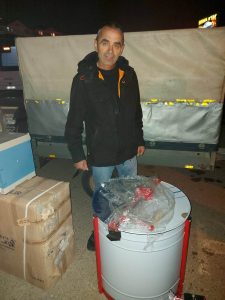
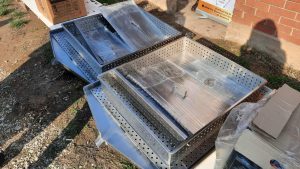
    A total of 14 beekeepers and livestock farmers received equipment. The beekeepers were supported with centrifuges and a honey extractor, while 8 farmers were supported with inox pots, gas boilers and generators.

    Within the scope of both projects, the installation of solar panels and an electric fence to protect against wild animals is planned, but this equipment will be installed in the spring of 2023 on high-mountain shepherding huts.

    According to Metin Muaremi from CED, the equipment, although symbolic, is still very significant for the herders who maintain these traditional practices in the region. For Biljana Filipovska, the cooperation with the beekeepers of Shar Mountain should be nurtured even after the completion of such projects.

    The “Sustainable future for the Shara-Korab-Koritnik region” project, apart from agricultural projects, also supports tourism and cultivation projects. A total of 14 model projects are supported in North Macedonia, Kosovo and Albania

    The Macedonian Ecological Society is implementing this project in partnership with EuroNatur (Germany) and local partners CNVP (Kosovo) and PPNEA (Albania). The activities of the project are supported by the German Environmental Foundation DBU and the charitable foundation JENSEN.


  • Green Infrastructure: What do we know about it?

    Green Infrastructure: What do we know about it?

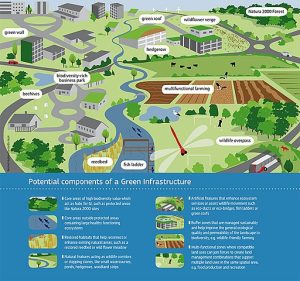
    Green Infrastructure is a strategically planned network of natural and semi-natural areas. Green Infrastructure (GI) plans the use of space in a way that protects nature and decreases the fragmentation of natural areas. Although areas are protected with measures of protection, Grean Infrastructure is mindful of their connection. GI takes into account the different elements that are important for the functioning of a green area – from the free flow of water and resources, to the free movement of animals. The protection of an area is insufficient if outside of the area of protection infrastructure projects are built that prevent the flow of water and the movement of animals. This type of fragmentation is one of the biggest threats to the protection of the environment.
    The concept of Green Infrastructure is connected to the concept of ecosystem services – the benefits that people get from nature. Functional ecosystems offer a wide array of benefits. For instance, forests create clean air and clean water, offer protection from floods, mitigate the effects of climate change, etc. But, in order for people to be able to use the benefits from ecosystems, the ecosystems have to be healthy. This is why Green Infrastructure is important.

    In Green Infrastructure, natural ecosystems are considered to be infrastructure that offer benefits to people in a spatial, economic, and recreational sense, and precisely because of that they need to be protected. In addition to Green Infrastructure, there is also grey infrastructure, which encompasses all types of human made infrastructure, such as roads, dams, pipes, etc. Gray infrastructure is a road itself, whereas Green Infrastructure entails, for example, it being built with permeable materials to let rainwater pass, surrounded by vegetation that absorbs water, which prevents floods. Green bridges allow animals a safe passage across roads, and therefore the ability to move over a larger territory. A dam that is built under the principles of Green Infrastructure does not destroy the river ecosystem. Green Infrastructure is mindful that grey infrastructure does not destroy the benefits we already receive from nature.

    Green Infrastructure can be applied for different goals – from the conservation of already protected areas, to the connection of fragmented areas, to the restoration of degraded ecosystems, in rural and urban settings. In cities, Green Infrastructure can take different forms: green roofs on buildings, parks, as well as beekeeping.

    In short, Green Infrastructure does not simply mean “green space”. Green Infrastructure means the integral planning of space in a way that protects nature and the benefits we get from it.

  • Regional Workshop on Mobile Pastoralism and Vultures

    Regional Workshop on Mobile Pastoralism and Vultures

    At the end of October 2022 we provided logistical support and ensured that representatives from the relevant institutions participated on the Regional Workshop on Mobile Pastoralism and Vultures alongside relevant stakeholders. The workshop took place in Popova Kula, Demir Kapija. The 3-day event was collaboratively organized by Yolda Initiative, Vulture Conservation Foundation, EuroNatur and the Macedonian Ecological Society, with the funding provided by the MAVA Foundation and from the LIFE Programme of the European Union within the framework of the BalkanDetox LIFE project. In total, 32 individuals from 11 different countries participated.
    Meeting Goal:

    • Provide the base and beginning of a Balkan network between mobile pastoralists, vulture conservationists and conservation authorities.

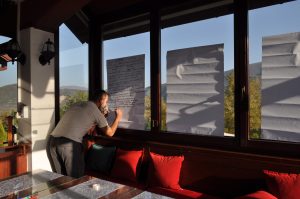
    During the first day of the workshop, following the welcoming speeches given by the main organizers, the meeting began with presentations from Yolda Initiative describing the regional-level situation regarding mobile pastoralism in Europe as well at the responses by local associations and governments. Shortly after, livestock keepers and experts on the subject gave individual presentations on the current situation in the Balkans. The second half of the day comprised of two rotational working groups that identified the key issues with mobile pastoralism. Livestock keepers provided important insight on consistent problems that they face. These issues were then categorized from least to most urgent to solve, together with the conservationists.

    1. Policy issues
    2. The existing economic model
    3. Infrastructure issues
    4. Societal values

    The second day focused more on the relevant policy and legal frameworks that are applicable for traditional mobile pastoralists. Vyara Stefanova gave insight on international policies as well as the EU common agricultural policy (CAP), and discussions ensued on the pros and cons of this policy with various opinions stated. The implementation of EU sanitary regulations was also covered. Esmeralda Laci then gave a presentation concerning the ongoing process of Albania’s case of having traditional mobile shepherding be recognized and proclaimed as an intangible cultural heritage by UNESCO.
    Following these speeches, the focus shifted toward vultures and the species conservation in the region with an overview of the BalkanDETOX Life project. Vulture feeding sites were discussed and how these could be connected to incorporating the role of mobile pastoralists in vulture conservation. The topic of quality guard dogs as solutions to predator attacks to mitigate livestock keepers’ incentive to leave poisoned carcasses was covered with a real life project example in North Macedonia, presented by the professor Vladimir Dzabirski. Dimitrios Vavylis from the Hellenic Ornithological Society briefly introduced their work as a professional poison dog handler and the potential for investment in such activities. They also briefly spoke on the use of electric fences/fladry as a solution against predator attacks and the success of these methods.

    Policy issues were divided between legal, financial and operational topics of discussion and development. Concerning legal matters, specific legislations and regulations (such as forestry) should be adapted to benefit grasslands and small livestock breeders. There should also be a simplification of bureaucratic procedures and support regarding applying for subsidies, compensation measures, etc… Ministries of Agriculture, Culture and Environment would be mainly involved in this aspect. In regards to the financial aspect, sufficient subsidies in EU/non-EU countries should be provided as well as specific financial programmes that would support traditional pastoralist products should be more developed. Additionally, better branding and trade should be supported of traditionally produced products. In terms of operational issues, better organization of pastoralist cooperatives would be beneficial. Actions and solutions suggested were:

    • More research, data collection, and publications concerning the topic
    • Simplified protocols for applying for subsidies and financial support
    • Promotion of mobile pastoralism as a touristic offer
    • Defining certification and labelling system
    • FAO, UNESCO/International Policy lobbying for the benefit of small scale livestock breeders/traditional pastoralists
    • Identify ambassadors for transhumance
    • Protecting and conserving existing water points as well as maintaining existing routes
    • Access to basic services (heating, electricity, water)

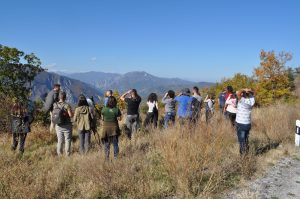
    The third day was a field-excursion to the vulture feeding station on Vitachevo. We were accompanied by Emmanuel Lisicanec, a local from the town Kavadarci that regularly works on projects concerning vulture and general bird protection in North Macedonia. Lisicanec also helps in maintaining the vulture feeding station on Vitachevo, by supplying food and monitoring of the station. After scanning the area for some time, a few sharp-eyed participants were able to catch a glimpse of a Griffon vulture flying nearby the station.