Category: News

  • ЕP for Birds LIFE Project – Safe powerlines for endangered birds

    Full name of the project

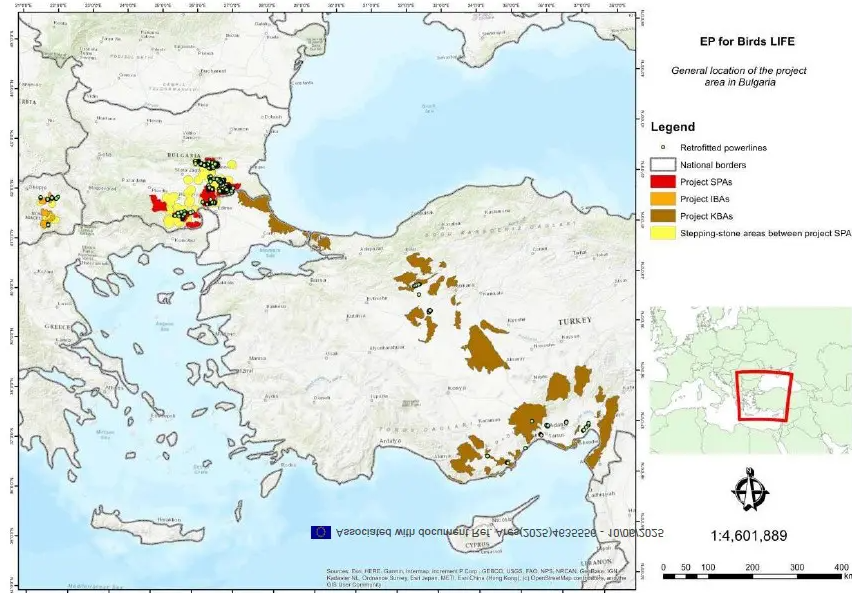
    Reduction of mortality risk on globally endangered birds through retrofitting of hazardous overhead power lines in South-eastern Europe.

    Objectives

    Reduce human-induced mortality of the globally endangered Eastern Imperial Eagle and Egyptian Vulture. The project will implement cutting-edge solutions to prevent bird mortality caused by electrocution and collisions with overhead power lines, a significant threat to both species.

    Activities

    • Insulating over 17,000 hazardous electricity pylons and installing 2,500 bird diverters on aerial conductors across 100% and 80% of EIE and EV national breeding populations, respectively;
    • Pilot remote methods to identify mortality hotspots and guide interventions more effectively, and test innovative technologies for retrofitting power lines, ensuring long-term sustainability;
    • Establishing an international network for experience exchange and best practices between grid operators across the Balkans and along the species’ migratory flyways.

    Duration

    5 years (July 2025 – July 2030).

    Target areas

    14 SPA, 48 IBA/KBA and “stepping stone” areas in Bulgaria, North Macedonia and Turkey.

    Partners

    Coordinating beneficiary: EP Yug (ELEKTRORAZPREDELENIE YUG EAD).

    Associated beneficiaries: EVN Macedonia (EVN MAKEDONIJA AKCIONERSKO DRUSHTVOZA USLUGI SKOPJE), BSPB, DOGA DERNEGI, MES (MACEDONIAN ECOLOGICAL SOCIETY).

    Funding

    11 304 127.35 , through the LIFE programme of the European Union.

  • Notification regarding Public Call No. 2/2025

    We inform the public about the selection of the most favourable bidder concerning Public Call No. 2/2025 for the provision of services for the preparation of a Management Plan and an Annual Programme for the Nature Park “Ezerani”, published by the Macedonian Ecological Society on 25 September 2025.

    According to the report from the meeting of the Evaluation Committee held on 16 October 2025, the most favourable offer under Public Call No. 2/2025 was the one submitted by the Company for trade and consulting FARMAHEM DOOEL Skopje.

  • Public call

    Public call

    Public Call No. 2/2025 for the implementation of a procedure for awarding a service contract for the preparation of a Management Plan and an Annual Programme for the Nature Park “Ezerani”

    The Macedonian Ecological Society (MES), through the project: “Prespa Green & Blue Initiative:  Empowering Conservation through  Research, Education and Communication”, an EU-funded external action project implemented by the Macedonian Ecological Society in cooperation with the Municipality of Resen and Galichica National Park, announces a Public call for the preparation of a Management Plan and an Annual Programme for the Nature Park “Ezerani.”

    Interested parties are required to submit the complete documentation by mail or in person, in the manner described in the documentation of the public call, to one of the following addresses of the Macedonian Ecological Society:

    • Skopje Office – “Todor Skalovski” 9A, 1000 Skopje
    • Resen Office – “Goce Delchev” 7, 7310 Resen

    no later than 10.10.2025 (Friday) by 15:00, marked “For Public Call No. 02/2025” and with the note “Do not open before the date of evaluation of the offers.”

    The documentation for the public call, including the evaluation criteria, is available on the website of the Macedonian Ecological Society: www.mes.org.mk

    Interested parties may submit questions exclusively in written form to the following e-mail: eftimovski@mes.org.mk, no later than 03.10.2025.

    The complete documentation for the public call is available for download in PDF format at the following LINK.


  • Annual Meeting 2025

    Annual Meeting 2025


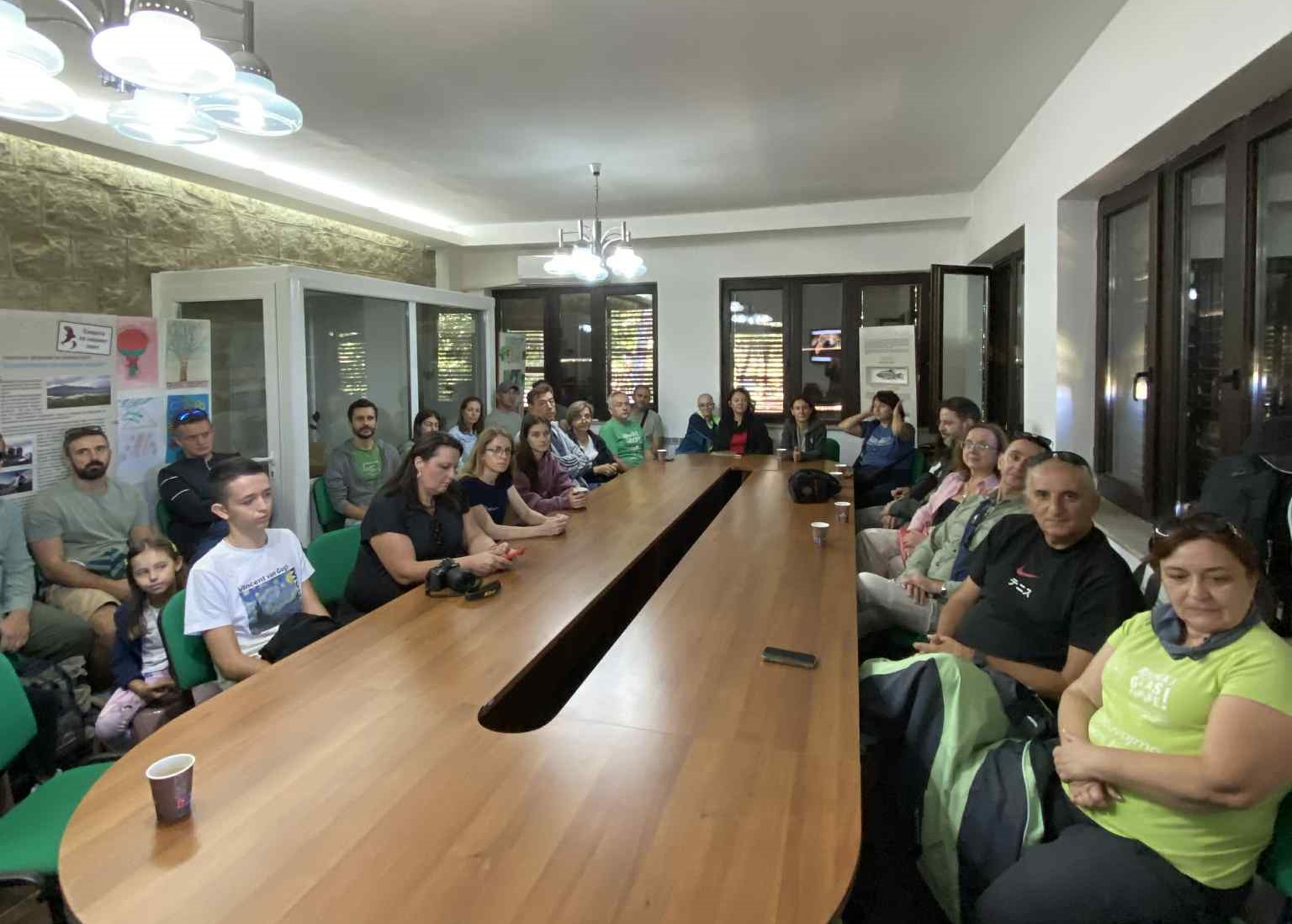
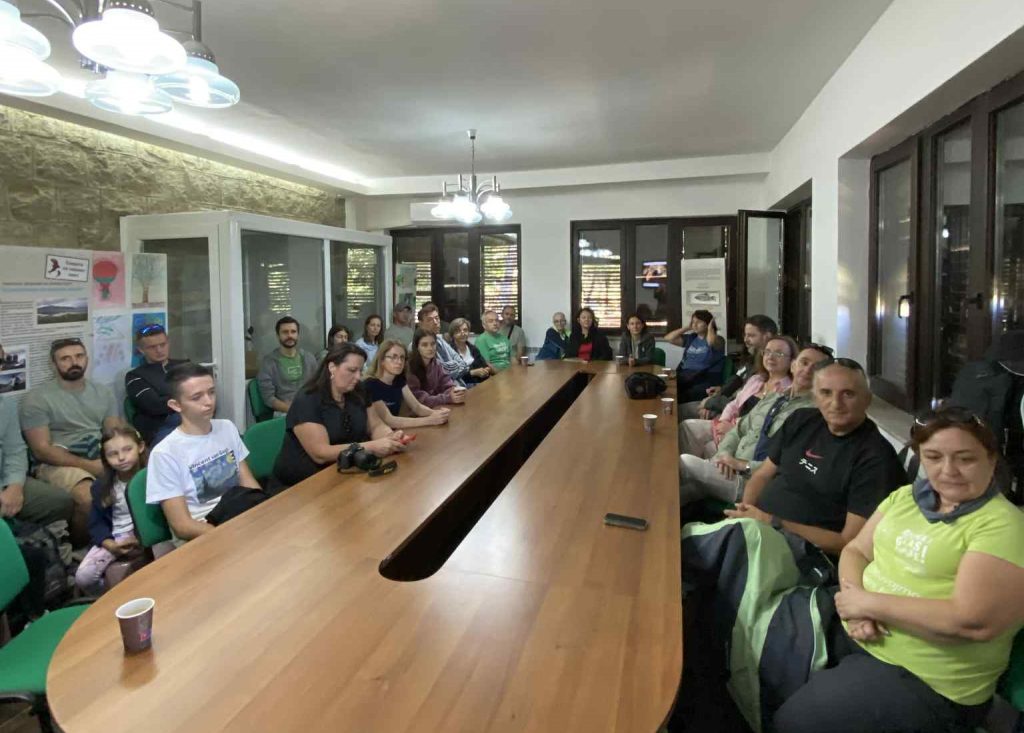
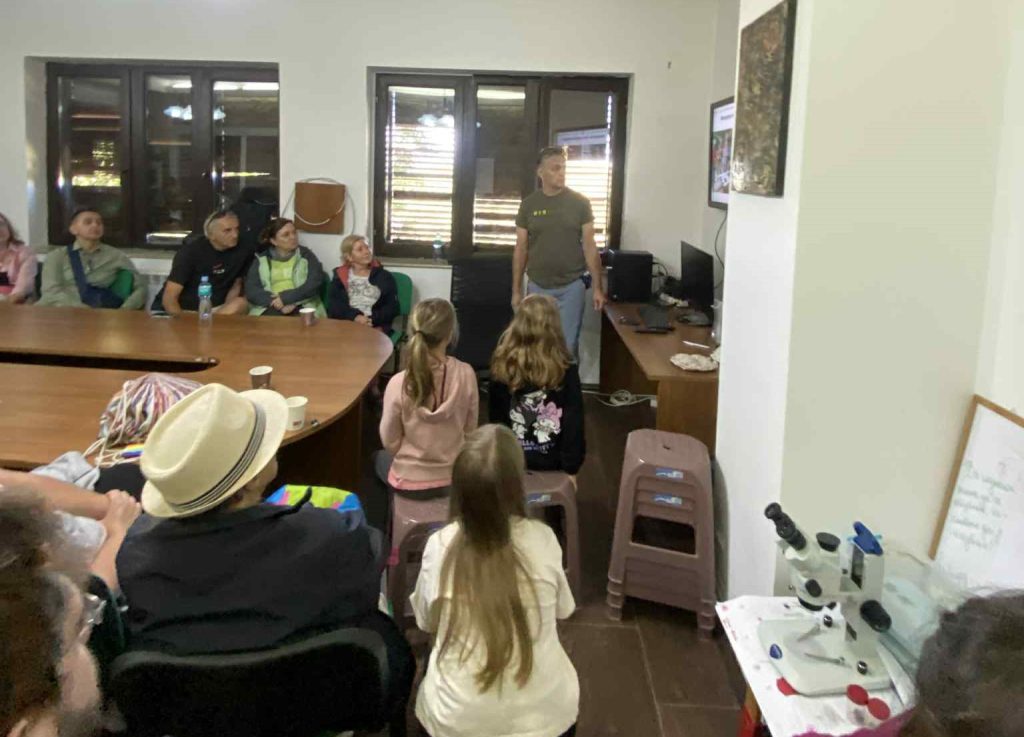
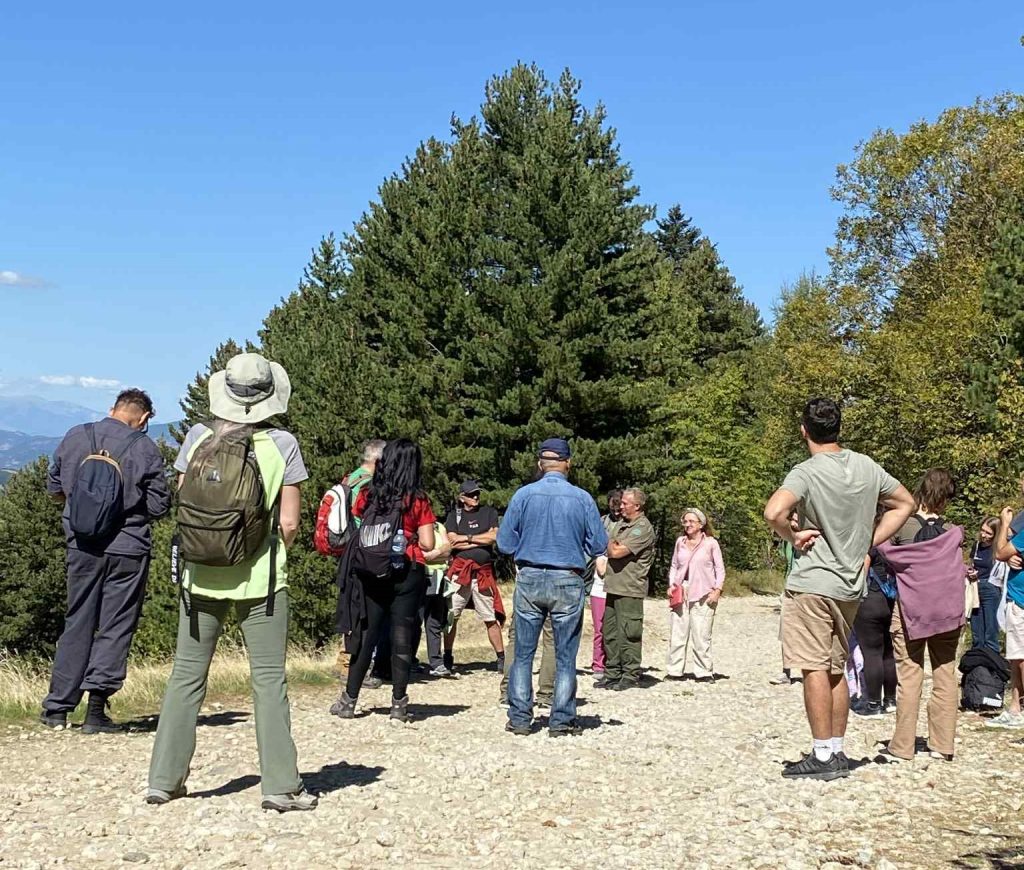
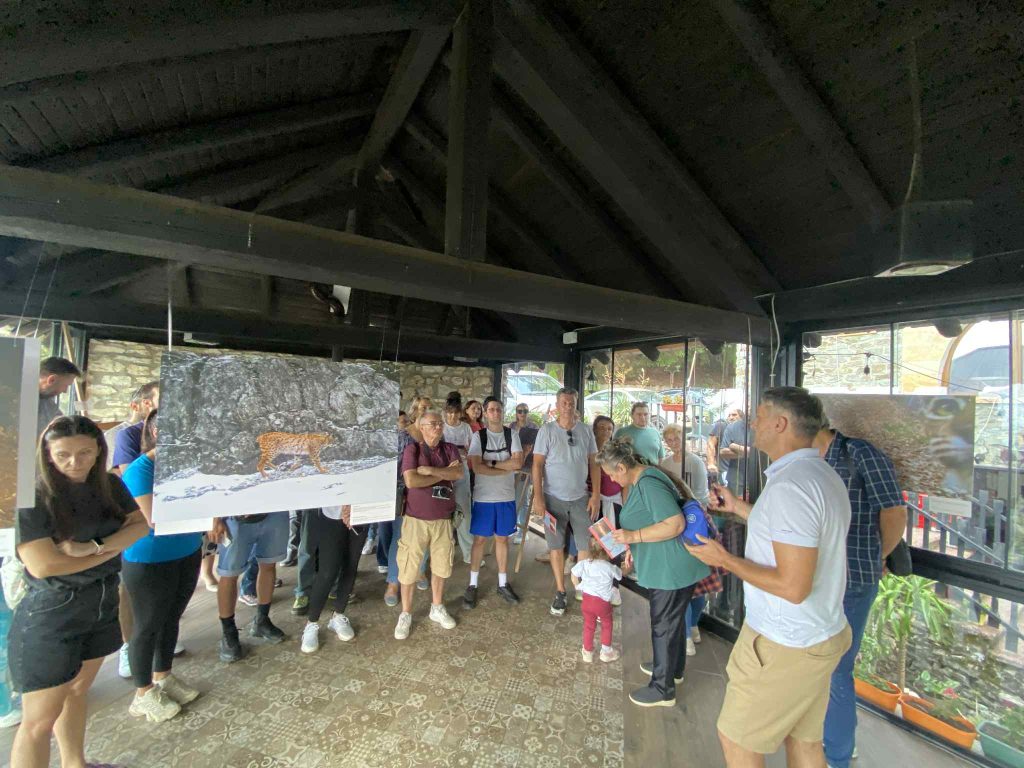
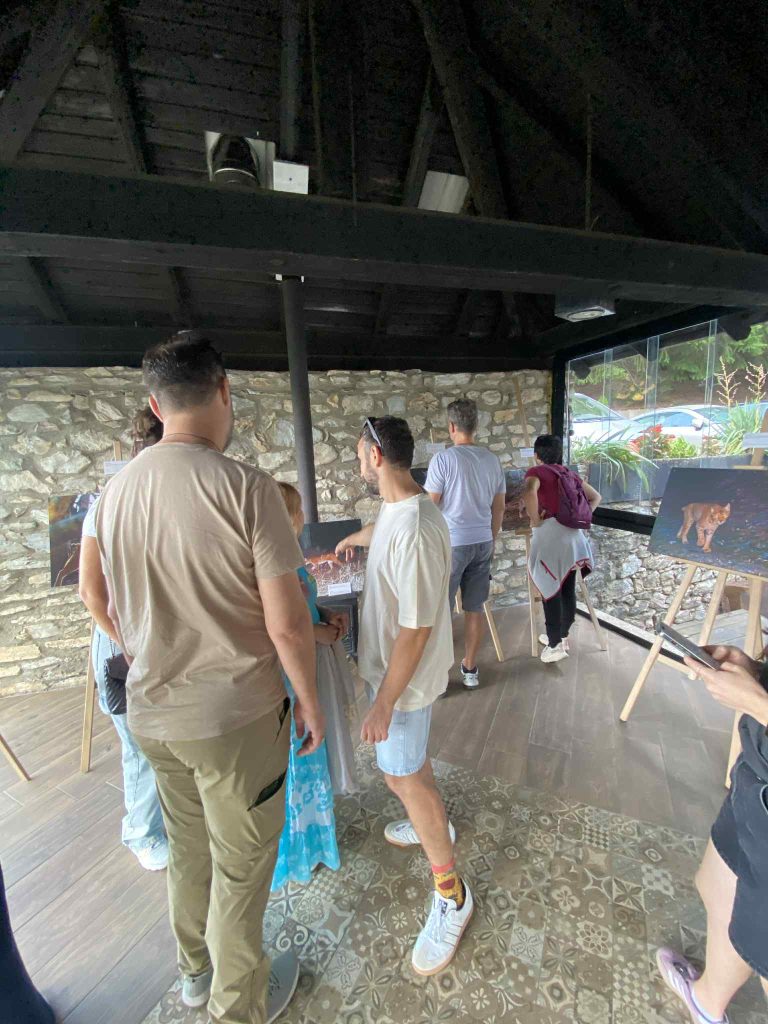
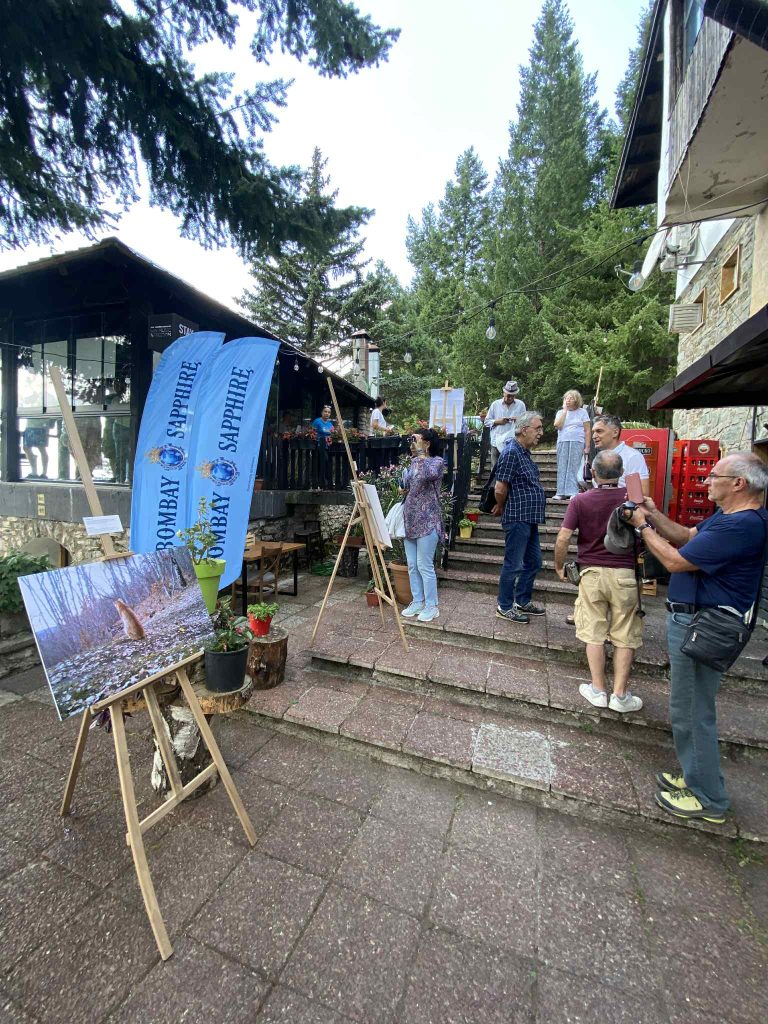
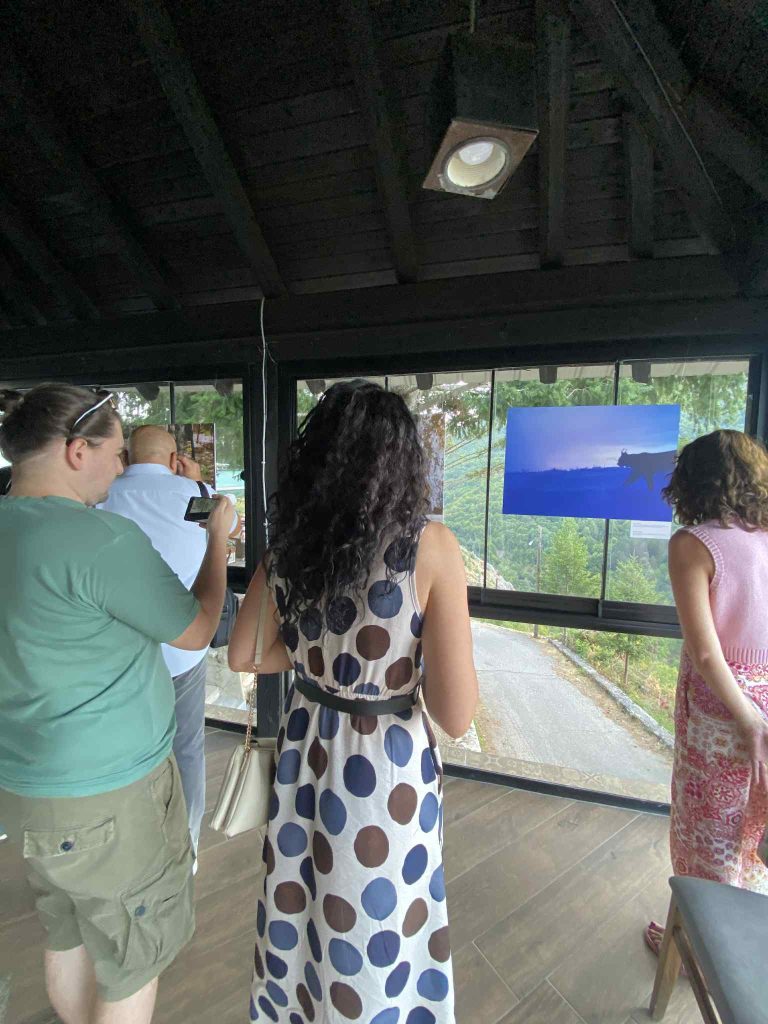
    The Macedonian Ecological Society held its Annual Meeting with its members for 2025. Last Saturday, on September 20th, the members of MES gathered at the Info Center of Pelister National Park.

    There, the traveling exhibition with photographs of the Balkan lynx was also opened, which had previously been displayed at Hotel “Neda” in Galičnik and at the Info Center of Mavrovo National Park.

    In the official part of the meeting, the Head of the Balkan Lynx Recovery Programme, Dime Melovski, gave a presentation on the challenges that the Balkan lynx faces today.

    Afterwards, a short walk followed to the site “Kamena Reka” on Pelister, where Melovski once again held a short educational lecture about this interesting natural phenomenon.

    The Annual Meeting was an excellent opportunity for MES members to get to know each other better and to be informed about ongoing activities and the ways in which they can get more actively involved with their expertise.

  • Marking International Vulture Awareness Day in Skopje

    Marking International Vulture Awareness Day in Skopje

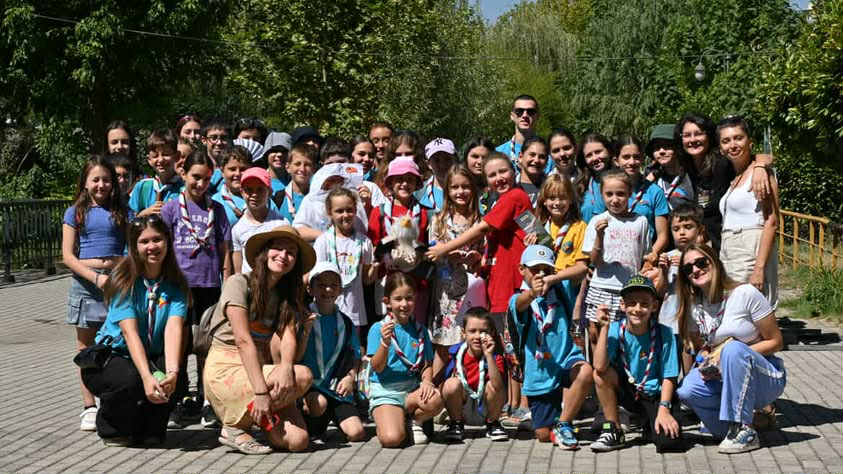
    On September 6, the Macedonian Ecological Society, in collaboration with Skopje Zoo, celebrated International Vulture Awareness Day.

    The educational session was led by Arta Starova and Iskra Manojloska, with the participation of scouts from the First Skopje Scout Troop.

    Participants first visited the Griffon Vulture enclosure at the zoo, before continuing to the Educational Center, where the scouts took part in fun, interactive games designed to teach them more about these remarkable birds.

    MES has a long tradition of marking International Vulture Awareness Day – a reminder of the vital role vultures play in nature, as well as their precarious status. Globally, they are the most threatened group of birds, with around 70% of all vulture species listed as vulnerable, endangered, or critically endangered.

  • Public Call No. 1/2025 for the implementation of a procedure for awarding a contract for procurement of services for the preparation of a Management Plan and an Annual Program for the Nature Park “Ezerani”

    Public Call No. 1/2025 for the implementation of a procedure for awarding a contract for procurement of services for the preparation of a Management Plan and an Annual Program for the Nature Park “Ezerani”

    The Macedonian Ecological Society (MES), through the project: “Prespa Green & Blue Initiative:  Empowering Conservation through  Research, Education and Communication”, an EU-funded external action project implemented by the Macedonian Ecological Society in cooperation with the Municipality of Resen and Galichica National Park, announces a Public call for the preparation of a Management Plan and an Annual Programme for the Nature Park “Ezerani.”

    Interested parties are required to submit the complete documentation by mail or in person, in the manner described in the documentation for the public call, to one of the following addresses of the Macedonian Ecological Society:

    • Skopje Office – “Todor Skalovski” 9A, 1000 Skopje
    • Resen Office – “Goce Delchev” 7, 7310 Resen

    no later than 03.9.2025 (Wednesday) by 15:00, marked “For Public Call No. 01/2025” and with the note “Do not open before the date of evaluation of the offers.”

    The documentation for the public call, including the evaluation criteria, is available on the website of the Macedonian Ecological Society: www.mes.org.mk

    Interested parties may submit questions exclusively in written form to the following e-mail: zaec@mes.org.mk, no later than 26.8.2025.

    The complete documentation for the public call is available for download in PDF format at the following LINK.

  • Photo Exhibition on the Balkan Lynx Opens

    Photo Exhibition on the Balkan Lynx Opens

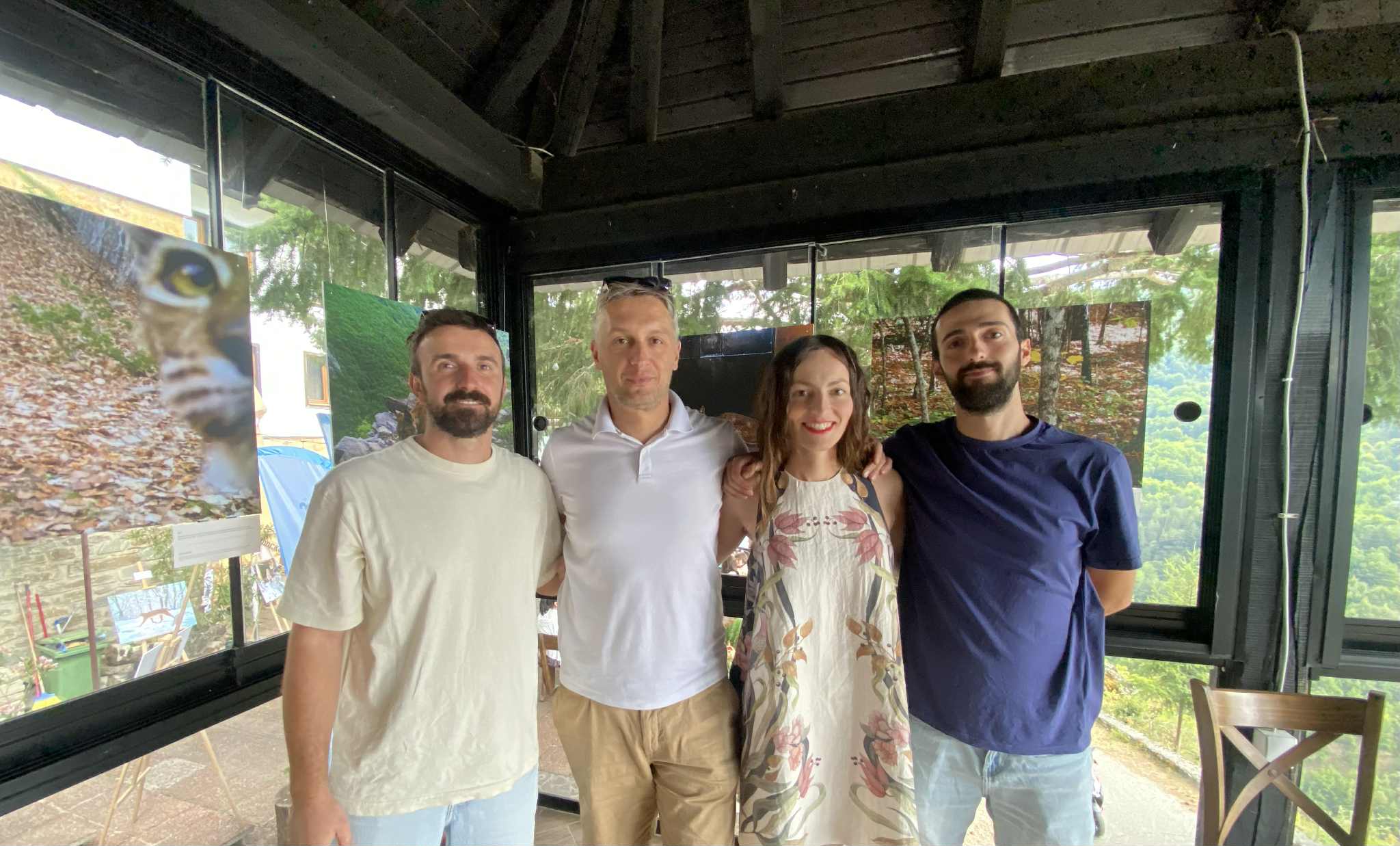
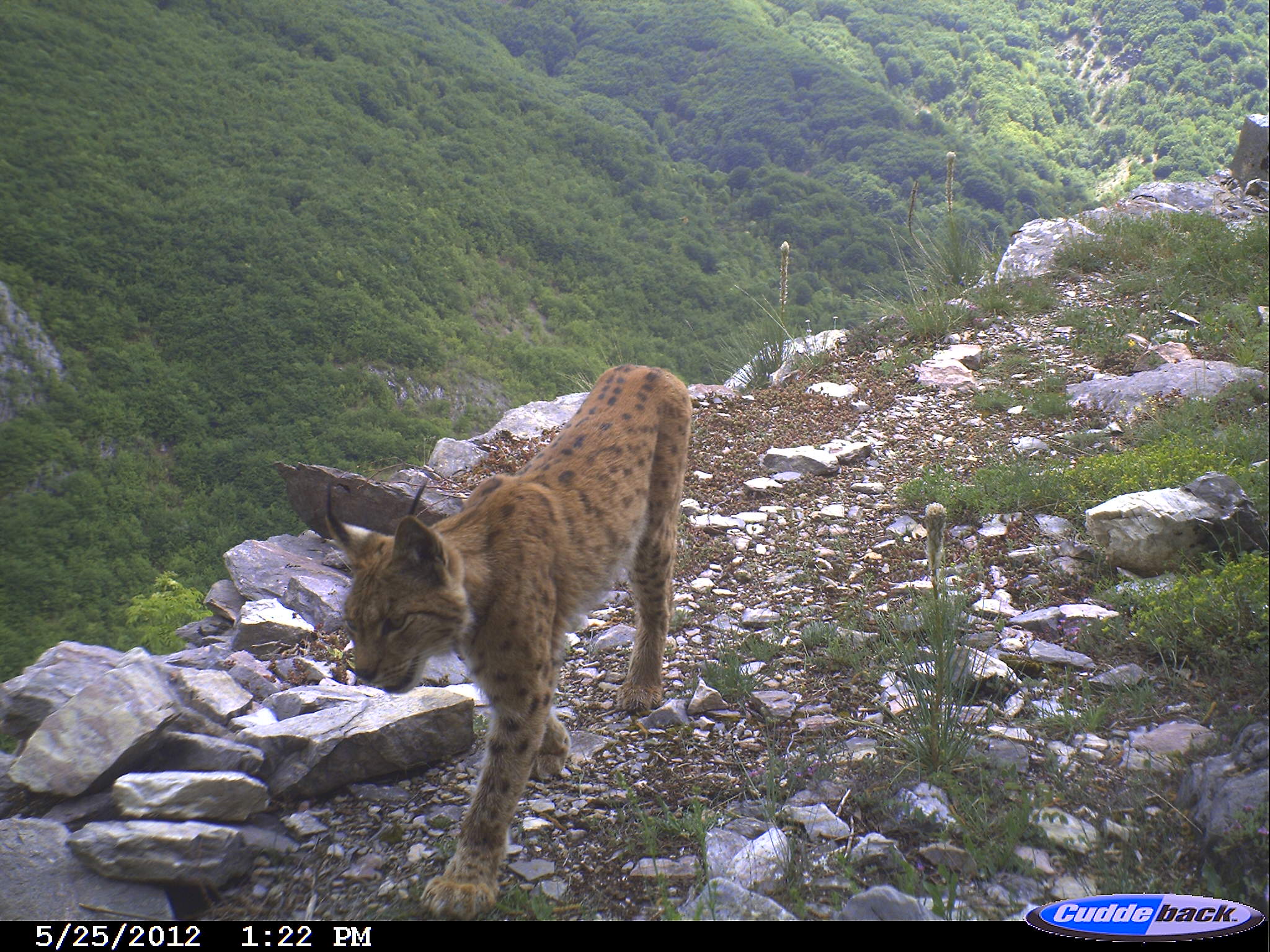
    Yesterday, at Hotel Neda in Galičnik, the Macedonian Ecological Society opened an exhibition of photographs of the Balkan lynx.

    The exhibition features 21 photographs of lynxes captured in the wild in North Macedonia, Albania, and Kosovo.

    At the opening, Dime Melovski, head of the Balkan Lynx Recovery Programme, addressed the audience and explained that fewer than 50 individuals of this critically endangered species remain in the wild today.

    The large audience also took the opportunity to engage with the team from the Macedonian Ecological Society and learn more about the Balkan lynx.

    Next year, the Balkan Lynx Recovery Programme, which operates within MES, will mark two decades of dedicated work. It was the first initiative to launch systematic monitoring and research of the species, with the ultimate goal of ensuring its survival.

    The Balkan lynx is an apex predator with no natural enemies in the animal world. Its greatest threat comes from humans—through poaching or indirectly, through deforestation that destroys its habitat and drives it closer to extinction.

    The exhibition at Hotel Neda will remain open until August 31, with free entry. As a traveling exhibition, it will also be presented in other locations across North Macedonia.

  • Photo exhibition of the Balkan lynx

    Photo exhibition of the Balkan lynx

    The Macedonian Ecological Society is organizing a photo exhibition of the elusive Balkan lynx, on August 17 at 12:00 PM at the “Neda” Hotel in Galičnik. The selection of photographs features the most representative individuals of the Balkan lynx that have so far been captured on camera in Macedonia, Albania, and Kosovo – the three countries where this animal still survives.

    “Galičnik is in close proximity to the lynx’s habitat, and during the summer months it is always a destination for many who are in love with the beauty of Macedonia and the life of a truly traditional Macedonian village. I believe this is the same audience that delights in every newly detected lynx individual, which is why we chose this location for the upcoming exhibition,” says Iskra Manojloska, Communications Coordinator at the Macedonian Ecological Society.

    The Balkan Lynx Recovery Programme, operating within the Macedonian Ecological Society, will mark two decades of existence and dedicated work next year. It was the first initiative to launch systematic monitoring and research of this species, with the ultimate goal of ensuring its survival.

    The Balkan lynx is an apex predator, with no natural enemies in the animal world. Its greatest enemy is humans – through poaching, or indirectly, through forest destruction, which threatens its habitat and accelerates its extinction. Today, barely around fifty adult individuals remain in the wild, making it a true natural rarity.

    The exhibition is traveling: after its opening in Galičnik, it will also be presented in other places across Macedonia. At the “Neda” Hotel, it will be open for visitors until August 31, and admission is free.

  • Vardar Islands – A New Home for the Little Tern

    Vardar Islands – A New Home for the Little Tern


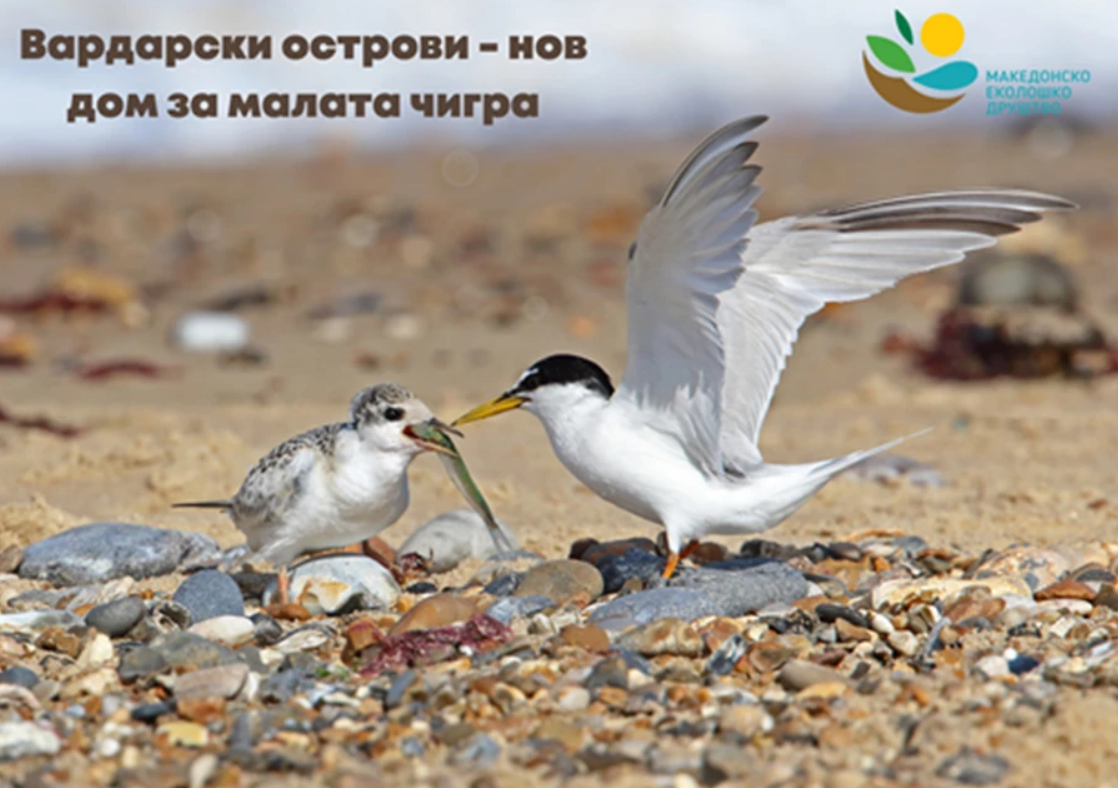
    The project “Vardar Islands – A New Home for the Little Tern” aims to restore river islands in the lower course of the Vardar River, the only nesting area of the Little Tern (Sternula albifrons) in Macedonia. Through controlled removal of invasive vegetation, waste cleanup, and the application of nature-based solutions, the nesting conditions for this endangered species will be improved. The project involves the engagement of at least 15 employees from MES, 10 external collaborators, and around 80 volunteers, directly benefiting over 40,000 residents in the region. Activities will be accompanied by population monitoring and a public awareness campaign through social media, field activities, and educational programs.

  • PrespaNet at ICZEGAR 2025: Science, Collaboration & Capacity Building for Nature

    PrespaNet at ICZEGAR 2025: Science, Collaboration & Capacity Building for Nature


    The International Congress on the Zoogeography and Ecology of Greece and Adjacent Regions (ICZEGAR), is a long running forum for Mediterranean biodiversity research and PrespaNet was proud to have a strong presence in the 16th congress held in Athens last week (03 – 06 July).

    With seven diverse presentations, our team highlighted the ecological uniqueness and conservation challenges of the transboundary Prespa basin – from herpetological research, and surveys on insects, micromammals and birds, to wetland connectivity and documenting the values of Prespa’s mountainous ecosystems. The contributions reflect not just scientific research, but also the power of collaboration across borders, generations, disciplines and sectors.

    PrespaNet has invested in supporting young researchers, through internships and volunteer programmes, as well as the organization of targeted field camps and transboundary summer schools, in an effort to transform this remote region into a training ground for emerging conservationists. Our activities under the “Prespa Field Laboratory” are reflected in our contributions to ICZEGAR 2025, where several of our presenters, once participants in related programmes, are now sharing their own research and field experience with the regional scientific community.
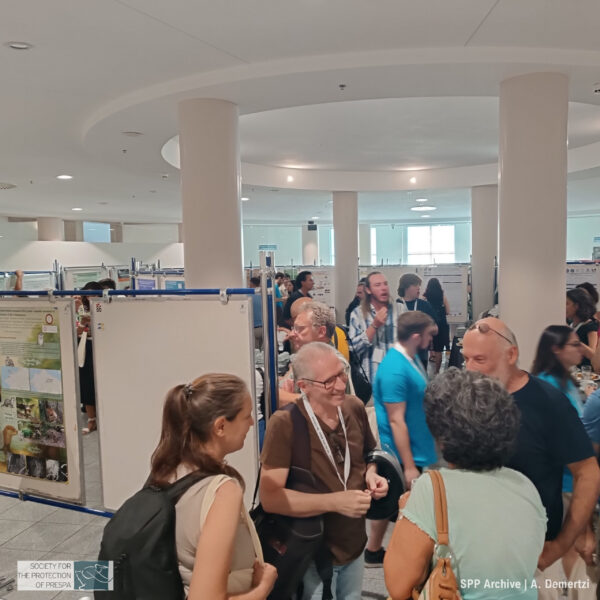
    Our contributions to the 16th ICZEGAR conference:

    1. “From snake island to a hub of research and education: who learned what on Golem Grad Island?” by Dragan Arsovski, Ana Golubović, Xavier Bonnet, Vukašin Bjelica, Ljiljana Tomović
    2. “Assessment of an insular population of the priority species Testudo hermanni: Preliminary findings from Agios Achilleios island, Lesser Prespa Lake” by Nikolaos Lioupis, Dragan Arsovski, Taxiarchis Danelis, Maria-Nefeli Marinou, Irene Koutseri
    3. “The importance of connectivity of wet meadows in supporting the Macedonian crested newt” by Daniela Jovanovska, Dragan Arsovski, Lazar Nikolov
    4. “The entomological value of Mt. Triklario/ Sfika: Orthoptera and Lepidoptera” by Eleftheria Kaltsouni, Irene Koutseri, Aikaterini Kerasia Zimarikopoulou, Nikolaos Lioupis, Elvira Sakkoudi, Nikolaos Filippidis, Konstantina Nasiou, Apostolis Stefanidis, Vasiliki Kati
    5. “Basic life history and conservation of the Rock Partridge (Alectoris graeca) in National Park Galichica” by Slave Nakev, Metodija Velevski
    6. “Exploring the micromammal fauna of a karstic plateau on Mt. Triklario northwestern Greece” by Nikolaos Lioupis, Irene Koutseri, Kyriaki Bairaktaridou, Annita Logotheti, Foteini Papanousi, Giorgos Catsadorakis
    7. “Seasonal monitoring of bats in two selected caves in Galičica National Park, North Macedonia” by Aleksandar Stojanov, Aleksandar Pavlov, Dejan Dimidjijevski, Andrej Gonev

    Acknowledgments are extended to all the research institutions and nature protection agencies that have supported this work over the years:

    • Belgrade University, Serbia
    • Biodiversity Conservation Lab, University of Ioannina, Greece
    • Biology Department, University of Patras, Greece
    • Biology Student’s Research Society, North Macedonia
    • Centre for Biological Studies in Chize, part of the French Centre for Scientific Research
    • Galicica National Park, North Macedonia
    • Molecular Ecology and Conservation Genetics Lab, University of Ioannina, Greece
    • Cyril and Methodius University, North Macedonia

    Learn more about our work as PrespaNet and our project: https://prespa.mes.org.mk/prespanet/

    The PrespaNet project III, running from 2024 to 2027, is supported by donors such as AVJCF and PONT, with funding from EuroNatur.

    Learn more about the above-mentioned work in: 16th ICZEGAR 2025 – Book of abstracts


    What is PrespaNet:

    PrespaNet is a network of three environmental NGOs — SPP (Greece), MES (North Macedonia), and PPNEA (Albania) — working together since 2013 to enhance nature conservation in the transboundary Prespa area. The network’s activities are guided by five strategic pillars:


    1. Waterbirds, wetlands, and climate change
    2. Environmental education and outreach
    3. Species conservation
    4. Freshwater Island conservation
    5. Transboundary collaboration

    Through this initiative, PrespaNet aims to empower the next generation of conservation professionals by fostering knowledge exchange, practical skills, and long-term engagement with the region’s natural heritage.