Category: Events

  • Annual Meeting 2025

    Annual Meeting 2025


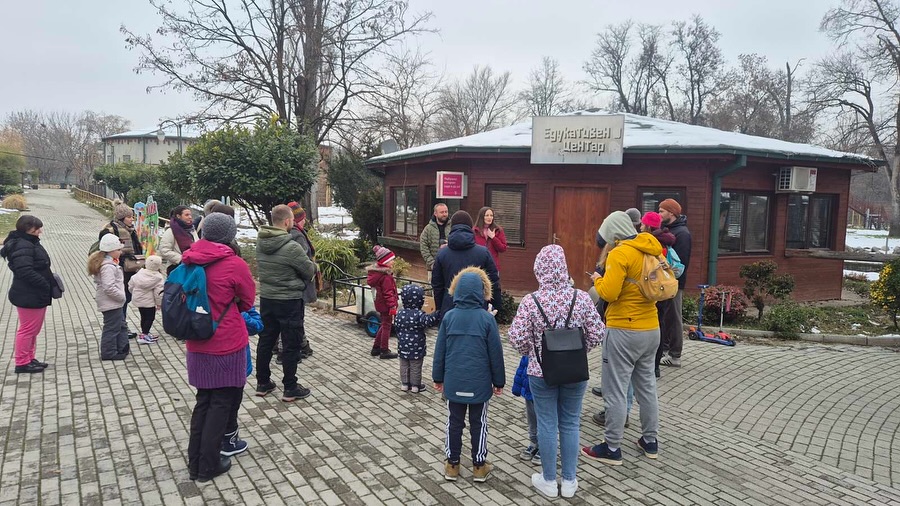
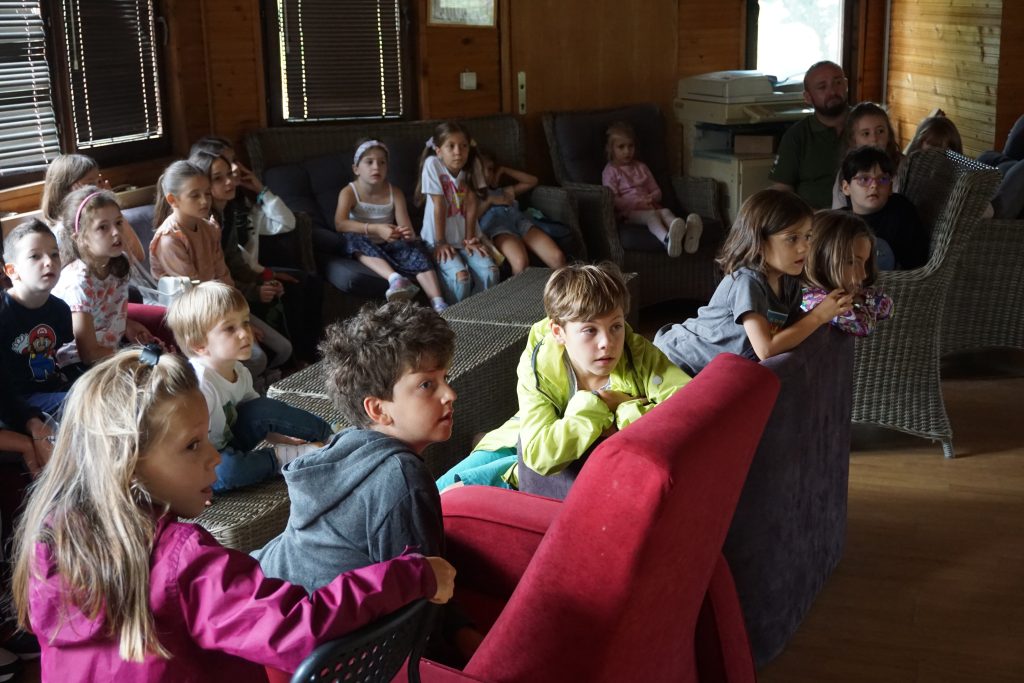
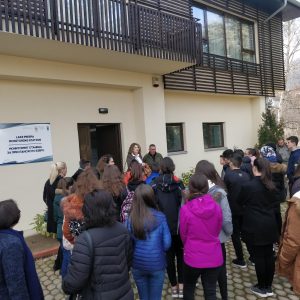
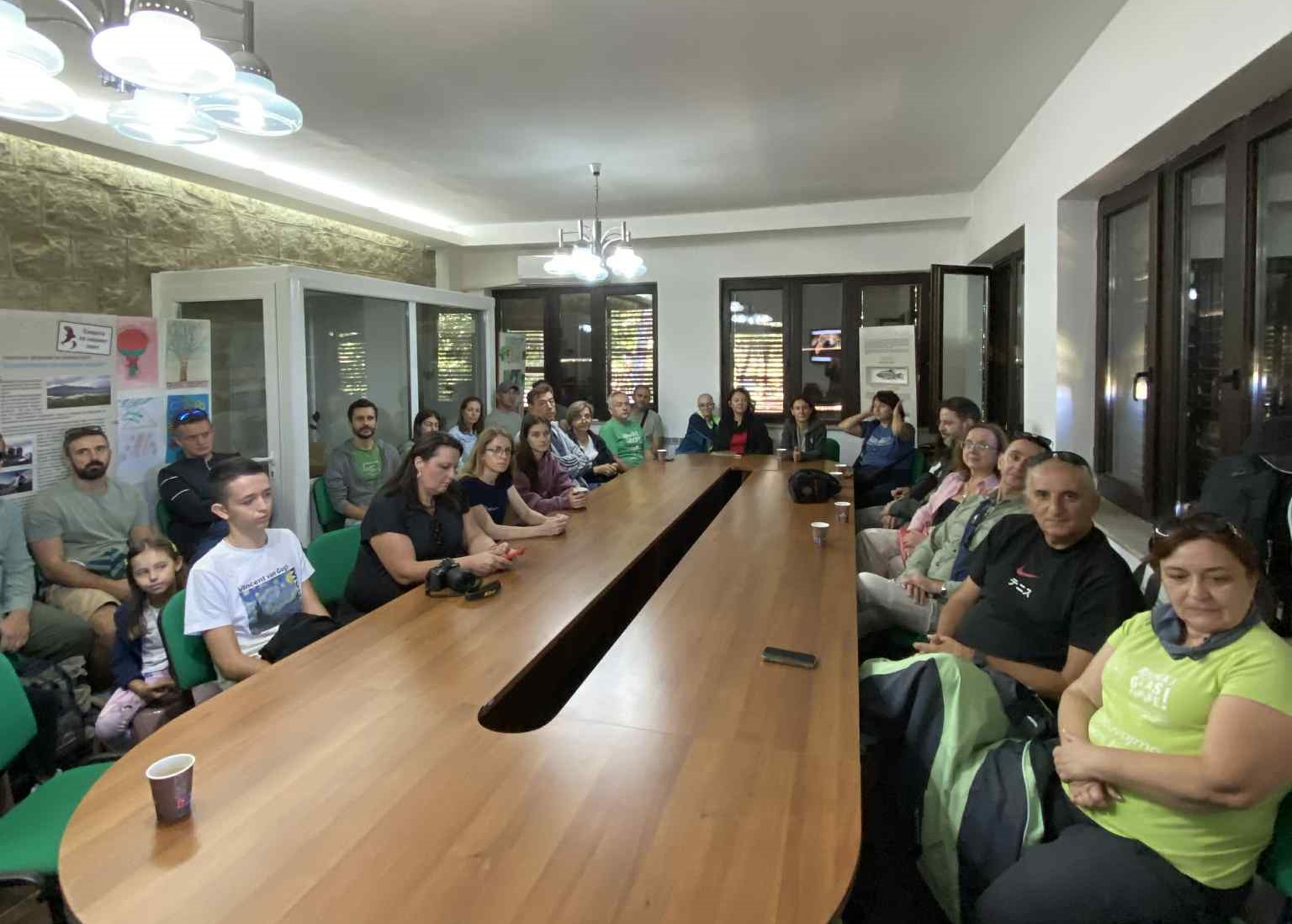
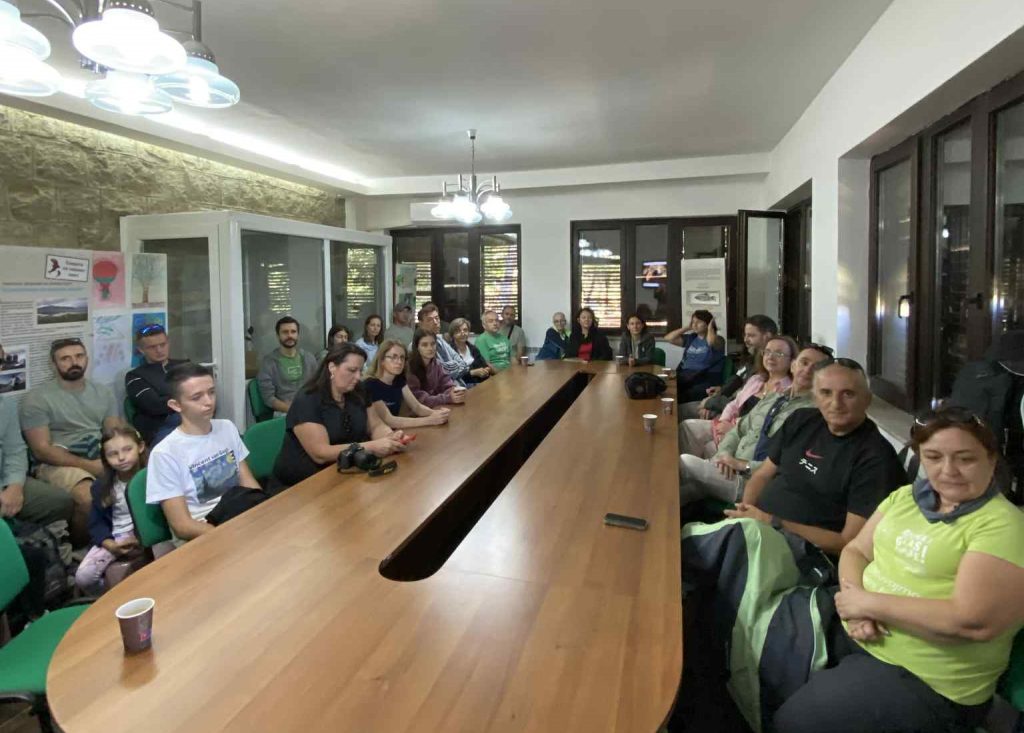
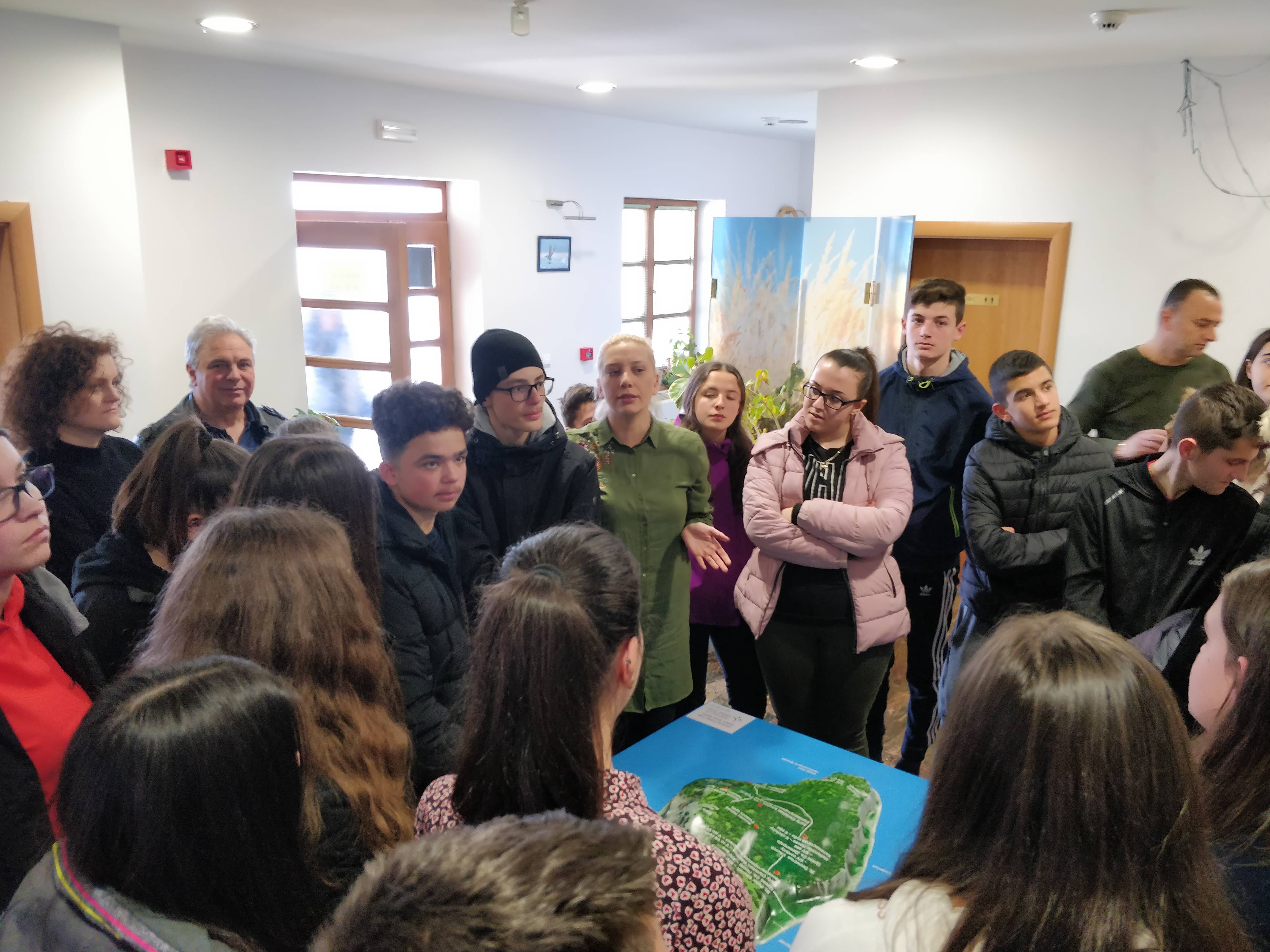
    The Macedonian Ecological Society held its Annual Meeting with its members for 2025. Last Saturday, on September 20th, the members of MES gathered at the Info Center of Pelister National Park.

    There, the traveling exhibition with photographs of the Balkan lynx was also opened, which had previously been displayed at Hotel “Neda” in Galičnik and at the Info Center of Mavrovo National Park.

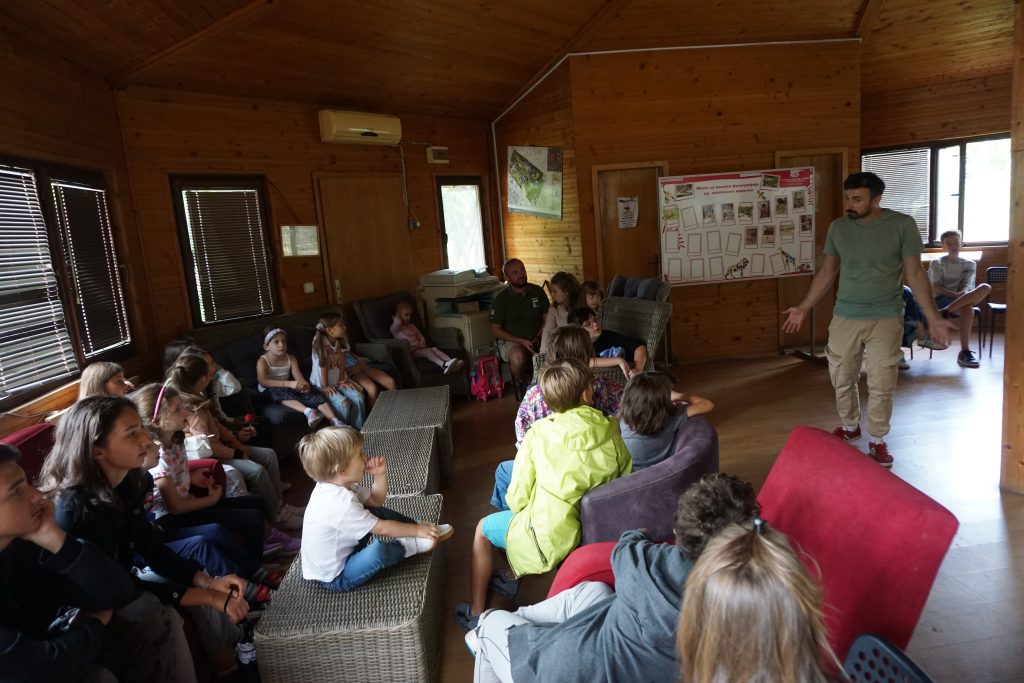
    In the official part of the meeting, the Head of the Balkan Lynx Recovery Programme, Dime Melovski, gave a presentation on the challenges that the Balkan lynx faces today.
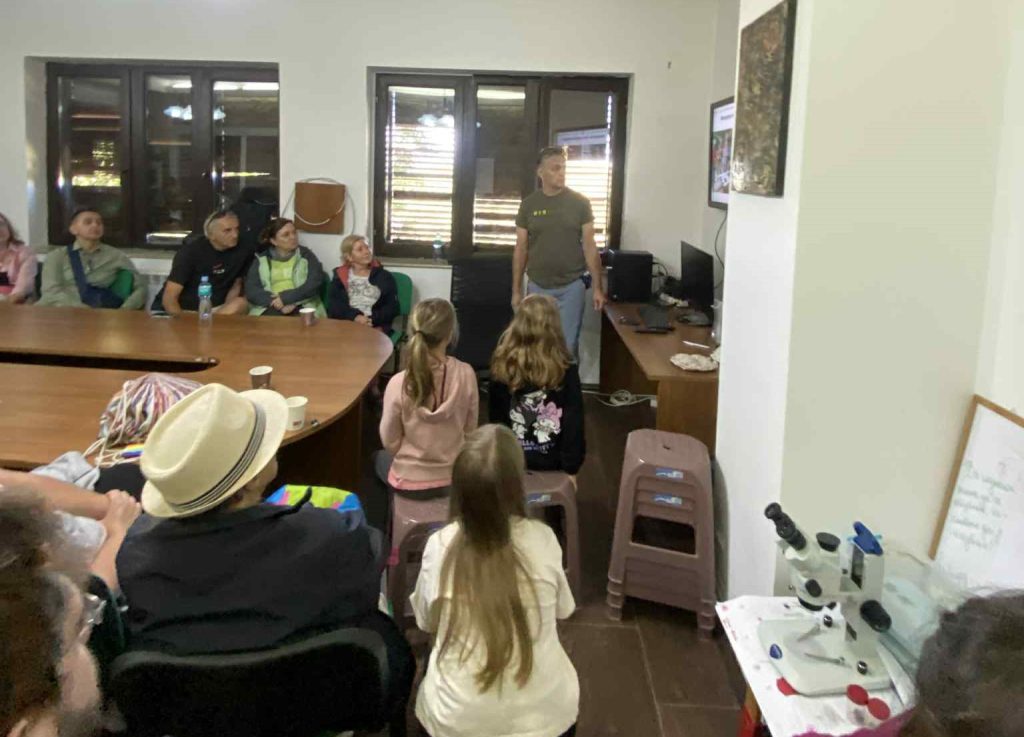
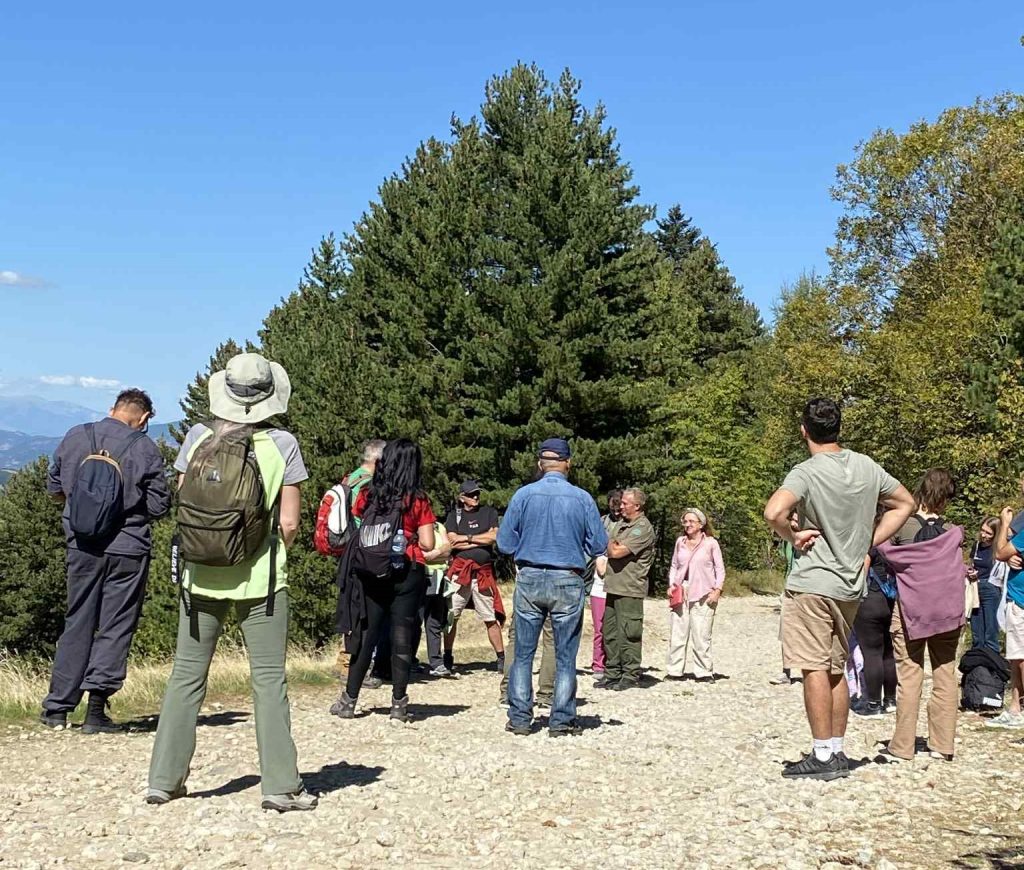
    Afterwards, a short walk followed to the site “Kamena Reka” on Pelister, where Melovski once again held a short educational lecture about this interesting natural phenomenon.

    The Annual Meeting was an excellent opportunity for MES members to get to know each other better and to be informed about ongoing activities and the ways in which they can get more actively involved with their expertise.
  • Exhibition and Lecture: “Amphibians and Reptiles”

    Exhibition and Lecture: “Amphibians and Reptiles”

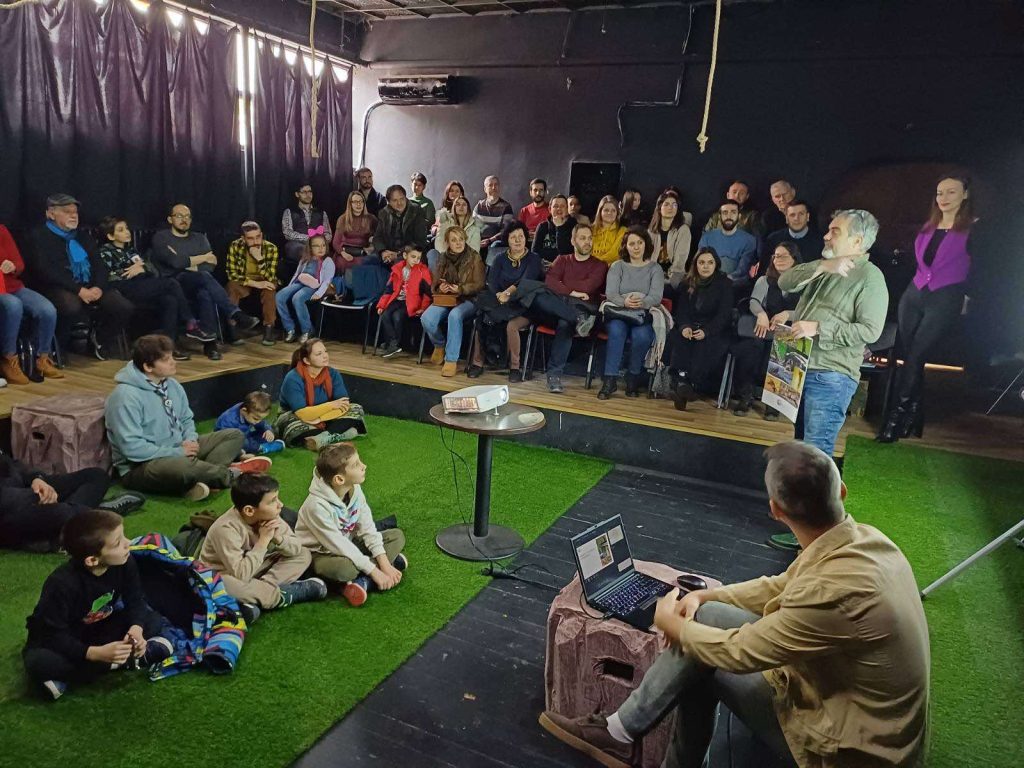
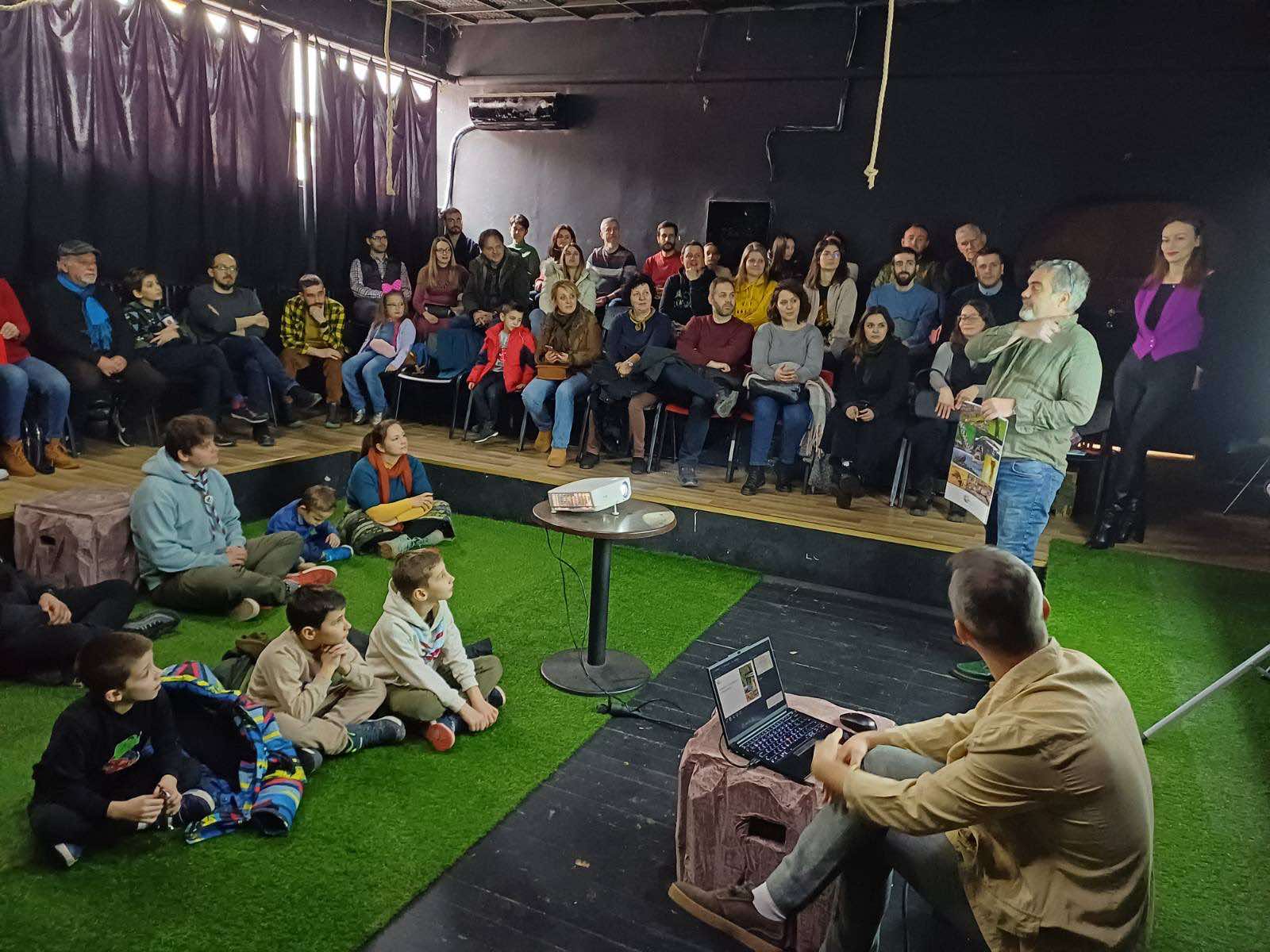
    The Macedonian Ecological Society held a lecture and opened an exhibition on January 25, 2025, on the theme “Native Amphibian and Reptile Species in Macedonia.”

    The lecture was delivered by herpetologist Dr. Dragan Arsovski, and awards were presented to the authors of the winning photographs from the photo competition organized by MES last year.

    In addition to Arsovski, the audience also heard from Darko Spasov, Director of the Comedy Theatre, and Iskra Manojloska from MES.

    We are thrilled with the great interest in the event and the wonderful audience, which inspires us to consider themes for future events we will organize.
    For those who couldn’t attend the event but wish to view the exhibition photographs, they will be on display for the next three weeks at the Comedy Theatre.
  • Educational Event on Bird Feeders

    Educational Event on Bird Feeders


    The Macedonian Ecological Society, in collaboration with the Skopje Zoo, held an educational event on bird feeders on January 19, 2025. Iskra Manojloska from MES and Vojo Ivanov from Skopje Zoo conducted a brief training session for attendees on how to help birds better survive the winter in urban areas.

    Participants at the event received bird feeders, which they could place on their balconies and in their yards.

    As part of the event, visitors had the opportunity to observe one of the penguins’ daily feedings at the Zoo. Additionally, Zoo caregivers introduced the audience to the newest penguin chick, which hatched last month.

    The audience followed the event with great interest, showing enthusiasm for the topic, and the educators were available to answer all their questions.

  • The Macedonian Ecological Society held a lecture on the topic of the Sixth Mass Extinction

    The Macedonian Ecological Society held a lecture on the topic of the Sixth Mass Extinction


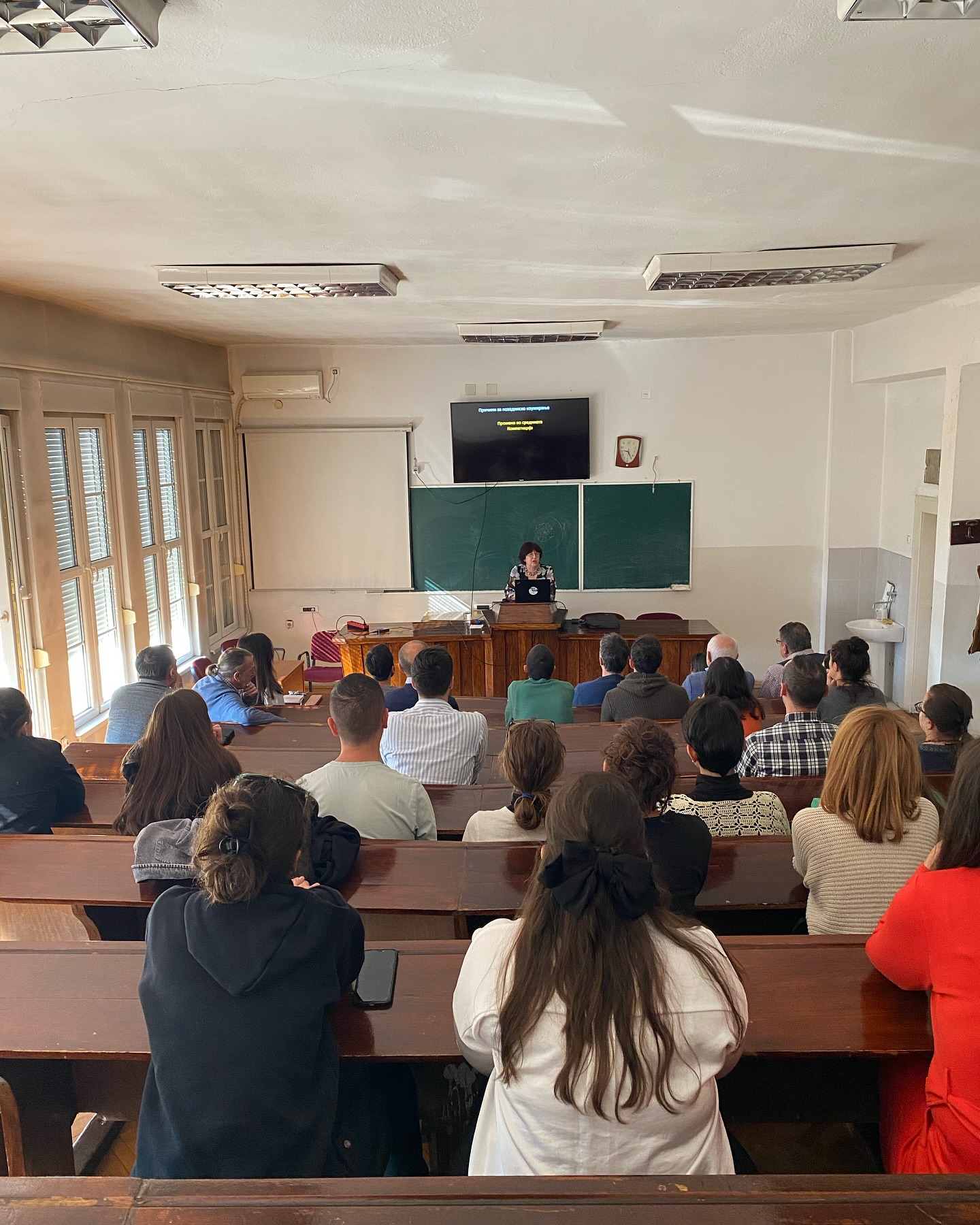
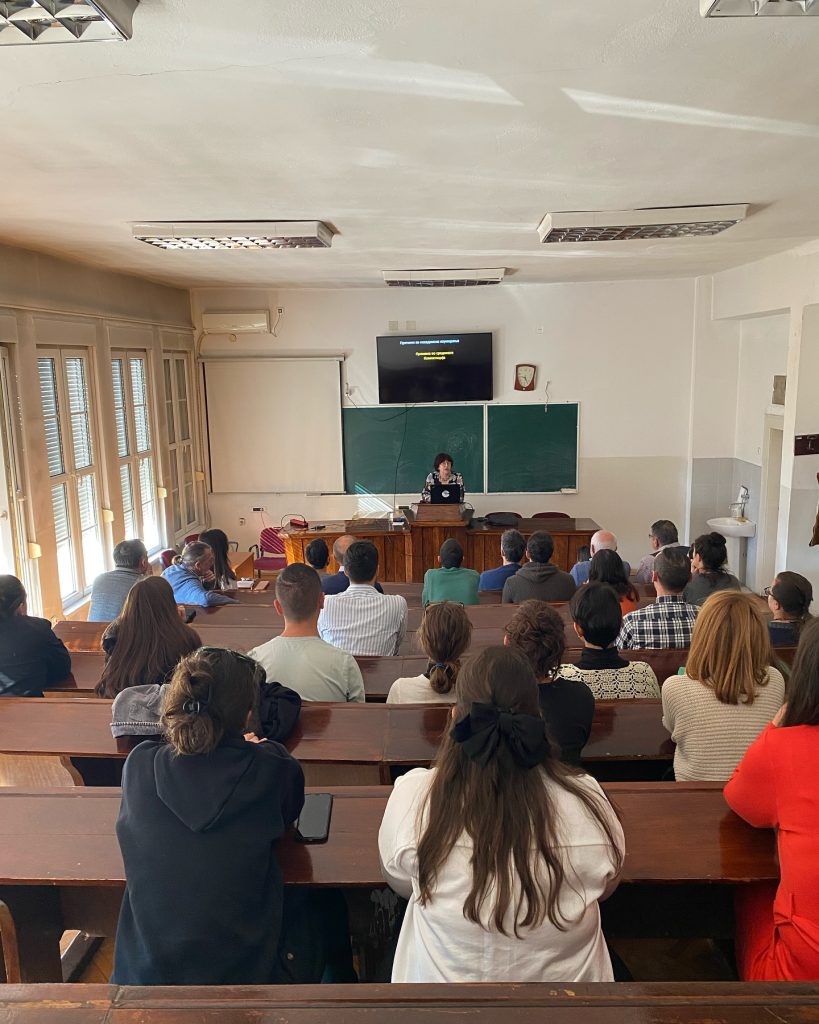
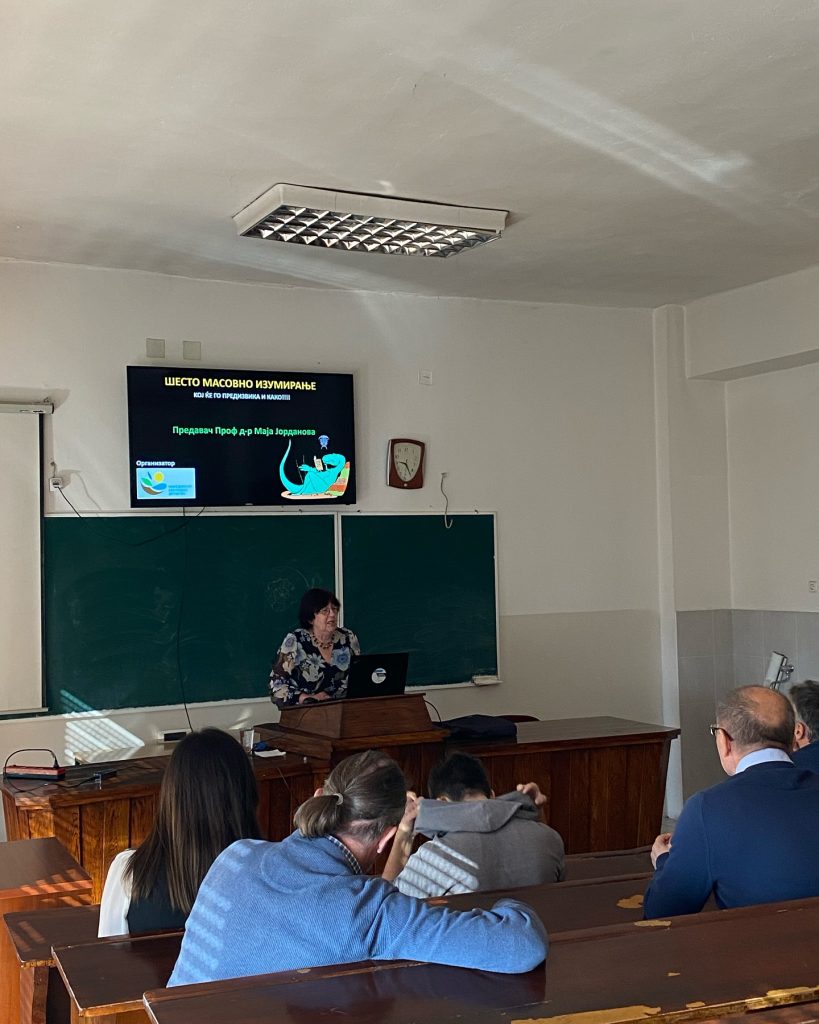
    The Macedonian Ecological Society organized a lecture on the topic “The Sixth Mass Extinction”, led by Prof. Dr. Maja Jordanova, the head of the “Ecological Education” section.

    The lecture took place in one of the amphitheaters of the Faculty of Natural Sciences and Mathematics in Skopje and was attended by a large number of MES members.

    The lecture made the attendees feel like students again and sparked inspiration for further debate, in which nearly all of the members participated, showing that we should meet more often at such events. The professor answered all the questions raised by the attendees and provided ideas for the directions we should all take to protect our planet.

  • European Birdwatching Days

    European Birdwatching Days


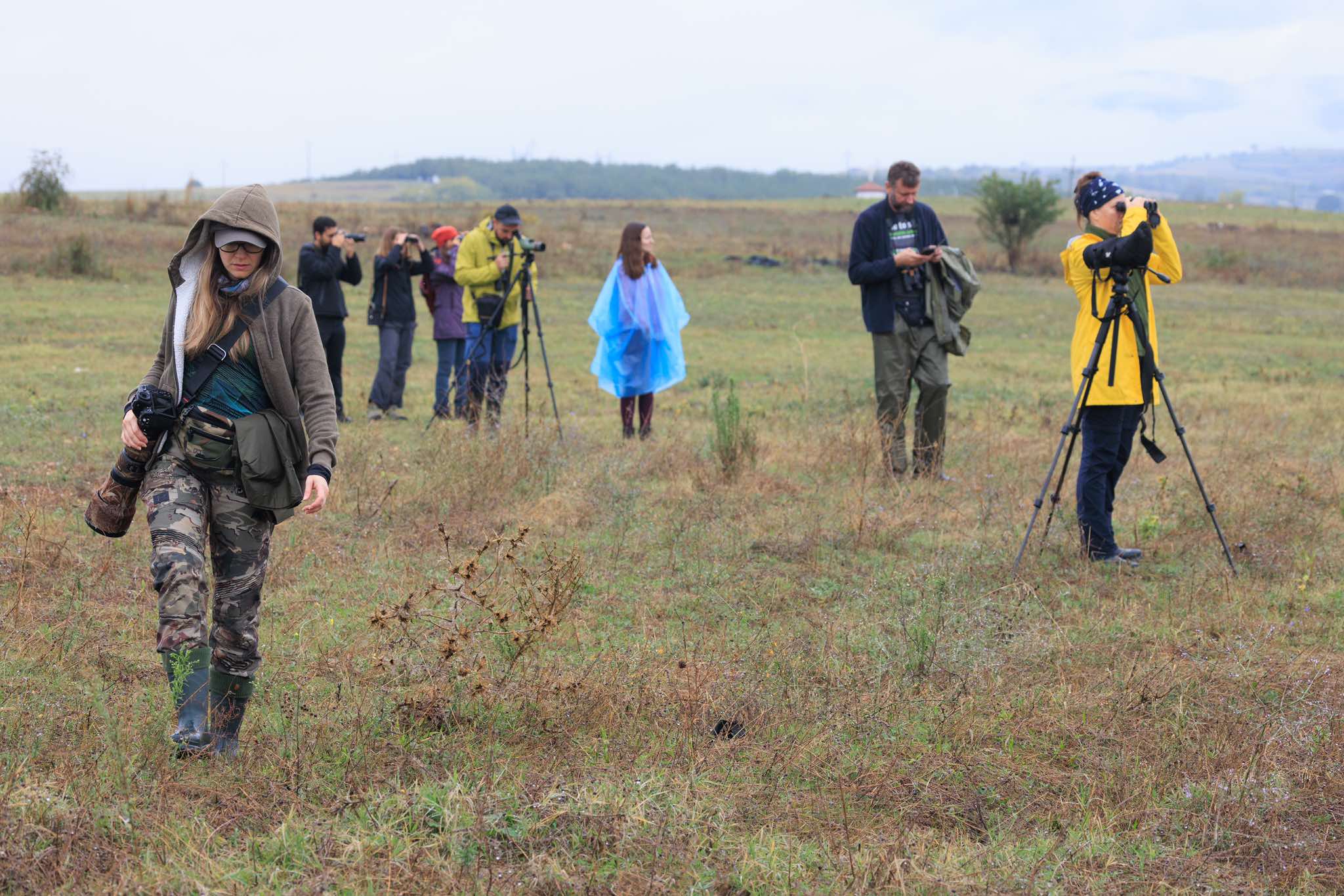
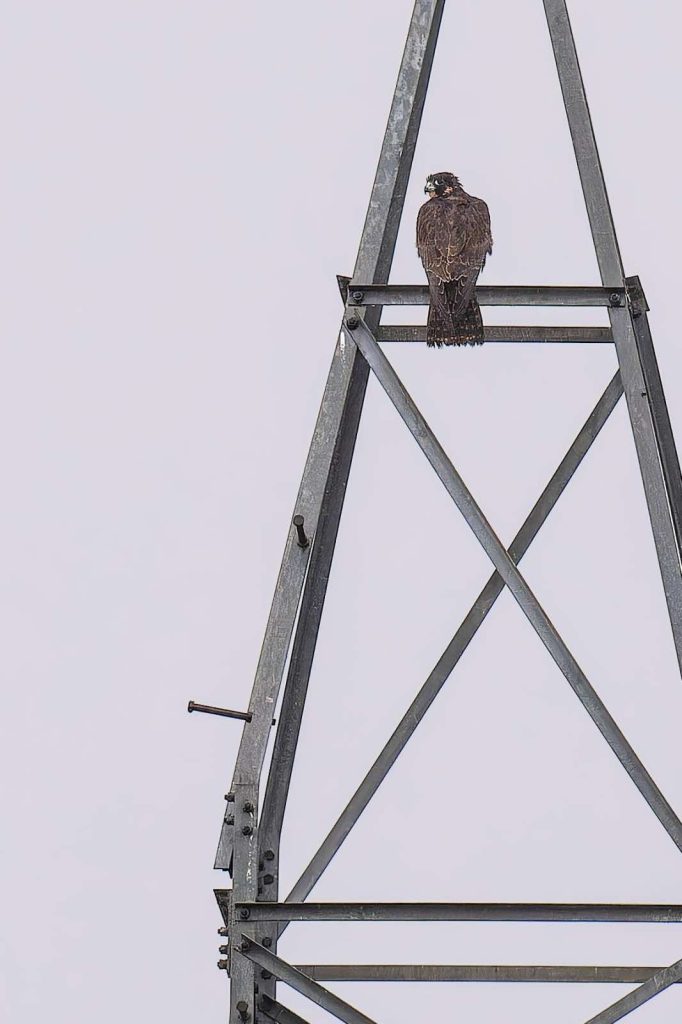
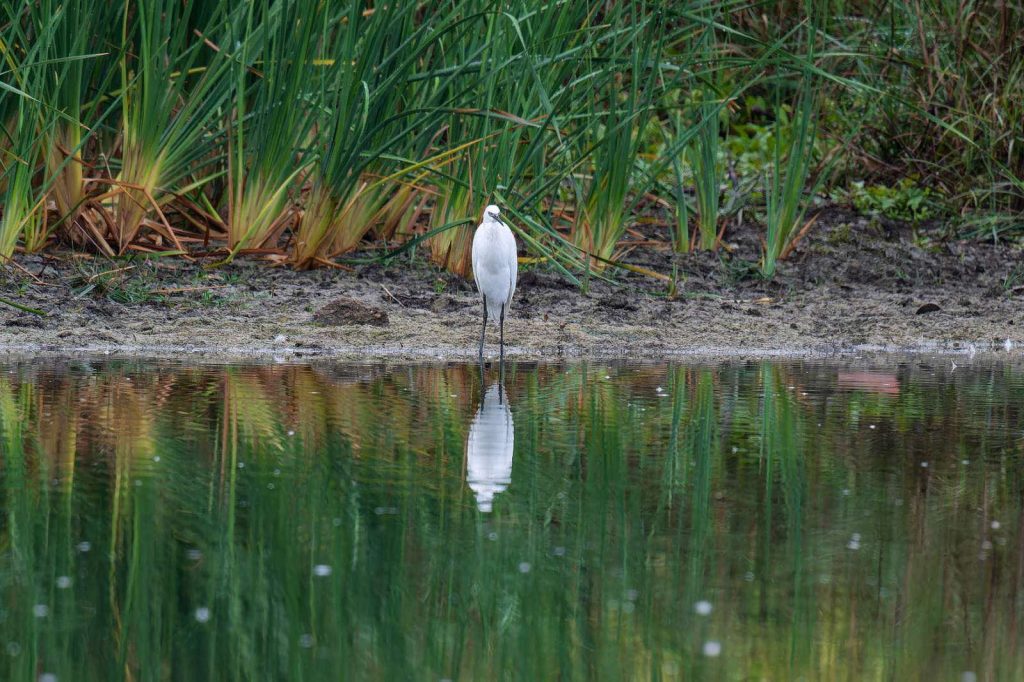
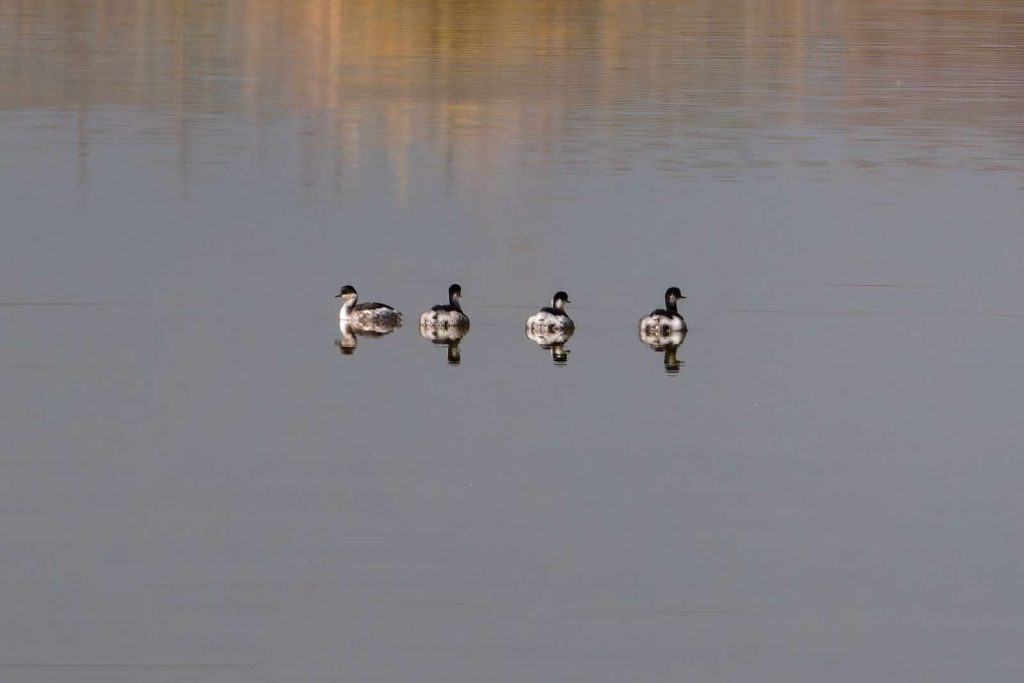
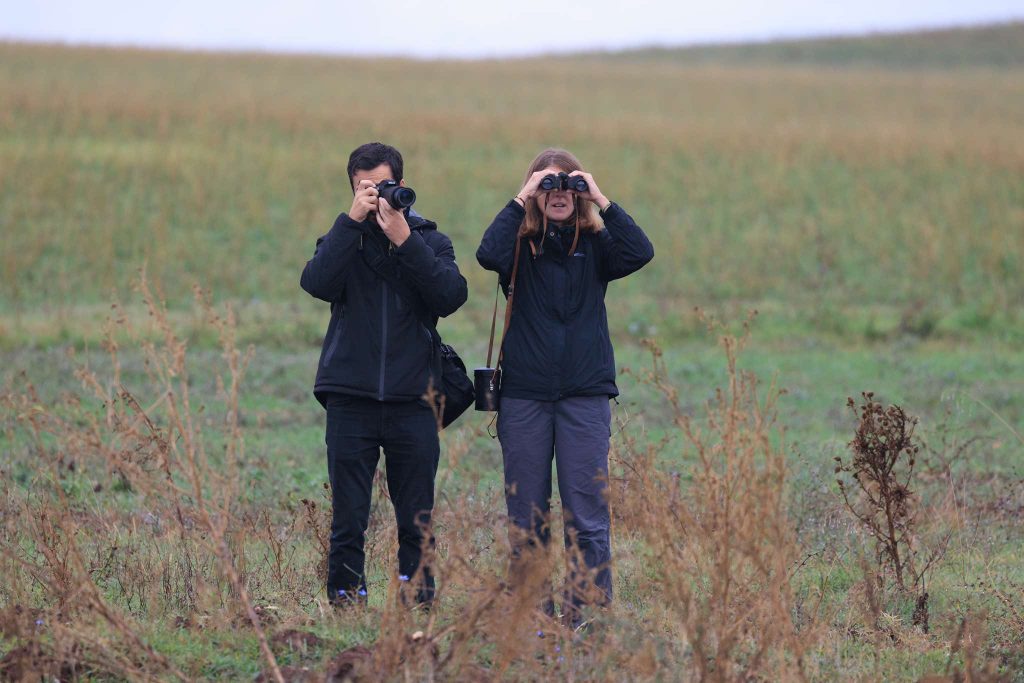
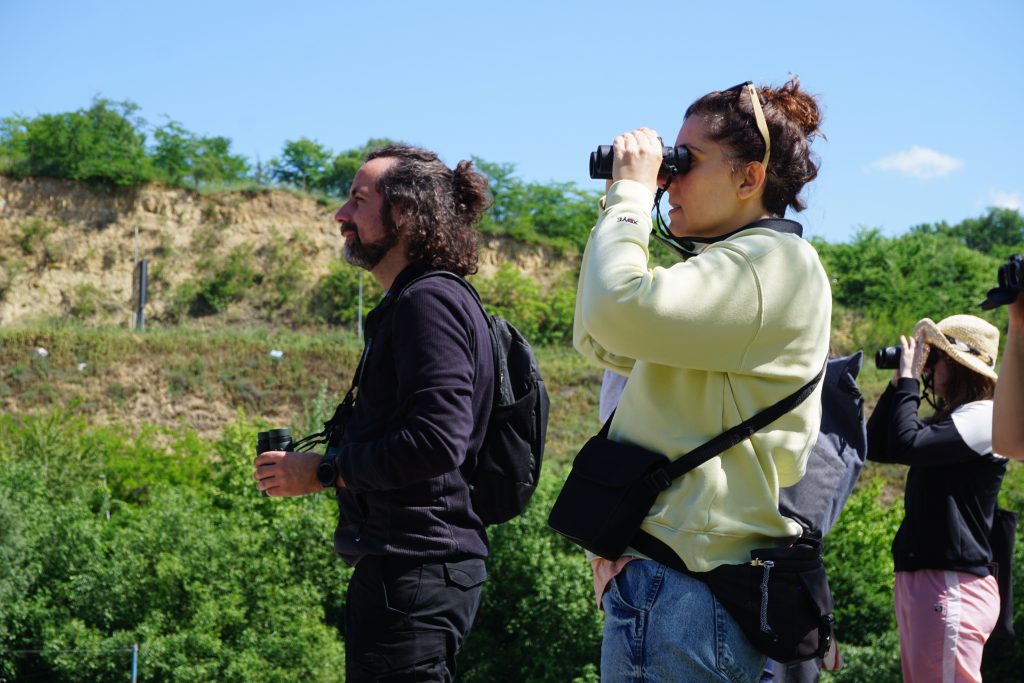
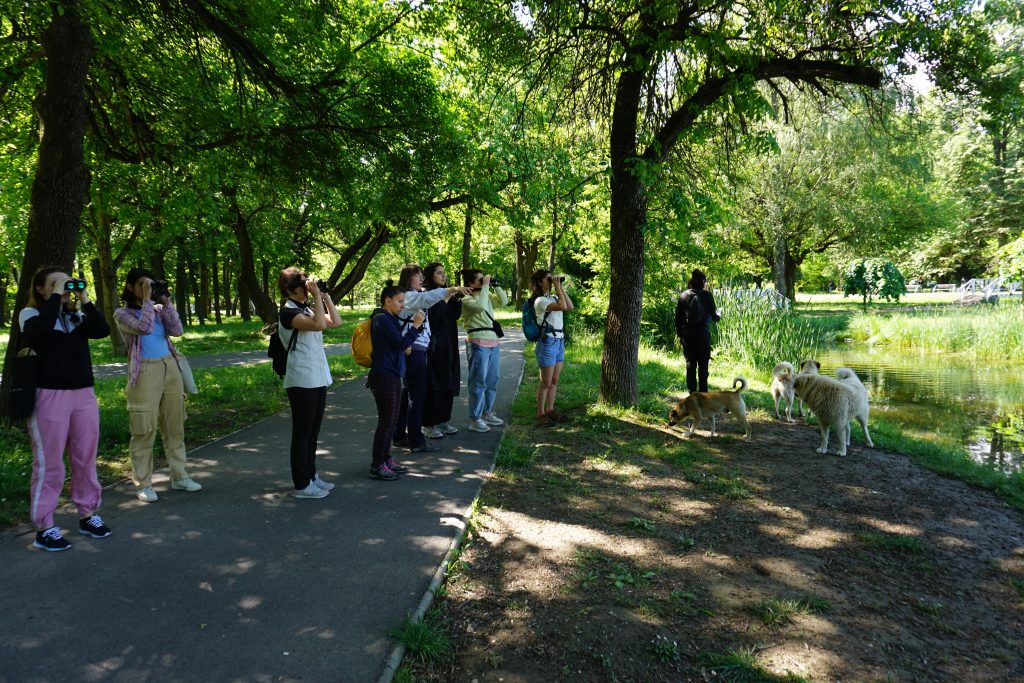
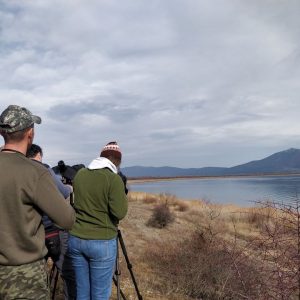
    The Macedonian Ecological Society, together with its members, held a birdwatching event at Smilkovsko Lake on October 5th in honor of the European Birdwatching Days.

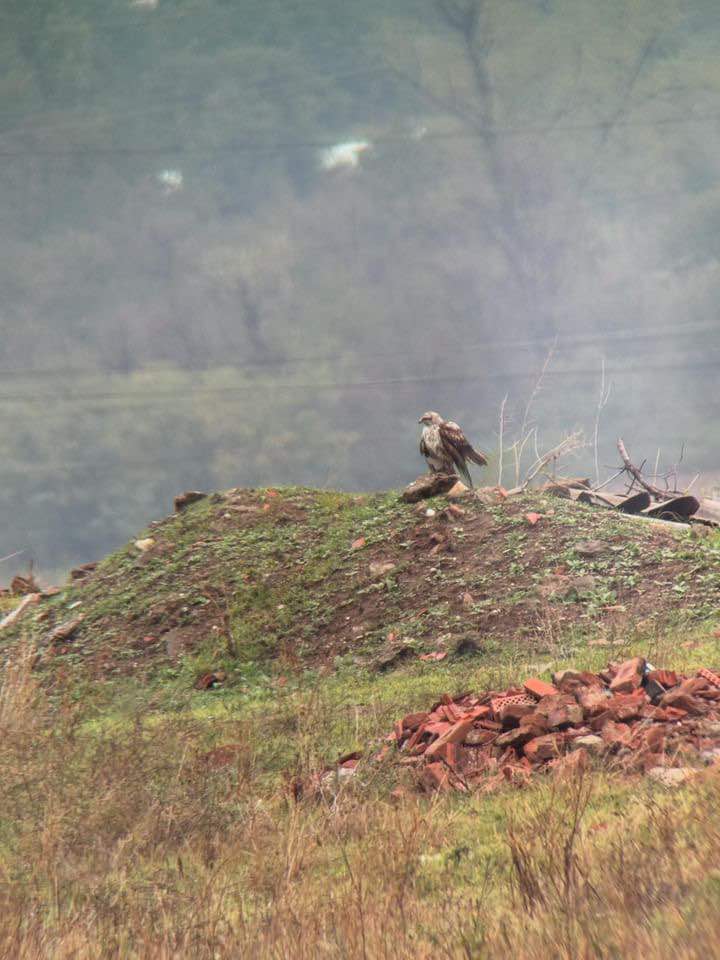
    Despite the morning storm in Skopje, attendance at the event was excellent, and many bird species could be seen using the lake as a resting and feeding stop during their migration.

    We spotted falcons, pheasants, herons, sandpipers, ducks, grebes, gulls, and other species. We were also accompanied by local stray dogs, who, fortunately, did not mind our presence.

    Below, you can view the photographs taken by Velijan Jagev, Mirjana, Bobi Kuzmanoski, and Slave Nakev.

  • Balkan Lynx Workshop on Ecology Day

    Balkan Lynx Workshop on Ecology Day


    The Macedonian Ecological Society joined in the celebration of Ecology Day, which was initiated during a round table at the European Parliament in 2016, marking a century and a half since the establishment of ecology as a science.

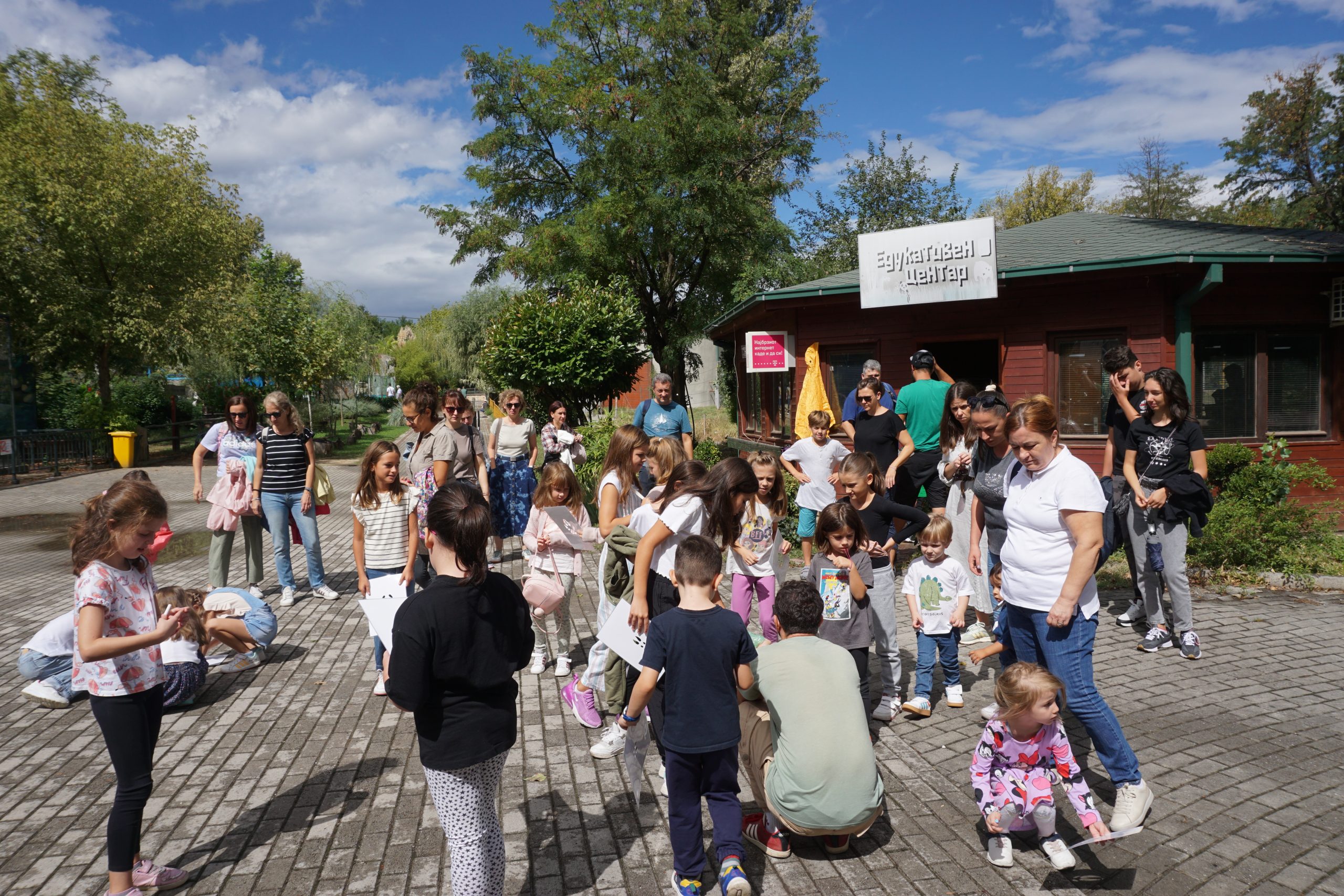
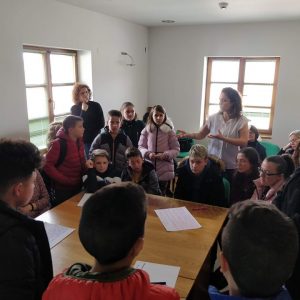
    For its members, MES held a children’s workshop on the theme “Balkan Lynx” at the Skopje Zoo. The workshop was attended by more than 20 children, along with their parents. The educational segment was led by Aleksandar Pavlov from MES and Aleksandar, the educator from the Zoo.

    The children showed great interest and prior knowledge about the Balkan lynx, which makes us especially happy.

    Below is a video and photos showing how we spent the day at the event.

  • Excursion to the Educational Children’s Trail “Bunec” on the Occasion of World Lynx Day

    Excursion to the Educational Children’s Trail “Bunec” on the Occasion of World Lynx Day


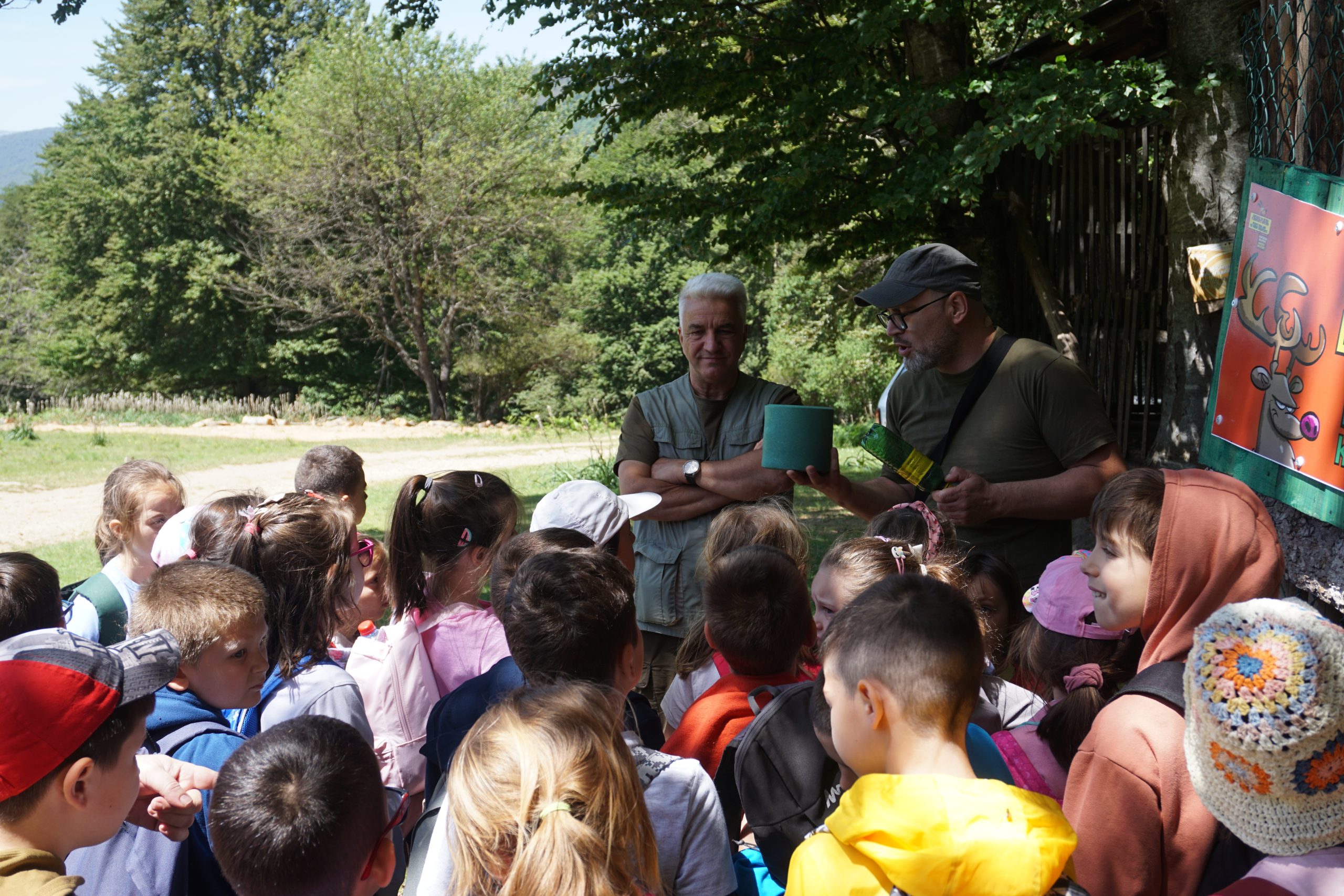
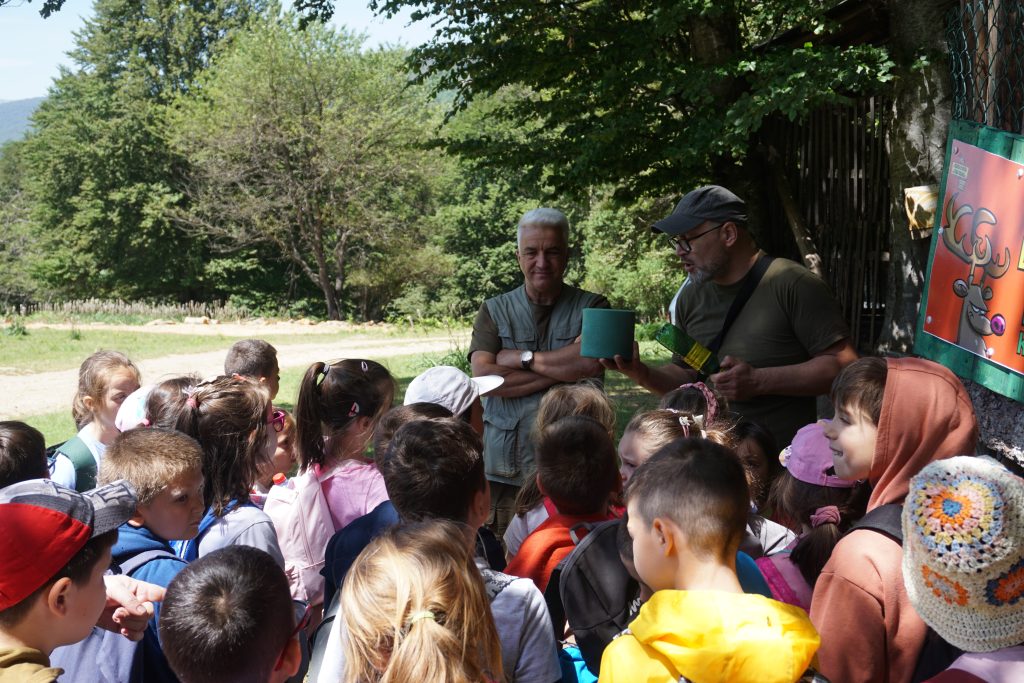
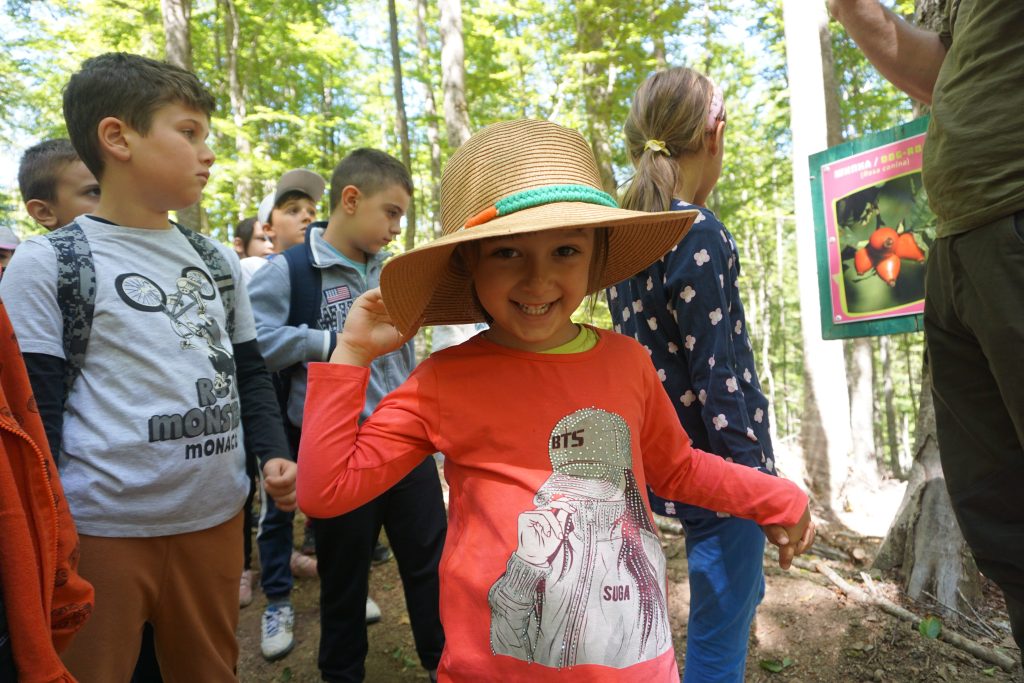
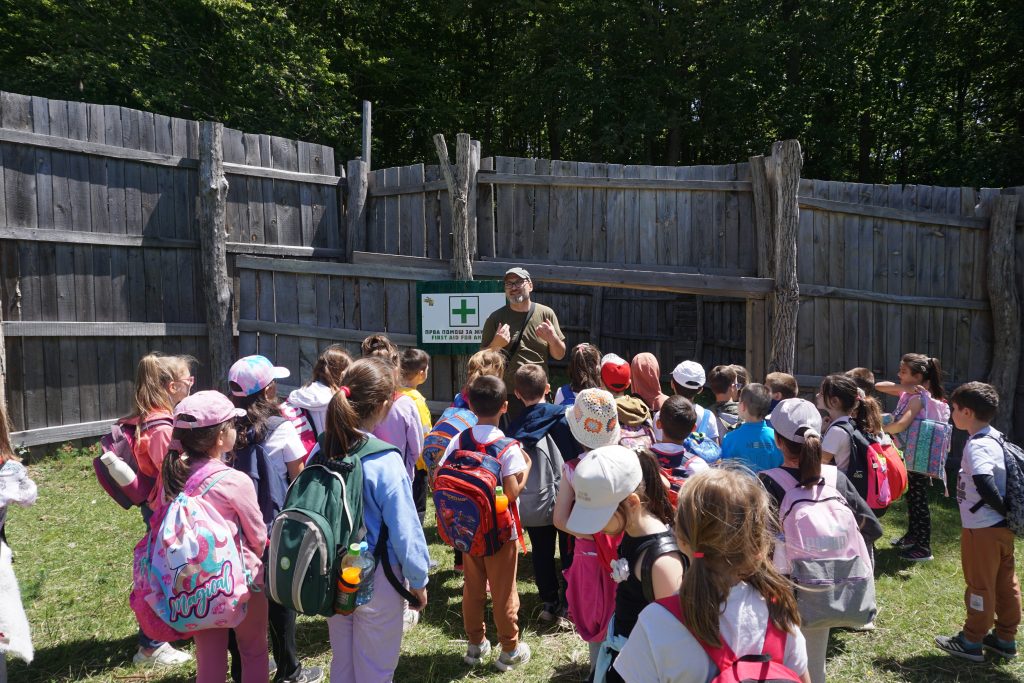
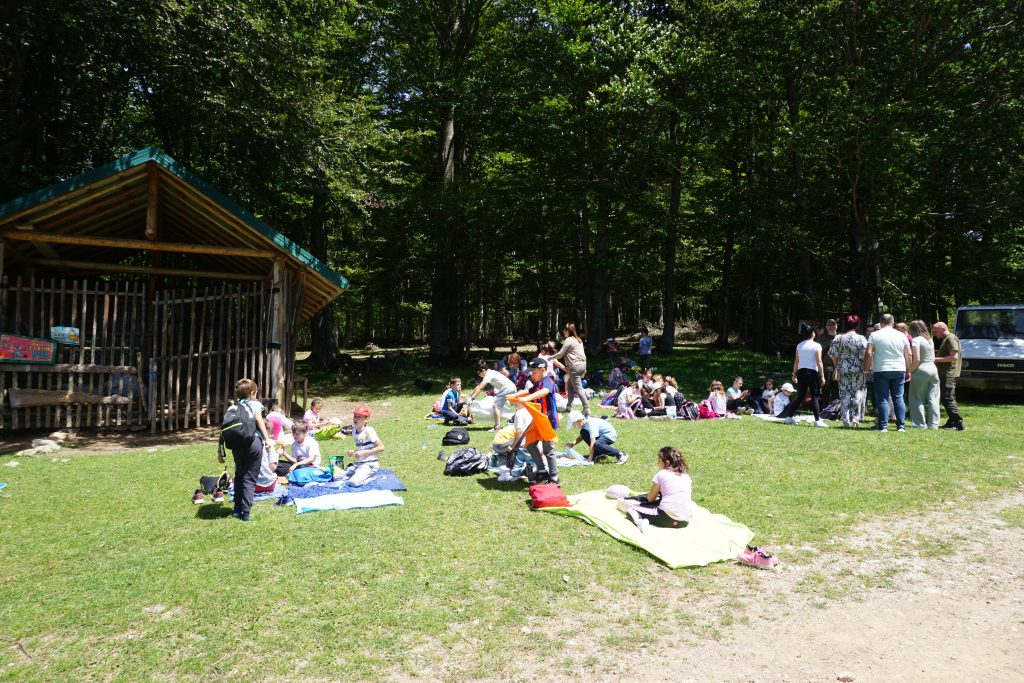
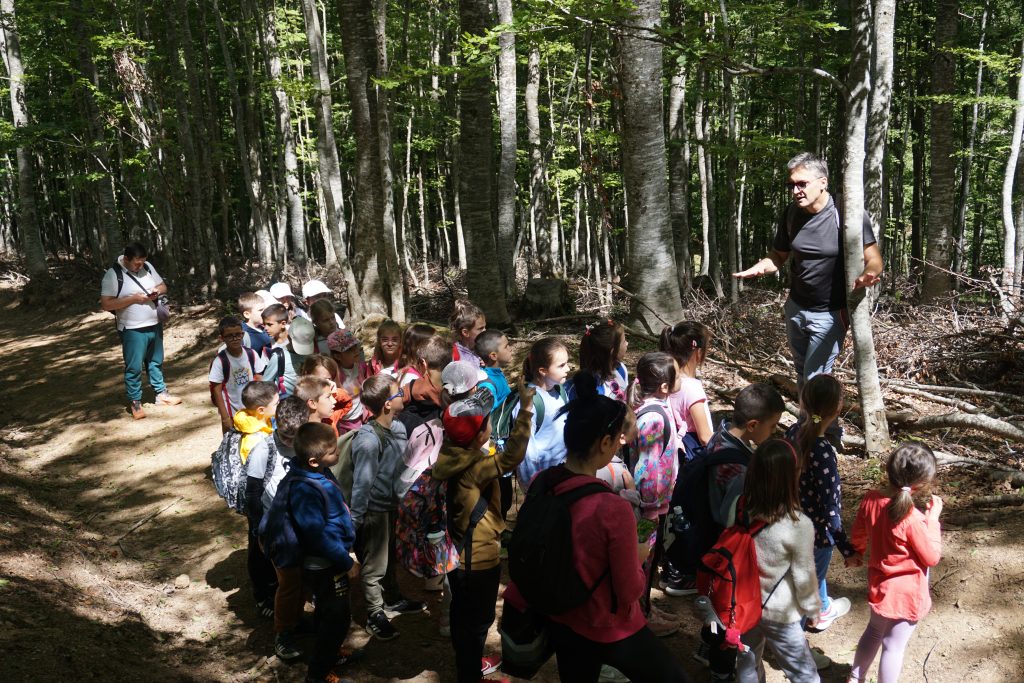
    The World Lynx Day was marked by the Macedonian Ecological Society this year with an organized visit of students from the “Lazo Angelovski” elementary school in Skopje to the educational center “Bunec” near Mavrovo.

    The students had the opportunity to walk along an educational trail, which is specially designed for children of their age. Educators from NP Mavrovo carefully and dedicatedly explained what they were seeing at each step of the trail.

    The educational trail is mainly located in a beech forest, but there were also some fir trees and pastures, where they could see plants used to make teas.

    The students learned more about the Balkan lynx, which is most prevalent in Macedonia on a global level, and learned why it is important to protect its survival.

    Along the trail, composed of informative signposts, the students could also learn more about deer, snakes, hedgehogs, and the types of deciduous and evergreen trees that thrive in Macedonia.

  • Educational Visit to Pešna

    Educational Visit to Pešna

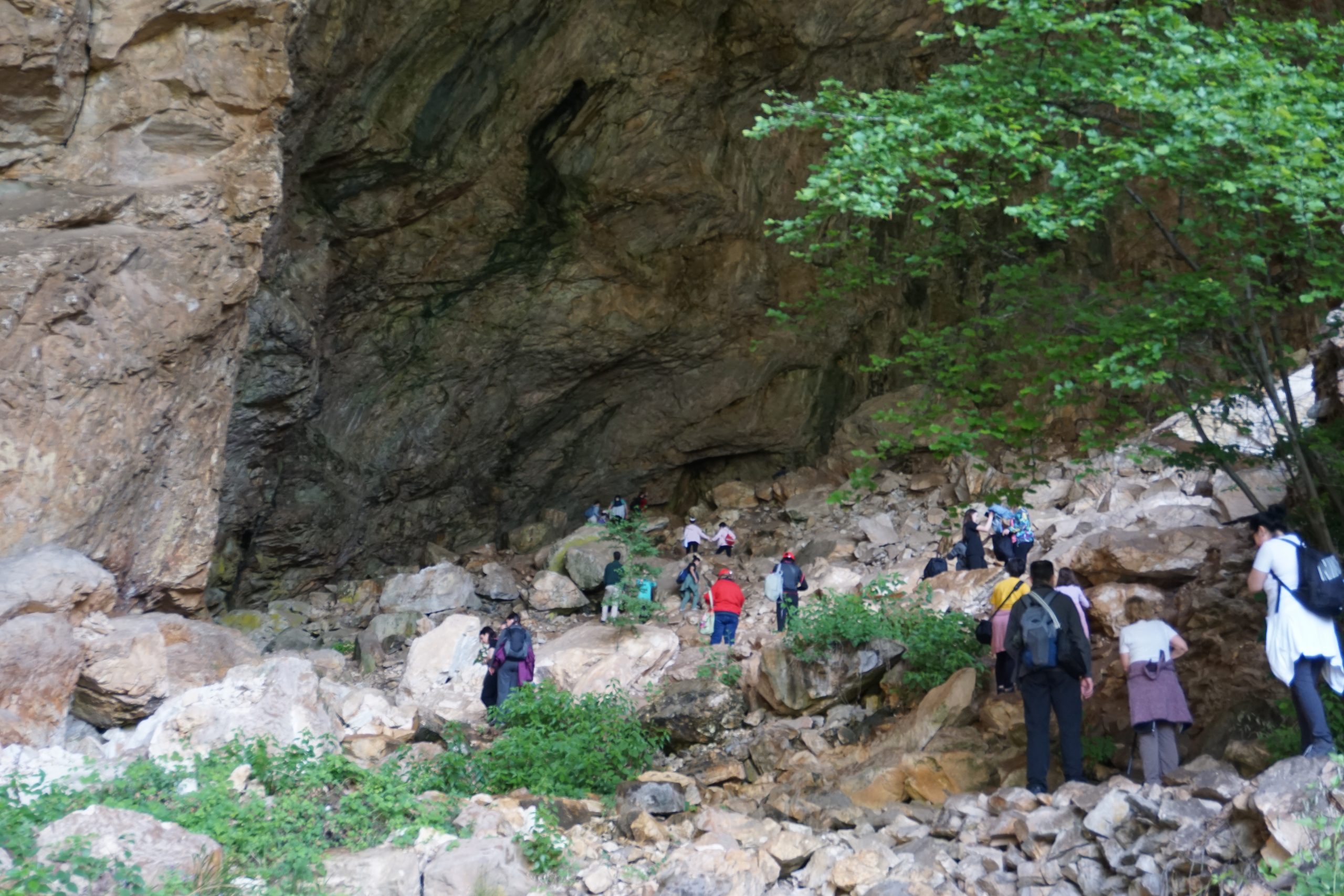
    We are infinitely grateful to Professor Biljana Gičevski, who led today’s educational visit to the Pešna Cave, organized by MES for its members. The attendees learned a lot about how the cave was formed and what the area looked like in past millennia.

    Besides scientific knowledge, Professor Gičevski also shared folk tales known about the Pešna Cave, King Marko, and his sisters. For the members of the Macedonian Ecological Society, transportation was organized by bus from Skopje. The journey lasted 3 hours, allowing participants to get acquainted and exchange experiences. The members were of various ages, from young enthusiasts to older nature lovers, which made this excursion even more diverse and rich with different perspectives. The Pešna Cave, located in the western part of Macedonia, is one of the most impressive natural beauties in the country. According to legends, this place was the hiding spot for King Marko’s gold, which only adds to its mystery and appeal.

    During the visit, participants had the opportunity to hear about the geological processes that formed the cave, as well as its rich history and myths associated with it. The Macedonian Ecological Society once again proved that it succeeds in uniting its wonderful, environmentally conscious members of various ages and educational backgrounds. These events not only educate the participants but also inspire them to respect and protect nature. Professor Gičevski, with her immense knowledge and enthusiasm, contributed to an unforgettable experience, leaving everyone with newfound knowledge and excitement for further explorations. The visit to Pešna was not only educational but also an emotional adventure.

    The beautiful nature, mysterious legends, and scientific facts created a unique experience for all participants. The Pešna Cave continues to fascinate everyone who has the chance to visit and explore it, revealing some of the secrets it holds in its depths. With activities like these, MES fosters love and respect for nature, inspiring future generations to appreciate and protect our natural and cultural heritage.

  • Celebrating the World Migratory Bird Day with birdwatching in the park

    Celebrating the World Migratory Bird Day with birdwatching in the park


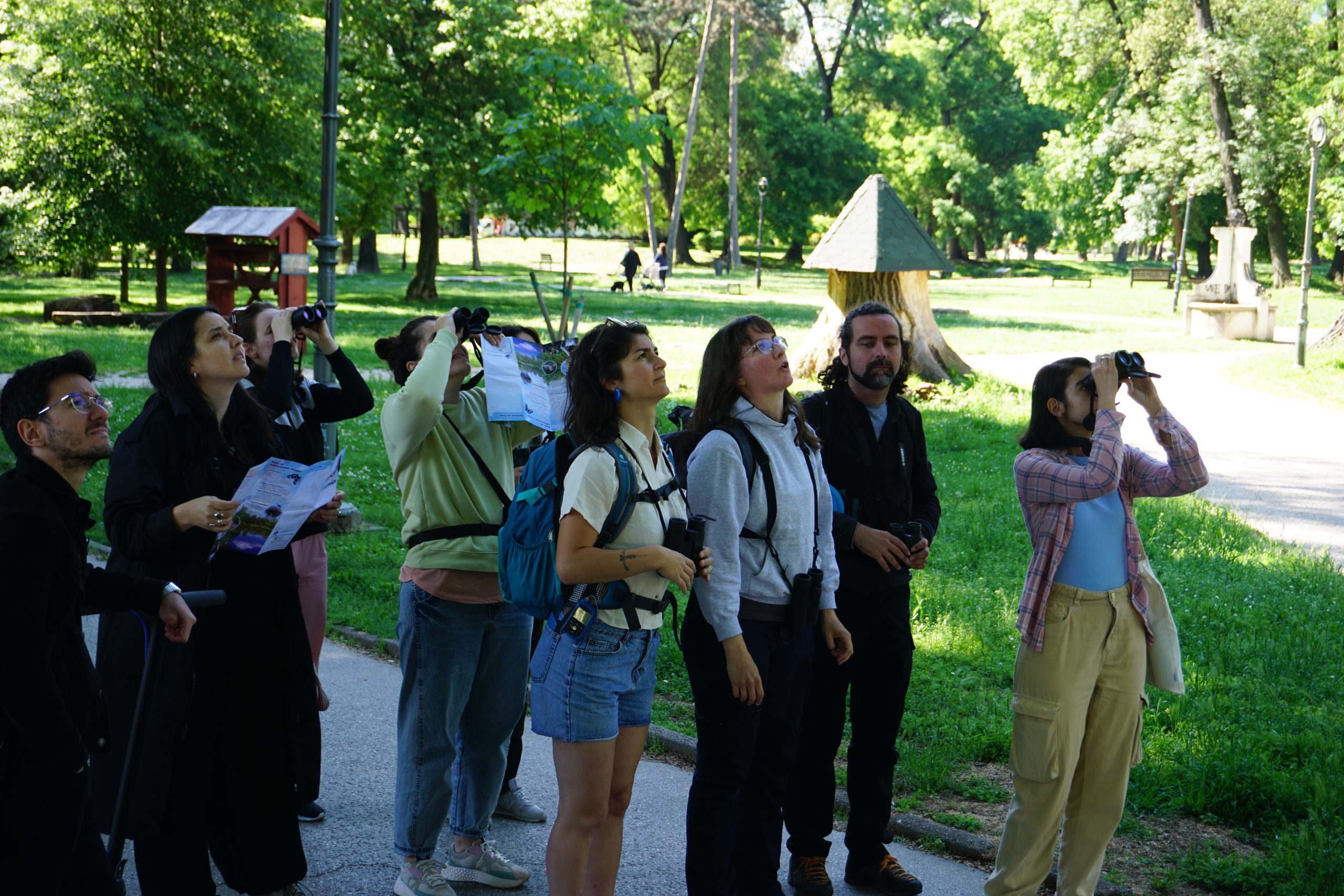
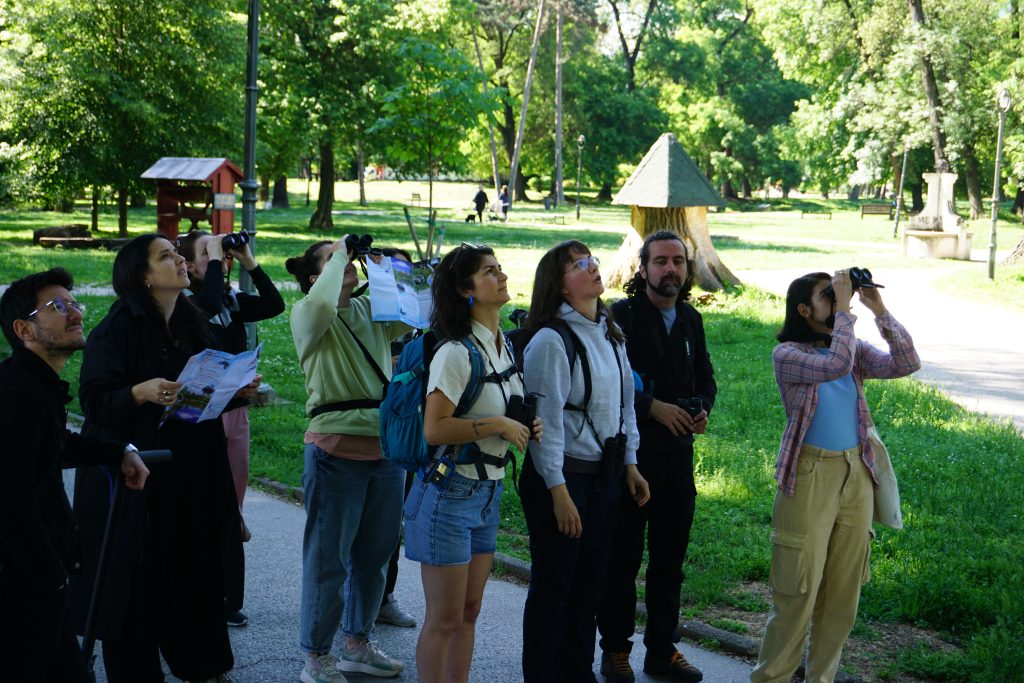
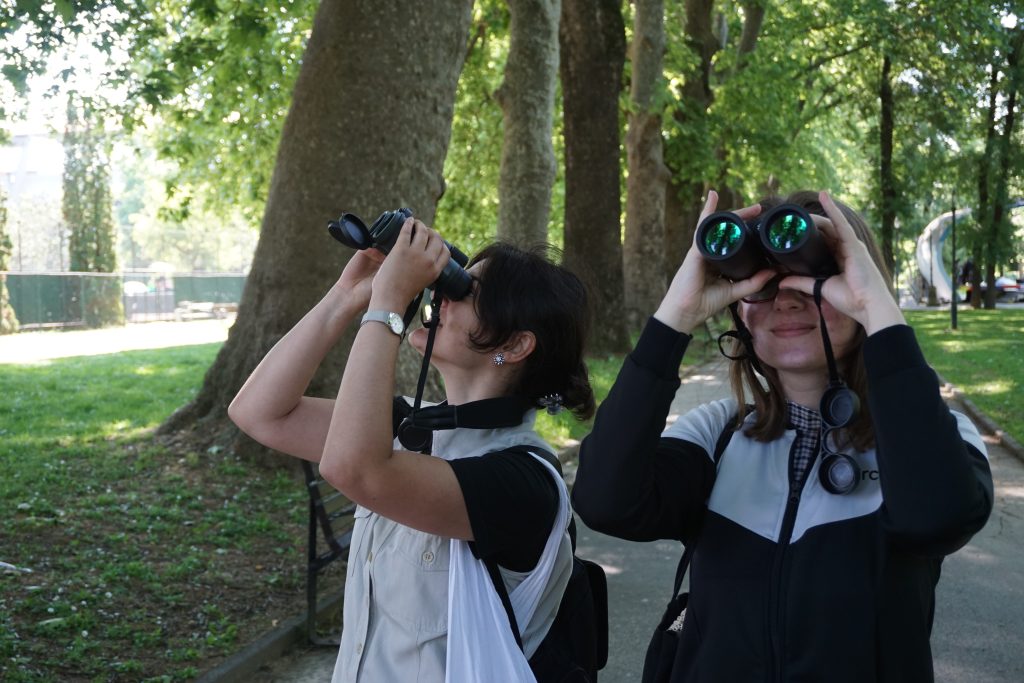
    The Macedonian Ecological Society marked World Migratory Bird Day this year with an activity for its members.

    We are delighted to have celebrated World Migratory Bird Day in such a wonderful way and to have made the day more enjoyable for our members who attended the “Birdwatching in the Park” event.

    Ornithologist Danka Uzunova once again demonstrated her excellent knowledge of birds and shared interesting facts and details about their lives, reproduction, and diet with the attendees.

    Our members who participated in “Birdwatching in the Park” for the first time had the opportunity to experience professional birdwatching. They showed great interest and potential to continue researching birds.

    We encourage them to continue observing birds and to send us their photographs.

    The next birdwatching event will be held in Ohrid before the winter waterfowl census.

  • MES celebrated World Wetlands Day at Prespa Lake

    MES celebrated World Wetlands Day at Prespa Lake

    MES staff split into two teams in order to properly celebrate World Wetlands Day (February 2nd). One team trained rangers from NP Ezerani and National Park Galicica in water bird counts, whereas the others collaborated with NP Galicica and the environment department of Resen Municipality in order to encourage pupils from all local schools to practice critical thinking in a role playing game – kids imagined to be rich investors with an eye on Prespa, environmental protection officers, researchers, farmers and local people in order to find a creative compromise that will stimulate both nature conservation and sustainable development. The activities were prepared by the PrespaNet “Strengthening NGO-led Conservation in the Transboundary Prespa Basin” project team, together with student volunteers, and are being implemented across the transboundary basin.