The Bird Study and Protection Programme is among MES’s oldest programmes, focusing on a portion of the Macedonian avifauna. Birds present a remarkable indicator of an ecosystem’s health, and hence, the knowledge of their populations entails knowledge of our environment. Macedonian bird protection activities in MES commenced with the implementation of the 2003 Vulture Conservation Project. Besides vulture conservation, MES in the last decade worked on developing a methodology for monitoring common bird species, implementing conservation measures aimed at given bird species (such as setting up artificial nests for the eastern imperial eagle and the lesser kestrel), identifying and monitoring Important Bird Areas in Macedonia, and also comparing and analysing national and EU legislation as regards bird protection. In addition to the scientific work, the programme also focuses on raising public awareness of the locals in terms of bird protection and improving cooperation with the institutions.
Reduction of mortality risk on globally endangered birds through retrofitting of hazardous overhead power lines in South-eastern Europe.
Objectives
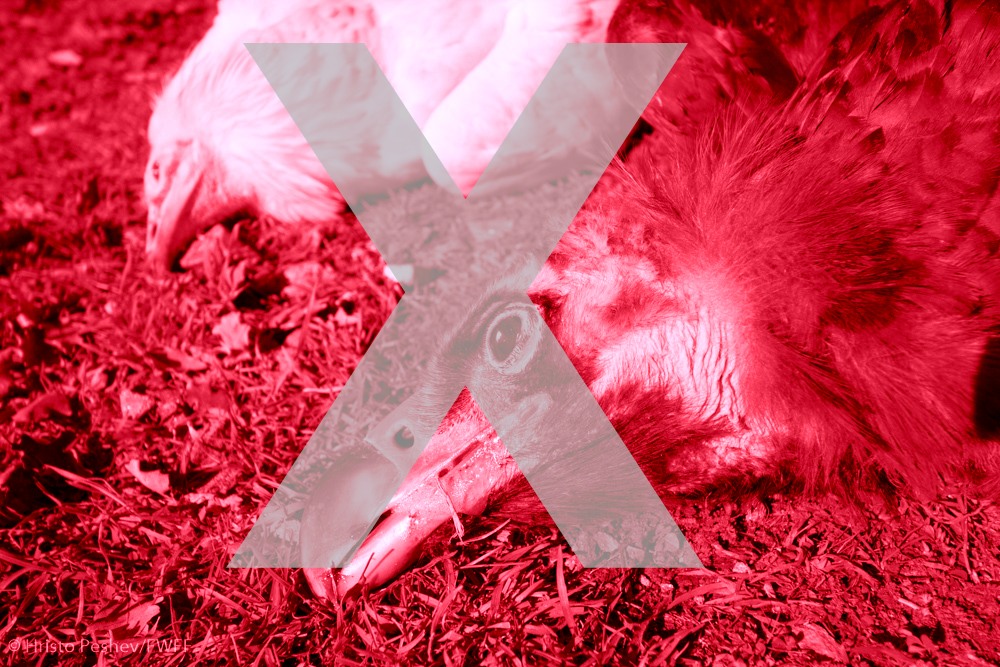
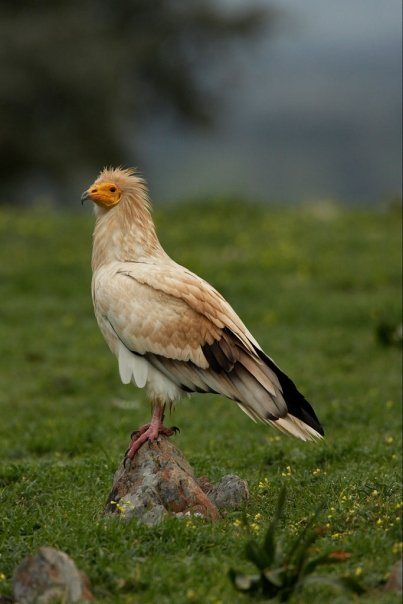
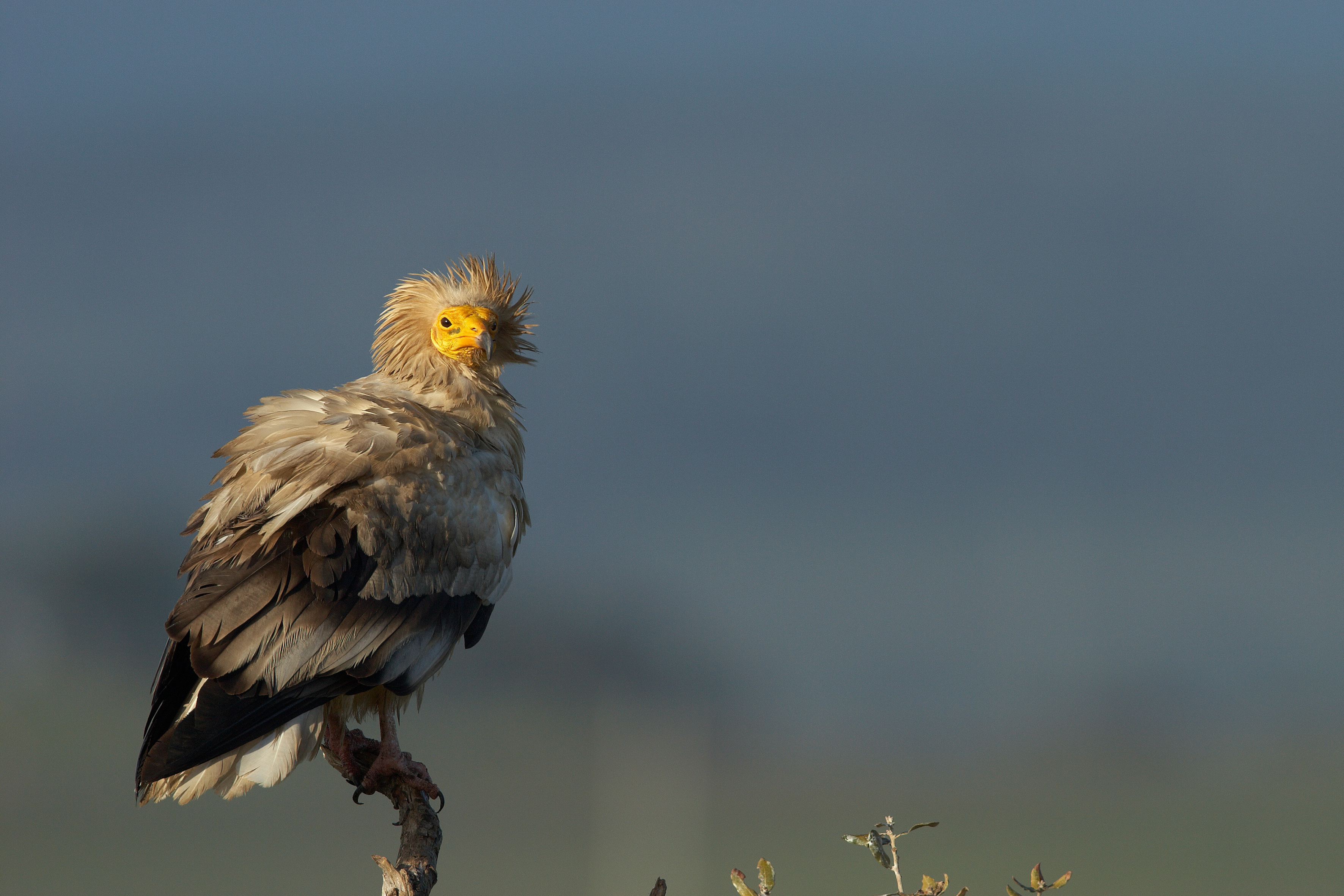
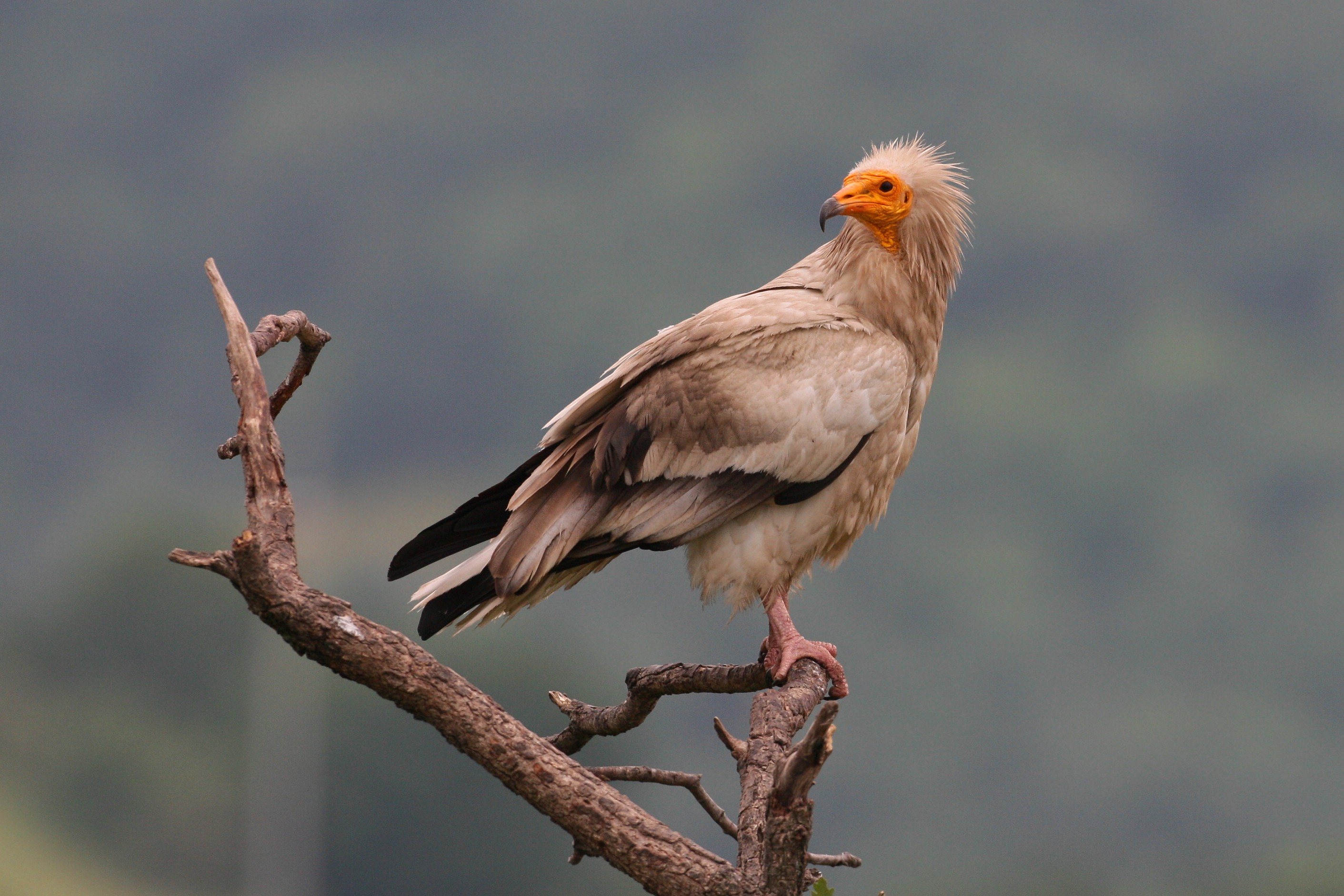
Reduce human-induced mortality of the globally endangered Eastern Imperial Eagle and Egyptian Vulture. The project will implement cutting-edge solutions to prevent bird mortality caused by electrocution and collisions with overhead power lines, a significant threat to both species.
Activities
Insulating over 17,000 hazardous electricity pylons and installing 2,500 bird diverters on aerial conductors across 100% and 80% of EIE and EV national breeding populations, respectively;
Pilot remote methods to identify mortality hotspots and guide interventions more effectively, and test innovative technologies for retrofitting power lines, ensuring long-term sustainability;
Establishing an international network for experience exchange and best practices between grid operators across the Balkans and along the species’ migratory flyways.
Duration
5 years (July 2025 – July 2030).
Target areas
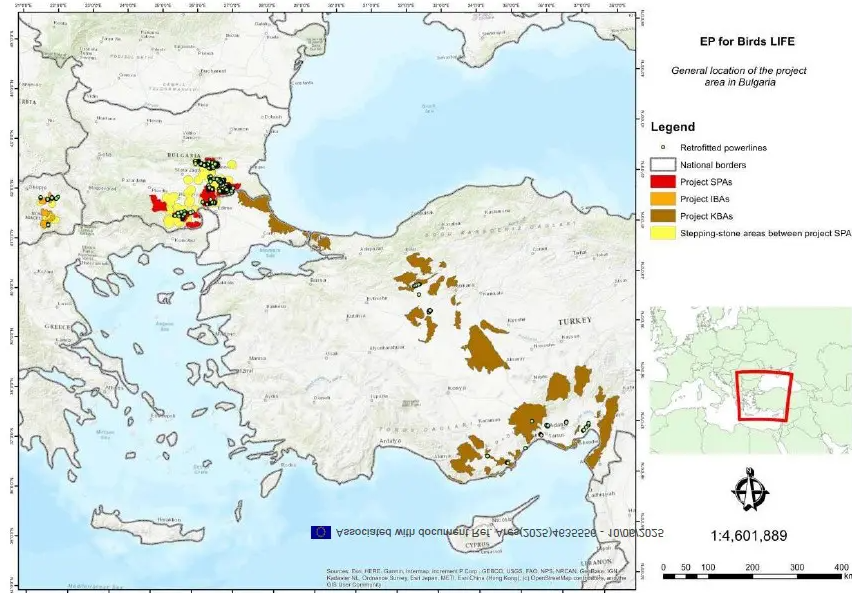
14 SPA, 48 IBA/KBA and “stepping stone” areas in Bulgaria, North Macedonia and Turkey.
Partners
Coordinating beneficiary: EP Yug (ELEKTRORAZPREDELENIE YUG EAD).
Associated beneficiaries: EVN Macedonia (EVN MAKEDONIJA AKCIONERSKO DRUSHTVOZA USLUGI SKOPJE), BSPB, DOGA DERNEGI, MES (MACEDONIAN ECOLOGICAL SOCIETY).
Funding
11 304 127.35 , through the LIFE programme of the European Union.
Pesticides, initially designed to rid us of pests, bring with them hidden dangers when misused, casting a shadow over our daily lives and overall health. The consequences of mishandling these toxic substances reach far beyond their intended purpose, posing a grave threat to human health, particularly among vulnerable groups such as children.
In reality, a single misstep with pesticides can lead to unexpected accidents, affecting not only us but also our loved ones in ways we never could have imagined. This pressing issue becomes even more evident in the new BalkanDetox LIFE project video, underscoring the urgent need for increased awareness and decisive action.
The overlooked threat
While traditionally associated with agriculture, pesticides have quietly infiltrated various aspects of our lives. They extend beyond the confines of farmland, seeping into public spaces and making their way into our households through everyday items like paint, carpets, and food packaging materials. Whether organic or synthetic, these chemicals employ distinct methods to combat pests. The intentional release of these poisonous substances raises concerns as unintended exposure becomes a dangerous reality for us all.
Routes and risks of exposure
Pesticide exposure manifests through various avenues: occupational, agricultural, household, and indirectly through our diets. Among these, dermal exposure stands out as one of the most prevalent and perilous, posing threats during pesticide handling stages such as mixing, loading, disposing, and cleaning. Accidental oral exposure, with its severe poisoning risk, can result from intentional harm or unintentional accidents, underlining the pervasive threat of pesticide ingestion from poorly stored containers or contaminated water sources. The risk of respiratory exposure heightens when volatile pesticide components are inhaled, particularly in enclosed spaces. The eyes, too, are vulnerable to chemical harm, especially when granular forms of pesticides are forcefully applied. These multifaceted dangers underscore the pressing need for protective measures in our interactions with these substances.
Health implications beyond immediate concerns
The intricate relationship between chemical exposure and our bodies becomes apparent when we delve into the link between pesticides and various diseases. Scientific studies consistently establish a connection between pesticide exposure and the development or worsening of serious conditions, including cancer, hormone disruption, asthma, diabetes, allergies, and neurological disorders such as Parkinson’s disease. The impact on health is not solely determined by the toxicity of the chemicals but also by the extent of exposure, with certain populations being more susceptible to their harmful effects.
Children and vulnerable groups bear the heaviest burden
In this intricate web of pesticides, children, pregnant women, and the elderly seem most susceptible to these harmful effects. Children emerge as the most vulnerable due to their developing bodies, behaviours and physiology. The repercussions extend to birth defects, reduced birth weight, and fetal death. Research also reveals a troubling connection between pesticide exposure and childhood leukaemia, especially when mothers are exposed during pregnancy. The added layer of concern comes from the genetic susceptibility of some individuals to pesticide-related diseases, suggesting that certain people may be more at risk than others.
Protecting our health and environment
The impact extends beyond individual health, affecting the well-being of our society, underscoring the need for stringent measures to reduce the risks associated with pesticide misuse, especially when it comes to safeguarding vulnerable groups. The misuse of pesticides is not just a local concern; it is a global crisis that calls for collective action.
The BalkanDetox LIFE project is dedicated to addressing illegal wildlife poisoning and pesticide misuse in Albania, Bosnia and Herzegovina, Bulgaria, Croatia, Greece, the Republic of North Macedonia and Serbia. Through comprehensive project study we aim to shed light on the far-reaching effects of pesticide misuse on human health across the Balkans. In confronting these challenges, our path forward is clear: we must foster greater awareness, reevaluate our choices, and commit to safeguarding not only our well-being but also that of our children and our environment.
Associated beneficiaries: Municipality Gevgelja, Municipality Bogdanci, local communities Stojakovo and Bogordica, Water management unit Gevgelija
Project goal: This projects efforts will be dedicated towards identifying the type and amount of water that feed into the ditches and canals (and ultimately in the wet meadows Gjol and Gjeren), identification of the type and source of pollutants coming in the ditches and canals and list all the recorded and unrecorded maintenance activities conducted by locals and local authorities. The overarching goal of this phase is providing an educated and fact-supported wet meadow maintenance and restoration plan.
Associated beneficiaries: Association BIOM (BirdLife Croatia), Bird Protection and Study Society of Serbia (BPSSS, BirdLife Serbia), Nase Ptice (Bosnia and Hercegovina), Albanian Onithological Society (AOS, Albania), Protection and Preservation of Natural Environment in Albania (PPNEA, Albania).
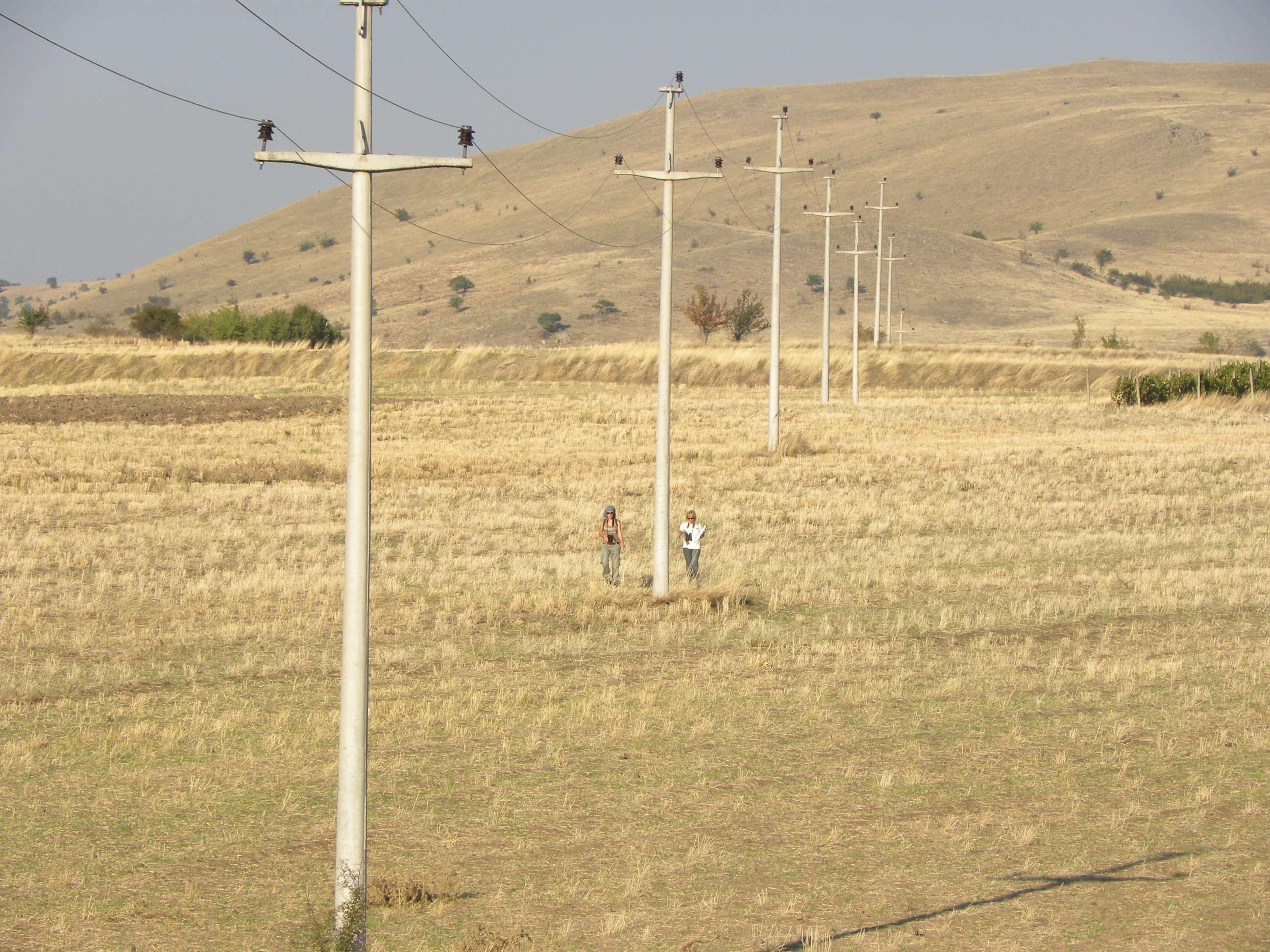
Project goal: Monitoring bird electrocution and collision with medium-voltage pylon lines in Municipality Ceshinovo-Obleshevo and wider Ovche Pole region, collaboration with key stakeholders (Municipality Ceshinovo-Obleshevo, Ministry of Environment and Physical Planning, Ministry of Economy, EVN Macedonia) on dangerous pylon lines insulation/retrofiting, installing Stork platforms i attempt to monomoze negative pylon effects, and organizing knowledge and good practice exchange study tours for key stakeholders.
Project goal: Reinforcement the easternmost population of the Egyptian vulture (Neophron percnopterus) in Europe by delivering urgent conservation measures towards eliminating major known threats in the breeding grounds and along the flyway. For more detailed information and project news please follow https://www.lifeneophron.eu/
Funding: MAVA Foundation,Vulture Conservation Foundation
Project goal: Preparation of a national strategy addressing wildlife poisoning incidents by involving competent institutions, extending institutional capacity and raising public awareness.
Funding: MAVA Foundation, Schweizerische Gesellschaft für Vogelkunde und Vogelschutz
Project goal: Continuous collection of quantitative data on Macedonian nesting fauna as input for the preparation of the European Breeding Bird Atlas, as well as capacity enhancement in MES for bird study and conservation. Moreover, the goal is also to provide training to a new generation of birders in Macedonia.
Partners: Doga Dernegi (Turkey), Society for the Protection of Nature in Lebanon, BirdLife Cyprus, BirdLife Malta, Centre for Protection and Research of Birds of Montenegro, Research Group for the Protection of Birds in Morocco, and Les Amis des Oiseaux (Tunisia)
Project goal: Project’s main goal is to protect African-Eurasian flyways by establishing a firm and dynamic NGO network in the Mediterranean. The project aims at strengthening the eight national NGOs, thereby ensuring more efficient efforts to conserve both key bird species and important bird areas and habitats along the African-Eurasian flyways. Additionally, the project will provide support in taking steps for minimizing threats to migratory birds in the region. Exchange of knowledge about flyways and coordination of activities are also included in the project tasks.
Funding:Frankfurt Zoological Society, Vulture Conservation Fund, with additional financial support by the European Commission, Lush Ltd. and BirdLife International
Project goal: Vulture conservation in the Balkans and the neighbouring countries.