Month: September 2021

  • First partner meeting within the project  “Sustainable Future for the Shara/Korab-Koritnik Region”

    First partner meeting within the project “Sustainable Future for the Shara/Korab-Koritnik Region”

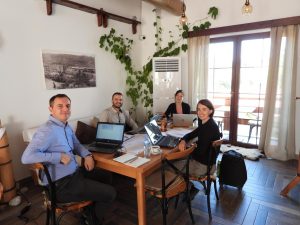
    In September 2021, the project coordinators of the regional project “Sustainable Future for the Shara/Korab-Koritnik Region” held their first in-person meeting in Peshkopi in Albania. During the meeting they shared their thoughts about the project activities and the model projects that are being implemented in the three countries.
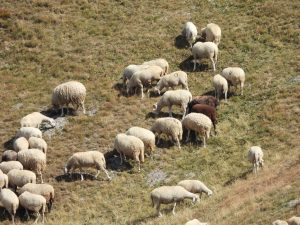
    Photo by Olsi Lama


    “Sustainable Future for the Shara/Korab-Koritnik Region” is a new project that MES has begun in April 2021 and will manage until September 2023. The focus of the project is the local community from the Shara/Korab-Koritnik region as the main drivers of regional development and guardians of the biological and landscape diversity.


    Within the scope of this project, thirteen model projects from local organizations are being supported- of which four are from North Macedonia, five are from Kosovo and four are from Albania.
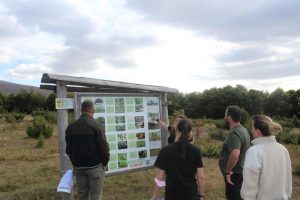
    Photo by Hajrush Kurtaj


    The projects focus on the topics: beekeeping, livestock keeping, cultivation and tourism. In the month of September, EuroNatur as the lead project coordinator visited all model projects. The project is financed by the The German Federal Environmental Foundation DBU and the humanitarian foundation Aage V. Jensen
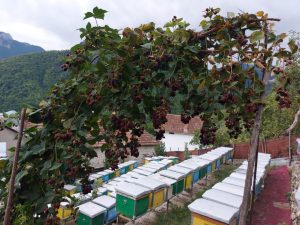
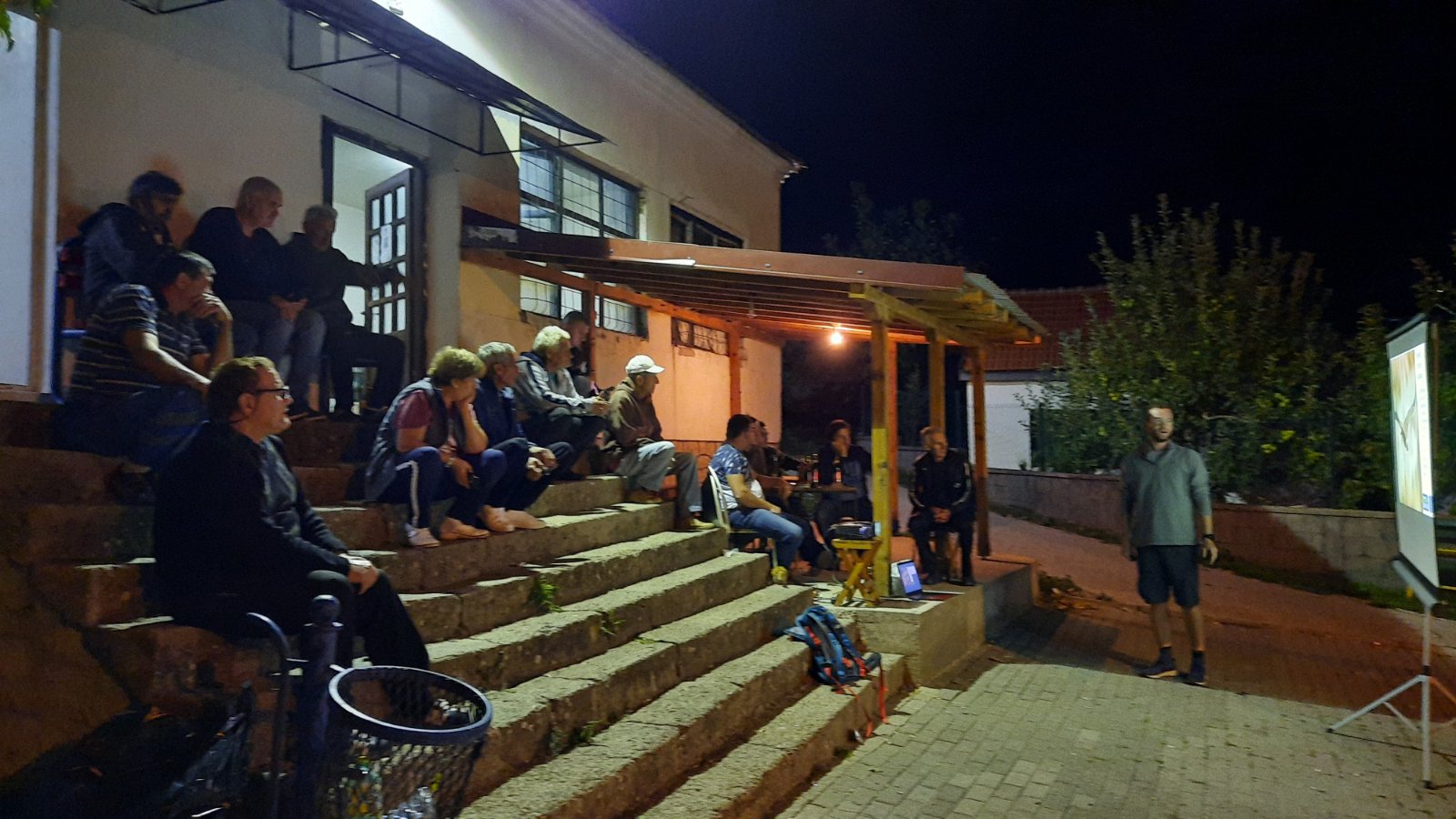
    Photo by Frosina P. Dramikjanin

  • Educational workshops on vultures and poison as their biggest threat

    Educational workshops on vultures and poison as their biggest threat

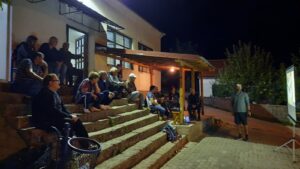
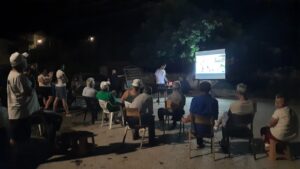
    Within the scope of the BalkanDetox LIFE project, this summer we organized educational workshops in Vitolishte and Gorna Boshava which focused on the remaining vulture population in the country and the issue of wildlife poisoning. Engaging with relevant stakeholders is one of the most important ways to help shift the behaviour of the general public when it comes to animal poisoning. The workshops intended to raise awareness about this issue in North Macedonia and we presented information concerning the motives and consequences of this harmful practice to the locals.

    Gorna Boshava

    The common motive for the use of poison baits often comes down to human-wildlife conflict. The main groups involved in these conflicts are livestock breeders and game managers and carnivorous predators such as the wolf and bear. A poison bait is generally made by lacing a carcass with a toxic substance, usually a phytosanitary product such as an insecticide, rodenticide, fungicide, herbicide or molluscicide. Poisoning can also occur accidentally by farmers that use pesticides in their crops. In this case, some bird species become exposed to poisoned seeds.

    The decision to organize the workshops in these locations was not coincidental. Based on MES data, these areas have witnessed the most damage of wildlife poisoning in the country. Most poisoning incidents have been recorded in the Mariovo region therefore marking it a wildlife poisoning hotspot. Additionally, vultures are often spotted and monitored in these areas. That is why it is crucial to communicate and work with the local communities in these locations.

    Vitolishte

    Following the presentations, questionnaires were conducted which concentrated on locals’ views on the remaining vulture populations in the country, as well as the issue of wildlife poisoning. These questionnaires were useful to gather as they give us an up-to-date perspective on this topic.

    For the next 4 years, educational activities and workshops of this nature will be frequent and crucial for the success of the project. The participation of locals in the issue of wildlife poisoning is necessary to help combat the problem.

    The BalkanDetox LIFE project has received funding from the LIFE Programme of the European Union.