Category: News

  • Thanks to the Young Ecologists Support Program by Dr. Ljupcho Melovski, Macedonia has 11 new young scientists

    Thanks to the Young Ecologists Support Program by Dr. Ljupcho Melovski, Macedonia has 11 new young scientists


    Eleven young scientists, as part of the Young Ecologists Support Program by Dr. Ljupcho Melovski, successfully implemented 11 scientific research projects. These projects involve research on biological diversity, as well as projects in the field of environmental protection and raising public awareness.

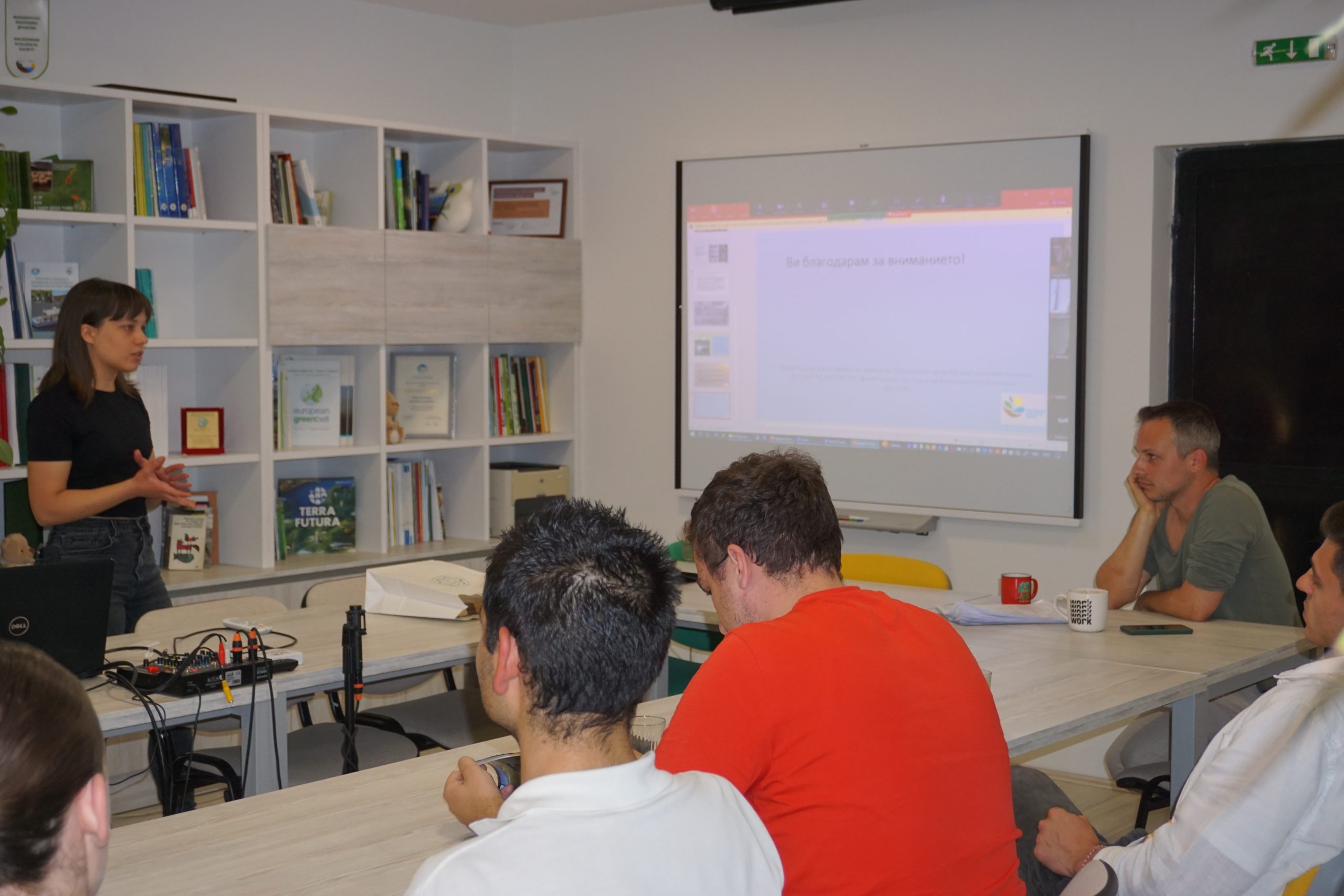
    In the presence of their colleagues and some mentors, the young scientists today presented the reports from their implemented projects at the premises of the Macedonian Ecological Society.

    During 2023, tен research projects were implemented as part of the Young Ecologists Support Program “Dr. Ljupcho Melovski.”

    Dragan Arsovski, who leads the Young Ecologists Support Program, emphasized his pride that the young ecologists successfully implemented their grants.

    “Despite the many activities required throughout the year to implement all these grants, at the end when the young grantees present their reports, I am extremely proud of the successfully completed work. I believe the energy invested in the grants truly pays off and contributes to scientific work in Macedonia,” said Dragan Arsovski of the Macedonian Ecological Society.

    Some of those who implemented small grants will have the opportunity to implement medium grants in the next two years.

    The event was also attended by the new grantees from the Young Ecologists Support Program, who will implement their grants in the next two or one year.

    The Macedonian Ecological Society has always been a gathering place for young scientific minds in ecology and actively works on empowering the youth. Through the Network for Experiential Learning, hundreds of students have the opportunity to learn about natural sciences through experiments they conduct themselves, under the mentorship of workshop facilitators. The MED team is proud that there is great potential for scientific research activity in Macedonian society.


  • Competition for photographs of amphibians and reptiles for the Macedonian Ecological Society 2025 calendar

    Competition for photographs of amphibians and reptiles for the Macedonian Ecological Society 2025 calendar

    The period for participation in this competition is from April 3, 2024, to October 10, 2024.

    Types of photos that can participate

    To be accepted in the competition, the photos must depict amphibians or reptiles photographed in nature in Macedonia.

    Jury

    The jury consists of MES employees and Assembly members. The jury will anonymously review the submitted photographs.

    The jury will select 12 photographs to be awarded. All selected photographs will be used to design the MES Calendar for 2025.

    Announcement of winners

    The winners of the competition will be announced on 01.11.2024 on the MES website and relevant social media.

    General rules

    By submitting a photograph to the Competition for photographs of amphibians and reptiles of the Macedonian Ecological Society, you agree to the following:

    You have sole ownership of the photograph and all its rights. No rights associated with the photograph are given to other individuals, organizations, companies, or entities. No part of the image defames, harms, or violates the rights of any person.

    MES will obtain a permanent non-exclusive free right to use the photographs submitted for purposes related to raising the organization’s profile, promoting the organization’s work, and promoting the competition in the following years. MES is a nonprofit citizens’ association, and your photograph will not be used for profit-making purposes or any other commercial purposes. MES may use the photograph in its entirety, in part, or with modifications. Your name will be credited with each use of the photograph, unless otherwise requested.

    Your data will be used for internal purposes of MES related solely to the organization of this competition.

    How to participate

    Photographs should be submitted to contact@mes.org.mk

    One participant can submit multiple photographs. If a participant submits more than one photograph, all will be considered, but no more than two photographs by one author will be selected.

    The photographs must meet the following standards:

    They must depict amphibians or reptiles photographed in nature in Macedonia
    The photographs must have a minimum resolution of 2600×2600 px
    They must be submitted in JPG format
    They must contain all additional information (species name, location, and date of photography)
    Basic processing of the photographs is allowed, including cropping, contrast, lighting, color, and intensity adjustments. Adding additional elements (logo, signature, frame, border, or similar) is not allowed.

  • Let’s talk more about the environment in times of growing ecological crisis

    Let’s talk more about the environment in times of growing ecological crisis


    Macedonia is threatened by various pollutants. Air pollution is one of the highest in Europe, a large amount of waste is not recycled, water quality is deteriorating, there is excessive deforestation, biodiversity is threatened with extinction, and climate change affects food production. In such a growing ecological crisis, public institutions, businesses, civil organizations, media, and the academic sector should increasingly take responsibility for their actions and communicate about the environment. In this way, awareness and understanding of complex environmental issues will be raised, strengthening the role of citizens and organizations in preserving the environment.

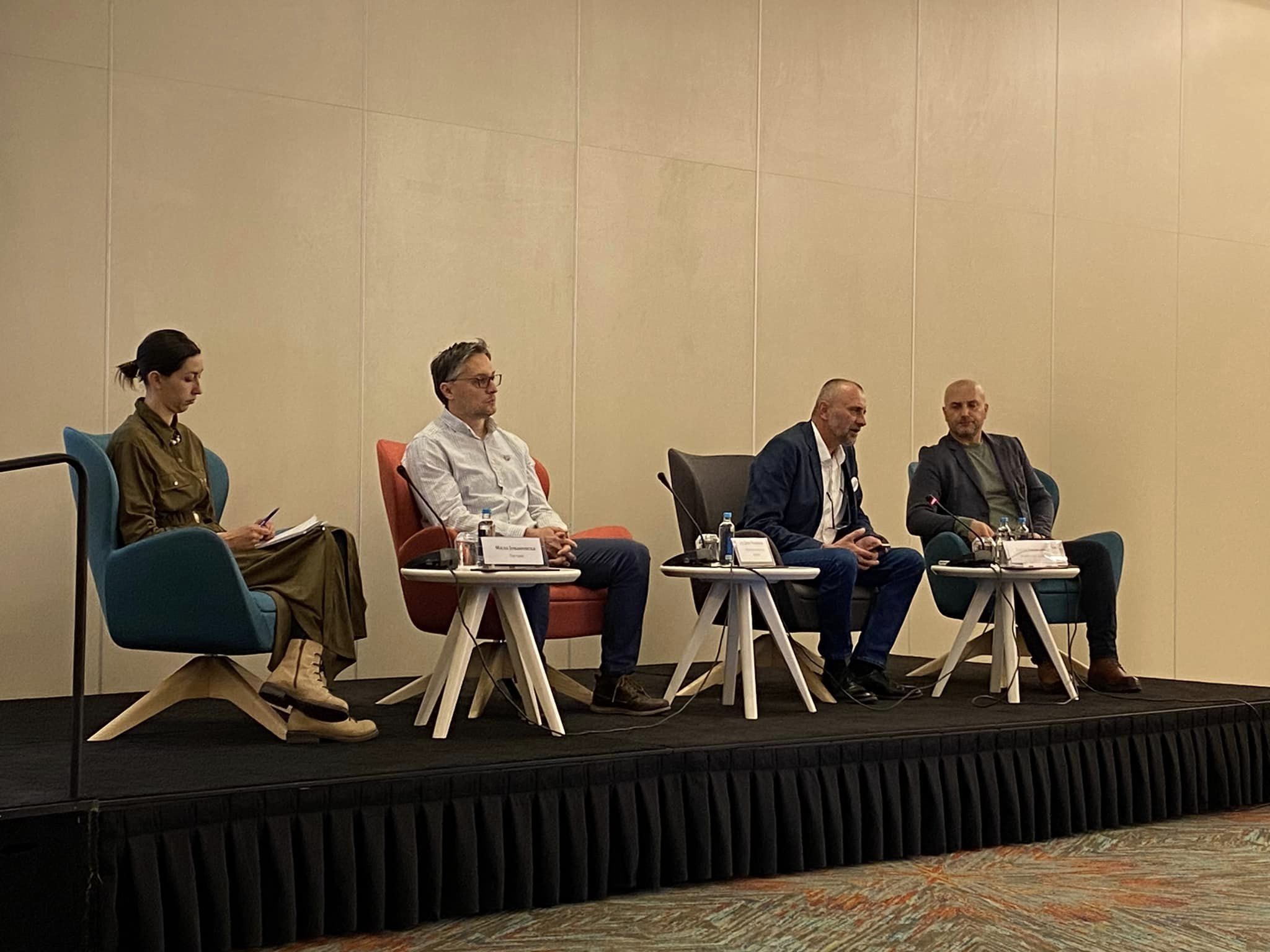
    This was stated at the conference “How to communicate about the environment in the growing ecological crisis: practical experiences and new perspectives,” organized by the Institute for Communication Studies today.

    In his opening address, Dejan Andonov, program coordinator at ICS, stated that effective communication can help advocate for policies, change people’s behavior, resolve conflicts, and enact environmental laws.

    “Communication about the environment encompasses many things – informing about floods or plastic waste in local riverbeds, civic engagement and activism against new power plants or mining, involving the public in environmental decision-making, taking responsibility for environmental protection by companies, political rhetoric, and communicating scientific knowledge. So let’s talk more about the environment! Because citizen involvement in managing and protecting natural resources largely depends on their level of awareness of environmental issues,” Andonov said.

    Steve Depo, president of the International Association for Environmental Communication, says that on one hand, there is rhetoric that supports excessive resource use and profit and is skeptical of science and sustainability, while on the other hand, there are those who speak of climate emergencies and existential threats with emotions of anger and fear. Much less prevalent is rhetoric about the environment based on scientific interpretation and meaning.

    “Environmental communication emerges as an academic discipline for crisis resolution and action. It has always been perceived as a response to urgent problems, so everyone studying communication has also been involved in advocating issues related to the environment in their local community or beyond. The other determinant that encompasses communication is caring for the environment, environmental justice, but also designing growth and nurturing resilience to change,” said Prof. Steve Depo of the International Association for Environmental Communication.

    It is important for activists, public officials, scientists, journalists, and professional communicators to know how to properly address, explore, explain, and disseminate information about environmental issues to the general public. In this regard, Dime Melovski from the Macedonian Ecological Society shared the experience of affirming the protection of the Balkan lynx in the public, but also how natural symbols can be used for national branding.

    “The longest-term program for strengthening the Balkan lynx began 18 years ago. The data we obtained by capturing lynxes help us develop conservation plans to protect them, and the next stage will focus on strengthening the lynx’s genetics,” Melovski said.

    He said that currently there are between 35-40 adult Balkan lynx individuals, but much more needs to be done for their protection.


    Source: iks.edu.mk

  • Forest Restoration in North Macedonia and Albania

    Forest Restoration in North Macedonia and Albania


    As part of the global the Swedish Postcode Foundation’s Northern Forests Initiative, the new forest restoration project aims to contribute to the restoration and preservation of especially important forests in Albania and North Macedonia and strengthen the capacity and commitment of local, regional, and national actors for sustainable forest management.

    According to Global Forest Watch, North Macedonia lost 5,5% and Albania 6,5% of total tree cover in the last 20 years while recent local analysis confirmed this trend by showing concerning losses of 6.78% and 4.88% of non-degraded forests over the last 12 years. Similar negative trends are recognizable in high biodiversity value regions like core habitats of the Balkan Lynx, critically endangered according to the IUCN Red List of Threatened Species™, and other endemic species. Some of the direct and indirect degradation drivers include poor management of key biodiversity landscapes in protected areas that did not sufficiently prevent forest losses. Moreover, illegal logging has been a long-lasting problem in the Balkans, coupled with rapid urbanisation, land use changes and the climate change consequences.

    The implementation of Nature-based Solutions, such as Forest Landscape Restoration (FLR) on around 40 hectares of degraded forest land in “Bukovikj” in North Macedonia and “Pashtrik-Morina” in Albania will largely contribute to biodiversity and connectivity, including in surrounding protected areas. These FLR interventions will have multiple benefits such as carbon sequestration and ecosystem resilience, while halting biodiversity loss by improving habitat conditions for the Balkan Lynx and other threatened endemic species. The project also aims to raise national capacities and commitments to future restoration efforts and sustainable management of forests by involving relevant stakeholders and decision-makers.

    Promoting sustainable forest management and forest landscape restoration in Albania and North Macedonia the project will initiate restoration work in key biodiversity landscapes to enable multiple long-term ecological and societal benefits. It will strengthen local, regional and national actors’ capacity and commitment in terms of forest management and restoration via training, workshops and advocacy work. Furthermore, the aim is to increase the exchange and bilateral dialogue towards raising commitments to FLR and sound management of forests in both countries.

    Contributing to restoration and sustainable management of terrestrial ecosystems will improve efforts for sustainable forest management in Albania and North Macedonia, and enhance capacities and commitments to restoration and sustainable forest management while reducing degradation.

    The project started in January 2023 and will end in July 2025. It is fully supported by the Swedish Postcode Foundation with 6, 900, 000 SEK.


    Source: IUCN.org.

  • Workshop for validating data on forest renewal in the Bukovik region

    Workshop for validating data on forest renewal in the Bukovik region

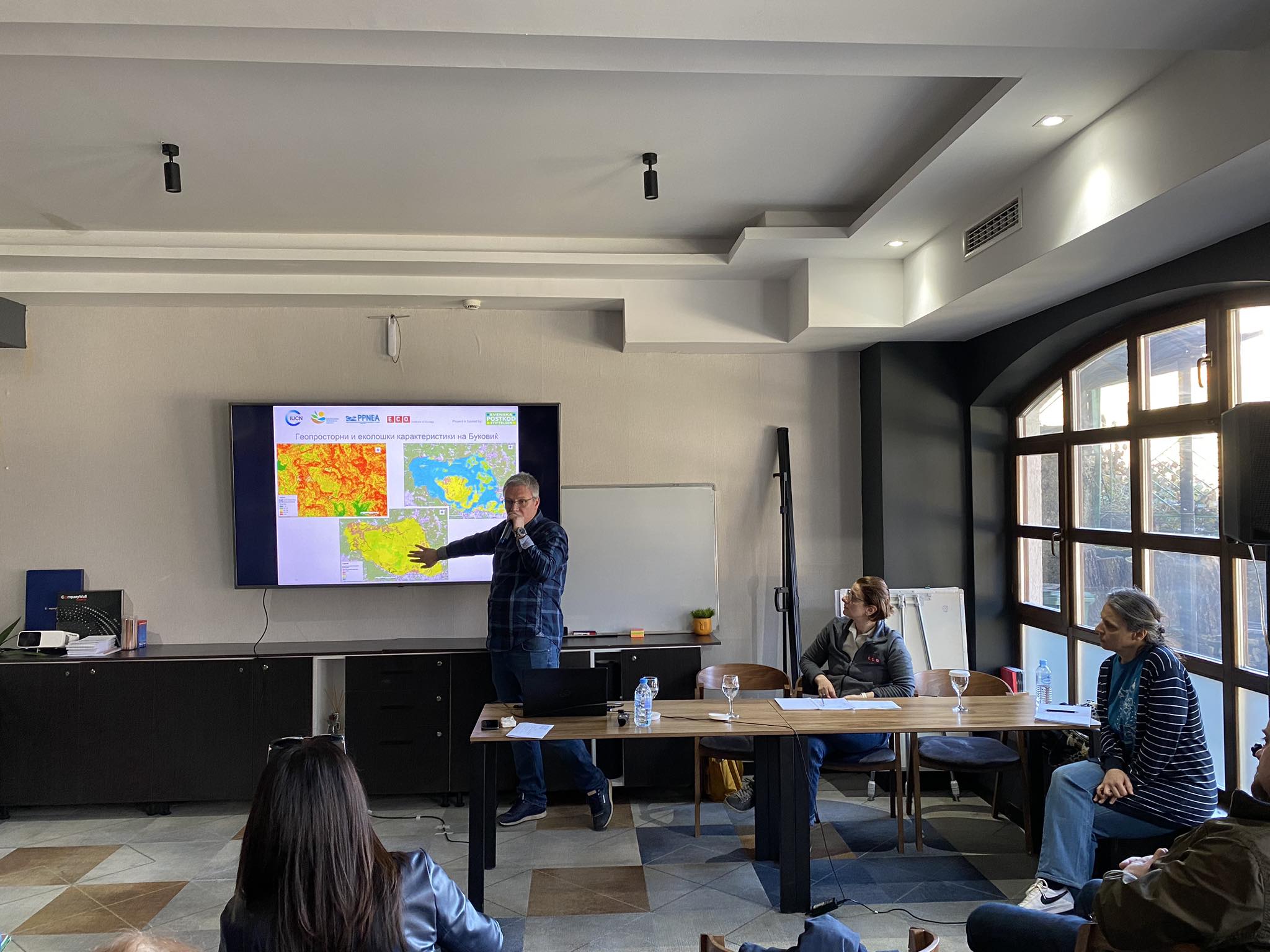
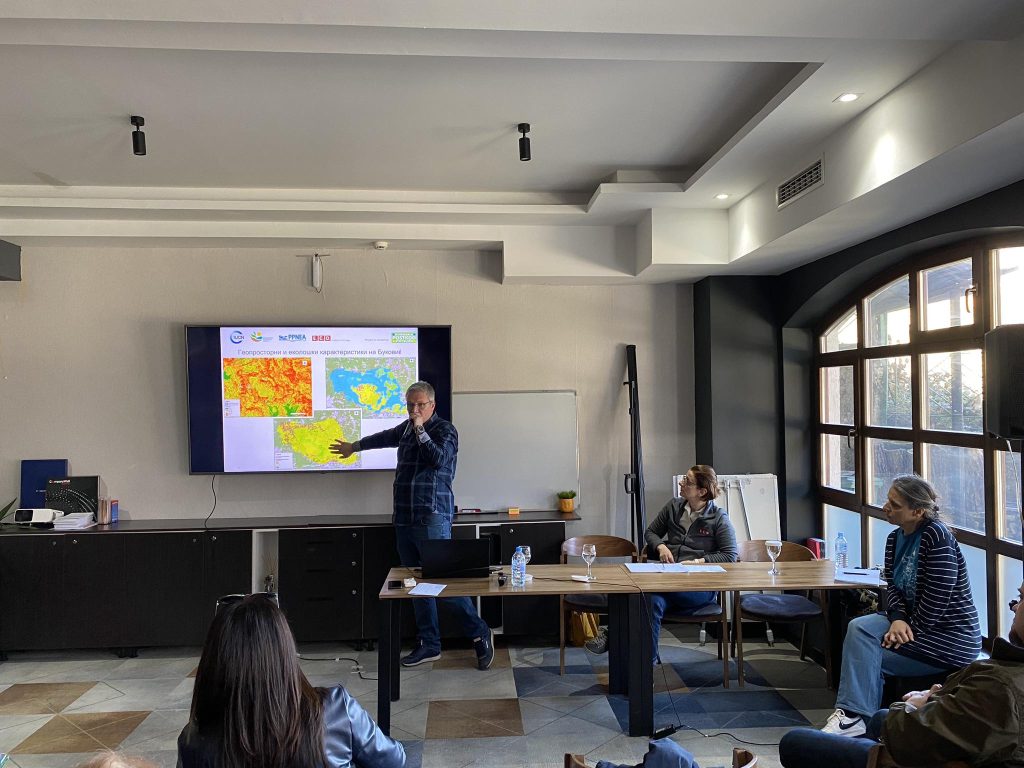
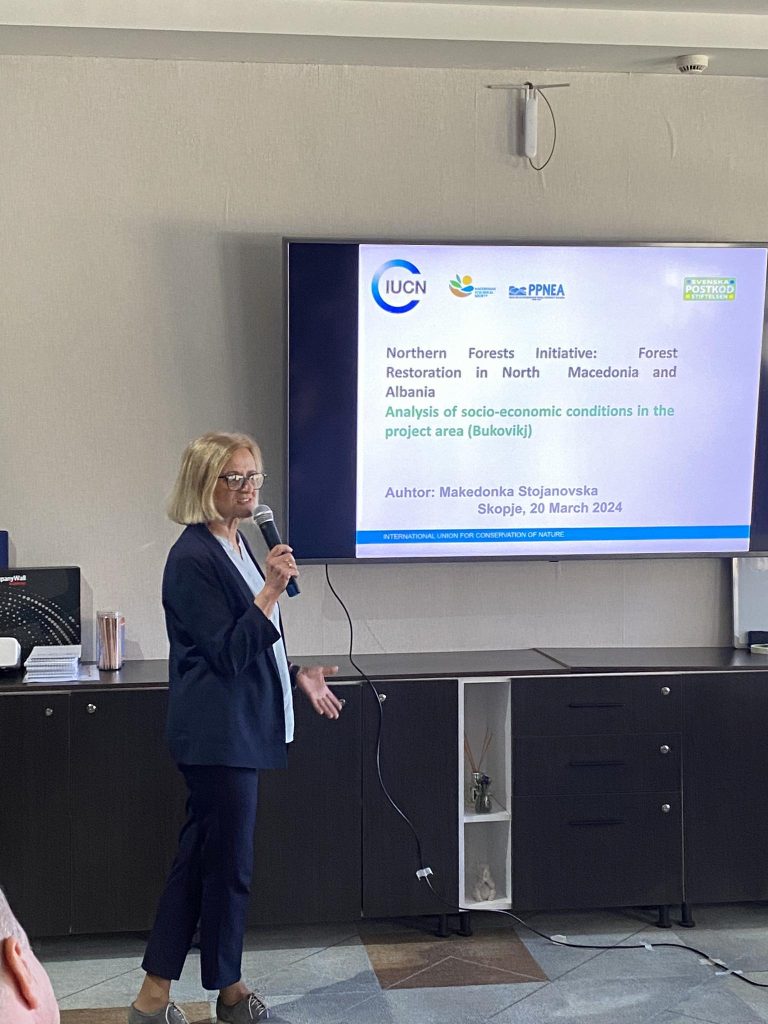
    The Macedonian Ecological Society, on March 20, 2024, in Mavrovo, held the second workshop of the project “Northern Forests Initiative: Revitalization of Forests in North Macedonia and Albania.”

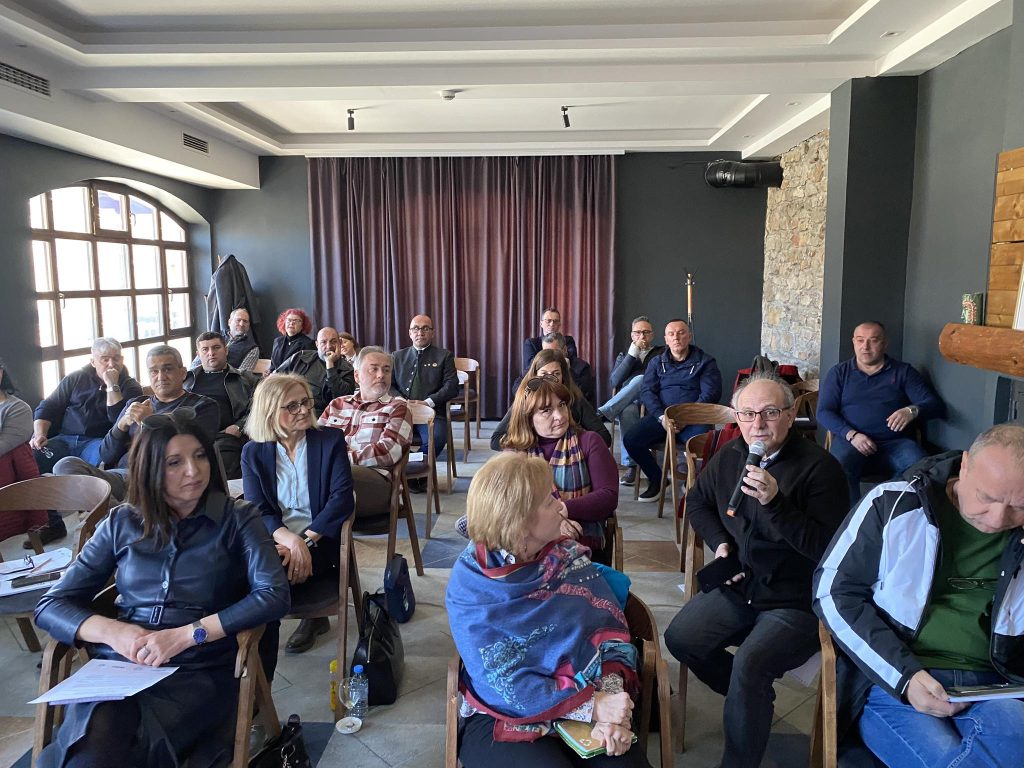
    At the Workshop for Validating Data on Forest Renewal in the Bukovik region, representatives from all stakeholders and key actors were present.

    In addition to the expert from Austria, Macedonian Professor Stojanovska from the Faculty of Forestry – Skopje, presented the socio-economic analysis conducted in the region.

    Professor Boris Najdovski from the Faculty of Forestry – Skopje, presented prioritization and outlined possible options for forest renewal.

    Throughout the workshop, there was an open discussion among all participants, who actively engaged with their presentations during the lectures, contributing to informed awareness.

    The Macedonian Ecological Society, in coordination with the IUCN Regional Office for Eastern Europe and Central Asia, organized this workshop within the framework of the project “Northern Forests Initiative: Revitalization of Forests in North Macedonia and Albania.” The project is funded by the Swedish Postcode Foundation and is implemented in close collaboration and with the support of relevant national and local institutions.

  • The Experiential Learning Network held an event in City Park

    The Experiential Learning Network held an event in City Park

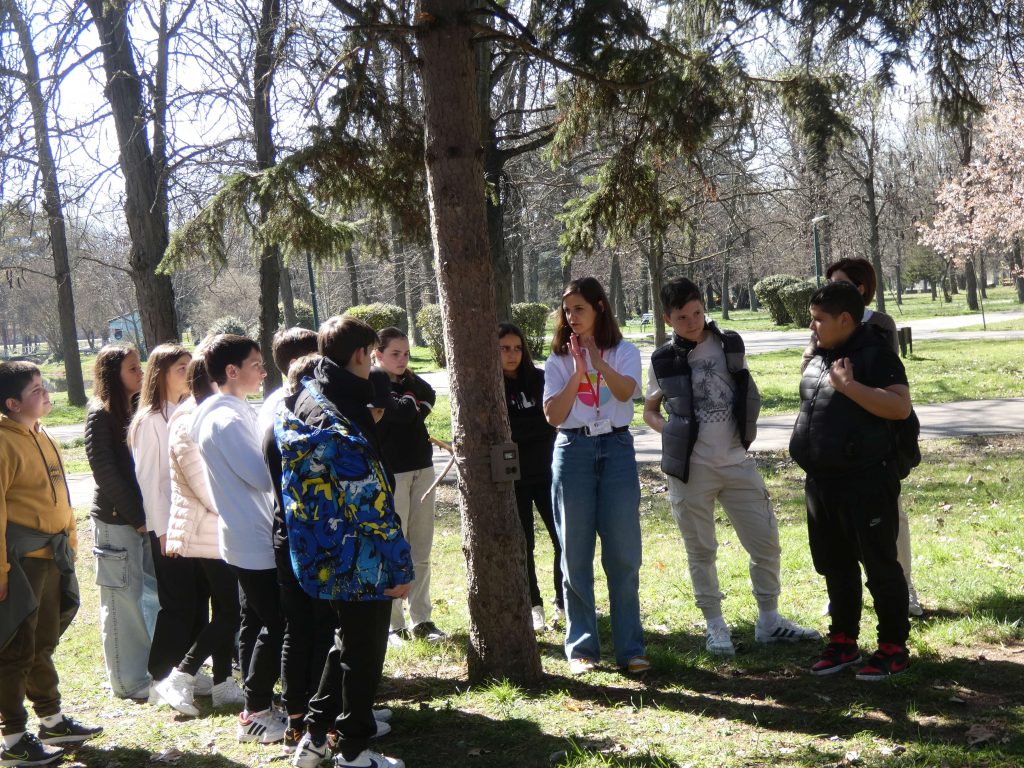
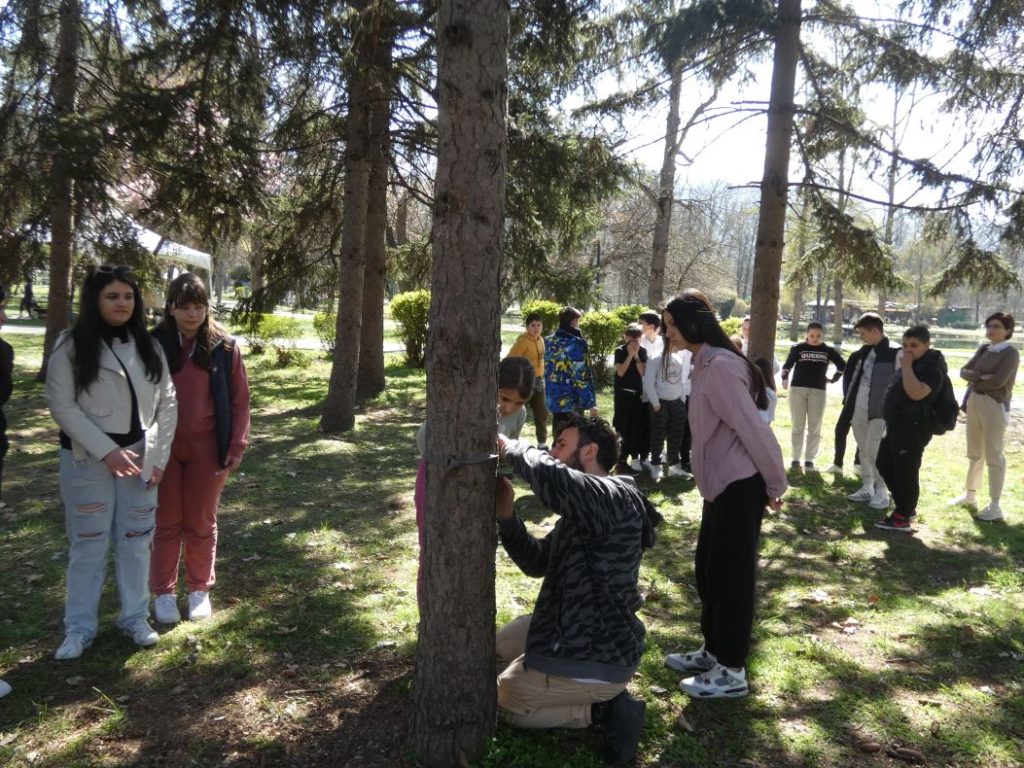
    The network for experiential learning, which is implemented by the Macedonian Ecological Society, held an event in the City Park in Skopje on the first day of spring. Students from primary and secondary schools from several cities in Macedonia were present at the event.

    At the MED workshop, which took place within the framework of this event, students had the opportunity to learn more about the Balkan lynx.

    Aleksandar Pavlov from the Balkan Lynx Recovery Program gave them a lecture and practical exercises on how to catch new lynx individuals, and how to set the photo traps used to monitor the lynx’s movement trajectory.

    Elena Minova from the Experiential Learning Network showed the students how to prepare insects for their further research. The MED team, on the eve of the event, had set up a camera that records the sounds right next to the stand where the workshop was held, and the students had the opportunity to hear the sounds of birds and bats, and Minova explained to them how to distinguish their sounds.

    Sara Krsteska showed the students how to set up the phototraps that the team of landscapers uses during field research, and then everyone could see how they work together.

    The head of the Experiential Learning Network, Svetlana Pejović, gave a presentation to teachers and professors within the event, where Steward Kohlagen, who is the creator of the experiential learning method, was also present.

    Slave Nakev gave a short training for the representatives of the ministries and embassies who visited the event on the correct use of binoculars, and how to observe birds with its help. He also explained why parks in urban areas are especially important for migratory birds, as a place where they rest during migration.

  • Monitoring of the rare plant Astragalus physocalyx

    Monitoring of the rare plant Astragalus physocalyx


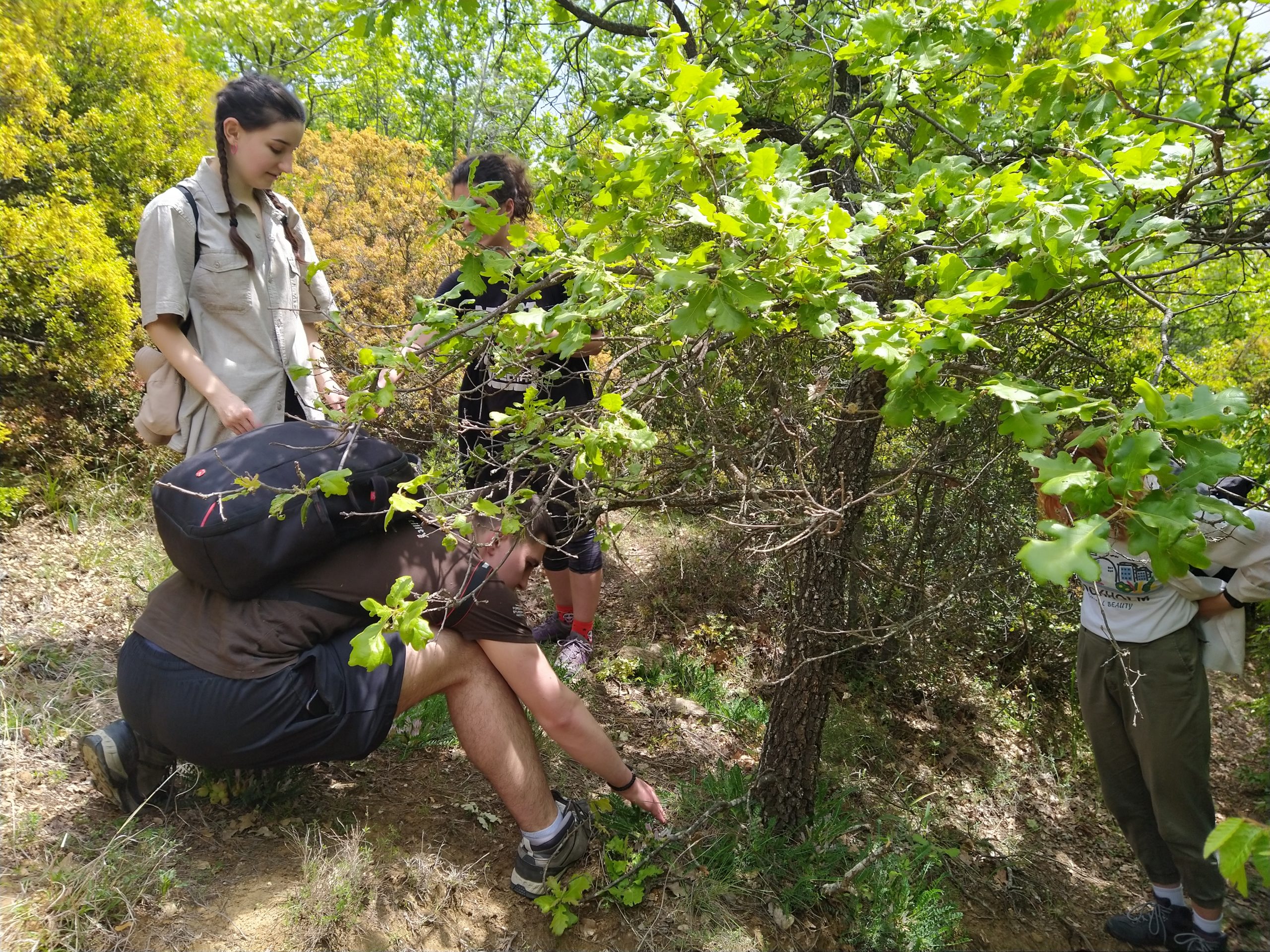
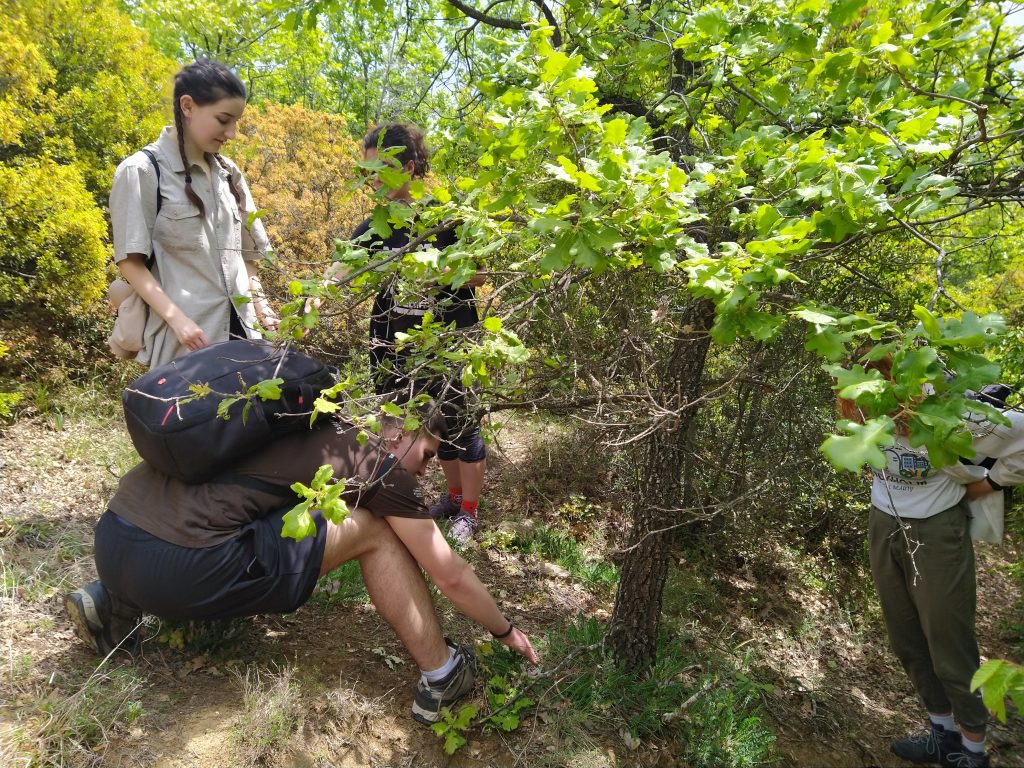
    Throughout 2023, the association POLIMAT 13 carried out monitoring of the plant Astragalus physocalyx as part of the project “Building Local Capacities for Managing Bogdanci SPA,” funded by CEPF.

    As part of this initiative, an educational component was implemented, providing practical training in field monitoring to four students – three from the Faculty of Natural Sciences and Mathematics and one from the Faculty of Forestry Sciences.

    This marked a first-time experience for POLIMAT 13, offering an opportunity to collaborate with enthusiastic young individuals who eagerly engaged in field activities, despite facing challenging weather conditions uncommon to their usual climate.

    Beyond the hands-on experience gained in monitoring and data collection, our aim was to instill in these young participants a sense of responsibility towards environmental conservation, broaden their understanding of ecosystems influenced by sub-Mediterranean climates, and foster a strong awareness of the importance of safeguarding endangered plant species and their habitats.

    Exploring the perspectives and ideas of these young minds on contributing to the protection and promotion of the Significant Plant Area “Bogdanci” proved particularly insightful.

    This experience proved immensely enriching for our association, and we trust it will also serve as a valuable contribution to the professional and personal growth of the students involved.

  • THE LONELY CATFISH

    THE LONELY CATFISH

    Written by Prof. Dr. Maja Jordanova

    With its whiskers, long, massive body, the catfish stands out as one of the most distinctive fish in the serene freshwater realms. When we talk about catfish, it’s the European variety that comes to mind, populating nearly all of Europe’s rivers and even finding its way into our own rivers and lakes. Its distinguishing features include a sizable flattened head and six pairs of whiskers, with two notably elongated ones on the upper jaw, while the rest, smaller in size, are nestled beneath. Sporting petite eyes and teeth, it boasts a cavernous mouth. Unlike its scaly counterparts, the catfish’s body is smooth as velvet. There’s a saying, “as dumb as a catfish,” but that couldn’t be further from the truth. The phrase likely originated from the fact that within its ample head resides a modestly sized brain.

    Catfish prefer tranquil waters, favoring shallow nooks along the shoreline and spots teeming with branches and vegetation, which serve both as camouflage and as ambush points for unsuspecting prey. Nature’s top freshwater predator, the catfish, primarily dines on small fish, frogs, and crayfish. Its hunting expeditions are predominantly nocturnal, with rare ventures during daylight hours, and even then, only if the skies are overcast. Catfish are also renowned for their longevity, with some species living up to a century.

    Save for the spawning season, typically in May or June, when males and females swim together, catfish lead a solitary existence. During this time, the female selects a mate, but once she deposits her eggs, encased in a slimy, adhesive envelope, the male fertilizes them with sperm, and the female departs, leaving him to tend to the offspring. Thus, the catfish resumes its solitary vigil, guarding the nest where the eggs incubate and caring for the fry until they become active swimmers.

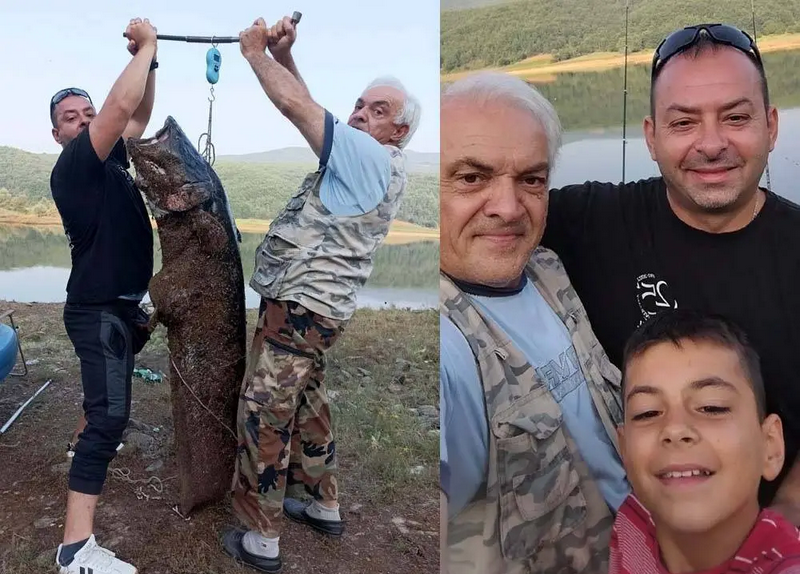
    A formidable presence in the water, the catfish fears little, making it a true angler’s challenge. A notable catch occurred in Lake Struga, where a trio—a father, son, and grandson—landed a specimen measuring 180 centimeters long and weighing 44 kilograms. Meanwhile, Lake Kalimansko yielded an astonishing 80-kilogram catfish. If these aren’t merely fisherman’s tales, records from around the globe document specimens weighing over 200 kilograms and measuring over 3 meters long.

    But not all catfish are behemoths. There are diminutive varieties, like the American catfish, measuring no longer than half a meter and barely tipping the scales at half a kilogram. In the rivers of Africa, including the Nile, dwells the electric catfish, not sizable in stature but formidable nonetheless, generating a voltage of 350 volts, potentially lethal to humans. It produces electricity in its front whiskers, stunning small prey and satisfying its appetite.

    Let’s not overlook the enthusiasts of aquarium life. From the rivers of Asia, the diminutive glass catfish—known as the ghost catfish—has gained popularity worldwide. Its transparent body, lacking pigmentation, makes it a favorite among aquarium aficionados.

    In terms of nutrition, a 100-gram serving of fresh catfish boasts a mere 15 calories, half that of salmon. This, among other factors, makes catfish a nutritional powerhouse. Rich in omega-3 fatty acids and a plentiful source of vitamin D, it bolsters the body’s immunity.

    Indeed, catfish have earned a place on menus worldwide. Whether fried, baked, or as an ingredient in the famed Korean soup meun tang, it tantalizes taste buds everywhere. And if you find yourself in Dojran or the Tikvesh region, be sure to sample their catfish soup—a culinary delight like no other. Cheers.

  • Better protection for the Balkan lynx

    Better protection for the Balkan lynx


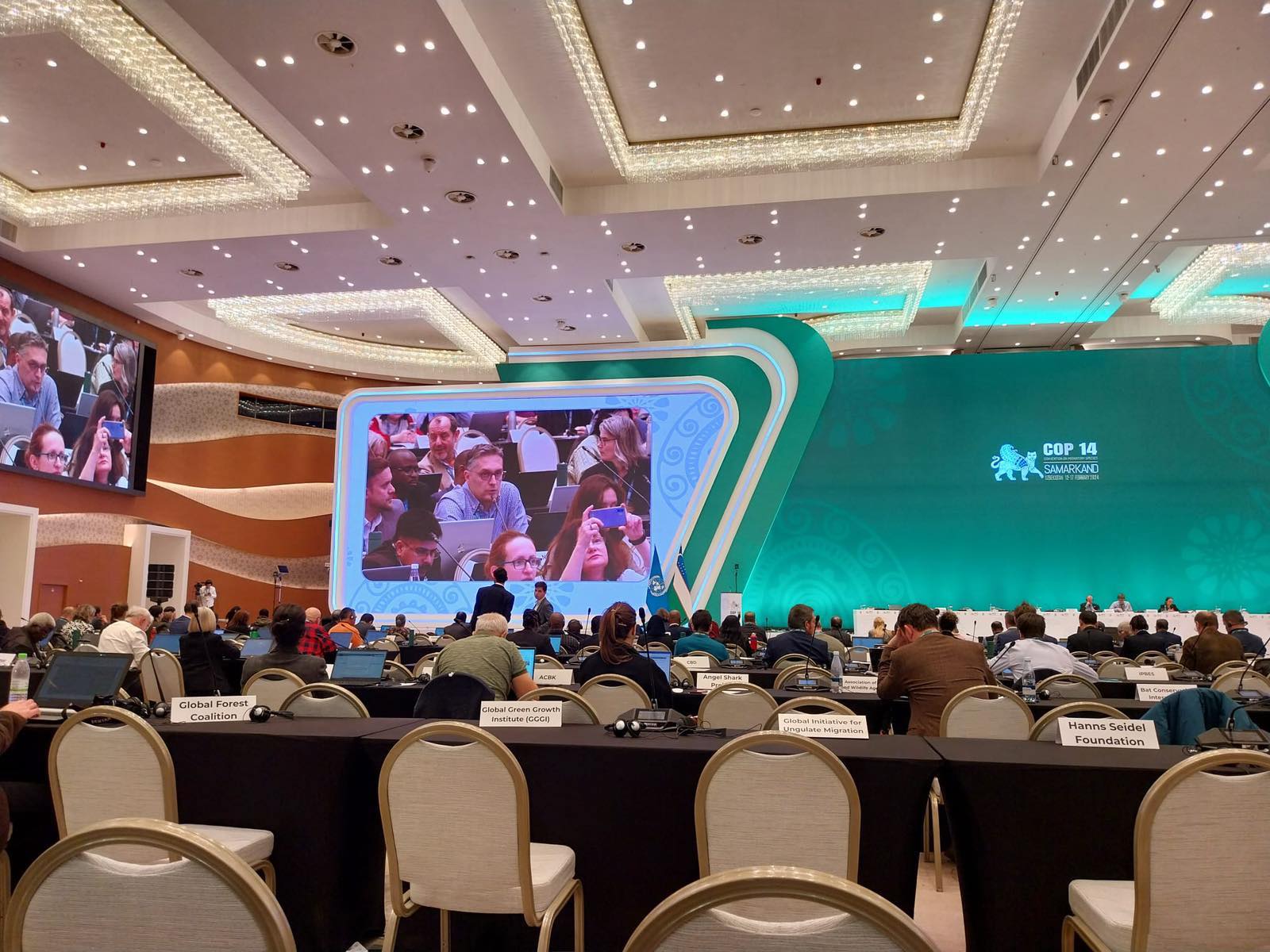
    ++ The Conference on the Convention of Migratory Species (CMS) takes place in Uzbekistan ++ The Balkan lynx is now also included in the agreement ++ Range states commit to measures to protect the critically endangered cat ++

    Radolfzell, Samarkand. Good news from the CMS conference in Uzbekistan: the Eurasian lynx as well as its endangered subspecies, the Balkan lynx, have been added to the list of migratory species. “This is fantastic news for all lynx conservationists in Europe and Asia“, said Dime Melovski from the nature conservation organisation MES (Маcedonian Ecological Society). He presented the application for the listing of the Balkan lynx in Samarkand. “As for the Balkan lynx, with the governments of North Macedonia and Albania on our side, we can now take further important steps to protect this endangered population.”

    The proposal to include the Balkan lynx in Appendix I of the Agreement was made by the government of North Macedonia and supported by the Albanian government. This is particularly pleasing, as with this step the government officials are making a clear commitment to protect the rare cat. There are only less than 50 individuals of the Balkan lynx left. Its range is scattered in North Macedonia, Albania and Kosovo. In the run-up to the conference, EuroNatur project partners MES (Маcedonian Ecological Society) in North Macedonia and PPNEA (Protection and Preservation of Natural Environment in Albania) in Albania campaigned for this important step towards protecting the Balkan lynx and lobbied the governments in Skopje and Tirana.

    With the inclusion of the Balkan lynx in the CMS, the governments of the countries commit themselves to creating the best possible conditions for the conservation of the Balkan lynx. This includes, among other things, developing a regional strategy for protecting the endangered subspecies and translating it into national action plans. This will facilitate cross-border conservation efforts, such as monitoring the Balkan lynx. “This decision marks an important commitment to the protection of the Balkan lynx by the authorities in North Macedonia and Albania,” says Lisa Leschinski, project manager at EuroNatur. “We will closely monitor whether the promises are followed by action.”

    Background information:

    – Convention on the Conservation of Migratory Species of Wild Animals (CMS): As an environmental treaty of the United Nations, the CMS provides a global platform for the conservation of migratory animals and their habitats. Migratory species threatened with extinction are listed in Appendix I of the Convention. CMS Parties endeavour to strictly protect these animals, conserve or restore the places where they live, remove obstacles to their migration and control other factors that could endanger them. In addition to establishing obligations for each state that accedes to the Convention, the CMS promotes concerted action between the range states of many of these species. The 14th CMS takes place from 12 to 17 February in Samarkand, Uzbekistan.

    – Lynx and CMS: The application for inclusion of the lynx in the CMS includes the listing of the Eurasian lynx in Appendix II and one of its subspecies, the Balkan lynx, in Appendix I. In addition to North Macedonia and Albania, Bosnia-Herzegovina and Uzbekistan were co-proponents of including the Balkan lynx in the list of migratory species. The entire process was initiated and supported by the regional office of UNEP – United Nations Environment Programme.

    – Balkan lynx: The Balkan lynx is a subspecies of the Eurasian lynx. Only fewer than 50 specimens of this endangered cat still roam the mountain forests of the southern Balkans. The Balkan lynx is facing a lack of sufficiently large and contiguous habitats due to the overuse of forests for firewood and timber production. This is also resulting in a shortage of prey, and the situation is being further exacerbated by the illegal hunting of already diminished wildlife populations. However, the lynx too is frequently falling victim to poachers looking for rare trophies or who blame the predatory cat for the deaths of domestic animals. Together with partner organisations in Switzerland (KORA) and south-eastern Europe (ERA, MES, PPNEA), EuroNatur is committed within the Balkan Lynx Recovery Programme (BLRP) to promoting knowledge about lynx, effectively protecting the elusive cats and preserving their habitats.


  • The closing event of the Green Commune Belica project

    The closing event of the Green Commune Belica project


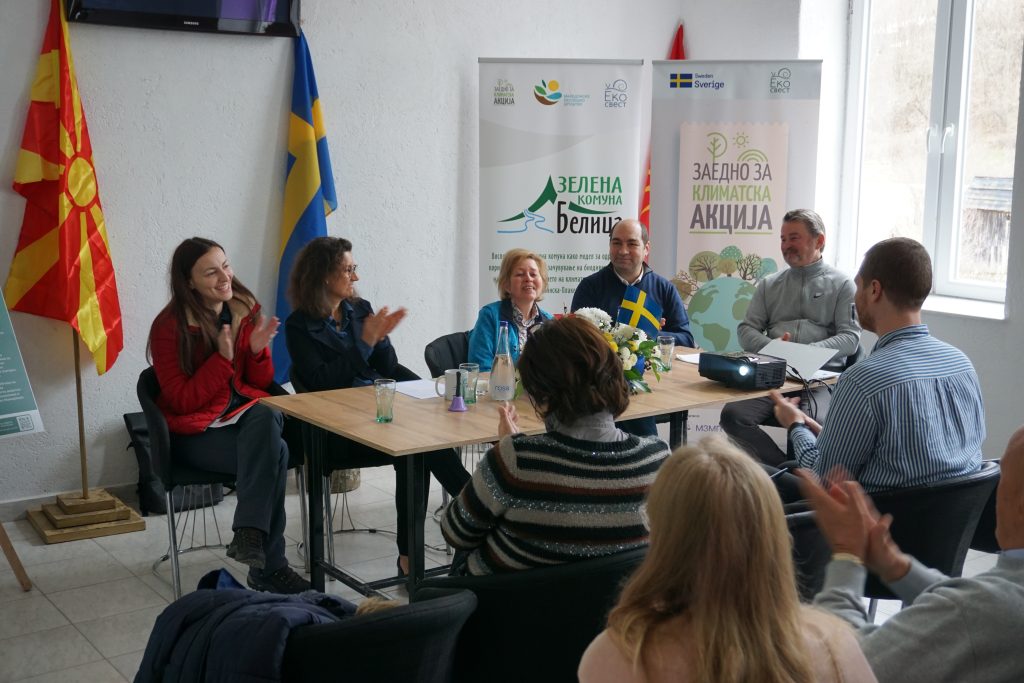
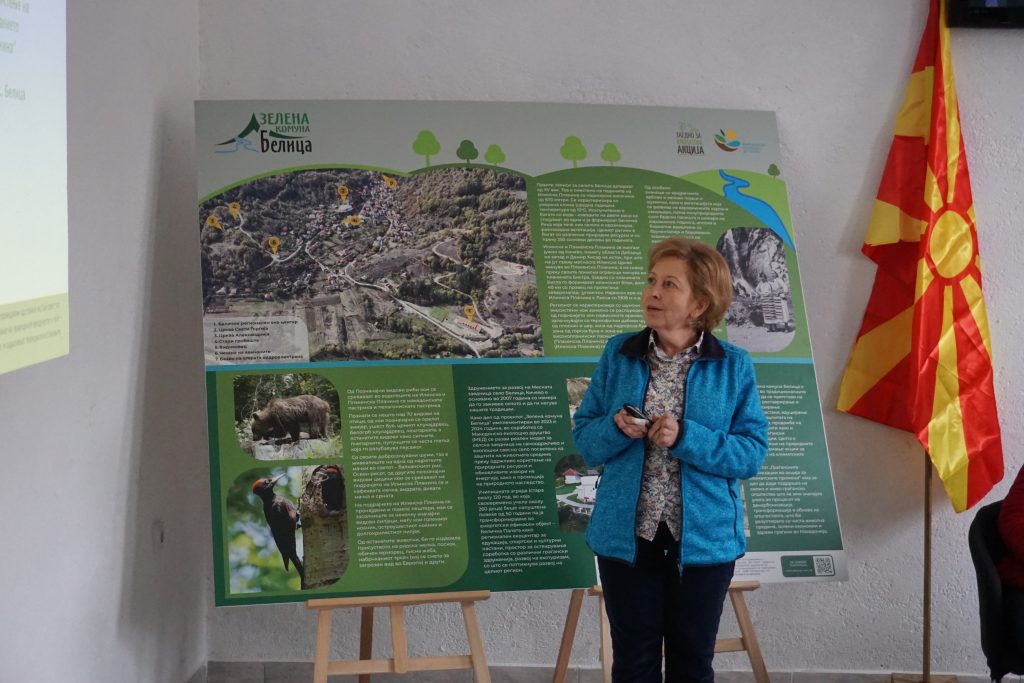
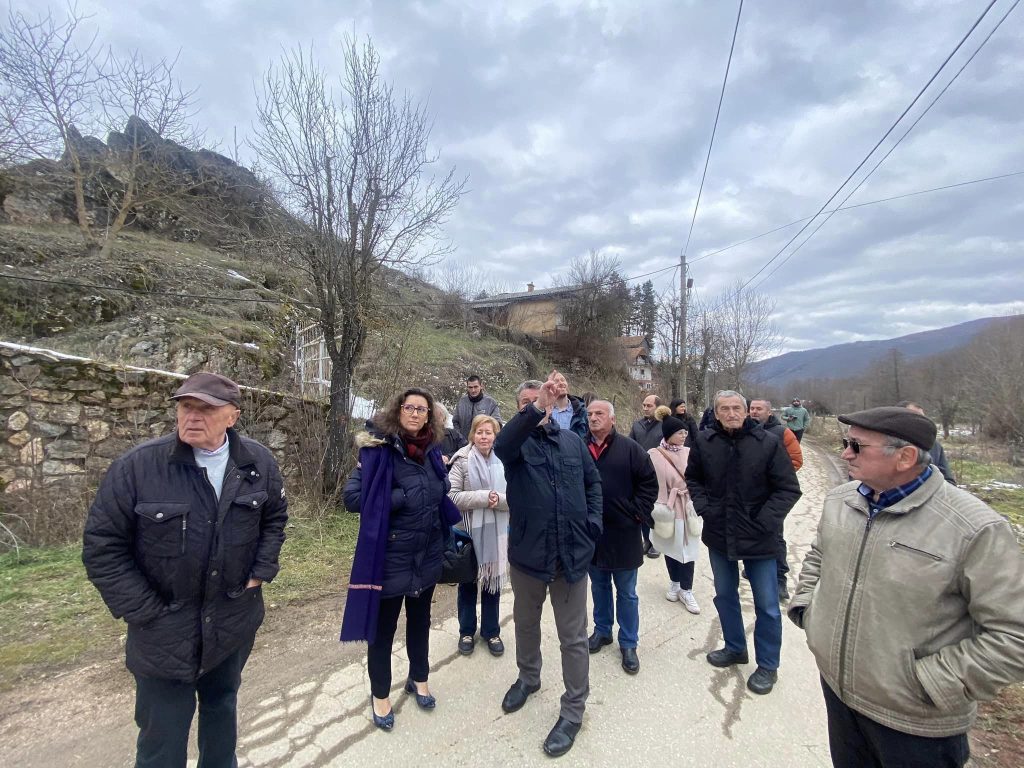
    The territory of Macedonia is brimming with hidden “precious stones,” this was the conclusion of the final event of the “Green Commune Belica.” The residents of this village in Kichevo, during the past year, renovated the old school building and held a series of workshops on topics such as energy sustainability, biodiversity, and climate change. Swedish Ambassador Ami Larsson Jaim, who attended the event, was impressed by the initiative for sustainability in rural communities. Yesterday, she visited the Kichevo village of Belica, where the “Green Commune Belica” event concluded.

    “I thank you for inviting me to inaugurate this eco-center in Belica together. The richness of these regions and their culture offer many opportunities to attract visitors seeking a different experience from mass tourism on beaches and five-star hotels.

    Unfortunately, the population of many rural communities is decreasing, facing increased unemployment and limited infrastructure. That’s why I am pleased that I can draw attention to initiatives like this, where the local population joins forces with civil society to breathe new life into the community, creating a concept that combines education, climate resilience, and ecotourism,” said Swedish Ambassador Ami Larsson Jaim.

    The Executive Director of the Macedonian Ecological Society addressed the attendees with a welcome speech.

    “MES, in cooperation with the Belica Development Association, aimed to start working on establishing a green commune, an ethno-village that will be sustainable, use natural resources in a sustainable manner, and use renewable sources of energy. An initiative that will promote the development of ecotourism and attract people to return to their hearths and provide opportunities for additional income,” said Robertina Brajanoska of MES.

    The final event of the “Green Commune Belica” was part of the grant scheme “Civil Society Organizations in Action for Climate Change,” led by the Environmental Research and Information Center Eco-sense, in cooperation with the Macedonian Young Lawyers Association and the Connecting Natural Values and People Organization CNVP, financially supported by the Government of Sweden.