Category: News

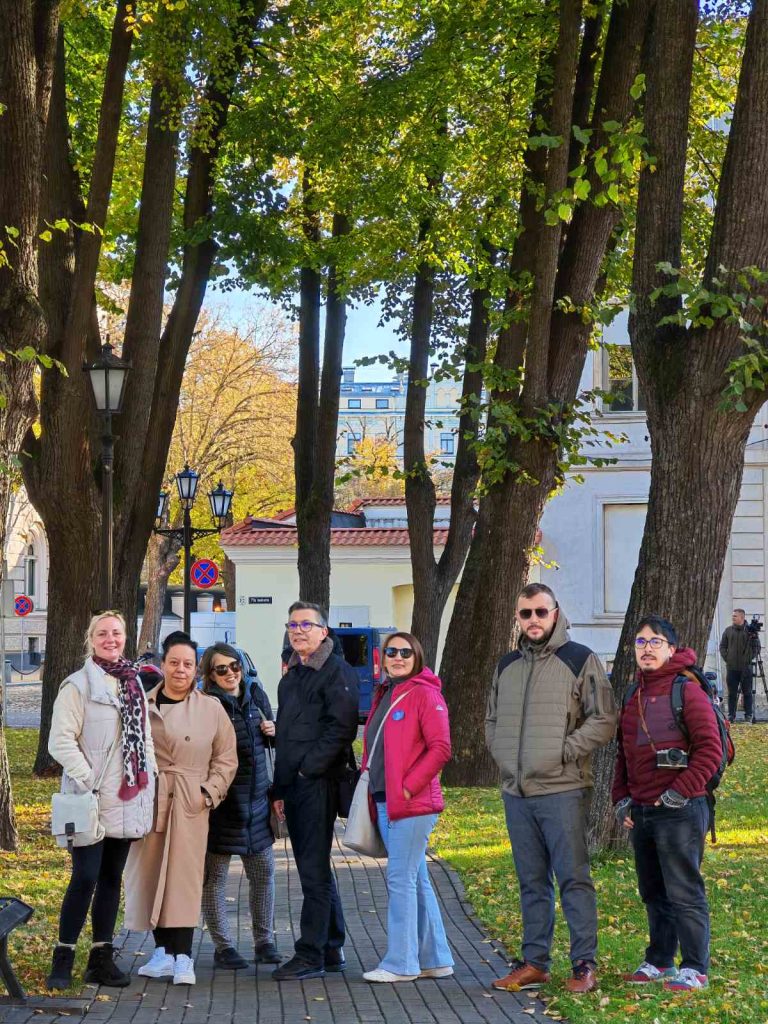
  • MES representatives participated on BESTbelt Pan-European Conference 2024 in Latvia and presented long-lasting efforts for sustainable development in the region Shar-Korab-Koritnik

    MES representatives participated on BESTbelt Pan-European Conference 2024 in Latvia and presented long-lasting efforts for sustainable development in the region Shar-Korab-Koritnik

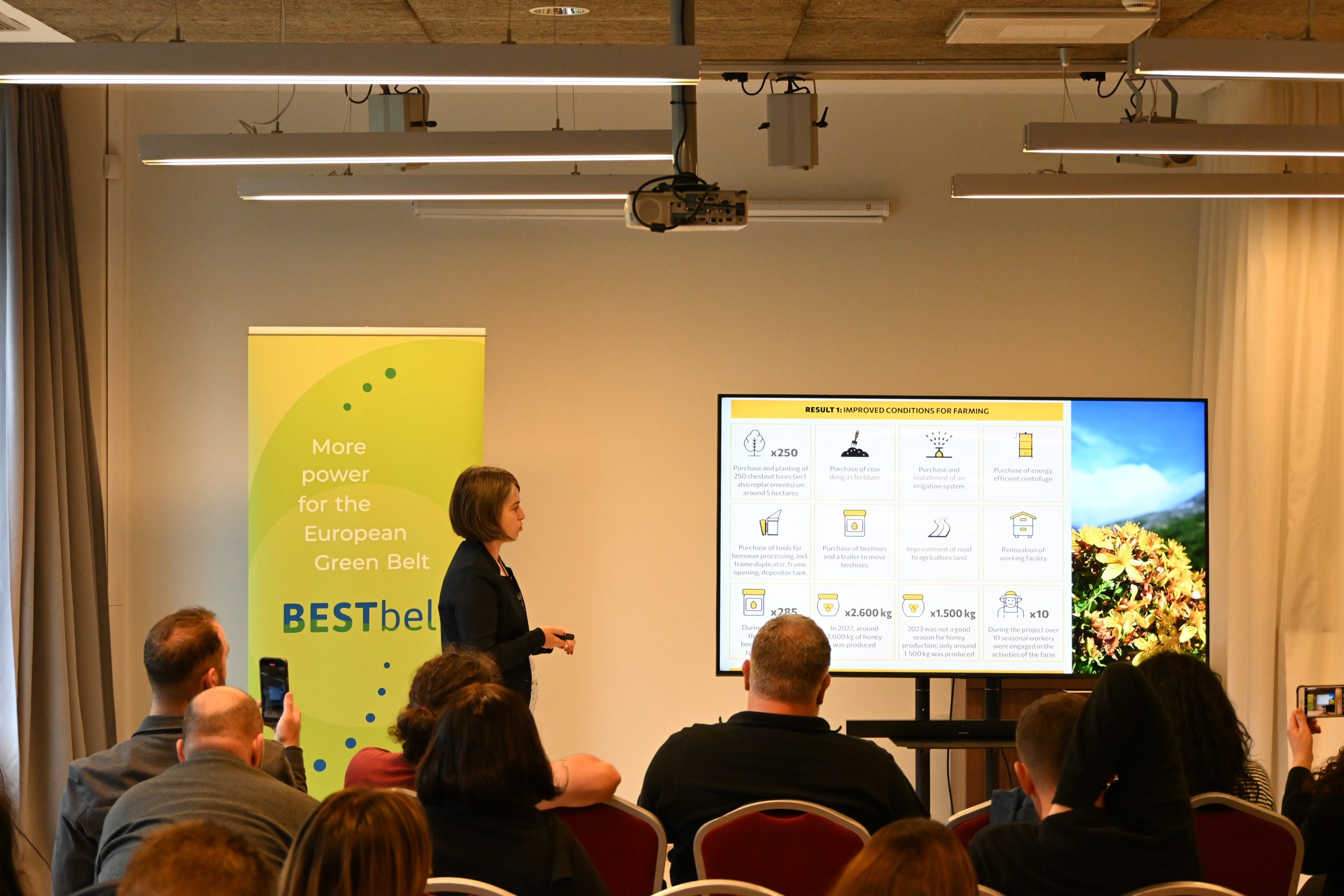
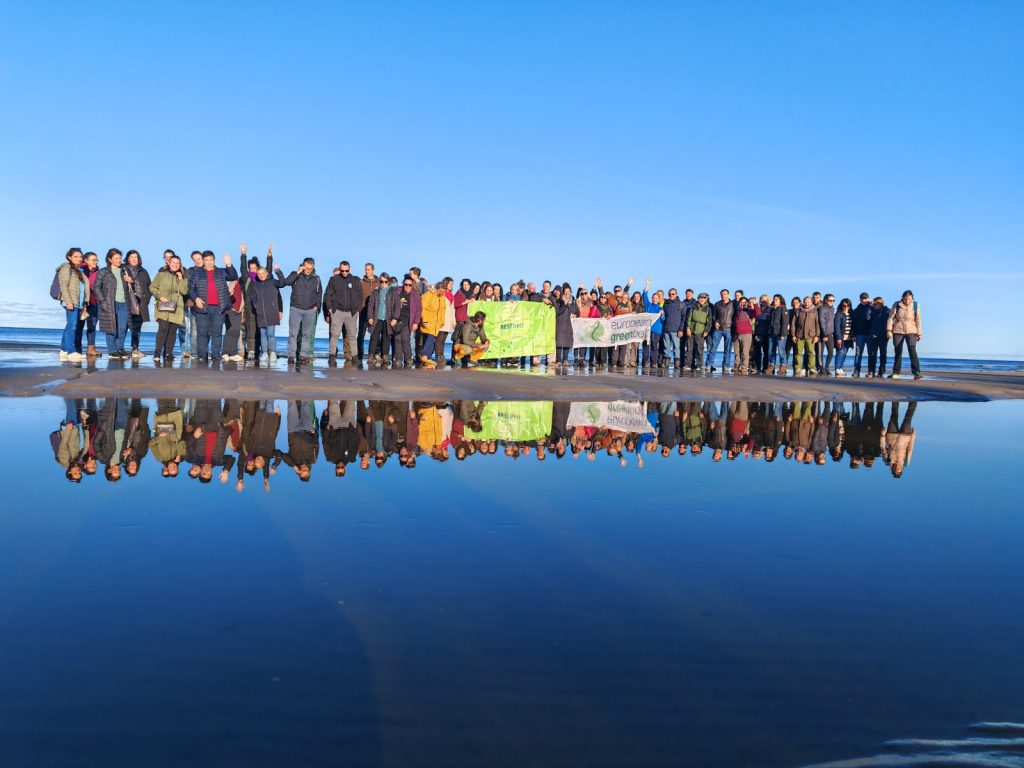
    28.10.2024 – Above 80 people over 60 different organizations met and exchange during this year’s BESTbelt Pan-European Conference 2024 in Latvia. Participants were from countries along the European Green Belt and met to discuss and to strengthen the collaboration along EGB.

    In scope of the conference a big focus was the EU-funded BESTbelt project, which provides small grants to organizations implementing projects along the European Green Belt.
    MES participated presenting successful stories related to green jobs and sustainable development in the region Shar-Korab-Koritnik and received great feedback from colleagues from organizations across the European Green Belt.

    In addition, presentations were given on many interesting and important topics for the European Green Belt, including the Nature Restoration Law, long distance cycling- and hiking trails or the inclusion of the German Green Belt on the tentative list for becoming a UNESCO World Heritage Site.

    Besides MES representatives, participants from best model projects in the region and protected areas were part of the conference as opportunity to learn and collaborate with similar organizations across Europe.

    The conference was organized by EuroNatur and the European Green Belt Association.
  • Educational Event: Let’s Restore the Forest for the Lynx

    Educational Event: Let’s Restore the Forest for the Lynx


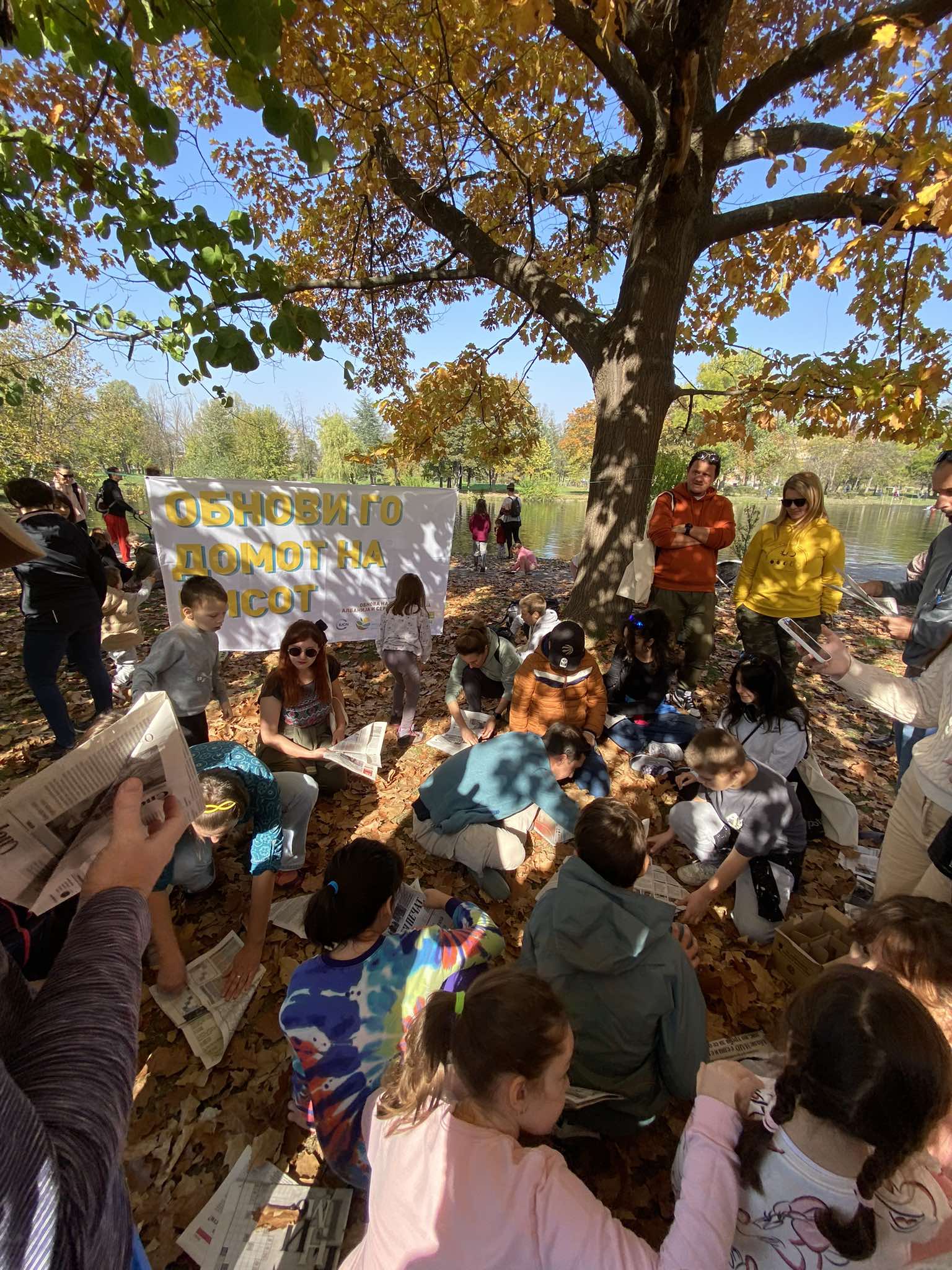
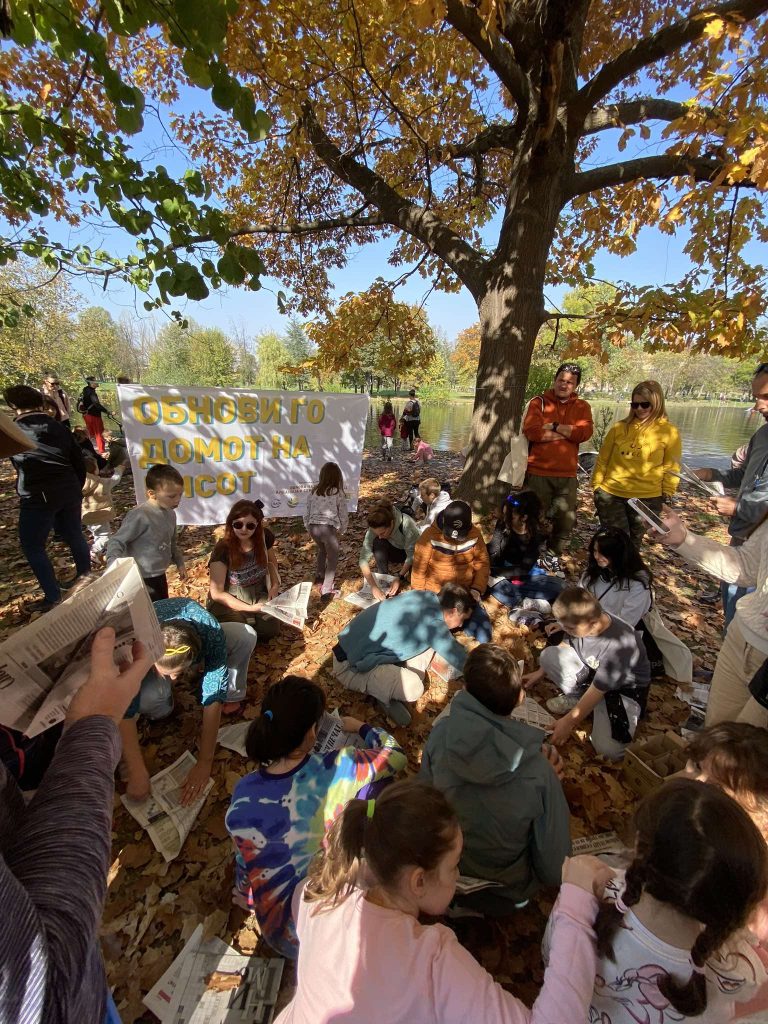
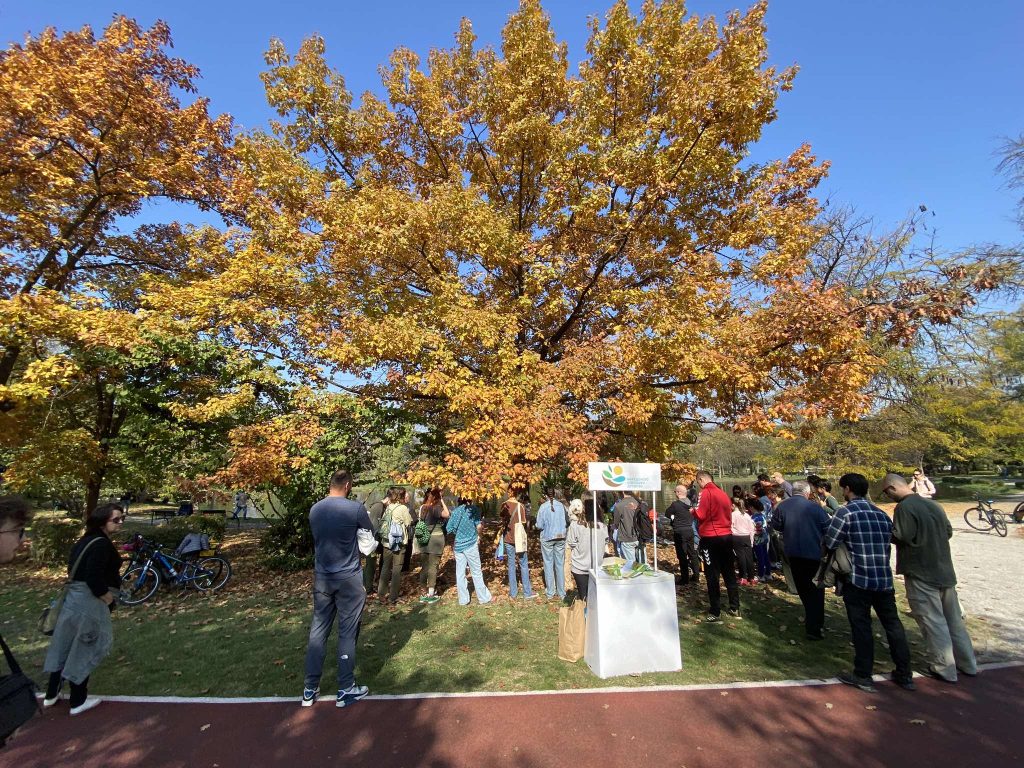
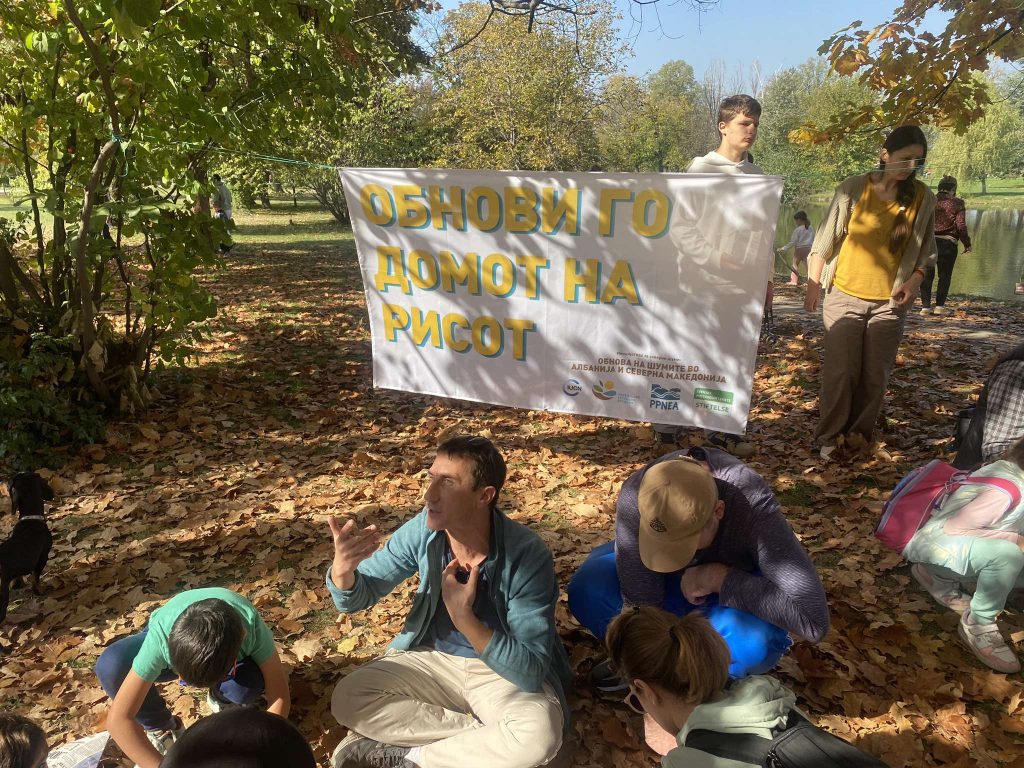
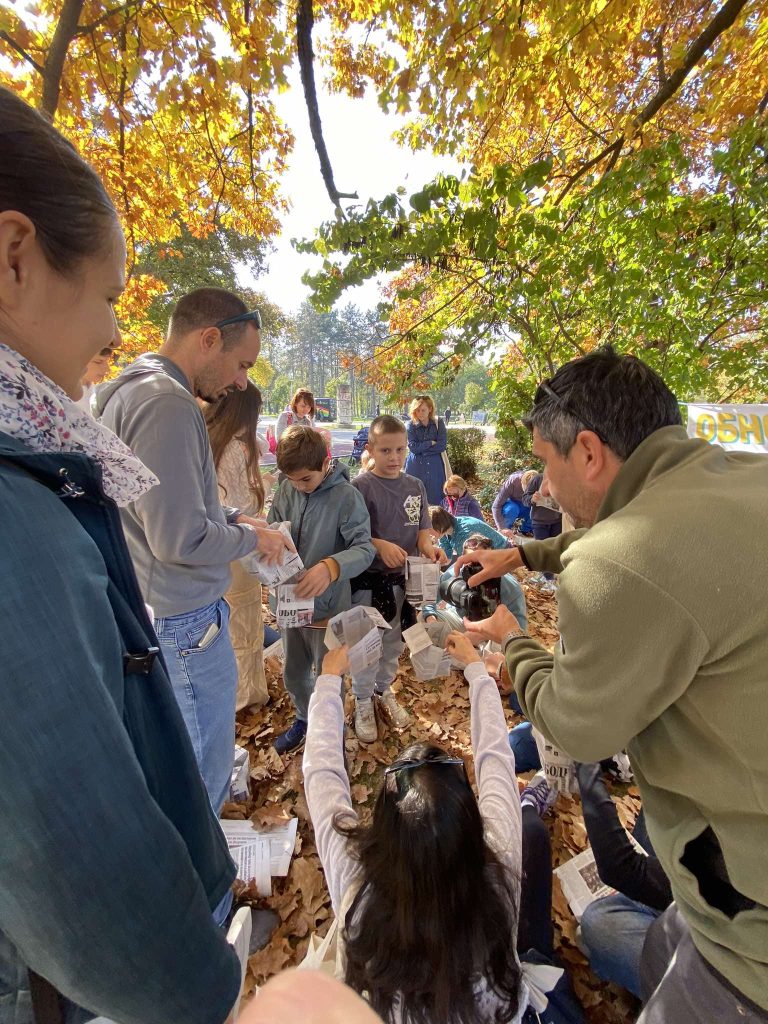
    Around a hundred people gathered today at the educational event organized by the Macedonian Ecological Society in Skopje’s City Park to learn how they can grow their own oak saplings.

    The event aimed to raise public awareness about the importance of biocorridors, and judging by the turnout, it’s clear that the public is eager to learn more about these topics.

    Natalija Melovska, the project manager for the “Northern Forests Initiative: Forest Restoration in Albania and North Macedonia,” gave a brief overview of the initiative’s activities. Meanwhile, Jane Dimeski from “Forest in the City” offered a hands-on demonstration, showing participants how to plant oak saplings. In about a year, these saplings will be ready to be planted in the wild, helping to restore local forests.

    We’re especially grateful to Sloboden Pechat for donating old newspapers, which we used to make origami pots for planting the acorns. It was particularly heartening to see so many young people at the event, a strong sign that our mission and vision will carry on for generations to come.


    The event was supported by the “Northern Forests Initiative,” a project we’re implementing with PPNEA and the IUCN Regional Office for Eastern Europe and Central Asia, with full backing from the Swedish Postal Foundation.

    Click on this link to see the video.

  • Call for engaging an expert for bats in the frame of Prespa Net III Project

    Call for engaging an expert for bats in the frame of Prespa Net III Project

    MAIN OBJECTIVES OF THE COMPONENT

    This action focuses on a review of the existing Transboundary Conservation Action Plan for Bats and Caves in Prespa Basin, developed back in 2012, and its update according the newest information on the status of bats and their habitats in transboundary Prespa.

    PROJECT LOCATION – TARGET AREA FOR THE ACTIVITY

     The activities in the frame of this component will be conducted in the area of Prespa.

    Read more at the attached file.

  • European Birdwatching Days

    European Birdwatching Days


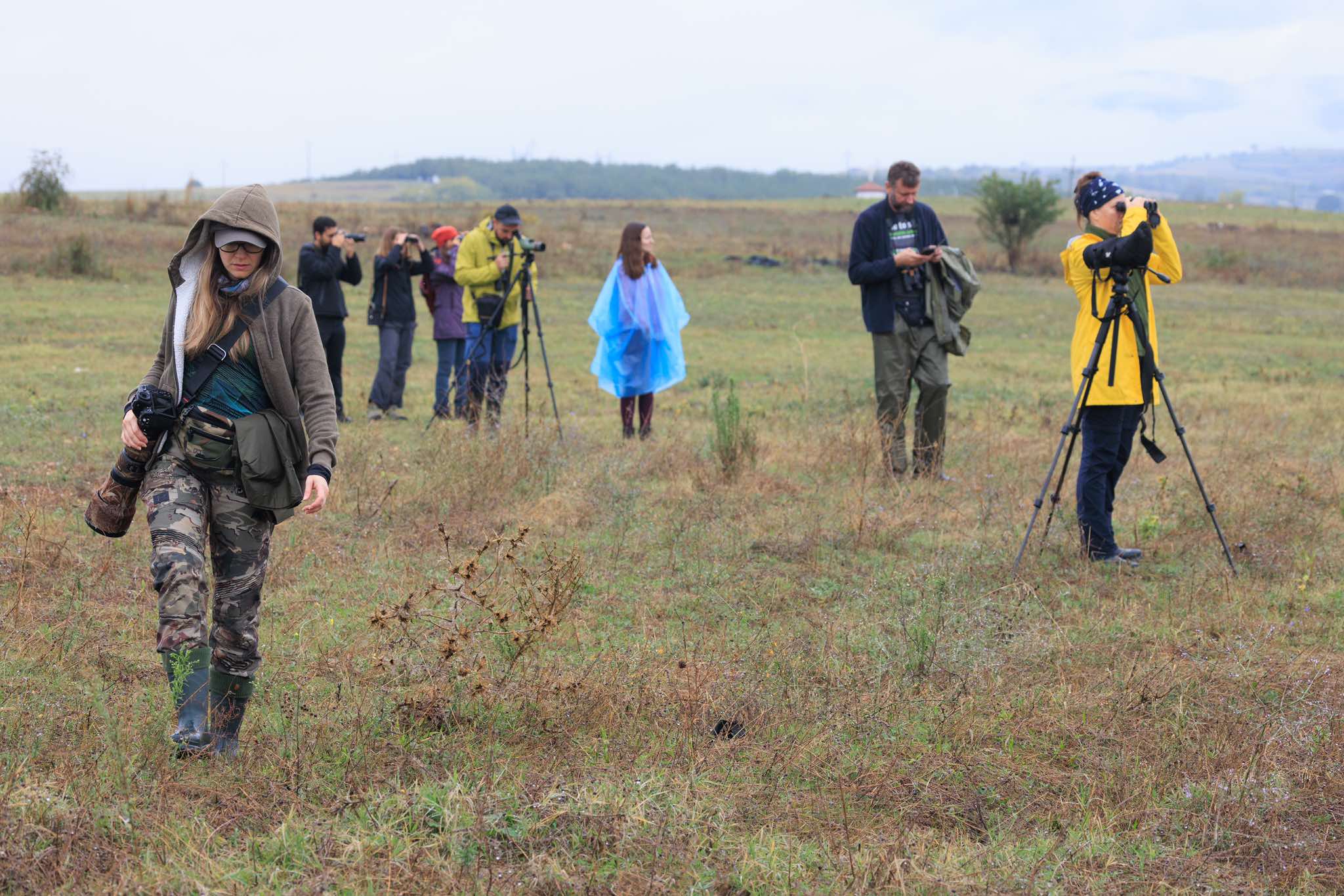
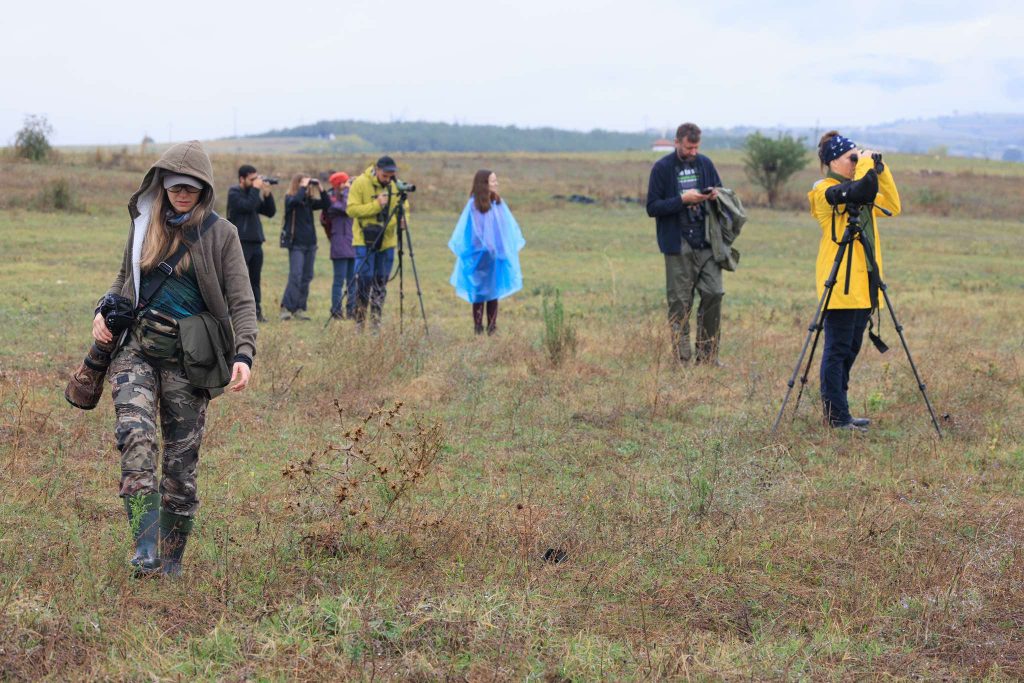
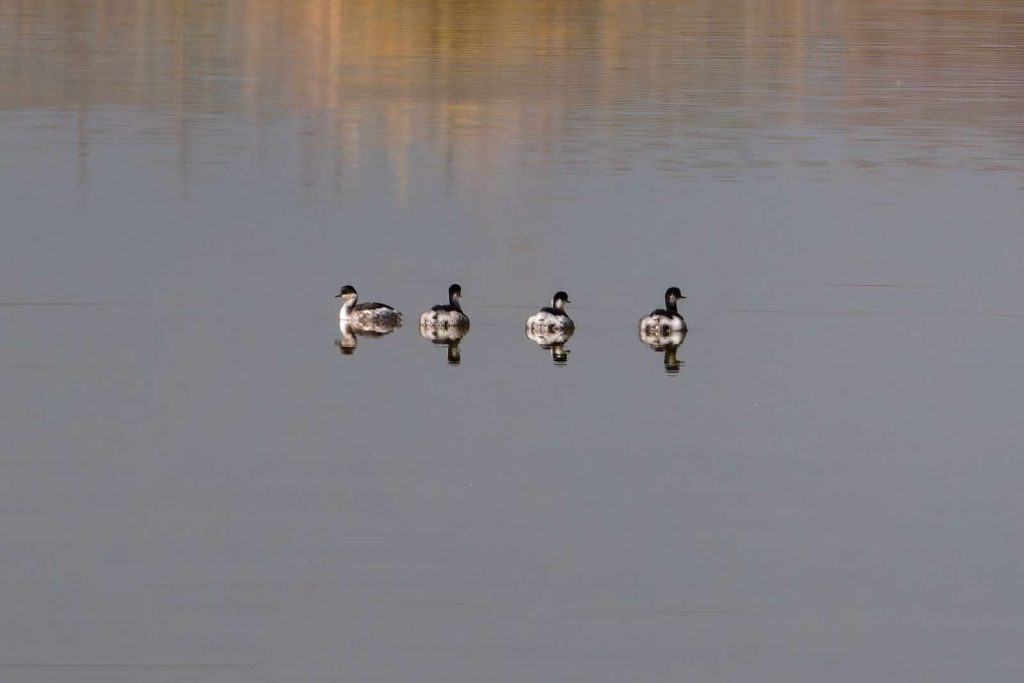
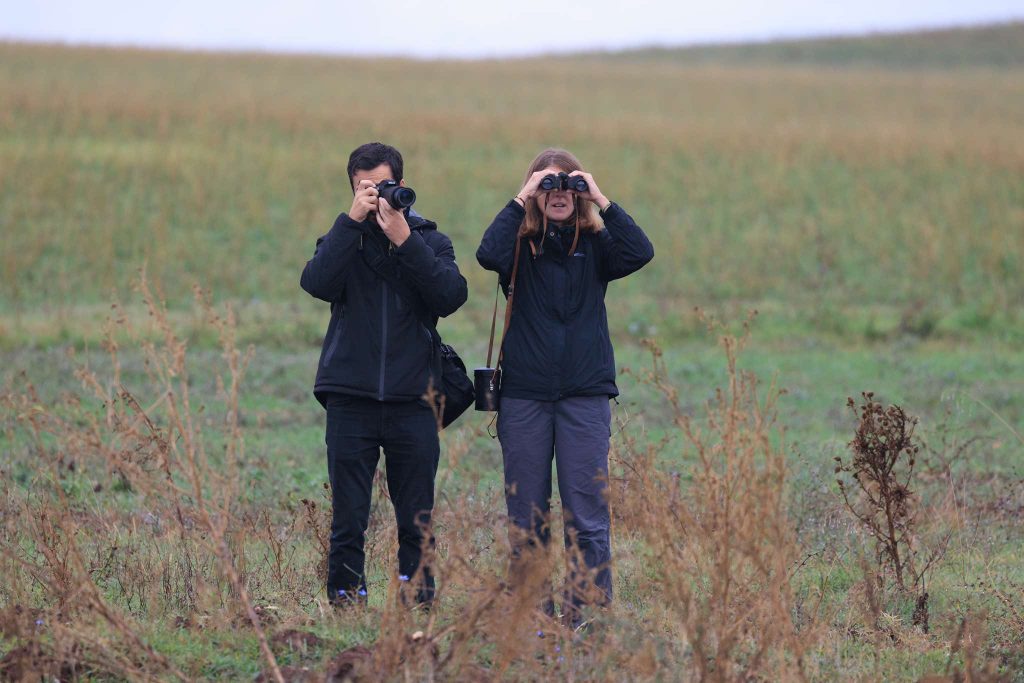
    The Macedonian Ecological Society, together with its members, held a birdwatching event at Smilkovsko Lake on October 5th in honor of the European Birdwatching Days.

    Despite the morning storm in Skopje, attendance at the event was excellent, and many bird species could be seen using the lake as a resting and feeding stop during their migration.
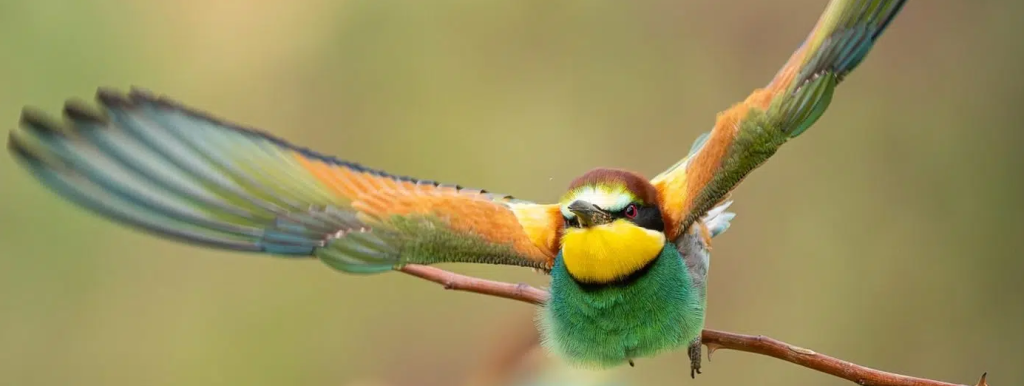
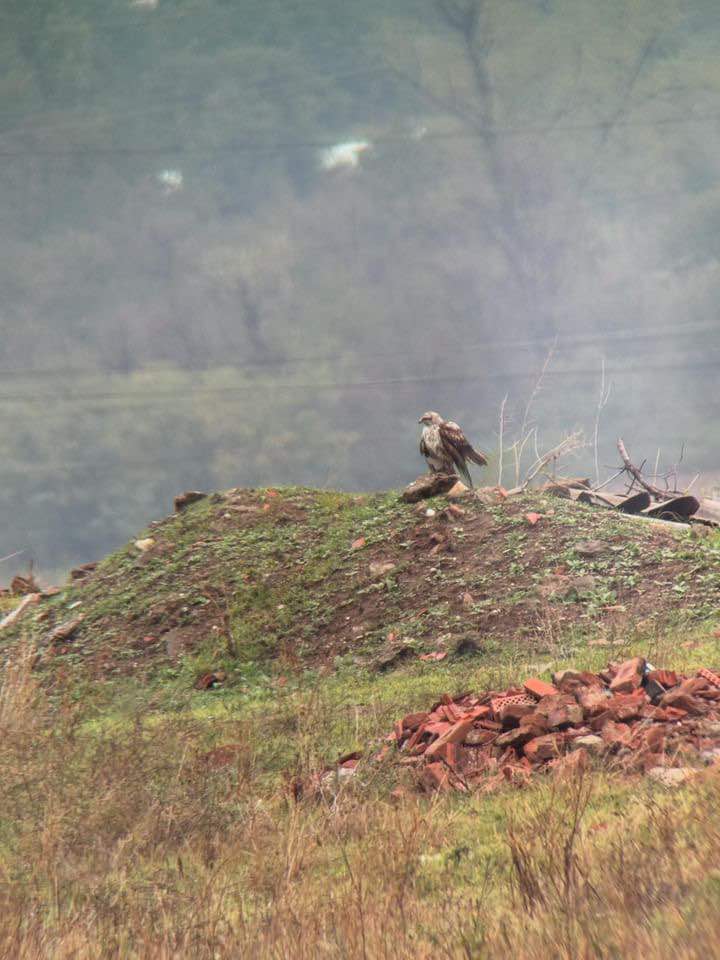
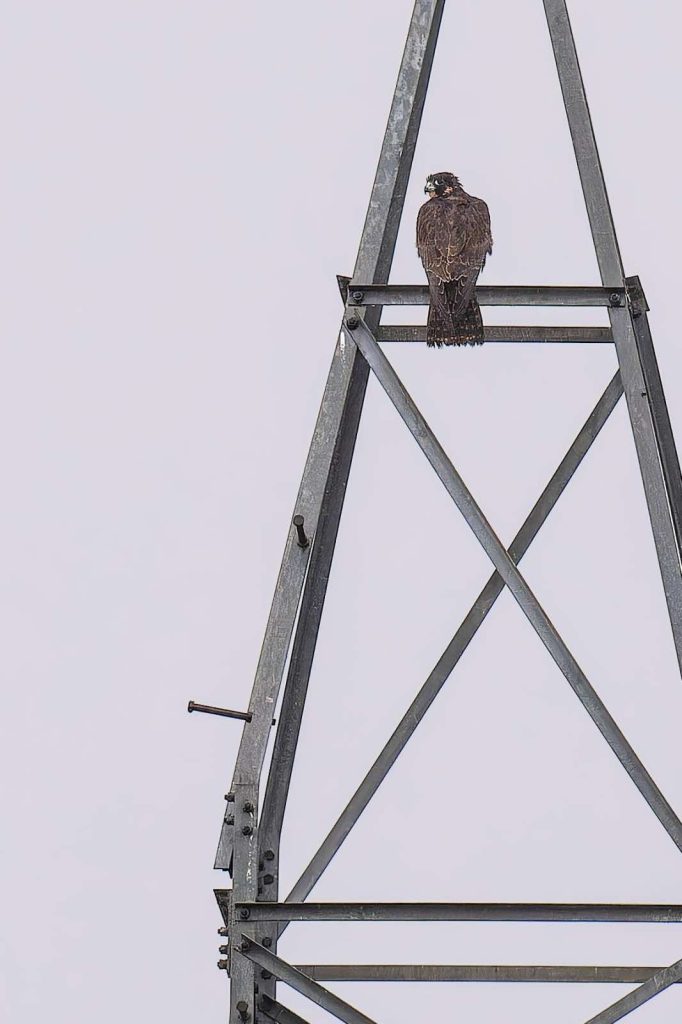
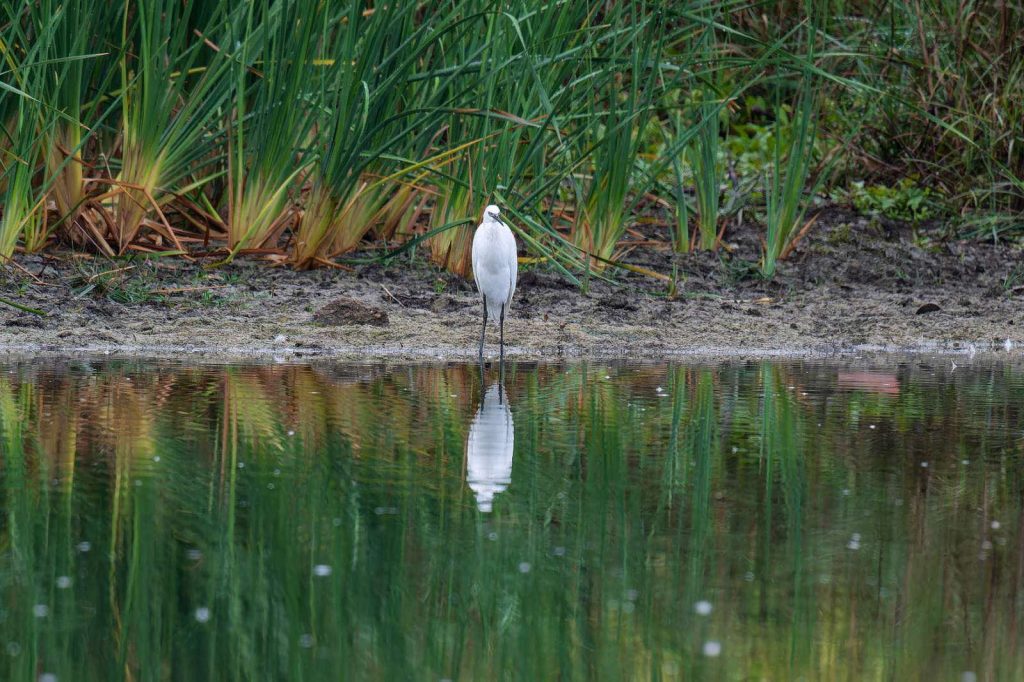
    We spotted falcons, pheasants, herons, sandpipers, ducks, grebes, gulls, and other species. We were also accompanied by local stray dogs, who, fortunately, did not mind our presence.

    Below, you can view the photographs taken by Velijan Jagev, Mirjana, Bobi Kuzmanoski, and Slave Nakev.

  • Memorandum of Cooperation Signed with “Jasen”

    Memorandum of Cooperation Signed with “Jasen”


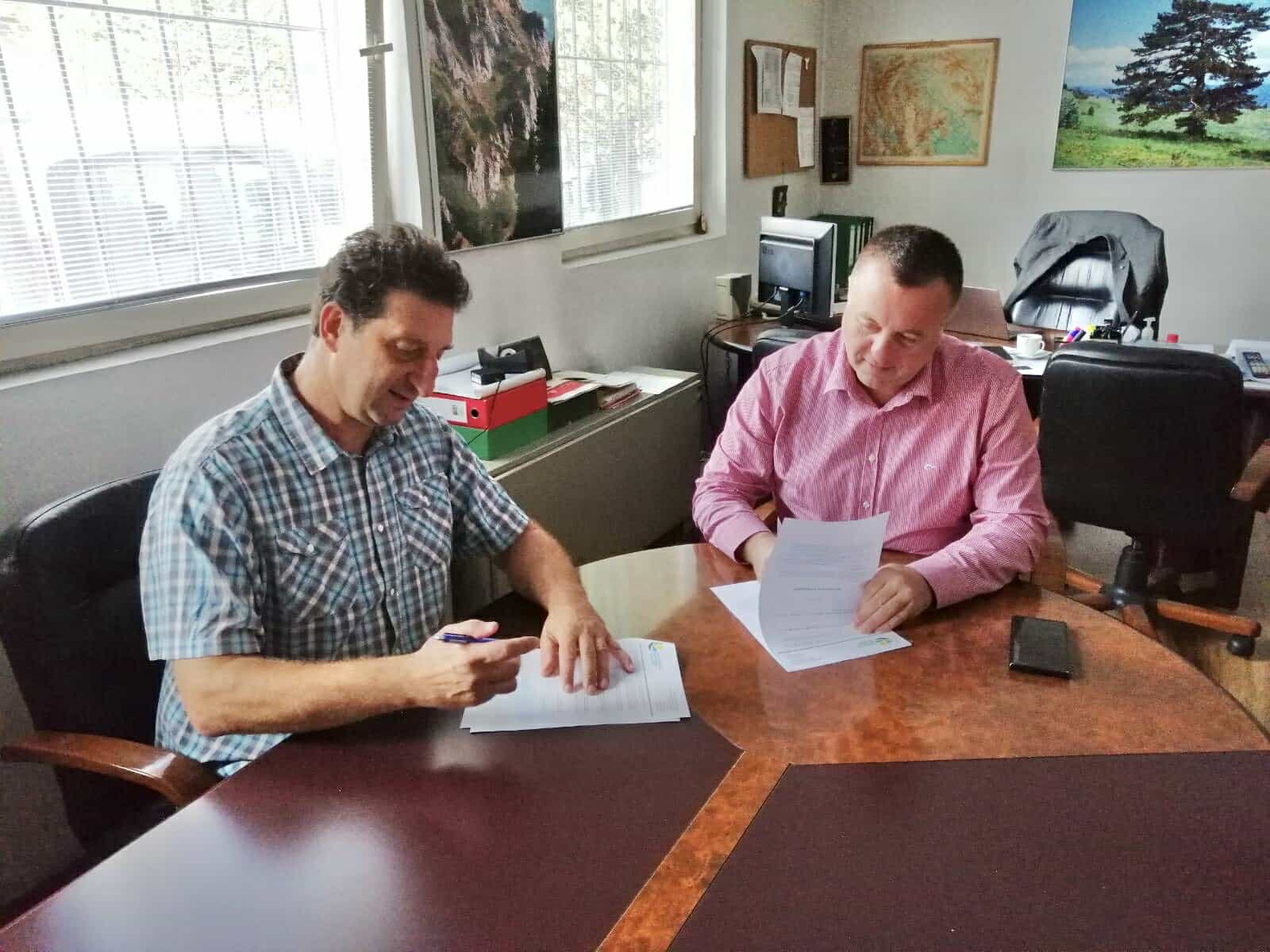
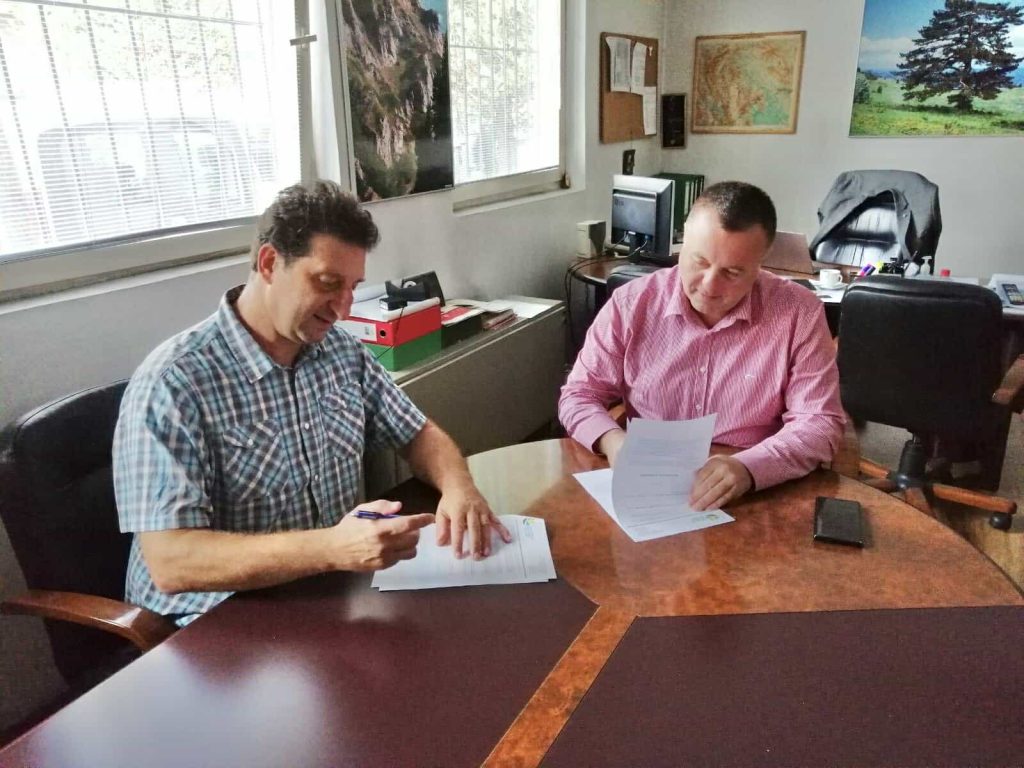
    The President of MES, Prof. Dr. Slavcho Hristovski, and Angele Sotirovski, who is the acting director of the Public Enterprise for Management and Protection of the Multi-Purpose Area “Jasen,” signed a Memorandum of Cooperation.
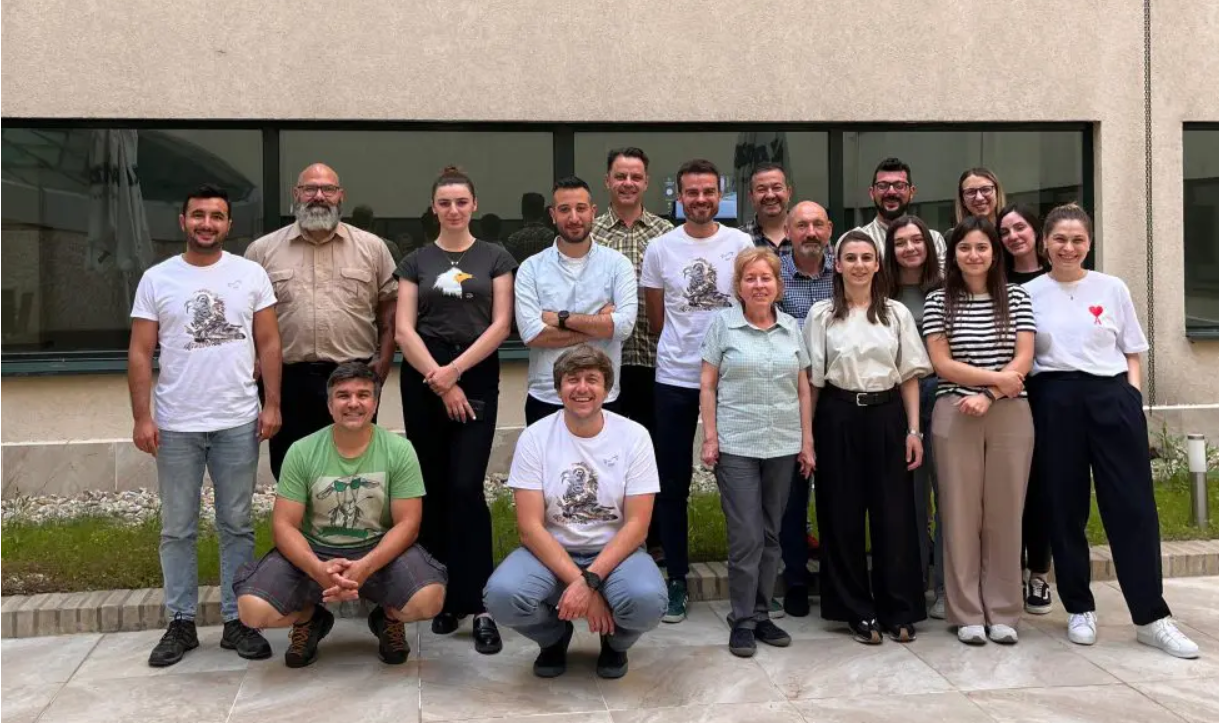
    With this, we are achieving a more extensive scientific research effort, which will enable the managers to better manage the area. We hope that this will provide us with more detailed insights into the flora and fauna in Jasen.

  • Balkan Lynx Workshop on Ecology Day

    Balkan Lynx Workshop on Ecology Day


    The Macedonian Ecological Society joined in the celebration of Ecology Day, which was initiated during a round table at the European Parliament in 2016, marking a century and a half since the establishment of ecology as a science.

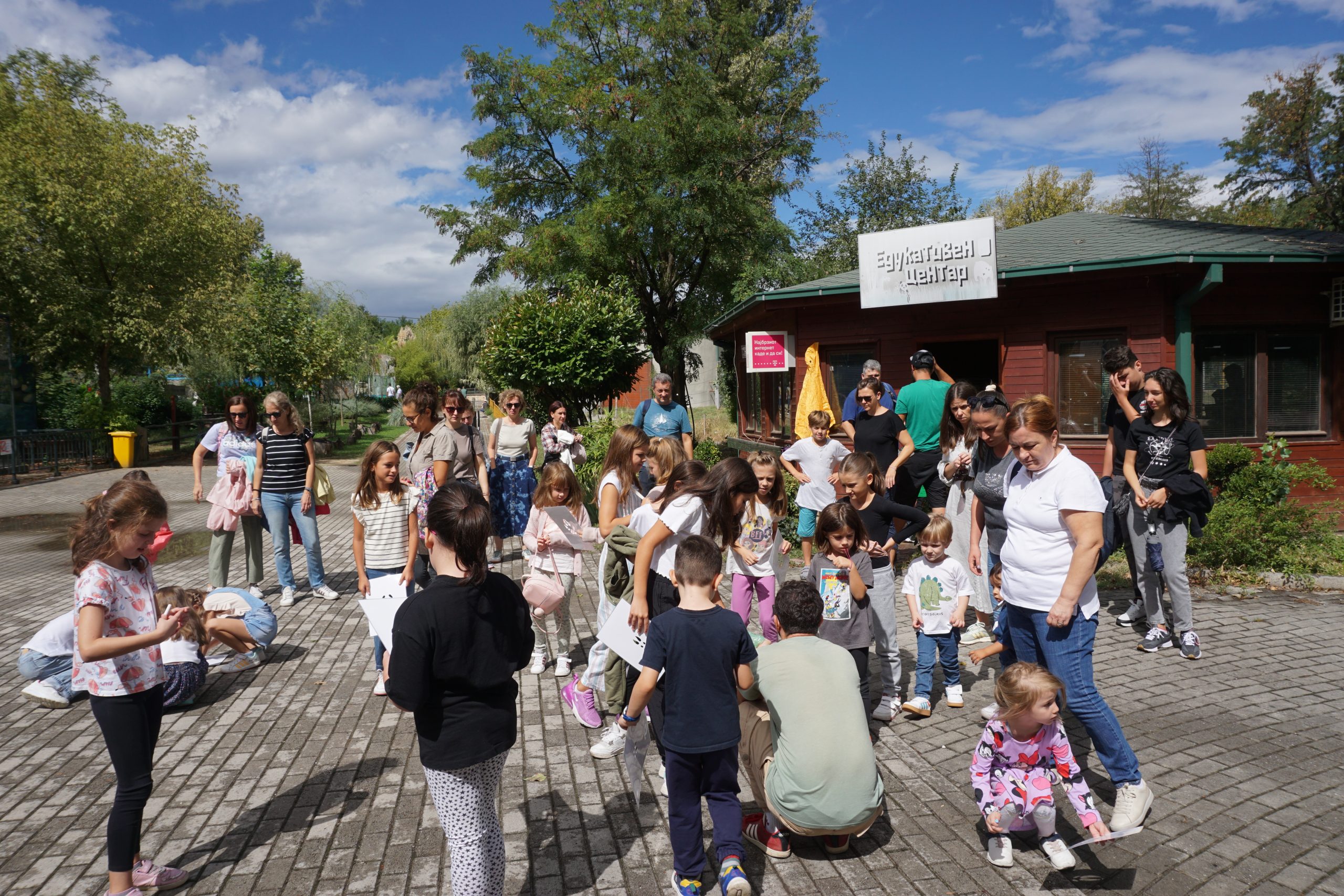
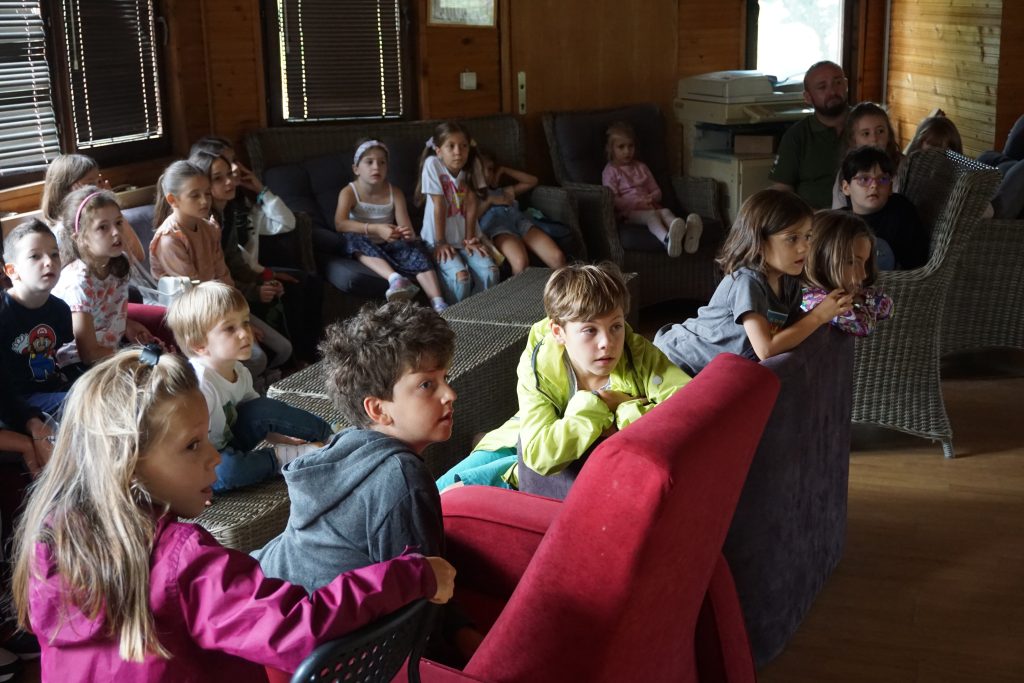
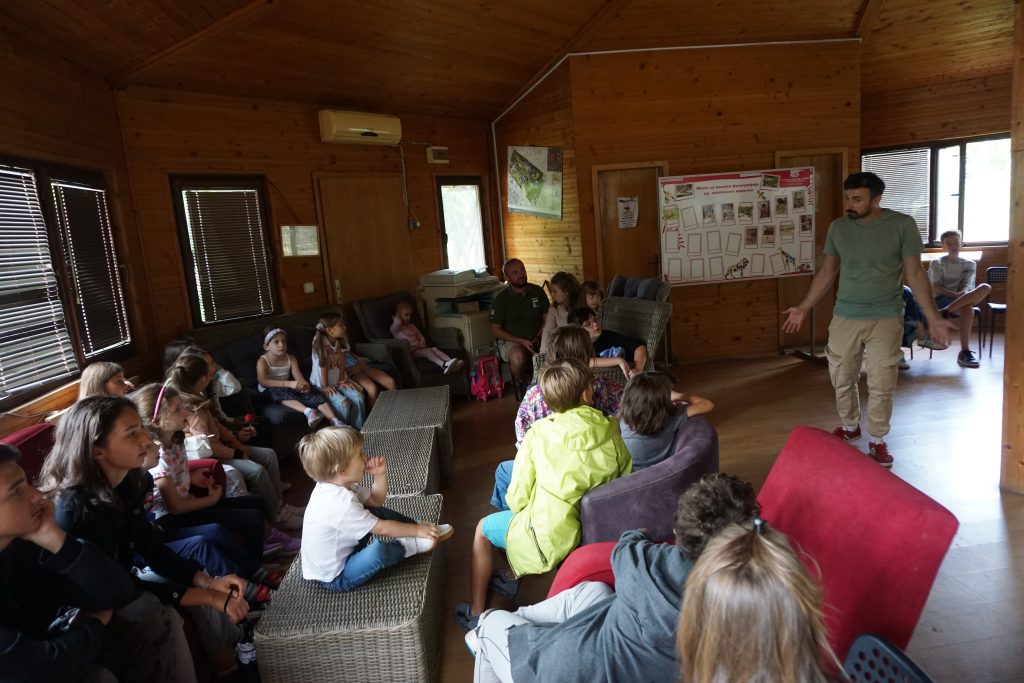
    For its members, MES held a children’s workshop on the theme “Balkan Lynx” at the Skopje Zoo. The workshop was attended by more than 20 children, along with their parents. The educational segment was led by Aleksandar Pavlov from MES and Aleksandar, the educator from the Zoo.

    The children showed great interest and prior knowledge about the Balkan lynx, which makes us especially happy.

    Below is a video and photos showing how we spent the day at the event.

  • The stork census has been completed

    The stork census has been completed


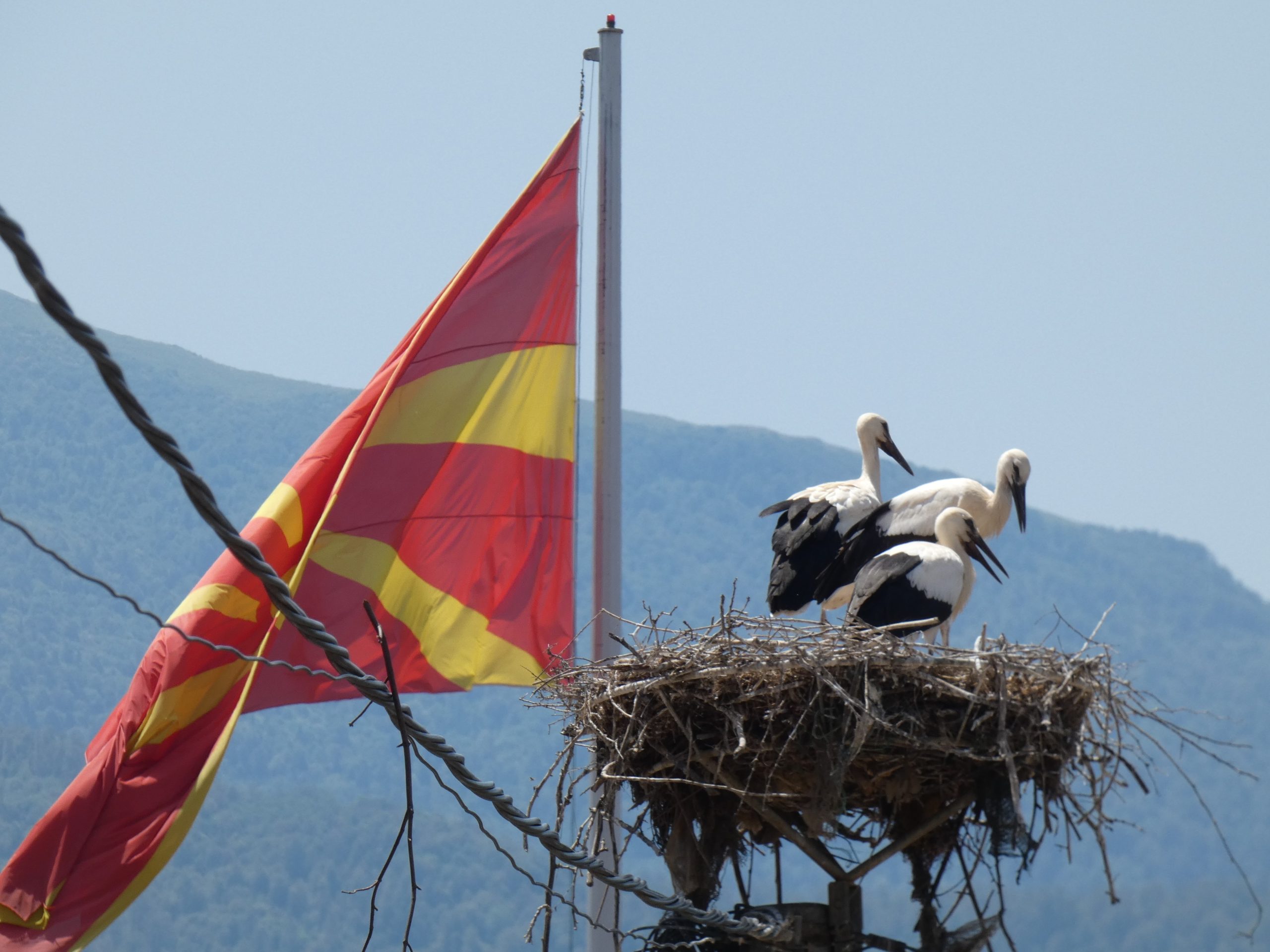
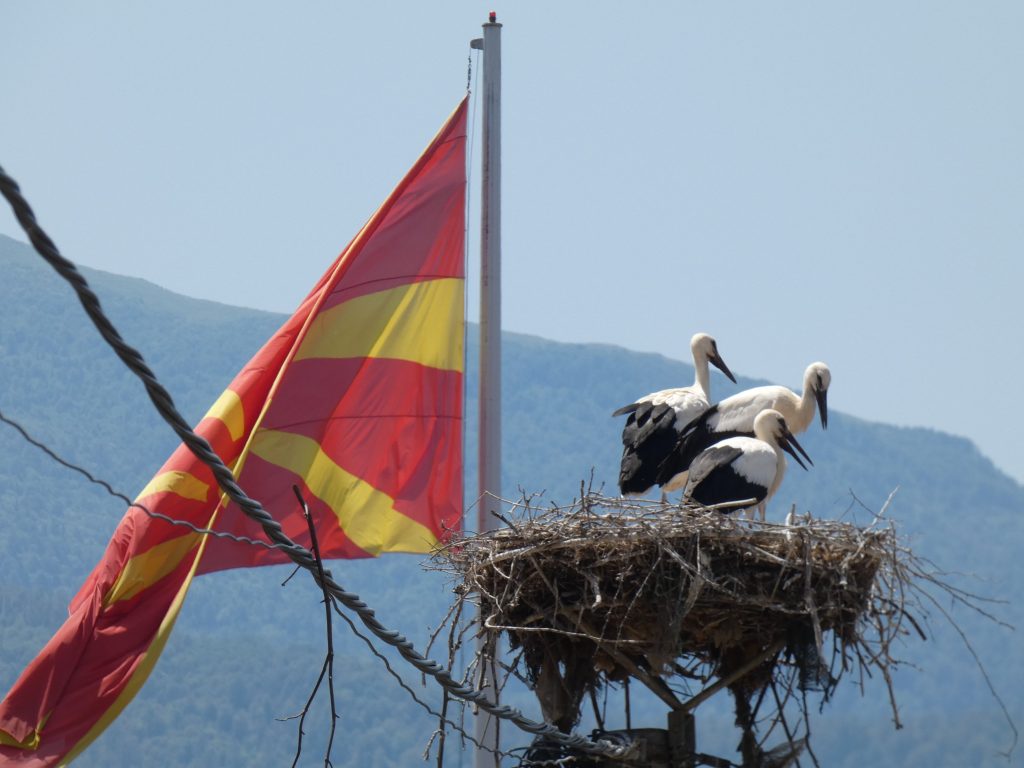
    The Macedonian Ecological Society conducted a nationwide stork census. This census was carried out as part of the 8th European Stork Census, which takes place every 10 years, and in Macedonia, it was conducted for the first time in 2014. The research in Macedonia involved over 15 members and volunteers from the Macedonian Ecological Society (MES), and a total of 1,765 stork nests were recorded (1,388 active nests and 389 inactive nests — nests where no young were raised, were used as sleeping nests for storks, or contained only one adult bird). The total number of stork chicks raised was 3,934.

    Storks mostly inhabit plains regions, and most nests are located in populated areas. The regions with the most stork nests are Pelagonia (541 nests) and Ovche Pole (326 nests). Corresponding to the number of nests, Pelagonia has the highest number of young storks, a total of 1,170, making it one of the most important regions for storks in Macedonia, followed by Ovche Pole and Kochansko Pole with 707 young birds, while Dolno Povardarie and Radovishko-Strumichka Kottlina also have high numbers of young, with 367 and 545 respectively. The three villages with the most stork nests are Stojakovo – 53 nests, Bogorodica – 45 nests, and Rosoman with 41 nests. Most nests are found on poles (around 76% of all nests), house roofs (18%), silos, and roofs and chimneys of factories, around 5%, while the fewest stork nests are located on trees — less than 0.2%.

    Compared to the stork census conducted in 2015, there is an increase in the stork population; the number of active nests has grown from 837 to 1,388, representing a 60% increase in the stork population in the country over 10 years. On the other hand, there were 49% more young storks raised this year compared to 2014 (1,964). The white stork population is growing across Europe. This increase in the number of white storks is due to the successful implementation of stork protection measures, reduced agricultural pressure, and climate change, which also plays an important role because storks now find food more easily in winter conditions, thereby shortening their migratory path.

    These results indicate the need for further protection and monitoring of storks in Macedonia, as well as the implementation of strategies to protect their habitats.

    MES will continue to monitor the status of storks and inform the public about the need to preserve our natural environment.

    Data on nest distribution and the number of young birds are available at www.ptici.mk.

  • 18 young people from Shar Mountain participated in training for rural tourism

    18 young people from Shar Mountain participated in training for rural tourism

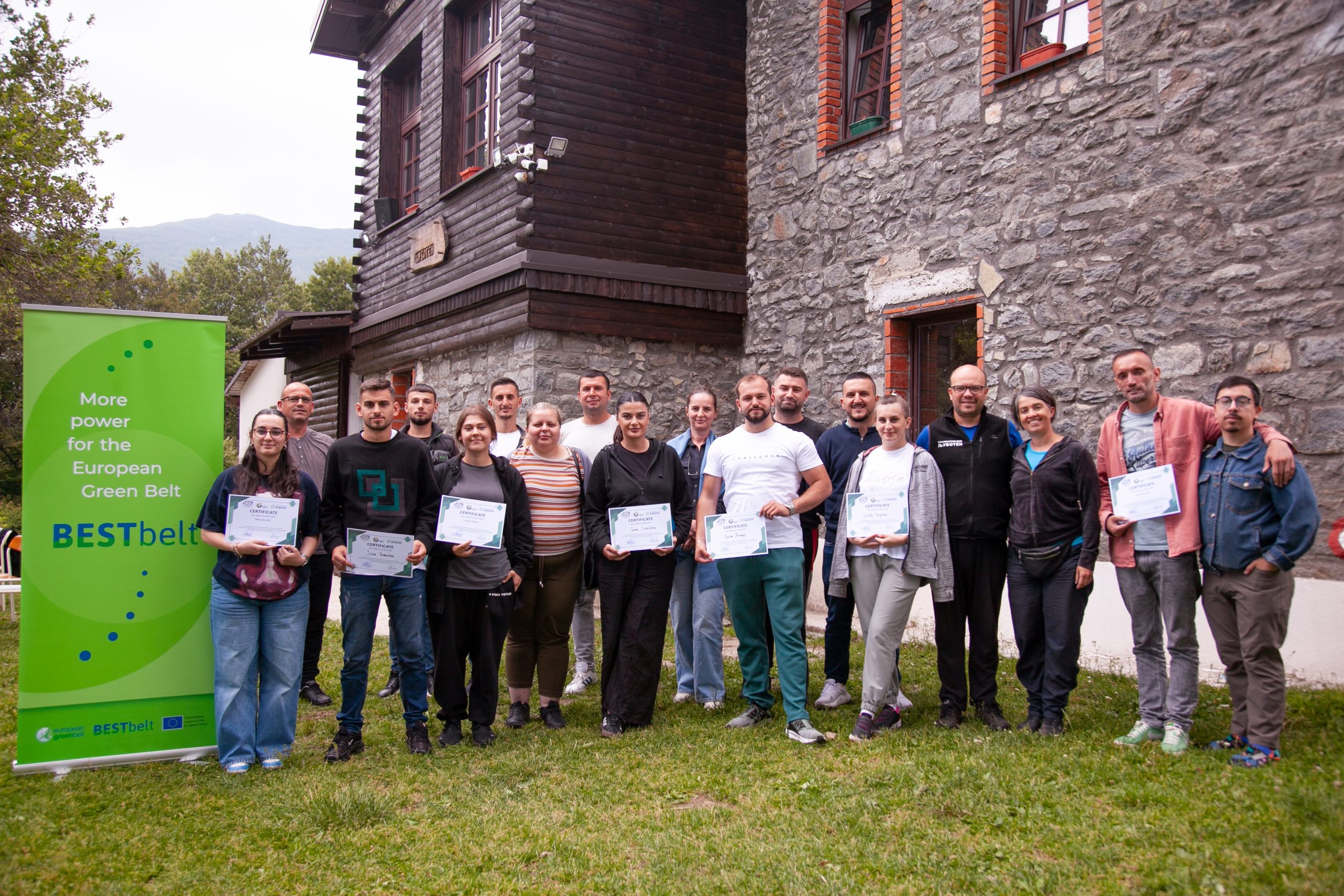
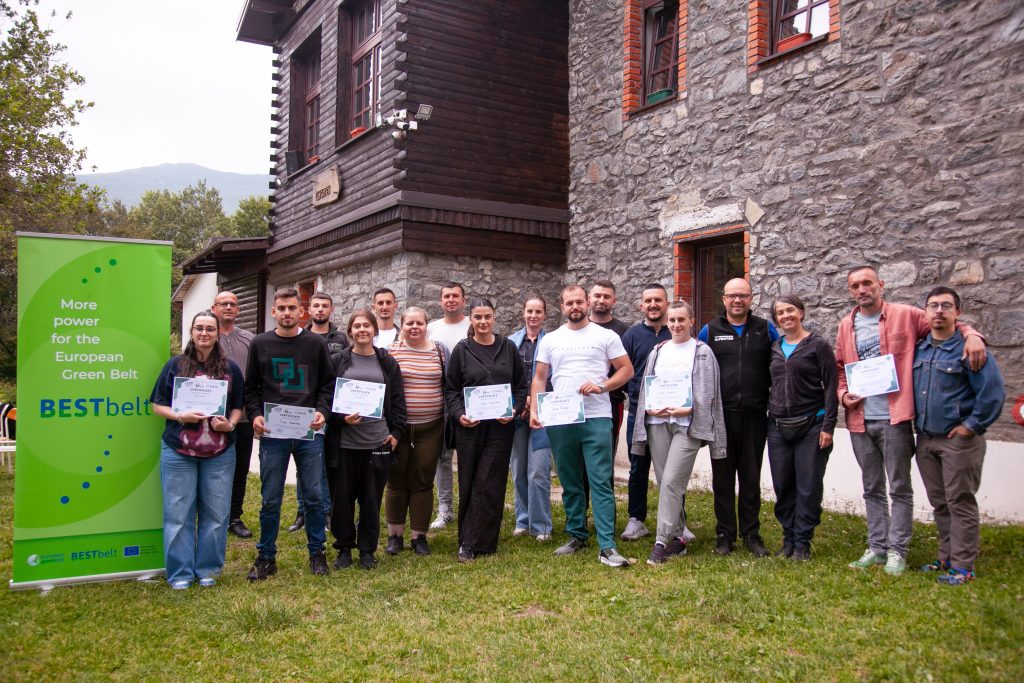
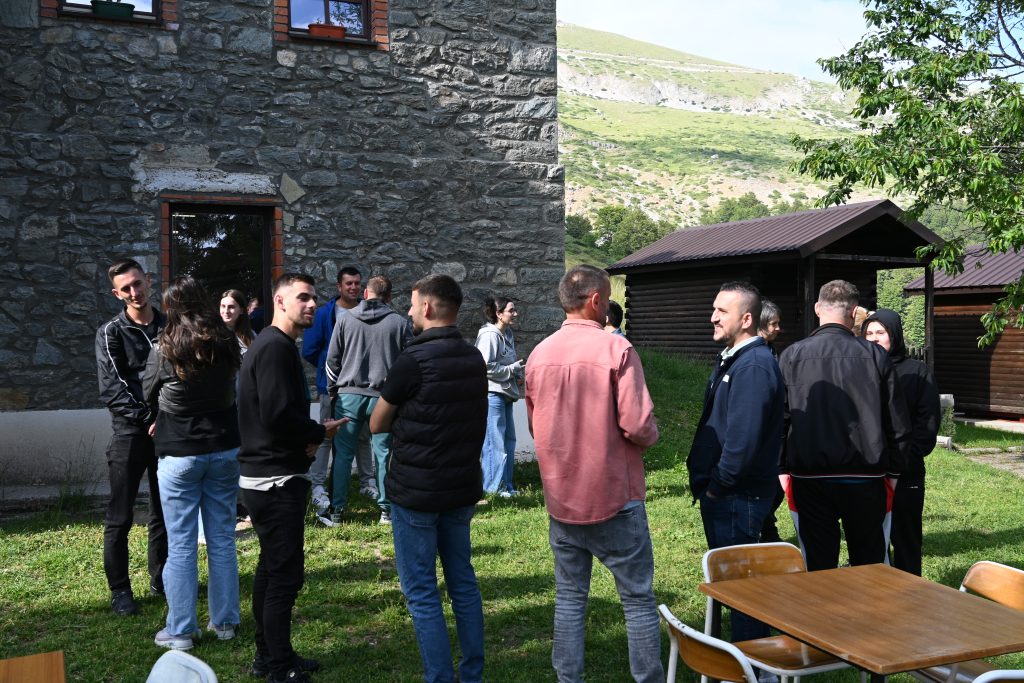
    In scope of the project “Empowering communities in the Shar Mt. region for sustainable management in North Macedonia and Kosovo a two-day training on “Rural Tourism of Shar Mountain and Development Potentials” was held on 4 and 5 July at the Ljuboten Mountain Hut on Shar Mountain. The training was organized by MES in cooperation with the Center for Education and Development and our partners from Kosovo “LAG Shari”.

    The aim of the training is to train young people from North Macedonia and Kosovo who are engaged or want to work in the field of rural tourism in a cross-border area.

    The training was attended by 18 participants from Shar Mountain from 6 municipalities. During the first module, the tourism expert Jovan Bozinoski and president of the Mountaineering Club “Ljuboten” introduced the participants to the types of tourism in the Shar Mountain, challenges for the development of rural tourism and the “High Scardus” trail.

    As part of the training program, a study trip and a second module will be held in Macedonia and Kosovo in August. Trainings on rural tourism are only part of the activities of the project, which is supported by the European Union’s BestBelt program and whose main goal is to increase the capacities of young people and local population in 8 municipalities in Macedonia and Kosovo as part of the Balkan Green Belt.

  • Historic win for EU’s nature: EU Council seals the deal on Nature Restoration Law

    Historic win for EU’s nature: EU Council seals the deal on Nature Restoration Law


    Аfter a nail-biting last discussion, the EU Environmental Council finally adopted the Nature Restoration Law (NRL), marking the last step for this long-awaited proposal to finally become law. This outcome is a huge win for Europe’s nature, climate action, citizens and future.

    Member States followed through with their commitments and with a majority of 20 countries, representing 66.07% of the population, the law was officially endorsed, thanks to Austria’s Environment Minister Leonore Gewessler stepping up at the last minute, changing the country’s previous stance and safeguarding the law.

    The #RestoreNature coalition, consisting of BirdLife Europe, ClientEarth, EEB and WWF EU, says: “Today’s vote is a massive victory for Europe’s nature and citizens who have been long calling for immediate action to tackle nature’s alarming decline. After years of intense campaigning and many ups and downs, we are jubilant that this law is now reality – this day will go down in history as a turning point for nature and society. Now, we need all hands on deck: Member States must properly implement this legislation without delay in their countries, in close collaboration with all involved stakeholders. At the end of the day, nature can rebounce, for the benefit of our climate, biodiversity and people!”

    The law has faced one of the most tumultuous journeys in the history of EU legislation. After surviving an unprecedented and absurd disinformation campaign, aiming to destroy the NRL in the European Parliament, it faced the risk of being rejected at the very last step in the Environment Council. In the end, however, support for the law carried the day.
    This is also a timely outcome to present at the upcoming UN Biodiversity Conference (CBD COP16) later this year, showing that Europe is willing to lead the way in tackling the climate and biodiversity crises by owning up to its global commitments. It is also a very clear message to the new EU Parliament and Commission, to not forget to keep biodiversity at the forefront of their agenda.
    This result followed a massive public mobilisation. Over the past few years, over a million signatures and messages from citizens, repeated calls from 6000+ scientists, 100+ businesses, youth organisations, and civil society from across numerous sectors have been made to defend the law and the integrity of the EU Green Deal. As the #RestoreNature coalition, we want to thank anyone who contributed to this result and made it happen.

    Source: Birdlife.

  • Strengthening Conservation Efforts: BirdLife Partners in the Caucasus and Western Balkans Gather in Sofia

    Strengthening Conservation Efforts: BirdLife Partners in the Caucasus and Western Balkans Gather in Sofia


    The Evidence-based Conservation (EBC) Workshop took place in Sofia, Bulgaria, from June 3 to 6, 2024. The RENATE programme initiated and funded the event, which was hosted by BSPB / BirdLife Bulgaria. RENATE (Recovering Nature in the East) aims to strengthen BirdLife Partners in Eastern Europe and Central Asia, enhancing BirdLife International’s collective impact to protect and restore landscapes across these regions.

    The Workshop saw active participation from 12 trainees representing SABUKO / BirdLife Georgia, FPWC / BirdLife Armenia, Doga / BirdLife Turkey, PPNEA / BirdLife Albania, MES / BirdLife North Macedonia and CZIP / BirdLife Montenegro. The event was facilitated by RENATE consultants and coordinator, with experts from BSPB sharing their extensive experience in evidence-based conservation. The trainees were actively involved in the discussions, covering topics from development research questions and planning survey designs to setting indicator species and monitoring schemes, data storage, analysis, interpretation, and finally, publishing results and integrating findings into conservation policy.

    The Workshop also served as a platform to test and launch the Self-assessment EBC Toolkit, which is expected to be finalised by the end of this year under the RENATE II programme.

    Additionally, the EBC Workshop provided a valuable opportunity for participants and organisations to exchange experiences, ideas and network.

    Source: BSPB.