Category: News

  • The Macedonian Ecological Society as part of the European Union Visitors Programme

    The Macedonian Ecological Society as part of the European Union Visitors Programme

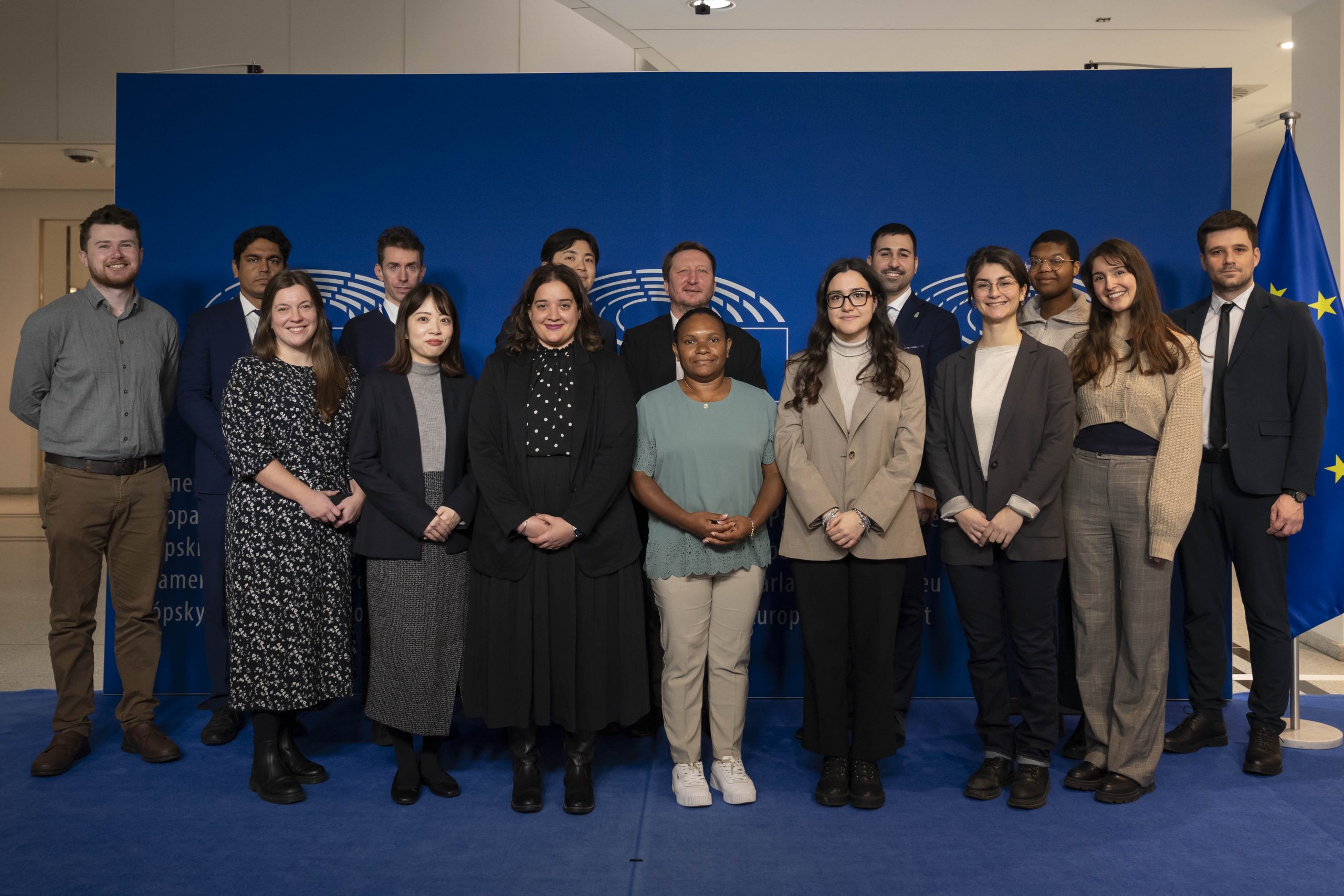
    Last week, Arta Starova, along with other participants from India, Japan, Serbia, and Papua New Guinea, took part in the European Union Visitors Programme (EUVP) in Brussels. The visit consisted of an individual five-day programme of meetings with various representatives from EU institutions. The main topics of Arta’s visit were environmental crime, corruption, and sustainable management of natural resources.

    From an environmental perspective, meetings were held with representatives from the Directorate-General for Environment, a member of the Cabinet of the European Commissioner for Environment, Ms. Jessica Rosvol, who focuses on environment, water resilience, and a competitive circular economy, as well as members of the European Free Alliance. Additionally, Arta met with the assistant of MEP Mr. Vigenin, who is a member of the European Parliament’s Committee on Environment, Public Health and Food Safety, among other committees and delegations. The revised Environmental Crime Directive (2024/1203) was discussed, which includes more specific measures to combat these criminal activities, such as the use of special investigative measures for more serious environmental crimes. Furthermore, alongside other key environmental topics, the main priorities for the upcoming period include sustainable water and waste management.

    Moreover, a meeting with the Directorate-General for Parliamentary Research Services provided a detailed overview of the process of proposing amendments or additions to existing EU legislation by the Commission, the implementation of analyses, and the eventual adoption of the proposal. It is crucial to understand the role of conflicting political wills throughout this process. High-quality research is essential for credible arguments, and this was a topic of discussion during the meeting with representatives from the Directorate-General for Innovation and Research, the sector responsible for implementing the Horizon Europe research and innovation programme.

    Globally, corruption is one of the main drivers of environmental crime, and in many countries, including ours, it poses a significant obstacle to the development of key areas such as environmental justice and human rights. During meetings with one of the corruption experts from the Directorate-General for Migration and Home Affairs, as well as with the international non-governmental organisation Transparency International, current trends in corruption in EU member states were discussed, along with opportunities for the non-governmental sector to report cases and work more on this issue. The difficulty in defining and proving corruption often hinders direct efforts to combat it, but it affects everyone and should be addressed as a critical element in the fight for enhanced environmental protection.

    Meetings with representatives from the Directorate-General for External Relations and the Directorate-General for Neighbourhood and Enlargement Negotiations provided a detailed overview of North Macedonia’s progress in terms of its representation within the EU family. In addition to current debates, priority and relevant topics for the upcoming period in the Western Balkans were discussed.

    Online meetings with representatives from the Environmental Crime Unit at Europol and the European Network of Prosecutors for the Environment (ENPE) opened discussions on the crucial role of police and public prosecutors in investigating environmental crimes, as well as opportunities to strengthen their capacities at the national level in a country like North Macedonia. Furthermore, meetings were held with organisations working on public policies related to nature conservation, such as the BirdLife Europe and Central Asia office, EuroNatur, and the World Wide Fund for Nature (WWF). From a transition perspective, the role of the non-governmental sector is vital in supporting public institutions, which often express a lack of capacity to implement key measures in the field of environmental protection and basic human rights.

    “Of course, as a candidate country, we have an obligation to align our laws with the requirements of the EU and internationally ratified conventions. However, beyond this, it is important to understand that we need to improve our legislation for the benefit of our country – regardless of whether it means EU membership or not,” stated Arta Starova, coordinator of BalkanDetox LIFE.

    In addition to the meetings, several key sites and locations were visited, including the European Parliament and its plenary session hall, as well as the Europa Building, which the European Council shares with the Council of the European Union. The programme was a unique opportunity to learn more about EU policies and institutions, as well as to build capacities that will contribute to advancing our country towards the operational methods of EU member states.
  • Results of the Winter Census of Waterbirds

    Results of the Winter Census of Waterbirds

    On the weekend of January 18-19, 2025, MES conducted the waterbird census for the 16th time at the three natural lakes in our country, as well as several smaller reservoirs. The census was carried out with the participation of MED employees and volunteers, along with representatives from relevant institutions responsible for managing protected areas at some of the sites.

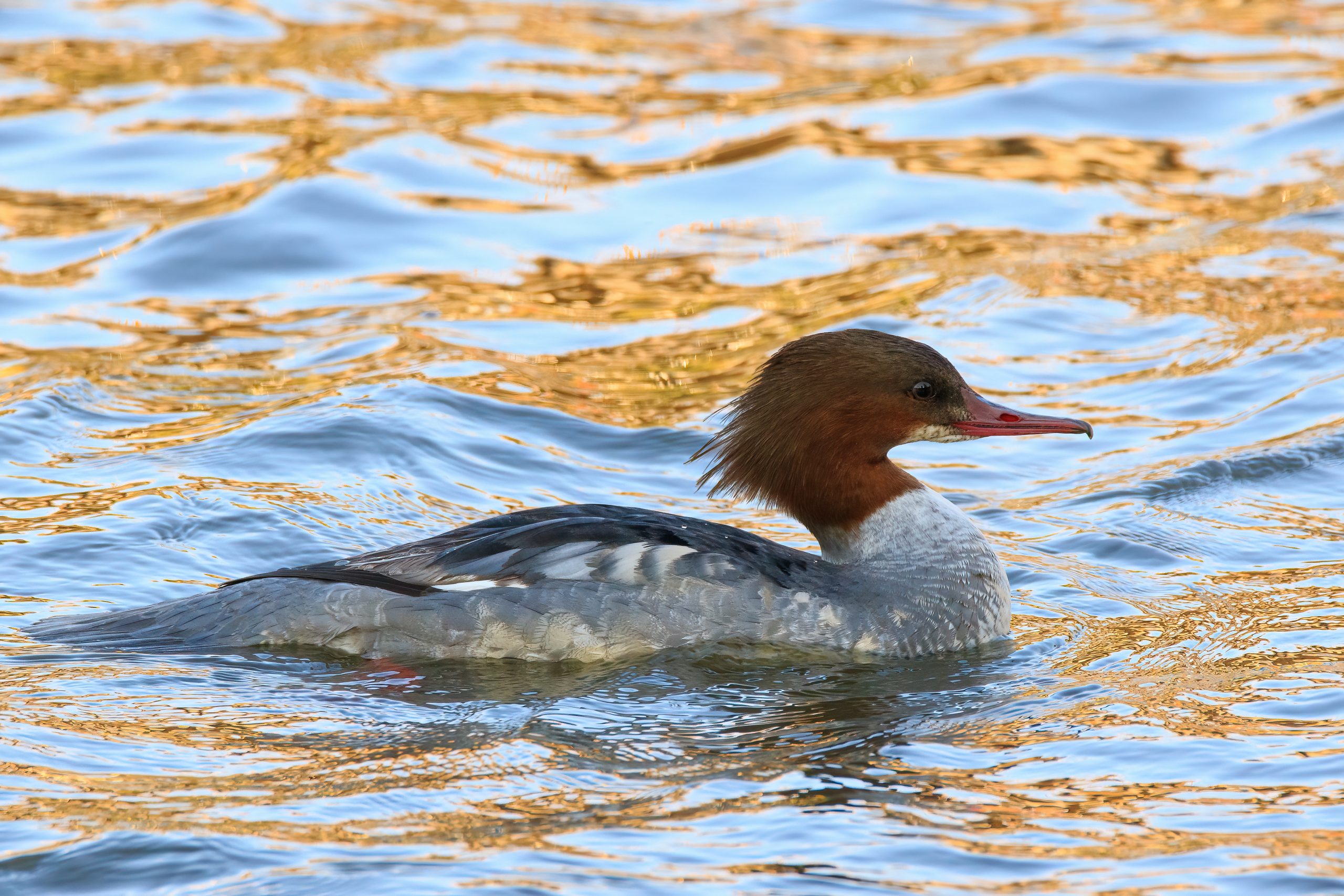
    Despite the snow cover, the teams conducting the census achieved excellent results, counting approximately 27,000 birds at Lake Ohrid, 10,000 birds at Lake Prespa, and around 4,000 birds at Lake Dojran. An additional 2,400 individual birds of various species were recorded across the remaining 10 locations.

    The bird population at Lake Ohrid was particularly satisfactory, while at Lake Prespa, the numbers were lower but still better than in the past three years. However, at Lake Dojran, the count was lower than expected based on the average for this location since MES began conducting the census. One of the reasons for the low number of waterbirds at Lake Dojran this year was poaching along the lake’s shoreline, involving the use of decoys or calls designed to attract waterbirds, which is not permitted under national laws and international agreements. MES has contacted the relevant authorities, providing all necessary information and evidence on the case to address such incidents and prevent them in the future.

    The winter waterbird census is the largest and longest-running volunteer bird-counting initiative in the world, with a tradition dating back to 1967. Led by Wetlands International and in collaboration with numerous local organizations, this event has become a key source of information essential for shaping policies related to the management and protection of wetland habitats. MES has been a national partner in this initiative since 2010, conducting the census at the national level ever since.

  • Exhibition and Lecture: “Amphibians and Reptiles”

    Exhibition and Lecture: “Amphibians and Reptiles”

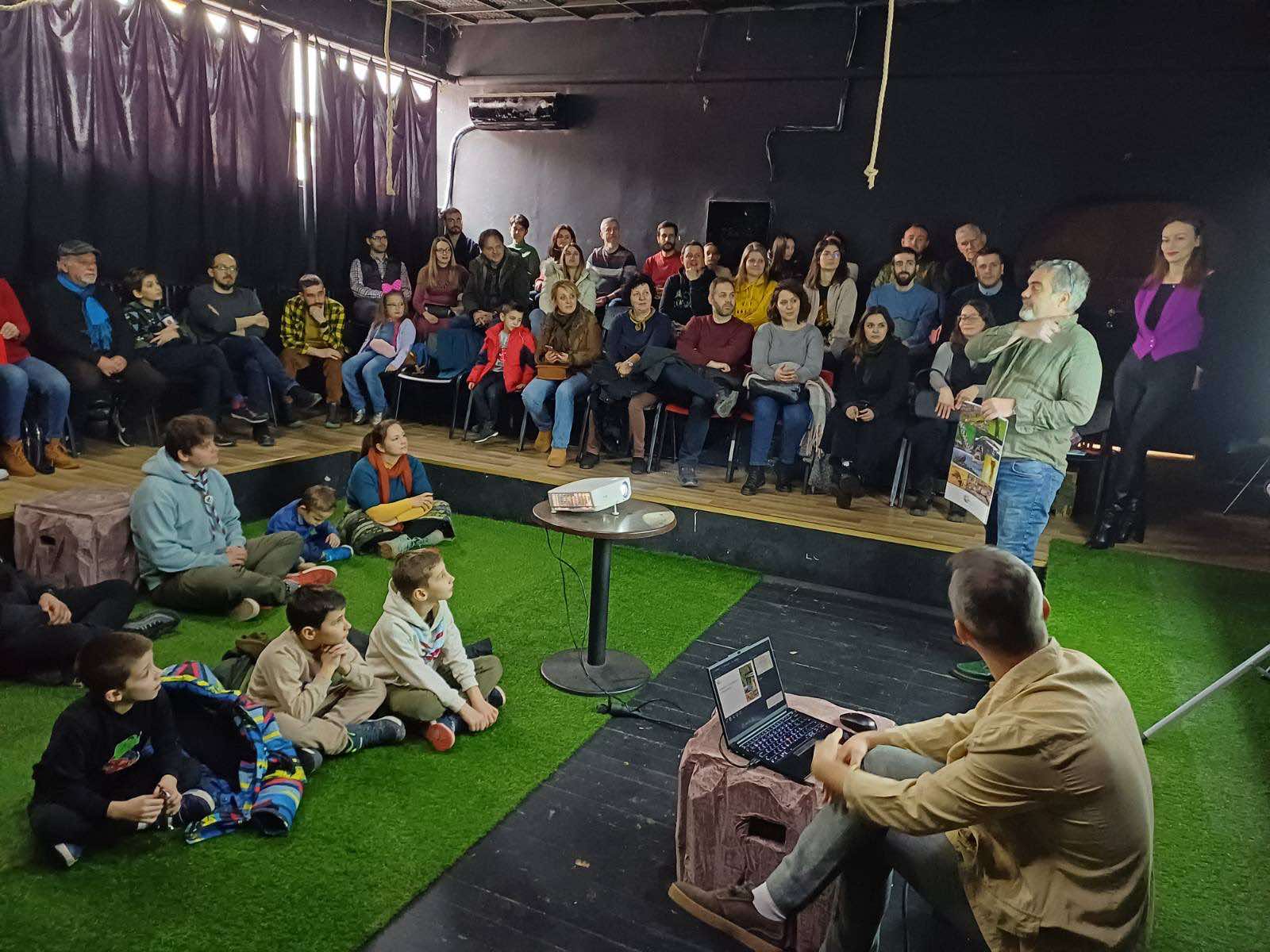
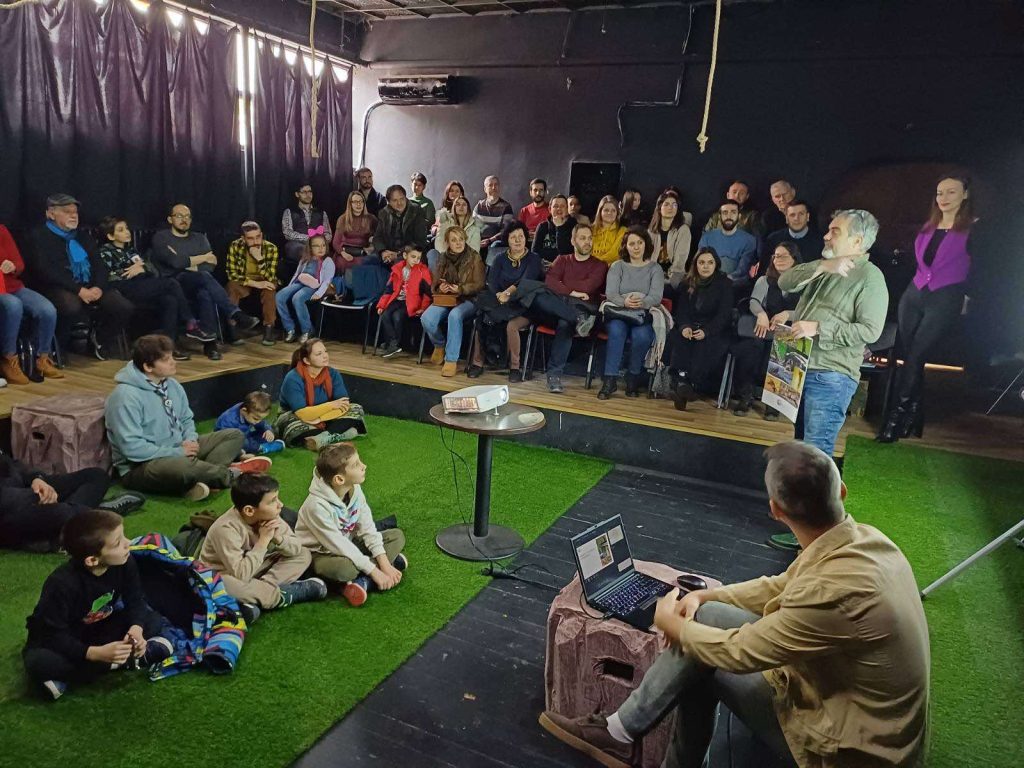
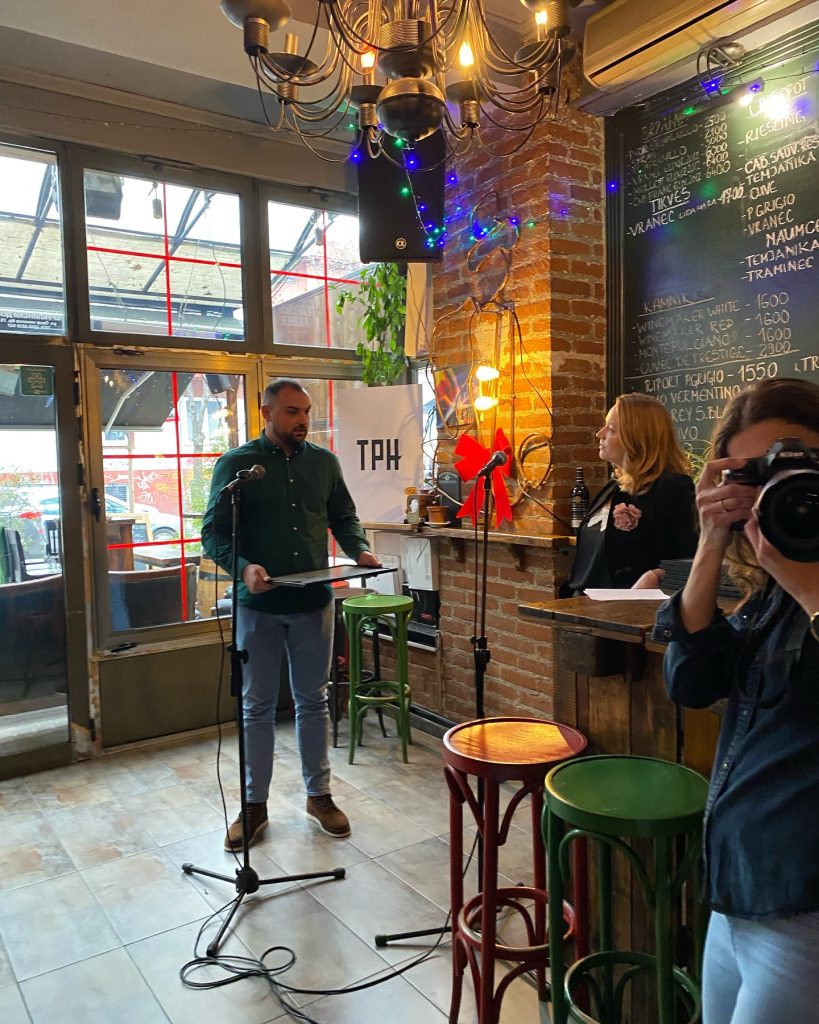
    The Macedonian Ecological Society held a lecture and opened an exhibition on January 25, 2025, on the theme “Native Amphibian and Reptile Species in Macedonia.”

    The lecture was delivered by herpetologist Dr. Dragan Arsovski, and awards were presented to the authors of the winning photographs from the photo competition organized by MES last year.

    In addition to Arsovski, the audience also heard from Darko Spasov, Director of the Comedy Theatre, and Iskra Manojloska from MES.

    We are thrilled with the great interest in the event and the wonderful audience, which inspires us to consider themes for future events we will organize.

    For those who couldn’t attend the event but wish to view the exhibition photographs, they will be on display for the next three weeks at the Comedy Theatre.

  • Educational Event on Bird Feeders

    Educational Event on Bird Feeders


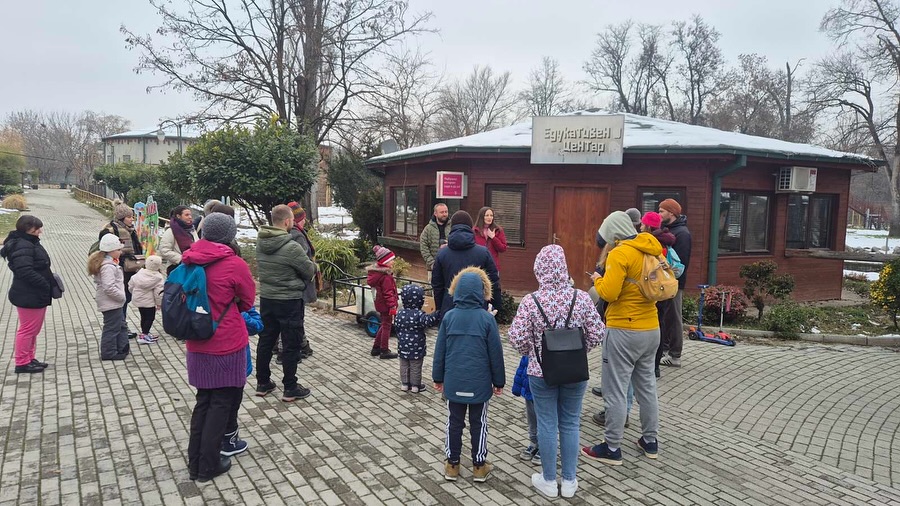
    The Macedonian Ecological Society, in collaboration with the Skopje Zoo, held an educational event on bird feeders on January 19, 2025. Iskra Manojloska from MES and Vojo Ivanov from Skopje Zoo conducted a brief training session for attendees on how to help birds better survive the winter in urban areas.

    Participants at the event received bird feeders, which they could place on their balconies and in their yards.

    As part of the event, visitors had the opportunity to observe one of the penguins’ daily feedings at the Zoo. Additionally, Zoo caregivers introduced the audience to the newest penguin chick, which hatched last month.

    The audience followed the event with great interest, showing enthusiasm for the topic, and the educators were available to answer all their questions.

  • MES Wins the “Green Thorn” Award

    MES Wins the “Green Thorn” Award

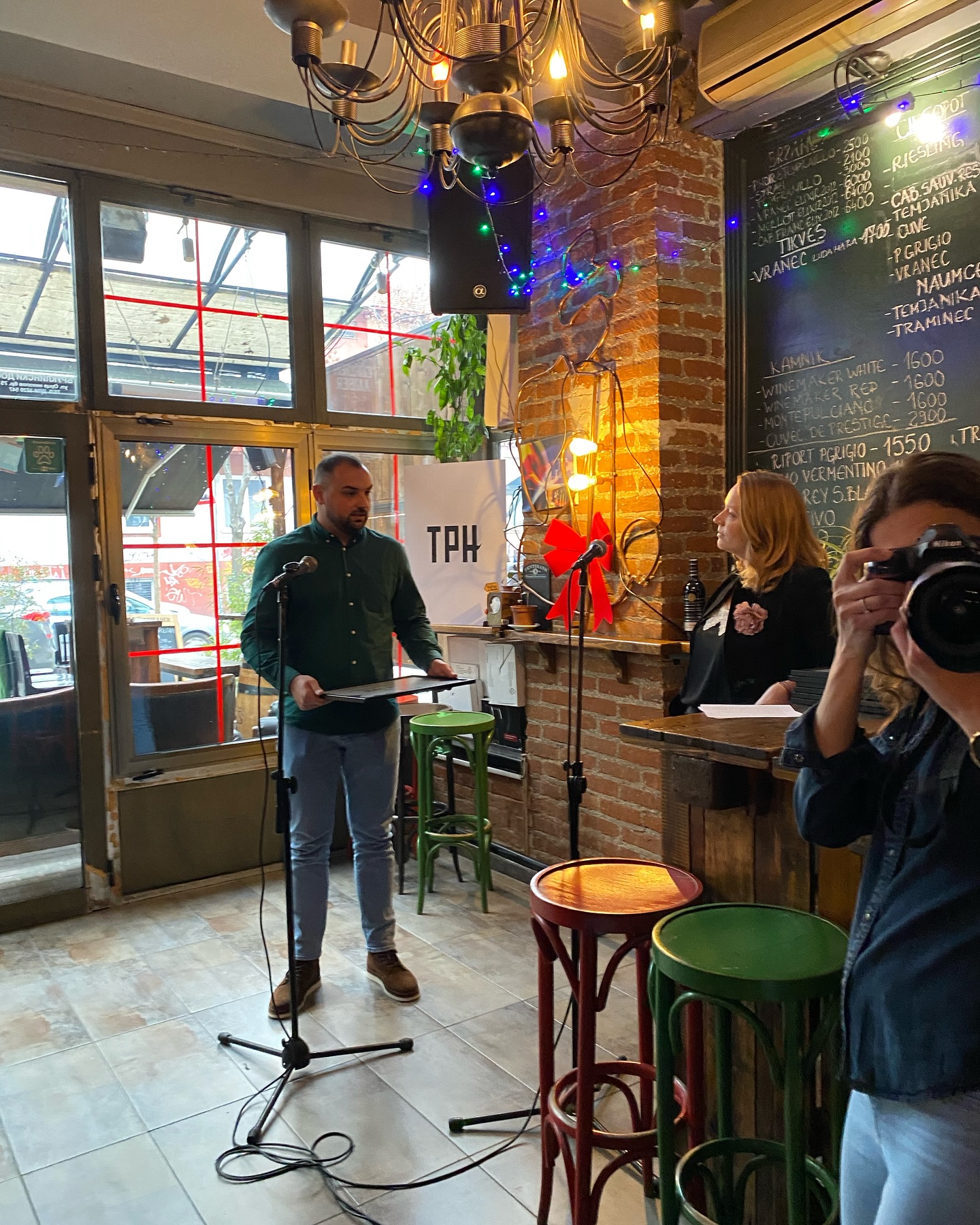
    The Macedonian Ecological Society, thanks to its stork census initiative, has received the “Green Thorn” award from the online portal Trn.mk for the best green initiative of 2024.

    Among the winners in other categories were prominent companies and civic initiatives recognized for their exceptional commitment to social responsibility through their work and activities.

    The award on behalf of the Macedonian Ecological Society (MES) was accepted by ornithologist Slave Nakev, who led this year’s stork census.

    The Macedonian Ecological Society conducted a nationwide stork census as part of the 8th European Stork Census, which takes place every ten years. In Macedonia, this census was first implemented in 2014. During the research, over 15 MES members and volunteers participated, recording a total of 1,765 stork nests (1,388 active nests and 377 inactive nests—defined as nests where no young storks were raised, those used for stork roosting, or nests with only one adult bird). The total number of hatched stork chicks was 3,934.

  • Strategic Planning for Shar-Korab-Koritnik Region held in Prizren, Kosovo

    Strategic Planning for Shar-Korab-Koritnik Region held in Prizren, Kosovo

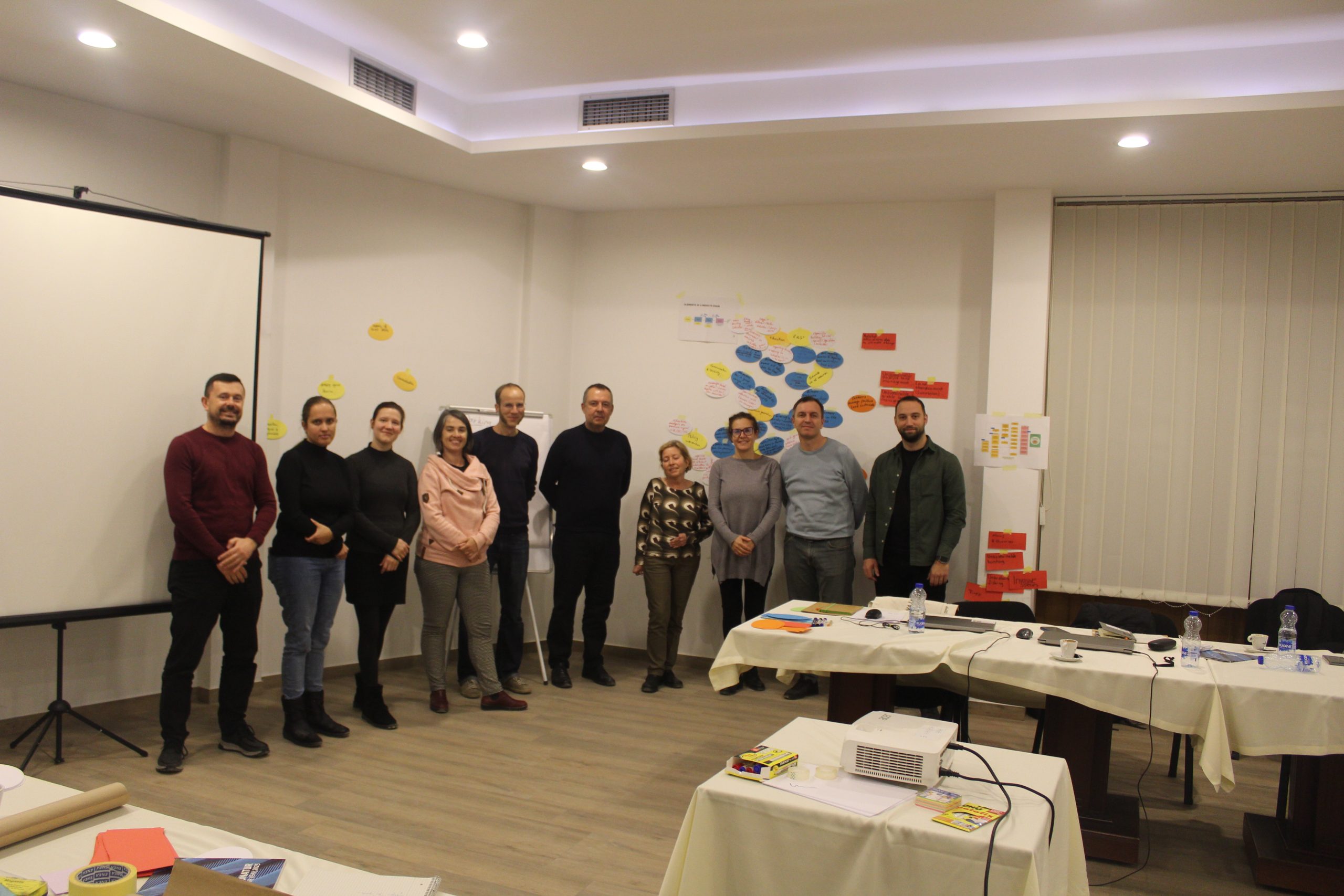
    On November 20-21, we were part of a strategic planning workshop held in Prizren, Kosovo. The aim of the workshop was to discuss the future steps for sustainable development and environmental protection in the Shar-Korab-Koritnik region. The meeting focused on defining the next project scope and key topics, with an emphasis on sustainability and biodiversity conservation.

    One of the highlights of the workshop was the sharing of results from the model projects, which has been implemented over the past three years in the region. The model project focused on key areas such as tourism, agriculture, and cultivation, provided valuable insights into what has been achieved and what lessons can be applied moving forward.

    The partners discussed the positive impact of the model projects in fostering sustainable livelihoods, enhancing local agricultural practices, and boosting eco-tourism in the region, while minimizing negative environmental impacts.

    Participants of the strategic planning were representatives of PPNEA, Protection and Preservation of Natural Environment in Albania, CNVP Kosovo, MES, Macedonian Ecological Society, and     Euronatur Foundation, Germany.

    The workshop not only helped to define the next steps for the region’s development but also reinforced the importance of sharing knowledge, lessons, and successes from past projects. Moving forward, these insights will serve as a strong foundation for future initiatives aimed at enhancing the region’s sustainable growth while protecting its unique environmental and cultural heritage.

  • The Language of Wolves

    The Language of Wolves

    Wolves, in the past, were predominantly spread across the Northern Hemisphere and adapted to a wide range of ecosystems. Today, their numbers in these areas have significantly decreased due to several reasons: the reduction of wild habitats (lack of prey for food), governmental policies from the previous century (hunting aimed at eradicating wolves), current wolf protection policies that vary from country to country, and the lack of awareness among people about wolves, which often creates fear of them.

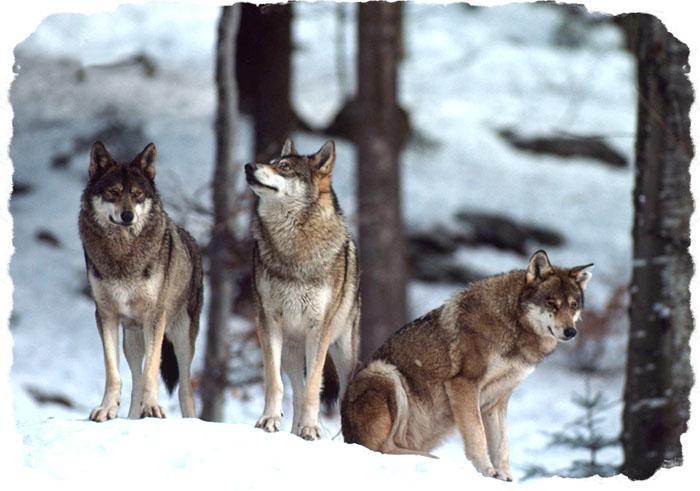
    Wolves use three distinct languages for communication: sound (howling, barking, and growling), specific scents (urine and pheromones), and body language (body postures, movements, and facial expressions).

    When we hear a wolf howling at night, it is not howling at the moon; this is how wolves communicate with each other. They do this throughout the day, but it is most clearly heard at night due to the silence and their increased nocturnal activity. This form of communication allows wolves to connect over long distances and locate one another. Defensive howling is used to keep the pack together and to deter potential threats, especially to their pups. Barking serves as a warning. A mother may bark at her pups when sensing danger or use a bark-howling combination to display aggression in defense of the pack or territory.

    Wolves have a highly developed sense of smell, 100 times more sensitive than that of humans. They mark their territory with urine, a behavior known as scent marking. When wolves outside the pack detect this scent, they recognize that the area is already claimed by another pack. Members of a pack can also use this to identify one another, which is helpful when a pack member gets lost. Dominant wolves mark the territory as frequently as every two minutes. Wolves also communicate using chemical signals – pheromones. Pheromone sources include glands in the paws, tail, eyes, anus, genitals, and skin. For instance, a male can detect if a female is in estrus through the pheromones in her urine and will only attempt to mate with her during this period. Naturally, their keen sense of smell alerts them to the presence of enemies or food nearby.

    Wolves most commonly communicate through body language. When angry, they hold their ears upright and show their teeth. A wolf that is suspicious of another’s behavior pulls its ears back and squints. They also express fear by pulling their ears back. A playful wolf bows with its front legs and jumps in circles.

    Wolves use specific movements to establish hierarchy within the pack. The primary rule is that the pack consists of leaders and followers. Leaders are usually the parents of the other pack members and are typically the oldest, largest, strongest, and most intelligent wolves in the pack. The dominant pair is responsible for the pack. To display dominance, they hold their tails high and stand tall, while followers show submission by lowering their tails and crouching close to the ground in the presence of the dominant wolf. Active submission is often demonstrated by pups, who crawl, lick the muzzle, and tuck their tails to show inferiority. Passive submission is shown by followers lying on the ground, turned sideways or on their back. If two wolves disagree, they exhibit this through growling and baring their teeth to appear as threatening as possible. Usually, the less dominant wolf concedes before a fight begins and rolls onto its back to accept the authority of the dominant wolf.

    In the wild, wolves have three main needs for survival: an adequate population and density of prey as a food source, large enough habitats to accommodate both wolves and their prey, and human tolerance. The first two requirements are relatively straightforward. The last condition is much more complex. Tolerance does not mean that everyone must love wolves, but that people should accept their existence and allow them to live. Human tolerance has the greatest influence on the survival of wolf populations.

    Written by: Ivana Trajkoska and Maja Jordanova

  • National Workshop on Sustainable Forest Management

    National Workshop on Sustainable Forest Management

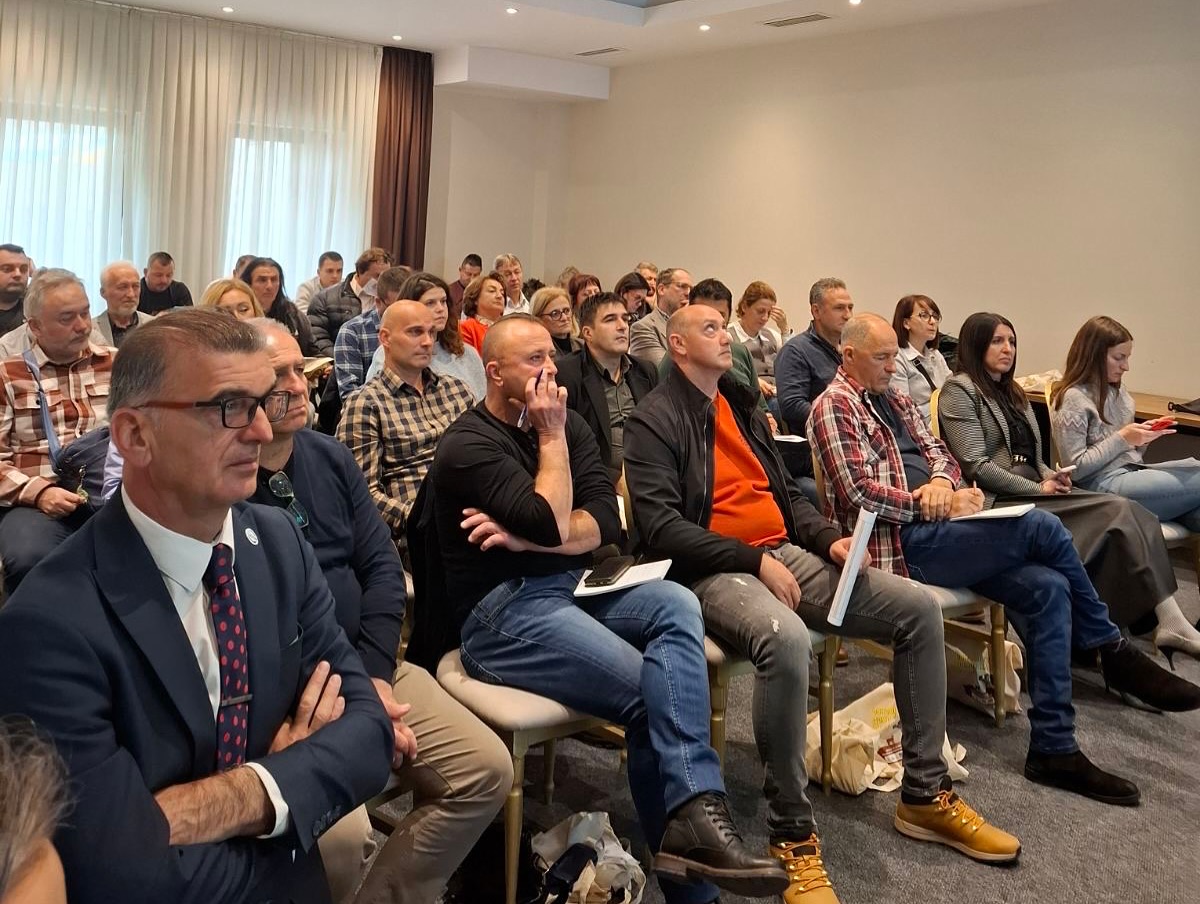
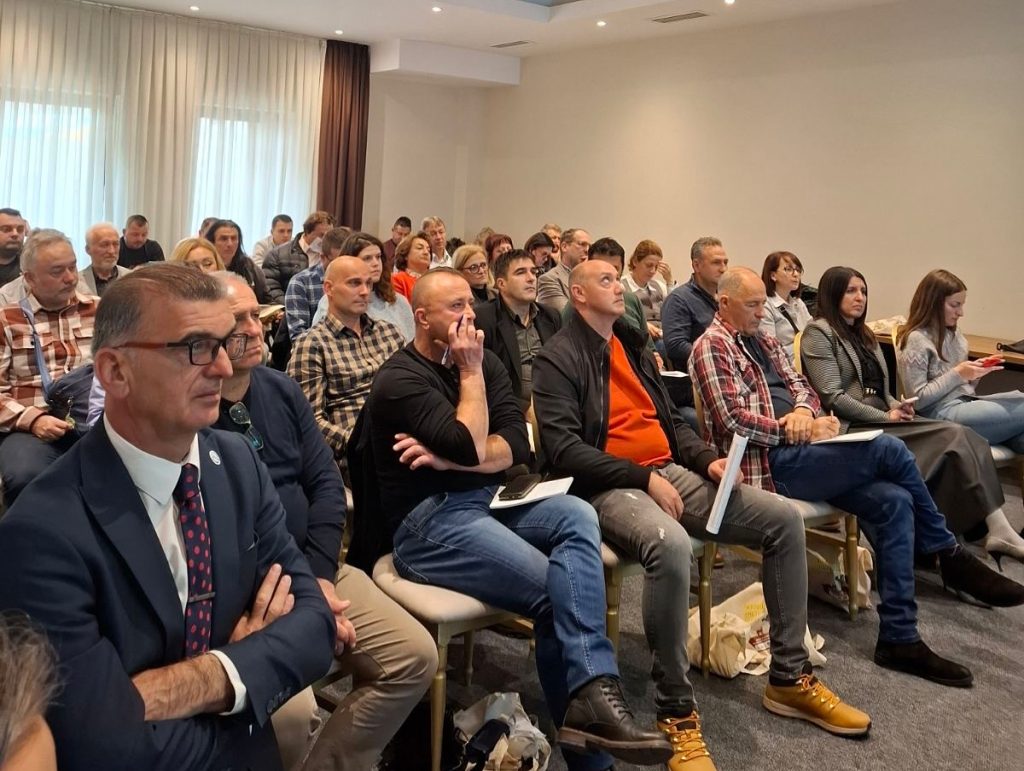
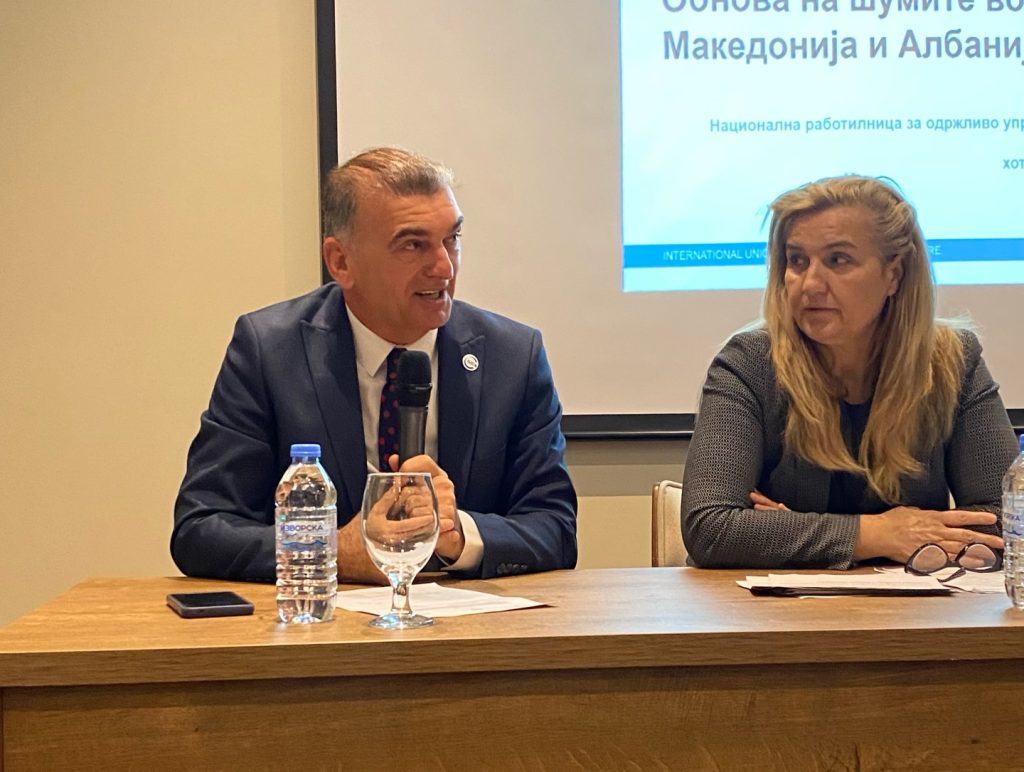
    The Macedonian Ecological Society, in collaboration with the International Union for Conservation of Nature (IUCN), organized a two-day national workshop on sustainable forest management.

    The workshop was attended by nearly 50 participants who had the opportunity to follow presentations from speakers and exchange their views on the topic.

    The Director of the IUCN Regional Office, Oliver Avramovski, highlighted the workshop as a chance to enhance communication and collaboration among stakeholders from various sectors. He referred to protected areas as the cornerstone of nature conservation. Avramovski emphasized that one of the goals of the global framework for biodiversity is to ensure that 30% of terrestrial and marine ecosystems are designated as protected areas and that Macedonia, as a signatory of the declaration, should strive toward achieving this goal.

    The State Secretary from the Ministry of Agriculture, Forestry, and Water Economy, Daniela Irotova Lazareva, underscored the importance of sustainable forest management. She noted that the Ministry has signed several memorandums on sustainable forest management and is continuously working on devising new measures aimed at forest restoration and the rehabilitation of fire-damaged forests.

    Professor Nikolcho Velkovski from the Faculty of Forestry in Skopje presented the current state of forests in Macedonia. Most of the forests are deciduous, comprising 59%, with the remainder being mixed and coniferous forests. Coniferous forests are the most endangered, partly due to unfavorable climatic conditions. He stated that 40% of the country’s territory is covered by forests, a figure higher than in EU countries and even Switzerland. However, a significant portion of these forests are degraded or in a state of degradation. Only 30% of the country’s forests are high-stemmed, while 70% are low-stemmed and degraded, with low biological diversity and limited potential for regeneration.

    This event was organized as part of the project “Northern Forests Initiative – Restoring Forests in Macedonia and Albania,” which is being implemented in collaboration with PPNEA from Albania and the IUCN Regional Office for Eastern Europe and Central Asia. The project is fully supported by the Swedish Postal Foundation.

  • The Macedonian Ecological Society held a lecture on the topic of the Sixth Mass Extinction

    The Macedonian Ecological Society held a lecture on the topic of the Sixth Mass Extinction


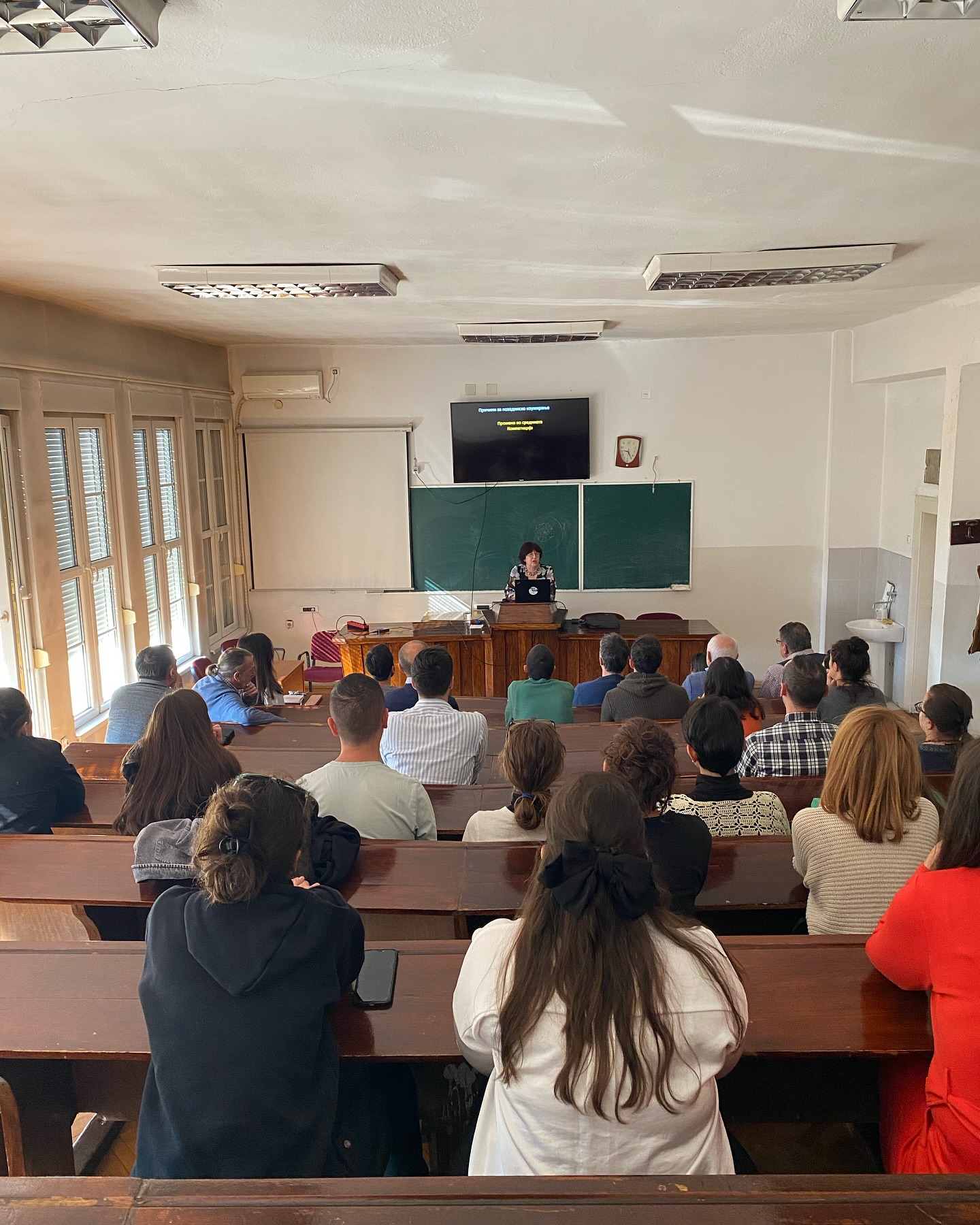
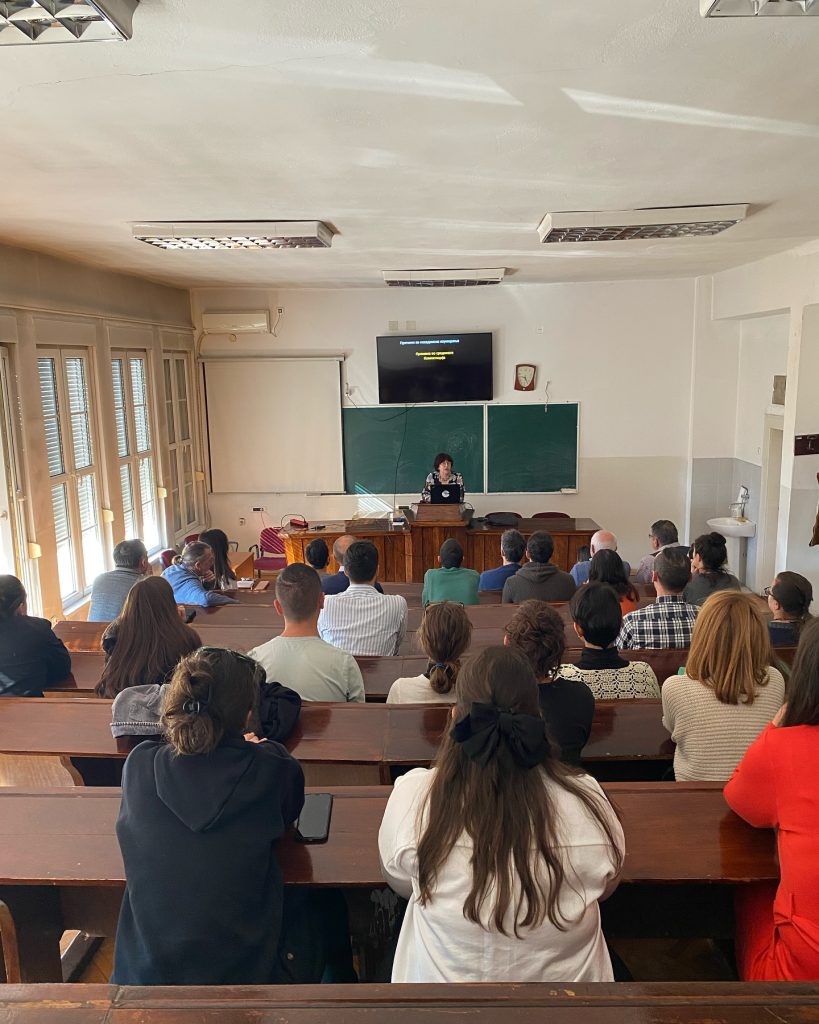
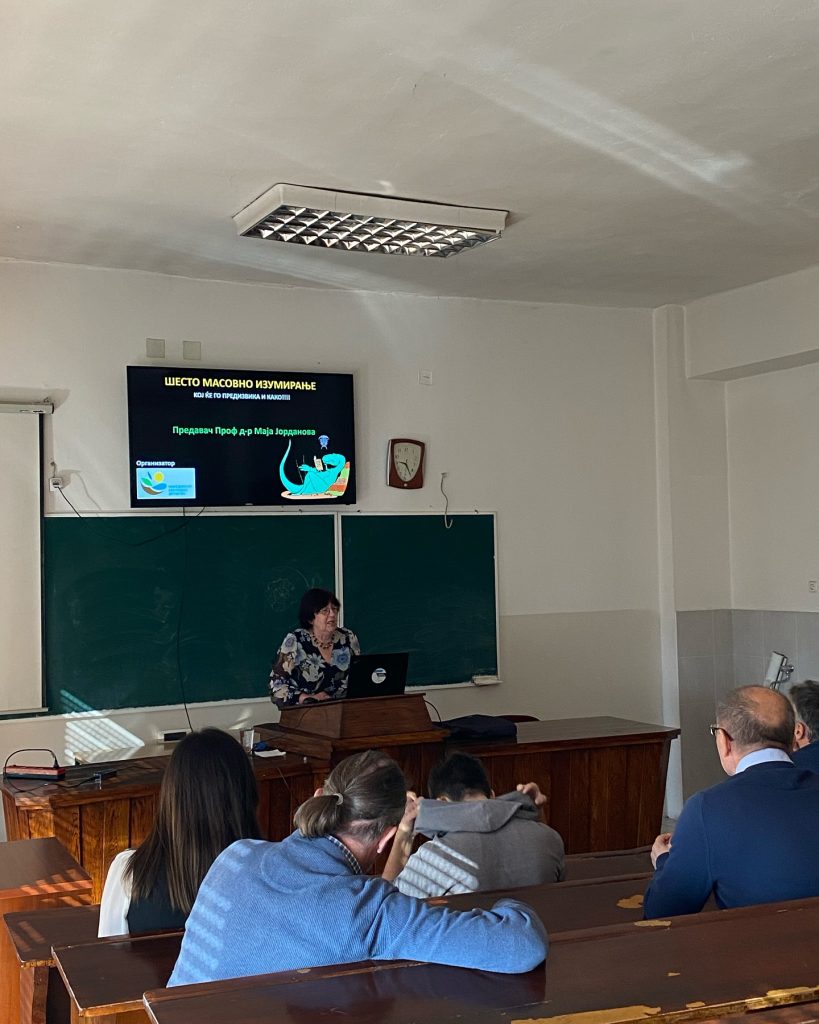
    The Macedonian Ecological Society organized a lecture on the topic “The Sixth Mass Extinction”, led by Prof. Dr. Maja Jordanova, the head of the “Ecological Education” section.

    The lecture took place in one of the amphitheaters of the Faculty of Natural Sciences and Mathematics in Skopje and was attended by a large number of MES members.

    The lecture made the attendees feel like students again and sparked inspiration for further debate, in which nearly all of the members participated, showing that we should meet more often at such events. The professor answered all the questions raised by the attendees and provided ideas for the directions we should all take to protect our planet.

  • Announcement of Winners for the MES Calendar 2025

    Announcement of Winners for the MES Calendar 2025

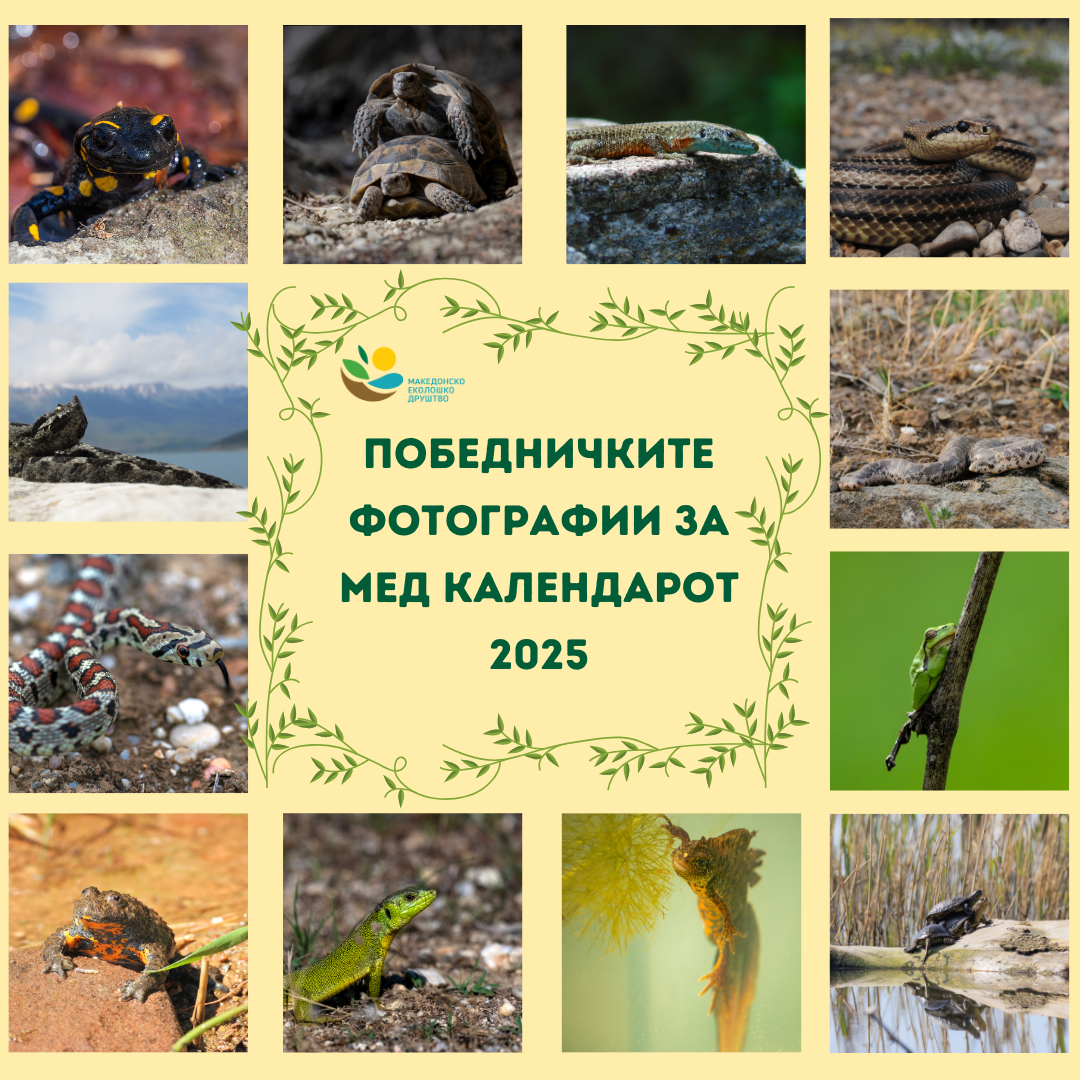
    Dear all, we are pleased to announce the winners of the Photo Contest for the MES Calendar 2025 in alphabetical order!

    • Andrej Mihajlov
    • Bobi Kuzmanoski
    • Velian Jagev
    • Gopal Bili
    • Dorian Milovanović
    • Dragan Arsovski
    • Mirjana Gjorgievska
    • Slavcho Hristovski
    • Toni Stojanovski

    Since this year we had an incredible response to the contest, with more than 30 participants and over 150 submitted photos, we have decided to organize an exhibition with the best of the photos that didn’t make it into the selection for the 12 months of the MES Calendar for 2025.

    Stay tuned for event information!