Category: Некатегоризирано

  • Intermediate grants (2025)

    Monitoring and Molecular Characterization of Heavy Metal-Tolerant Bacteria Isolated from “Hotspots” in the Republic of North Macedonia

    Project Lead: Sofija Kostandinovska

    Human activities significantly impact the biosphere, causing irreversible changes that disrupt the natural balance of ecosystems, with urban pollution by heavy metals becoming an increasing focus of research.   Changes in soil pH can disrupt microbial metabolism by inhibiting pH-dependent enzymes and altering nutrient availability, which may be toxic to bacteria.   Alterations in the physico-chemical properties of the soil further affect microbial communities, potentially reducing ecosystem functions such as organic matter decomposition.  Microorganisms are ideal for bioremediation due to their widespread presence, rapid reproduction, and adaptability. They can degrade and metabolize contaminants as an energy source, making them an economical and environmentally friendly alternative. Understanding the physico-chemical properties of soil and the microorganisms present in so-called “hot spots” can aid in developing remediation techniques aimed at reducing the concentration or bioavailability of heavy metals.

    Research Objectives

    • What is the difference between the physico-chemical and molecular characterization of bacteria isolated from “hot spots”? (Q1);
    • The abundance and diversity of heavy metal-tolerant bacteria vary across different “hot spots” due to variations in metal concentrations and soil physico-chemical properties. (H1);
    • The bacterial abundance in different “hot spots” decreases as heavy metal concentrations increase, due to selective pressure limiting bacterial diversity. (H2);
    • Bacterial isolates from heavy metal-contaminated soils exhibit varying degrees of metal tolerance depending on the type and concentration of metals. (H3);
    • The minimum inhibitory concentration (MIC) of isolated bacteria will be highest for the metals present in the highest concentrations in the soil. (H4);
    • Some bacterial isolates can tolerate multiple heavy metals, suggesting the presence of a cross-resistance mechanism. (H5)

    Methodology

    The methodology includes the isolation of bacteria from different “hot spots” in North Macedonia, the determination of the physico-chemical properties of the soil, molecular characterization, and the assessment of bacterial viability percentages at various heavy metal concentrations.

    Scientific Contribution (Ecology)

    By isolating heavy metal-tolerant bacteria and investigating their bioremediation potential, insights into microbial resistance will be gained, offering strategies for restoring ecosystem functions, improving soil quality, and preserving biodiversity in contaminated environments.


    Detection of Microplastic Presence in the Living Organisms of Lake Ohrid

    Project Lead: Ivo Ilinchev

    The project aims to investigate the presence of microplastics in the living organisms of Lake Ohrid through the analysis of samples from various biological groups (fish, invertebrates, aquatic plants) and their contamination with synthetic particles. Advanced analytical methods such as FTIR, Raman and microscopic analysis will be applied for the detection and characterization of microplastics. This research will contribute to a better understanding of the impact of microplastics on the lake ecosystem and propose measures to minimize pollution.

    Research Objectives

    • Detection and analysis of microplastics in benthos and various organisms in Lake Ohrid (P1)

    • Raising public awareness of this issue (P2)

    Methodology

    Samples are collected from selected locations in Lake Ohrid. Organic matter is removed through digestion, followed by microplastic extraction and filtration. Detection and identification are conducted through optical microscopy, and qualitative analysis is performed using vibrational spectroscopy techniques (FTIR and Raman).

    Scientific Contribution (Ecology)

    A qualitative assessment of microplastic pollution in Lake Ohrid across different taxonomic groups will enable better understanding of its biodistribution, transmission pathways, and ecological risks. This will provide scientifically grounded measures for protecting the lake’s ecosystem, its endemic species, and for developing protection and sustainable management strategies.


    Assessment of the Effectiveness i.e. Permeability of Viaducts as Corridors for Mammals with Emphasis on Large Carnivores in the Directions Gostivar – Straza and Kamen Dol – Pletvar – Prilep

    Project Lead: Slobodan Kutanovski

    This project aims to systematically assess the permeability of viaducts as potential corridors for wildlife movement of the class mammals, particularly carnivores which are most affected in the aspect of conservation efforts, because of their ecology: the large spans of their territories, preference for specific forest habitats and long distance movements. The methodological approach includes automated camera traps to monitor wildlife movement through viaducts over 12 month period. The significance of these viaducts will be calculated in relation to their length and traffic frequency throughout the year. The data obtained will provide a basis for improving the road permeability measures in Macedonia to improve the ecological connectivity of the transport infrastructure. The work will be published in a scientific paper with significant implications for spatial and infrastructure planning, which will be based on scientifically based opinions.

    Research Objectives

    • Do large mammals use viaducts to cross under main roads, and which species do so? (P1)

    • Does traffic frequency affect the willingness of animals to use viaducts? (P2)

    • Is there a seasonal pattern of wildlife crossings? (P3)

    • Is there a correlation between species composition and structural characteristics of viaducts? (P4)

    • Viaduct permeability is directly proportional to their length. (H1)

    • Longer viaducts, especially those without pipes, are more effective for wildlife crossings. (H2)

    Methodology

    • Mapping, defining, categorizing, and analyzing viaducts

    • Selecting and placing camera traps on all mapped viaducts on the Gostivar-Straza and Pletvar routes

    • Monthly traffic observations and monitoring of camera traps

    • Data entry, database creation, and desktop statistical analysis

    • Writing and submitting the scientific paper (this should be added to the Excel and time planned accordingly: it is recommended to use the entire project timeframe and reserve the final 6 months for the paper)

    Scientific Contribution (Ecology)

    The paper will provide data on the effectiveness of viaducts as corridors, as well as the impact of traffic frequency on wildlife movement. These findings will serve as a potential foundation for strategies to minimize ecosystem fragmentation effects and improve conservation measures at the national level.

  • Small grants (2025)

    During 2025, nine research projects are expected to be implemented as part of the Youth Ecologist Support Program “Dr. Ljupcho Melovski.” Below we present short summaries of the studies.


    Ecological Approach to Extracting Bioactive Compounds from Hypericum perforatum Using Deep Eutectic Solvents

    Lead researcher: Anastasija Hadžismileva

    The concept of green chemistry is based on 12 principles established in 1998, of which the most important for chemical research are: the design of safe chemicals and the use of safe solvents. Since the choice of solvent is crucial for all chemical processes, and given the toxicity and hazards of classical organic solvents (e.g., methanol), there is a growing need to develop new, alternative, and safe reagents. Natural deep eutectic solvents (NADES) are biodegradable, environmentally friendly, and sustainable reagents used to extract bioactive compounds from various plant species and natural products. Hypericum perforatum L., known as St. John’s Wort, is a medicinal plant rich in various groups of bioactive compounds such as flavonoids, naphthodianthrones, phenolic acids, xanthones, procyanidins, and tannins. Extracting these compounds using ecological solvents would allow their direct application in in vivo studies, which is particularly important for determining their pharmacological activity.

    Research objectives

    • Natural deep eutectic solvents (NADES) have greater efficiency in extracting polyphenolic compounds compared to classical organic solvents. (H1)

    • Is there a correlation between the physical properties of NADES and their extraction capacity? (P1)

    • Is there a qualitative/quantitative difference in the chemical profile of extracted compounds when different NADES are used compared to organic solvents? (P2)

    • What is the type and content of chemical compounds in samples from wild-growing Hypericum perforatum and its in vitro cultures? (P3)

    Methodology

    This project will synthesize NADES, then characterize them by determining several physical properties. They will be used to extract polyphenolic compounds from Hypericum perforatum and its in vitro cultures. The extraction procedure and chromatographic methods for extract analysis will be optimized.

    Scientific contribution (ecology)

    Applying green chemistry in scientific research contributes to environmental protection by reducing waste, pollution, and the “carbon footprint.” Developing safe and efficient chemicals is key to ecological sustainability. Extracts with a higher yield of bioactive compounds and their direct application will enable more efficient pharmacological studies.


    Micronucleus Test in Tradescantia (Trad-MCN) as an Indicator of the Genotoxic Potential of Air Pollution in Skopje

    Lead researcher: Ivan Arsov

    Аs a global threat, air pollution respectively influences the daily life in Skopje as one of the bigger European cities. According to AQI (www.iqair.com) in 2021, Macedonia held the 34th place with an average concentration in PM2.5 of 25.4 which is over 5-7 over the limit according to who (www.who.int). Air pollution poses a challenge as a cause to several illnesses, including cancer. However, other living organisms are prone to the genotoxicity from the damaging effects from massive urbanization. A genotoxin is a chemical agent that causes DNA or chromosome damage. A successful test-model for genotoxicity is Tradescantia Micronucleus Test. According to various results using the Trad-MCN test, it has been confirmed that a mutagenic effect occurs in plants due to air pollution. As a result this research represents an essential tool in mutagenic potential screening in nature.

    Research objectives

    • • Air pollution in Skopje contains genotoxic components that increase the mutagenic potential which leads to micronucleus production in pollen grains. (H1)
      • Exposure to air pollution results in chromosomal material loss and other nuclear abnormalities that are not micronucleus occurrence (H2)

    Methodology

    The methodology consists of preparation, transport and setting Tradescantia sp. seedlings at specific hotspots in Skopje, setting one negative control outside of Skopje, analysis of microscopic images of pollen grain cells, statistical analysis and finding correlation between genetic material and air pollution.

    Scientific contribution (ecology)

    This research will help in understanding the mutagenic effects caused by air pollution as an abiotic stressor to plants. It also serves a great foundation for future studies linked to genetic abnormalities in plants as a consequence of abiotic stress.


    Determining the State of Indirect Pesticide Contamination of Wild Flora in the Prespa Region

    Lead researcher: Jovana Danova

    Excessive use of pesticides in agriculture poses a serious ecological risk. About 98% of the sprayed pesticides affect non-target species, and 80-90% of them evaporate into the environment and spread several hours after application. Pesticide residues are spread in soils, river waters, lakes, and are also found in the animal life of lakes. Increasing evidence of their presence in drinking water and food chain products is being reported. Regions such as Prespa, with intensive agricultural activities, are exposed to an increased risk of contamination.

    The Law on Phytopharmaceuticals prescribes rules for pesticide use, their application methods, disposal practices, and gives special attention to protecting the aquatic environment and drinking water. Despite regulations, unofficial surveys show that farmers are not aware of the harmful effects, and they report higher pesticide consumption than the normal prescribed/required amounts. Despite this, they report a decrease in crop yields, which is most likely due to pesticide resistance.


    Research objectives

    • Question 1 (Q1): Is there indirect contamination of wild flora in the surroundings of Lake Prespa and on Golem Grad Island?
    • Question 2 (Q2): Is there indirect contamination on Golem Grad Island, a location where pesticides are not actively used?
    • Question 3 (Q3): Are there differences between the various locations and samples regarding the type of pesticides and their quantitative presence?

    Methodology

    • Sites for collecting representative plant material will be identified.
    • Laboratory analyses will assess the possible presence of pesticide residues.
    • A risk analysis will be conducted based on the maximum permitted pesticide concentrations.
    • The results will be disseminated to raise public awareness and protect the environment.

    Scientific contribution (ecology)

    For the first time, indirect pesticide contamination of wild flora in the vicinity of Lake Prespa and Golem Grad island will be determined. With risk analysis the presence of pesticide residues in selected samples according to permited limits will be assessed, contributing to environmental protection.


    Ecological Conditions, Status, and Importance of Pterocephalus perennis for Jablanica Mountain

    Lead researcher: Mila Stojanovska

    During the 2024 Biology Students’ Research Society’s summer research expedition on Mount Jablanica, the plant Pterocephalus perennis was observed for the first time in Macedonia.

    1. perennis (from the Dipsacaceae family) is an endemic sub-mediterranean plant that forms dense, woody mats on rocky limestone slopes, generally on altitudes from 800 to 2000 m. Flowering rather late from July to early September. The most important characteristic of this genus is its conspicuous calyx, formed by numerous plumose bristles. The closest distribution points of this plant are in the village Gjergjevicë, in Tomorri National Park in Albania and in Pindos National Park in Greece.

    Considering the distance of the nearest points and the specific conditions which this species needs to thrive, this project opens questions about why and how it has reached Mount Jablanica.


    Research objectives

    • How big is the population of Pterocephalus perennis on mountain Jablanica? (Q1)
    • What is the population status of P. perennis according to IUCN criteria? (Q2)
    • Are the populations of Pterocephalus perennis on Mount Jablanica morphologically different from other populations recorded in literature4? (Q3)
    • The plant P. perennis on Mount Jablanica is present in habitats with a specific soil type, such as lithosols. (H1)

    Methodology

    1. Field research to determine the condition of the population of Pterocephalus perennis.
    2. Taking soil samples for further lab analysis.
    3. Mapping the potential distribution (through GIS) and determining its status in accordance with IUCN guidelines.
    4. Morphometric analysis and description of the species.
    5. Raising awareness about the species.

    Scientific contribution (ecology)

    This study will provide the first data on the specific ecological preferences of Pterocephalus perennis, along with information on its total areal and the ecological factors influencing its distribution. Of secondary importance will also be the contribution to the valorization of the Jablanica Mountain for a future protected area, due to the endemic character of P. perennis.


    The Salamanders of Jablanica and Bistra — Population Analysis of Triturus macedonicus, Ichthyosaura alpestris, and Bombina variegata

    Lead researcher: Filip Krsteski

    The alpine and Macedonian crested newt migrate to their aquatic breeding centres in spring, reproduce, and then return to their terrestrial phase, making observation difficult. These newts rarely travel more than 150 meters from their breeding centres. In contrast, the yellow-bellied toad inhabits ephemerent water bodies throughout the active season (spring and summer). Both the Macedonian crested newt and yellow-bellied toad are listed in Annex II of the Habitats Directive, while the Macedonian crested newt is classified as vulnerable and the alpine newt as endangered on the national Red Lists. As such, their protection is a priority at both national and European levels. Nevertheless,  their distribution is still not fully understood, and basic population data is lacking. While all three species often share wetland habitats like ephemeral ponds and slow-moving streams, the alpine newt is found only in the highlands above the forest belts of Shar Mountain, Bistra, Deshat, and Jablanica.

    Research objectives

    ➔ How big is the population of the alpine newt and yellow-bellied toad at the Tonivoda site on the mountain Bistra? (П1)
    ➔ The Macedonian newt inhabits the Tonivoda site. (Х1)
    ➔ How big is the population of the alpine newt and yellow-bellied toad at the lakes Podgorecko and Labunishko as well as surrounding puddles? (П2)
    ➔ There is no difference in the estimated population size of the Macedonian crested newt and the alpine newt between seasons (spring-summer). (Х2)
    ➔ How big is the population of the yellow-bellied toad at the Jankov kamen site? (Х3)
    ➔ The Macedonian crested newts and the alpine newts which inhabit various puddles within the sites of Tonivoda and Labunishki puddles with lake Podgorecko are not separate populations but part of one metapopulation. (X4)

    Methodology

    Several well-known sites on the mountains Bistra and Jablanica will be visited and specimens of the target species will be captured and recorded. Capture-mark-recapture (CMR) methodology will be used to calculate the population through photographs and subsequent processing of the photographs in the free software I3S Pattern+10.

    MicroPlant – Ethnobotanical Perspectives on Microbial Diversity in Medicinal Plants in North Macedonia

    Project Lead: Mihail Zhupan

    Endophytic and epiphytic microorganisms play a vital role in plant health, enhancing nutrient absorption, increasing stress tolerance, and potentially contributing to medicinal properties¹. Although their biodiversity in medicinal plants has been well studied globally², similar research and data in North Macedonia remain limited. In particular, little is known about how ecological factors such as altitude, geographical diversity, and environmental cleanliness influence the composition of microbial communities. The plants Verbascum pulverulentum, Onopordum acanthium, and Cichorium intybus, which are widely distributed across the Galičica and Šar Mountains, represent an ideal model for studying these interactions. Despite established evidence of the microbiome’s sensitivity to ecological gradients, these regions remain underexplored. Investigating the symbiosis between these plants and microorganisms is essential for understanding understudied ecosystems and conserving medicinal plants and their associated microflora³, thereby contributing to the global mapping of microbial biodiversity.

    Research Objective

    • How do plant species and ecological factors—such as altitude, geographic location (Galichica vs. Shar Mountain), and clean environmental conditions—affect the presence, distribution, and survival of endophytic and epiphytic bacterial species in medicinal plants? (Q1)

    • Epiphytic bacterial communities in hoary mullein (Verbascum pulverulentum), cotton thistle (Onopordum acanthium), and chicory (Cichorium intybus) are more diverse than their respective endophytic communities. (H1)

    Methodology

    Plant samples will be collected from the mountains Galichica and Shar Mountain. Laboratory work includes sterilization, culturing under controlled conditions for growth, isolation of endophytic and epiphytic bacteria, inoculation on selective media, and preliminary identification through colony morphology and Gram staining. Further biochemical identification will follow as needed⁴, ⁵.

    Scientific Contribution (Ecology)

    This project will reveal how ecological factors such as altitude, geographic isolation, and environmental cleanliness influence microbial diversity and survival in medicinal plants. It will also provide the systematic overview of the endophytic and epiphytic bacterial flora of these plants in North Macedonia, enriching the country’s ecological and microbiological database.

    HydroVSoil – Microbial Diversity Along the Vardar River: Investigating the Link Between Soil and Water Ecosystems

    Project Lead: Hristo Dimitrievski

    The water quality of the Vardar River has been researched several times over the years, but it has been insufficient in terms of water classification and microbiological biodiversity along the river’s course in the soils surrounding it (latest report from the Public Health Institute, 2019). Anthropogenic activities increase the discharge of various pollutants into the aquatic environment, which causes the deterioration of the ecosystem, the surroundings, and the environment in general. The source mountain waters of the Vardar River consistently show low level of water pollution with diatom flora (species) dominated by taxa confirmed to be  intolerant to pollution. Downstream of the river area, starting from the city of Skopje and extending beyond the city of Veles, the organically polluted part of the river is characterized by the inflow of wastewater, making the river completely lifeless. The biodiversity of microorganisms, which are also affected by environmental changes, can provide biological responses to ecological disturbances not only in the aquatic but also in the surrounding soil ecosystem.

    Research Objective

    • Are the differences in microbiological diversity in the aquatic and soil ecosystems at selected locations along the Vardar River directly connected? (Q1)
    • Pollution of the Vardar River along its course affects the microbiological diversity in the aquatic ecosystem. (H1)
    • Microorganisms from fecal contamination found in the Vardar River in the Skopje, Veles, and Valandovo regions can also be found in the fertile soils near the Vardar River. (H2)

    Methodology

    Three different locations will be selected for water and soil sample collection for the isolation of microorganisms. By studying the biodiversity and characterization of the isolated microorganisms, the connection between the two ecosystems (aquatic and soil) will be examined. An educational informational lecture will also be conducted.

    Scientific Contribution (Ecology)

    Through this research, we will gain information on whether and how fecal contamination of the river indirectly affects the soil pollution as an ecosystem. The study of microbiological diversity, the role and significance of river contamination in Macedonia, and its impact on the surrounding arable soil areas is very under-researched.


    Essential Oils as an Environmentally Friendly Alternative for Plant Protection: Antimicrobial Potential of Laboratory-Derived Hydrodistillate from Lavandula Species

    Project Lead: Jovan Karoski

    Essential oils of plant origin represent an excellent alternative to synthetic pesticides as they reduce toxic impacts on food, water, and soil.  The concept of organic farming is becoming increasingly prevalent worldwide, and sustainable agriculture is gaining greater recognition, with essential oils considered a safer alternative.  Green chemistry contributes to reducing the toxic effects of synthetic pesticides and the development of new, natural, biodegradable pesticides, such as plant extracts, essential oils, and other natural substances categorized as “green pesticides.” Essential oils have been proven to inhibit the growth of pathogenic microorganisms while simultaneously enhancing agricultural production.   Notably, organic food production increases with the use of essential oils.  Essential oils play a key role in the natural defense of plants against insects and pathogenic microorganisms.  Therefore, their use as fungicides and pesticides should be considered a sustainable alternative in agriculture.

    Research Objective

    • Can essential oils be used as an environmentally friendly alternative for protecting plants from pathogenic microorganisms? (P1)
    • Essential oils exhibit antimicrobial activity. (H1)
    • Essential oils are safe and have a relatively low potential for microbial resistance development. (H2)
    • Essential oils should be used in low concentrations. (H3)

    Methodology

    The research will examine all aspects of the entire process of hydrodistillation, as well as the application of appropriate methods for testing antimicrobial activity, including the diffusion test method and the microdilution test method.

    Scientific Contribution (Ecology)

    This project aims to explore lavender as a source of bioactive compounds, despite its limited use due to its chemical composition. Since synthetic chemicals have negative effects and are not biodegradable, plant essential oils are considered a sustainable alternative to pesticides.


    Carbon Sequestration in the Monospitovsko Blato Wetland According to Moisture and Conservation Gradient

    Project Lead: Nikoleta Georgievska

    Wetlands are defined as ecosystems that depend on continuous or periodic soil saturation with water (Mitsch & Gosselink, 2015). They encompass a diverse range of ecosystems ranging from swamps and marshes to peatlands, which are characterized by heterogeneity in their role in the carbon cycle (Sütünç, 2024). They slow down the decomposition process through anoxic soil conditions, leading to the accumulation of large amounts of organic carbon. This makes them important carbon sinks in the atmosphere with a significant impact on greenhouse gas reduction (Li et al., 2024). Their drainage can lead to degradation, and thus the release of CO2 (Maltby & Barker, 2009).

    Wetlands in Macedonia have been under continuous pressure for a long time, among which anthropogenic activities and climate change are the most pronounced and lead to their endangerment and disappearance (Jovanovski et al., 2018).

    Monospitovsko Blato, located about ten kilometers northeast of Strumica, is one of the largest wetlands in Macedonia, rich in unique flora and fauna. Although it was declared a natural monument in 1986, the need for its revitalization and the introduction of active protection is still emphasized precisely for the above reasons (Melovski et al., 2008).

    Research Objective

    The main objective of this research is to determine the carbon sequestration capacity of Monospitovsko Blato depending on the habitat preservation and the moisture gradient.

    • What is the carbon sequestration rate in Monospitovsko Blato? (Q1)
    • What historical changes has Monospitovsko Blato gone through? (Q2)
    • Carbon accumulation has varied over the years. (H1)
    • The current state of the wetland is correlated with the moisture index. (H2)
    • The moisture gradient directly affects the carbon accumulation of the wetland. (H3)

    Methodology

    • Field collection of about ten soil profiles from three selected locations along a moisture gradient and their morphometric analysis
    • Collection of soil material and data on basic physical and chemical properties (temperature, conductivity, moisture)
    • Determination of carbon content by dry combustion
    • Statistical analysis of the correlation between CCS, soil moisture and water and wetness index

    Scientific Contribution (Ecology)

    This research will contribute to a better understanding of the impact of wetland modification on its carbon sequestration. The results obtained will enable further formulation of strategies for the protection of this ecosystem, but will also help in assessing its carbon storage potential in relation to climate change. In this way, Macedonia will be able to better assess greenhouse gas emissions. The aim is for this to be only a basis for further research and the implementation of preventive and restoration measures for Monospitovsko Blato. In addition, this methodology and method of research can be undertaken to examine other wetlands, but the results obtained from this research cannot be extrapolated to them due to the uniqueness of each ecosystem and specific, individual factors that are in a different correlation for each of them.



  • A REMEDY FOR MANY AILMENTS – CHAMOMILE

    A REMEDY FOR MANY AILMENTS – CHAMOMILE

    A testament to nature’s kindness towards us is chamomile, found everywhere around us and a remedy for many ailments. It is widespread across almost all continents. Chamomile, also known as camomile or mayweed, is one of the most well-known plants and is present in nearly every household. There isn’t a person who hasn’t used it at least once.

    Chamomile originates from ancient Egypt, where it was mentioned as one of the sacred plants dedicated to the Sun. Thousands of years ago, people in ancient Greece, Rome, and Egypt used chamomile flowers as a remedy for insomnia and premenstrual pain. It is one of the oldest medicinal plants and has universal use in traditional medicine and science. It is most commonly consumed as tea but is also used in the form of oils and tinctures. Two main types of chamomile are used: German chamomile (Matricaria chamomile) and Roman chamomile (Chamaemelum nobile). The name derives from the Greek words chamos, meaning ground, and mile, meaning apple—likely because it grows low to the ground and has a scent reminiscent of apples.

    Chamomile blooms two to three times a year and does not require a specific type of soil. It has branched stems with pinnately divided leaves. It grows to a height of 15–60 centimeters. At the top of the stem is a flower with a central yellow disc surrounded by a ring of white petals. The flowering period lasts about 50–60 days per year, and the development of the flowers takes about 20–25 days.

    The most medicinal part of chamomile is its flowers, which are used to treat various diseases and have antiseptic properties against inflammations. Over 120 chemical compounds have been identified in chamomile flowers, most of them being essential oils. In traditional medicine, it is considered a cure-all. Chamomile has antiseptic properties and is used for inflammation of the mucous membranes of the mouth, throat, respiratory tract, digestive organs, and urogenital tract. It promotes wound healing, soothes eczema, and is effective for conjunctivitis, ear infections, and even toothaches. Chamomile tea alleviates nervousness, irritability, insomnia, and anxiety. It is also used as a bath by people who sweat excessively. Moreover, it has antiseptic properties, reduces cholesterol levels in the blood, and has anticoagulant effects.

    Through the distillation of its flowers, a precious essential oil is obtained, characterized by its blue color, to which it owes its medicinal properties. Chamomile extract is an important ingredient in hand creams and, in ancient Egypt, was even used for embalming the bodies of deceased pharaohs. It is also used in the production of certain types of beer, where not only the flowers but the entire plant is utilized.

    However, one must be cautious when using this medicinal plant. Chamomile can cause allergic reactions and contact dermatitis. For this reason, pregnant or breastfeeding women are advised not to use it.

    Finally, it’s worth mentioning that chamomile is the national flower of Russia, as Russians, like the English, know the value of a good, medicinal tea with a pleasant taste.


    Written by: Prof. Dr. Maja Jordanova

  • Stray Dogs Emerge as a Threat to the Balkan Lynx

    Stray Dogs Emerge as a Threat to the Balkan Lynx

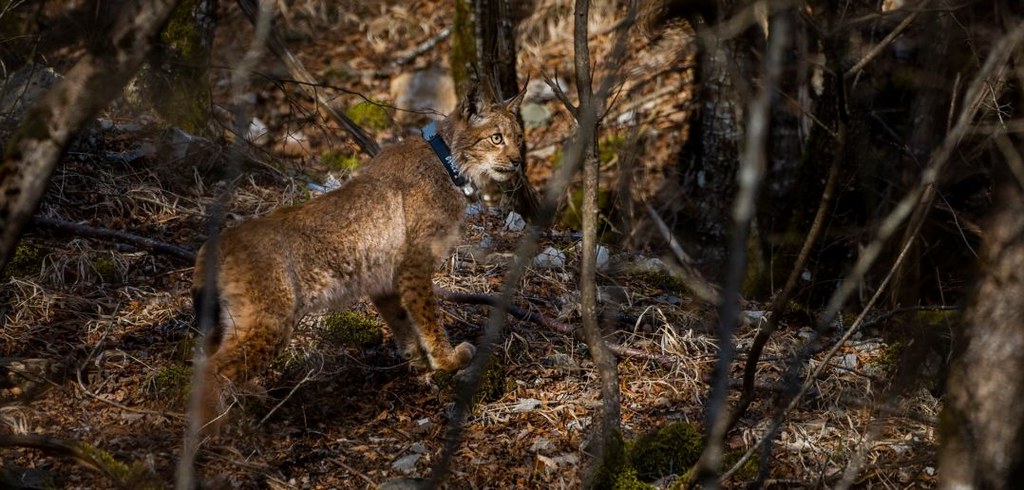
    When you get your change back from a kiosk clerk in Skopje, North Macedonia, you will notice one of several animals on the coins: a dog on one, a peacock on another, a Balkan lynx on yet another. Stuffing the change in your pocket, you might assume such fauna roams aplenty in this small European country. But while you may see quite a few peacocks in your travels through the country, you’ll encounter more dogs than any other animal.

    Whether sitting outside a restaurant in Macedonia Square or hiking in the wild, a visitor here is rarely outside earshot of a barking dog. This is more than a nuisance; it’s a wildlife conservation problem. Conservationists now worry that stray dogs have become a threat to the endangered Balkan lynx.

    Conservation efforts for the lynx, a nearly vanished subspecies of the Eurasian lynx, are relatively new. “The first phase was us being trained by experts in various methods, GIS, protected areas, and human dimension surveys,” says Dime Melovski, who has been working with the critically endangered lynx since 2006, when he joined a team of biologists and natural scientists at the Macedonian Ecological Society (MES). Efforts also began around the same time through the Balkan Lynx Recovery Program (BLRP), an international partnership of nonprofits from North Macedonia, Albania, Kosovo, Switzerland, and Germany.

    Melovski and other conservationists spent the first years in search of signs of the lynx in North Macedonia, Albania, and Kosovo, especially with the use of camera traps, knowing that perhaps only 50 individuals remained in the wild. Base surveys included thousands of interviews with hunters and rural residents, those who spend time in the same fields and forests where lynx live.

    Back then, the largest threats to the lynx were assumed to be habitat destruction and pollution. Stray dogs were not something the teams had considered. “That is, until they started appearing in the camera-trapping photos in the wild,” Melovski says. “There were several times where we would put a camera on a found, fresh kill, and then we would see when reviewing footage that stray dogs would finish it off.”

    The Balkan lynx, already threatened by poaching and, in recent years, by inbreeding, already competes with scavenging bears for food. And wolves. And boars. Now, they seem to be competing more and more with dogs.

    Once, Melovski recalls, a stray dog was following him and a research team from a village in North Macedonia, when they encountered a roe deer. The dog attacked the deer, so ferociously that the researchers were unable to pry its jaws loose. “The instinct was just so strong,” Melovski says. “They hunt. Sometimes they even form packs, and they act like wolves. Which they are.”

    The dog issue is not only about wildlife. Just as with larger carnivores (including the lynx), stray dogs can threaten livestock and people. Sometimes, shepherds and farmers solve such problems themselves, by killing stray dogs, but often, they don’t do anything at all.

    Lisa Leschinski, who is project leader for the BLRP, notes that “stray dogs are kind of part of the village life.” And that could mean people don’t realize the impact they have on lynx.

    For years, MES has been working to inform the public of problems facing the Balkan lynx in North Macedonia, but now they are working more directly to raise that awareness around stray dogs. In June 2023, in collaboration with the Skopje-based Institute of Communication Studies, the BLRP released a three-part docuseries explaining how dogs in rural areas can harm wildlife and human populations.

    This is only one of several conservation efforts underway. MES and its partner organizations in Albania and Kosovo, for example, share a database of photographs and metrics captured from monitoring the Balkan lynx. More recently, in May, the Balkan lynx was listed in Appendix I of the Convention on the Conservation of Migratory Species of Wild Animals (CSM). This will provide a new layer of protection, with the government of North Macedonia proposing the inclusion with support from the Albanian government. It also opens pathways for further collaboration.

    “Now with this CMS listing, one thing that is easier is working on a regional strategy,” Leschinski said. She also emphasized that these are transboundary issues and that it often helps to have EuroNatur as an “outside” source bringing people together. “The lynx doesn’t know any boundaries,” she said. “This work needs to be done in a unified way.”

    Melovski sees an urgent need for more systemic action on stray canines, involving legislators, local veterinarians, and pet owners. The state, he believes, must allocate funds to organize the neutering and spaying of stray dogs. At the same time, injured and ill stray dogs should be euthanized. These efforts should coincide with the microchipping of every dog that is operated on, he says, in addition to requiring all domesticated pets be microchipped.

    “All of this needs to take place within half of a year, or even less than that,” he says. “You can’t take longer than that because there will be another reproductive cycle coming.”

    Such a plan may not be feasible, however. It would need to be implemented systematically throughout North Macedonia — a monumental task. Many individuals would need reimbursement, particularly veterinarians tasked with neutering and spaying stray dogs.

    Stray dogs or no, the Balkan lynx still faces the challenge of having an already miniscule population. To alleviate this, the BLRP is weighing the option of initiating a reinforcement of the Balkan lynx population. The low variability in the subspecies’s gene pool is concerning, and the team hopes to strategically introduce new Eurasian lynx in areas of North Macedonia and Albania that could help link current patches of Balkan lynx.

    But because there are no Balkan lynx populations in captivity, nor anywhere else in the world, bringing in other subspecies would impact the genetics of the Balkan lynx. “Then there is this topic of, is it still the Balkan lynx, or is it not the Balkan lynx anymore?” Leschinski says. It is a tough question. Many experts agree that any eventual changes to the subspecies’s genetic pool would be small. And reinforcement is recommended. It’s better to have lynx, “no matter what type of lynx,” Leschinski says, “than no lynx.”

    Source: Earth Island Journal

  • Medium grant 2023

    Medium grant 2023

    DISTRIBUTION OF MICROORGANISMS THAT PRODUCE BIOSURFACTANTS IN CONTAMINATED AND NON-CONTAMINATED SOILS: ECOLOGICALLY FRIENDLY PERSPECTIVES FOR ENVIRONMENTAL REMEDIATION


    Coordinator: Ognen Boshkovski

    The increase in agricultural production to meet food needs in the face of steady population growth has led to the explicit use of agrochemicals, which destroy agroecosystems due to their long residence time in the environment (Adesemoye et al., 2009).  The use of chemical surfactants leads to a significant increase in the toxicity of agrochemicals and has a negative impact on sustainable environmental management (Altieri, 2004). Chemical surfactants enter water resources, where they contaminate drinking water and, by foaming, create a hypoxic environment that negatively affects aquatic organisms. Microbial biosurfactants have low toxicity, better biodegradability and environmental compatibility, and can serve as substitutes for chemical surfactants. Their bioremediation potential can improve soil ecosystems and the solubility of toxic pesticides (Mosttafiz et al., 2012). However, very little is known about the distribution of biosurfactant-producing microorganisms in the environment, so the project aims to study their distribution in contaminated and undisturbed soils in North Macedonia. After the isolation, the macroscopic and microscopic characteristics of the isolated strains were defined. The geochemical parameters of the collected soil samples were also determined to expand the potential industrial importance of Bacillus spp. and explain the role of these bacteria in the soil ecosystem.

  • Conducted Activities for Wet Meadow Management – Around 10 Hectares Mowed

    Conducted Activities for Wet Meadow Management – Around 10 Hectares Mowed

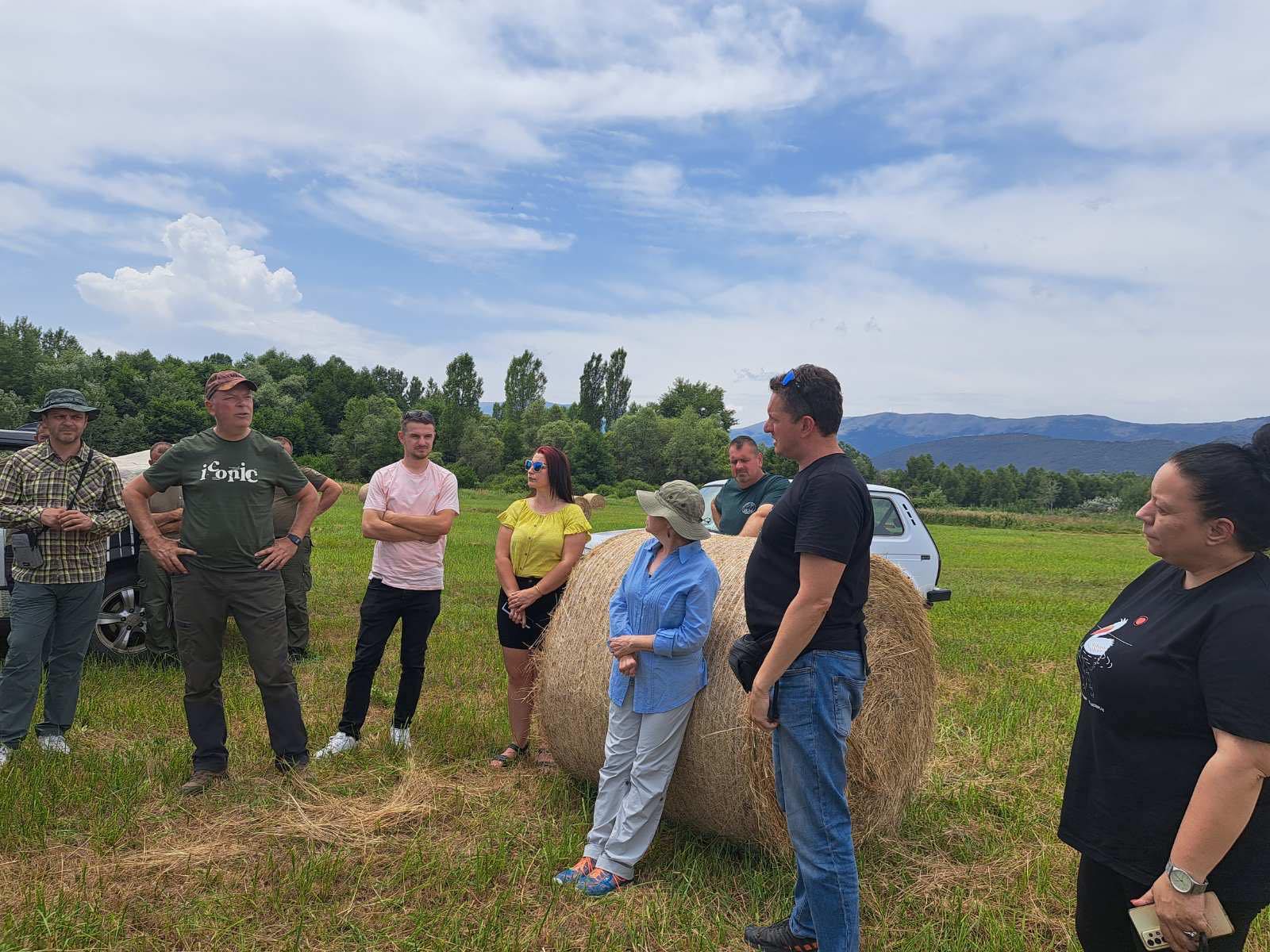
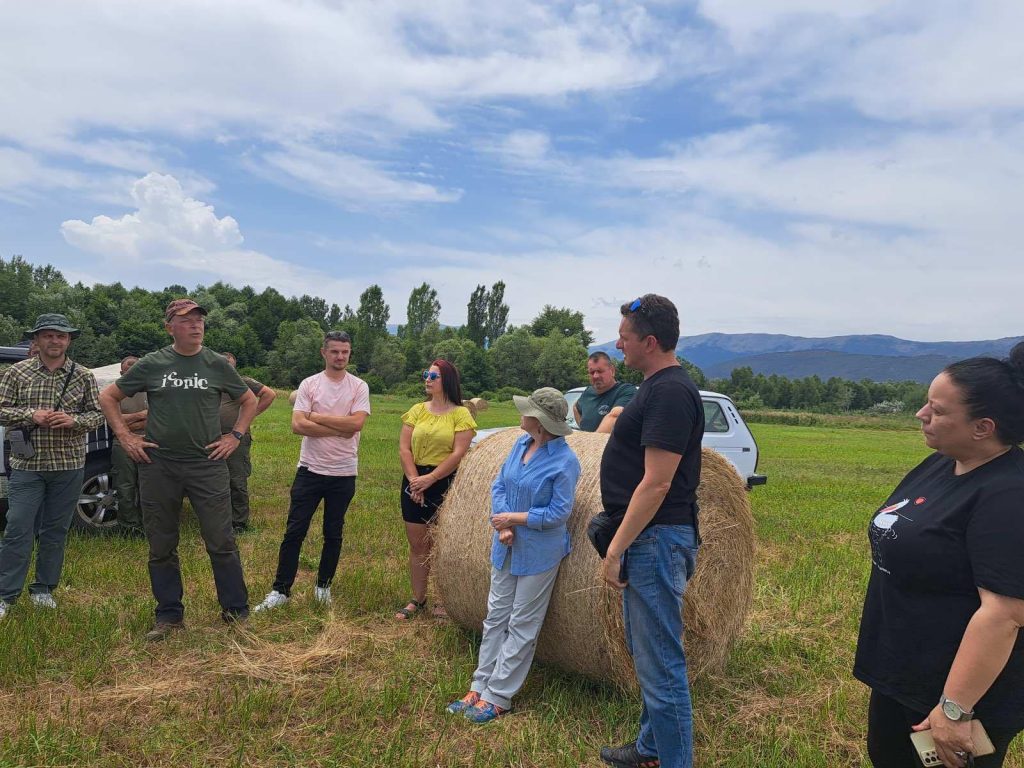
    This year, around 10 hectares of wet meadows near the villages of Dolno Perovo and Volkoderi were mowed. As a result of this activity, approximately 2,500 hay bales were produced, which will be donated to about 10 local farmers and some to the Galichica National Park.

    The event was attended by representatives from the Municipality of Resen and the Ezerani Nature Park, Galichica National Park, Pelister National Park, partners from PPNEA (Albania), local farmers, mowers, as well as representatives from the Macedonian Ecological Society (MES), and a greeting speech was delivered online by SPP (Greece).

    These activities were carried out as part of the PrespaNet III project, supported by PONT (Prespa Ohrid Nature Trust) and EuroNatur.

  • New Video and Research: The Hidden Health Hazards of Improper Pesticide Use

    New Video and Research: The Hidden Health Hazards of Improper Pesticide Use

    Pesticides, originally designed to get rid of pests, with their improper use bring hidden dangers, casting a shadow on our everyday life and general health. The consequences of mishandling these toxic substances extend far beyond their intended purpose, posing a serious threat to human health, especially among vulnerable groups such as children.

    In reality, a single wrong step with pesticides can cause unexpected accidents, affecting not only us but also our loved ones in ways we could never imagine. This problem becomes even more evident in the new video of the BalkanDetox LIFE project, which highlights the urgently needed of awareness and decisive action.

    The unforeseen danger

    Although traditionally associated with agriculture, pesticides have quietly infiltrated various aspects of our lives. They go beyond agriculture, infiltrating public spaces and entering our homes through everyday objects like paint, carpets and food packaging materials. Whether organic or synthetic, these chemicals use a variety of pest control methods. The intentional release of these toxic substances is a cause for concern, as unexpected exposure becomes a dangerous reality for all of us.

    Routes and risks of exposure

    Exposure to pesticides occurs through different pathways: occupational, agricultural, domestic and directly through our diet. Among them, dermal exposure stands out as one of the most prevalent and dangerous, creating a hazard during pesticide handling stages such as mixing, removal and cleaning. Accidental oral exposure, with its serious risk of poisoning, can result from intentional poisoning or accidental accidents. Such cases highlight the universal danger of increased contact with pesticides through improperly stored containers or contaminated water sources. The risk of respiratory exposure increases when airborne components of pesticides are inhaled, especially indoors. Eyes are also susceptible to chemical damage, especially when granular forms of pesticides are applied heavily. These multifaceted dangers highlight the growing need for safeguards in our interactions with these substances.

    Health consequences that exceed the initial danger

    The intriguing connection between chemical exposure and our bodies becomes apparent when we investigate the links between pesticides and various diseases. Scientific research has consistently established a link between pesticide exposure and the development or worsening of serious conditions, including cancer, hormone disruption, asthma, diabetes, allergies, and neurological disorders such as Parkinson’s disease. The impact on health is determined not only by the toxicity of the chemicals but also by the degree of exposure, while certain populations are more susceptible to their harmful effects.

    Children and vulnerable groups bear the heaviest burden


    In this intriguing web of pesticides, children, pregnant women and the elderly seem to be most susceptible to these harmful effects. Children come out as the most malleable because of their developing bodies, behavior and physiology. Consequences extend to birth malformations, low birth weight and fetal death. Research also reveals a troubling link between pesticide exposure and childhood leukemia, especially when mothers are exposed during pregnancy. An additional layer of concern comes from the genetic susceptibility of some individuals to pesticide-related illnesses, suggesting that some people may be at greater risk than others.

    Protection of our health and environment

    The impact extends beyond individual health, affecting the well-being of our society, which highlights the need for strict measures to reduce the risks associated with pesticide misuse, especially when it comes to protecting vulnerable groups. Pesticide abuse is not just a local concern; it is a global crisis that requires collective action.

    The BalkanDetox LIFE project is dedicated to the fight against illegal wildlife poisoning and pesticide abuse in the Republic of North Macedonia, Albania, Bosnia and Herzegovina, Bulgaria, Croatia, Greece and Serbia. Through the complete research of the project we aim to highlight the long-term effects of pesticide abuse on human health in the Balkans. In addressing these challenges, our way forward is clear: we must foster greater awareness, rethink our choices, and commit to protecting not only our well-being but also our children and our environment.

    The project will be implemented until the end of 2025 and received funds from the EU LIFE Program, and is co-financed by the Foundation for the Protection of Vultures, the MAVA Foundation and Euronatur, as well as by the Wheatley Fund for Nature Protection, and the Environment and Energy Fund Efficiency.

  • Experiential learning programme on air quality for the SLN

    Experiential learning programme on air quality for the SLN

    The development of educational program for air pollution in North Macedonia will align with UNICEF’s initiative by developing an inclusive, trauma-informed curriculum that integrates air quality education into existing subjects, ensuring accessibility for all children, promoting participatory learning and interdisciplinary approaches, and involving stakeholders and the community. Through experiential learning they will acquire different habits, become closer to nature and the environment, and will form a different sense of responsibility for their preservation.

    Proposed activities will be implemented in the Science Learning Network -SLN partner organizations and will be part of the second annual educational programme of the Network. Close to nature and in different environment, the activities will provide an expansion of the focus on children’s education, changing the perception of nature, existing relationships and interactions, existing pressures of the environment with the focus on air quality.

    The project will be implemented by the MES within the SLN in the period November 2023 – August 2024, and is coordinated by UNICEF, with provided financial support from SIDA.