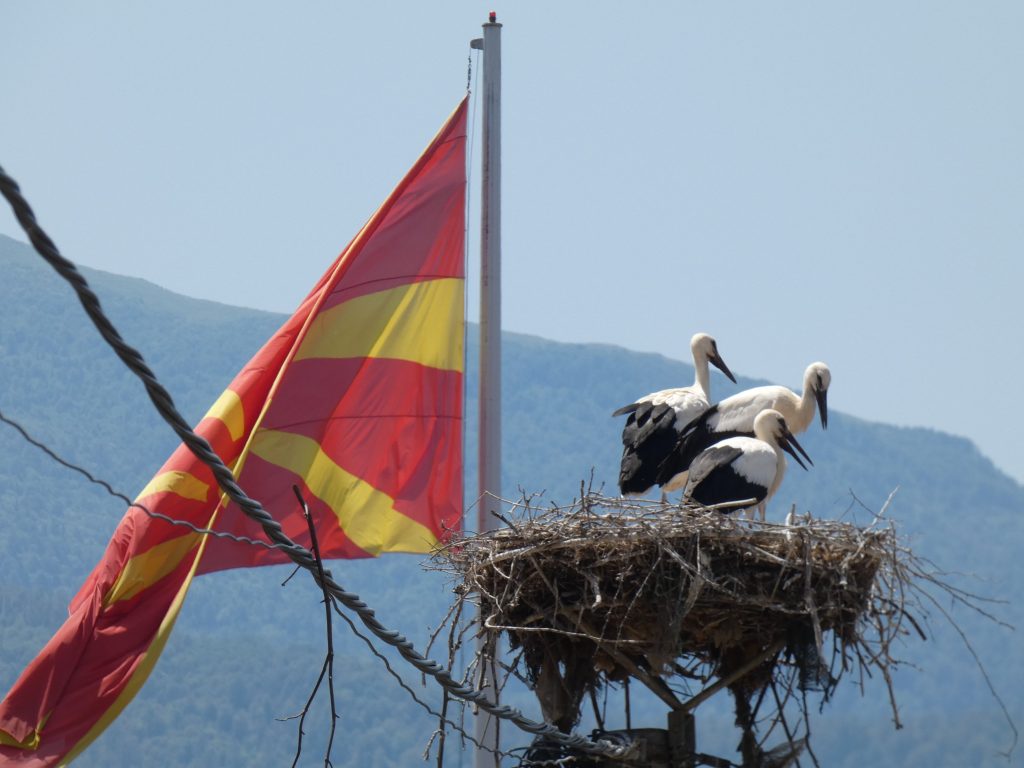
During 2023, ten research projects were implemented as part of the Young Ecologists Support Program “Dr. Ljupcho Melovski”. Below are brief summaries of the research projects.
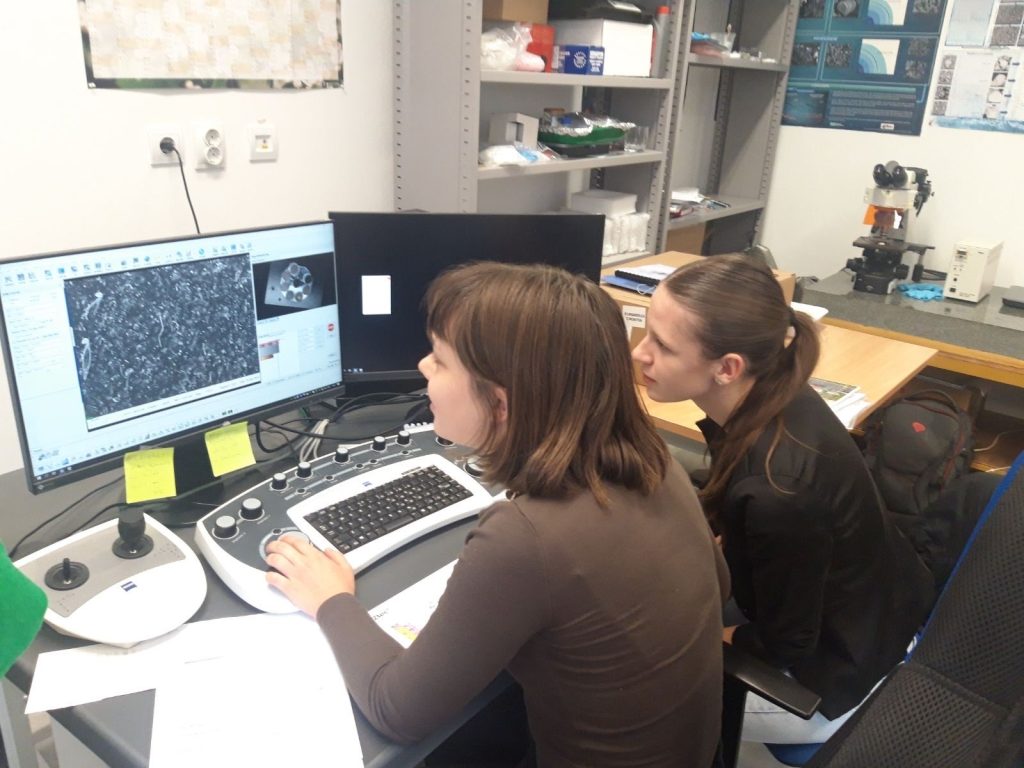
EXTINCTION LEVEL AND HABITAT-SPECIFIC DISTRIBUTION OF ENDEMIC AND RELICT DIATOMS FROM LAKE OHRID
 Ana Boshaleska
Lake Ohrid is a relic ecosystem and a rare example of a lake that has continuously existed for over a million years, allowing for the development of a unique diversity of diatoms. However, throughout its long history, diatoms have been subjected to numerous climatic, ontogenetic, and anthropogenic influences, and it is unknown to what extent such changes have caused the extinction of endemic and relict diatoms in the lake. Therefore, it is necessary to conduct comparative research between the fossil and recent flora of the lake, as well as to determine their habitat specificity, in order to identify possible scenarios for further disappearances of unique species in the future.
According to the conducted analyses, a total of 124 endemic and 12 relict benthic representatives of diatoms were identified in Lake Ohrid during the period before 1 Ma or during its lacustrine phase. The greatest diversity of species was found within the genus Navicula Bory, with 10 representatives identified, followed by the genera Amphora Ehrenberg ex Kützing, Placoneis Mereschkowsky, and Aneumastus Mann & Stickle with 8 representatives each, and Cymbella Agardh with 5 representatives.
REASONS FOR ENHANCED EUTROPHICATION AND CONSEQUENCES OF THE DEVELOPMENT OF CYANOBACTERIAL BLOOMS IN THE MANTOVO RESERVOIR: SPECIAL FOCUS ON DETECTION, TYPOLOGY, AND QUANTIFICATION OF CYANOTOXIN PRESENCE
Ana Pop Antoska
In the last three years, the ecological condition of the Mantovo reservoir has deteriorated rapidly, with significant turbidity and greening of the water, and the appearance of foaming with massive cyanobacterial scums. The detected dense cyanobacterial “water blooms” of 18 potentially toxic species clearly indicate intensified eutrophication, although the causes of the observed change are unknown. As a consequence, there is a risk of cyanobacterial toxin synthesis, which is hazardous to humans. However, it is not yet clear whether existing cyanobacterial strains in the reservoir contain genes for cyanotoxin synthesis, nor which toxins (and at what concentrations) are present in the reservoir.
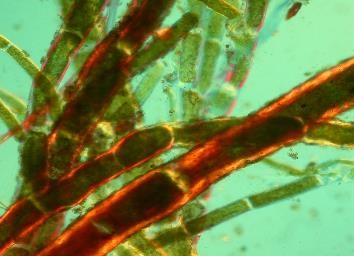 A high degree of eutrophication was detected in the Mantovo reservoir.
The main causes of the detected eutrophication and rapid deterioration of the ecosystem were organic pollution (high levels of nitrogen and phosphorus) and fecal contamination (presence of coliform bacteria and Escherichia coli). Contamination with heavy metals was not detected.
The genomic “pool” of phytoplankton contains several toxin genes located on different gene clusters (mcyA, mcyB, and mcyE, responsible for the synthesis of various microcystins; anaC and anaF, responsible for the synthesis of various anatoxins).
A concentration of over 1 µg/L of microcystins and a low concentration of anatoxin-a were present in the water of the Mantovo reservoir.
GENOMIC DIVERSITY OF EUPHORBIA NICAEENSIS ALL. SPECIES IN NORTH MACEDONIA AND BULGARIA AS A RESULT OF HABITAT CONDITIONS
Angela Ivanova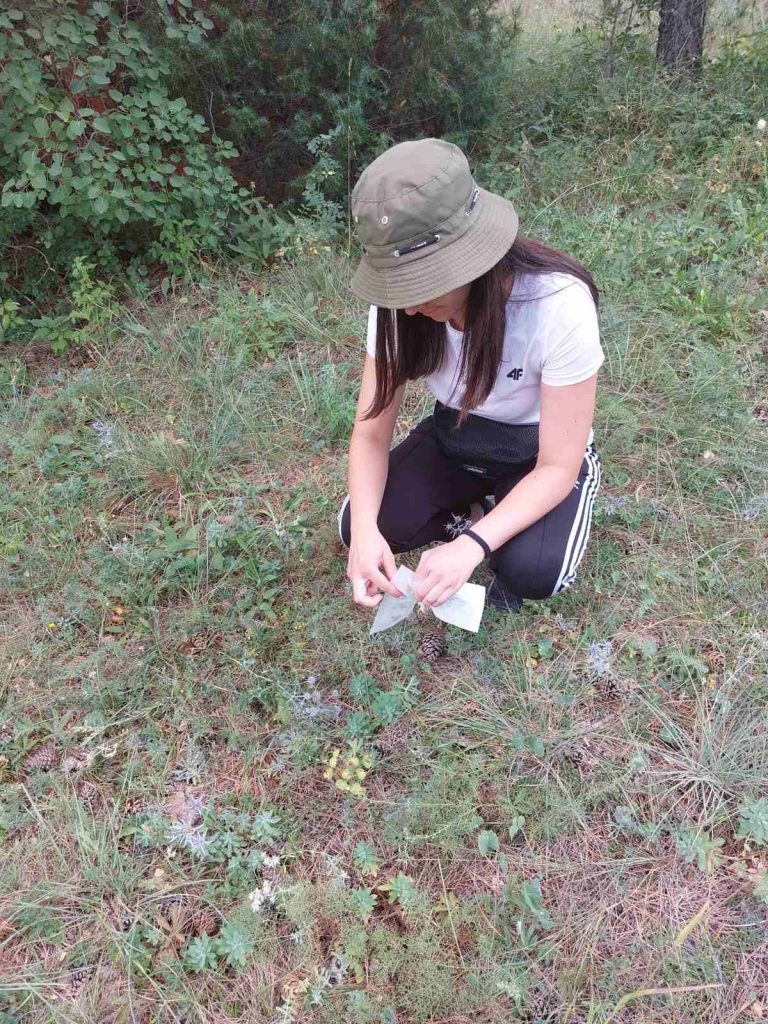
Euphorbia nicaeensis All. is a morphologically variable species distributed from Morocco and Iberia in the west to Asia Minor and western Russia in the east. In Macedonia, the species is known for Belasica, Skopska Crna Gora, and Delchevo. According to molecular research, populations in the Balkan Peninsula belong to the species Euphorbia glareosa Pall. ex M.Bieb.
The main goal of this research was to determine the habitat type where the studied species occurs, to analyze its morphology, to obtain values for RGS, and to determine the number of chromosomes for each different genome size, and then to see if there is a correlation between ploidy and habitat type and between ploidy, chromosome number, and morphology.
The obtained results did not confirm the existence of a correlation between RGS and habitat type. Due to the insufficient amount of information obtained from this research, the correlation between chromosome number, RGS, and morphology was not definitively confirmed. Karyological analyses showed that two populations with the same number of chromosomes had different RGS values. Additional research is needed for a definitive confirmation of this hypothesis.
The obtained results, such as: new RGS values, analysis of different habitat types, registration of new localities where the species occurs, can contribute to solving taxonomic issues and understanding the variability, ecology, and distribution of the species.
ISOLATION OF BACTERIA FOR BIOLOGICAL CONTROL OF APPLE SCAB (VENTURIA INAEQUALIS) AS AN ALTERNATIVE REPLACEMENT FOR TOXIC FUNGICIDES IN APPLE PRODUCTION IN THE PRESPA REGION
Dzansel Bukovec
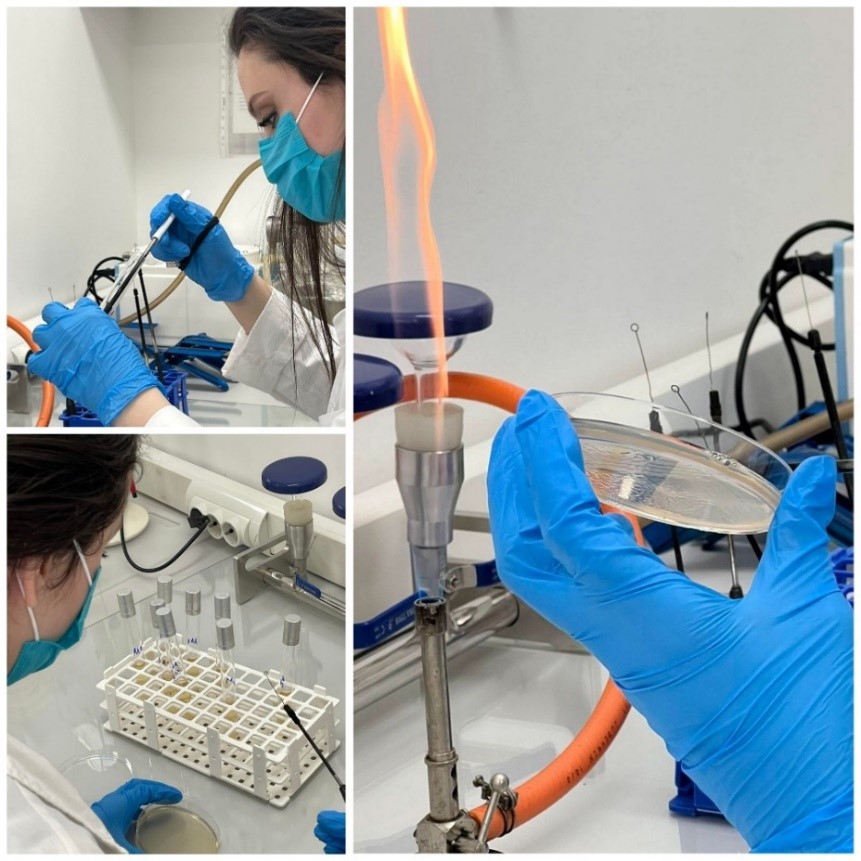
Apple scab disease caused by Venturia inaequalis is a major problem in apple production. Disease control in organic farming relies on the use of fungicides containing copper or sulfur. Since the use of copper will be restricted in the European Union, and sulfur use often leads to inadequate control and phytotoxicity, alternative control measures are needed. The use of microbial antagonists can be an alternative replacement for toxic fungicides in disease control (Carisse et al., 2000). Only a few studies describe the preliminary protocol for the use of antagonists during the apple scab epidemic in summer (Fiss et al., 2000). The objectives of the project were to isolate a pure culture of V. inaequalis from infected apples, select potential antagonists that suppress the pathogen’s sporulation, develop protocols for producing a bio-preparation from the selected antagonists as an alternative replacement for toxic fungicides, and test them under semi-laboratory conditions. Results from in vivo and in situ tests demonstrate that microbiological preparations are preventive. If apple trees are treated in real-time before infection begins, they prevent spore growth and production, thereby preventing disease spread. The final outcome of the research provided promising results for the possible application of test microorganisms to combat apple scab disease, which is a major problem in apple production worldwide.
PHYSIOLOGICAL GROUPS OF MICROORGANISMS AS INDICATORS OF ECOLOGICAL STATUS ALONG THE ALTITUDINAL GRADIENT OF MOUNT BABUNA
Elena Usta Petrova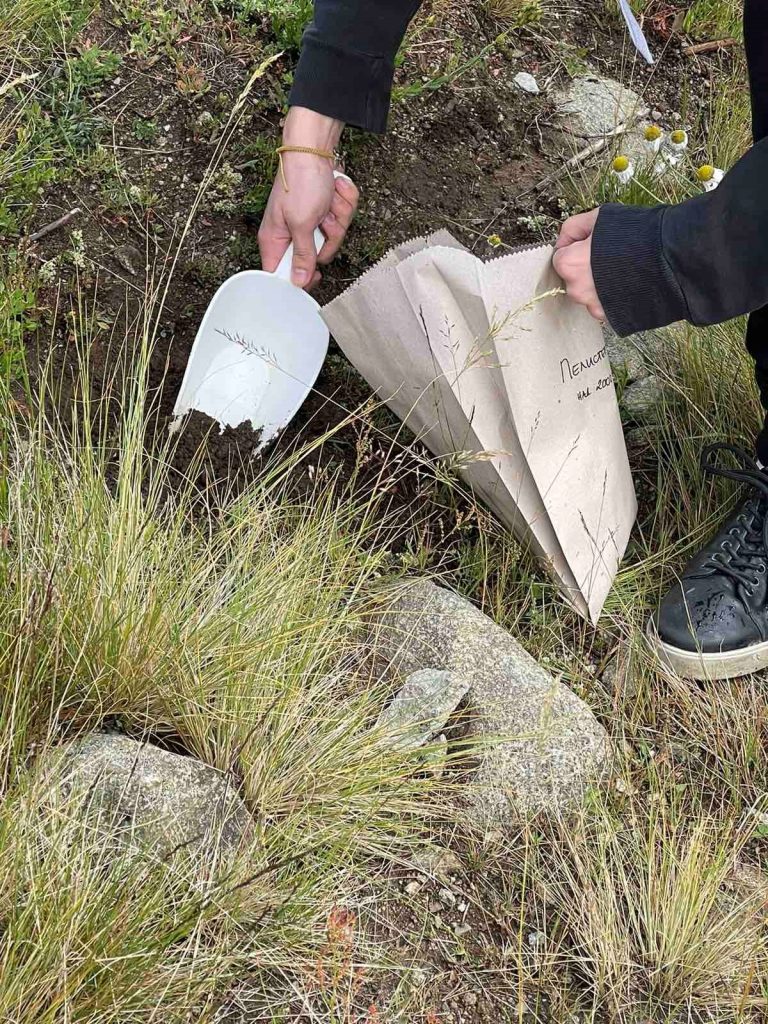
Physiological groups of soil microorganisms play an important role in regulating ecosystem functions and processes related to the organic matter cycle (van de Heijden et al., 2008). Mountains are excellent systems for studying microbial communities due to the variability in abiotic and biotic factors over relatively short distances along the altitudinal gradient (Sundqvist et al., 2013). This variability provides a unique opportunity to investigate the effects of high fluctuations in aboveground vegetation, local soil, and climatic conditions on the abundance of physiological groups of microorganisms (Margesin et al., 2009). Literature data indicate that some groups of microorganisms are more sensitive than plants and animals to environmental changes. Therefore, changes in the abundance of microorganisms at different altitudes are considered a good indicator of ecological status (Bardgett et al., 2010). Given the limited knowledge of the impact of climate change on soil microorganisms in mountains, the project aimed to identify factors influencing the presence and abundance of different groups of microorganisms. According to the results obtained, the physicochemical parameters of the soil significantly influence microbial communities, and a change in microorganism abundance along the altitudinal gradient was observed.
INVASIVE GROWTH OF TWO STRAINS OF CYANOBACTERIAL GENUS PSEUDANABAENA LAUTERBORN IN THE MONOSPITOVSKO SWAMP: POLYPHASIC TAXONOMIC-PHYLOGENETIC EVALUATION AND ASSESSMENT OF RISK FOR TOXIN SYNTHESIS AND MALODOROUS COMPOUNDS IN THE SWAMP
Evgenija Stefanoska
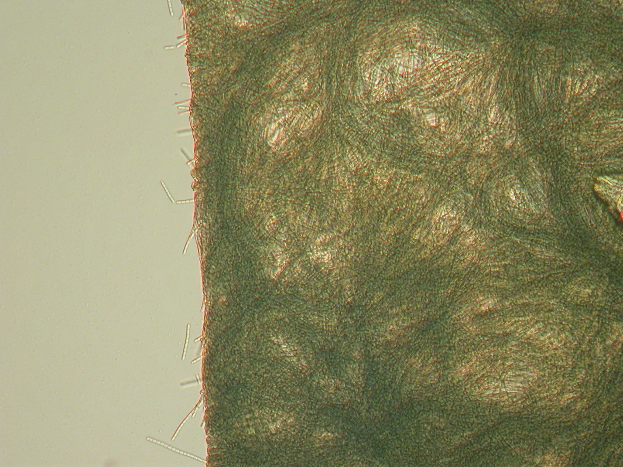 In 2021, the Monospitovsko Swamp was found to have a high degree of pollution, a bad (fetid) odor, and almost completely destroyed algal flora, generally represented by two strains of the cyanobacterial genus Pseudanabaena (MON-1, MON-2) that massively dominated. The strains were found in specific ecological preferences of extreme halophilic water conditions with conductivity above 1500 µS/cm and pronounced brackishness, as well as strong organic pollution. Hence, the question arose whether they had diverged into new species, surviving in the swamp under constant strong pollution pressure. The main objectives of this project were to determine if the strains Pseudanabaena sp. MON-1 and MON-2 represent new species for the cyanobacterial flora (polyphasic taxonomic-phylogenetic evaluation of the 16S rRNA gene and the 16S–23S internal transcribed spacer (ITS), and the assessment of risk for potential harmful effects of their invasive growth, i.e., synthesis of toxins and malodorous metabolites. The overall results from comparative morphological analyses, similarity analyses of 16S rRNA, phylogenetic reconstructions based on 16S rRNA with concatenated approach and Bayesian inference/Maximum likelihood/Neighbor-Joining/Maximum Parsimony phylogenetic trees, the percentage of diversity in the ITS region, and its secondary structures provided sufficient evidence that the strain MON-2 is a representative of Pseudanabaena suomiensis.
BIO-ORGANIC FERTILIZERS FOR SUSTAINABLE AGRICULTURE: APPLICATION OF NON-SYMBIOTIC NITROGEN FIXERS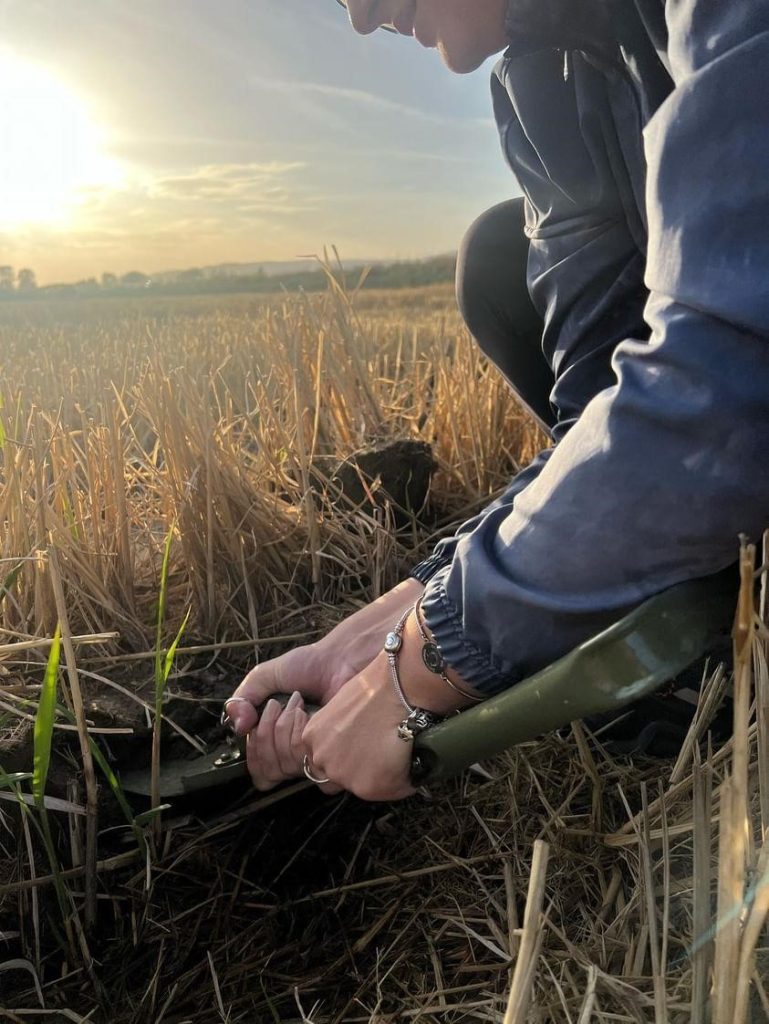
Marija Brsakoska
Bio-organic fertilizer contains living microorganisms that exhibit beneficial properties for promoting plant growth. Various microbial mechanisms are utilized to improve the availability of nutrients, soil fertility, increase crop yields, such as nitrogen fixation, solubilization of potassium and phosphorus, excretion of phytohormones (Mącik et al., 2020). A large portion of nitrogen demand in agriculture is met by using nitrogen fertilizers, but production costs are increasing, and they are not environmentally friendly. This led to increased interest in exploring other nitrogen sources, such as biological nitrogen fixation by nitrogen-fixing bacteria. Non-symbiotic nitrogen fixation by microorganisms has the potential to meet some of this demand (Ropera & Guptab, 2016). Implementing nitrogen fixers overcomes the drawbacks associated with the use of chemical fertilizers and pesticides, hence such research on the use of bio-organic fertilizers is one of the main goals for sustainable agriculture development. From the obtained results, it can be concluded that the selected isolates have the ability to increase the nitrogen content in the soil. The abundance of total bacteria and nitrogen fixers increased within 4 weeks of incubation. All bacterial isolates applied to the soil increased the nitrogen content by 9.4 – 15.6%.
THE VARDAR STONE LOACH (COBITIS VARDARENSIS) OF LAKE DOIRAN
Matеаs Atanasovski
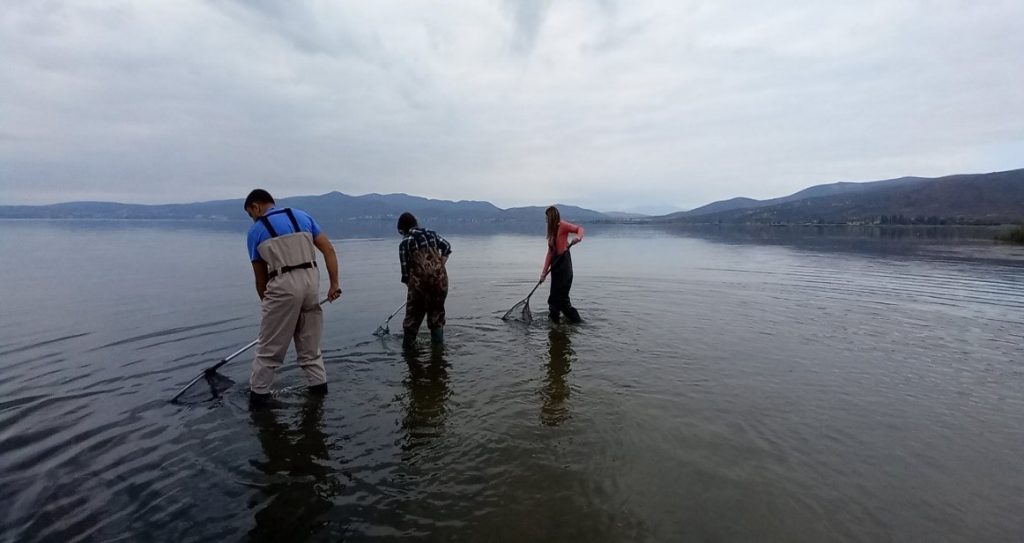
The focus of the research was on the Vardar stone loach (Cobitis vardarensis) from Lake Doiran, aiming to gain insights into the species’ biology, its distribution in the lake, the size of its population, and its reproduction. Given that, in the multitude of studies dedicated to the biology of the fishes of the lake, the least attention has been paid to the biology of the Vardar stone loach, and the lack of complete data on the status of its population after the intensive drainage of water from the lake in 1988, when a large part of the littoral water was withdrawn, a habitat that represents a natural habitat of the stone loach, it was imperative to engage in these studies. The latest ichthyological research provides a certain picture of the composition of the fish community in several localities in the littoral zone of the lake, with no evidence of the presence of the stone loach. For this purpose, seasonal ichthyological surveys (spring/autumn) were conducted within this project along the coastline from the Macedonian side of the lake. During these surveys, the presence of the stone loach was recorded at several of the surveyed locations. A total of 108 sexually mature and juvenile specimens were caught during the seasonal surveys.
SPECIES DIVERSITY (MYCODIVERSITY) AT THE SOUTHWESTERN END OF THE JABLANCE MOUNTAIN, RADOLISHTA – RADOZDA SECTION
Slobodan Kutanoski
Fungi are an essential component of every ecosystem without which it would not function, either as decomposers of dead organic matter or as mycelial networks that support and connect vegetation. For these reasons, knowing the species composition of fungi is significant, especially for areas like the Jablanica Mountain, potentially a future protected area, which lacks sufficient data on fungal species diversity. Therefore, we decided to explore the southern region of the Jablanica mountain. This exploration was complemented with data on the significance of fungi for the local population, as well as training high school students on their biology, importance, recognition, and proper collection.
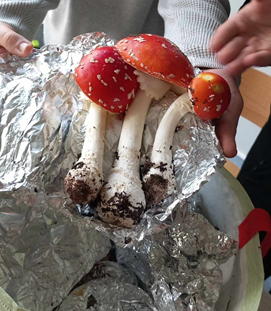 The aim of the research was to provide data on the species composition of fungi from the surroundings of southern Jablanica, along with their characteristics such as:
- Seasonal variations;
- Importance for the local population;
- Education of young people about the biology and ecology of fungi, their recognition, and proper collection.
As a result of the work, the following data were provided:
- A total of 238 species from 66 families were investigated;
- 126 species are new to the area;
- 6 species are new to Macedonia;
- 7 species are on the red list;
- 28 species are edible, and 10 species are medicinal;
- An educational event was held with high school students at SOU “Niko Nestor” in Struga, with enthusiastic young people who now have a new curiosity about fungi.
The obtained results from the research provided new data on the species composition of fungi for the Jablanica mountain, enriching the data on mycodiversity. These data on the mycodiversity of the Jablanica mountain could contribute to the future valorization of the natural wealth of the mountain, highlighting this incredible diversity in such a small area, and help in its designation as a protected area – a national park.
BIODIVERSITY AND DISTRIBUTION OF LEPIDOPTERA: RHOPALOCERA ON MOUNT KOŽUF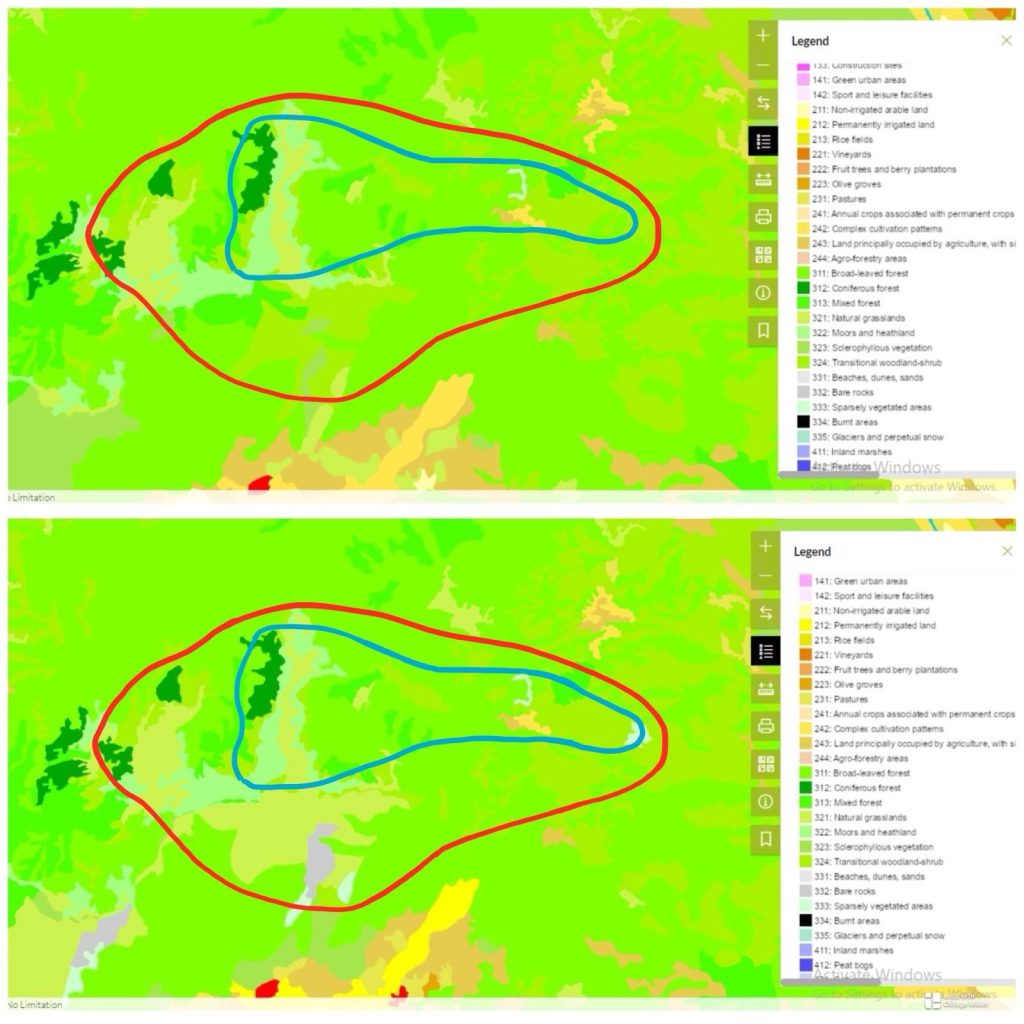
Sofi Mladenova
The research was conducted using trapping methods, followed by identification with the help of a field guide for identifying Lepidoptera. The main objectives of our study were to determine whether the species composition has changed since 2004, whether there is a successive expansion of open terrains and how it affects the species composition, as well as the population size of the Apollo butterfly (Parnassius apollo) at certain locations. This project will enrich knowledge and update existing data on the species composition of the Lepidoptera fauna of Mount Kožuf. Additionally, the data obtained from this research will contribute to a further assessment of the populations of the Apollo butterfly, one of the 37 invertebrates selected for the designation of Natura 2000 areas in North Macedonia, as well as the overall species composition of the Lepidoptera fauna.
Our idea and desire to conduct this research were prompted by the lack of data on the biodiversity of diurnal butterflies over the past 20 years on Mount Kožuf.
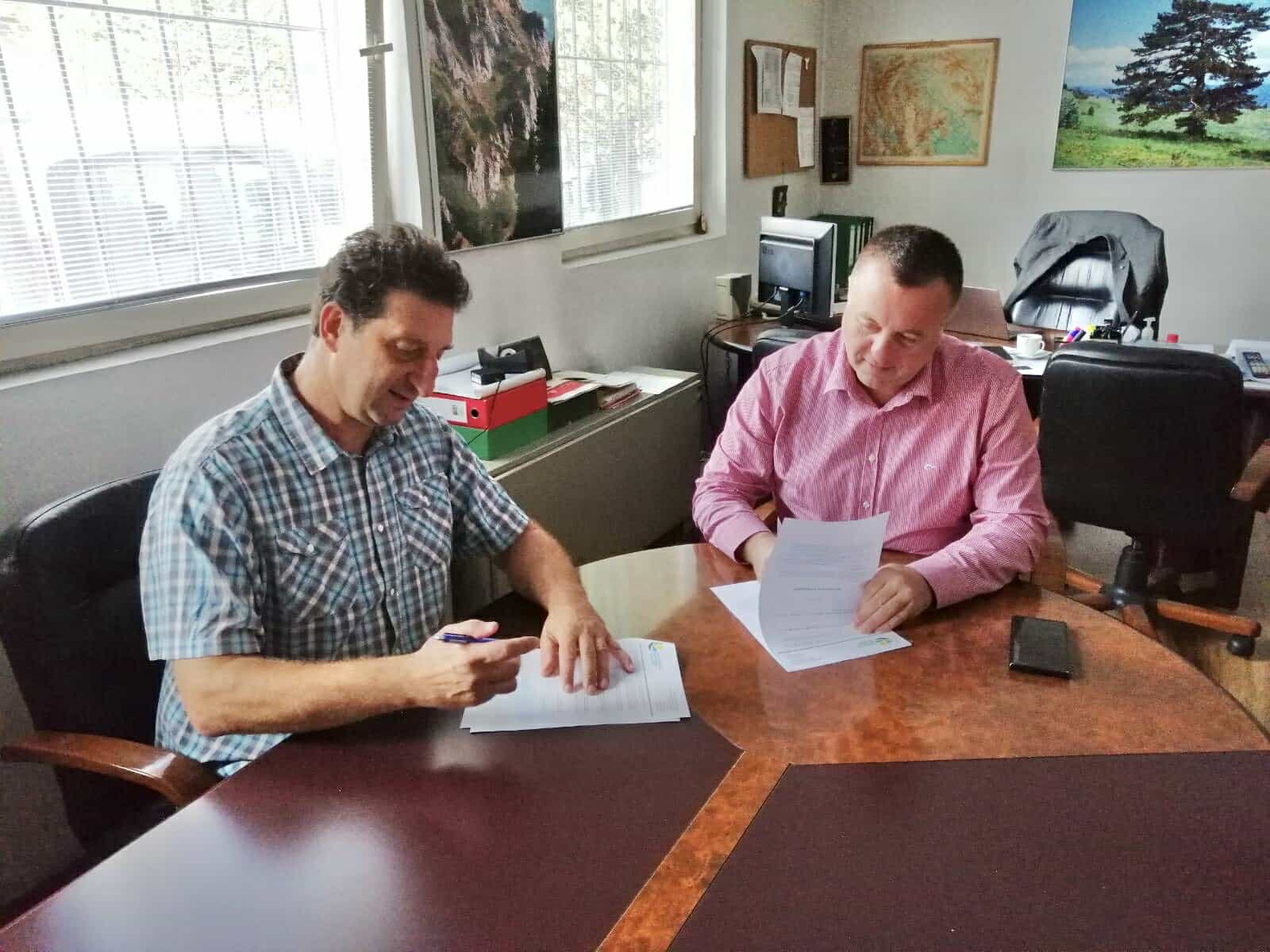
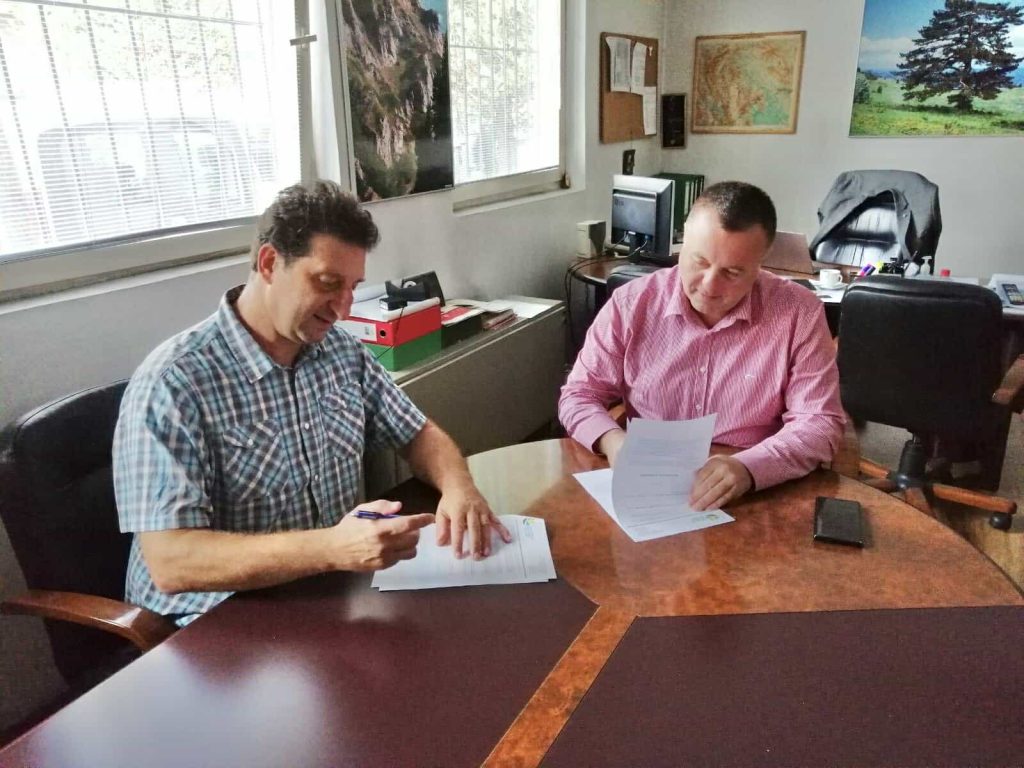

 On August 5th, the State Environmental Inspectorate officially adopted the Standard Operational Protocol (SOP) for handling wildlife poisoning cases, developed as part of the BalkanDetox LIFE initiative. This important document was proposed during a meeting of the National Anti-Poisoning Working Group, where members highlighted the need for clearly defined roles and responsibilities among national bodies, as well as effective cooperation in such cases. In accordance with the Law of Inspection on the Environment, article 34 allows the Director to officially adopt such SOPs, with provisions for annual revisions if necessary.
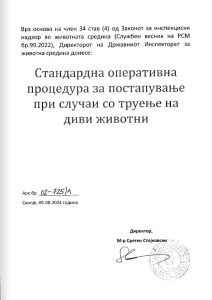 “We are incredibly happy that as a result of the hard work and cooperation of the National Anti-poisoning Working Group, we were able to not only create this document but have it legally adopted by a relevant national body. This action shows commitment, generates motivation, and can further stimulate cooperation in solving wildlife poisoning issues and further to combat such wildlife crimes,” – Arta Starova, North Macedonia project coordinator of BalkanDetox LIFE.